

Kanamean Nishitomiya
Japanese · Nakagyō, Kyoto
Restaurant in Kyoto, Japan
 Book with Pearl
The Read
Five-Generation Ryokan Kaiseki
Price
$300–500per person
Dress
Smart Casual
Why go
A Michelin one-star, five-generation ryokan restaurant in downtown Kyoto, Kanamean Nishitomiya combines deep-rooted kaiseki tradition with an internationally curious kitchen. Booking is hard and the price tier is ¥¥¥¥, but the combination of a Japanese garden setting and a proprietor-led dining philosophy makes this worth the effort for serious food travellers over more straightforward alternatives at the same price.
About Kanamean Nishitomiya
Verdict: Earn Your Reservation: This Is Worth the Effort
Getting a table at Kanamean Nishitomiya in downtown Kyoto is genuinely difficult. Demand for this five-generation, family-run ryokan restaurant consistently outpaces availability, and the intimate setting means capacity is deliberately limited. If you are travelling to Kyoto with a serious interest in how Japanese hospitality philosophy translates to a dining room, this is the booking to prioritise. If you are looking for something easier to secure or a lower price point, Kikunoi Roan offers strong kaiseki credentials with more reservation flexibility.
Portrait
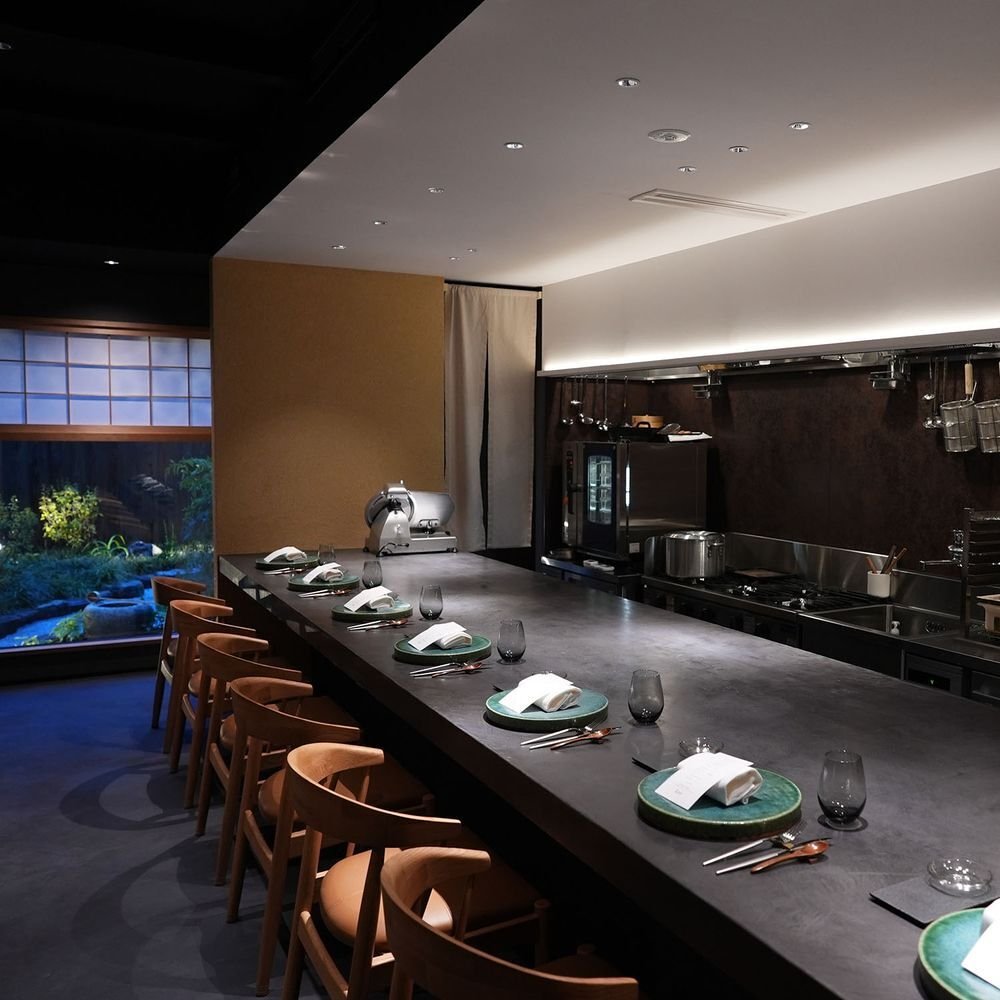
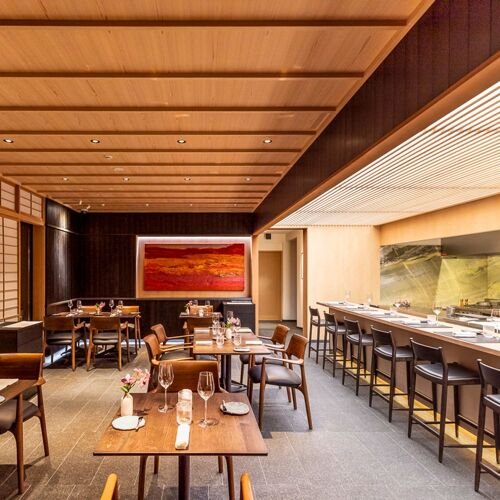
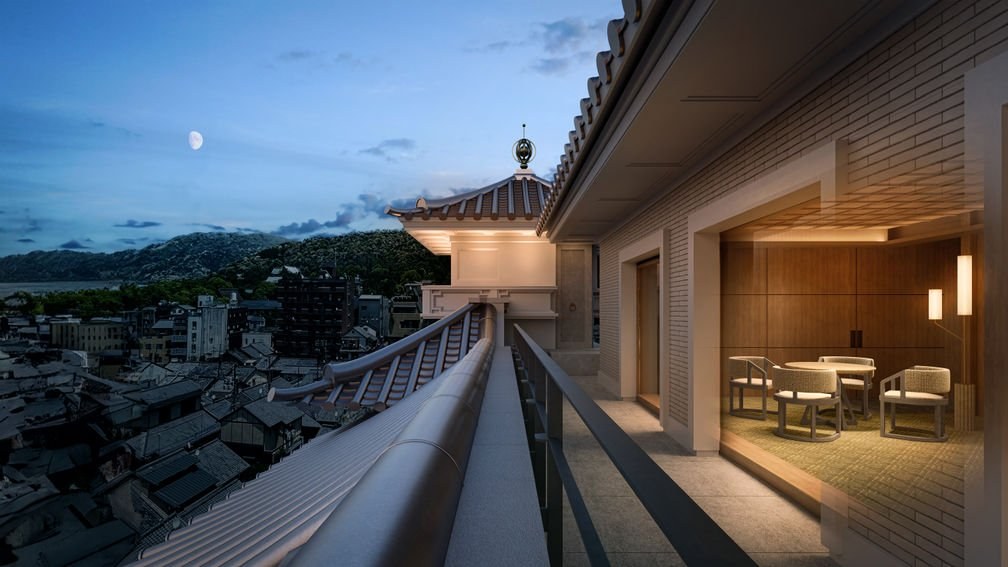
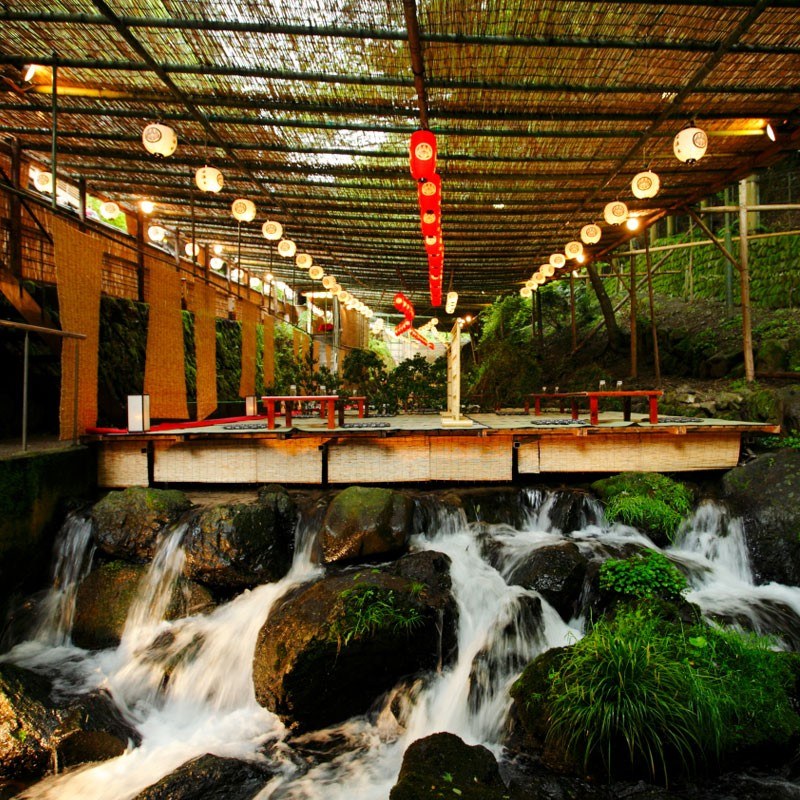
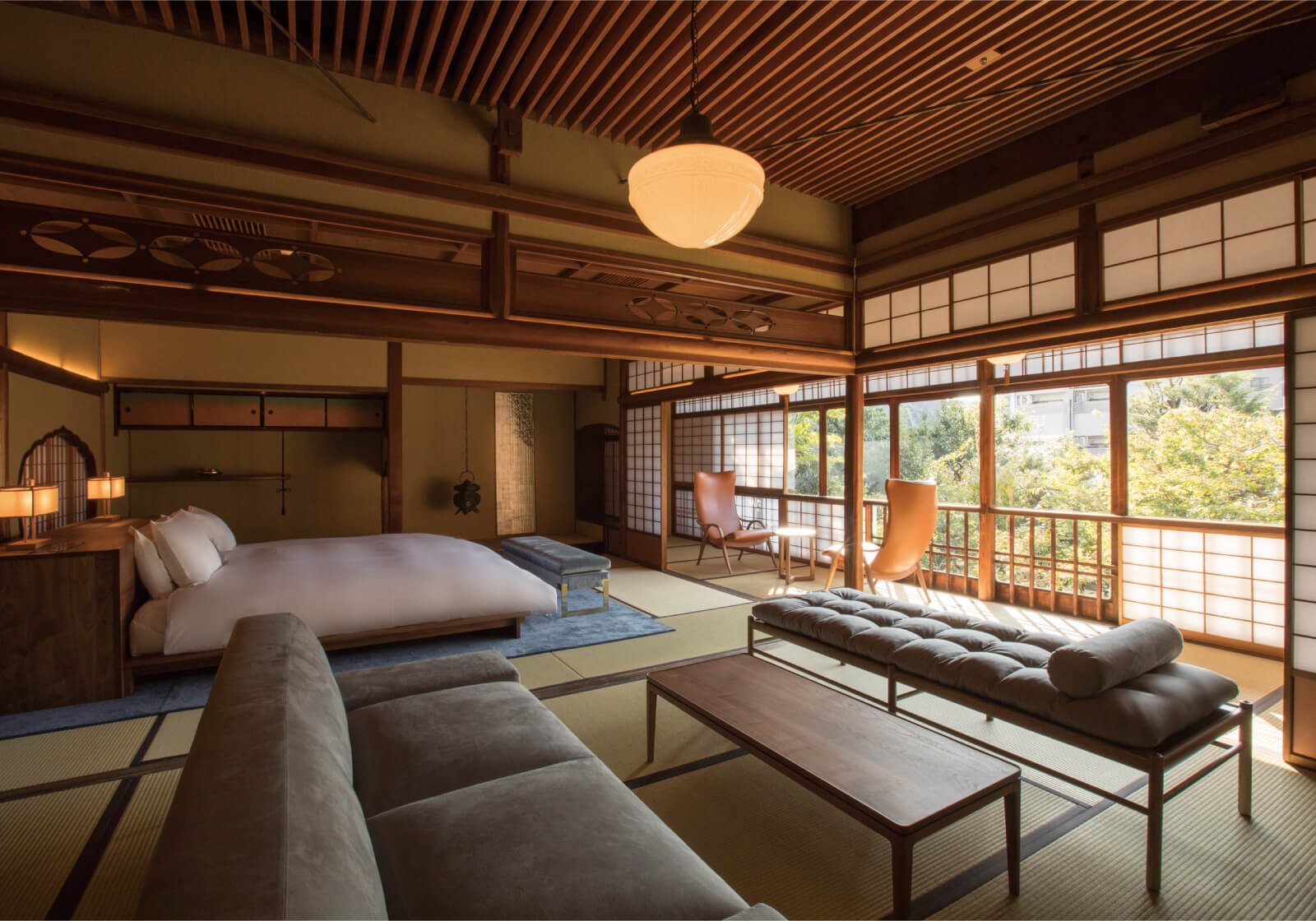
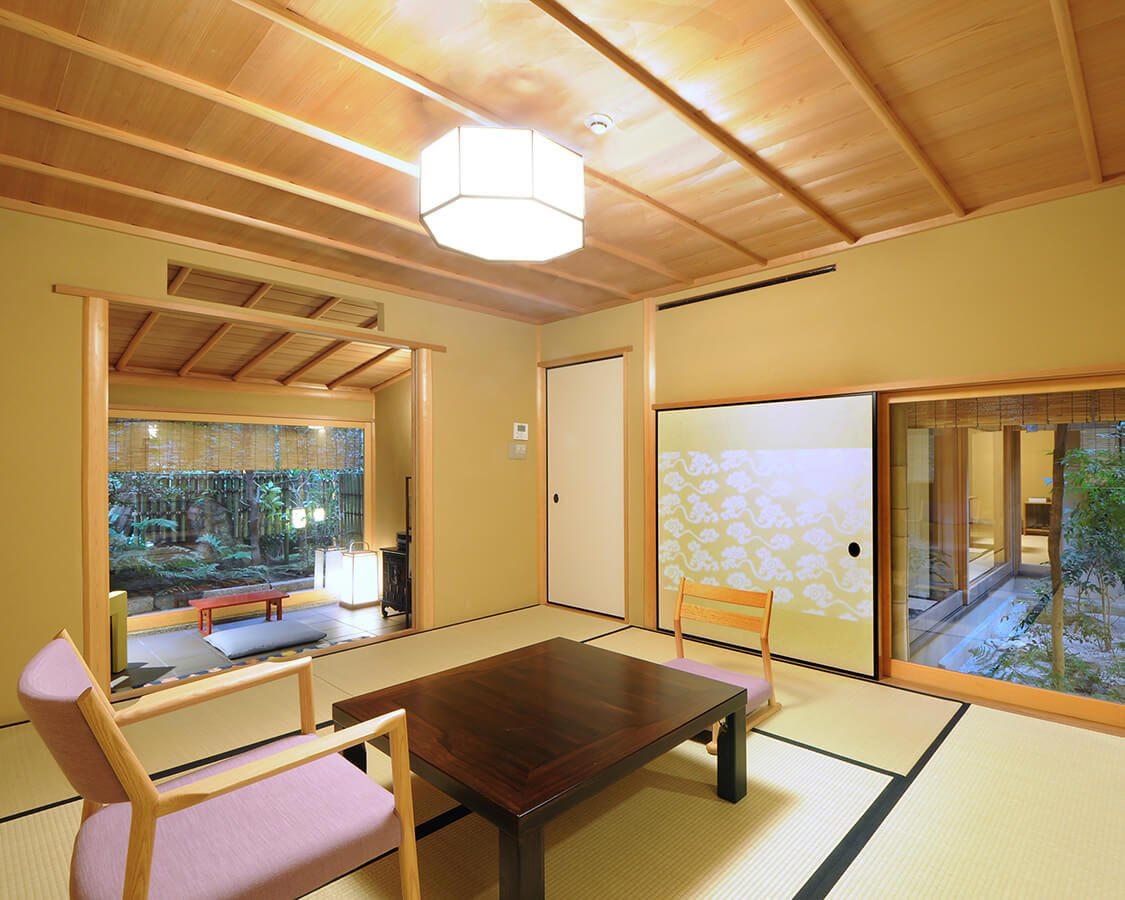
Kanamean Nishitomiya sits in Nakagyo Ward, roughly a three-kilometre journey from JR Kyoto Station: close enough to access easily, far enough to feel embedded in the older grain of the city. The address places you near the crossing of Tominokoji and Rokkaku streets, a part of central Kyoto where machiya townhouse architecture and narrow lanes give the neighbourhood a very different character from the station district. The property includes a Japanese garden, and the physical setting, a ryokan with garden views, shapes the experience before a single course arrives. What you see when you walk in matters here: the garden provides a visual frame for the meal, and the building itself communicates the multi-generational continuity the proprietors are drawing on.
The restaurant holds a Michelin one-star rating (2024), which positions it clearly within Kyoto's competitive kaiseki tier. The Michelin distinction is the more reliable credential here, it tells you that inspectors found the cooking and hospitality at a level worth recognising, and in a city as densely starred as Kyoto, that is not a low bar to clear. For context on what Michelin recognition means in this city, compare the approach at Kyokaiseki Kichisen, which operates at the same price tier and also carries significant recognition.
The proprietors describe their guiding philosophy as treating tradition as the continuation of innovation, a framing that has practical consequences for what ends up on the table. The husband-and-wife owners travel to notable restaurants and wineries internationally, absorbing approaches from outside the kaiseki tradition and integrating what they find useful. This is not a restaurant that is working to reproduce a fixed historical version of Kyoto cuisine. It is working to extend and complicate it. That matters if you are choosing between this and more classically conservative kaiseki rooms in the city. If you want to eat at Isshisoden Nakamura for its historical purity, that is a different kind of experience. Kanamean Nishitomiya is the better choice if you want to see what happens when a deeply rooted tradition is pushed forward by people who have also eaten at the world's leading tables.
Cooking and service operate as a unified team rather than separate departments, which is a structural choice that affects the rhythm of the meal. In practice, this means the transition between courses tends to be smooth and attentive without feeling mechanical. For food and travel enthusiasts who have eaten at kaiseki rooms across Japan, the integration of front and back of house is one of the details that separates good from memorable. Compare this to the experience at Gion Matayoshi, another Kyoto room where the relationship between kitchen and floor defines the meal's pace.
Timing and Booking
Booking difficulty at Kanamean Nishitomiya is high. Plan to reserve well in advance, particularly if you are visiting during Kyoto's peak seasons. Cherry blossom season (late March to mid-April) and autumn foliage season (mid-November) bring the city's heaviest tourist concentration, and competition for tables at recognised restaurants intensifies sharply. For a quieter visit with somewhat more reservation flexibility, the summer months, while hot and humid, or early winter before the holiday period can be productive windows. The ryokan setting with a Japanese garden also rewards visiting during cherry blossom or autumn, but the trade-off is booking difficulty. If you want the garden at its most photogenic, accept that you will need to plan months ahead.
Your most reliable route is through a hotel concierge or a third-party Kyoto dining reservation service. If you are building an itinerary across Japan, the same advance planning logic applies to comparable rooms: Kodaiji Jugyuan in Kyoto, HAJIME in Osaka, or Harutaka in Tokyo all require equivalent forward planning.
Who Should Book This
Kanamean Nishitomiya is the right choice if you want a family-run kaiseki experience in a historic Kyoto setting, with a kitchen that is actively curious about the wider world rather than locked into preservation mode. It is at the ¥¥¥¥ price tier, so this is a considered spend. If your primary interest is kaiseki as a living tradition that absorbs outside influence, this is a more interesting choice than several more conservative rooms at the same price. If you want the most technically rigorous kaiseki in Kyoto without concern for modernity, you may find more satisfaction at Kyokaiseki Kichisen. For a broader view of where this fits within Japan's Michelin-recognised dining, see also akordu in Nara, Goh in Fukuoka, and Myojaku in Tokyo for comparison across formats and regions.
Our full guides to Kyoto restaurants, Kyoto hotels, Kyoto bars, Kyoto wineries, and Kyoto experiences can help you build the rest of your visit around this booking.
Ratings at a Glance
- Michelin Stars: 1 Star (2024)
- Price Range: ¥¥¥¥
- Cuisine: Japanese
- Setting: Ryokan with Japanese garden, Downtown Kyoto
- Generations: Family-run for 5 generations
FAQ
What should I order at Kanamean Nishitomiya?
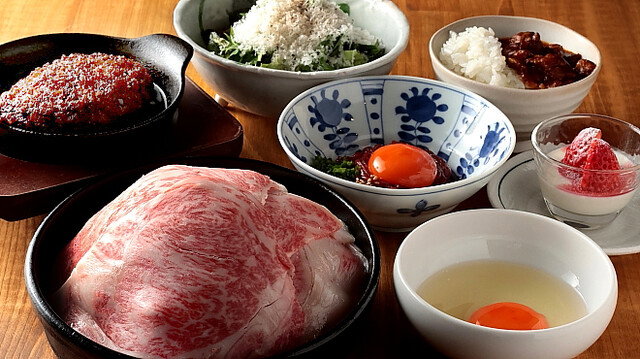
- Specific menu items are not published in available records, so any dish-level advice would be speculation.
- What is confirmed: the kitchen operates within the kaiseki tradition but draws on the proprietors' international dining research, so expect a menu that reflects both seasonal Kyoto ingredients and broader culinary curiosity.
- For comparable kaiseki rooms where published menus give more ordering guidance, Kikunoi Roan is a useful reference point.
Can I eat at the bar at Kanamean Nishitomiya?
- No bar seating is confirmed in available records. This is a ryokan restaurant with an intimate setting, which typically means counter or table seating structured around a set kaiseki progression rather than à la carte bar dining.
- If bar-format dining in Kyoto is your preference, the city has several strong options, see our Kyoto bars guide for alternatives.
Is Kanamean Nishitomiya worth the price?
- At ¥¥¥¥, yes, provided you are specifically seeking a family-run, Michelin-starred kaiseki experience in a ryokan setting with a garden. The five-generation continuity and the owners' internationally informed approach to Kyoto cuisine give this a character that justifies the spend for food-focused travellers.
- If the price tier is a stretch, cenci at ¥¥¥ offers a strong creative dining experience in Kyoto at a lower price point, though the cuisine is Italian rather than kaiseki.
- If you want to spend at this level but want a more classically structured kaiseki, compare to Ifuki at the same ¥¥¥¥ tier.
Can Kanamean Nishitomiya accommodate groups?
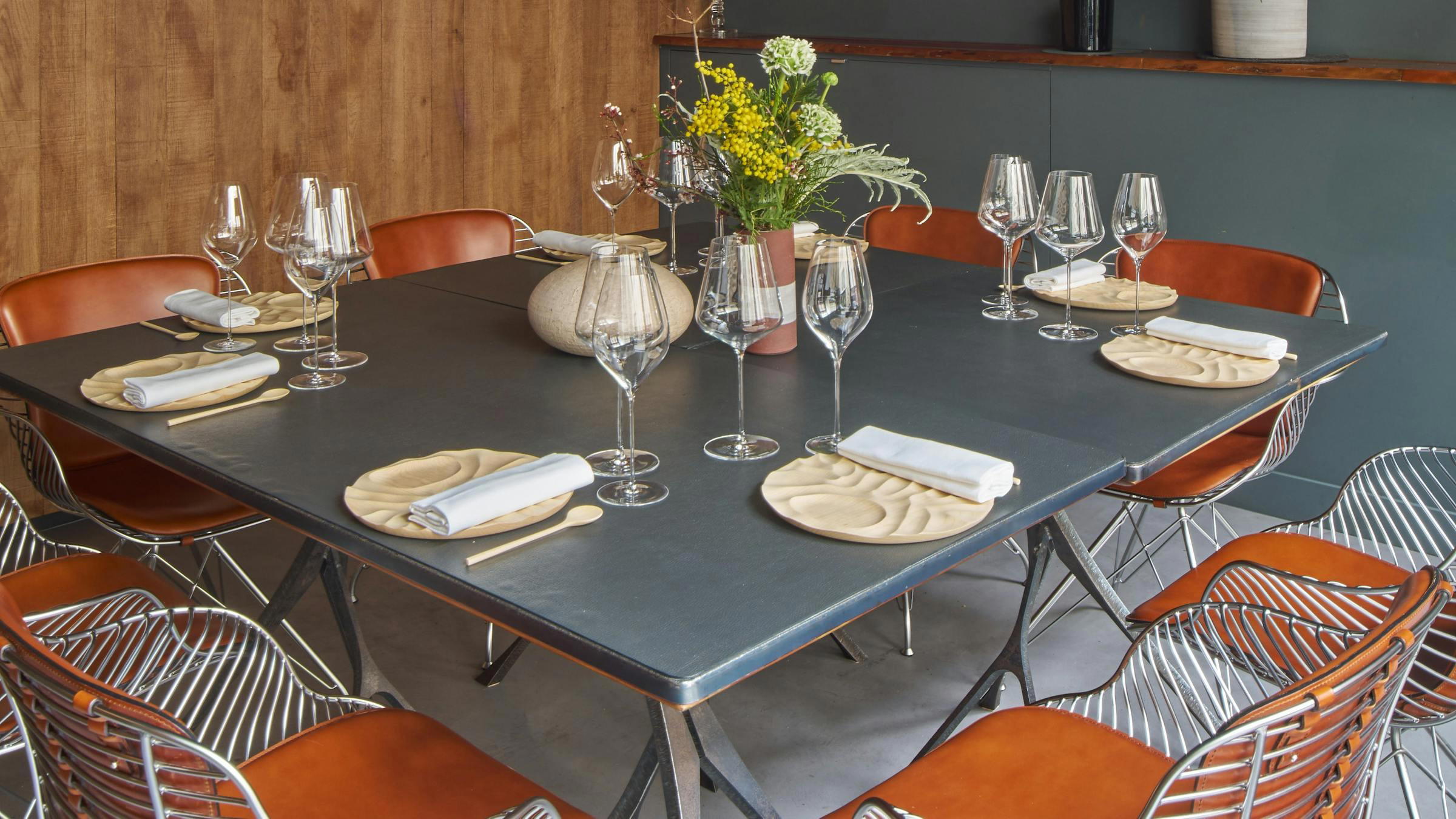
- The intimate setting and five-generation family-run character suggest limited capacity. Large group bookings (6+) are likely difficult and should be discussed directly with the venue when reserving.
- For groups visiting Kyoto, securing a private dining room is the most practical approach at this tier, contact through a hotel concierge for the leading chance of arranging this in advance.
- Also consider 1000 in Yokohama or 6 in Okinawa if you are building a broader Japan itinerary that requires group-friendly options at high-end Japanese restaurants.
What are alternatives to Kanamean Nishitomiya in Kyoto?
- For kaiseki at the same price tier with strong Michelin credentials: Gion Sasaki and Ifuki are direct comparisons.
- For a Kyoto kaiseki room with historical prestige: Kyokaiseki Kichisen.
- For a lower price tier without sacrificing quality: cenci (Italian, ¥¥¥) or Kyo Seika (Chinese, ¥¥¥).
- See our full Kyoto restaurants guide for a broader set of options across cuisines and price tiers.
Also Consider
For Japanese fine dining beyond Kyoto: Azabu Kadowaki in Tokyo is a useful reference for how top-tier Japanese cuisine operates in a different city context. For the full regional picture, our guides to HAJIME in Osaka and akordu in Nara cover strong options within day-trip distance of Kyoto.
Located inside
 HotelKanamean NishitomiyaFull hotel guide
Planning details
- Location
- 562 Honeyanocho, Nakagyo Ward, Kyoto, 604-8064, Japan
- Reservations
- Book on the venue's website
- Website
- kanamean.co.jp
- Phone
- +81 75-211-2411
The take
The Take
The Vibe
Kanamean Nishitomiya feels rooted in Kyoto's built fabric: you enter through a gate from machiya-lined streets into a property that pairs a ryokan with a dining room and a Japanese garden. The setting frames the meal as more than food: it is a ritual of hospitality where views of the garden, restrained service, and the layered quiet of an old neighborhood shape the experience. The house explicitly operates within kaiseki tradition while acknowledging continuity and renewal, so the overall mood is historical, composed, and quietly refined rather than flashy.
Best For
This is a place for focused kaiseki dinners and small, considered occasions where the ritual of service matters as much as the ingredients. The description emphasizes Kansai kaiseki’s sequential logic, alternation of temperature and texture, the role of dashi, and seasonal composition, so it suits diners who want a contemplative multi-course meal. It reads as especially appropriate for date nights or special occasions when the dining room and garden setting are part of the attraction.
Ordering Tips
Treat the meal as a sequence: Kansai kaiseki prioritizes composition, the drawing of dashi, and shifts in temperature and texture across courses. Ordering the full kaiseki (or the house multi-course offering) is the clearest way to appreciate that logic and the family-run restaurant’s approach to tradition and innovation. Focus on seasonal courses and allow the progression to unfold rather than picking à la carte.
Venue details
Ambiance
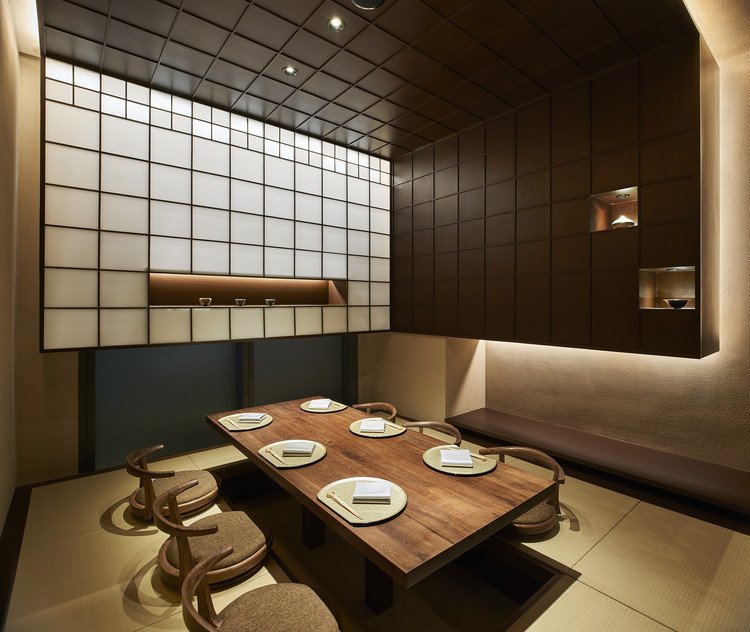
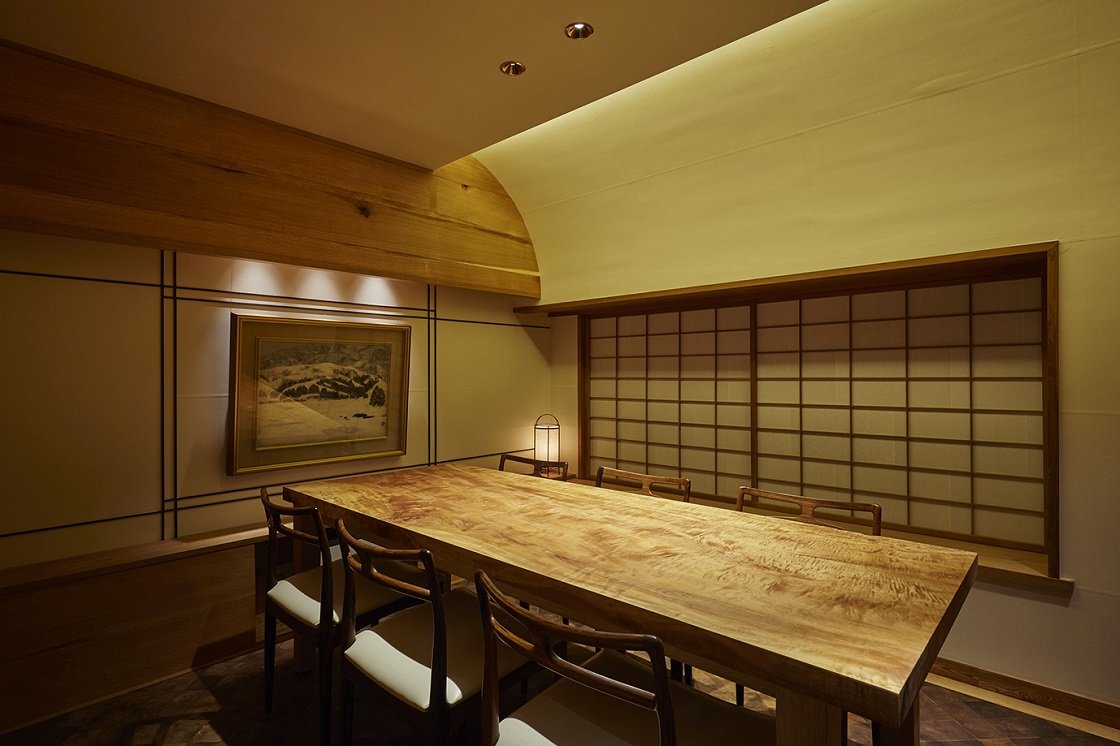
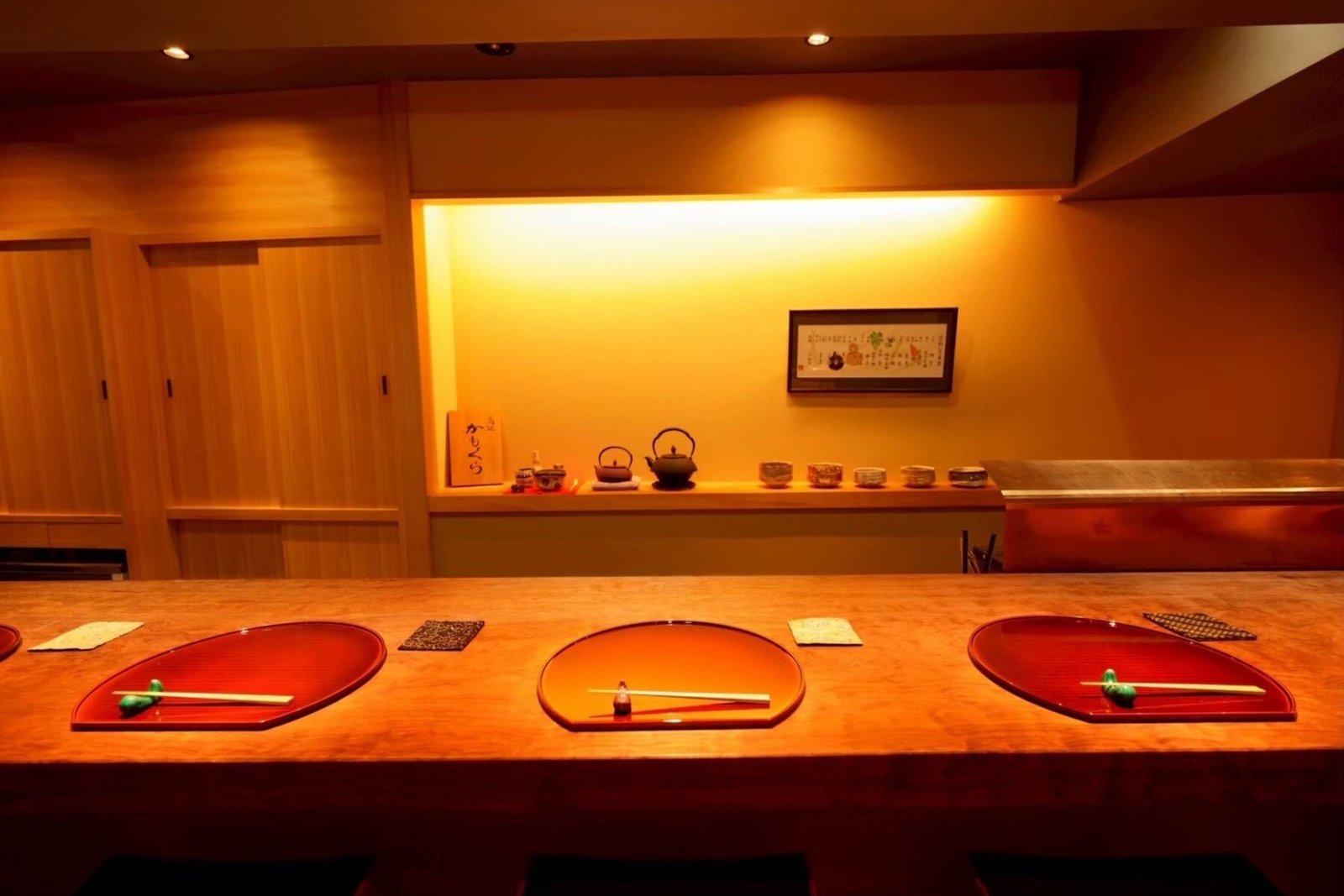
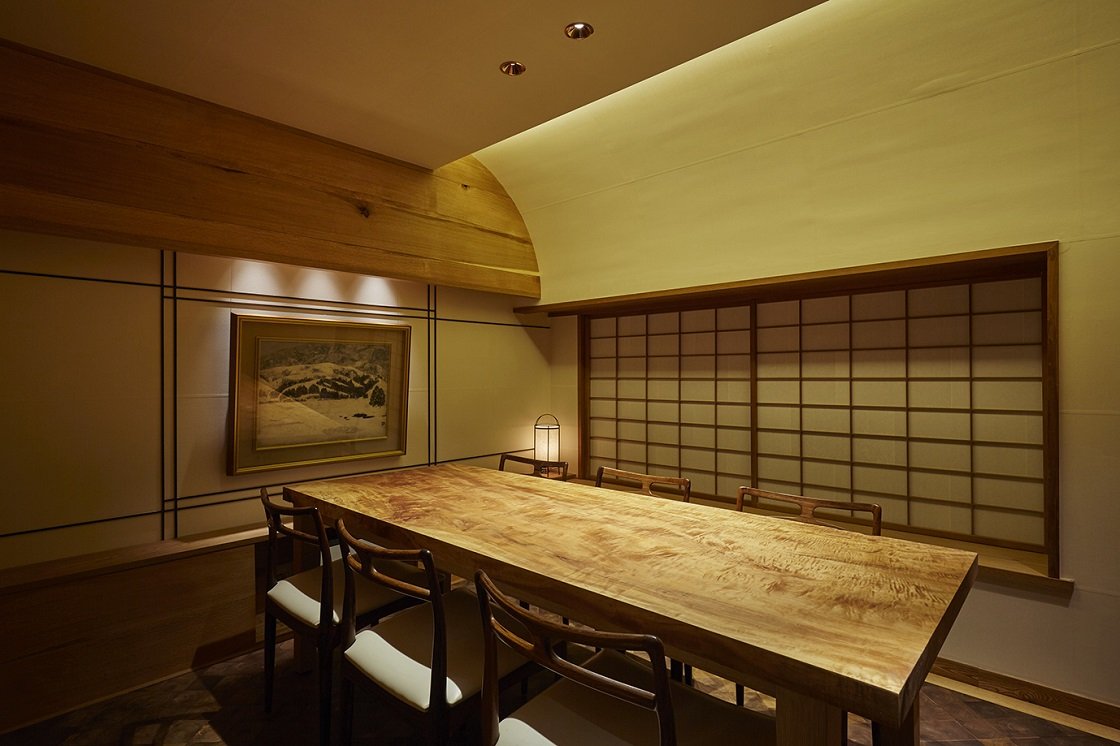
Serene and elegant with tatami mats, garden views, soft lighting, and traditional Japanese hospitality creating a quietly beautiful atmosphere.
Tags
Vibe
Best For
Experience
Sourcing
View
At the Table
- Dress Code
- Smart Casual
- Noise Level
- Quiet
- Service Style
- Formal
- Meal Pacing
- Leisurely
- Capacity
- Intimate
- Kitchen
- Seasonal
- Menu Format
- Tasting menu, Prix fixe, Counter dining
- Drinks Focus
- Sake, Wine
- Dietary
- Vegetarian friendly, Allergy accommodating
- Private Dining
- Available
Know before you go
Know Before You Go
- Getting there
- 562 Honeyanocho, Nakagyo Ward, Kyoto, 604-8064, Japan
Planning details
Location
562 Honeyanocho, Nakagyo Ward, Kyoto, 604-8064, Japan · Directions
Recognition and awards

Also consider
Also Consider
- Gion Sasaki: Kaiseki, Japanese, ¥¥¥¥
- cenci: Italian, ¥¥¥
- Ifuki: Kaiseki, ¥¥¥¥
- Kyokaiseki Kichisen: Japanese, ¥¥¥¥
- Kyo Seika: Chinese, ¥¥¥
Restaurant context
At the ¥¥¥¥ tier in Kyoto, Kanamean Nishitomiya competes directly with Gion Sasaki and Ifuki for the same diner: someone who wants Michelin-recognised kaiseki in a setting that communicates historical depth. The key differentiator is philosophy. Kanamean Nishitomiya's owners actively research international dining and bring that back to the kitchen, which means the menu is more likely to surprise than a room focused on classical reproduction. If you want kaiseki as preservation, Gion Sasaki is the more consistent choice. If you want to see what happens when a five-generation Kyoto kitchen absorbs outside influence, Kanamean Nishitomiya has the stronger case.
Kyokaiseki Kichisen sits at the same price tier but operates with a more formal register and carries greater historical prestige in the kaiseki canon. It is the right choice if ceremony and tradition are your primary criteria. Kanamean Nishitomiya is the right choice if intimacy and a family-run character matter more to you than institutional reputation. The ryokan-with-garden setting gives Kanamean a physical distinctiveness that Kichisen, for all its prestige, does not replicate.
If ¥¥¥¥ is stretching your budget, cenci at ¥¥¥ offers a genuinely strong creative dining experience in Kyoto, though the cuisine is Italian rather than kaiseki. Kyo Seika at ¥¥¥ provides a Chinese fine dining alternative that is easier to book and significantly less expensive. Neither replaces what Kanamean Nishitomiya delivers for a kaiseki-focused visit, but both are worth considering if you are building a multi-restaurant Kyoto itinerary and need to allocate budget across several meals.
Explore Kyoto
Around this place
Discover more on Pearl
Unlock the full Kanamean Nishitomiya guide in Pearl, including awards, comparisons, FAQs, planning details, and nearby places.
Compare Kanamean Nishitomiya
| Venue | Cuisine | Awards | Booking Difficulty |
|---|---|---|---|
| Kanamean Nishitomiya | Japanese | 2026 Relais Chateaux RestaurantsMichelin Guide Kyoto Osaka 20262026 Michelin 1 Star2025 Relais Chateaux Award2024 Michelin 1 Star | Hard |
| Gion Sasaki | Kaiseki, Japanese | 2026 Tabelog Bronze · #3862026 OAD Top Restaurants in Japan RecommendedMichelin Guide Kyoto Osaka 20262026 La Liste Top RestaurantsTabelog 100 - Japanese cuisine - WEST - 2025 · #132025 OAD Top Restaurants in Japan Ranked · #2462025 Tabelog Silver2025 Michelin 3 Stars2025 La Liste Top Restaurants | Unknown |
| cenci | Italian | 2026 Tabelog Bronze · #442026 Asia's 50 Best Restaurants · #762026 OAD Top Restaurants in Japan Highly RecommendedMichelin Guide Kyoto Osaka 2026Tabelog 100 - Italian - WEST - 2025 · #632025 Asia's 50 Best Restaurants · #632025 OAD Top Restaurants in Japan Ranked · #1682025 Tabelog Bronze2024 OAD Top Restaurants in Japan Ranked · #135 | Unknown |
| Ifuki | Kaiseki | 2026 OAD Top Restaurants in Japan Ranked · #1222026 Tabelog Bronze · #128Michelin Guide Kyoto Osaka 20262026 La Liste Top RestaurantsTabelog 100 - Japanese cuisine - WEST - 2025 · #622025 OAD Top Restaurants in Japan Ranked · #1002025 La Liste Top Restaurants2025 Tabelog Bronze2025 Michelin 2 Stars | Unknown |
| Kyokaiseki Kichisen | Japanese | 2026 Tabelog Bronze · #1752026 OAD Top Restaurants in Japan Highly RecommendedMichelin Guide Kyoto Osaka 20262025 OAD Top Restaurants in Japan Ranked · #1862025 Michelin 2 Stars2025 La Liste Top Restaurants2024 OAD Top Restaurants in Japan Ranked · #1422024 Michelin 2 Stars2023 OAD Top Restaurants in Japan Ranked · #136 | Unknown |
| Kyo Seika | Chinese | Tabelog 100 - Chinese cuisine - WEST - 2026 · #762026 Tabelog Bronze · #2162026 OAD Top Restaurants in Japan Recommended2026 Michelin 1 Star2025 OAD Top Restaurants in Japan Ranked · #3262025 Tabelog Bronze2024 OAD Top Restaurants in Japan Ranked · #3042024 Michelin Plate2024 Michelin 1 Star | Unknown |







.png?width=1200&quality=80)
Side-by-side comparison to help you decide where to book.
FAQ
Frequently Asked Questions
What should I order at Kanamean Nishitomiya?
The format here is kaiseki, a set, multi-course progression, so ordering à la carte is not how this restaurant works. You commit to the menu the kitchen is running, which reflects the five-generation family philosophy of treating tradition as a continuation of innovation. At ¥¥¥¥ pricing with a 2024 Michelin star, the kitchen earns the trust required to hand over that control.
Can I eat at the bar at Kanamean Nishitomiya?
The venue is a historic ryokan-style property with an intimate setting, and the dining experience appears to be structured around the kaiseki format rather than a walk-in bar counter. If casual or spontaneous seating is what you need, this is not the right venue: plan for a full reservation.
Is Kanamean Nishitomiya worth the price?
At ¥¥¥¥, this is expensive even by Kyoto fine dining standards, but the 2024 Michelin star and the five-generation, family-run context give the price real grounding. The husband-and-wife proprietors actively tour top restaurants and wineries worldwide, feeding ideas back into a kitchen rooted in Kyoto's tradition of graceful hospitality. If you want a kaiseki meal that has genuine curatorial intent behind it, the price is justified.
What are alternatives to Kanamean Nishitomiya in Kyoto?
Gion Sasaki is the most prominent alternative for Kyoto kaiseki with serious Michelin credentials and a chef-driven approach that attracts international attention. Kichisen represents the highest tier of traditional Kyoto kaiseki for those willing to pay more. Cenci and Ifuki offer strong value at a lower price point, particularly if you want contemporary Japanese cooking rather than strictly classical kaiseki. Kyo Seika is worth considering if the Japanese garden and ryokan atmosphere of Kanamean Nishitomiya is part of the appeal and you want a comparable setting.