.png?width=1200&quality=80)
Juu-go
Soba · Sakyō, Kyoto
Restaurant in Kyoto, Japan
 Book with Pearl
The Read
Single-Grain Field-to-Bowl
Price
$30–50per person
Chef
Akiya Ishibashi
Why go
A soba-only specialist in Kyoto's Sakyo Ward, Juu-go earns back-to-back Michelin Bib Gourmand awards (2024–2025) for chef Akiya Ishibashi's grain-to-bowl commitment: he grows his own buckwheat, mills it himself, and kneads dough only after you are seated. At the ¥ price tier, it is the clearest value case for serious soba in Kyoto.
About Juu-go
Is Juu-go worth booking for serious soba in Kyoto?
Yes: and if buckwheat is what you came for, Juu-go in Sakyo Ward is one of the clearest answers Kyoto has to that question. Chef Akiya Ishibashi has built something deliberately narrow here: a soba-only menu, grains grown and harvested by his own hand, dough kneaded only after you are seated. For food explorers who want to understand what soba can actually be, this is the booking to make.
What Juu-go actually is
The format is focused to the point of being almost austere. Ishibashi grows his own buckwheat, mills his own grain, and serves juwari soba, 100% buckwheat, no binding wheat flour, cut thick so that each mouthful requires real chewing before the grain's natural character comes through. That textural emphasis is a deliberate choice: the thickness is not rusticity, it is a delivery mechanism for flavour the chef has cultivated from the soil up. The menu does not broaden beyond soba. There are no token starters in a different register, no dessert course to soften the exit. The entire experience is organised around one ingredient, expressed through one technique, refined over a career the chef has also taken overseas, actively teaching soba culture internationally.
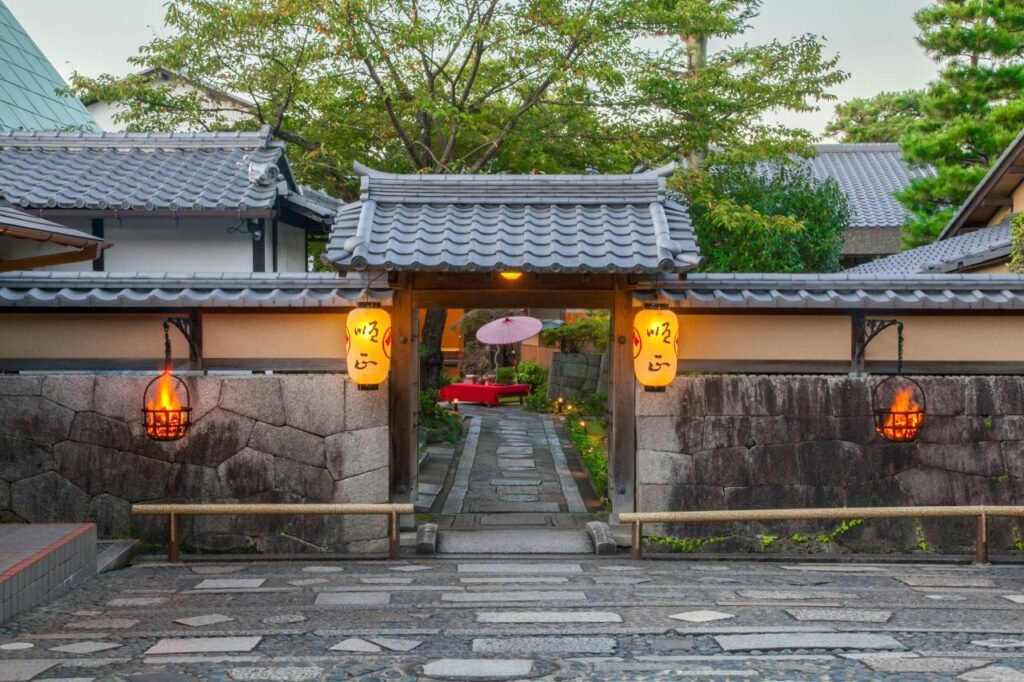
The room sits in Jodoji, a quieter residential pocket of Sakyo Ward that most visitors to Kyoto only pass through on the way to Nanzen-ji or the Philosopher's Path. The atmosphere here is unhurried and without the performance anxiety of a kaiseki counter. If you are used to dining in Kyoto's more ceremony-heavy rooms, the mood at Juu-go will feel grounded and direct, the kind of place where the food is the entire point and the room does not compete with it for attention. Ambient noise is low. Conversations carry. It is a setting that suits solo diners and pairs more naturally than large groups.
Drinks situation is worth addressing plainly: Juu-go is a soba restaurant, not a bar destination. Japanese soba culture does have a pairing tradition, soba-yu (the hot cooking water served at the end) is the canonical closer, and cold buckwheat dishes often sit alongside cold nihonshu or shochu in specialist restaurants. If you are coming primarily for a cocktail program or a deep wine experience, this is not the right room. For that kind of drinks-forward evening in Kyoto, the city's bar scene runs separately, see our full Kyoto bars guide. At Juu-go, the grain in the bowl is the program.
Booking and logistics
Juu-go sits at the ¥ price tier, among the most accessible price points in Kyoto's broader dining scene. For context, the kaiseki rooms that dominate the city's Michelin conversation, including Gion Sasaki and Ifuki, operate at ¥¥¥¥. Getting two consecutive Bib Gourmand recognitions at this price point is the Michelin inspectorate's specific signal for strong quality-to-value ratio, it is a different designation from the star system and is awarded independently. Booking difficulty is rated Easy, which is a genuine advantage for travellers planning itineraries on shorter timelines. Hours are not confirmed, so verify before travelling out to Sakyo Ward.
Sakyo Ward is a neighbourhood that rewards the curious traveller who is already planning time near Ginkaku-ji or along the Philosopher's Path. Combining a visit to Juu-go with that stretch of eastern Kyoto makes the logistics sensible without requiring a dedicated cross-city journey. For broader planning across the city, our full Kyoto restaurants guide covers the range of cuisine types and price tiers, and our full Kyoto hotels guide can help anchor your base.
Soba in context: how Juu-go sits in Japan's broader specialist tradition
Japan's soba specialist restaurants, from Honke Owariya, one of Kyoto's oldest soba houses, to Akasaka Sunaba in Tokyo and Ayamedo in Osaka, each represent a distinct position on the tradition-to-innovation spectrum. What separates Ishibashi's approach at Juu-go is the vertical integration: growing the grain himself positions the restaurant closer to a farm-table model than most urban soba specialists can claim. Within Kyoto specifically, the soba category also includes Chikuyuan Taro no Atsumori, Gombei, Itsutsu, and Saryo Tesshin, each worth considering depending on what your itinerary and appetite for formality require.
For food explorers with Japan itineraries that extend beyond Kyoto, the wider Pearl network covers comparable single-minded specialist kitchens: HAJIME in Osaka, Harutaka in Tokyo, akordu in Nara, Goh in Fukuoka, 1000 in Yokohama, and 6 in Okinawa. For Kyoto specifically, our full Kyoto experiences guide and our full Kyoto wineries guide add further context for building an itinerary around serious food and drink.
The verdict
Juu-go is the booking for anyone who wants to understand what a single grain can become in the hands of a chef who controls every step from field to bowl. At the ¥ price tier, with back-to-back Bib Gourmand recognition and a 4.6 rating that reflects genuine guest satisfaction, the value case is direct. Book it through your concierge, confirm current hours before you travel to Sakyo Ward, and go without expecting anything beyond soba, because that is precisely what makes it worth going.
Planning details
- Location
- 6-71 Jodoji Kamiminamidacho, Sakyo Ward, Kyoto, 606-8405, Japan
- Reservations
- Book on TableCheck
- Website
- instagram.com/15_soba
The take
The Take
The Vibe
Juu-go presents a quietly compelling, highly focused dining experience. Tucked into the residential streets at the northern edge of the Higashiyama foothills, the small counter foregrounds intimacy and craft over spectacle. Chef Akiya Ishibashi’s decision to till his own fields, mill his own buckwheat and commit to juwari soba shapes a disciplined, sophisticated atmosphere: everything is pared back to the texture and flavor of buckwheat. The mood is serene and restrained rather than theatrical, rewarding diners who appreciate technical rigor, seasonal specificity and a subdued, inward-looking form of hospitality.
Best For
This is a destination for diners who want to focus on a single ingredient and the skill behind it. The counter setup and intimate scale make Juu-go ideal for solo diners who want direct engagement with the chef’s process, and for couples seeking a quiet, considered date-night experience. The restaurant’s Bib Gourmand positioning and single-course emphasis also suit serious eaters who value technique and ingredient provenance over variety: you come here to study and savor buckwheat prepared in multiple expressions.
Ordering Tips
The menu is built entirely around soba, so order with that focus in mind. Try preparations that showcase the chef’s milling and field-to-table work: soba mash and sobagaki are signature ways to experience buckwheat’s earthier flavor and coarser texture. Be aware the juwari style (100% buckwheat) produces a more fragile noodle and a shorter window between cutting and serving, so prioritize freshly served items and lean into the subtle differences in chew and flavor rather than seeking heavy sauces or variety.
Venue details
Ambiance
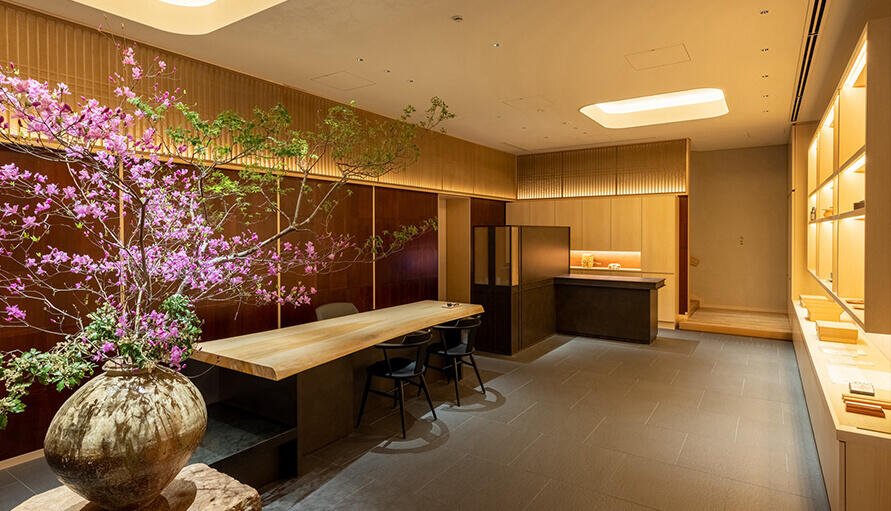
Peaceful and minimalist with simple, stylish design, no music, and a serene, relaxing atmosphere.
Tags
Vibe
Best For
Experience
Sourcing
At the Table
- Noise Level
- Quiet
- Service Style
- Counter Service
- Meal Pacing
- Leisurely
- Capacity
- Intimate
- Kitchen
- Traditional
- Menu Format
- A la carte, Counter dining
- Dietary
- Vegetarian friendly
Signature Dishes
- soba
- sobagaki
Know before you go
Know Before You Go
- Getting there
- 6-71 Jodoji Kamiminamidacho, Sakyo Ward, Kyoto, 606-8405, Japan
Planning details
Location
6-71 Jodoji Kamiminamidacho, Sakyo Ward, Kyoto, 606-8405, Japan · Directions
Recognition and awards
Also consider
Also Consider
- Gion Sasaki: Kaiseki, Japanese, ¥¥¥¥
- cenci: Italian, ¥¥¥
- Ifuki: Kaiseki, ¥¥¥¥
- Kyokaiseki Kichisen: Japanese, ¥¥¥¥
- Kyo Seika: Chinese, ¥¥¥
Restaurant context
Juu-go operates in a different register from most of Kyoto's Michelin-recognised restaurants, and that gap is part of its appeal. The kaiseki rooms that define the city's dining reputation Gion Sasaki, Ifuki, and Kyokaiseki Kichisen: all operate at ¥¥¥¥, require significantly more planning to book, and ask more of the diner in terms of time, formality, and spend. If your priority is experiencing Kyoto's multi-course kaiseki tradition at its highest level, those rooms are the right choice. If you want Michelin-recognised quality at a fraction of the price and a format that is complete in under two hours, Juu-go is the practical answer.
At the ¥¥¥ tier, cenci and Kyo Seika represent mid-range alternatives for diners who want a broader menu format or a non-Japanese cuisine angle. cenci applies an Italian framework to Kyoto produce and suits guests who want the tasting menu progression without committing to full kaiseki pricing. Neither competes directly with Juu-go on the soba question: they are different evenings for different intentions.
The clearest decision logic: if your Kyoto itinerary has room for one serious splurge meal, spend it at Gion Sasaki or Ifuki and book Juu-go as a separate, low-stakes lunch or early dinner the same trip. The two experiences do not overlap: one is about the architecture of a formal multi-course meal, the other is about understanding what a single grain can do in skilled hands. At the ¥ price point with back-to-back Bib Gourmand recognition, Juu-go is the easiest booking in Kyoto's Michelin set to justify.
Explore Kyoto
Around this place
Discover more on Pearl
Unlock the full Juu-go guide in Pearl, including awards, comparisons, FAQs, planning details, and nearby places.
Compare Juu-go
| Venue | Cuisine | Price | Awards | Booking Difficulty |
|---|---|---|---|---|
| Juu-go | Soba | ¥ | 2026 Bib Gourmand2025 Michelin Bib Gourmand2024 Michelin Bib Gourmand | Easy |
| Gion Sasaki | Kaiseki, Japanese | ¥¥¥¥ | 2026 Tabelog Bronze · #3862026 OAD Top Restaurants in Japan RecommendedMichelin Guide Kyoto Osaka 20262026 La Liste Top RestaurantsTabelog 100 - Japanese cuisine - WEST - 2025 · #132025 OAD Top Restaurants in Japan Ranked · #2462025 Tabelog Silver2025 Michelin 3 Stars2025 La Liste Top Restaurants | Unknown |
| cenci | Italian | ¥¥¥ | 2026 Tabelog Bronze · #442026 Asia's 50 Best Restaurants · #762026 OAD Top Restaurants in Japan Highly RecommendedMichelin Guide Kyoto Osaka 2026Tabelog 100 - Italian - WEST - 2025 · #632025 Asia's 50 Best Restaurants · #632025 OAD Top Restaurants in Japan Ranked · #1682025 Tabelog Bronze2024 OAD Top Restaurants in Japan Ranked · #135 | Unknown |
| Ifuki | Kaiseki | ¥¥¥¥ | 2026 OAD Top Restaurants in Japan Ranked · #1222026 Tabelog Bronze · #128Michelin Guide Kyoto Osaka 20262026 La Liste Top RestaurantsTabelog 100 - Japanese cuisine - WEST - 2025 · #622025 OAD Top Restaurants in Japan Ranked · #1002025 La Liste Top Restaurants2025 Tabelog Bronze2025 Michelin 2 Stars | Unknown |
| Kyokaiseki Kichisen | Japanese | ¥¥¥¥ | 2026 Tabelog Bronze · #1752026 OAD Top Restaurants in Japan Highly RecommendedMichelin Guide Kyoto Osaka 20262025 OAD Top Restaurants in Japan Ranked · #1862025 Michelin 2 Stars2025 La Liste Top Restaurants2024 OAD Top Restaurants in Japan Ranked · #1422024 Michelin 2 Stars2023 OAD Top Restaurants in Japan Ranked · #136 | Unknown |
| Kyo Seika | Chinese | ¥¥¥ | Tabelog 100 - Chinese cuisine - WEST - 2026 · #762026 Tabelog Bronze · #2162026 OAD Top Restaurants in Japan Recommended2026 Michelin 1 Star2025 OAD Top Restaurants in Japan Ranked · #3262025 Tabelog Bronze2024 OAD Top Restaurants in Japan Ranked · #3042024 Michelin Plate2024 Michelin 1 Star | Unknown |









.png?width=1200&quality=80)
What to weigh when choosing between Juu-go and alternatives.
FAQ
Frequently Asked Questions
Is Juu-go good for solo dining?
Yes: the focused, single-dish format makes it a natural fit for solo diners who want to eat without distraction. There is no complex multi-course coordination, no group-dependent ordering, and the ¥ price tier keeps the financial commitment low. Solo is arguably the clearest way to engage with what Chef Ishibashi is doing.
Is the tasting menu worth it at Juu-go?
The format at Juu-go centres on soba rather than a conventional tasting progression, so come expecting depth in one ingredient rather than range across many. Given the Michelin Bib Gourmand recognition in both 2024 and 2025 and the ¥ price tier, the value case is straightforward: you are getting a chef who grows and mills his own buckwheat at one of Kyoto's most accessible price points. If you want variety across courses, look elsewhere; if buckwheat craftsmanship is the point, this delivers.
What should a first-timer know about Juu-go?
The format is austere by design: Chef Ishibashi kneads the soba dough only after guests are seated, and the menu is built around soba mash and soba alone. This is not a venue for a long, multi-dish evening: come focused on buckwheat and leave satisfied by craft rather than volume. At the ¥ price tier with back-to-back Bib Gourmand awards, it is one of the clearer value propositions in Sakyo Ward.
What are alternatives to Juu-go in Kyoto?
For a broader Kyoto dining experience, Gion Sasaki and Kyokaiseki Kichisen both operate at the kaiseki end of the spectrum: higher price, more courses, different intent entirely. Ifuki and cenci offer chef-driven menus closer to contemporary Japanese and French-inflected formats. If you want soba specifically, Honke Owariya in central Kyoto is the historic comparison: a centuries-old house with more tourist throughput and less of Juu-go's field-to-bowl specialism.