.png?width=1200&quality=80)
Itsutsu
Soba · Kita, Kyoto
Restaurant in Kyoto, Japan
 Book with Pearl
The Read
Philosophical Soba Omakase
Price
$50–100per person
Dress
Smart Casual
Why go
Itsutsu is Kyoto's most compelling case for serious soba at an accessible price. Back-to-back Michelin Bib Gourmand awards (2024–2025) and a sourcing philosophy built around the entire buckwheat plant set it apart from the city's standard soba houses. At ¥ with easy booking and Wakuden family credentials, it is a straightforward yes for food-focused visitors to Kita Ward.
About Itsutsu
Should You Book Itsutsu?
Getting a table at Itsutsu is easier than you might expect for a Michelin Bib Gourmand recipient in Kyoto: and that accessibility is part of the case for booking. At the ¥ price point, this is one of the most affordable ways to experience serious, considered soba in the city, served through an omakase format that traces the buckwheat plant from root to leaf. If you are visiting Kyoto's Kita Ward and care about how food is grown and sourced, Itsutsu deserves a place on your itinerary alongside the nearby Daitoku-ji Temple complex.
A Portrait of Itsutsu
The name itself is a statement of sourcing philosophy. Itsutsu means 'five' in Japanese, and the five colours referenced are those of the buckwheat plant at each stage of its growth: root, stalk, flowers, seeds, and leaves. That framing is not decorative: it shapes the menu. The kitchen's relationship with buckwheat is comprehensive rather than transactional. Where most soba restaurants treat the grain as a cooking medium, Itsutsu treats it as an organism worth understanding in full, and the omakase structure exists to show that understanding course by course.
That sourcing depth is underwritten by the Wakuden family connection. Wakuden is one of Kyoto's most respected kaiseki establishments, and Itsutsu carries forward that tradition of material precision into a more accessible price tier. The aesthetic sense you would expect from a Wakuden-affiliated house, restraint, seasonal attunement, visual clarity on the plate, is present throughout. For a food explorer visiting Kyoto, that lineage matters: you are not eating at a standalone soba shop, you are eating at a venue with institutional knowledge behind it.
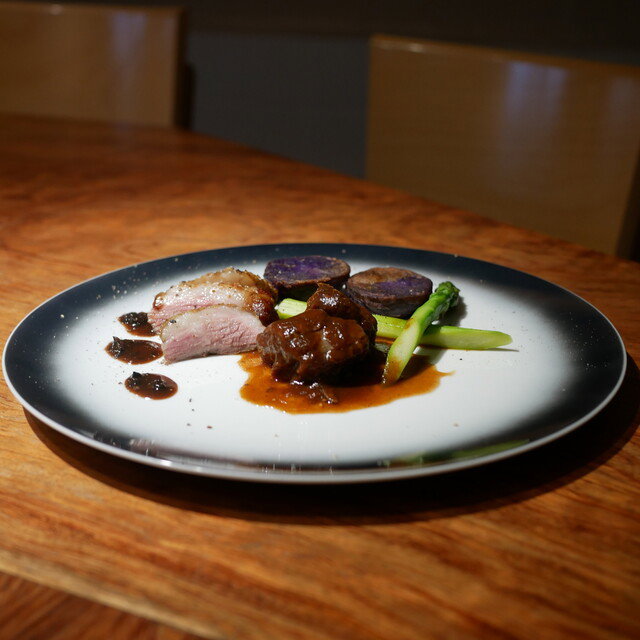
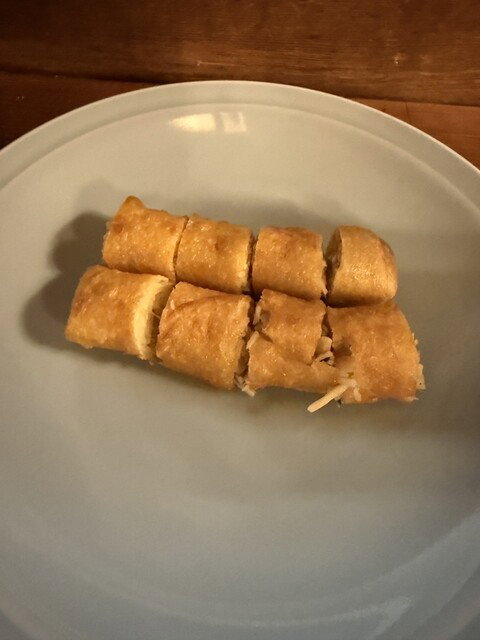
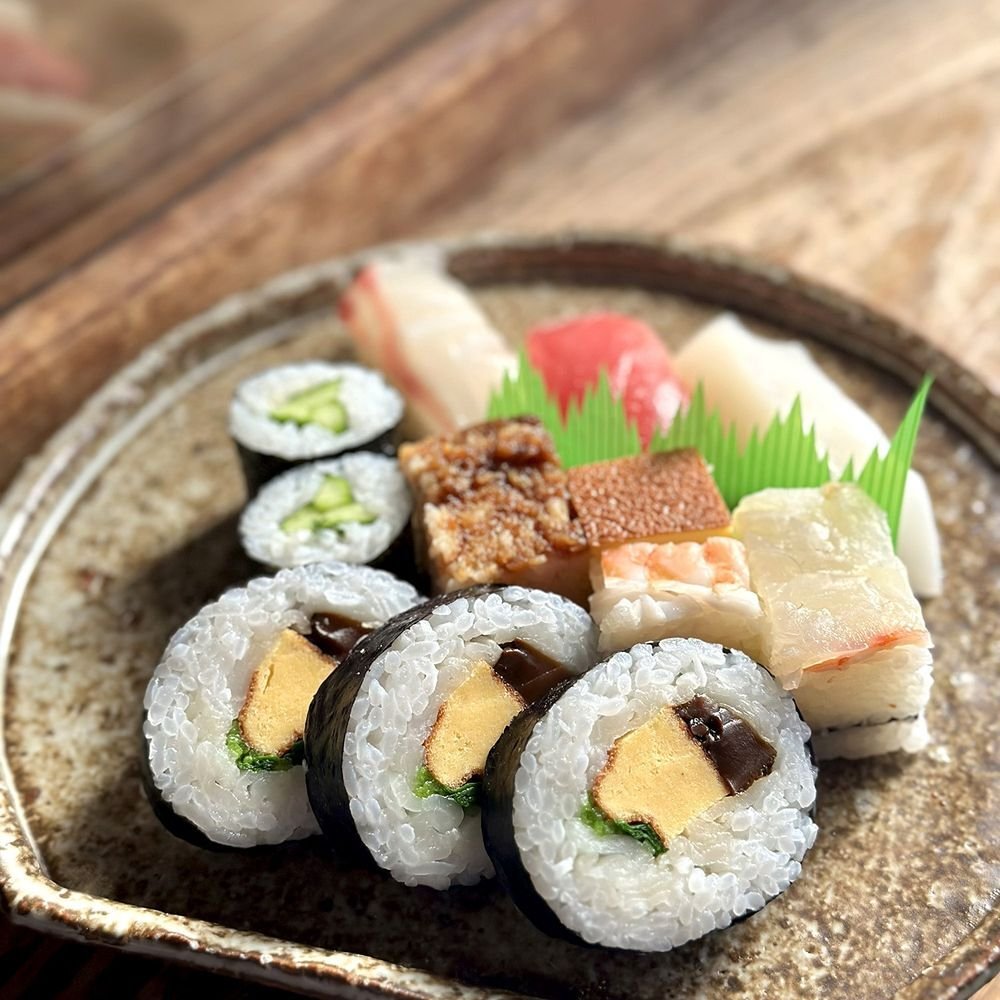
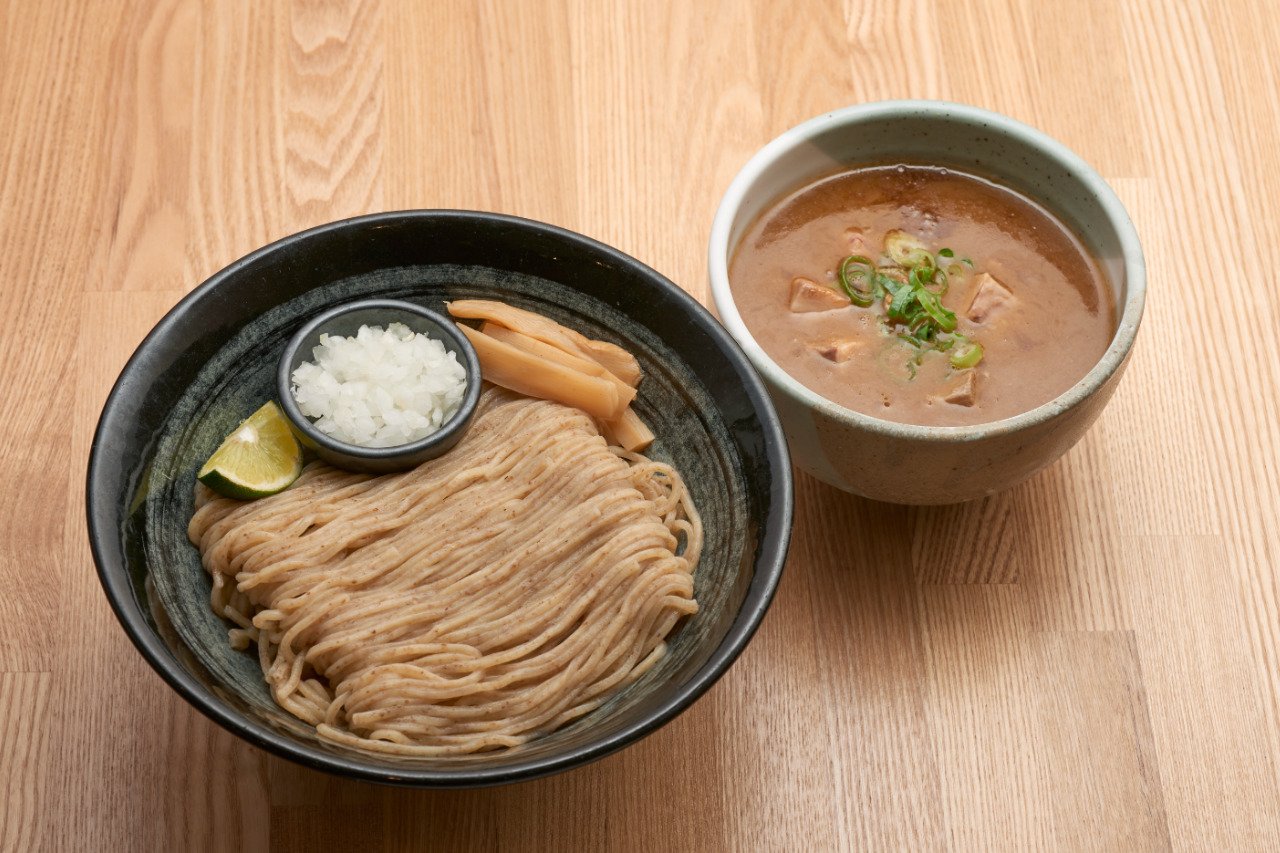
The five elements of the natural world, honoured partly through the proximity of Daitoku-ji Temple a few steps away, add a layer of conceptual coherence that is rare at this price range. Visually, Itsutsu is understood to reflect the aesthetic vocabulary of its neighbourhood and heritage: clean lines, seasonal material, presentations that reward attention. Expect soba served plain or with spicy daikon as the structural anchor, with seasonal additions such as aemono (dressed vegetable or seafood dishes) or sabazushi (mackerel pressed sushi) available à la carte. The combination of a fixed omakase spine with à la carte flexibility gives you control without sacrificing the chef's seasonal intent.
Chef Alois Vanlangenaeker brings an international perspective to this deeply local format. The pairing of European culinary training with the rigour of Japanese soba technique is unusual in Kyoto, and it gives Itsutsu a distinct interpretive angle without abandoning the discipline that defines the category. You are not getting fusion, you are getting a chef who has done the work to understand the source material at a level that justifies the omakase framing.
At this tier, consistency is the harder achievement, it means the sourcing philosophy and kitchen discipline hold across a high volume of covers, not just on special occasions.
Michelin awarded Itsutsu the Bib Gourmand in both 2024 and 2025, its recognition for places that deliver quality above their price level. For a venue operating at ¥, two consecutive Bib Gourmand awards are a concrete signal that the kitchen is performing well above its economic weight class. That award does not guarantee every session is perfect, but it gives you a reliable baseline.
For context on what Itsutsu offers relative to the broader Kyoto soba category: Honke Owariya is the most historically significant soba address in Kyoto, operating for centuries and carrying deep institutional weight, but its format is less omakase-driven and the setting is more traditional. Chikuyuan Taro no Atsumori and Gombei offer solid soba in the city, but neither carries the sourcing philosophy or the tasting-format structure that makes Itsutsu distinctive. If you want to eat soba at the level where the grain itself is the narrative, Itsutsu is the address in Kyoto right now.
Travellers moving across Japan's culinary circuit may also want to cross-reference Akasaka Sunaba in Tokyo and Ayamedo in Osaka for regional soba comparisons. For Kyoto's broader dining picture, see our full Kyoto restaurants guide. If you are building a wider trip, the Saryo Tesshin and Juu-go entries are worth reading alongside this one for a complete picture of Kita Ward dining.
Elsewhere in Japan, food explorers in the region might also consider HAJIME in Osaka, Harutaka in Tokyo, akordu in Nara, Goh in Fukuoka, 1000 in Yokohama, and 6 in Okinawa as part of a broader Japan dining itinerary.
For planning your time in Kyoto beyond restaurants, see our full Kyoto hotels guide, full Kyoto bars guide, full Kyoto wineries guide, and full Kyoto experiences guide.
Quick reference: Itsutsu, Kita Ward, Kyoto. Soba omakase. Price range: ¥. Booking difficulty: easy. Part of the Wakuden family.
Planning details
- Hours
- Monday: 11:30 AM–4 PM, 5–7:30 PM · Tuesday: 11:30 AM–4 PM, 5–7:30 PM
- Location
- 28 Murasakino Unrinincho, Kita Ward, Kyoto, 603-8214, Japan
- Reservations
- Book on TableCheck
- Website
- wakuden.jp/ryotei/itsutsu
- Phone
- +81 75-494-0500
The take
The Take
The Vibe
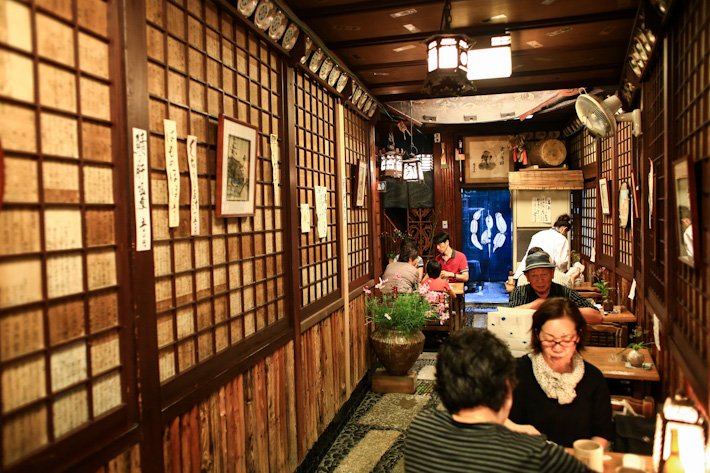
Itsutsu sits quietly in the northern reaches of Kyoto, a soba house that channels the city's contemplative temperament rather than its theatrical kaiseki parade. Located near the walled precincts of Daitoku-ji, it feels embedded in an older, residential register: modest exteriors, restrained interiors and a focus on material honesty. The restaurant treats buckwheat as a subject of study, tracing provenance, milling and grain ratios with the kind of seriousness usually reserved for ceremonial cuisine. That thoughtful, unostentatious approach gives the place a serene, quietly charming presence: an intimate counterpoint to Kyoto's more performed dining experiences.
Best For
Itsutsu is well suited to intimate, focused meals: date nights and special occasions where guests privilege precision and provenance over spectacle, and solo diners seeking a calm, attentive counterpoint to busier city spots. The kitchen marries the austerity of temple-influenced traditions with accessible pricing, making it equally appropriate for a refined lunch or an evening meal. Signature items like the handmade soba and mackerel sushi become the occasion’s centerpieces, rewarding guests who come with a taste for ingredient-driven cooking and the quiet rhythms of Kyoto dining.
Ordering Tips
Order the handmade soba and the mackerel sushi: both are highlighted as signature preparations and exemplify the kitchen’s focus. Ask about the buckwheat’s growing region, milling method and buckwheat-to-wheat ratio so staff can explain seasonal nuances and provenance. Approach the meal with the expectation of restraint and clarity: dishes are meant to be read through ingredient quality rather than adornment, so prioritize a few well-executed items over a sprawling order.
Venue details
Ambiance
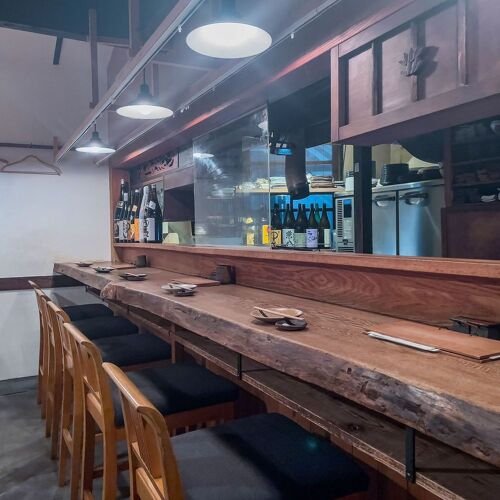
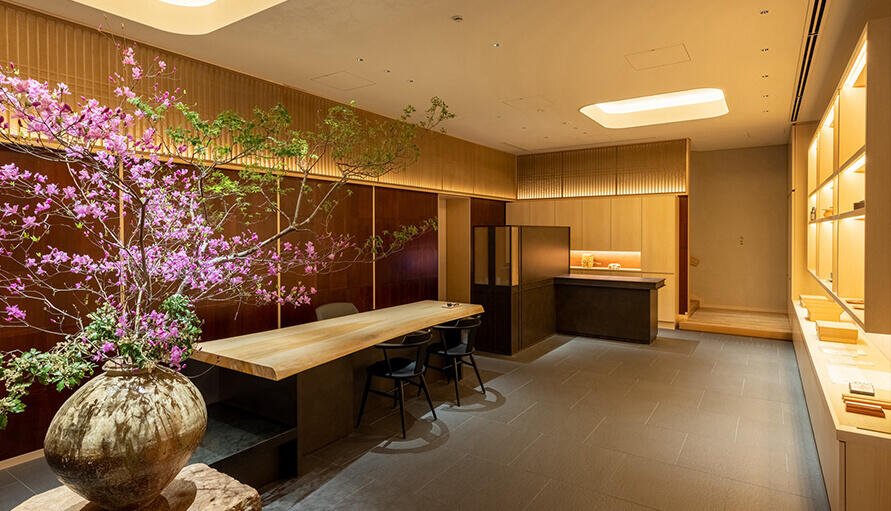
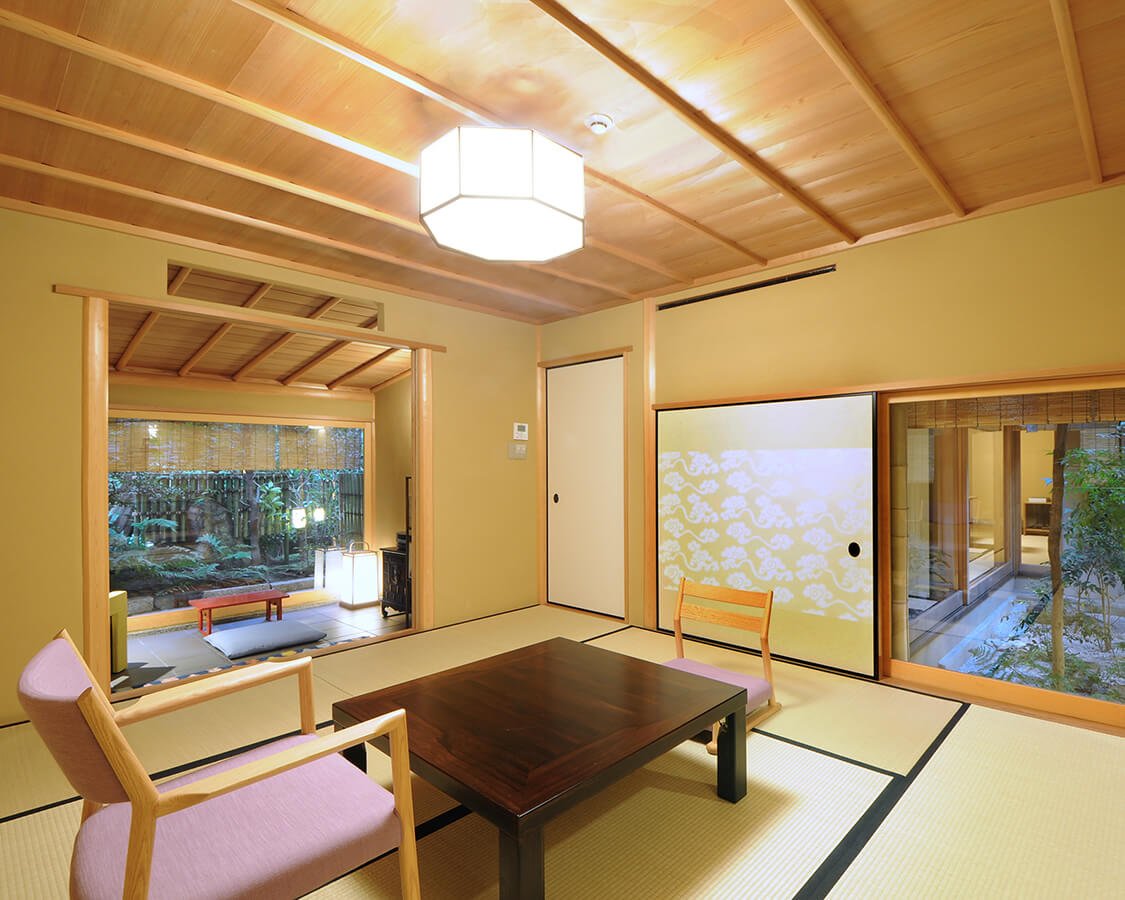
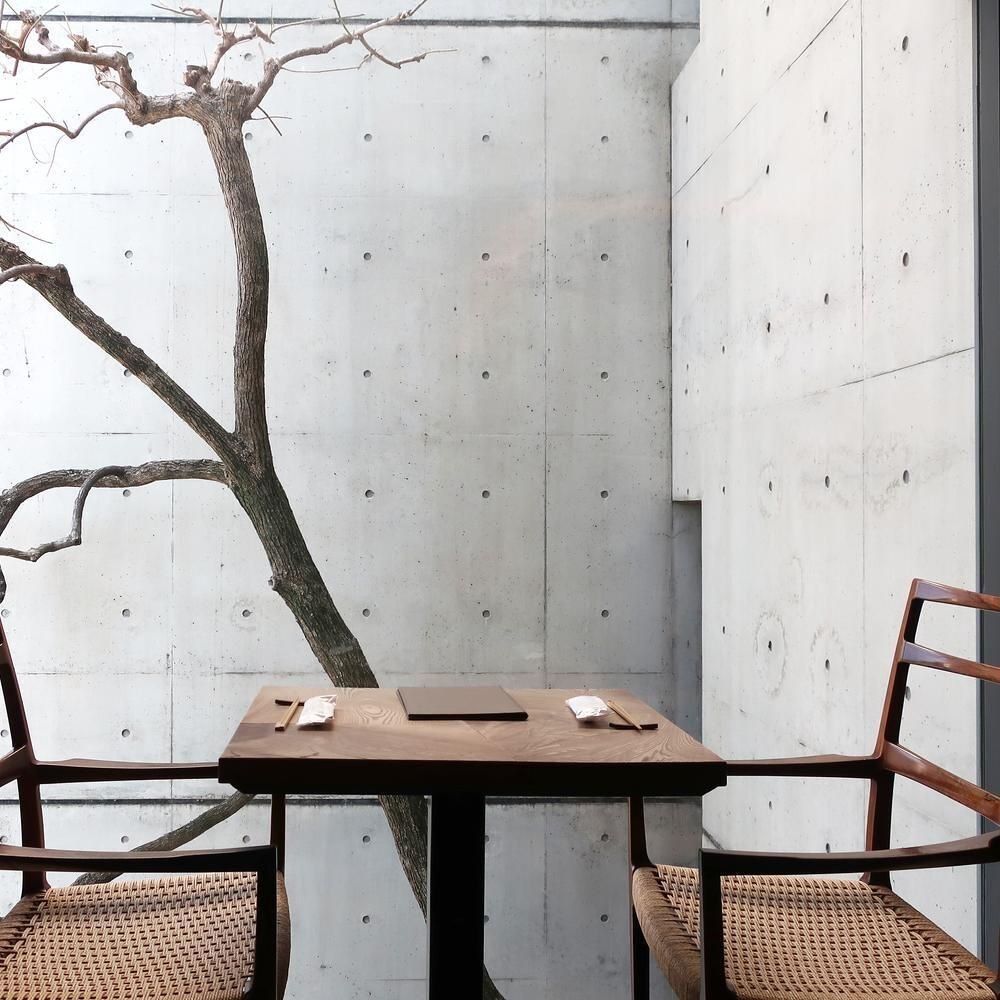
Calm, clean, and quiet with refined modernist decor featuring bare concrete, counter seating, and authentic Japanese aesthetics.
Tags
Vibe
Best For
Experience
At the Table
- Dress Code
- Smart Casual
- Noise Level
- Quiet
- Service Style
- Upscale Casual
- Meal Pacing
- Leisurely
- Capacity
- Intimate
- Kitchen
- Seasonal
- Menu Format
- Omakase, Set menu
- Drinks Focus
- Sake
Signature Dishes
- mackerel sushi
- handmade soba
Know before you go
Know Before You Go
- Getting there
- 28 Murasakino Unrinincho, Kita Ward, Kyoto, 603-8214, Japan
Planning details
Hours
- Monday
- 11:30 AM–4 PM, 5–7:30 PM
- Tuesday
- 11:30 AM–4 PM, 5–7:30 PM
- Wednesday
- 11:30 AM–4 PM, 5–7:30 PM
- Thursday
- Closed
- Friday
- 11:30 AM–4 PM, 5:30–7:30 PM
- Saturday
- 11:30 AM–4 PM, 5–7:30 PM
- Sunday
- 11:30 AM–4 PM, 5–7:30 PM
Location
28 Murasakino Unrinincho, Kita Ward, Kyoto, 603-8214, Japan · Directions
Recognition and awards
Also consider
Also Consider
- Gion Sasaki: Kaiseki, Japanese, ¥¥¥¥
- cenci: Italian, ¥¥¥
- Ifuki: Kaiseki, ¥¥¥¥
- Kyokaiseki Kichisen: Japanese, ¥¥¥¥
- Kyo Seika: Chinese, ¥¥¥
Restaurant context
Itsutsu occupies a price tier entirely its own among Kyoto's recognised dining addresses. At ¥ with Bib Gourmand credentials, it has no direct competition: Gion Sasaki, Ifuki, and Kyokaiseki Kichisen all operate at ¥¥¥¥ in the kaiseki format, where service ritual, room investment, and multi-hour dining structures justify the cost. If your trip centres on a formal kaiseki experience in Kyoto, those three are the relevant comparison set. But if you want Michelin-recognised quality in a shorter, more casual meal with meaningful culinary depth, Itsutsu is the only address at this price point that delivers it.
For mid-range Kyoto dining, cenci and Kyo Seika both operate at ¥¥¥ and represent strong options in Italian and Chinese respectively. Neither competes directly with Itsutsu's soba format, but both are worth considering if you are building a multi-night itinerary and want variety. cenci in particular suits diners who want European-influenced cooking with Japanese ingredient sensitivity; Kyo Seika suits those who want a Kyoto-inflected Chinese table. Itsutsu is the better choice if Japanese culinary tradition and sourcing depth are what you are specifically after.
On booking difficulty, Itsutsu has a clear advantage over the ¥¥¥¥ tier. Gion Sasaki and Kyokaiseki Kichisen require planning well in advance and can be genuinely difficult to access for visitors without local contacts or Japanese-language booking capability. Itsutsu books easily and requires far less lead time. For a food explorer who wants depth without the logistical friction of Kyoto's hardest tables, Itsutsu is the most accessible entry point into considered, award-recognised dining in the city.
Explore Kyoto
Around this place
Discover more on Pearl
Unlock the full Itsutsu guide in Pearl, including awards, comparisons, FAQs, planning details, and nearby places.
Compare Itsutsu
| Venue | Cuisine | Price | Awards | Booking Difficulty |
|---|---|---|---|---|
| Itsutsu | Soba | ¥ | 2026 Bib GourmandMichelin Guide Kyoto Osaka 20262025 Michelin Bib Gourmand2024 Michelin Bib Gourmand | Easy |
| Gion Sasaki | Kaiseki, Japanese | ¥¥¥¥ | 2026 Tabelog Bronze · #3862026 OAD Top Restaurants in Japan RecommendedMichelin Guide Kyoto Osaka 20262026 La Liste Top RestaurantsTabelog 100 - Japanese cuisine - WEST - 2025 · #132025 OAD Top Restaurants in Japan Ranked · #2462025 Tabelog Silver2025 Michelin 3 Stars2025 La Liste Top Restaurants | Unknown |
| cenci | Italian | ¥¥¥ | 2026 Tabelog Bronze · #442026 Asia's 50 Best Restaurants · #762026 OAD Top Restaurants in Japan Highly RecommendedMichelin Guide Kyoto Osaka 2026Tabelog 100 - Italian - WEST - 2025 · #632025 Asia's 50 Best Restaurants · #632025 OAD Top Restaurants in Japan Ranked · #1682025 Tabelog Bronze2024 OAD Top Restaurants in Japan Ranked · #135 | Unknown |
| Ifuki | Kaiseki | ¥¥¥¥ | 2026 OAD Top Restaurants in Japan Ranked · #1222026 Tabelog Bronze · #128Michelin Guide Kyoto Osaka 20262026 La Liste Top RestaurantsTabelog 100 - Japanese cuisine - WEST - 2025 · #622025 OAD Top Restaurants in Japan Ranked · #1002025 La Liste Top Restaurants2025 Tabelog Bronze2025 Michelin 2 Stars | Unknown |
| Kyokaiseki Kichisen | Japanese | ¥¥¥¥ | 2026 Tabelog Bronze · #1752026 OAD Top Restaurants in Japan Highly RecommendedMichelin Guide Kyoto Osaka 20262025 OAD Top Restaurants in Japan Ranked · #1862025 Michelin 2 Stars2025 La Liste Top Restaurants2024 OAD Top Restaurants in Japan Ranked · #1422024 Michelin 2 Stars2023 OAD Top Restaurants in Japan Ranked · #136 | Unknown |
| Kyo Seika | Chinese | ¥¥¥ | Tabelog 100 - Chinese cuisine - WEST - 2026 · #762026 Tabelog Bronze · #2162026 OAD Top Restaurants in Japan Recommended2026 Michelin 1 Star2025 OAD Top Restaurants in Japan Ranked · #3262025 Tabelog Bronze2024 OAD Top Restaurants in Japan Ranked · #3042024 Michelin Plate2024 Michelin 1 Star | Unknown |









.png?width=1200&quality=80)
A quick look at how Itsutsu measures up.
FAQ
Frequently Asked Questions
Is Itsutsu worth the price?
Yes, at a ¥ price point with two consecutive Michelin Bib Gourmand awards (2024 and 2025), Itsutsu delivers well above its cost. The omakase format brings seasonal dishes and soba with the craft of a Wakuden-family kitchen: a level of cooking that typically costs several times more elsewhere in Kyoto. For value-conscious diners who want genuine culinary depth without a kaiseki bill, this is one of the clearest cases in the city.
What should I wear to Itsutsu?
There is no published dress code, but Itsutsu is a serious soba house within the Wakuden family, near Daitoku-ji Temple. Neat, understated clothing is appropriate: think what you would wear to a refined lunch in Kyoto, not a formal dinner. Overly casual dress would feel out of step with the aesthetic seriousness the venue signals through its name and philosophy.
Is the tasting menu worth it at Itsutsu?
At ¥ pricing, yes. The omakase at Itsutsu is built around soba with seasonal additions including dishes like aemono or sabazushi à la carte, reflecting the chef's grounding in Japanese culinary arts and the Wakuden family's aesthetic standards. Two Michelin Bib Gourmand recognitions confirm the quality-to-price ratio. If you want to eat à la carte only, the option exists, but the omakase is the clearest argument for making the trip.
Is Itsutsu good for a special occasion?
It works well for an intimate occasion where substance matters more than spectacle. The setting near Daitoku-ji Temple, the philosophical depth behind the name, and the Wakuden-family aesthetic make it a considered choice for a meaningful lunch or dinner. It is not a grand celebratory room, so if you need a larger, more formal setting, Kyokaiseki Kichisen is a better fit for that kind of occasion.
How far ahead should I book Itsutsu?
Book at least two to three weeks in advance, particularly if you are visiting during peak Kyoto seasons such as cherry blossom or autumn foliage. As a Michelin Bib Gourmand recipient with a small, focused format, demand is consistent. The ¥ price point keeps interest high across a broad range of visitors, which adds to booking pressure relative to higher-priced venues in the city.