
Gion Okada
Japanese · Higashiyama, Kyoto
Restaurant in Kyoto, Japan
 Book with Pearl
The Read
Hundred-Item Seasonal Counter
Price
¥¥¥
Dress
Smart Casual
Why go
A Michelin 1 Star kaiseki room in the heart of Gion, Gion Okada runs a menu of over a hundred seasonal items at a ¥¥¥ price point that undercuts most of its neighbourhood peers. Book the counter for a direct view of the kitchen. Reservations are hard; four to six weeks minimum, longer in peak seasons.
About Gion Okada
The counter seat is your first booking decision; make it deliberately
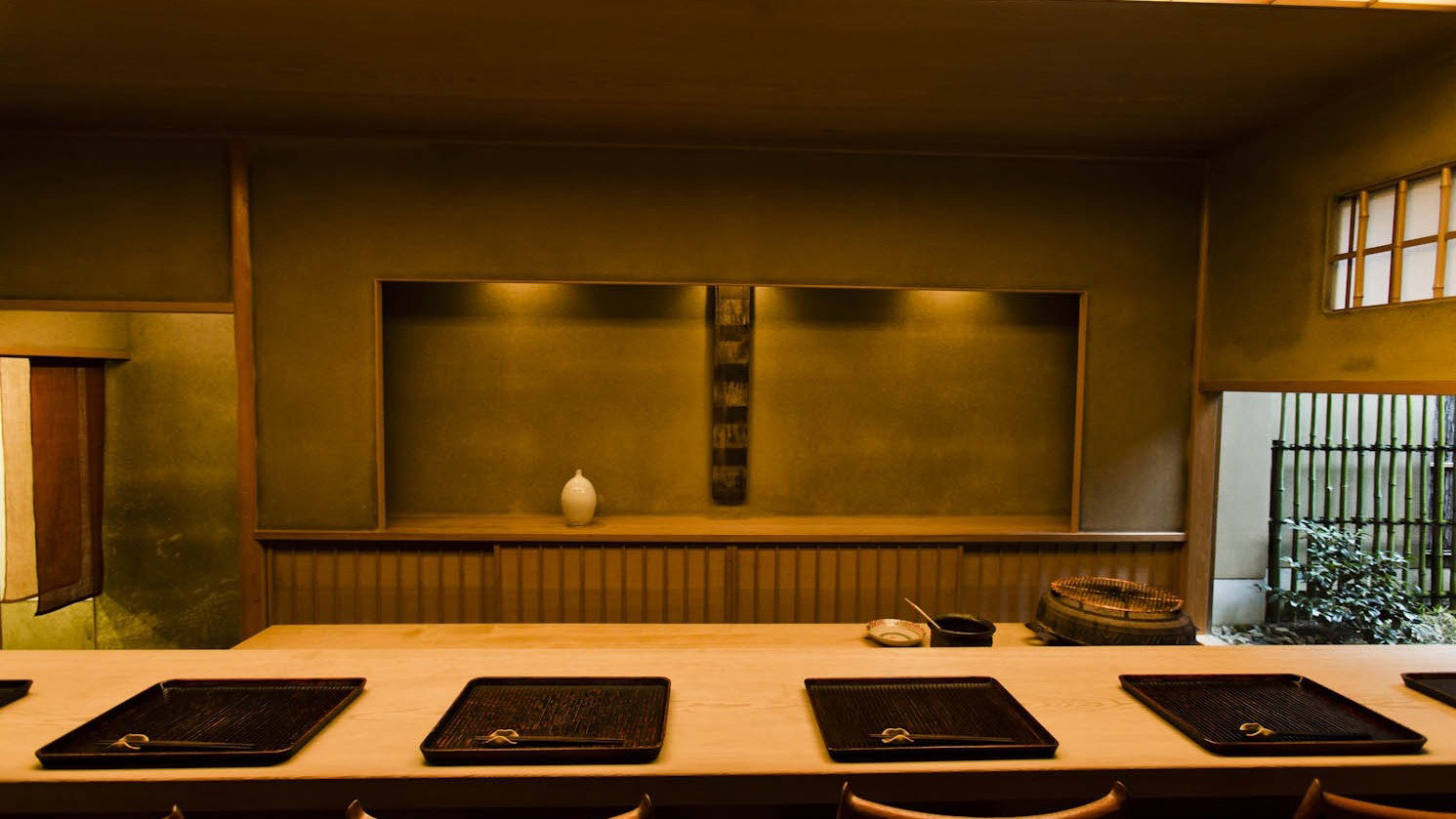
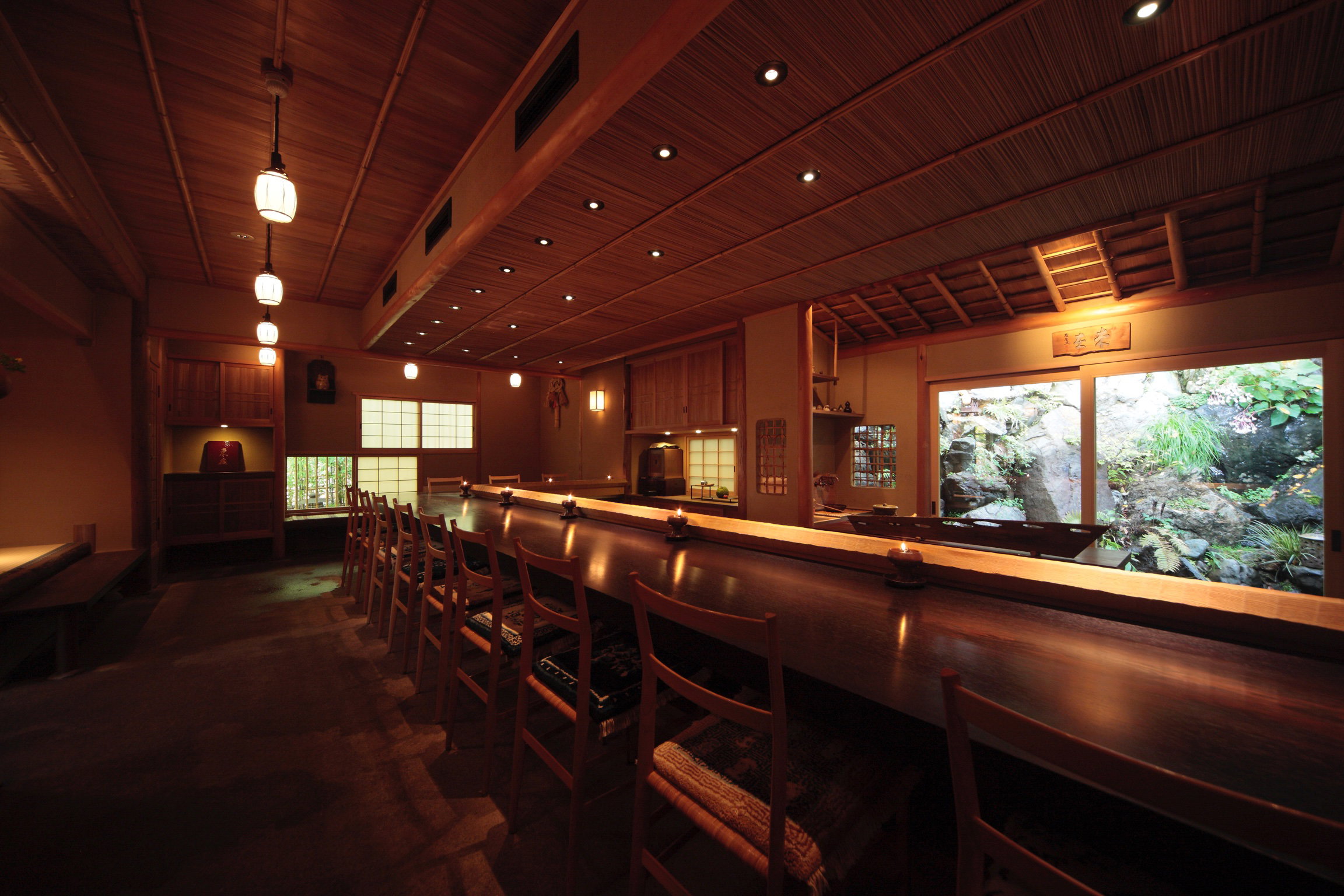
If you can get a counter seat at Gion Okada, take it. The kitchen is deliberately visible from there, watching the chef and his apprentices move through a menu that runs to over a hundred items is a significant part of understanding what this place is about. For a kaiseki restaurant in Gionmachi Minamigawa; one of Kyoto's most concentrated stretches of serious dining, Okada's counter offers a transparency that many comparable rooms do not. Book the counter first, the dining room second, plan around that preference when you reach out for a reservation.
Securing that seat is not direct. Factor in at least four to six weeks of lead time for most dates, longer for autumn and cherry blossom season when Kyoto's restaurant competition is at its most intense. If you are travelling in November or early April, treat this as a near-mandatory step before you book flights. See our full Kyoto restaurants guide for the broader picture of how competitive the city's dining calendar gets.
A hundred-item menu built around what the season actually offers right now
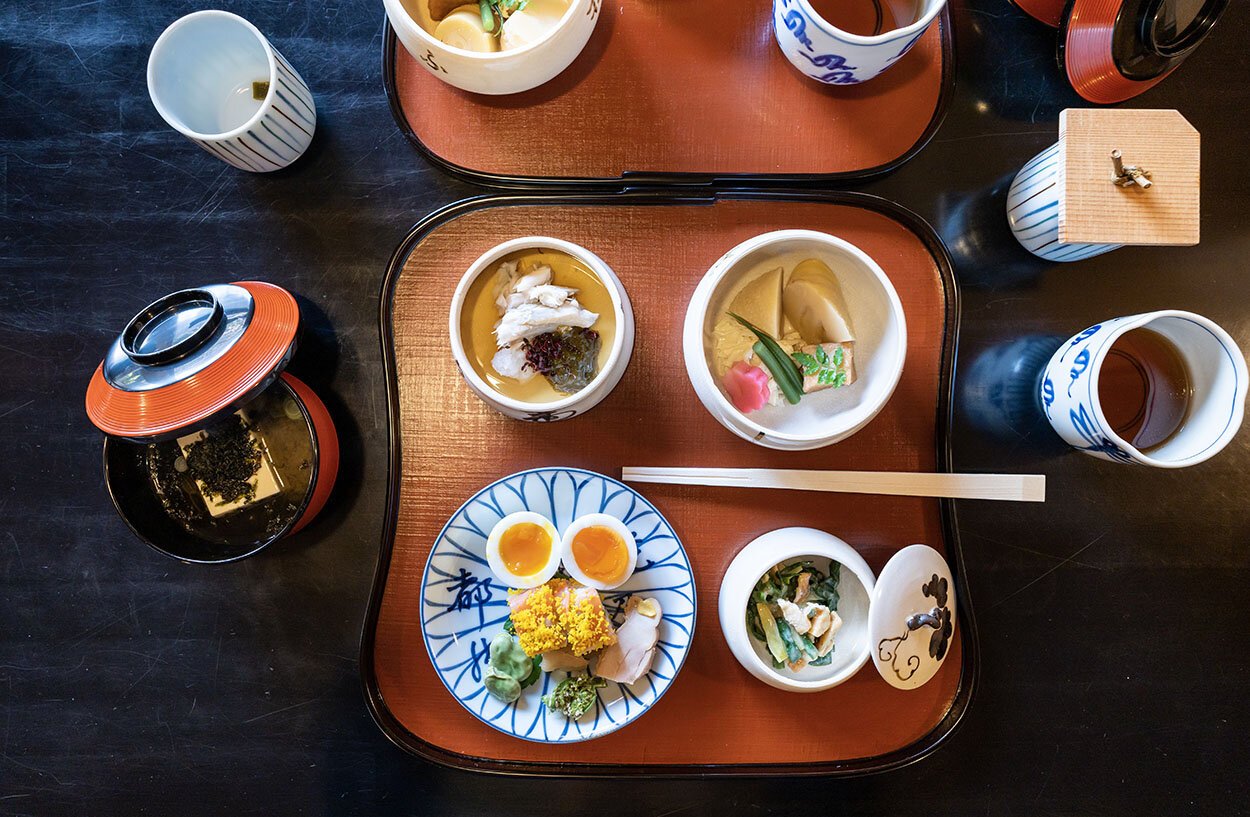
The menu at Gion Okada is seasonal in the most literal sense: names of ingredients from mountain and sea run across the page, the list shifts to reflect what is available in the current weeks, not just the current quarter. In summer, hamo (pike conger eel) appears in multiple preparations, parboiled or skin-seared as sashimi, each version asking something slightly different of the fish's texture. The soup course is crafted individually for each diner, the somen noodle soup is built from single-ingredient dashi: tilefish, clam, others depending on the day. That specificity is not a flourish. It reflects a kitchen philosophy where the dashi base is treated as a dish in its own right, not a supporting liquid.
The sheer breadth of the menu, over a hundred items across a full service, means this is not a venue where simplification is offered as a courtesy. It is a demanding meal in the leading sense: there is a lot to pay attention to, the reward scales with how closely you engage. For guests who prefer a more edited, streamlined kaiseki experience, Kikunoi Roan or Gion Matayoshi offer comparable seasonal rigour with a tighter menu structure. Okada is the right choice if abundance and the visible energy of a working kitchen are what you are after.
On the question of takeout and off-premise dining
This is a venue where the off-premise question answers itself quickly: Gion Okada is not a takeout proposition. The entire structure of the meal, individually tailored soups, hamo sashimi prepared to order in two distinct methods, single-ingredient dashi built around the evening's proteins, depends on immediacy. These preparations do not hold, nothing in the kitchen's evident approach suggests any of it is designed to travel. The counter experience, specifically, is built around watching the food come together in real time. Remove that context and you lose the primary argument for choosing Okada over a less demanding kaiseki room. If you need flexible or off-site dining in Kyoto, this is not your venue. Look at Kodaiji Jugyuan for options that accommodate different dining formats. For comparable technical depth in a different city context, HAJIME in Osaka and Myojaku in Tokyo both reward in-person attention at the same level.
What the price tier actually means here
Gion Okada is priced at ¥¥¥, which places it below the ¥¥¥¥ tier occupied by several of its Gion-area neighbours. For a Michelin-starred kaiseki in this postcode, that is a meaningful distinction. You are not paying the premium that Kyokaiseki Kichisen or Isshisoden Nakamura command, the tradeoff is less ceremonial formality in exchange for more kitchen visibility and a menu that leans into volume and variety over restraint. For food-focused travellers who find the ritualism of top-tier kaiseki occasionally more performative than pleasurable, Okada's pricing and approach represent a more direct transaction: you are paying for the cooking and the ingredients, not the atmosphere management.
Across Japan, the ¥¥¥ tier at Michelin-starred Japanese restaurants tends to sit in the ¥15,000–¥25,000 per person range for dinner, though specific pricing at Okada is not confirmed in the available data. Budget accordingly, note that beverage pairings, particularly sake selections chosen to match single-ingredient dashi courses, can add substantially to the final figure. For regional comparisons at a similar price tier, Goh in Fukuoka and akordu in Nara offer useful reference points for what a ¥¥¥ Michelin-recognised meal looks like across different Japanese cities and styles.
Practical notes for booking and visiting
The address is 570-6 Gionmachi Minamigawa, Higashiyama Ward, in the heart of the Gion district, walkable from Shijo station and within the dense cluster of serious restaurants that makes this neighbourhood one of the most competitive dining stretches in Japan. Hours and booking method are not confirmed in the available data, so approach reservation through the restaurant directly or via a hotel concierge with Japanese-language capability. English-language reservations may require intermediary support; this is common for kaiseki restaurants at this level in Kyoto, a good concierge at properties like those listed in our full Kyoto hotels guide will handle it efficiently.
Dress should reflect the setting: Gion is Kyoto's most formal dining district, smart casual at minimum is appropriate. The counter format does not demand the same level of formality as a private tatami room, but the neighbourhood context sets a clear register. For further reference on dining standards across Kyoto's bars and evening venues, our full Kyoto bars guide gives useful context on how the city calibrates evening dress across different categories.
Beyond dining, if you are building a Kyoto trip around Gion Okada, our full Kyoto experiences guide and our full Kyoto wineries guide cover complementary itinerary options. For Japanese restaurant benchmarks at a similar technical level in Tokyo, Azabu Kadowaki and Harutaka are useful comparators for calibrating expectations before you arrive. And if you are considering the broader Kansai region, 1000 in Yokohama and 6 in Okinawa show how far the ¥¥¥ Michelin tier stretches across different Japanese coastal contexts.
Planning details
- Location
- 570-6 Gionmachi Minamigawa, Higashiyama Ward, Kyoto, 605-0074, Japan
- Website
- japoncompany.business/kyoto/548113-gion-okada
- Phone
- +81 75-551-3200
The take
The Take
The Vibe
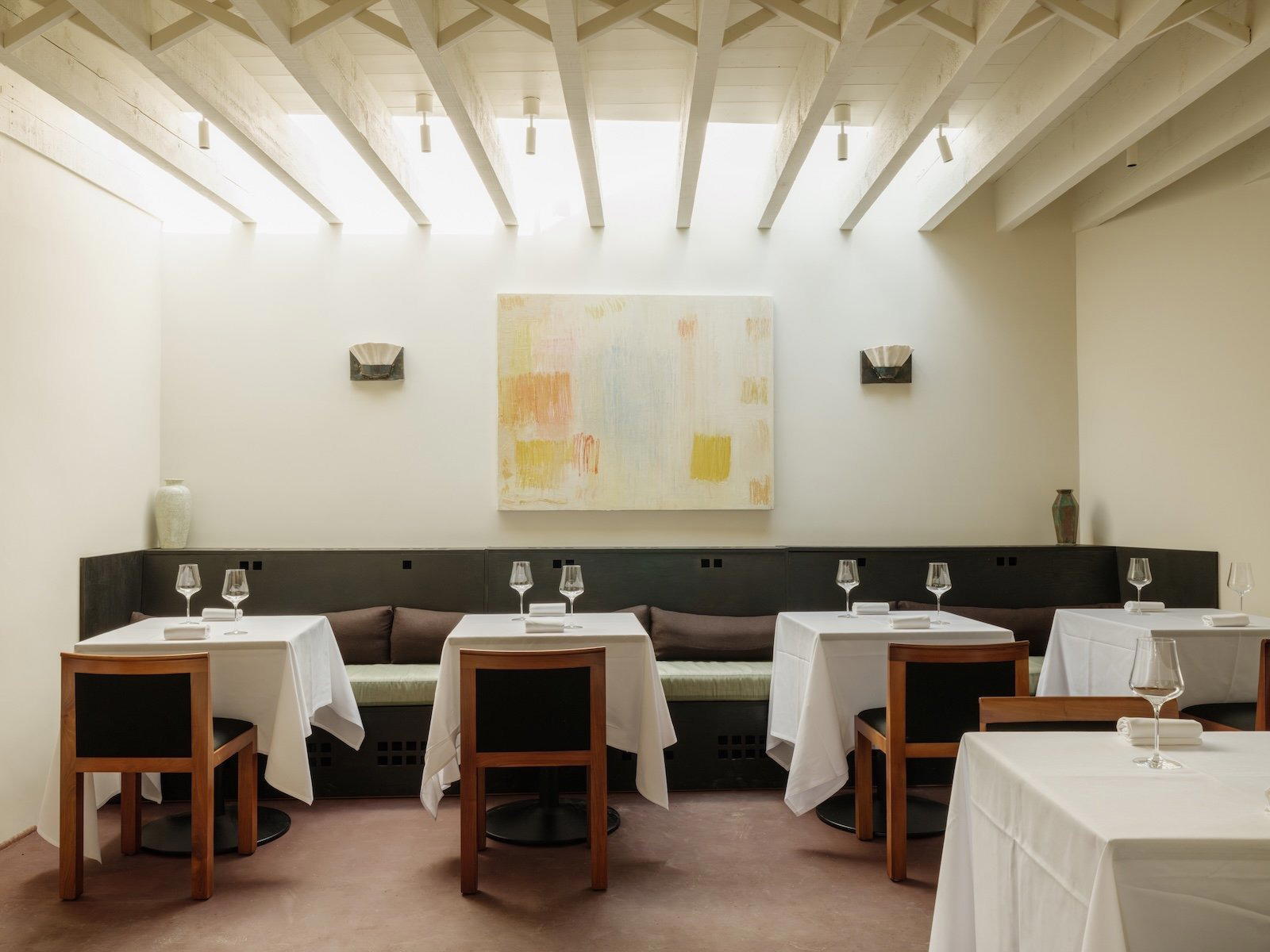
Gion Okada presents an intimate, low-lit counter experience that leans into Gion’s historic machiya streetscape. The dining room places a few metres of hinoki or lacquered cedar between guest and kitchen, so preparation sounds and sequential aromas become part of the meal. It feels cozy and quietly charming rather than theatrical: the focus is on seasonal ingredients rendered with restraint. With a Michelin one star and a price point that signals seriousness without three‑star formality, the place reads as a refined, historically rooted counter where attention to detail prevails.
Best For
This is an evening destination for focused dining: ideal for date nights, special occasions and business dinners that favour calm intimacy over spectacle. The counter format suits solo diners and pairs who want to watch the rhythm of the kitchen and follow a seasonal progression of courses. Because the restaurant operates within Gion’s quieter nighttime pulse and emphasizes seasonal inventory, reservations for dinner are the clearest use of the room—expect a concentrated, quietly attentive service and a meal paced to highlight ingredients.
Ordering Tips
Treat the menu as a seasonal document and defer to the kitchen’s ordering logic: the menu intentionally accounts for what’s current rather than presenting a sprawling à la carte list. At a counter like this, sit where you can hear the preparation and let dishes arrive in sequence so aromas and textures land as intended. Look out for signature items—Matsuba crab, homemade mullet roe, mackerel oshizushi and nodoguro nitsuke—which showcase the kitchen’s strengths. Expect a focused, ¥¥¥ price bracket experience and a tasting-minded rhythm rather than casual plate-hopping.
Venue details
Ambiance
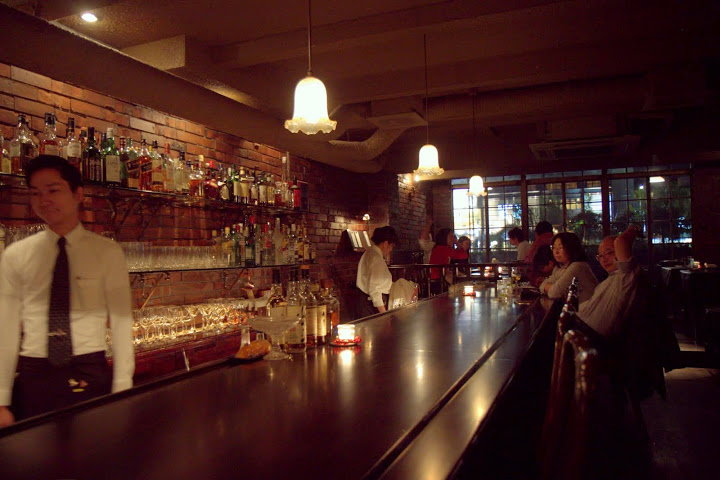
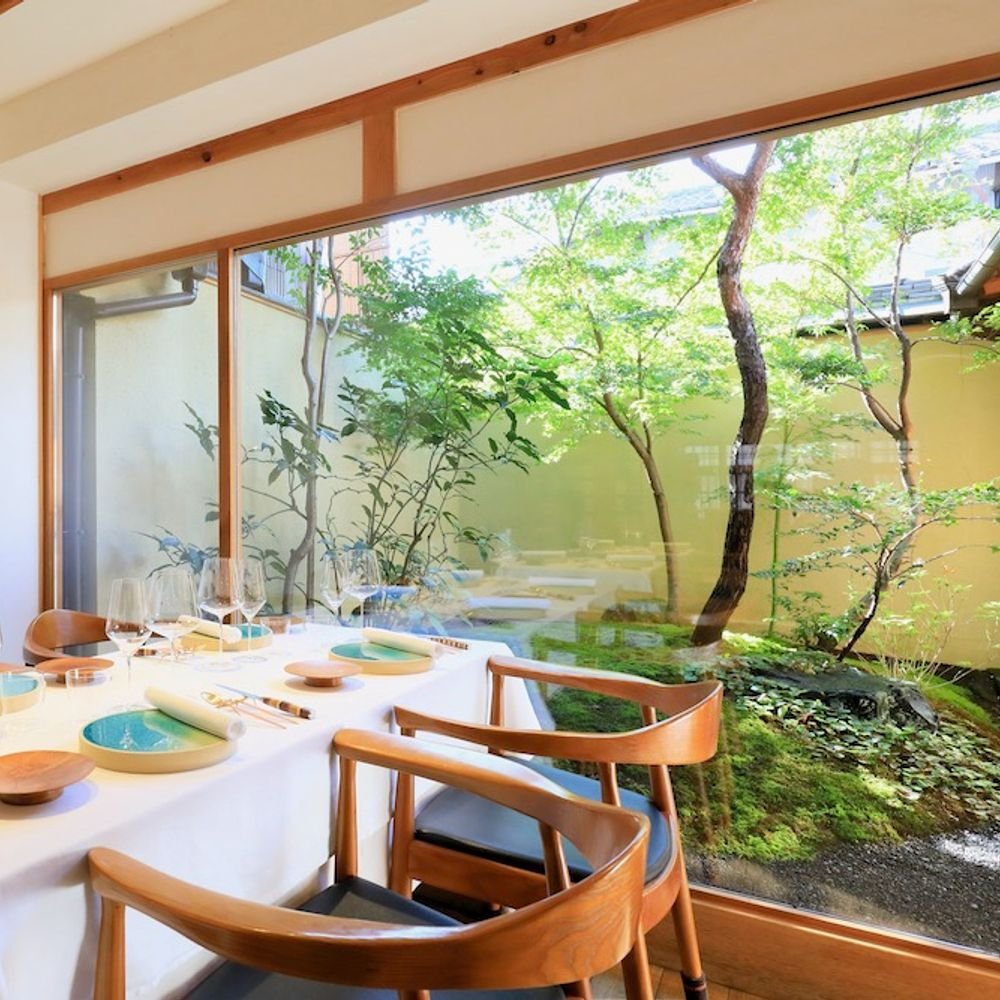
Warm, inviting atmosphere with a beautifully crafted wooden counter seating just ten, enveloped in a cozy wooden interior fostering intimacy and personal connection with the chef.
Tags
Vibe
Best For
Experience
At the Table
- Dress Code
- Smart Casual
- Noise Level
- Quiet
- Service Style
- Formal
- Meal Pacing
- Leisurely
- Capacity
- Small
Signature Dishes
- Matsuba crab
- homemade mullet roe
- Mackerel Oshizushi
- Nodoguro Nitsuke
Planning details
Location
570-6 Gionmachi Minamigawa, Higashiyama Ward, Kyoto, 605-0074, Japan · Directions
Recognition and awards
Also consider
Also Consider
- Gion Sasaki; Kaiseki, Japanese, ¥¥¥¥
- cenci; Italian, ¥¥¥
- Ifuki; Kaiseki, ¥¥¥¥
- Kyokaiseki Kichisen; Japanese, ¥¥¥¥
- SEN; French, Japanese, ¥¥¥¥
Restaurant context
The sharpest comparison for Gion Okada is against Gion Sasaki (¥¥¥¥): both are kaiseki rooms in the Gion area with strong seasonal credentials, but Sasaki operates at a higher formality and price tier. If the ceremony of kaiseki matters as much as the food itself, Sasaki is the choice. If you want Michelin-level seasonal cooking with more kitchen energy and a lower per-head commitment, Okada delivers better value for money. For solo diners or couples who prioritise watching a kitchen at work over a private-room experience, Okada is the more practical option.
Kyokaiseki Kichisen (¥¥¥¥) and Ifuki (¥¥¥¥) both sit above Okada on price and on ceremonial register. Kichisen is the most formally prestigious kaiseki option in the comparison set; worth considering if you are making one serious splurge in Kyoto and want the full ritual. Ifuki is a good middle option if you want ¥¥¥¥ kaiseki with slightly easier reservation availability than Kichisen. Okada remains the strongest case for value at the Michelin tier among this group.
SEN (¥¥¥¥, French-Japanese) and cenci (¥¥¥, Italian) offer genuinely different experiences from Okada's kaiseki format; useful alternatives if your group includes diners who are less committed to traditional Japanese cuisine. Cenci is the closest to Okada on price and the easiest booking in this group. SEN suits travellers who want a French-Japanese hybrid at the top end. For pure kaiseki at ¥¥¥, Okada is the clearest recommendation in this set.
Explore Kyoto
Around this place
Discover more on Pearl
Unlock the full Gion Okada guide in Pearl, including awards, comparisons, FAQs, planning details, and nearby places.
Compare Gion Okada
| Venue | Price | Awards |
|---|---|---|
| Gion Okada | ¥¥¥ | Michelin Guide Kyoto Osaka 20262026 Michelin 1 Star2024 Michelin 1 Star |
| Gion Sasaki | ¥¥¥¥ | 2026 Tabelog Bronze · #3862026 OAD Top Restaurants in Japan RecommendedMichelin Guide Kyoto Osaka 20262026 La Liste Top RestaurantsTabelog 100 - Japanese cuisine - WEST - 2025 · #132025 OAD Top Restaurants in Japan Ranked · #2462025 Tabelog Silver2025 Michelin 3 Stars2025 La Liste Top Restaurants |
| cenci | ¥¥¥ | 2026 Tabelog Bronze · #442026 Asia's 50 Best Restaurants · #762026 OAD Top Restaurants in Japan Highly RecommendedMichelin Guide Kyoto Osaka 2026Tabelog 100 - Italian - WEST - 2025 · #632025 Asia's 50 Best Restaurants · #632025 OAD Top Restaurants in Japan Ranked · #1682025 Tabelog Bronze2024 OAD Top Restaurants in Japan Ranked · #135 |
| Ifuki | ¥¥¥¥ | 2026 OAD Top Restaurants in Japan Ranked · #1222026 Tabelog Bronze · #128Michelin Guide Kyoto Osaka 20262026 La Liste Top RestaurantsTabelog 100 - Japanese cuisine - WEST - 2025 · #622025 OAD Top Restaurants in Japan Ranked · #1002025 La Liste Top Restaurants2025 Tabelog Bronze2025 Michelin 2 Stars |
| Kyokaiseki Kichisen | ¥¥¥¥ | 2026 Tabelog Bronze · #1752026 OAD Top Restaurants in Japan Highly RecommendedMichelin Guide Kyoto Osaka 20262025 OAD Top Restaurants in Japan Ranked · #1862025 Michelin 2 Stars2025 La Liste Top Restaurants2024 OAD Top Restaurants in Japan Ranked · #1422024 Michelin 2 Stars2023 OAD Top Restaurants in Japan Ranked · #136 |
| SEN | ¥¥¥¥ | 2026 Tabelog Bronze · #3952026 OAD Top Restaurants in Japan RecommendedMichelin Guide Kyoto Osaka 20262026 Michelin PlateTabelog 100 - Japanese cuisine - WEST - 2025 · #652025 Michelin Plate2025 Tabelog Bronze2024 OAD Top Restaurants in Japan Ranked · #3622024 Michelin Plate |







.png?width=1200&quality=80)
How Gion Okada stacks up against the competition.
FAQ
Frequently Asked Questions
What should I wear to Gion Okada?
Gion Okada is a Michelin-starred kaiseki venue in the heart of Gion, so dress accordingly: neat, conservative clothing is appropriate. Think along the lines of what you would wear to a formal dinner in Japan; nothing overly casual. The counter seating puts you in close proximity to the kitchen, so avoid bulky or fragrant outfits.
Is the tasting menu worth it at Gion Okada?
At ¥¥¥; below the ¥¥¥¥ tier that several neighbouring Gion kaiseki rooms occupy; Gion Okada offers genuine value for its Michelin 1-star standing. The menu runs to over a hundred items built around current seasonal produce from mountain and sea, the kitchen tailors soup preparations individually per diner. If you want to see that level of craft without paying top-tier Kyoto kaiseki prices, this is a practical case for booking.
What are alternatives to Gion Okada in Kyoto?
For a step up in price and formality, Kyokaiseki Kichisen is the reference point in Kyoto. Gion Sasaki is the closest peer in the Gion district and worth comparing on availability. cenci offers a more contemporary format if you want a departure from traditional kaiseki structure. Ifuki and SEN are worth considering if your priority is value over ceremony.
How far ahead should I book Gion Okada?
Book at least four to six weeks in advance, further out if you are visiting during peak Kyoto seasons; cherry blossom in spring and foliage in autumn fill the Gion district fast. The venue is at 570-6 Gionmachi Minamigawa, Higashiyama Ward, no booking platform or phone number is publicly listed in available sources, so securing a reservation through your hotel concierge is the most reliable route.
Does Gion Okada handle dietary restrictions?
The kitchen's practice of tailoring soup preparations individually for each diner; using single-ingredient dashi such as tilefish or clam; suggests a degree of flexibility in the kitchen. However, a hundred-item seasonal kaiseki built around mountain and sea ingredients is structurally difficult to adapt for strict dietary requirements. Communicate any restrictions clearly at the time of booking, confirm directly before you arrive.