

Gion Kida
Japanese · Higashiyama, Kyoto
Restaurant in Kyoto, Japan
 Book with Pearl
The Read
Micro-Season Kaiseki Precision
Price
$300–500per person
Chef
Yasuo Kida
Why go
Gion Kida holds a Michelin star (2024) and ranks #603 on OAD's Top Restaurants in Japan (2025), making it a credible choice for ingredient-led kaiseki in Kyoto's Higashiyama district. Chef Yasuo Kida builds his menus around Japan's 72 micro-seasons, producing a menu that shifts faster than most at this tier. Book hard and well in advance — demand consistently outpaces availability in this part of Gion.
About Gion Kida
Verdict
If you are serious about kaiseki and you are going to Kyoto, Gion Kida belongs on your shortlist. Chef Yasuo Kida holds a Michelin star (2024) and ranks #603 on Opinionated About Dining's Leading Restaurants in Japan for 2025 — numbers that position him well within Kyoto's crowded fine-dining tier but not at its absolute summit. The cooking is grounded in a clear philosophy: ingredients are the cause, cooking is the effect, and the chef's role is to respect the connection between the two. That framework produces food with genuine discipline behind it. At ¥¥¥¥ pricing, you are paying Kyoto premium rates, and the question is whether Kida delivers enough distinction to justify that. For most food-focused travellers, the answer is yes — but read the practical section before you try to book.
Portrait
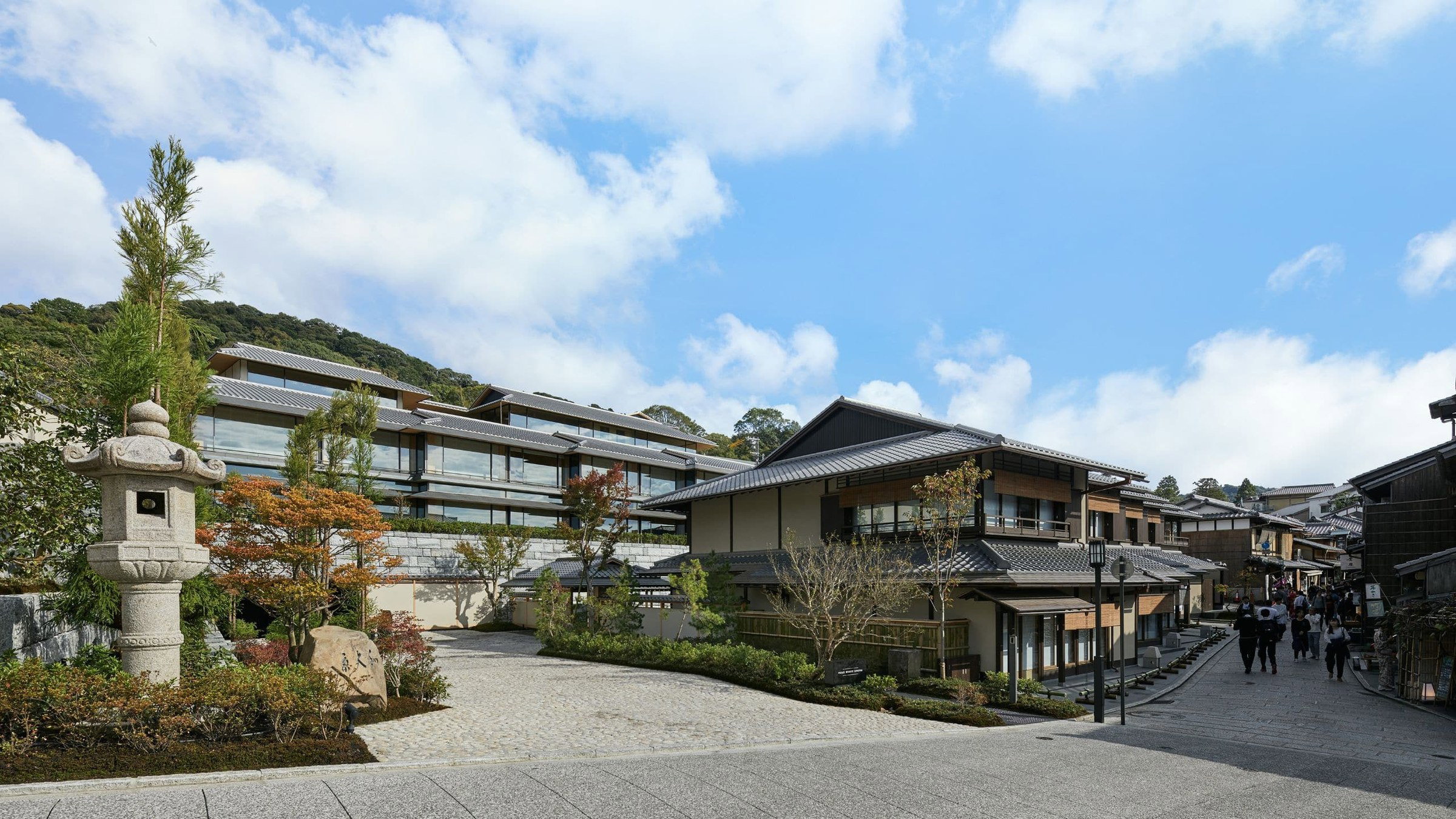
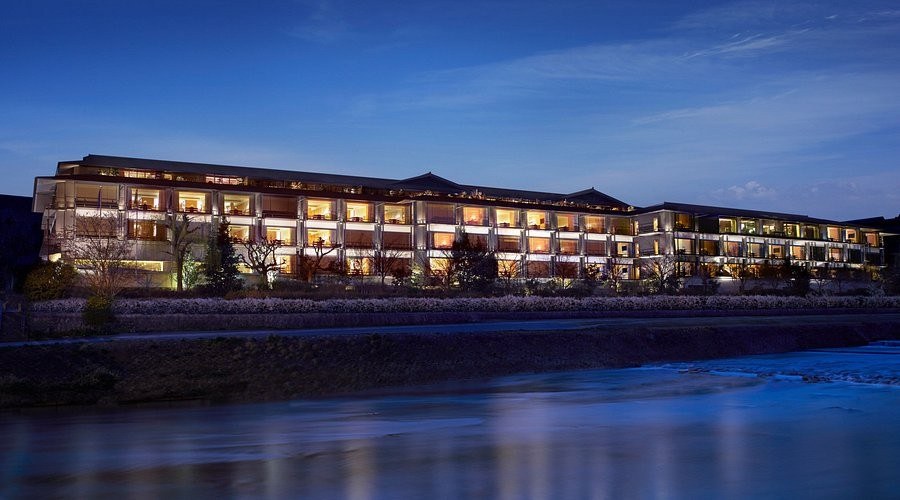
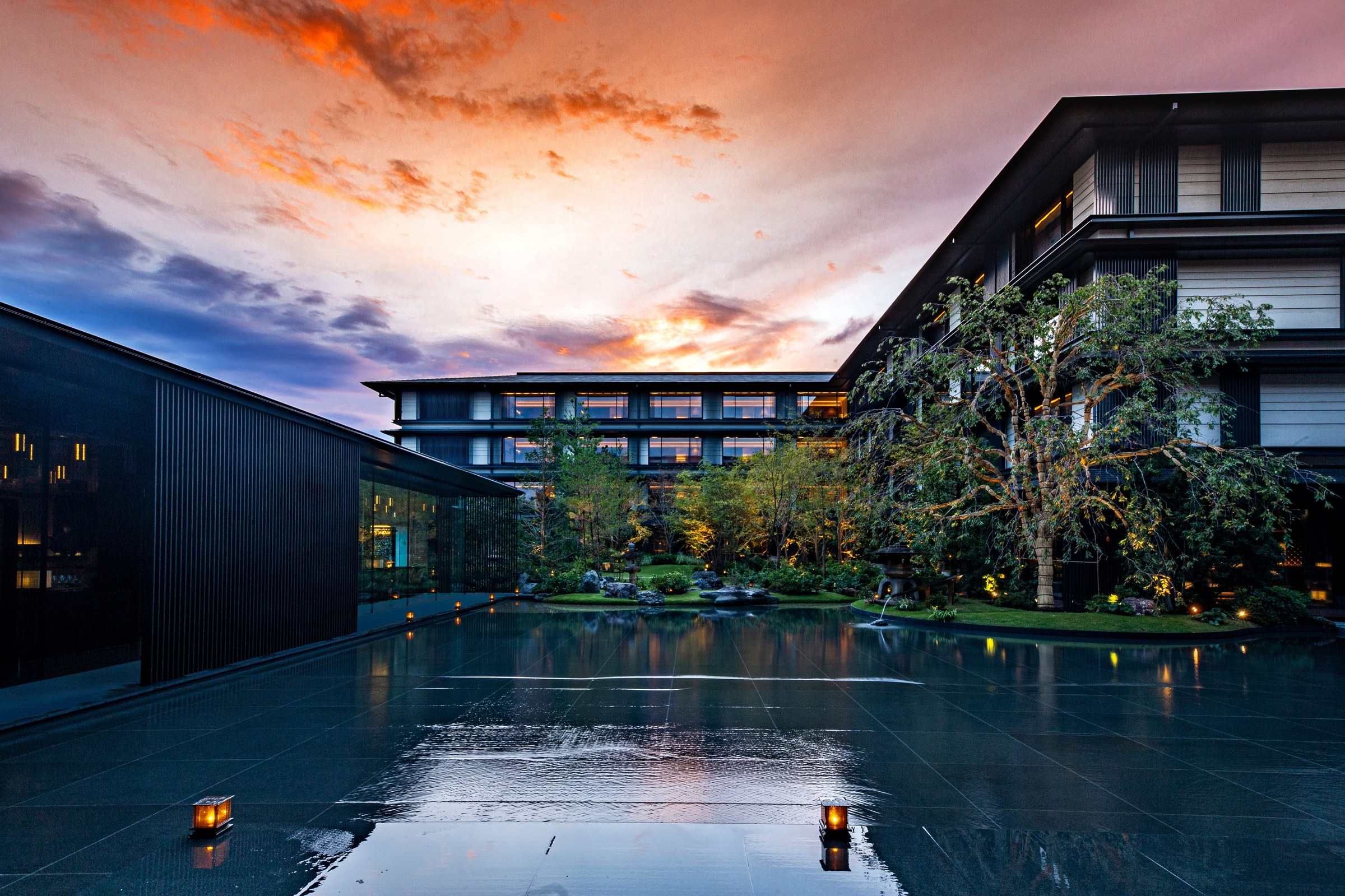
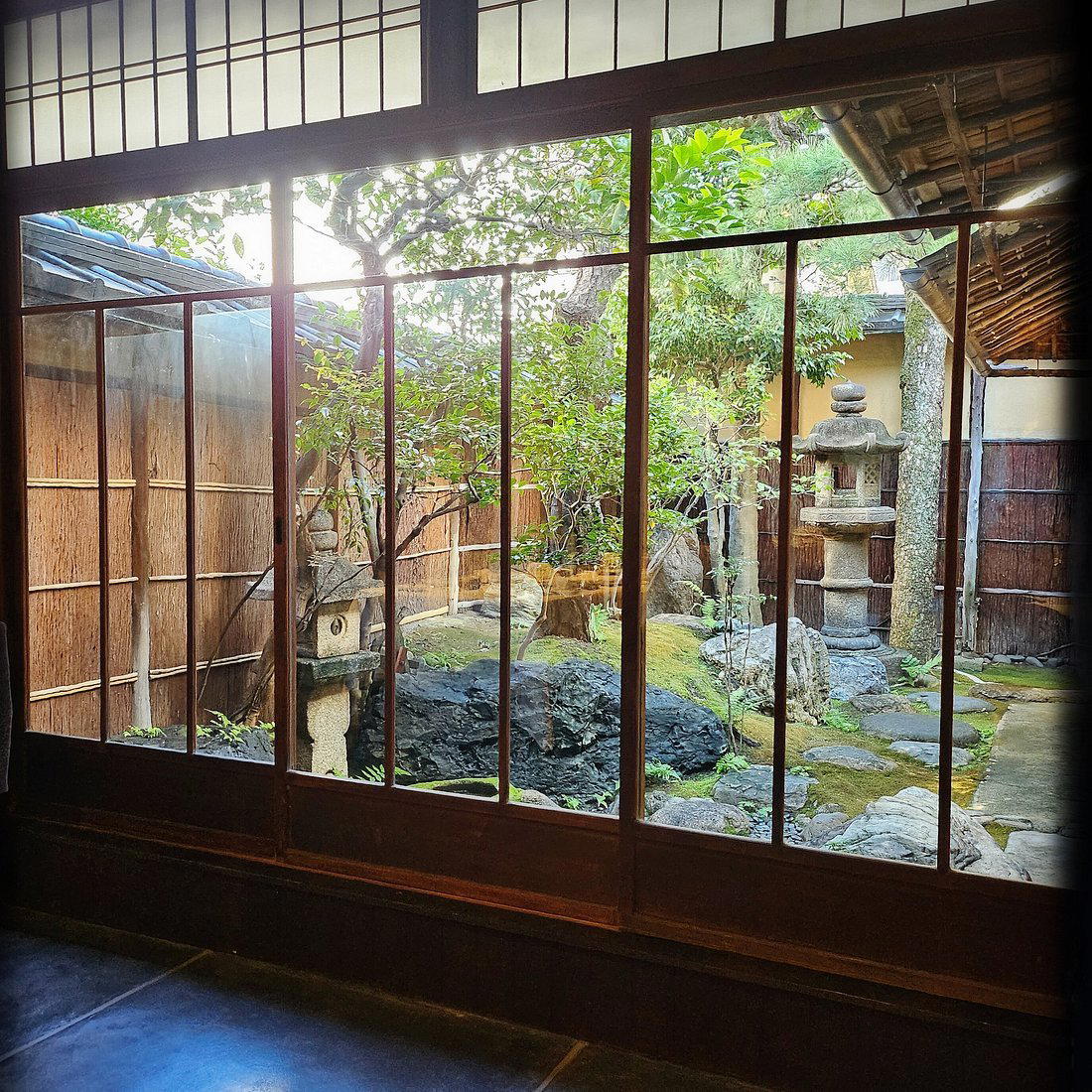
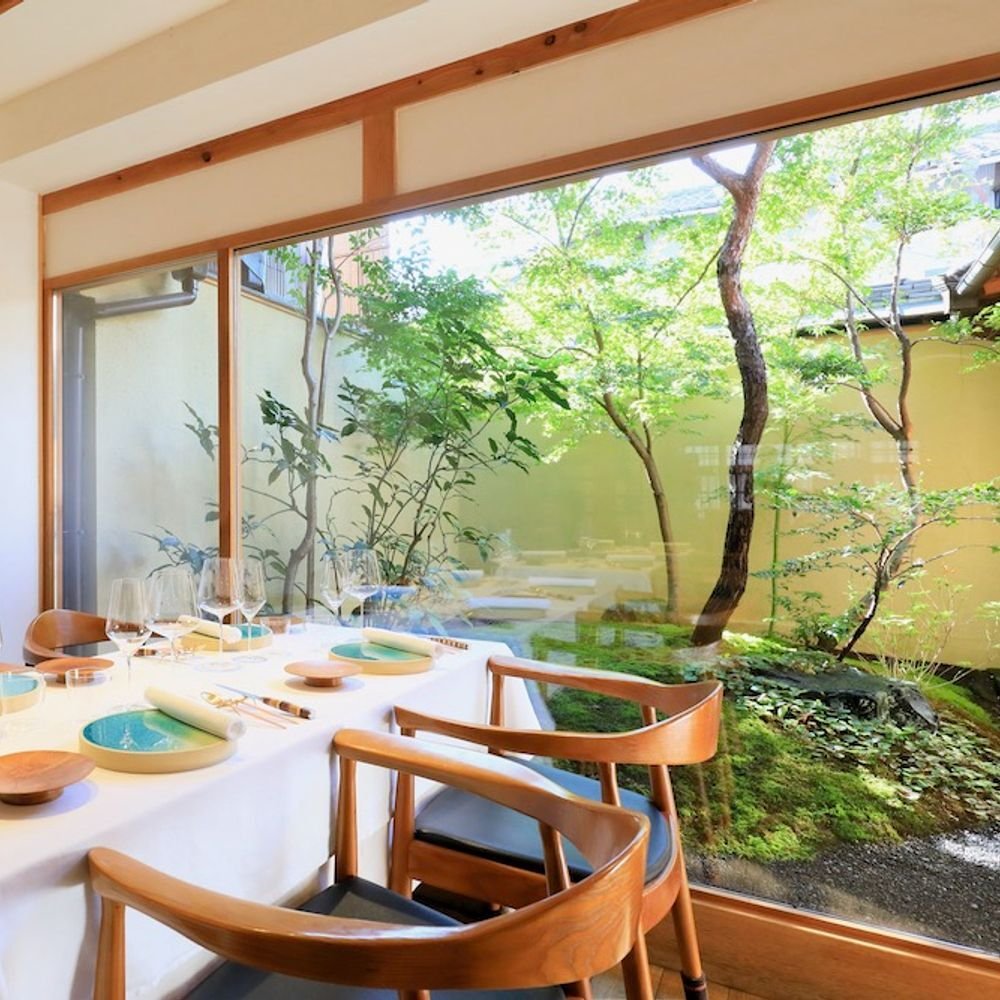
Gion Kida sits in Gionmachi Minamigawa, the southern stretch of Gion that runs along the Shirakawa canal area in Higashiyama Ward. Visually, the address places you in one of the most recognisable streetscapes in Japan: machiya townhouses, stone-paved lanes, and the low-lit lanterns that characterise this part of Kyoto after dark. What you see when you arrive is architecture that signals ceremony before you have ordered anything. That visual context matters in kaiseki, where the room and the approach to it are considered part of the meal.
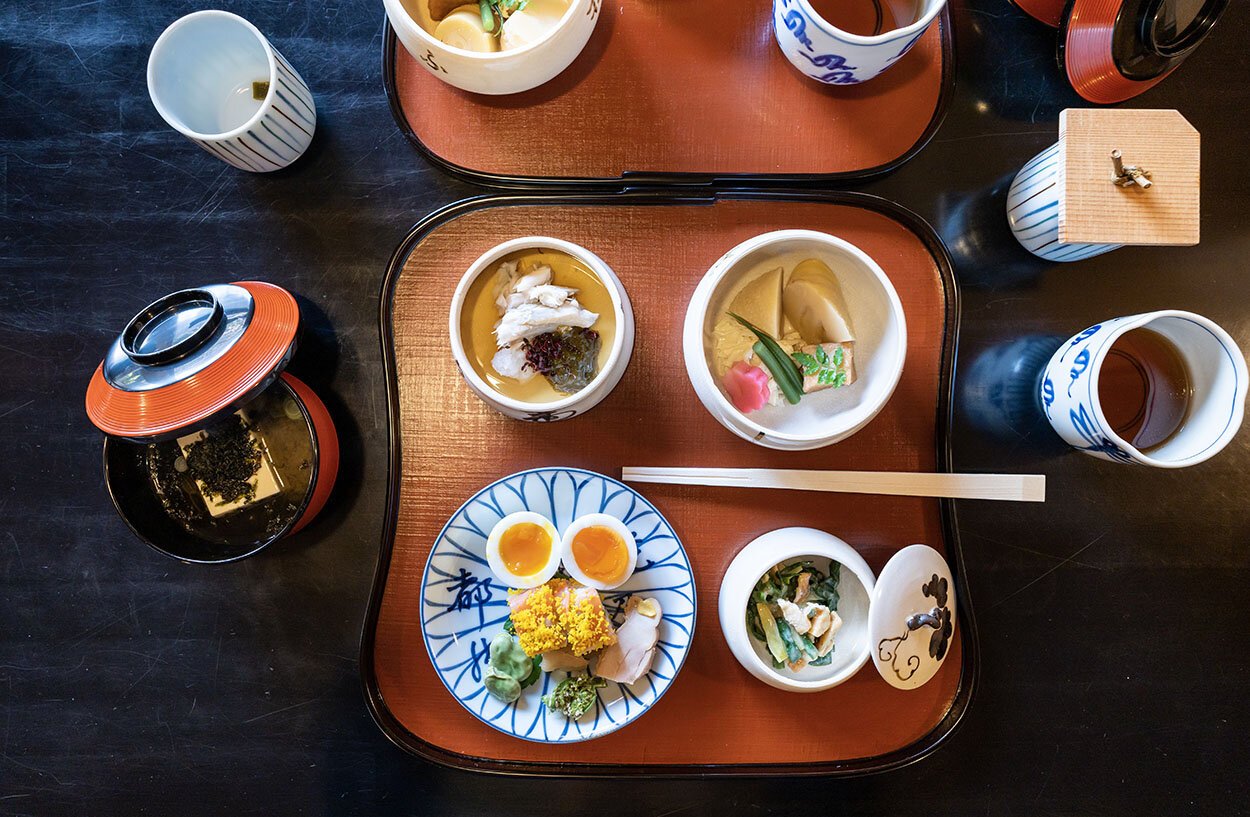
Chef Kida's stated approach draws on the traditional Japanese concept of the 72 micro-seasons, each lasting only a few weeks. This is not decorative philosophy. It means the sourcing decisions are made on a very short cycle, and the menu turns faster than restaurants operating on broader seasonal logic. For an explorer-type diner, this is exactly the right lens through which to think about timing your visit: what you eat in late March is materially different from what arrives in mid-April. Kyoto kaiseki is always seasonal by design, but Kida's framework makes that granularity explicit. The ingredients themselves, as he frames it, carry the life of the natural world, and the cooking exists to transmit that rather than transform it beyond recognition.
A Michelin star signals a consistent technical standard. What the star does not tell you is the specific register of the experience: whether it leans formal and austere, or warmer and more accessible. Without sensory detail from the dining room, it would be overstepping to characterise the atmosphere precisely. What the address and the philosophy together suggest is a restrained, ingredient-led experience rather than a theatrical one. If you are coming from a louder, more production-heavy kaiseki in Tokyo, Kida's approach is likely to read as quieter and more precise. Travellers who have eaten at Azabu Kadowaki in Tokyo or Myojaku in Tokyo will find Gion Kida sits in a comparable register of considered, classical Japanese cooking, though the Kyoto idiom always carries its own specific weight.
On the question of takeout and delivery: kaiseki is the format most resistant to off-premise consumption in all of Japanese cuisine. The format is built around sequencing, temperature, and the specific vessel in which each course arrives. Nothing about Gion Kida's philosophy, cooking that transmits the life of the ingredient through the chef's direct examination of it each day, is compatible with food sitting in a delivery container. If you are considering Kyoto kaiseki at this price point for anything other than a seated experience, you are looking at the wrong category entirely. The value here is the full sequence in the room. There is no meaningful off-premise version of what Kida is doing.
For comparison across the broader Japan circuit: HAJIME in Osaka operates at a higher technical and price ceiling if you want to push further; akordu in Nara offers an interesting counterpoint if you want European technique applied to Japanese ingredients in the Kansai region. Within Kyoto specifically, see the comparison section below for how Kida stacks up against Gion Sasaki, Ifuki, and Kyokaiseki Kichisen.
Ratings & Recognition
- Michelin: 1 Star (2024)
- Opinionated About Dining: #603, Leading Restaurants in Japan (2025)
- 4.8 / 5 (49 reviews)
Booking
Booking difficulty at Gion Kida is rated Hard. This is not a walk-in venue. The combination of a Michelin star, a small likely seat count (no figure confirmed in available data), and Gion's position as Kyoto's most visited dining district means demand consistently outpaces availability. Plan a minimum of four to six weeks ahead for weekday slots; weekend availability runs tighter. The booking method is not confirmed in current data, do not rely on a general online booking platform finding availability here without direct verification. If you are building a Kyoto itinerary, lock this booking before your flights. Also consider nearby alternatives such as Gion Matayoshi or Kikunoi Roan as backup targets at a similar tier, and Isshisoden Nakamura if you want a longer-standing Kyoto kaiseki institution in the same booking conversation.
Practical Details
| Detail | Gion Kida | Gion Sasaki | Ifuki |
|---|---|---|---|
| Price tier | ¥¥¥¥ | ¥¥¥¥ | ¥¥¥¥ |
| Cuisine | Japanese / Kaiseki | Kaiseki / Japanese | Kaiseki |
| Michelin | 1 Star (2024) | Not confirmed | Not confirmed |
| Booking difficulty | Hard | Hard | Hard |
| Location | Gionmachi Minamigawa, Higashiyama | Gion district | Kyoto |
| Leading for | Ingredient-led kaiseki, solo or couple | Classical kaiseki depth | Seasonal kaiseki |
For the broader Kyoto dining picture, see our full Kyoto restaurants guide. If you are planning around the dining visit, our Kyoto hotels guide, Kyoto bars guide, and Kyoto experiences guide cover the rest of the trip. Further afield in Japan, the kaiseki conversation extends to Goh in Fukuoka, Harutaka in Tokyo, 1000 in Yokohama, and 6 in Okinawa for regional comparison. Consult our Kyoto wineries guide if sake and wine pairing is part of your planning. For a different Kyoto kaiseki register, Kodaiji Jugyuan is worth considering alongside Kida.
Planning details
- Location
- 570-192 Gionmachi Minamigawa, Higashiyama Ward, Kyoto, 605-0074, Japan
- Phone
- +81 75-551-3923
The take
The Take
The Vibe
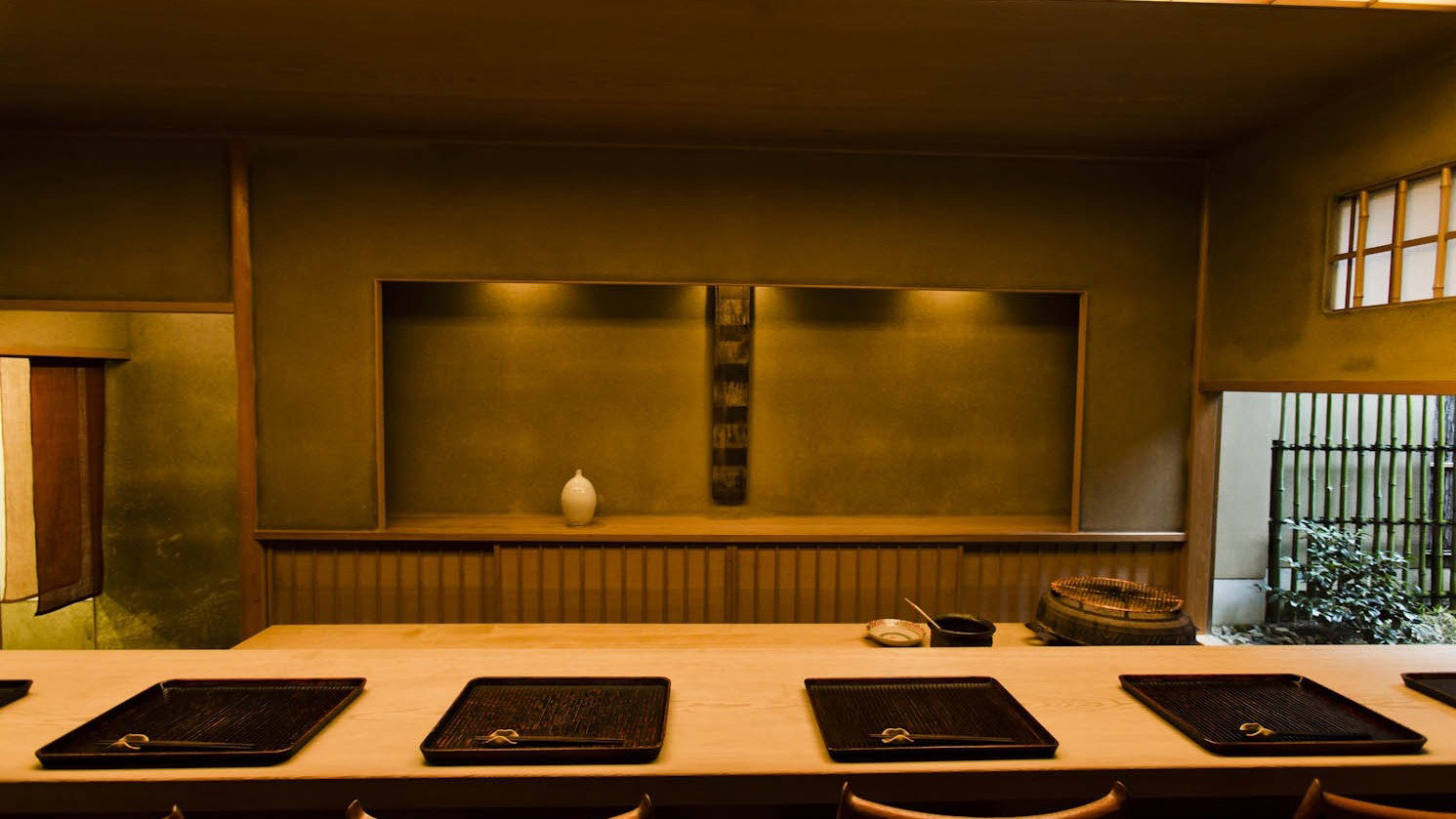
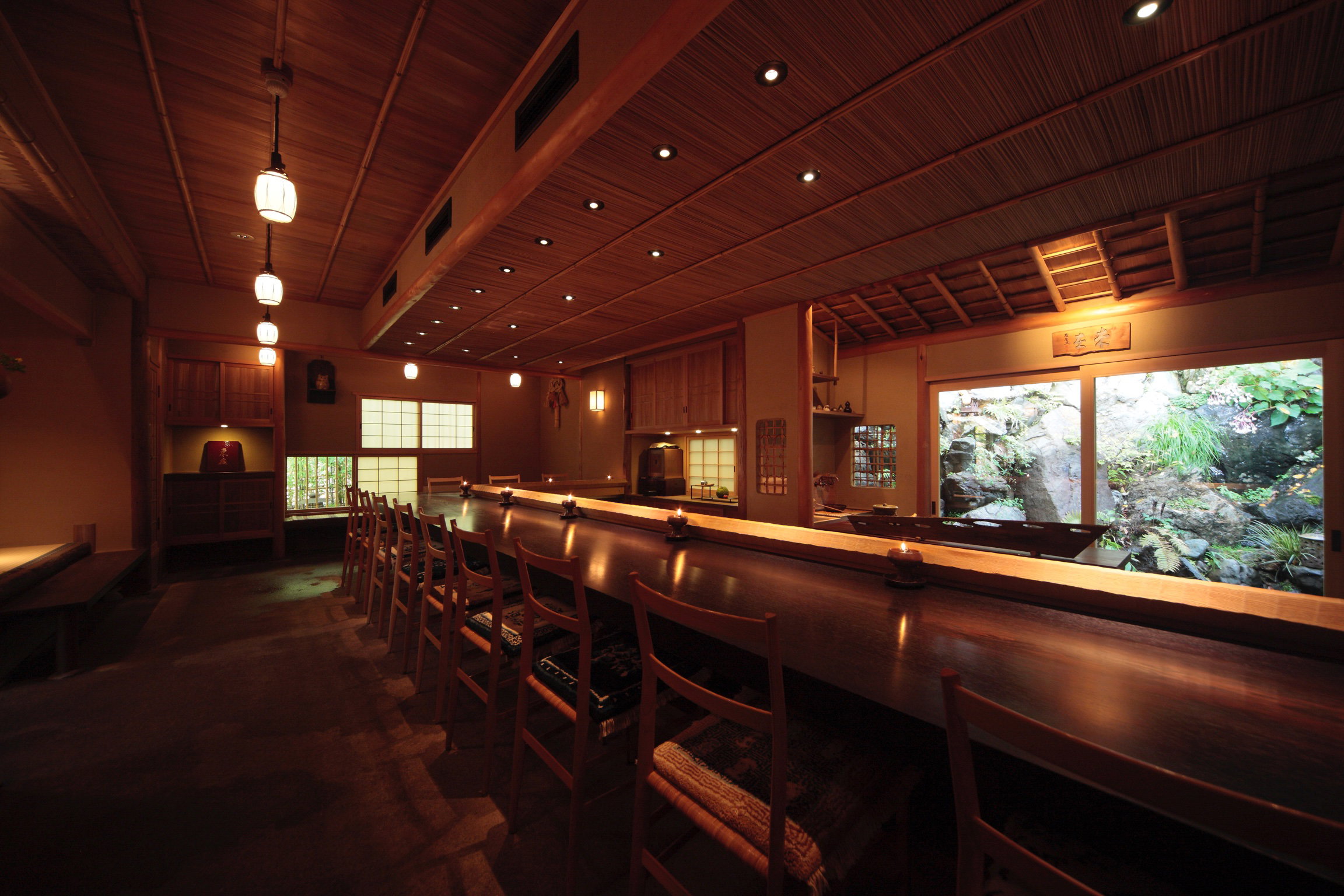
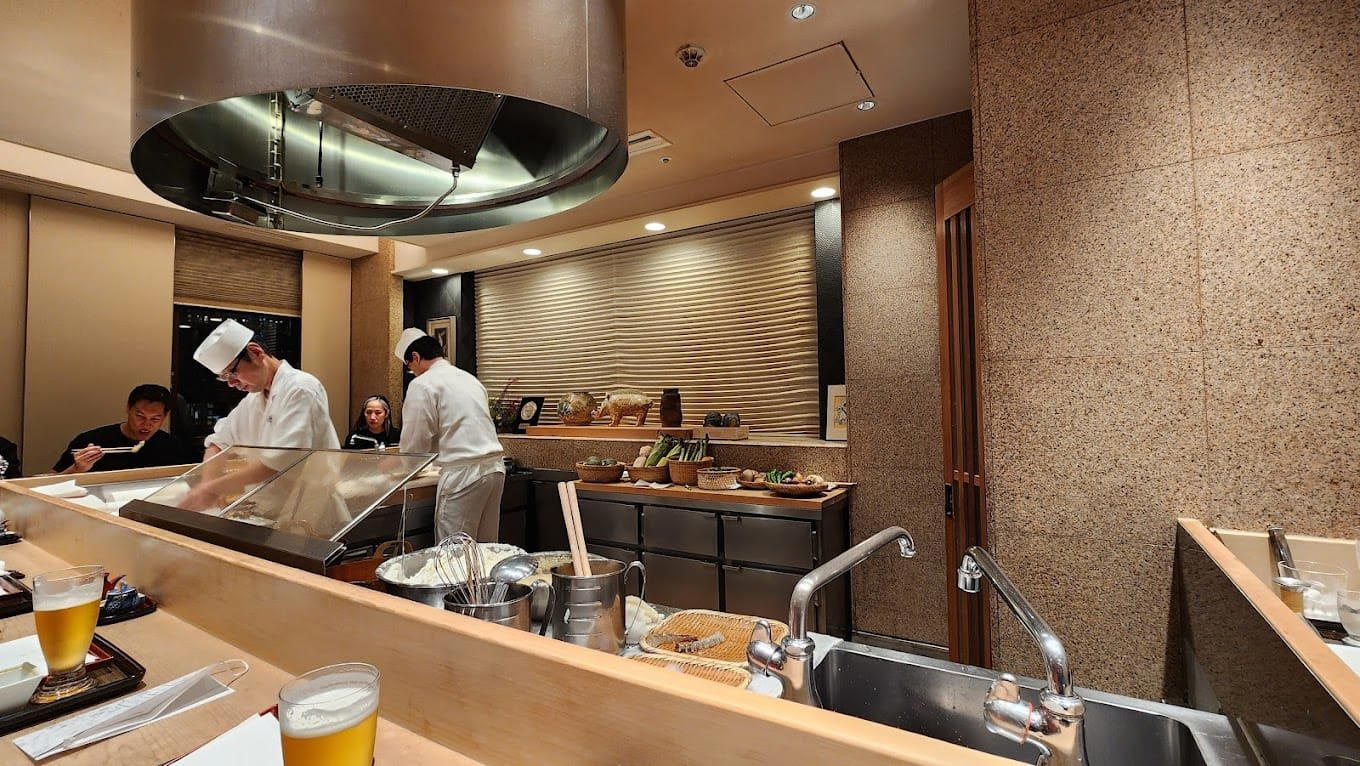
Gion Kida settles into the hush of Higashiyama, where preserved wooden ochaya and stone lanes compress the evening world to lantern light and footsteps. The restaurant foregrounds Kyoto’s classical kaiseki logic, so the experience feels deliberate and historically anchored rather than trendy. The meal unfolds at an intimate counter, and the surrounding streetscape — a narrow lane running beside the Shirakawa canal — lends a composed, almost ceremonial calm. Service and pacing follow that quiet architecture: restrained, exacting and designed to let seasonal detail do the speaking, making the room feel like a small, serious enclave of traditional Kyoto dining.
Best For
This is a destination for diners seeking a considered kaiseki evening without the extreme logistics of the city’s three‑star rooms. Gion Kida’s Michelin recognition and placement within Kyoto’s high tier mark it as a spot for special evenings, date nights and those who want a focused encounter with seasonal Japanese cuisine. The counter orientation and formal pacing reward guests who value close attention to technique and ingredient-driven cooking rather than theatrical spectacle. Expect a composed, high-attention meal set against the quiet of Gion’s historic lanes.
Ordering Tips
Plan for a structured, multi-course kaiseki progression and prioritize the counter experience — the writing centers the meal around the counter and the chef’s relationship to daily ingredients. The piece signals a higher price tier (¥¥¥¥) comparable to notable neighbourhood rooms, so allocate for a full tasting rather than à la carte. Reservations are implied by the restaurant’s standing in Kyoto’s serious-restaurant hierarchy; come with patience for formal pacing and an appetite for seasonally driven preparations rather than bold, interpretive dishes.
Venue details
Ambiance
Intimate counter seating in a traditional setting with a focus on the chef's performance, creating an elegant yet sometimes lively atmosphere during peak service.
Tags
Vibe
Best For
Experience
At the Table
- Noise Level
- Quiet
- Service Style
- Formal
- Meal Pacing
- Leisurely
- Capacity
- Intimate
- Kitchen
- Traditional
- Menu Format
- Counter dining
- Wine Program
- Curated
- Private Dining
- Available
Know before you go
Know Before You Go
- Getting there
- 570-192 Gionmachi Minamigawa, Higashiyama Ward, Kyoto, 605-0074, Japan
Planning details
Location
570-192 Gionmachi Minamigawa, Higashiyama Ward, Kyoto, 605-0074, Japan · Directions

Also consider
Also Consider
- Gion Sasaki, Kaiseki, Japanese, ¥¥¥¥
- cenci, Italian, ¥¥¥
- Ifuki, Kaiseki, ¥¥¥¥
- Kyokaiseki Kichisen, Japanese, ¥¥¥¥
- Kyo Seika, Chinese, ¥¥¥
Restaurant context
At ¥¥¥¥ across the board, Gion Kida, Gion Sasaki, and Ifuki are direct price-tier equivalents in Kyoto kaiseki. Kida's distinguishing factor is the micro-seasonal sourcing framework, which implies a tighter, more frequently rotating menu than most kaiseki houses at this level. If you are comparing the three for a single booking, Gion Sasaki carries more name recognition internationally and is the safer choice if you want a known quantity; Kida is the right call if the cooking philosophy matters and you want something with a more defined point of view. Kyokaiseki Kichisen operates at the top of the Kyoto kaiseki hierarchy and is the correct choice if you want the heaviest institutional credential available in the city, but expect booking to be harder and the price to push toward the upper limit of the ¥¥¥¥ band.
For diners who want to spend less or vary the format, cenci (¥¥¥, Italian) offers a credible alternative at a lower price point, though the format is entirely different. Kyo Seika (¥¥¥, Chinese) sits in the same accessible-premium tier and is worth considering if you are planning multiple Kyoto dinners and want range across cuisines rather than back-to-back kaiseki. Neither replaces Kida for a dedicated kaiseki experience, but both make sense as complementary bookings on a longer Kyoto stay.
On booking difficulty, all the ¥¥¥¥ kaiseki houses in Gion should be treated as hard bookings requiring four to six weeks minimum lead time. Kida, Gion Sasaki, and Ifuki are comparable in this respect. If your trip window is short and availability is the primary constraint, the practical advice is to book whichever of the three opens a slot first rather than holding out for a specific name. The quality differential between Kida and its nearest peers is real but not so large that missing one for the other represents a significant loss for most diners.
Explore Kyoto
Around this place
Discover more on Pearl
Unlock the full Gion Kida guide in Pearl, including awards, comparisons, FAQs, planning details, and nearby places.
Compare Gion Kida
| Venue | Price | Awards |
|---|---|---|
| Gion Kida | ¥¥¥¥ | 2026 OAD Top Restaurants in Japan RecommendedMichelin Guide Kyoto Osaka 20262026 Michelin 1 Star2025 OAD Top Restaurants in Japan Ranked · #6032024 Michelin 1 Star |
| Gion Sasaki | ¥¥¥¥ | 2026 Tabelog Bronze · #3862026 OAD Top Restaurants in Japan RecommendedMichelin Guide Kyoto Osaka 20262026 La Liste Top RestaurantsTabelog 100 - Japanese cuisine - WEST - 2025 · #132025 OAD Top Restaurants in Japan Ranked · #2462025 Tabelog Silver2025 Michelin 3 Stars2025 La Liste Top Restaurants |
| cenci | ¥¥¥ | 2026 Tabelog Bronze · #442026 Asia's 50 Best Restaurants · #762026 OAD Top Restaurants in Japan Highly RecommendedMichelin Guide Kyoto Osaka 2026Tabelog 100 - Italian - WEST - 2025 · #632025 Asia's 50 Best Restaurants · #632025 OAD Top Restaurants in Japan Ranked · #1682025 Tabelog Bronze2024 OAD Top Restaurants in Japan Ranked · #135 |
| Ifuki | ¥¥¥¥ | 2026 OAD Top Restaurants in Japan Ranked · #1222026 Tabelog Bronze · #128Michelin Guide Kyoto Osaka 20262026 La Liste Top RestaurantsTabelog 100 - Japanese cuisine - WEST - 2025 · #622025 OAD Top Restaurants in Japan Ranked · #1002025 La Liste Top Restaurants2025 Tabelog Bronze2025 Michelin 2 Stars |
| Kyokaiseki Kichisen | ¥¥¥¥ | 2026 Tabelog Bronze · #1752026 OAD Top Restaurants in Japan Highly RecommendedMichelin Guide Kyoto Osaka 20262025 OAD Top Restaurants in Japan Ranked · #1862025 Michelin 2 Stars2025 La Liste Top Restaurants2024 OAD Top Restaurants in Japan Ranked · #1422024 Michelin 2 Stars2023 OAD Top Restaurants in Japan Ranked · #136 |
| Kyo Seika | ¥¥¥ | Tabelog 100 - Chinese cuisine - WEST - 2026 · #762026 Tabelog Bronze · #2162026 OAD Top Restaurants in Japan Recommended2026 Michelin 1 Star2025 OAD Top Restaurants in Japan Ranked · #3262025 Tabelog Bronze2024 OAD Top Restaurants in Japan Ranked · #3042024 Michelin Plate2024 Michelin 1 Star |






.png?width=1200&quality=80)
Side-by-side comparison to help you decide where to book.
FAQ
Frequently Asked Questions
Is Gion Kida good for solo dining?
Gion Kida is a reasonable solo option if you can secure a seat at the counter or a single booking, though the venue's small size makes solo reservations harder to place than a table for two. At ¥¥¥¥ pricing, solo diners pay full kaiseki rates with no discount. If solo dining access is your priority, Ifuki is often more accommodating for single bookings in Kyoto.
Is the tasting menu worth it at Gion Kida?
Yes, for kaiseki purists. Chef Yasuo Kida's approach is grounded in a micro-seasonal philosophy that treats each ingredient's moment as the point of the meal, which is exactly what kaiseki is supposed to do. The Michelin star (2024) and an Opinionated About Dining ranking confirm the cooking is at the level the ¥¥¥¥ price demands. If you want a more freestyle or contemporary Japanese format, cenci in Kyoto is worth considering instead.
Can I eat at the bar at Gion Kida?
Counter seating is plausible given the traditional kaiseki format, but the exact seating configuration is not confirmed in available data. At a Michelin-starred venue of this type in Gionmachi Minamigawa, counter seats, where available, are typically the most immersive way to watch the progression of the meal. Confirm when booking.
Does Gion Kida handle dietary restrictions?
Dietary accommodation at kaiseki venues of this calibre is worth raising at the time of reservation, not on arrival. Kaiseki menus are composed around seasonal ingredients with little room for last-minute substitution, so communicate restrictions clearly when you book. Serious allergies or vegan requirements may limit what the kitchen can deliver without compromising the format.
Is Gion Kida worth the price?
At ¥¥¥¥, Gion Kida is priced at the top of Kyoto kaiseki. The Michelin star (2024) and a philosophy built around micro-seasonal sourcing give that pricing a defensible foundation. It is worth it if traditional kaiseki is the format you are there for; if you want more modern Japanese cooking at a similar spend, Kyokaiseki Kichisen offers a different prestige register and Kyo Seika is worth checking for value.
What are alternatives to Gion Kida in Kyoto?
For traditional kaiseki at a comparable level, Kyokaiseki Kichisen is the reference point in Kyoto, though it books further out and prices higher. Gion Sasaki offers a more ingredient-driven, chef-led style with a strong following. For a contemporary take on Japanese cooking, cenci diverges from classic kaiseki format but appeals to diners who find the traditional structure rigid. Ifuki is worth considering if booking access or value-for-format is a factor.