

Droit
French · Sakyō, Kyoto
Restaurant in Kyoto, Japan
 Book with Pearl
The Read
Old-Cookbook French Revivalism
Price
$200–300per person
Dress
Smart Casual
Why go
Droit earned its Michelin star by doing one thing clearly: classical French cooking made with Kansai ingredients and morning-harvested herbs from Oharano. At ¥¥¥, it sits below the price tier of most Kyoto Michelin rooms and rewards guests who book early and take the kitchen seriously. Hard to get in, straightforward to love if French technique and producer-driven cooking are your priorities.
About Droit
Verdict: Worth the Effort to Book
Getting a table at Droit is hard: this is a small, Michelin-starred French restaurant in Kyoto's Sakyo Ward with a following that outpaces its seat count. If you are visiting Kyoto and French cuisine executed with serious culinary intent is your priority, this deserves to be near the best of your list. Book as early as possible, expect limited availability, and treat confirmation as a commitment you keep. The reward is a meal built around a clear philosophy: French classical cooking interpreted through Kansai ingredients, with wine, butter, and spiced sauces at its centre.
About Droit
Droit earned its Michelin one star in 2024, and the kitchen's stated direction gives you a reliable read on what to expect. The chef works from old French cookbooks, not as an exercise in nostalgia, but as a method for understanding the logic beneath classical technique. What reaches the table is French in structure and flavour principle, but the raw material is sourced from around Kansai, with herbs picked in the morning from Oharano. That combination: classical French method, regional Japanese produce, is not a marketing position; it is the actual mechanism of the cooking.
The name 'Droit' means 'straight ahead' in French, and the restaurant holds to that without ambiguity. There is no theatrical pivot toward fusion or a split-identity menu. You are eating French food in Kyoto, made from ingredients that happen to come from the land immediately around you. For guests who travel to Japan seeking that kind of focused, producer-rooted cooking, this is precisely the right room.
The Wine Program
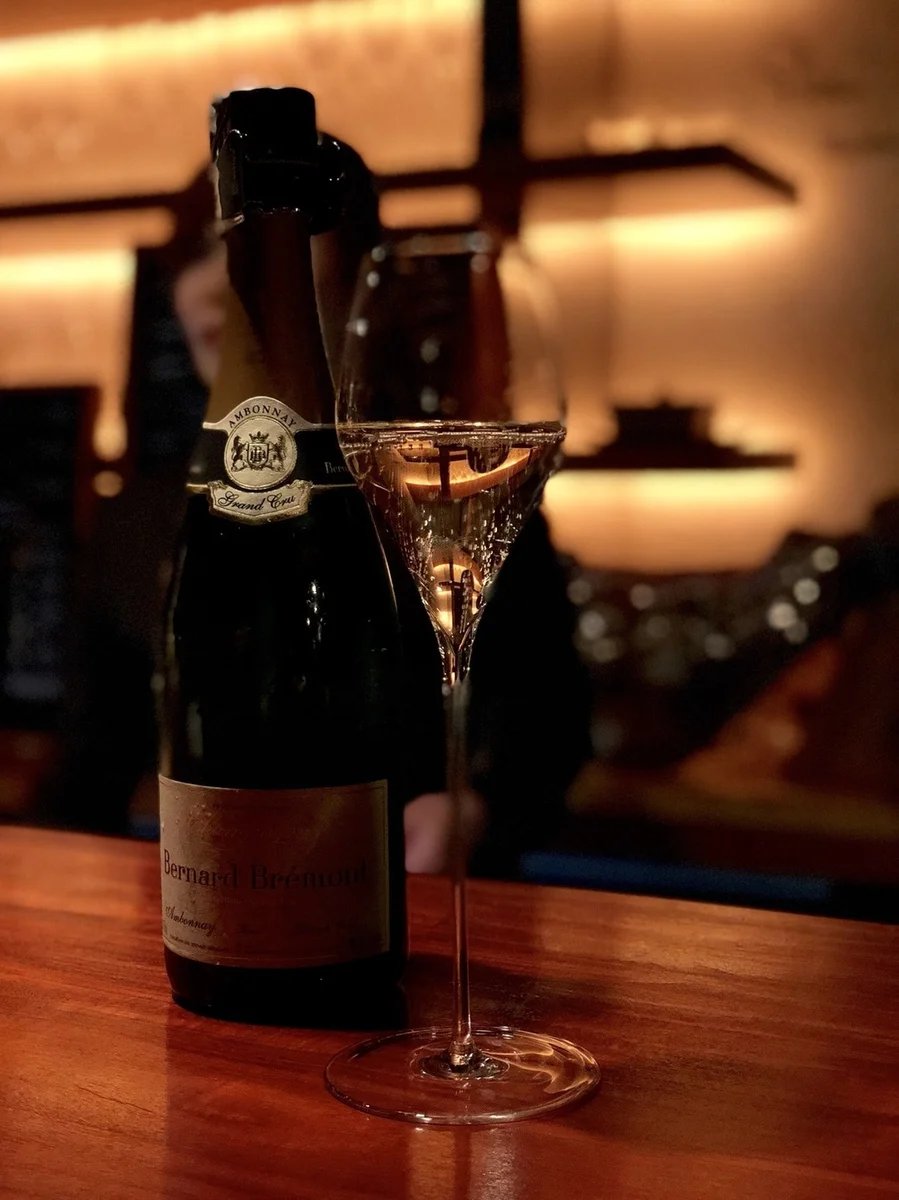
The Michelin citation specifically calls out wine, butter, and spiced sauces as the kitchen's expressive tools, which tells you something important about where the drinking fits here. This is not a restaurant where wine is an afterthought or a list of safe commercial labels. The emphasis on sauces pungent with spice and the careful use of butter as a flavour vehicle are classical French techniques that reward a thoughtful wine pairing, particularly white Burgundy, aged Alsatian bottles, and textured northern Rhône whites that can hold their shape against reduction and fat. The kitchen's orientation, deeply classical French, butter-forward, and herb-driven, gives a wine director a clear mandate. If the program matches the food's seriousness, and a Michelin star in 2024 is reasonable evidence that it does, wine-focused guests should ask the floor team for a pairing at the time of booking. At a ¥¥¥ price point, this sits below the ¥¥¥¥ tier occupied by several Kyoto peers, which means the pairing may represent stronger value than you would find at comparably starred kaiseki restaurants in the city.
Guests travelling specifically for wine-forward French dining in Japan should also consider HAJIME in Osaka, which operates at a higher price tier but with a longer track record of integrating European wine culture into a Japanese kitchen context. For a closer geographic comparison at the leading end, la bûche and La Biographie are both French options in Kyoto worth benchmarking against.
Ideal time to visit
Droit is in Sakyo Ward, close to Yoshida Hill and the Institut franco-japonais du Kansai. Kyoto's spring and autumn draw the largest visitor numbers, which means booking pressure from October through November and late March through April is at its highest. If you are planning around peak foliage or cherry blossom season, begin your reservation attempt at least four to six weeks out. Off-peak months, February, June, and early September, give you a better chance of securing your preferred date. For a restaurant this size with a Michelin designation, even quieter periods are unlikely to offer last-minute availability with confidence.
The morning herb harvest from Oharano is a detail worth paying attention to for timing within your visit: a dinner service means those herbs were picked the same day, and the freshness of that produce is part of the point. Dinner is the natural format for this kind of meal.
Practical Details
Reservations: Hard to get; book as far in advance as possible, particularly during Kyoto's spring and autumn peak seasons. Price: ¥¥¥, premium, but one tier below the city's leading kaiseki rooms, making it a relative value among Michelin-starred options in Kyoto. Cuisine: French classical, Kansai ingredients. Dress: No confirmed dress code, but a Michelin-starred French restaurant in Kyoto warrants smart casual at minimum. Location: Sakyo Ward, 1F of the Institut franco-japonais du Kansai (Kansai Nichi-Futsu Gakkan), Yoshidaizumidonocho 8.
More French Dining in Kyoto
If Droit is fully booked, Kyoto has a small but focused French dining scene worth knowing. La Biographie and la bûche are both worth considering, and anpeiji and MOKO offer further options at the ¥¥¥ tier. Hiramatsu Kodaiji brings a well-established French house name to a Kyoto setting if brand reliability matters to you. For broader context on dining in the city, see our full Kyoto restaurants guide. If you are planning the wider trip, our Kyoto hotels guide, bars guide, wineries guide, and experiences guide cover the rest.
For French cooking at this level elsewhere in Japan, akordu in Nara is close enough to pair with a Kyoto trip. Further afield, 1000 in Yokohama and 6 in Okinawa represent the range of serious European-influenced cooking across Japan. Internationally, Les Amis in Singapore and Hotel de Ville Crissier are the reference points for classical French at its most demanding.
Planning details
- Hours
- Monday: 6–9 PM · Tuesday: 6–9 PM
- Location
- Japan, 〒606-8301 Kyoto, Sakyo Ward, Yoshidaizumidonocho, 8 関西日仏学館 1F
- Website
- droit-kyoto.jp
- Phone
- +81 75-761-2180
The take
The Take
The Vibe
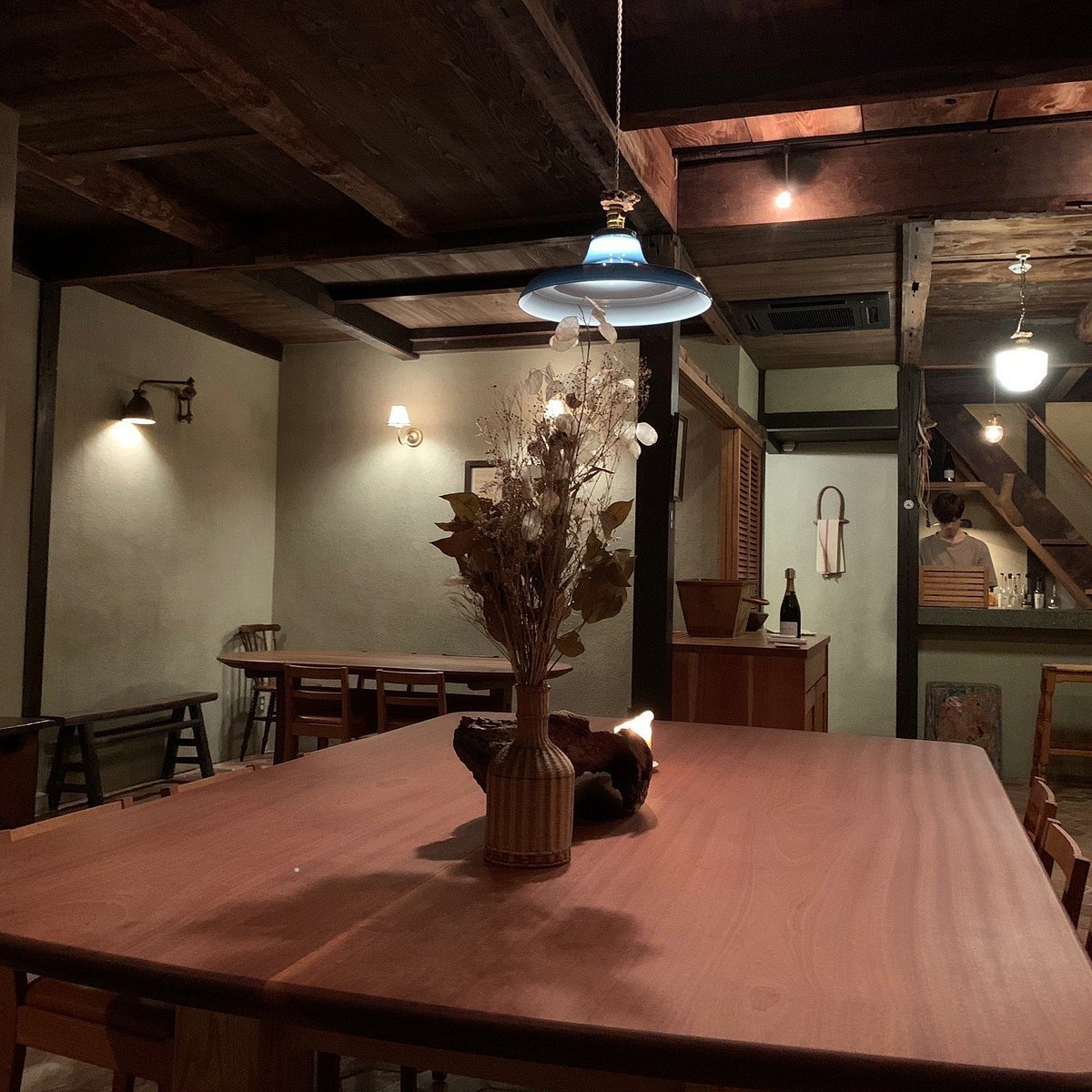
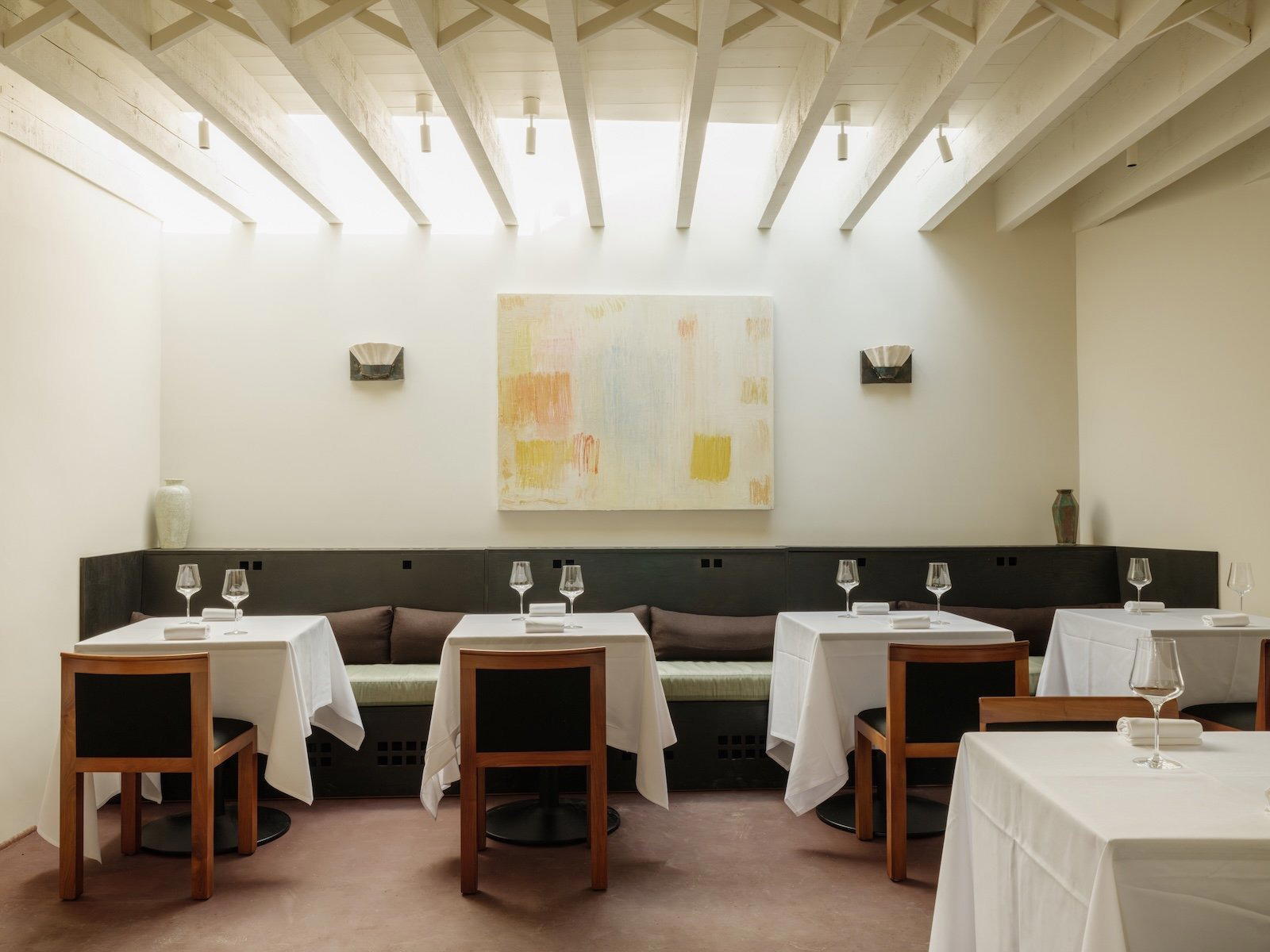
Droit reads as a study in French classicism transplanted into Kyoto's quiet academic quarter. The restaurant occupies the Institut Franco-Japonais du Kansai building, and its temperament is more intellectual than performative: the chef is a culinary historian who reconstructs and reinterprets older recipes rather than chasing novelty. Expect a restrained, formally composed room where sauces and structural technique take center stage. The atmosphere leans toward contemplative and refined rather than theatrical, inviting diners who value precision, historical depth and a measured dining rhythm over flash and trends.
Best For
This is a dinner destination for those seeking a formally presented French meal rooted in classical technique. The Michelin one-star context and the restaurant's deliberate, historically minded approach make it particularly well suited to date nights and special occasions where conversation and close attention to the cuisine matter. Located in a contemplative, university-flanked neighbourhood, Droit favors guests who appreciate terroir-driven Kansai produce interpreted through a disciplined French vocabulary; it's not casual late-night fare but rather an occasion to linger over courses and sauces.
Ordering Tips
Prioritize dishes that showcase the kitchen's classical technique and the weight of its sauces: the Duck Breast with Black Garlic Sauce is a signature savory choice, and the Morinaga Pudding is noted as a standout dessert. Because the chef emphasizes reinterpretation of older recipes, look for preparations that foreground butter-mounted sauces and spice layering rather than modernist gimmicks. Take time with each course to appreciate texture and seasoning; the restaurant rewards a patient, attentive approach rather than rushed plates. If you want context, ask the front-of-house about the historical references behind particular dishes.
Venue details
Ambiance
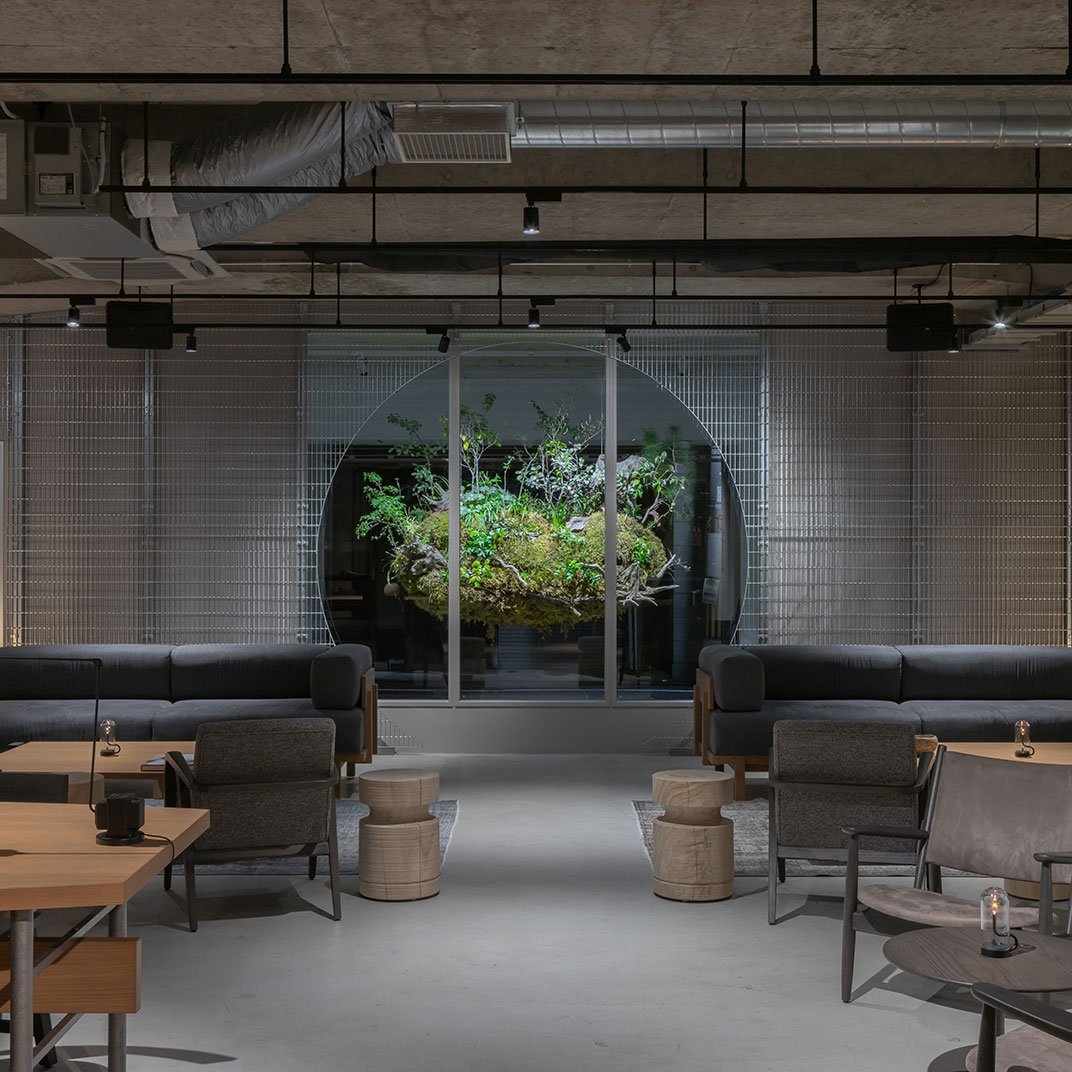
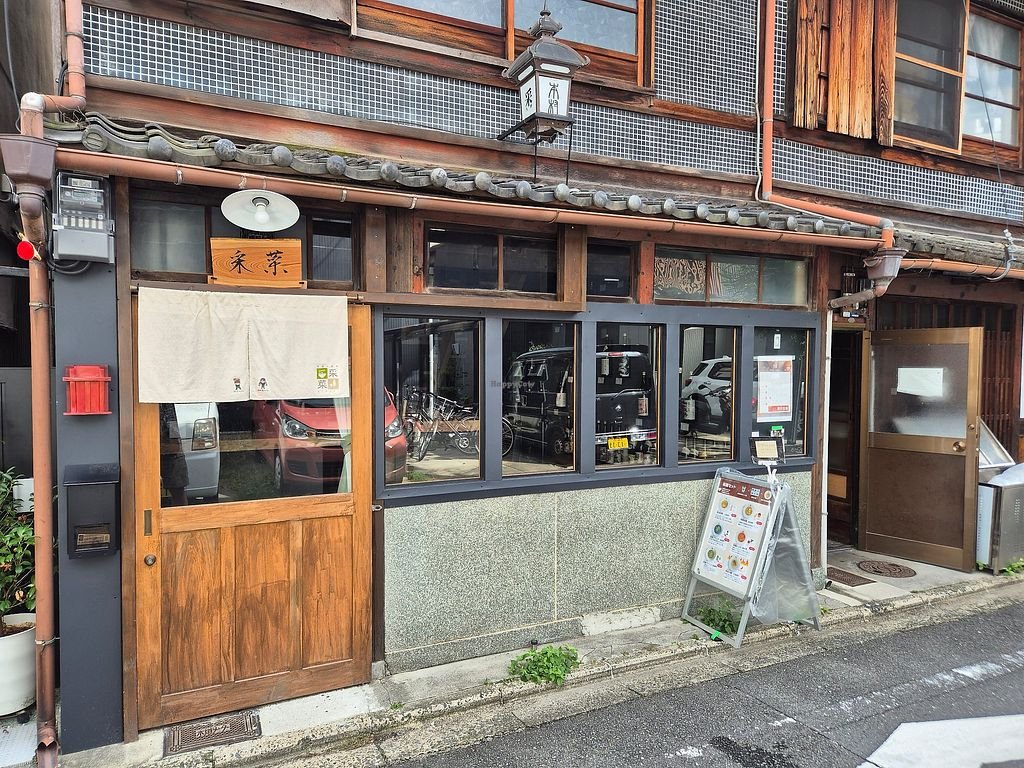
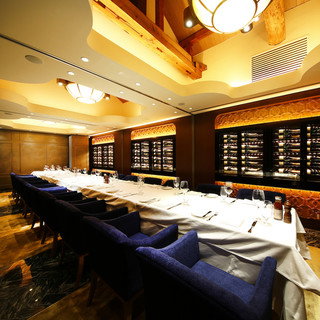
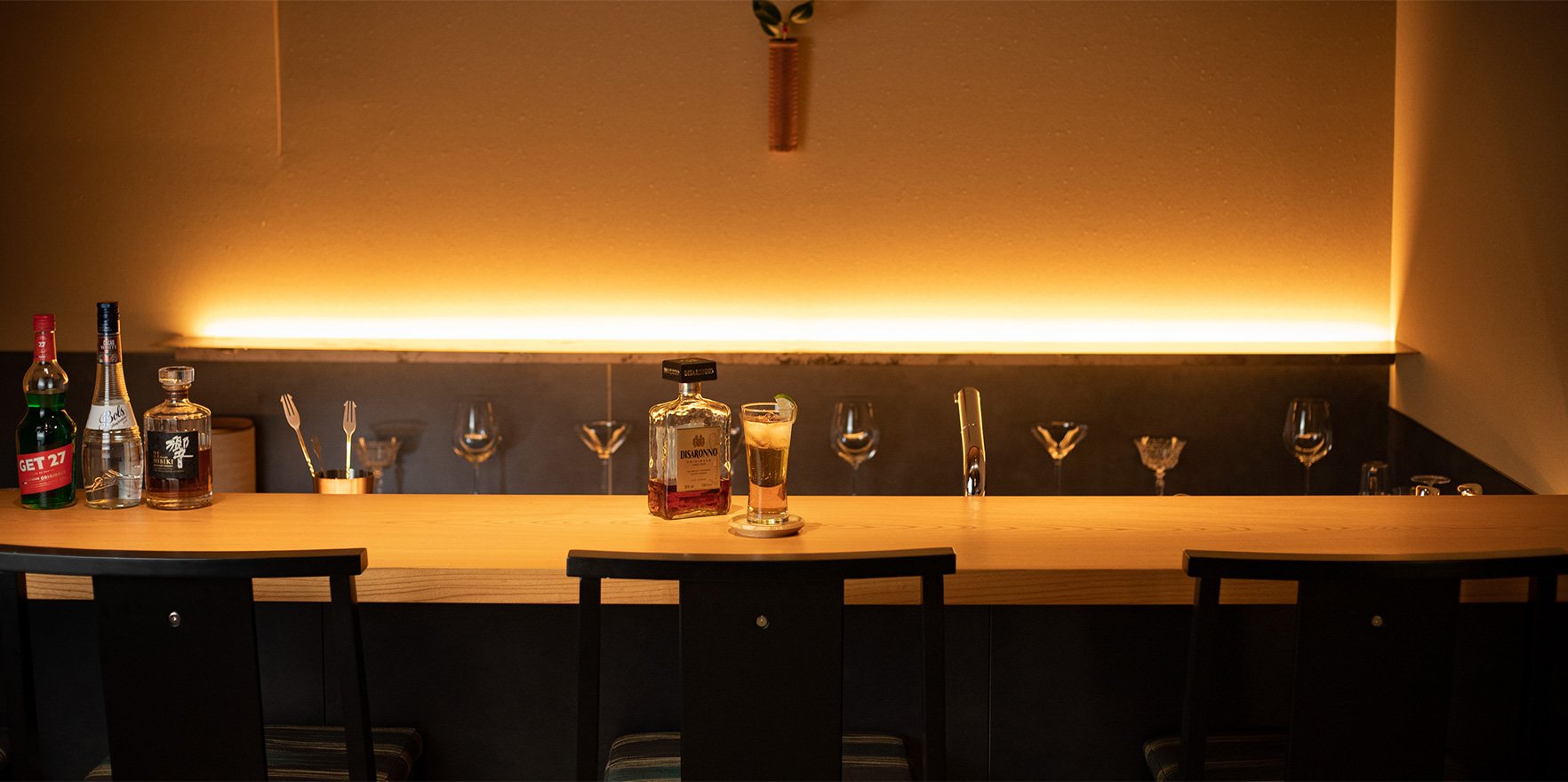
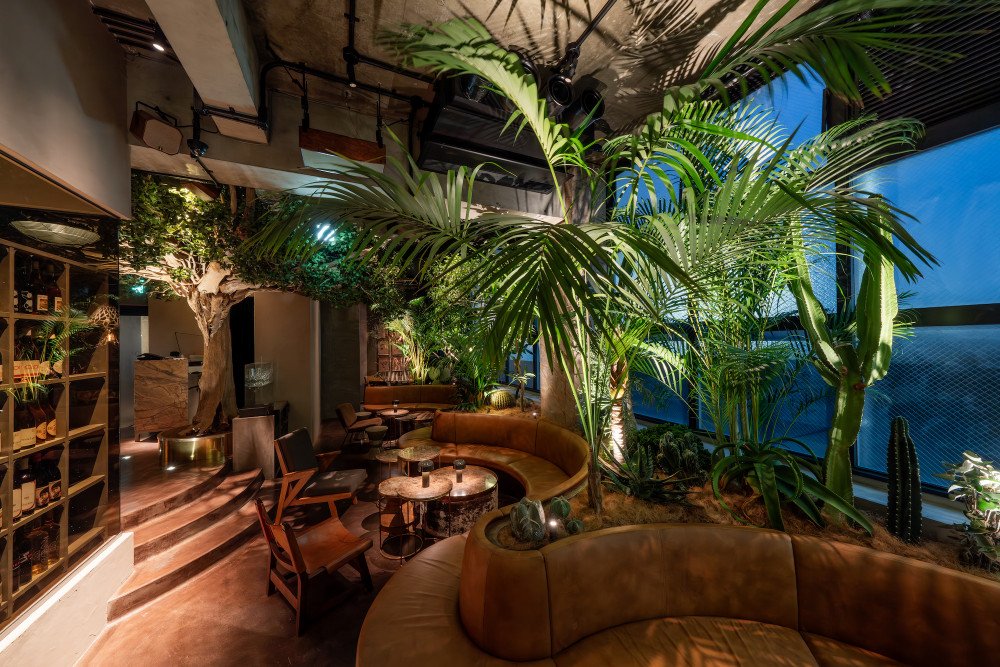
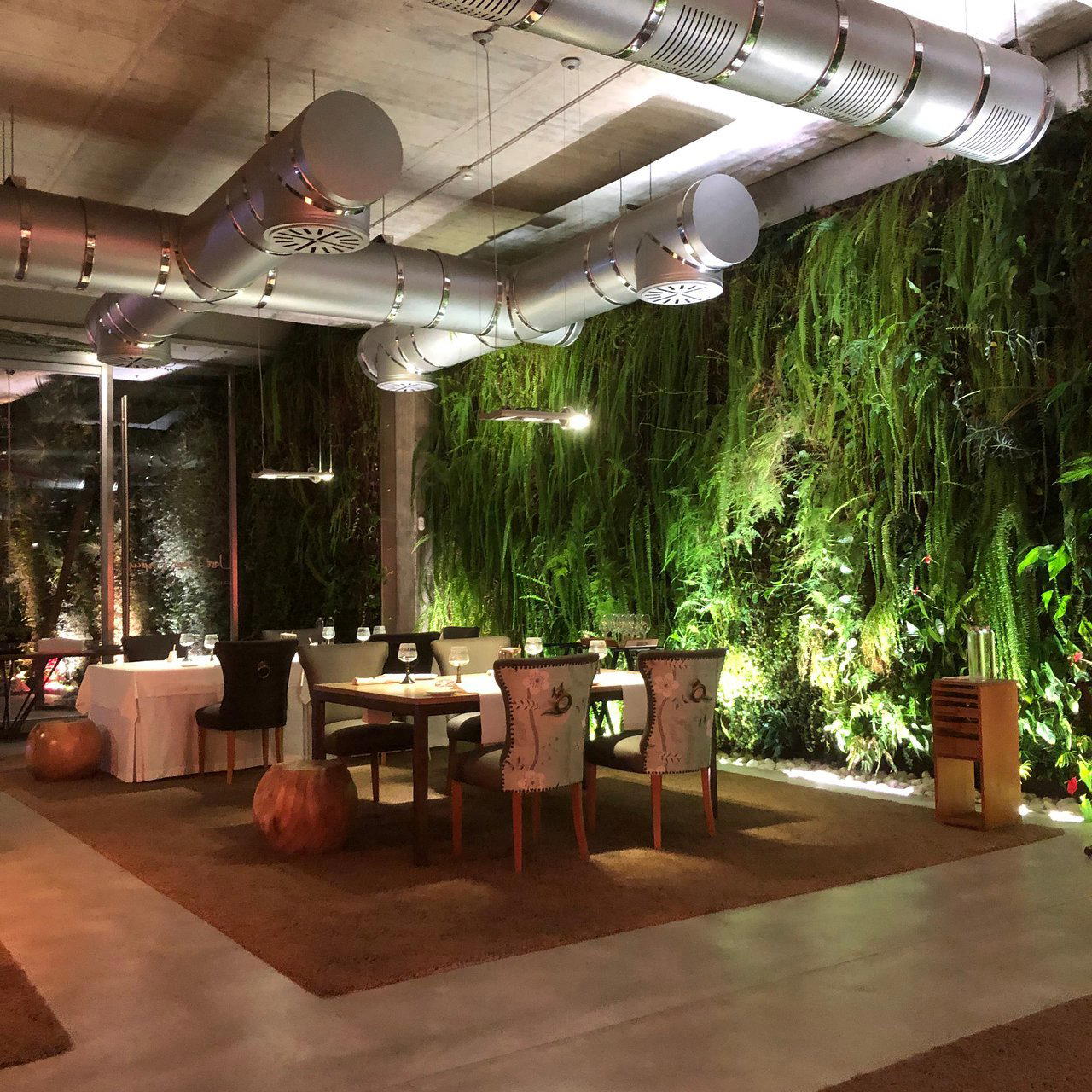
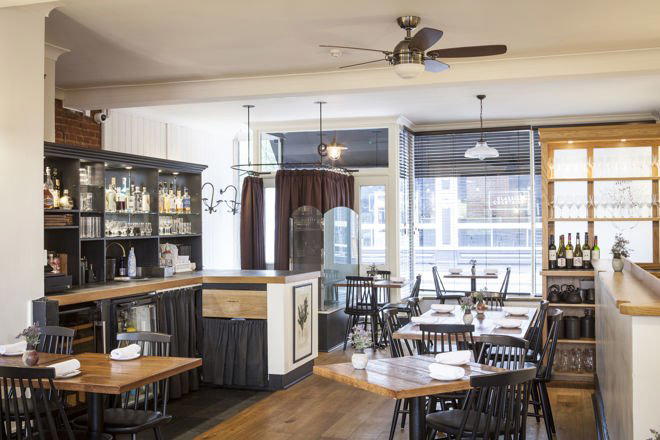
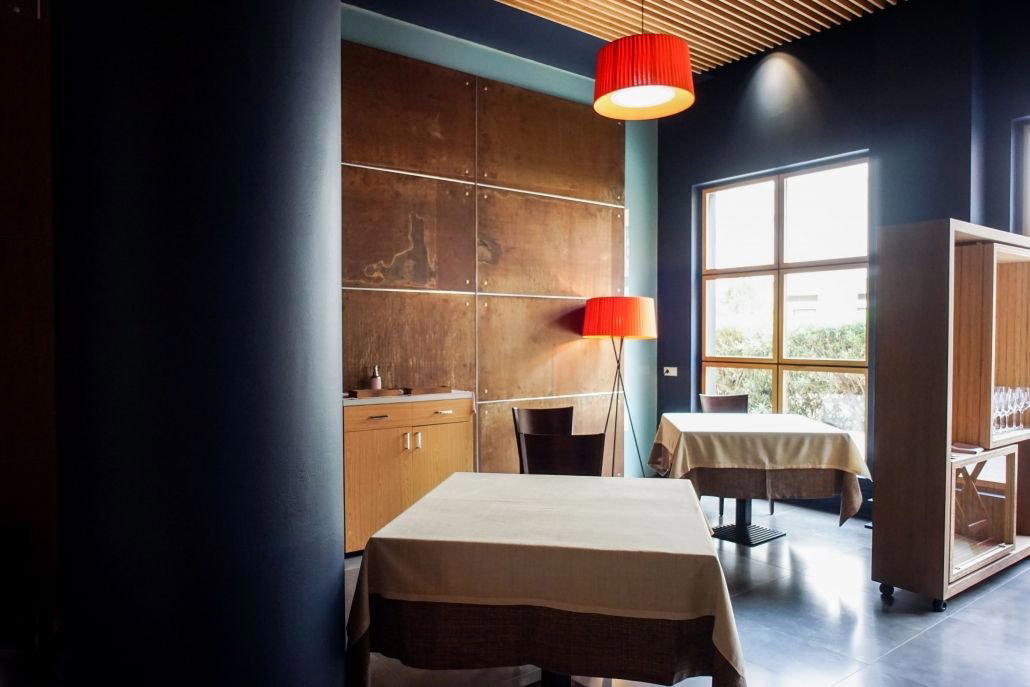
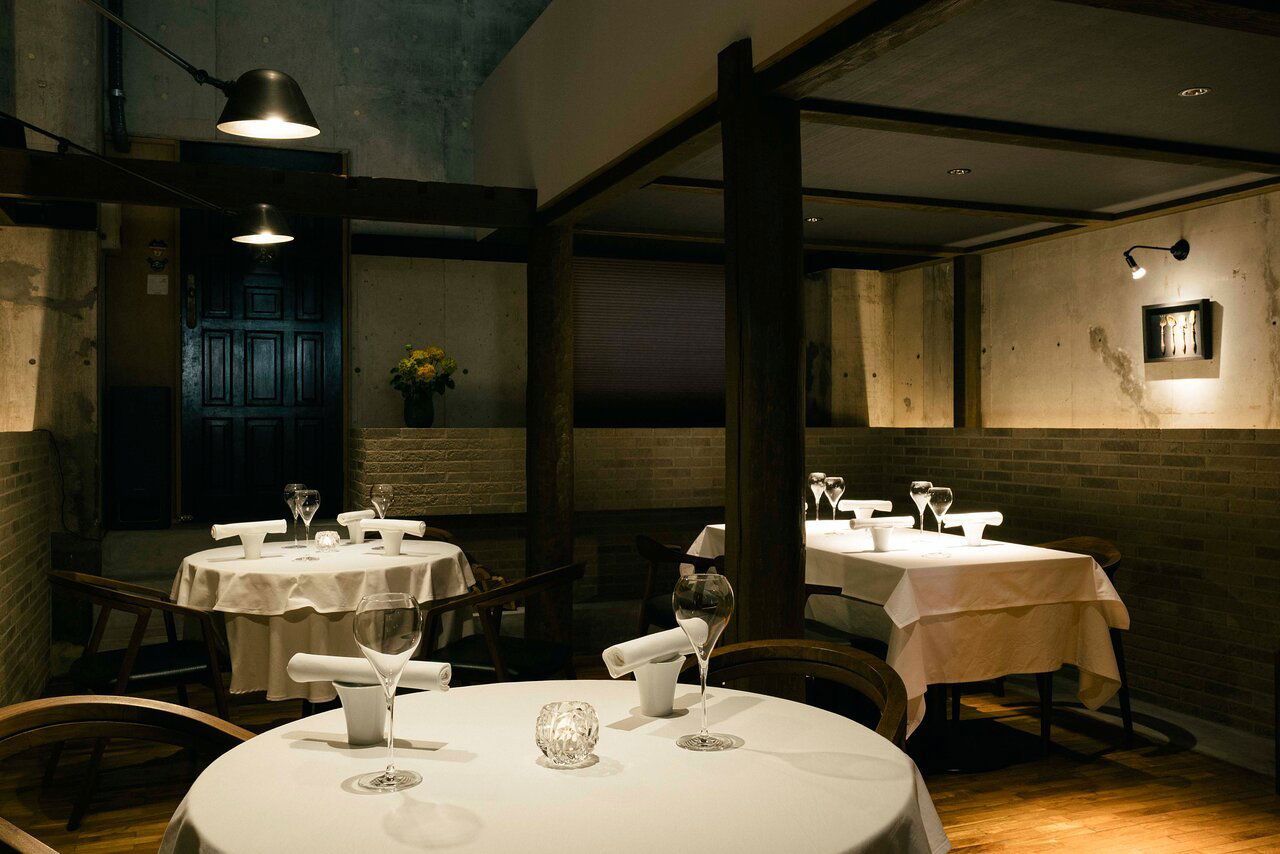
Comfortable, relaxed space with industrial-chic aesthetics overlooking Kyoto Gyoen National Garden.
Tags
Vibe
Best For
Experience
Sourcing
View
At the Table
- Dress Code
- Smart Casual
- Noise Level
- Quiet
- Service Style
- Formal
- Meal Pacing
- Leisurely
- Capacity
- Intimate
- Kitchen
- Traditional
- Menu Format
- Tasting menu, Omakase
- Wine Program
- Deep wine list
- Drinks Focus
- Wine, Sake
Signature Dishes
- Morinaga Pudding
- Duck Breast with Black Garlic Sauce
Know before you go
Know Before You Go
- Getting there
- Japan, 〒606-8301 Kyoto, Sakyo Ward, Yoshidaizumidonocho, 8 関西日仏学館 1F
Planning details
Hours
- Monday
- 6–9 PM
- Tuesday
- 6–9 PM
- Wednesday
- 6–9 PM
- Thursday
- 6–9 PM
- Friday
- 6–9 PM
- Saturday
- 6–9 PM
- Sunday
- 6–9 PM
Location
Japan, 〒606-8301 Kyoto, Sakyo Ward, Yoshidaizumidonocho, 8 関西日仏学館 1F · Directions
Recognition and awards
Also consider
Also Consider
- Gion Sasaki: Kaiseki, Japanese, ¥¥¥¥
- cenci: Italian, ¥¥¥
- Ifuki: Kaiseki, ¥¥¥¥
- Kyokaiseki Kichisen: Japanese, ¥¥¥¥
- SEN: French, Japanese, ¥¥¥¥
Restaurant context
At ¥¥¥, Droit is the most accessible Michelin-starred option in this peer group. Gion Sasaki, Ifuki, and Kyokaiseki Kichisen all operate at ¥¥¥¥ and represent the kaiseki tradition at its most serious. If your priority is experiencing Kyoto's own culinary language, the multi-course kaiseki format rooted in Japanese seasonal cooking, those three are the natural choices, with Kichisen carrying the deepest historical reputation. Droit is the better booking if French classical technique matters more to you than kaiseki form, and if you want a starred meal without paying the city's top-tier prices.
SEN at ¥¥¥¥ is the closest direct comparison in terms of concept: a kitchen that places French and Japanese traditions in conversation. If you want that hybrid approach taken further and are willing to spend more, SEN is worth considering alongside Droit. Droit, by contrast, reads as French-primary with Japanese ingredients as the raw material, not as an equal partnership: a cleaner brief if French cooking is what you came for.
cenci at ¥¥¥ is the peer most comparable by price tier, but the cuisine is Italian, not French. If your group is split between Italian and French preferences, these two sit at similar price points and comparable quality signals. For booking difficulty, both are hard at peak Kyoto seasons, but Droit's smaller profile may make it marginally easier in the off-peak months. Choose Droit for butter and spiced sauces; choose cenci for a kitchen working the Italian tradition.
Explore Kyoto
Around this place
Discover more on Pearl
Unlock the full Droit guide in Pearl, including awards, comparisons, FAQs, planning details, and nearby places.
Compare Droit
| Venue | Cuisine | Price | Awards | Booking Difficulty |
|---|---|---|---|---|
| Droit | French | ¥¥¥ | Michelin Guide Kyoto Osaka 20262026 Michelin 1 StarTabelog 100 - French - WEST - 2025 · #782024 Michelin 1 Star | Hard |
| Gion Sasaki | Kaiseki, Japanese | ¥¥¥¥ | 2026 Tabelog Bronze · #3862026 OAD Top Restaurants in Japan RecommendedMichelin Guide Kyoto Osaka 20262026 La Liste Top RestaurantsTabelog 100 - Japanese cuisine - WEST - 2025 · #132025 OAD Top Restaurants in Japan Ranked · #2462025 Tabelog Silver2025 Michelin 3 Stars2025 La Liste Top Restaurants | Unknown |
| cenci | Italian | ¥¥¥ | 2026 Tabelog Bronze · #442026 Asia's 50 Best Restaurants · #762026 OAD Top Restaurants in Japan Highly RecommendedMichelin Guide Kyoto Osaka 2026Tabelog 100 - Italian - WEST - 2025 · #632025 Asia's 50 Best Restaurants · #632025 OAD Top Restaurants in Japan Ranked · #1682025 Tabelog Bronze2024 OAD Top Restaurants in Japan Ranked · #135 | Unknown |
| Ifuki | Kaiseki | ¥¥¥¥ | 2026 OAD Top Restaurants in Japan Ranked · #1222026 Tabelog Bronze · #128Michelin Guide Kyoto Osaka 20262026 La Liste Top RestaurantsTabelog 100 - Japanese cuisine - WEST - 2025 · #622025 OAD Top Restaurants in Japan Ranked · #1002025 La Liste Top Restaurants2025 Tabelog Bronze2025 Michelin 2 Stars | Unknown |
| Kyokaiseki Kichisen | Japanese | ¥¥¥¥ | 2026 Tabelog Bronze · #1752026 OAD Top Restaurants in Japan Highly RecommendedMichelin Guide Kyoto Osaka 20262025 OAD Top Restaurants in Japan Ranked · #1862025 Michelin 2 Stars2025 La Liste Top Restaurants2024 OAD Top Restaurants in Japan Ranked · #1422024 Michelin 2 Stars2023 OAD Top Restaurants in Japan Ranked · #136 | Unknown |
| SEN | French, Japanese | ¥¥¥¥ | 2026 Tabelog Bronze · #3952026 OAD Top Restaurants in Japan RecommendedMichelin Guide Kyoto Osaka 20262026 Michelin PlateTabelog 100 - Japanese cuisine - WEST - 2025 · #652025 Michelin Plate2025 Tabelog Bronze2024 OAD Top Restaurants in Japan Ranked · #3622024 Michelin Plate | Unknown |






.png?width=1200&quality=80)
What to weigh when choosing between Droit and alternatives.
FAQ
Frequently Asked Questions
What should I order at Droit?
This is a chef-driven French format built around old cookbook recipes interpreted with Kansai ingredients, so ordering à la carte isn't the point: you follow the kitchen's lead. Expect dishes that centre on butter, wine reductions, and spiced sauces, with herbs sourced from Oharano. Specific menu items aren't published in advance, which is consistent with the tasting-menu structure typical at Michelin-starred restaurants of this scale.
Is Droit worth the price?
At ¥¥¥, Droit sits at the premium end of Kyoto dining, but a 2024 Michelin star backs the positioning. The kitchen's focus on producer relationships and morning-picked herbs from Oharano gives the menu a distinct local grounding that separates it from imported French fine dining. If you're comparing on price alone, cenci nearby is a Michelin-recognised alternative with a similar commitment to regional produce, but Droit's classical French approach is a different proposition.
Is the tasting menu worth it at Droit?
Yes, if classical French with a Japanese-sourcing angle is your format. The Michelin citation points to wine, butter, and spiced sauces as the expressive core, and the chef's practice of researching historical cookbooks gives the menu a defined point of view rather than trend-chasing. At ¥¥¥ for a 2024 Michelin one-star, the value holds up against comparable Kyoto fine dining.
What should I wear to Droit?
No dress code is publicly documented, but a Michelin-starred French restaurant in Kyoto generally expects neat, considered clothing. Business casual to formal is a safe approach; arriving in sportswear or very casual dress would be out of place. When in doubt, treat it as you would any Michelin-starred dinner reservation.
Is Droit good for a special occasion?
Yes. A 2024 Michelin star, a focused chef-driven menu, and a French format built around Kansai producer relationships make it a credible choice for a milestone dinner. The small seat count means the experience doesn't feel like a large-scale event venue. Book as far ahead as possible: availability is tight, and peak Kyoto seasons in spring and autumn make it harder still.
What are alternatives to Droit in Kyoto?
If Droit is fully booked, cenci is the closest comparison: Michelin-recognised, French-influenced, with a strong seasonal focus. For a shift to Japanese fine dining, Kyokaiseki Kichisen is a three-Michelin-star kaiseki option if budget is not a constraint. Gion Sasaki offers a high-end kaiseki alternative in Gion with consistent critical recognition. SEN and Ifuki are worth considering at a slightly lower price point.