.png?width=1200&quality=80)
Hor Poh Cuisine
Hakkanese · Kampong Segambut, Kuala Lumpur
Restaurant in Kuala Lumpur, Malaysia
 Book with Pearl
The Read
Shophouse Hakka Tradition
Price
$
Dress
Casual
Why go
A 2025 Michelin Bib Gourmand shop in Taman Sri Sinar that has been serving authentic Hakkanese cooking for over 20 years. The lui cha; a green soup of ground sesame, peanuts, mint; is the dish to order. At a $ price point, it is the most cost-effective Hakkanese meal you are likely to find in Kuala Lumpur.
About Hor Poh Cuisine
Who Should Book Hor Poh Cuisine
Hor Poh Cuisine is the right call for food-focused travellers who want to eat the way Kuala Lumpur actually eats: at a no-frills shop in a residential neighbourhood, spending very little, leaving with a clear understanding of what authentic Hakkanese cooking looks like. If you are planning a meal around atmosphere, service, or a private-dining setup, look elsewhere. But if your priority is flavour and culinary context at a price point that makes a second visit the same day technically feasible, this is one of the better decisions you can make in KL. The 2025 Michelin Bib Gourmand confirms what regulars in Taman Sri Sinar have known for over two decades: the food here earns its queue.
The Venue Portrait
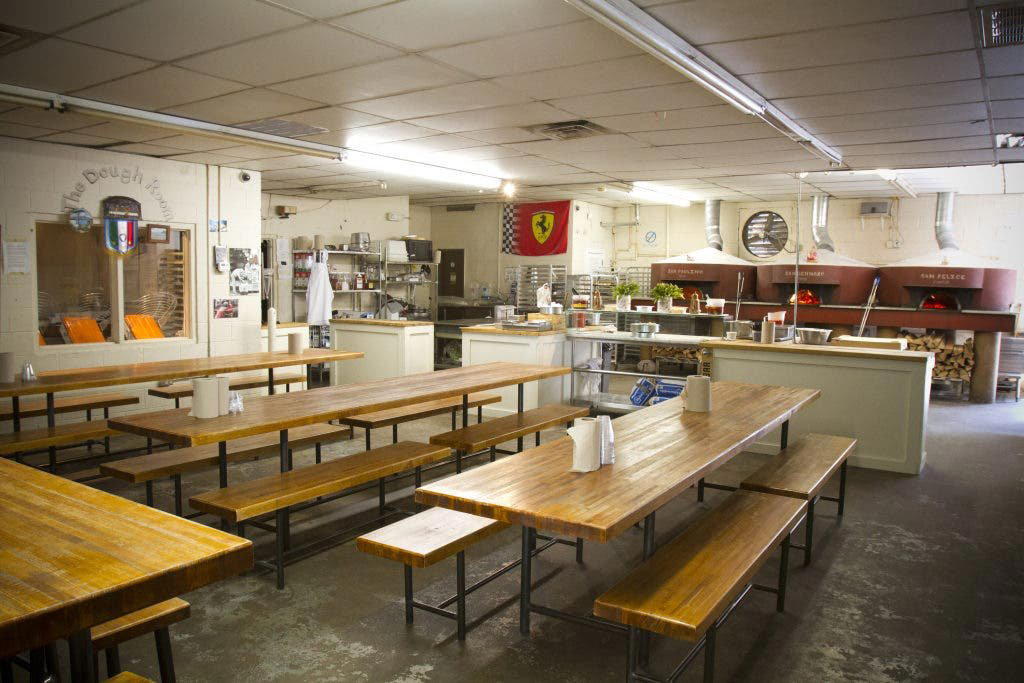
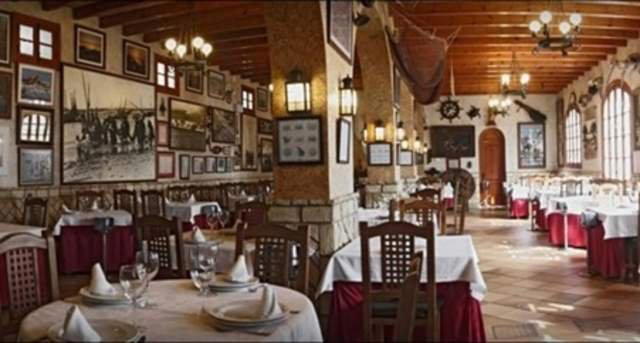
Hor Poh Cuisine sits at 36 Jalan 6/38d in Taman Sri Sinar, a quiet, unremarkable part of Kuala Lumpur that most visitors would never find without a specific reason to go. That specificity is the point. The shop has been operating for more than 20 years in the same spot, serving the same Hakkanese dishes to the same neighbourhood, plus an expanding circle of food-minded visitors who have followed the Michelin signal. The energy inside is busy rather than loud; the sound of a working kopitiam-style operation, not a destination restaurant performing busyness. Expect close tables, communal seating, a pace that is set by the kitchen rather than the front of house. This is not a place that quiets down at the edges for private conversation; it is a place where everyone is focused on what is in front of them, the ambient hum of a packed local lunch spot is part of the experience.
The cuisine is Hakkanese, a Chinese dialect group tradition with deep roots in Malaysia, particularly among communities in Selangor and the Klang Valley. The Hakka table is defined by preserved ingredients, ground grains, dishes that reward patience: fermented tofu, braised pork, above all, lui cha. At Hor Poh, the lui cha is the dish that draws the crowd. It arrives as a sheeny green soup; made from ground sesame seeds, peanuts, mint leaves, served alongside steamed rice. The result is nutty and aromatic, the preparation is labour-intensive enough that finding it at this quality and at a $ price point is genuinely useful information for anyone building a Hakkanese eating itinerary across Malaysia or comparing it to Hakkanese cooking in Taiwan, such as what you find at Niou Jia Juang in Taichung or May Snow Hakka Food in Taipei. The Hor Poh dumpling, dried tofu, garlic, pickles wrapped in a thin skin, runs a close second in popularity. Both dishes demonstrate the kitchen's control over seasoning and texture without requiring any culinary theatre to back them up.
The group and private dining question comes up quickly given the Bib Gourmand profile, the honest answer is that Hor Poh is not configured for it. There is no private room, no group-booking infrastructure, no concierge layer. What exists is a busy shop floor where groups can sit together if they time their arrival well, but coordination is entirely self-managed. For a food-focused group, say, four to six people who want to work through the menu and compare dishes, the setup is fine. For a business dinner, a celebration, or any occasion where the room itself needs to do some work, this is the wrong venue. In that case, DC. by Darren Chin or Beta are better fits. Hor Poh's group value is specifically in shared discovery of a cuisine that most tables will not have encountered at this level of authenticity.
Bib Gourmand, which Michelin awards to venues offering good food at moderate prices, is the most relevant credential here. It does not imply starred-level technical refinement or a tasting-menu format; it implies that the kitchen is doing something worth going out of your way for, at a price that does not require justification. For Hakkanese cooking in Kuala Lumpur, that is a meaningful signal. Both data points point in the same direction: this is a reliable, food-forward destination that has sustained quality for over 20 years.
For explorers building a broader Malaysia eating trip, Hor Poh pairs well with other Bib Gourmand and heritage-focused stops across the country. George Town is the natural extension, where venues like Auntie Gaik Lean's Old School Eatery offer a parallel depth in Peranakan cooking. Closer to KL, Lavo and Lavo Gallery in Petaling Jaya represents a different price tier and format. For the full picture of where to eat and stay while in the city, the Pearl Kuala Lumpur restaurants guide, hotels guide, and bars guide cover the broader planning context. If you are extending into Langkawi or Penang, the Dining Room at The Datai Langkawi and Christoph's in Penang are worth adding to the list.
Practical Details
Reservations: Walk-in only based on available data, no booking method is listed, the format is consistent with a shop-style operation where turning up is the expected approach. Leading timing: The kitchen is consistently busy; arriving early in the service window is the practical move to avoid a long wait, particularly given the Bib Gourmand exposure. Budget: $ price range, one of the most affordable meals you will have in Kuala Lumpur at this quality level. Dress: No dress code; casual is the only appropriate register for this setting. Getting there: Taman Sri Sinar, 52100 Kuala Lumpur; a ride-hailing app is the most practical approach from the city centre. Groups: Manageable for small groups of up to six if you arrive together and are prepared for communal, no-reservation dining. No private room available.
How It Compares
Explore More in Kuala Lumpur
- Dewakan, Malaysian tasting menu, $$$$
- Beta, Malaysian, $$$
- Molina, Innovative, $$$$
- Ling Long, Innovative, KL
- DC. by Darren Chin, French Contemporary, $$$$
- Kuala Lumpur wineries guide
- Kuala Lumpur experiences guide
- BM Cathay Pancake, Seberang Perai
Planning details
- Location
- 36, Jalan 6/38d, Taman Sri Sinar, 52100 Kuala Lumpur, Wilayah Persekutuan Kuala Lumpur, Malaysia
- Website
- facebook.com/horpohyuan
- Phone
- +60 12-233 4931
The take
The Take
The Vibe
Hor Poh Cuisine reads like a neighbourhood mainstay rather than a curated dining concept. For more than two decades this unassuming shopfront in Taman Sri Sinar has served a steady local clientele, prioritizing authentic Hakka cooking over glossy presentation. The room feels compact and unpretentious; the focus is on earthy, herb-forward flavours and dishes rooted in home and community traditions. That longevity and quiet confidence give the place a classic, cozy intimacy — the kind of spot where regulars come for familiar favourites and newcomers discover a regional Chinese tradition that hasn’t been reworked for social media.
Best For
This is a spot best enjoyed as an everyday neighbourhood meal: casual lunches with neighbours, family dinners, or small group gatherings. Hor Poh isn’t a tourist destination or showpiece; it’s where local rhythms and communal foodways dominate. Guests come expecting honest, unfussy Hakka plates rather than theatrical service, so it suits anyone seeking substantive, shared food in a low-key setting. If you’re planning a celebration or a formal business dinner, this isn’t that place — but for relaxed, authentic dining with people who appreciate regional Chinese cooking, it’s well suited.
Ordering Tips
Order with sharing in mind: the dish the shop is known for, Hor Poh Lui Cha, is the essential starting point — a traditional, pounded herb-and-seed preparation that anchors the menu. Complement it with signature plates listed by the venue: Hor Poh Dumpling, Yam Abacus and Hor Poh Fried Noodles. These selections showcase the Hakka flavour profile described — earthy, fermented and herb-forward — and work well as a group spread. Given the shop’s neighbourhood focus, expect straightforward presentations and plan to sample several dishes so you can taste the range of the kitchen’s specialties.
Venue details
Ambiance
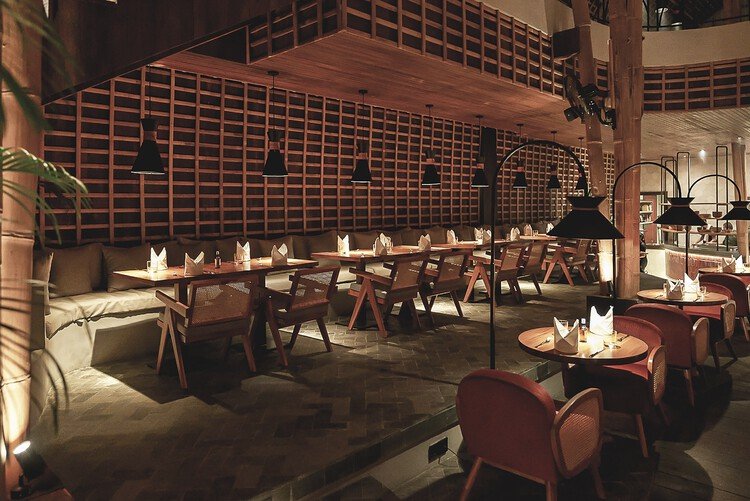
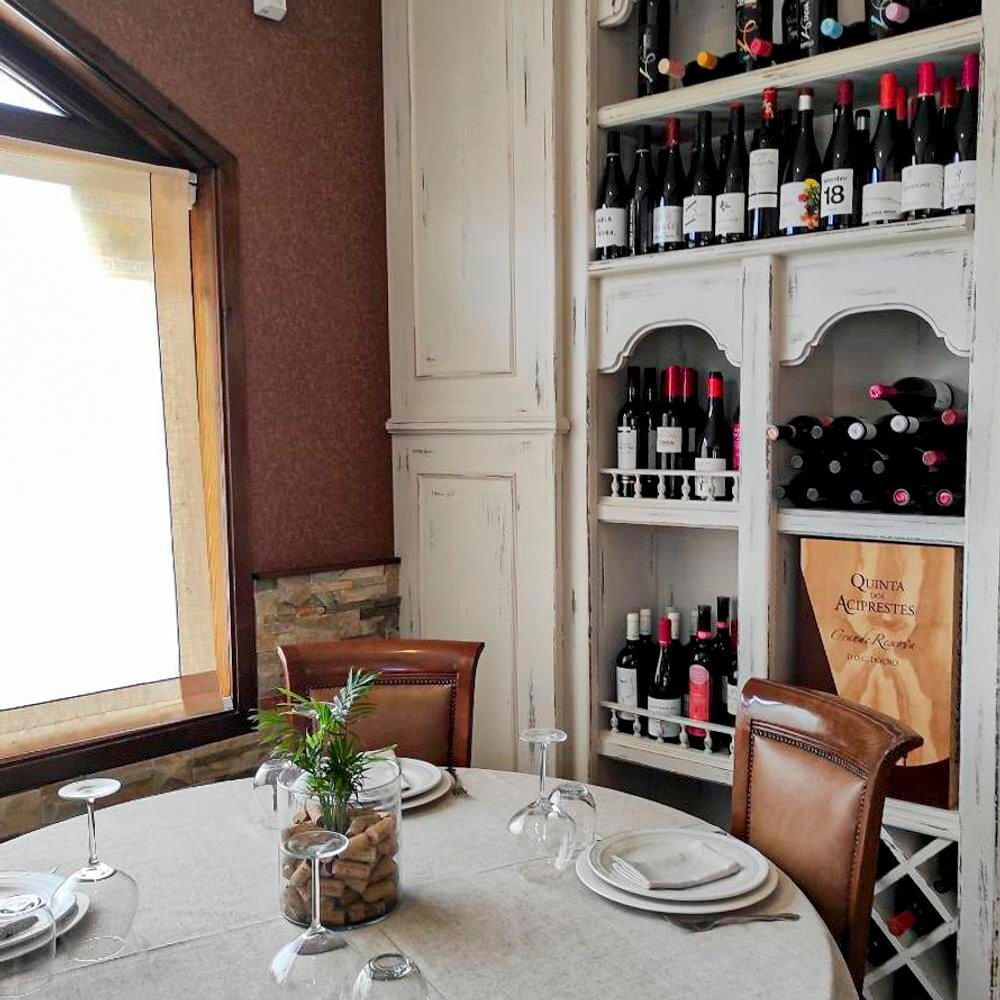
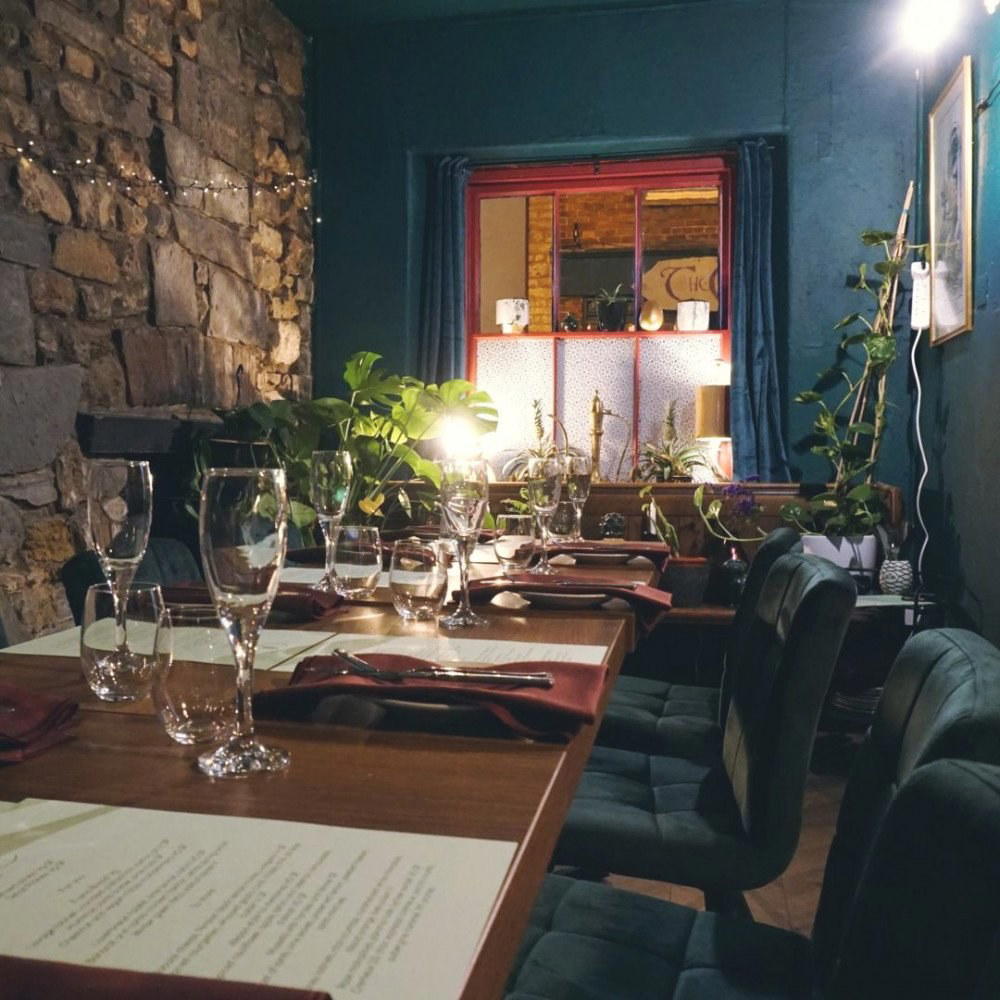
Simple, no-frills casual dining setting with approximately 15 tables; clean and comfortable with a bustling neighborhood atmosphere, especially during peak hours.
Tags
Vibe
Best For
At the Table
- Dress Code
- Casual
- Noise Level
- Lively
- Service Style
- Casual
- Meal Pacing
- Standard
- Capacity
- Small
Signature Dishes
- Hor Poh Lui Cha
- Hor Poh Dumpling
- Yam Abacus
- Hor Poh Fried Noodles
Planning details
Location
36, Jalan 6/38d, Taman Sri Sinar, 52100 Kuala Lumpur, Wilayah Persekutuan Kuala Lumpur, Malaysia · Directions
Recognition and awards
Also consider
Also Consider
- Dewakan; Malaysian, $$$$
- Beta; Malaysian, $$$
- Molina; Innovative, $$$$
- DC. by Darren Chin; French Contemporary, $$$$
- Aliyaa; Sri Lankan, $$
Restaurant context
How Hor Poh Cuisine Compares in Kuala Lumpur
Hor Poh Cuisine operates in a completely different register from most of Kuala Lumpur's recognised dining destinations, that is the point. At a $ price tier with a Michelin Bib Gourmand, it sits at the opposite end of the spectrum from Dewakan and Molina, both of which operate at $$$$ and offer tasting-menu formats with serious kitchen ambition. If your priority is spending an evening with a structured, course-driven meal and a wine list, those are the right choices. If your priority is eating something genuinely rooted in Malaysian-Chinese culinary heritage for under the cost of a cocktail at either of those venues, Hor Poh is the better decision.
Beta at $$$ is the most useful middle-ground comparison: it is a serious Malaysian kitchen with more polish and a more comfortable room than Hor Poh, it works well for groups or occasions where the setting needs to do some work. DC. by Darren Chin at $$$$ is the call for a formal dinner where French Contemporary technique and private-dining capability matter. Neither of those competes with Hor Poh on price or on the specific authenticity of Hakkanese cooking. For Sri Lankan food at $$ with more of a restaurant feel, Aliyaa is worth knowing, but the cuisines are not interchangeable and the comparison is mainly useful for budget-tier planning.
The practical read: if you are building a multi-meal day in Kuala Lumpur and want one stop that covers heritage cuisine at low cost and high credibility, Hor Poh is the one to lock in. Save Dewakan or DC. by Darren Chin for the evening, where the format and price point make more sense. Booking difficulty at Hor Poh is easy by default; no reservation system, walk-in only; which puts it ahead of every $$$$ option on accessibility, though it introduces the trade-off of potential waits during busy service periods.
Explore Kuala Lumpur
Around this place
Discover more on Pearl
Unlock the full Hor Poh Cuisine guide in Pearl, including awards, comparisons, FAQs, planning details, and nearby places.
Compare Hor Poh Cuisine
| Venue | Price | Awards |
|---|---|---|
| Hor Poh Cuisine | $ | 2026 Bib Gourmand2025 Michelin Bib Gourmand2024 Michelin Bib Gourmand |
| Dewakan | $$$$ | 2026 OAD Top Restaurants in Asia Ranked · #152026 Asia's 50 Best Restaurants · #62Star Wine Lists 20262026 La Liste Top Restaurants2026 Michelin 2 Stars2025 OAD Top Restaurants in Asia Ranked · #432025 Asia's 50 Best Restaurants · #84Tatler Best Restaurants Asia-Pacific 20252025 Michelin 2 Stars |
| Beta | $$$ | 2026 Michelin 1 Star2026 La Liste Top RestaurantsTatler Best Restaurants Asia-Pacific 20252025 Michelin 1 Star2025 The Best Chef One Knife2024 Michelin 1 Star |
| Molina | $$$$ | 2026 Michelin 1 Star2025 Michelin 1 Star2024 Michelin 1 Star |
| DC. by Darren Chin | $$$$ | Star Wine Lists 20262026 Michelin 1 Star2026 La Liste Top RestaurantsTatler Best Restaurants Asia-Pacific 20252025 Michelin 1 Star2024 Michelin 1 Star |
| Aliyaa | $$ | 2026 Bib Gourmand2025 Michelin Bib Gourmand2024 Michelin Bib Gourmand |










Side-by-side comparison to help you decide where to book.
FAQ
Frequently Asked Questions
What should a first-timer know about Hor Poh Cuisine?
This is a no-frills shop in a residential neighbourhood, not a restaurant in the tourist circuit; come for the food, not the setting. It holds a Michelin Bib Gourmand (2025) and has been serving Hakkanese cooking for over 20 years, which tells you everything about the value proposition. Arrive early or off-peak: it is consistently busy and walk-in only.
How far ahead should I book Hor Poh Cuisine?
No booking is needed; and based on available data, no booking is possible. Hor Poh operates as a walk-in shop, which is standard for this format in KL. The trade-off is that it fills quickly, so arriving early in the meal period is your best move.
Is Hor Poh Cuisine good for solo dining?
Yes; a shop-style operation at $ pricing with communal or small tables is one of the easier formats for solo diners in KL. You can order a single bowl of lui cha with rice and be in and out efficiently. There is no pressure to fill a table or hit a minimum spend.
What should I order at Hor Poh Cuisine?
The lui cha is the main reason to come: a green soup made with ground sesame seeds, peanuts and mint leaves, served with steamed rice; nutty, aromatic, listed by Michelin as the dish to try here. The Hor Poh dumpling, filled with dried tofu, garlic and pickles in a thin skin, is the second order worth making.
Can Hor Poh Cuisine accommodate groups?
Small groups should be fine given the shop's consistent popularity and turnover model, but large parties will likely face a wait or space constraints. The format is not designed for group dining events; if that is your priority, a sit-down restaurant like DC. by Darren Chin is a more practical fit.
Can I eat at the bar at Hor Poh Cuisine?
Hor Poh is a traditional kopitiam-style shop, not a bar or counter-service restaurant in the Western sense. Seating is available at the shop's tables; there is no bar counter to speak of. Come expecting casual, utilitarian seating rather than a curated counter experience.
Does Hor Poh Cuisine handle dietary restrictions?
The menu is plant-forward by default; the signature lui cha is a vegetarian green soup, the dumplings are filled with tofu, garlic and pickles. For specific allergy or dietary needs, no documented information is available, so communicating directly at the counter is the practical approach. Meat eaters should note that Hakkanese cuisine at this level of simplicity may have a narrower protein range than a full-service restaurant.