
Špacapanova Hiša
Contemporary · Komen
Restaurant in Komen, Slovenia
 Book with Pearl
The Read
Karst-Rooted Contemporary
Price
$50–100per person
Chef
Ago Špacapan
Dress
Smart Casual
Why go
Špacapanova Hiša holds back-to-back Michelin Plate recognition (2024 and 2025), making it the most credentialed contemporary dining option in Komen. At €€€, it delivers serious ingredient-driven cooking at a price below Slovenia's top-tier tables. Book here for a destination meal in the Karst without the full splurge of a four-euro-sign tasting menu.
About Špacapanova Hiša
The Verdict on Špacapanova Hiša
Imagine arriving in Komen, a small karst village in western Slovenia where the limestone plateau meets the Vipava Valley. The road is quiet. The setting feels far from the usual restaurant circuit. And inside a traditional stone house at Komen 85, you find a contemporary kitchen that has earned the Michelin Plate in both 2024 and 2025 — Michelin's signal that the food quality here is worth your attention, even if a star has not yet followed. That context matters for your decision: Špacapanova Hiša is not a compromise for travellers passing through the Karst. It is a legitimate reason to plan a stop.
The short version: book here if you want a credentialed contemporary dining experience in a region better known for its wine and landscape than its restaurant scene, at a price point (€€€) that sits below the full splurge of Slovenia's leading tables. If you need a Michelin star rather than a Michelin Plate, or if you want the full tasting-menu theatre of a place like Hiša Franko in Kobarid, this is not that. But for the explorer who wants depth of place and ingredient-driven cooking without committing to a €€€€ experience, Špacapanova Hiša is the right call.
Portrait: A Kitchen Shaped by the Karst
The Karst region has a particular logic when it comes to food. The landscape — porous limestone, wild herbs, dry-cured meats, proximity to the Adriatic, shapes what serious kitchens here put on the plate. Contemporary cuisine at this address means working within that regional grammar: local sourcing is not a marketing decision in a place like Komen, it is what the geography dictates. The karst plateau produces its own seasonal rhythms, and a kitchen running under consistent Michelin recognition for two consecutive years is a kitchen that understands how to read and use those rhythms.
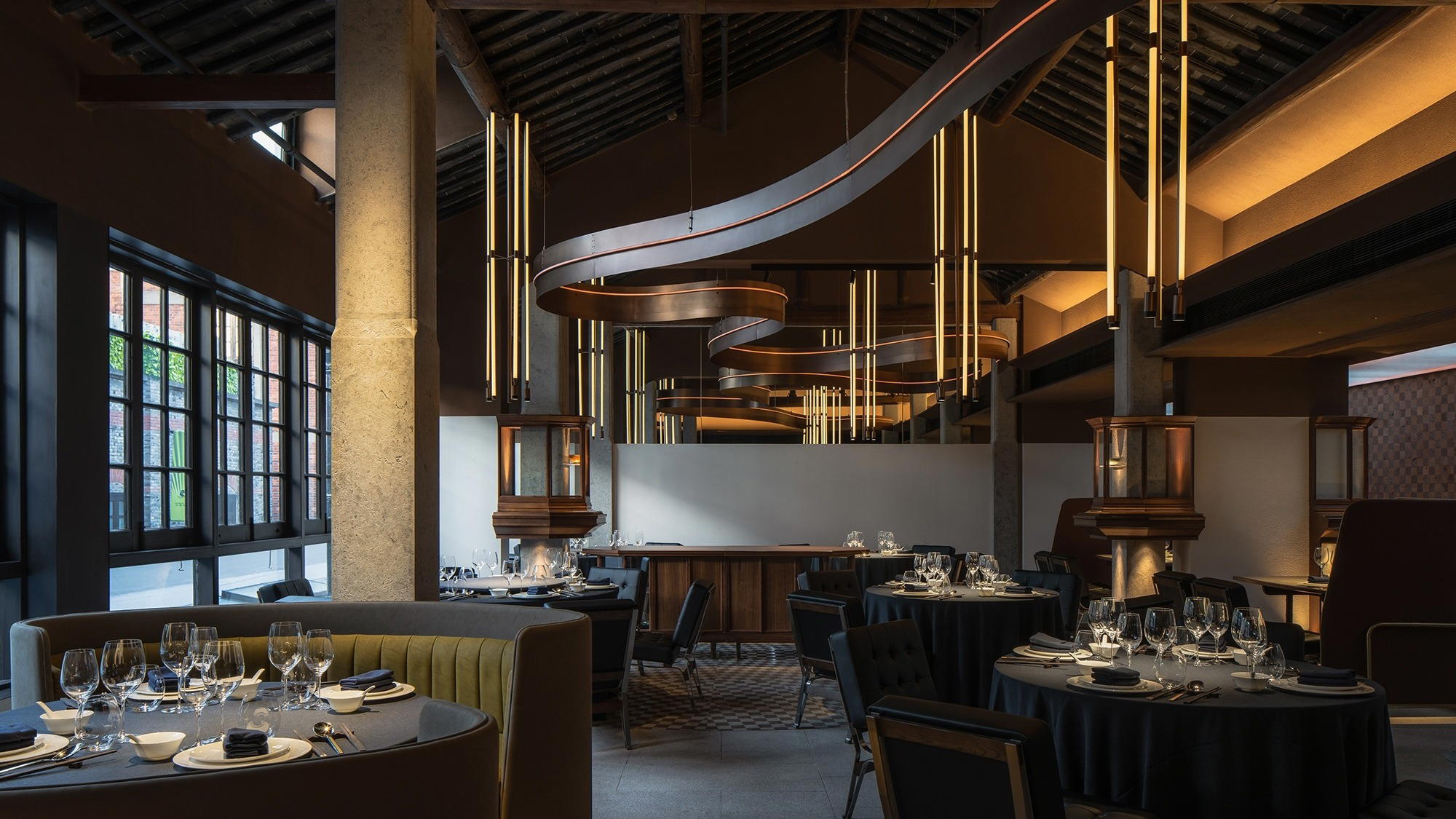
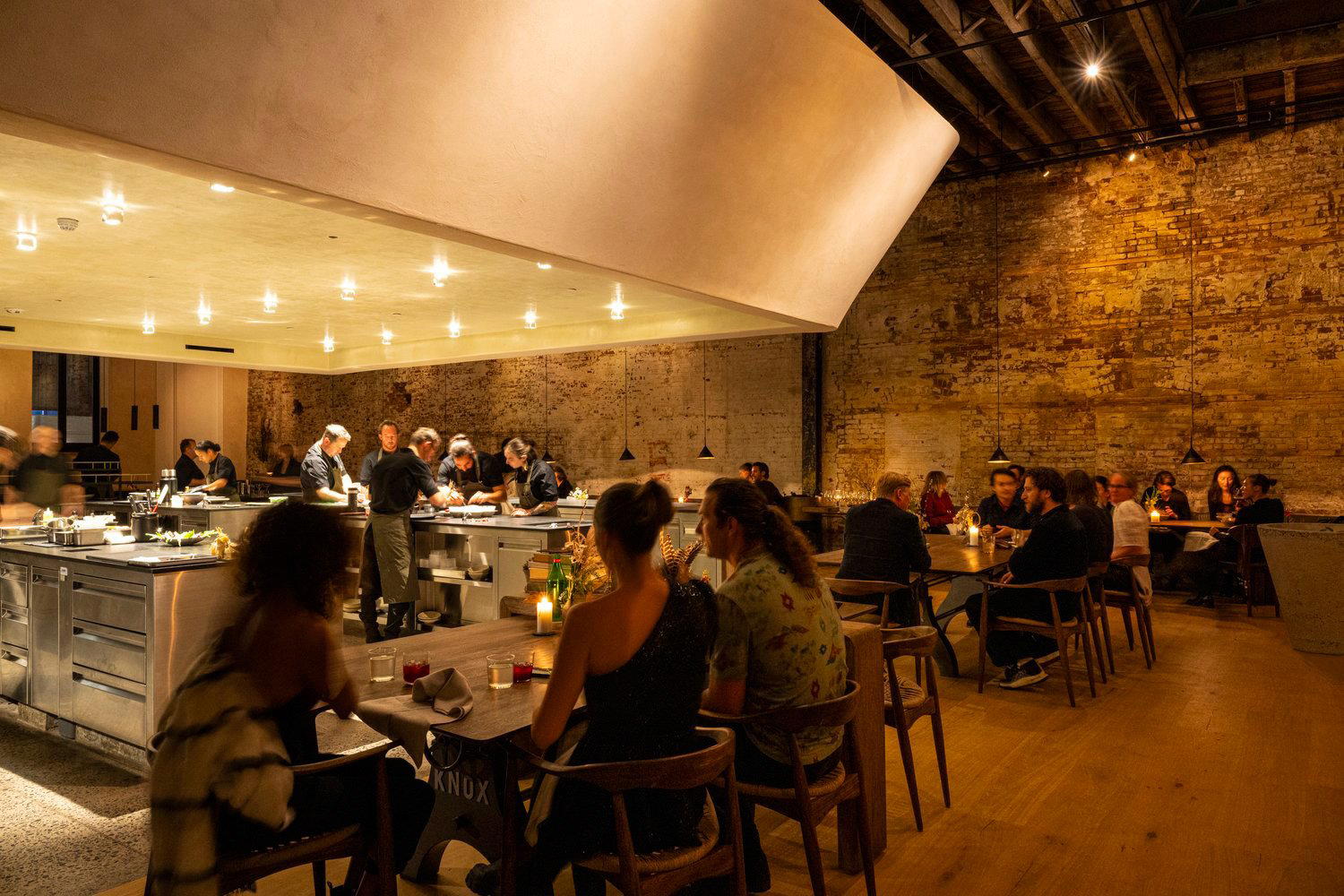
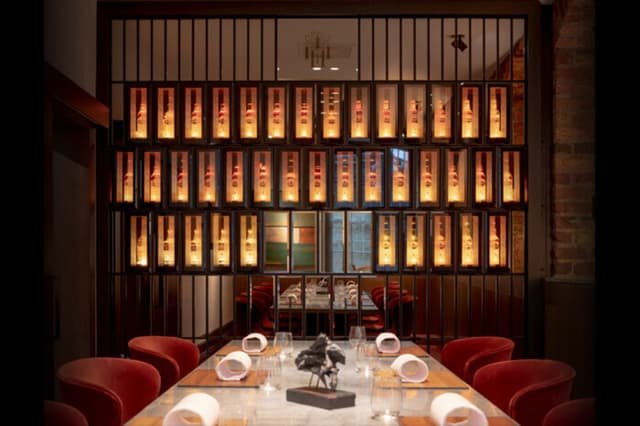
Atmosphere at Špacapanova Hiša follows the same logic. Traditional stone architecture in a karst village does not lend itself to loud, high-energy dining rooms. Expect a quieter, more composed room, one where the ambient feel is closer to a well-run country house than a city restaurant with a reservation queue. That suits the food. The energy here rewards attention, not spectacle. If you are travelling as a couple or a small group of serious diners, the mood is well-matched to conversation and to the kind of meal you want to linger over. The contrast with urban contemporary venues, where noise competes with the cooking, is real and deliberate.
On the question of sourcing and what it means for the price: the €€€ tier at a venue with back-to-back Michelin Plate recognition in a low-cost region like the Slovenian Karst represents a different kind of value calculation than the same price tier in Ljubljana or a Western European capital. Ingredient costs in this part of Slovenia are shaped by direct relationships with local producers, proximity to the Adriatic, and the agricultural output of the Vipava Valley nearby. That tends to produce menus where the sourcing decisions are visible in the cooking, not in menu copy about provenance, but in the seasonal specificity of what arrives at the table. For the food-focused traveller, that is the clearest signal of whether a contemporary kitchen is doing real work or coasting on a category label.
Two consecutive years of Michelin Plate recognition is also worth reading carefully. A Plate means Michelin inspectors believe the kitchen is producing good food consistently. It is not a consolation prize; it is a quality threshold. For Slovenia, a country with a small but increasingly serious fine-dining scene spread across Komen, the Soča Valley, and Ljubljana, that kind of sustained recognition in a small village carries weight. The 2025 recognition is current, which matters: it tells you the kitchen has not slipped since its first appearance on the guide.
A 4.6 average at that volume is not fragile; it is earned over time across a range of guest expectations. Read that alongside the Michelin recognition and the picture is of a kitchen that performs reliably, not just on good nights.
For travellers building a Slovenia food itinerary, Špacapanova Hiša fits naturally alongside the region's wine stops. The Karst is Teran country, the indigenous red made from Refošk grapes, and the Vipava Valley runs a strong programme of natural and skin-contact whites. A meal here is well-placed before or after a winery visit. See our full Komen wineries guide for pairing options nearby. If you are building a multi-day loop through western Slovenia, check our Komen hotels guide for where to stay in the area, and our Komen experiences guide for what else to plan around the meal.
Booking is direct. Komen does not have the reservation pressure of a destination restaurant in a major city, and the Michelin Plate rather than star designation keeps demand at a manageable level. You are unlikely to need more than a week or two of lead time outside peak summer travel. In July and August, when Slovenia's karst region draws more visitors, add a few extra days of buffer.
One practical note for groups: without confirmed seating data, if you are travelling with a larger party, contact the restaurant directly before assuming capacity. Stone houses adapted for restaurant use in Slovenian villages often have finite private or semi-private configurations. Plan early and communicate group size at the time of booking.
Quick reference: Booking: easy, no advance booking difficulty. Leading for: destination food travellers, couples, small groups, karst wine-and-food itineraries.
Planning details
- Location
- Komen 85, 6223 Komen, Slovenia
- Website
- spacapan.si
- Phone
- +386 30 226 390
The take
The Take
The Vibe
Špacapanova Hiša reads as a quietly serious countryside dining room that channels the Karst itself. Housed in a traditional Karst stone house that has framed domestic life for generations, the restaurant pairs a restrained, contemporary approach with local provenance—low-yielding vines, slow-cured meats and wild herbs all shape the menu. Michelin Plate recognitions underline the kitchen’s meticulous execution rather than theatrical presentation. The sense is intimate and unflashy: a village house turned refined table where geology and seasonality are the animating ideas and the surrounding plateau frames the whole experience.
Best For
This is a destination restaurant for deliberate diners—a spot that rewards travel from the coast or Nova Gorica and makes an outing feel like an occasion. Michelin Plate nods and the €€€ contemporary menu position it for special evenings, date nights and celebrations where provenance and thoughtful execution matter. The rural setting and small‑scale operation make it less about pre- or post-theater bustle and more about a focused meal that celebrates place; guests who plan the trip with intention get the most from the experience.
Ordering Tips
Prioritize dishes that explicitly showcase the Karst’s produce and curing traditions. The kitchen’s roster—oven‑roasted lamb and oven‑roasted kid, cow’s‑milk curd ravioli and house prosciutto—speaks to the region’s slow‑cured meats and mineral-rich terroir; these preparations are natural places to start. Look for plates that highlight wild herbs and local charcuterie to get the clearest translation of the plateau’s flavors, and expect strict attention to sourcing and execution rather than overt embellishment.
Venue details
Ambiance
Warm, welcoming family atmosphere blending rustic Karst tradition with modern touches, cozy interior, and shaded garden terrace.
Tags
Vibe
Best For
Experience
Sourcing
View
At the Table
- Dress Code
- Smart Casual
- Noise Level
- Quiet
- Service Style
- Upscale Casual
- Meal Pacing
- Leisurely
- Capacity
- Intimate
- Kitchen
- Modern
- Menu Format
- Tasting menu, A la carte
- Wine Program
- Curated
- Drinks Focus
- Natural wine, Local wine
- Dietary
- Vegetarian friendly
- Outdoor Seating
- Yes
Signature Dishes
- oven-roasted lamb
- oven-roasted kid
- cow’s milk curd ravioli
- prosciutto
Know before you go
Know Before You Go
- Getting there
- Komen 85, 6223 Komen, Slovenia
Planning details
Location
Recognition and awards
Also consider
Also Consider
- Dam, Mediterranean, Modern Cuisine, €€€
- Hiša Franko, Modern European, Creative, €€€€
- Milka, Creative, €€€€
- Gostilna Pri Lojzetu, Modern Cuisine, €€€€
- Hiša Linhart, Contemporary, €€€
Restaurant context
Špacapanova Hiša sits in the €€€ tier alongside Dam in Nova Gorica and Hiša Linhart in Radovljica. If your priority is consistent Michelin recognition at a mid-range price point in western Slovenia, Špacapanova Hiša is the clearest choice of the three for travellers already in or near the Karst. Dam brings a Mediterranean focus suited to the Nova Gorica cross-border dining scene, while Hiša Linhart in Radovljica suits those building an itinerary around the Gorenjska region rather than the Karst.
Step up to €€€€ and the comparison shifts. Hiša Franko in Kobarid carries two Michelin stars and is the benchmark for serious tasting-menu dining in Slovenia, if budget is not the constraint and you want the full experience, that is where to go. Milka in Kranjska Gora and Gostilna Pri Lojzetu in Vipava both operate at the €€€€ level with their own distinct regional identities. Gostilna Pri Lojzetu is particularly worth considering if your route takes you through the Vipava Valley, where the wine programme and food sourcing overlap naturally with Karst-region cooking.
The practical decision breaks down by itinerary and spend: choose Špacapanova Hiša if you want Michelin-recognised contemporary cooking in the Karst at a manageable price with easy booking. Choose Hiša Franko if you are prepared to spend more and want Slovenia's highest-rated table. Choose Gostilna Pri Lojzetu if you are spending time in the Vipava Valley and want a €€€€ experience with strong regional coherence. All five venues serve the food-focused traveller, but they serve different legs of the same western Slovenia itinerary.
Explore Komen
Around this place
Discover more on Pearl
Unlock the full Špacapanova Hiša guide in Pearl, including awards, comparisons, FAQs, planning details, and nearby places.
Compare Špacapanova Hiša
| Venue | Cuisine | Awards | Booking Difficulty |
|---|---|---|---|
| Špacapanova Hiša | Contemporary | Michelin Guide Slovenia 20262026 Michelin Plate2025 Michelin Plate2024 Michelin Plate | Easy |
| Dam | Mediterranean, Modern Cuisine | Michelin Guide Slovenia 20262026 OAD Top Restaurants in Europe Recommended2026 La Liste Top Restaurants2026 Falstaff Restaurant Guide2025 OAD Top Restaurants in Europe Ranked · #5462025 Michelin 1 Star2025 La Liste Top Restaurants2024 OAD Top Restaurants in Europe Ranked · #4612024 Michelin 1 Star | Unknown |
| Hiša Franko | Modern European, Creative | 2026 OAD Top Restaurants in Europe Ranked · #51Michelin Guide Slovenia 2026Star Wine Lists 20262026 Les Grandes Tables du Monde Members2026 La Liste Top Restaurants2026 Falstaff Restaurant Guide2025 The Best Chef Three Knives · #22025 OAD Top Restaurants in Europe Ranked · #372025 World's 50 Best Restaurants · #69 | Unknown |
| Milka | Creative | Michelin Guide Slovenia 2026Star Wine Lists 20262026 Falstaff Restaurant Guide2026 OAD Top Restaurants in Europe Recommended2026 Les Grandes Tables du Monde Members2026 La Liste Top Restaurants2025 OAD Top Restaurants in Europe Ranked · #4542025 The Best Chef Two Knives2025 Michelin 2 Stars | Unknown |
| Gostilna Pri Lojzetu | Modern Cuisine | Star Wine Lists 2026Michelin Guide Slovenia 20262026 La Liste Top Restaurants2026 Falstaff Restaurant Guide2025 Michelin 1 Star2025 La Liste Top Restaurants2024 Michelin 1 Star | Unknown |
| Hiša Linhart | Contemporary | Michelin Guide Slovenia 20262026 Falstaff Restaurant Guide2025 Michelin 1 Star2024 Michelin 1 Star | Unknown |
.png?width=1200&quality=80)










Side-by-side comparison to help you decide where to book.
FAQ
Frequently Asked Questions
What should a first-timer know about Špacapanova Hiša?
This is a destination restaurant in a small karst village — Komen 85, Komen — so plan around a deliberate trip, not a spontaneous drop-in. It holds a Michelin Plate for 2024 and 2025, which signals consistent kitchen quality without tipping into full-star territory. The €€€ price range means you're paying for a serious contemporary meal, not a casual lunch. Arriving without a reservation is a risk not worth taking.
What are alternatives to Špacapanova Hiša in Komen?
Komen itself is a small village with limited dining options, so the practical alternatives are in the wider region. Hiša Franko in Kobarid is the benchmark for Slovenian contemporary cooking and holds a Michelin star. Gostilna Pri Lojzetu at Zemono offers a polished estate-dining format. Hiša Linhart in Radovljica is worth considering if you're routing through Upper Carniola. Špacapanova Hiša sits comfortably below those in profile but above most local agritourism options.
How far ahead should I book Špacapanova Hiša?
Book at least two to three weeks in advance, particularly for weekends and summer months when the Karst and Vipava Valley draw visitors. The venue's Michelin Plate recognition — held in both 2024 and 2025 — means demand outpaces what a small village restaurant can absorb at peak times. No booking contact details are publicly available in our records, so check the venue directly or via local booking platforms.
Can Špacapanova Hiša accommodate groups?
Village-scale restaurants in Slovenia's Karst region typically have limited covers, which makes larger group bookings tight. For groups of six or more, contact the venue well in advance to confirm capacity. If your group is eight or more and flexibility matters, Gostilna Pri Lojzetu's estate format may be better suited.
Is Špacapanova Hiša good for a special occasion?
Yes, provided the occasion fits a quiet, place-specific setting rather than a city-buzz atmosphere. The Michelin Plate recognition across two consecutive years gives it enough credibility to anchor a meaningful dinner. At €€€, it's priced at a level that signals occasion dining. For a more landmark experience in the region, Hiša Franko carries greater prestige — but Špacapanova Hiša is the more intimate, less logistically demanding choice.
Is the tasting menu worth it at Špacapanova Hiša?
The contemporary cuisine format and €€€ price range suggest a tasting-menu structure is likely the main way to eat here, which is consistent with Michelin Plate-recognised restaurants in this tier across Slovenia. Without confirmed menu details in our records, the safest approach is to assume a set format and verify current options before booking. If tasting menus are not your preference, Milka in Trieste — a short drive across the border — offers more à la carte flexibility at a comparable level.
Is Špacapanova Hiša worth the price?
At €€€ with back-to-back Michelin Plate recognition in 2024 and 2025, the kitchen is delivering at a level that justifies the spend for contemporary Slovenian cooking in a karst village setting. It won't match Hiša Franko's star-level ambition, but it costs less and involves less competitive booking. For what it is — a serious regional restaurant off the main tourist circuit — the value holds.