
Restaurant in Osaka, Japan
Kirari
290Pearl PointsCharcoal-focused omakase, accessible price, book ahead.

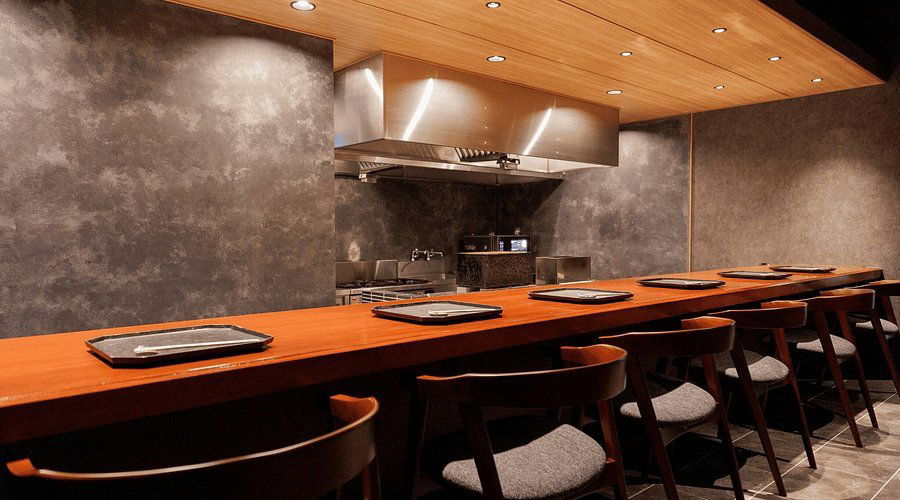
About Kirari
Kirari is a charcoal-focused omakase in Osaka's Chuo Ward, recognised with a Michelin Plate in 2024 and 2025. The set menu is built around Kishu bincho charcoal, progressing through scorched sashimi, smoked fried preparations, and char-grilled wagyu with a sukiyaki-style egg yolk dip. At ¥¥¥ with easy booking, it is a strong choice for a two-person special occasion dinner.
Kirari, Osaka: Verdict
At ¥¥¥ per head, Kirari delivers one of the more focused omakase experiences in Osaka's Chuo Ward. The format is built around bincho charcoal from the Kishu region, and the menu uses it with intention — not as a flourish, but as a structural element that runs through every course. If you are looking for a charcoal-driven omakase in central Osaka without paying ¥¥¥¥ prices, Kirari is worth booking. If kaiseki formality or French-inflected tasting menus are what you want, look elsewhere.
The Tasting Menu at Kirari
The omakase at Kirari is built around a single technique applied with variation. Bincho charcoal — the dense, long-burning hardwood charcoal sourced from Wakayama Prefecture's Kishu region, provides the heat source that defines the menu's architecture. The progression moves through textures and temperatures: sashimi that is lightly scorched at the surface, fried preparations finished over the coals to develop a fragrant outer layer, and char-grilled wagyu beef that borrows structure from sukiyaki. That last course is the most discussed: the beef arrives alongside egg yolk and a dipping sauce made from sukiyaki stock, creating a combination that is richer and more layered than standard yakiniku but lighter than a full sukiyaki preparation.
What distinguishes the menu is its consistency of concept. Every course returns to the charcoal as both flavour source and technique, which gives the meal a clear narrative arc, unusual in a category where menus often feel like collections of individual dishes rather than a single composed experience. The restaurant's name, Kirari, translates roughly as 'a flash of brilliance,' and Michelin's inspectors have recognised the venue with a Plate designation in both 2024 and 2025, signalling a kitchen operating at a reliable standard without yet reaching star level.
For a special occasion, this format works well for two. The omakase structure removes ordering friction, the charcoal element gives the meal a distinct identity, and the ¥¥¥ price point means you are spending meaningfully without the full commitment of a starred restaurant. It is less suited to large groups or to diners who want the breadth of a kaiseki progression, for those, Kashiwaya Osaka Senriyama offers a more traditional multi-course structure at a comparable price tier.
Practical Details
Kirari is located in Tanimachi, Chuo Ward, at 7 Chome-1-49 Toyotomi Building, 1st Floor. The neighbourhood sits in central Osaka and is accessible by subway. The address and format suggest an intimate room, small counter-style restaurants of this type in Japan typically seat between six and twelve guests, though seat count is not confirmed in available data.
Booking difficulty is rated easy, which is notable for a Michelin-recognised omakase in Osaka. That said, omakase counters of this scale fill quickly for weekend sittings, so booking several days in advance is advisable. No phone number or website is listed in current data, check Google Maps or a reservation platform such as TableCheck or Omakase for current availability.
Quick Comparison: Kirari vs. Nearby Alternatives
| Venue | Price | Format | Michelin | Booking |
|---|---|---|---|---|
| Kirari | ¥¥¥ | Charcoal omakase | Plate 2024, 2025 | Easy |
| Kashiwaya Osaka Senriyama | ¥¥¥ | Japanese kaiseki | Recognised | Moderate |
| Yugen | ¥¥¥ | Japanese | Recognised | Moderate |
| Tenjimbashi Aoki | ¥¥¥ | Japanese | Easy |
How It Compares
Against Osaka's ¥¥¥¥ tier, HAJIME, La Cime, and Fujiya 1935, Kirari is the more accessible entry point in both price and booking difficulty. Those three restaurants represent Osaka's starred and highly awarded tier; Kirari sits one level below in recognition but delivers a more defined conceptual focus than many venues in its price range. If your priority is a Michelin star on the bill, book one of the ¥¥¥¥ options. If your priority is a coherent, technique-led omakase at a lower price, Kirari is a stronger choice than most of what surrounds it at ¥¥¥.
Within the ¥¥¥ Japanese category, Kashiwaya Osaka Senriyama and Taian both offer kaiseki structures with more course variety and more formal service. Choose those if you want traditional kaiseki breadth. Choose Kirari if the charcoal-centred omakase format appeals and you prefer a less formal room. For a comparable experience in Tokyo, Myojaku and Azabu Kadowaki operate in a similar price and format register.
Explore More in Osaka and Beyond
- Miyamoto, Japanese, Osaka
- Oimatsu Hisano, Japanese, Osaka
- Harutaka in Tokyo
- Gion Sasaki in Kyoto
- akordu in Nara
- Goh in Fukuoka
- 1000 in Yokohama
- 6 in Okinawa
- Our full Osaka restaurants guide
- Our full Osaka hotels guide
- Our full Osaka bars guide
- Our full Osaka wineries guide
- Our full Osaka experiences guide
Frequently Asked Questions
Can Kirari accommodate groups?
Omakase counters in Osaka typically seat between 8 and 12 guests, and Kirari's format follows that pattern. Groups of 2 to 4 are the natural fit for a counter like this. Larger parties should check the venue's official channels before attempting a booking, as coordinating a single seating time across a big group is rarely straightforward at this format and price point.
What should I order at Kirari?
There is no à la carte at Kirari — the omakase set menu is the only option, and it is built entirely around bincho charcoal from the Kishu region. Signature preparation includes scorched sashimi, smoke-wrapped fried courses, and char-grilled wagyu served sukiyaki-style with egg yolk and a sukiyaki-stock dipping sauce. Let the menu run its course; intervening is beside the point here.
What should a first-timer know about Kirari?
The entire experience is structured around a single technique — charcoal grilling applied across every course in different ways. At ¥¥¥, this is an accessible omakase by Osaka standards, but it is still a set-menu-only format requiring commitment to the progression. Kirari holds a Michelin Plate (2024 and 2025), which places it in recognised territory without the full-star pressure or pricing of venues like HAJIME or La Cime.
What are alternatives to Kirari in Osaka?
For ¥¥¥¥ omakase with Michelin stars, HAJIME, La Cime, and Fujiya 1935 are the reference points — more expensive and harder to book, but a clear step up in formal ambition. Taian and Kashiwaya Osaka Senriyama offer kaiseki as an alternative format if charcoal-focused omakase is not what you are after. Kirari is the pick if you want a focused, technique-driven meal without the full-star booking difficulty or spend.
Is the tasting menu worth it at Kirari?
At ¥¥¥, yes — provided charcoal grilling as a through-line holds your attention for a full omakase. The Michelin Plate recognition in both 2024 and 2025 signals consistent execution. If you want more stylistic variety across a progression, the ¥¥¥¥ kaiseki venues in Osaka deliver a broader range of techniques.
Is Kirari worth the price?
At ¥¥¥, Kirari sits below Osaka's starred omakase tier and delivers Michelin Plate-recognised cooking centred on Kishu bincho charcoal. For what you are spending, the value is solid — this is not a budget meal, but it is meaningfully cheaper and easier to book than HAJIME or Fujiya 1935. If the charcoal-grilling format appeals, the price-to-execution ratio works in your favour.
Is Kirari good for a special occasion?
Yes, with the right expectations. The omakase format, Michelin Plate recognition, and the theatre of bincho charcoal cooking make it a credible special-occasion choice at ¥¥¥. For a milestone that calls for full Michelin-star formality, HAJIME or La Cime are the higher-stakes options. Kirari works well when the occasion calls for something considered and memorable without requiring the most expensive seat in the city.
Location
Japan, 〒542-0012 Osaka, Chuo Ward, Tanimachi, 7 Chome−1−49 豊富ビル 1階
Osaka, Japan
Compare Kirari
| Venue | Cuisine | Price | Awards | Booking Difficulty |
|---|---|---|---|---|
| Kirari | Japanese | ¥¥¥ | Easy | |
| HAJIME | French, Innovative | ¥¥¥¥ | Michelin 3 Star, World's 50 Best | Unknown |
| La Cime | French | ¥¥¥¥ | Michelin 2 Star, World's 50 Best | Unknown |
| Kashiwaya Osaka Senriyama | Japanese | ¥¥¥ | Michelin 3 Star | Unknown |
| Taian | Kaiseki, Japanese | ¥¥¥ | Michelin 3 Star | Unknown |
| Fujiya 1935 | Innovative | ¥¥¥¥ | Michelin 2 Star | Unknown |
What to weigh when choosing between Kirari and alternatives.
Also Consider
- HAJIME, French, Innovative, ¥¥¥¥
- La Cime, French, ¥¥¥¥
- Kashiwaya Osaka Senriyama, Japanese, ¥¥¥
- Taian, Kaiseki, Japanese, ¥¥¥
- Fujiya 1935, Innovative, ¥¥¥¥
Kirari sits at ¥¥¥ in a market where the most-awarded Osaka restaurants, HAJIME, La Cime, and Fujiya 1935, operate at ¥¥¥¥ with Michelin stars and significantly harder booking windows. If your priority is maximum recognition or a starred dining experience, those three are the right choice. If you want a coherent, technique-led omakase without the price premium, Kirari delivers more conceptual focus than most of what surrounds it at the same tier.
Among the ¥¥¥ Japanese options in Osaka, Kashiwaya Osaka Senriyama and Taian both offer more traditional kaiseki structures with broader course variety and more formal service. Book those if you want course breadth and kaiseki ceremony. Book Kirari if you want a single technique explored with consistency across a shorter, more intense menu. The booking difficulty at Kirari is rated easy, an advantage over most starred or near-starred venues in the city.
For a date or celebration dinner at ¥¥¥, Kirari is the more characterful option over Yugen or Tenjimbashi Aoki if the charcoal omakase format appeals. Its Michelin Plate recognition in two consecutive years gives it a verifiable quality baseline. For those splitting time between cities, comparable format and price-tier experiences can be found at Harutaka in Tokyo and Gion Sasaki in Kyoto.
Recognized By

Explore Osaka
Save or rate Kirari on Pearl
Keep this venue in your Pearl passport, rate it after you visit, and track it alongside every other place you collect.