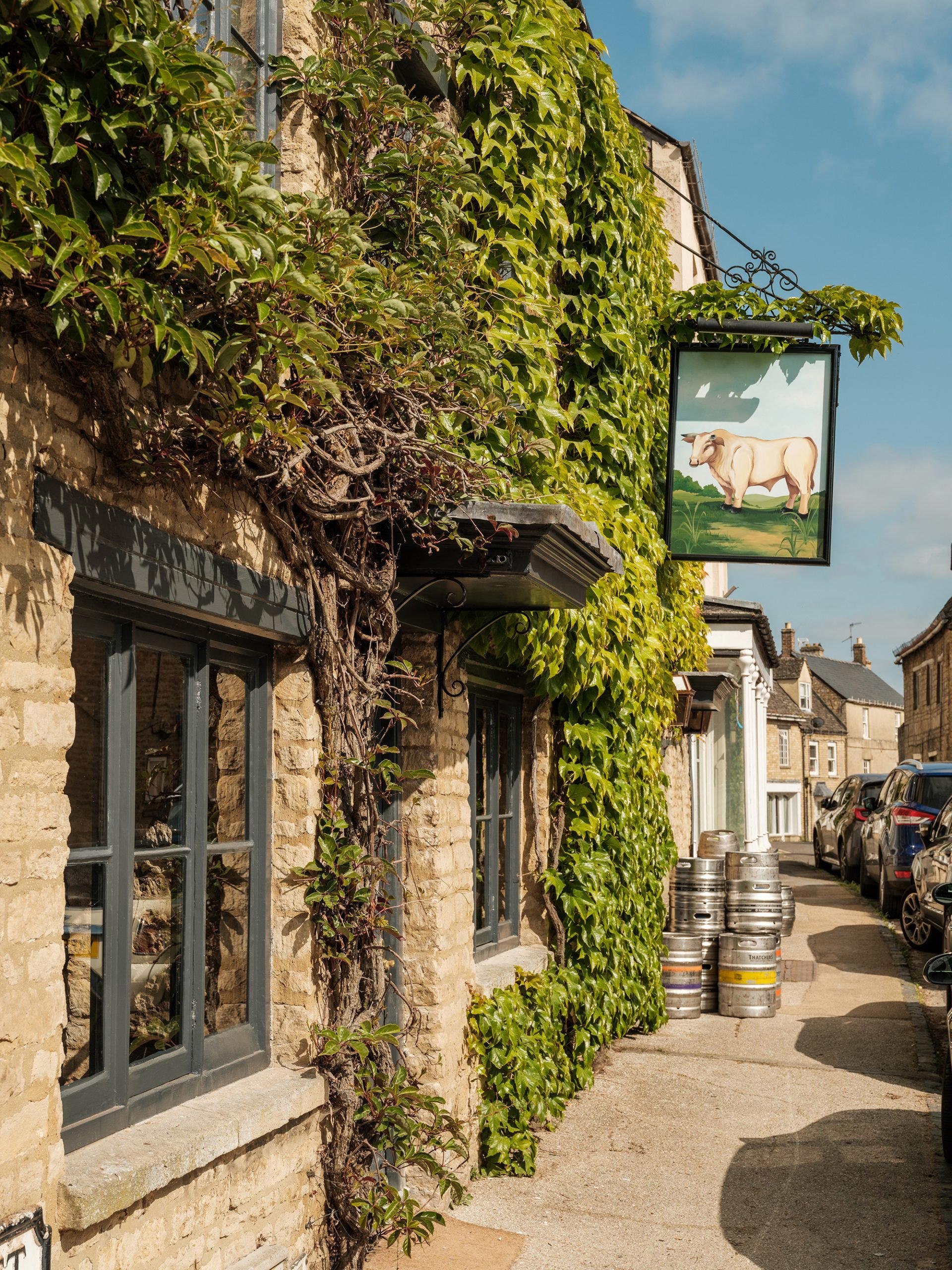



Killiecrankie House
Modern Cuisine · Killiecrankie
Restaurant in Killiecrankie, United Kingdom
 Book with Pearl
The Read
Scottish-Japanese Tasting Counter
Price
££££
Dress
Smart Casual
Why go
Killiecrankie House is one of Scotland's most compelling destination dining propositions: a tasting menu of up to 20 courses in a period country house transformed into a design-led restaurant with rooms. Michelin Plate recognition (2024, 2025), and a Star Wine List award back the ££££ price point. Book early, plan to stay overnight, and allow the full three-plus hours.
About Killiecrankie House
The Verdict
Killiecrankie House earns its ££££ price point, but only if you are ready to commit: this is a three-hour-plus tasting menu of up to 20 courses, in a remote Highland village, with no obvious option to drop in for a quick dinner. Book hard, book early, and treat the journey as part of the plan. For shorter rural dining with comparable Highland produce, Restaurant Andrew Fairlie in Auchterarder is the obvious alternative, though the service register there is more formal and the format more conventional.
Portrait
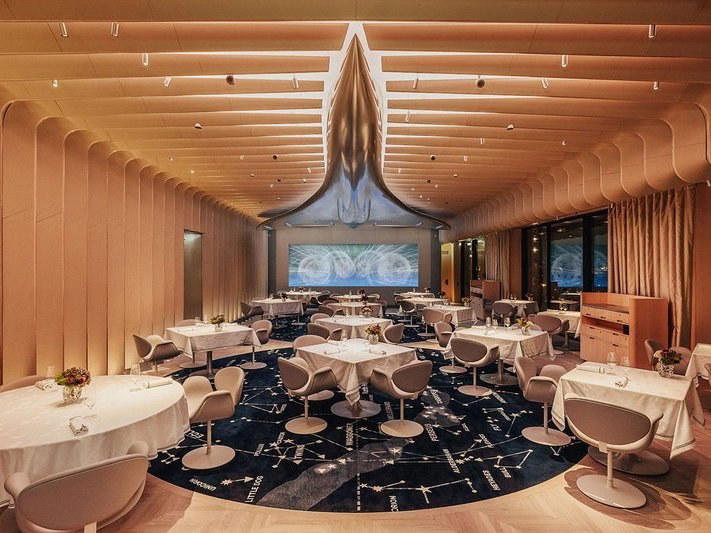
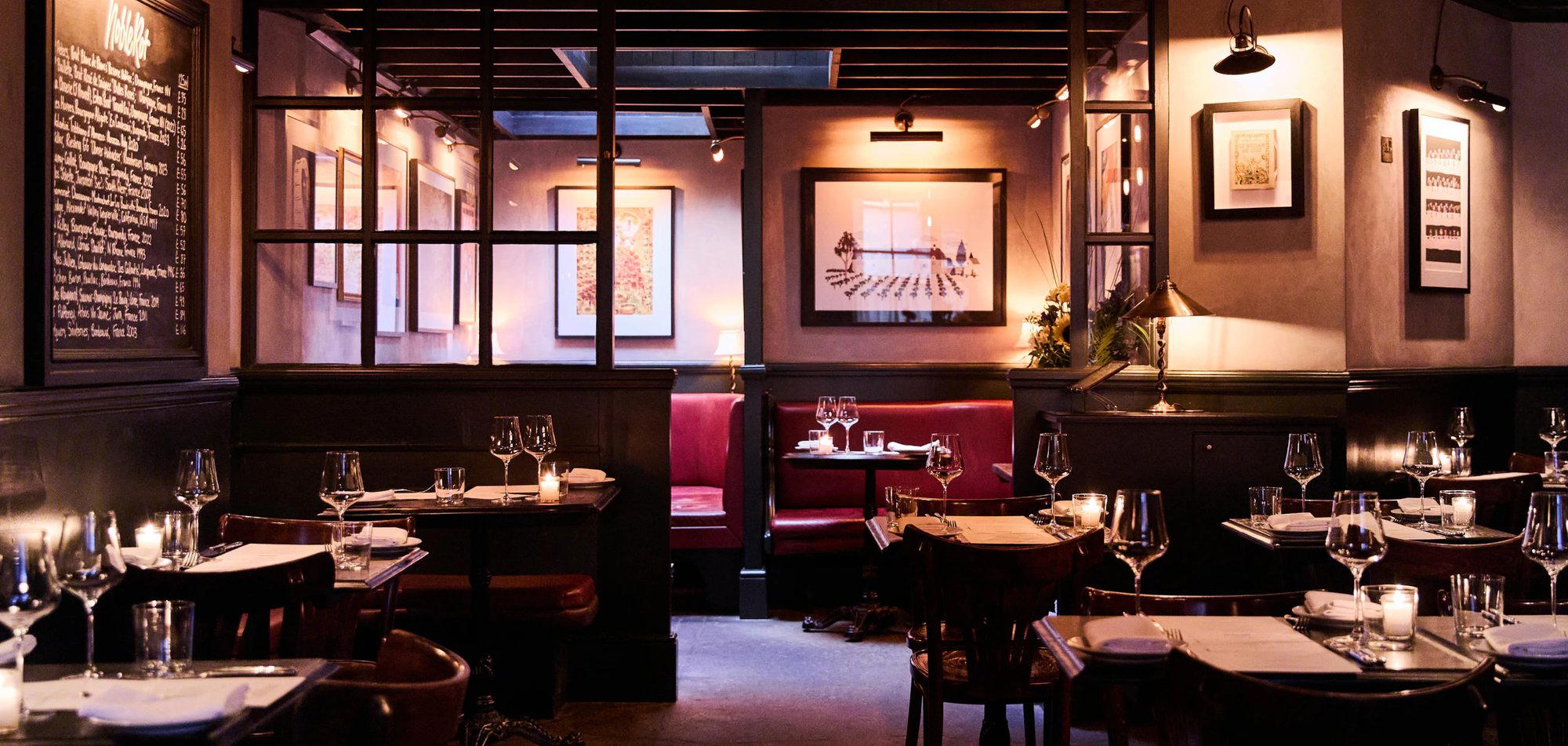
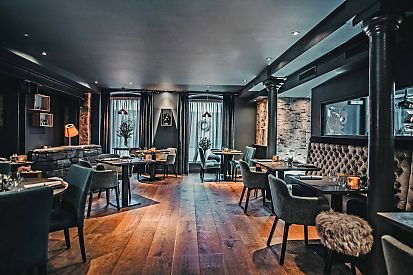
The physical space is the first thing that tells you this place is serious. What was once a village rural lodge in Killiecrankie, Pitlochry, has been transformed into something that reads less like a country house hotel dining room and more like a considered design statement: a marble-topped bar and lounge with deep-blue colour schemes, pink chandeliers, and a vintage record collection from which you are invited to choose your own after-dinner playlist. The dining rooms themselves are dark and cosseting. The open kitchen is visible and lit. There is a deliberate tension between the period bones of the building and the contemporary interior decisions made by Tom Tsappis and Matilda Ruffle when they took over, and it works in favour of the experience. You are not walking into a renovated house that has been played safe. You are walking into something with a point of view.
That spatial confidence carries through into the service model, which is where Killiecrankie House either justifies or loses its price position depending on your expectations. Guests are asked to arrive at 7pm for drinks before dining, which sets a deliberate pace from the start. The format is communal in timing if not in seating, and the meal itself is forewarned as potentially lasting over three hours across up to 20 courses. For a special occasion booking, that is the offering to weigh carefully: you are buying a long, hosted evening, not just dinner. Matilda Ruffle's role as sommelier is central to this, with drinks pairings drawn from family connections (wines from her family's Treaty Port vineyard in China appear alongside bespoke Wasted Degrees beer and cocktails) as well as a regular list offering around a dozen wines by the glass. The service is personal, informed, and unhurried, which at this price tier is exactly what it should be.
The cooking, led by chef Tom Tsappis following a stint running the Elia supper club in London, fuses artisan Scottish ingredients with Japanese influence (Matilda's mother is Japanese) and a genuine interest in Scottish culinary folklore. Dishes are ever-changing but the published examples are instructive about the kitchen's range and ambition: local venison with preserved blueberries, red cabbage, seaweed butter, and hokkaido-style milk bread; a broth of Arbroath smokies accompanied by a fish-shaped jasmine taiyaki cake; and a dish called 'dripping fried porridge' served in rectangular blocks with Isle of Mull Cheddar, referencing the old Scots tradition of the 'porridge drawer'. Wild mushrooms with chanterelle powder arrive on a polenta-like panisse. Apple sorbet is paired with Blue Murder cheese. This is a kitchen that has thought about where it is, not just what it can technically produce, and the cross-pollination of Japanese and Scottish references feels like a genuine culinary identity rather than a concept applied from outside.
For special occasion diners, the combination of a designed space, a long and choreographed evening, thoughtful drinks pairings, and cooking with real regional specificity makes Killiecrankie House a strong choice over more predictable country house formats. The closest comparable experiences in the UK at this format and setting would be Ynyshir Hall in Machynlleth or L'Enclume in Cartmel — both of which are longer-established and more decorated, but neither of which has the specific Scottish-Japanese register that makes Killiecrankie House interesting on its own terms. If you are travelling from London and comparing at the ££££ tier, factor in the logistics: this is a destination requiring a train to Pitlochry or a drive through the Cairngorms, not a cab ride after work. That commitment is part of the price.
The restaurant with rooms format means overnight stays are an option and arguably the right way to approach a three-hour dinner with wine pairings in a Highland village. Bedrooms are described as sumptuous, and avoiding the drive back to Pitlochry late at night removes the one practical friction point of an otherwise well-constructed evening. For more on where to stay, see our full Killiecrankie hotels guide.
Practical Details
Reservations: Hard to secure — book as far in advance as possible; walk-ins are not a realistic option for this format. Format: Tasting menu only, up to 20 courses, allow 3+ hours. Arrival: 7pm for pre-dinner drinks. Price tier: ££££. Drinks: Full pairing available including wines from Treaty Port vineyard, bespoke beer, and cocktails; approximately a dozen wines by the glass from the main list. Staying over: Recommended if travelling from outside Pitlochry, rooms available on site. Getting there: Pitlochry is the nearest rail hub; Killiecrankie village is a short drive north. For more to do in the area, see our Killiecrankie experiences guide.
Ratings
Awards: Michelin Plate 2024, Michelin Plate 2025, Star Wine List 2026.
Pearl Picks: If You're Considering the Area
- Restaurant Andrew Fairlie, Auchterarder, Scotland's most decorated restaurant; more formal and classical in register, but the benchmark for Scottish fine dining.
- L'Enclume, Cartmel, The UK's most prominent rural destination restaurant; longer track record, more Michelin stars, but a longer journey from Scotland.
- Ynyshir Hall, Machynlleth, A comparable format in Wales: long tasting menu, restaurant with rooms, strong point of view. Useful comparison for the genre.
- Moor Hall, Aughton, Another rural UK destination at this tier; two Michelin stars, strong for special occasions.
- Gidleigh Park, Chagford, Longer-established country house dining in Devon; more conventional format but a useful price-tier comparison.
What should a first-timer know about Killiecrankie House?
Come with time and a clear diary the following morning. The tasting menu runs to up to 20 courses and the experience is forewarned as lasting over three hours, starting with drinks at 7pm. This is not a format for a quick dinner before another engagement. At ££££ pricing in a remote Highland village, the commitment is total, which is also exactly why it works as a destination. Book a room on-site if you can: driving out of Killiecrankie late at night after full wine pairings is avoidable and the rooms are sumptuous. Explore our full Killiecrankie restaurants guide to understand what else is nearby.
Is Killiecrankie House good for solo dining?
Killiecrankie House is not the obvious choice for solo diners at this price tier. The format is a long, multi-course tasting menu with drinks pairings, and the ££££ price point will be substantial solo. That said, the open kitchen is visible and the room is designed with intimacy in mind rather than large-group spectacle, so a solo diner who is comfortable with a three-hour experience in a design-led room would not feel out of place. If solo dining value is the priority, the spend here is harder to justify than at a city restaurant where you can control the pace. See our Killiecrankie bars guide for lower-commitment options in the area.
Is Killiecrankie House good for a special occasion?
Yes, this is where Killiecrankie House is at its strongest. The combination of a designed space (marble bar, pink chandeliers, dark dining rooms), a three-hour hosted evening with up to 20 courses, informed sommelier service, and accommodation on-site makes it a well-constructed choice for a significant celebration. For a milestone birthday, anniversary, or romantic trip, the format is built for exactly this. Compare with Midsummer House in Cambridge or hide and fox in Saltwood if you want comparable occasion dining closer to London.
What should I order at Killiecrankie House?
Ordering is not the decision here: the kitchen runs a single tasting menu of up to 20 dishes that changes regularly. What you can choose is whether to take the full drinks pairing, and on the evidence of the sommelier's credentials and the range of pairings on offer (family vineyard wines, bespoke beer, cocktails), the answer is yes if budget allows. The published menu examples show the kitchen's range, from venison with seaweed butter and hokkaido-style milk bread to Arbroath smokie broth with a fish-shaped jasmine taiyaki cake, but the specific dishes you will eat depend on when you visit. That unpredictability is part of what the kitchen is selling.
Is the tasting menu worth it at Killiecrankie House?
If you are comparing value against Restaurant Andrew Fairlie (Scotland's most Michelin-decorated restaurant), Andrew Fairlie offers more formal prestige and more stars. But Killiecrankie House offers a more personal, idiosyncratic experience that is harder to replicate elsewhere. For that specific quality, the menu earns its price. See also our Killiecrankie wineries guide for regional drinks context.
Planning details
- Location
- Killiecrankie House, Pitlochry PH16 5LG, United Kingdom
- Reservations
- Book on Tock
- Website
- killiecrankiehouse.com
- Phone
- +44 7828 106673
The take
The Take
The Vibe
Killiecrankie House leans into the romance of remoteness: the drive past a gorge and through birchwood primes guests for a quietly dramatic interior. A marble-topped bar and lounge in deep blues—with pink chandeliers and a vintage record collection—feels both polished and playful. The dining rooms are intentionally dark and cosseting, encouraging lingering over long meals rather than a hurried service. The overall effect is an elegant but unshowy country restaurant with rooms, where provenance and comfort sit side by side and the setting itself is very much part of the experience.
Best For
This is a restaurant tailored to evening dining and overnight stays: the house operates as a contemporary restaurant with rooms and carries a Michelin Plate, and the kitchen stages an extended tasting format of up to 20 courses. It rewards guests who travel for the meal and plan time to savor it — couples or small groups seeking a special-night rural escape fit particularly well. The strong, consistent guest reviews underscore that the kitchen meets the expectations set by the journey into the valley.
Ordering Tips
Expect a considered, multi-course dinner and allow time for the experience: the kitchen advertises an extended tasting format (up to 20 courses), so make the evening the focus rather than squeezing it into a tight schedule. Arrive early to settle into the marble-topped bar and lounge—there’s a vintage record collection and guests can contribute an after-dinner playlist—then move into the dim, cosseting dining rooms for the main service. Reservations are advisable given the remote location and restaurant-with-rooms format.
Venue details
Ambiance
Relaxed, welcoming home-like atmosphere with calming modern decor, vinyl records playing, and open kitchen views.
Tags
Vibe
Best For
Experience
Sourcing
View
At the Table
- Dress Code
- Smart Casual
- Noise Level
- Quiet
- Service Style
- Formal
- Meal Pacing
- Extended Experience
- Capacity
- Intimate
Signature Dishes
- dripping fried porridge
- salmon cornetto
- Hokkaido milk bread
Know before you go
Know Before You Go
- Getting there
- Killiecrankie House, Pitlochry PH16 5LG, United Kingdom
Planning details
Location
Killiecrankie House, Pitlochry PH16 5LG, United Kingdom · Directions

Also consider
Also Consider
- Restaurant Gordon Ramsay, Contemporary European, French, ££££
- CORE by Clare Smyth, Modern British, ££££
- The Ledbury, Modern European, Modern Cuisine, ££££
- Sketch, The Lecture Room and Library, Modern French, ££££
- Dinner by Heston Blumenthal, Modern British, Traditional British, ££££
Restaurant context
Comparing Killiecrankie House directly to Restaurant Gordon Ramsay, CORE by Clare Smyth, The Ledbury, Sketch, The Lecture Room and Library, or Dinner by Heston Blumenthal is not entirely useful: all five are London restaurants at the top of the city's formal dining tier, with multiple Michelin stars, large teams, and an urban dining room logic that is structurally different from what Killiecrankie House is doing. The honest comparison set is rural UK destination restaurants, places where the journey is part of the commitment and the cooking is specific to its location.
Within that set, Killiecrankie House sits below Restaurant Andrew Fairlie in terms of Michelin recognition (Andrew Fairlie holds two stars and is Scotland's most decorated restaurant) but offers a markedly more personal and design-driven experience. If formal prestige is the priority for your occasion, Andrew Fairlie is the safer choice. If you want something with more personality and a genuinely distinctive culinary identity, the Scottish-Japanese register at Killiecrankie is not something Andrew Fairlie replicates, Killiecrankie House is the stronger pick. Against London's ££££ tier, Killiecrankie House is likely more personal in service and more regionally specific in its cooking than any of the five comparison venues, though it carries less institutional weight and is considerably harder to reach.
On booking difficulty, all five London comparators are hard to book at peak times, but Killiecrankie House adds the additional layer of limited capacity in a village setting, the combination of remote location and a single tasting menu format means there is no fallback option if your preferred date is gone. If ease of access and booking flexibility are priorities, any of the London restaurants will be simpler to work. If the destination itself is the point, Killiecrankie House is the more interesting choice for guests travelling specifically to rural Scotland for a special occasion.
Explore Killiecrankie
Around this place
Discover more on Pearl
Unlock the full Killiecrankie House guide in Pearl, including awards, comparisons, FAQs, planning details, and nearby places.
Compare Killiecrankie House
| Venue | Cuisine | Awards | Booking Difficulty |
|---|---|---|---|
| Killiecrankie House | Modern Cuisine | Star Wine Lists 2026Michelin Guide Great Britain & Ireland 20262026 Michelin PlateThe Good Food Guide 20252025 Michelin Plate2024 Michelin Plate | Hard |
| Restaurant Gordon Ramsay | Contemporary European, French | 2026 OAD Classical in Europe Ranked · #682026 AA 4-Rosette RestaurantsMichelin Guide Great Britain & Ireland 20262026 La Liste Top Restaurants2026 Falstaff Restaurant Guide2025 National Restaurant Awards Top 100 · #142025 OAD Classical in Europe Ranked · #96The Good Food Guide 20252025 Michelin 3 Stars | Unknown |
| CORE by Clare Smyth | Modern British | Star Wine Lists 2026 · #12026 Harden's Top 100 UK Restaurants · #252026 OAD Top Restaurants in Europe Ranked · #532026 National Restaurant Awards Top 100 · #872026 AA 5-Rosette RestaurantsMichelin Guide Great Britain & Ireland 20262026 La Liste Top Restaurants2025 National Restaurant Awards Top 100 · #382025 OAD Top Restaurants in Europe Ranked · #46 | Unknown |
| The Ledbury | Modern European, Modern Cuisine | Star Wine Lists 2026 · #12026 Harden's Top 100 UK Restaurants · #42026 National Restaurant Awards Top 100 · #42026 OAD Top Restaurants in Europe Ranked · #142026 AA 4-Rosette RestaurantsMichelin Guide Great Britain & Ireland 20262026 La Liste Top Restaurants2026 Falstaff Restaurant Guide2025 National Restaurant Awards Top 100 · #3 | Unknown |
| Sketch, The Lecture Room and Library | Modern French | 2026 Harden's Top 100 UK Restaurants · #532026 OAD Classical in Europe Ranked · #1202026 AA 5-Rosette RestaurantsMichelin Guide Great Britain & Ireland 20262026 La Liste Top Restaurants2025 OAD Classical in Europe Ranked · #105We're Smart World Top Restaurants 20252025 Michelin 3 Stars2024 OAD Classical in Europe Ranked · #117 | Unknown |
| Dinner by Heston Blumenthal | Modern British, Traditional British | Star Wine Lists 2026 · #12026 OAD Top Restaurants in Europe Ranked · #1442026 AA 4-Rosette Restaurants2026 OAD Top Restaurants in Asia Recommended2026 La Liste Top RestaurantsMichelin Guide Great Britain & Ireland 20262026 Falstaff Restaurant Guide2025 Michelin 2 Stars2025 La Liste Top Restaurants | Unknown |
.png?width=1200&quality=80)









Key differences to consider before you reserve.
FAQ
Frequently Asked Questions
What should a first-timer know about Killiecrankie House?
Plan your evening around the format: dinner runs over three hours across up to 20 courses, starting with drinks at 7pm. This is a full commitment, not a casual dinner. The cooking blends Scottish ingredients with Japanese influences — think venison with seaweed butter or Arbroath smokie broth with jasmine taiyaki — so arrive curious and unhurried. Holding a Michelin Plate (2024 and 2025) and a Star Wine List (2026), this is a serious destination, not a country-house novelty.
Is Killiecrankie House good for solo dining?
It works for solo diners who are comfortable spending three-plus hours at a tasting menu counter or table, fully engaged with the food and drink. The open kitchen and the sommelier-led drinks pairing give solo visitors plenty to focus on, and Matilda Ruffle's wine guidance — including selections from her family's Treaty Port vineyard — makes the drinks pairing a worthwhile add-on. That said, the format is more naturally suited to couples or small groups; if solo dining feels exposing over 20 courses, consider building it around a stay in one of the house bedrooms.
Is Killiecrankie House good for a special occasion?
Yes, this is a strong choice for a significant occasion if you want something well clear of the usual restaurant playbook. The combination of a remote Perthshire setting, a Michelin Plate kitchen, vintage record collection for after-dinner, and the option to stay over makes it a full-evening event rather than just a meal. At ££££ it is priced accordingly — factor in travel to Pitlochry PH16 5LG and book well in advance, as this format does not accommodate walk-ins.
What should I order at Killiecrankie House?
There is no à la carte — the tasting menu is the only format, running up to 20 dishes. The drinks pairing is worth adding: Matilda Ruffle's sommelier background informs a list that includes wines from her family's Treaty Port vineyard in China, bespoke Wasted Degrees beer, and cocktails, alongside roughly a dozen wines by the glass on the regular list. If you have dietary requirements, flag them well before arrival given the length and complexity of the menu.
Is the tasting menu worth it at Killiecrankie House?
At ££££ for up to 20 courses over three hours, it delivers genuine value for the format — Michelin Plate recognition in both 2024 and 2025 backs the kitchen's consistency, and the Star Wine List 2026 award confirms the drinks programme is not an afterthought. The caveat is the format itself: if you are after a two-hour dinner with flexibility, this will feel like too much. For diners who want a full evening built around Scottish produce and a distinctive Japanese-inflected creative direction, the price is justified.