Kazumi Modern Japanese
Key Biscayne
Restaurant in Key Biscayne, United States
 Book with Pearl
The Read
Dress
Smart Casual
Why go
Kazumi Modern Japanese is Key Biscayne's only serious Japanese dining option, making it a straightforward choice for island visitors who want focused technique and a bar program built around sake and Japanese whisky. Seats are limited and the format rewards early planning. Best for explorers, couples, and anyone seeking a deliberate alternative to the island's Latin and Italian-dominant dining scene.
About Kazumi Modern Japanese
Quick Take: Should You Book Kazumi Modern Japanese?
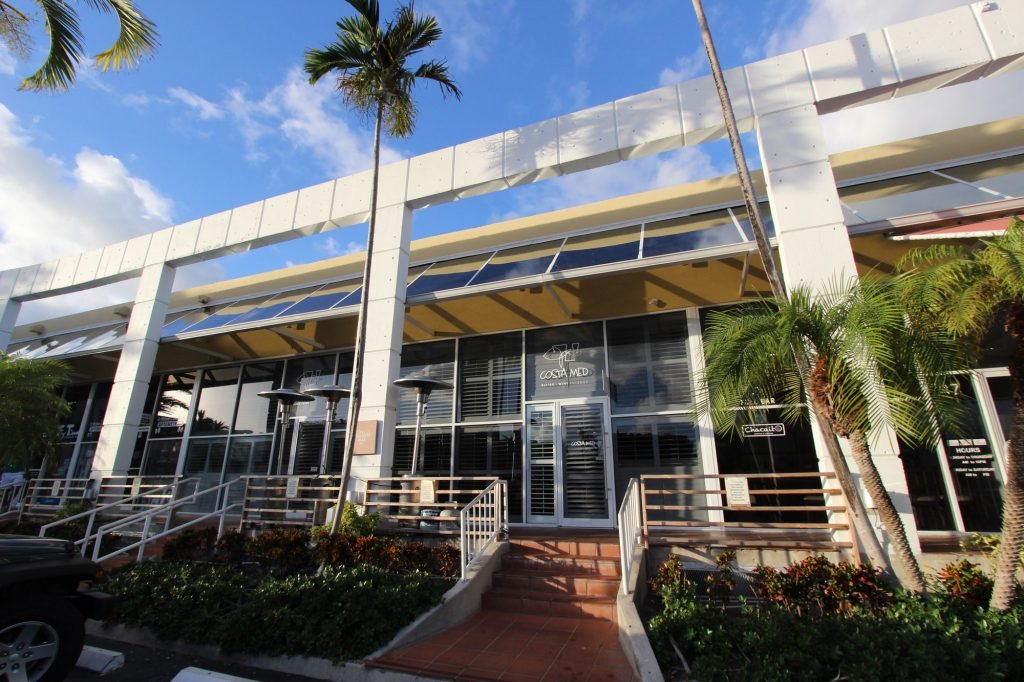
Seats at Kazumi are limited — this is a small strip-mall address in Key Biscayne's Crandon Boulevard corridor, not a sprawling dining room, and that scarcity shapes the experience. If you want modern Japanese in Key Biscayne and you wait too long to decide, you may find yourself settling for something less focused. Book early, or lose the window.
Kazumi sits at an interesting position for Key Biscayne: the island doesn't have a deep bench of Japanese dining, which means this venue carries more weight than it might in a city with more competition. For the explorer who tracks Japanese technique across regions — the kind of diner who knows the difference between a tight izakaya program and a sushi-forward omakase room, Kazumi is the only serious option on the island. That matters when you're already here for the beach, the bay, or a stay nearby.
The editorial angle worth focusing on is the drinks program. Modern Japanese restaurants in the $30–$80 per head range across South Florida increasingly compete on cocktail and sake programming as a differentiator, and a venue called out as "modern" in its own name is signaling that it isn't just about raw fish and rice. Expect a bar program oriented around Japanese whisky, sake pours, and likely Japanese-inflected cocktails, a format that pairs more purposefully with the food than a generic wine list would. For the explorer dining solo at the counter or in a pair, this is the kind of venue where what you drink shapes the meal as much as what you order.
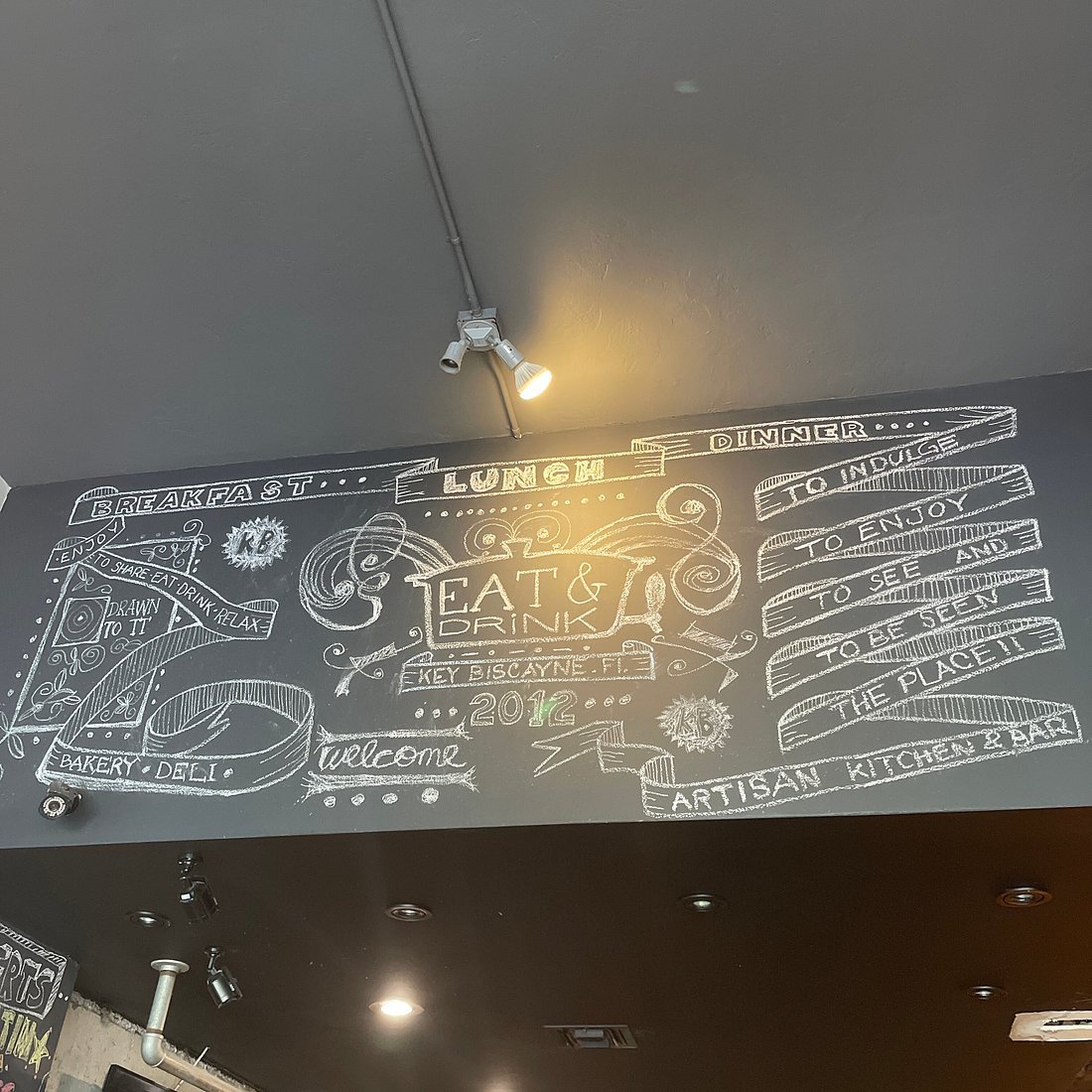
Compared to the broader Key Biscayne dining scene, Kazumi fills a gap that Artisan Kitchen & Bar, Ceviche Bar by Mixtura, and Milanezza Key Biscayne don't touch. If you're visiting Key Biscayne and Japanese is your preference for the evening, there's no real local substitute. The question isn't whether to go, it's whether the timing works. If you're on the island for a milestone dinner or a longer stay, anchor one evening here.
For context on what serious Japanese programs look like at the national level, venues like Atomix in New York City set the benchmark for modern Korean-Japanese technique, while Le Bernardin in New York City shows what seafood precision at the leading end looks like. Kazumi isn't operating in that tier, but for Key Biscayne, it's the closest thing to a destination Japanese experience the island offers.
Reservations: Easy to book, call or walk in, no weeks-out lead time required. Dress: Smart casual fits the setting. Budget: Mid-range for Key Biscayne; expect a comfortable dinner without the price pressure of a Miami Beach omakase room. Group size: Leading for 2–4; confirm larger group capacity directly with the venue. Getting there: On Crandon Boulevard in the Village of Key Biscayne, accessible by car, limited by island parking during peak hours. See our full Key Biscayne restaurants guide for more options, or explore our Key Biscayne bars guide if you want to extend the evening.
Planning details
- Location
- 260 Crandon Blvd #16, Key Biscayne, FL 33149
- Reservations
- Book on the venue's website
- Website
- kazumirestaurant.com/Kazumi
- Phone
- +1 305 361 2675
The take
The Take
The Vibe
Kazumi positions precision Japanese technique against the convivial, residential dining strip of Key Biscayne. Rather than blending into the local lineup of ceviche bars and Mediterranean terraces, it stakes out a focused niche: modern Japanese that asks for attention from both kitchen and diner. The restaurant reads as quieter and more intimate than its neighbors, favoring a deliberate, sophisticated approach to flavors and form. Diners encounter a place that prioritizes craft and a measured menu progression over casual, talkative night outs, making the room feel composed and purposefully restrained.
Best For
Kazumi is best suited to diners seeking a focused evening meal rather than a bustling, social scene. The restaurant’s emphasis on modern Japanese technique and a menu that functions like a document makes it particularly apt for dinner service—ideal for date nights or quieter dinners when guests want to engage with the food. It appeals to those who prefer a thoughtful, composed dining experience on Key Biscayne rather than the louder, more sociable formats that dominate the island’s strip.
Ordering Tips
Approach the menu as a written statement: the piece stresses that modern Japanese at Kazumi exists along a spectrum from accessible sushi-and-roll offerings to omakase- or kaiseki-influenced progressions, so decide whether you want à la carte items or a more sequential meal. Highlighted signatures include the honey shrimp and the honeymoon special roll—good starting points to sample the kitchen’s range. Because the restaurant rewards diners who pay attention to technique and progression, ask servers for guidance on pacing and which dishes showcase the kitchen’s precision.
Venue details
Ambiance
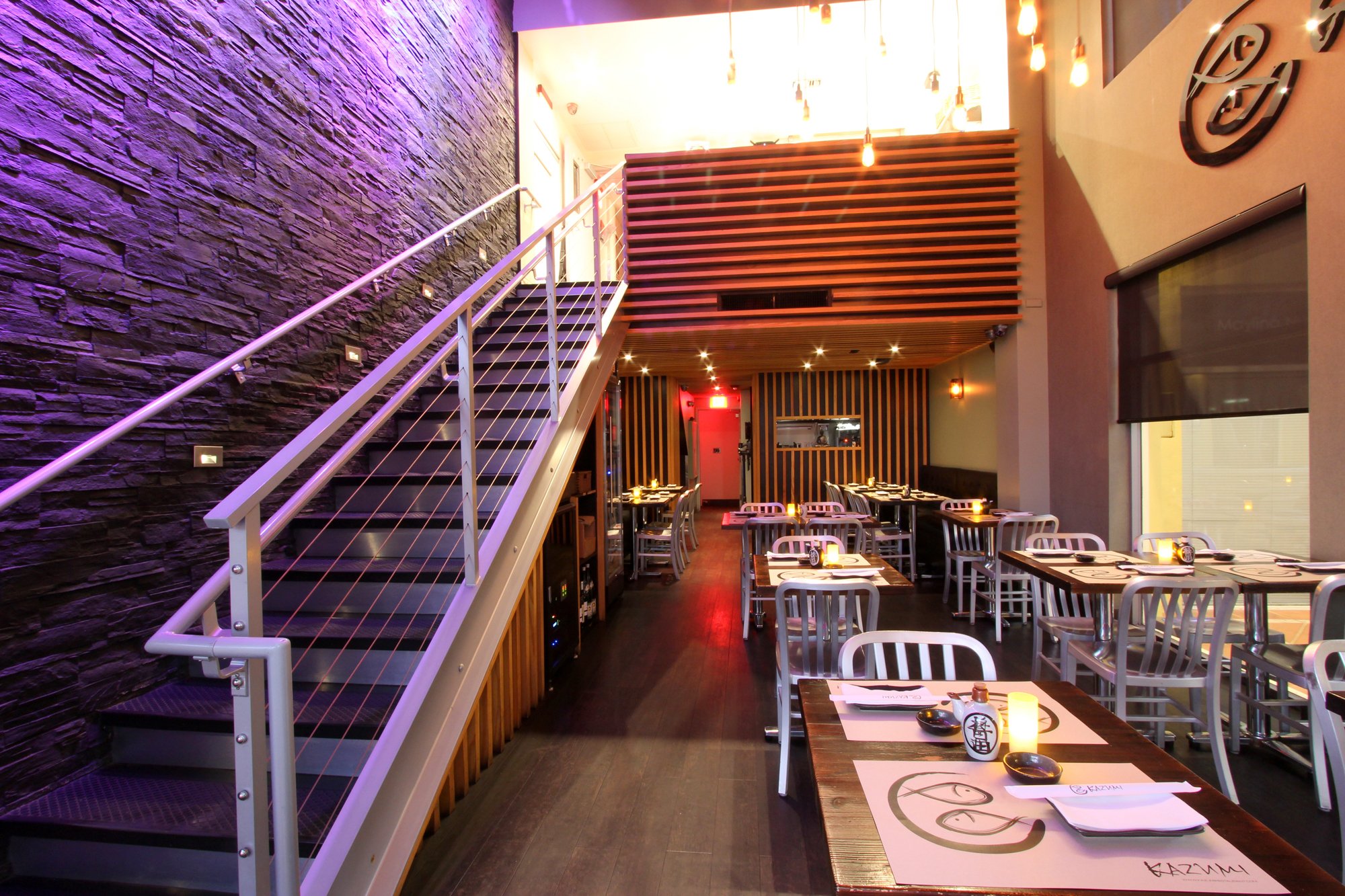
Bright and earthy interiors with modern decor creating a fun and contemporary atmosphere.
Tags
Vibe
Best For
Experience
Accessibility
At the Table
- Dress Code
- Smart Casual
- Noise Level
- Conversational
- Service Style
- Upscale Casual
- Meal Pacing
- Standard
- Capacity
- Intimate
- Kitchen
- Modern
- Menu Format
- A la carte, Small plates
- Wine Program
- Standard
- Dietary
- Vegetarian friendly, Gluten-free options
- Outdoor Seating
- Yes
Signature Dishes
- honey shrimp
- honeymoon special roll
Know before you go
Know Before You Go
- Getting there
- 260 Crandon Blvd #16, Key Biscayne, FL 33149
Planning details
Location
260 Crandon Blvd #16, Key Biscayne, FL 33149 · Directions
Also consider
Also Consider
- Artisan Kitchen & Bar, Notable alternative
- Ayesha Indian Fine Dining - Key Biscayne, Notable alternative
- Ceviche Bar by Mixtura, Notable alternative
- Donut Gallery Diner, Notable alternative
- Milanezza Key Biscayne, Notable alternative
Restaurant context
How Kazumi Modern Japanese Compares in Key Biscayne
Key Biscayne's dining scene is heavily weighted toward Latin-influenced seafood, Italian, and casual American, which means Kazumi occupies its own lane without direct local competition. Ceviche Bar by Mixtura is the clearest alternative if raw seafood preparation is the draw, but it's a Peruvian-Japanese fusion format, not modern Japanese in the same sense. For a more complete dinner experience with a drinks program to match, Kazumi is the stronger call.
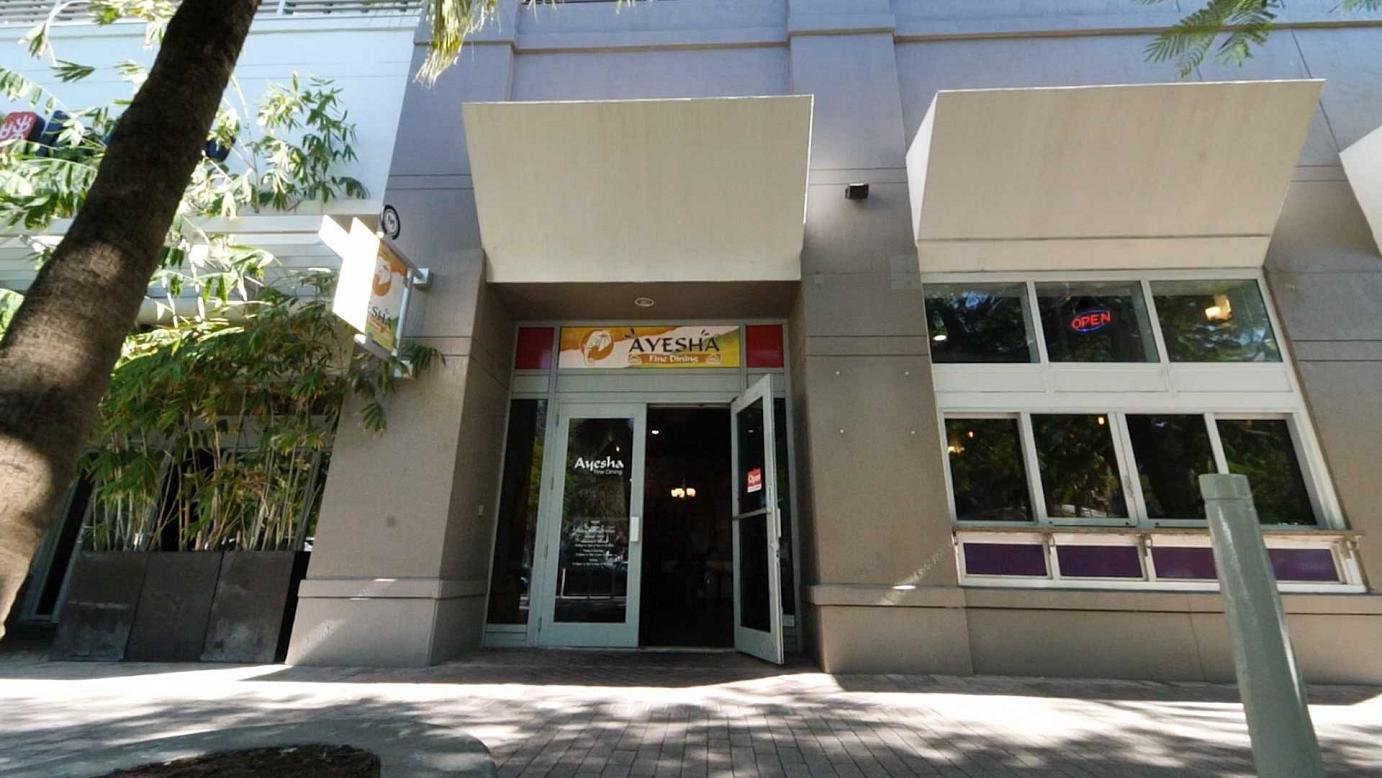
Artisan Kitchen & Bar and Milanezza Key Biscayne serve different cuisines entirely, so they're not head-to-head competitors, but both are reasonable fallbacks if Kazumi is full or the Japanese format doesn't suit your group. Ayesha Indian Fine Dining is the right pick if you want South Asian spice and a more formal dining room. For a low-commitment, low-cost morning option, Donut Gallery Diner is a different category altogether, daytime only, casual, beloved locally.
For the food-focused traveler deciding where to spend a serious dinner on the island: Kazumi is the pick if Japanese technique and a thoughtful drinks list matter to you. If cuisine type is secondary and you just want a reliable, well-regarded room, Artisan Kitchen & Bar or Milanezza are lower-risk choices with broader menus. Browse our full Key Biscayne restaurants guide for the complete picture, and check our Key Biscayne hotels guide if you're planning a longer stay around your dining choices.
Explore Key Biscayne
Around this place
Discover more on Pearl
Unlock the full Kazumi Modern Japanese guide in Pearl, including awards, comparisons, FAQs, planning details, and nearby places.
Compare Kazumi Modern Japanese
| Venue | Booking Difficulty | Awards |
|---|---|---|
| Kazumi Modern Japanese | Easy | No published awards |
| Artisan Kitchen & Bar | Unknown | No published awards |
| Ayesha Indian Fine Dining - Key Biscayne | Unknown | No published awards |
| Ceviche Bar by Mixtura | Unknown | No published awards |
| Donut Gallery Diner | Unknown | No published awards |
| Milanezza Key Biscayne | Unknown | No published awards |
Comparing your options in Key Biscayne for this tier.
FAQ
Frequently Asked Questions
What are alternatives to Kazumi Modern Japanese in Key Biscayne?
For a different cuisine angle on the island, Ceviche Bar by Mixtura is the go-to for Peruvian-inflected seafood, while Milanezza Key Biscayne covers Italian. If you want something more casual, Artisan Kitchen & Bar is a practical fallback. None directly replicate a modern Japanese format on Key Biscayne, which is part of what keeps Kazumi relevant despite its compact strip-mall setting at 260 Crandon Blvd.
Can Kazumi Modern Japanese accommodate groups?
The Crandon Boulevard strip-mall address signals a small floor plan, so large groups should call ahead before assuming availability. Parties of two to four are likely the sweet spot. Groups of six or more should confirm capacity directly, as seating constraints at smaller Key Biscayne spots can make or break a group booking.
Is Kazumi Modern Japanese good for solo dining?
A compact Japanese restaurant is generally a good solo format — counter seating, if available, suits single diners well and keeps the experience focused. The Key Biscayne location on Crandon Boulevard is also a low-pressure neighbourhood to eat alone. Confirm whether bar or counter seating exists before arriving solo, as smaller strip-mall rooms sometimes lack dedicated solo spots.
What should a first-timer know about Kazumi Modern Japanese?
The address is a strip-mall unit at 260 Crandon Blvd — do not expect a grand entrance. Key Biscayne dining runs on island timing, so peak dinner hours can fill small rooms fast; booking ahead is the practical move. The modern Japanese format typically means a menu that spans both cooked and raw preparations, so come with an open order strategy rather than a single-dish agenda.
Is Kazumi Modern Japanese good for a special occasion?
It can work for a low-key celebration, particularly for two people who prefer an intimate setting over a scene. The strip-mall exterior undercuts the occasion feel, so set expectations with your guest before arrival. If the event demands a grander room, options on the mainland in Miami will deliver more theatrical surroundings — Kazumi's value is in the food and the quiet Key Biscayne pace, not the setting.
Does Kazumi Modern Japanese handle dietary restrictions?
Modern Japanese kitchens typically have flexibility on raw versus cooked preparations and can often accommodate gluten-aware or shellfish-free requests, but this is not confirmed in available venue data for Kazumi specifically. The safest move is to call ahead or note restrictions at booking. Strict dietary needs — vegan, severe allergies — should be communicated directly to the restaurant before your visit.