
Restaurant in Osaka, Japan
Kawahara
290Pearl PointsCreative Japanese cooking, easy to book.

About Kawahara
A Michelin Plate-recognised Japanese restaurant in Osaka's Toyosaki district, Kawahara delivers creative, ingredient-led cooking from a converted family home at a ¥¥¥ price point. Booking is easy by Osaka fine-dining standards. Visit in autumn or winter to get the most from the kitchen's seasonal kombu-focused approach.
Who Should Book Kawahara — and When
If you are a food traveller in Osaka who wants to sit inside a converted family home, watch an owner-chef work with the kind of focused creativity that earns Michelin recognition, and pay ¥¥¥ rather than ¥¥¥¥ for the privilege, Kawahara is worth reserving a night for. It rewards visitors who come with genuine curiosity about Japanese ingredient culture — specifically the role of kombu kelp in shaping a dish's flavour from the bottom up. It is not the right call if you want a formal, high-ceremony kaiseki experience or a big-ticket splurge with all the theatre that implies. The room is warm and personal, the cooking is inventive, and the price tier keeps it accessible relative to Osaka's most decorated restaurants. Booking is easy by Osaka fine-dining standards, which makes it one of the more sensible targets on any serious eating itinerary in the city.
The Venue
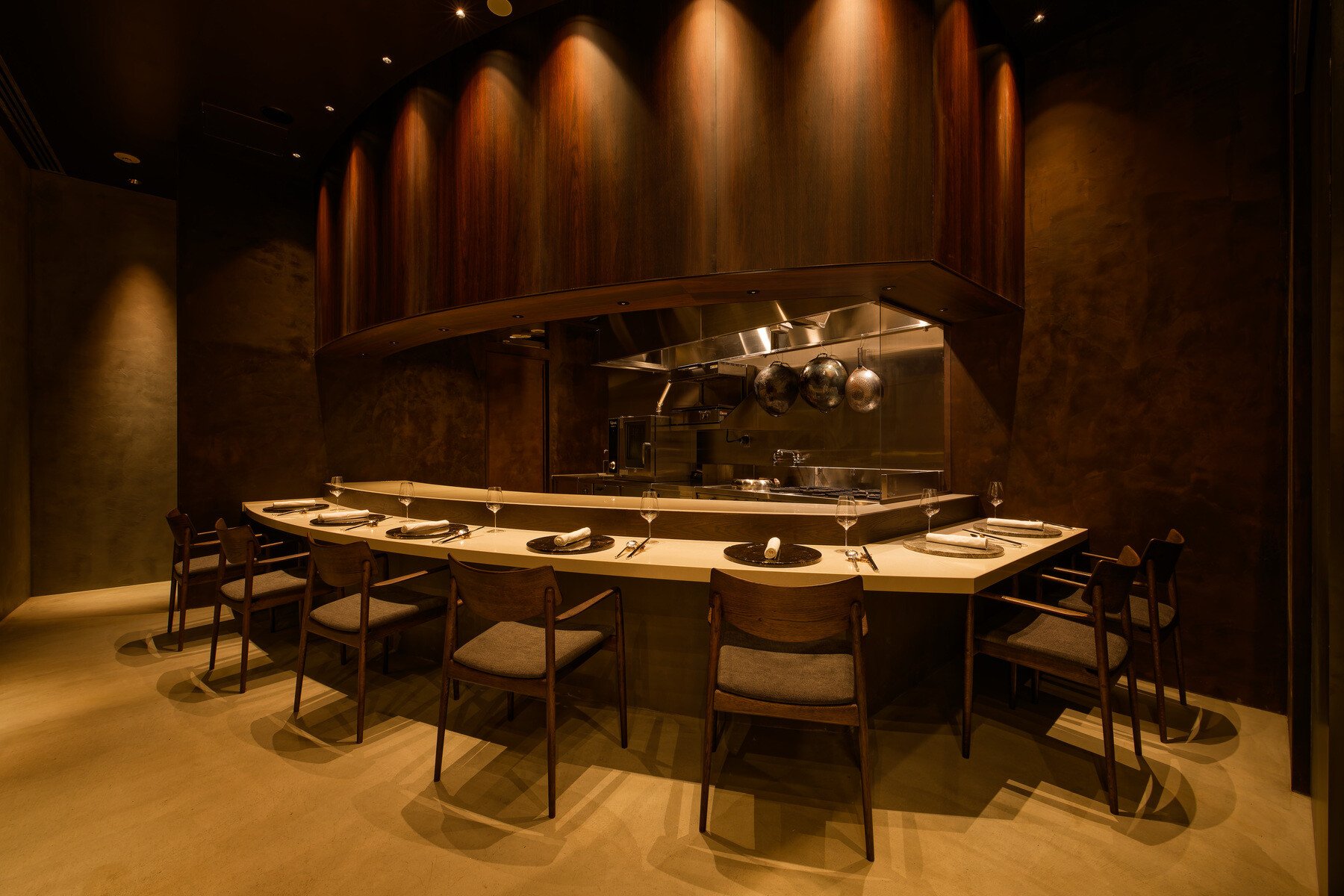
Kawahara occupies an old family home in the Toyosaki district of Kita Ward, a quieter residential pocket of Osaka that sits north of the city's main dining corridors. The atmosphere reads accordingly: the interior carries the warmth of a lived-in space rather than a purpose-built dining room. The ambient feel is calm and unhurried, low noise, intimate scale, the kind of room where conversation carries without effort. For food-focused travellers used to the refined tension of high-end tasting counters in Tokyo (see Harutaka in Tokyo or Azabu Kadowaki for that register), Kawahara's tone will feel noticeably warmer and less formal, and for many diners, that is a point in its favour.
Owner-chef Koji Kawahara's cooking approach is ingredient-led in a specific, considered way. The kitchen makes deliberate distinctions between different grades and types of kombu kelp: Rishiri kombu, harvested from the cold waters around Hokkaido's Rishiri Island, is reserved strictly for soup work, where it produces a broth of clean, deep flavour. For cooked preparations, ma-kombu is used instead, chosen for how it draws out and amplifies flavour in other ingredients. These are not arbitrary choices, the distinction reflects real differences in the mineral profile and texture of each variety, and the fact that Michelin inspectors called this out directly in their recognition notes tells you it registered as meaningful. Fish marinated in miso before frying is another example of Kawahara's approach to layering: a technique that adds depth without overwhelming the base ingredient. Dishes bring multiple elements together in a single presentation, adding variety within a course rather than between them.
Seasonal Considerations: When to Visit and What to Expect
The menu at Kawahara is built around Japanese seasonal logic, which means the experience shifts substantially across the year. Spring brings access to the delicate mountain vegetables (sansai) that appear briefly and shape Japanese cooking in March and April. Summer shifts the focus toward lighter preparations and fresh fish suited to warmer months. Autumn is arguably the most ingredient-rich window for this style of cooking: matsutake mushrooms, Pacific saury, chestnuts, and new-harvest rice all arrive within a short window, and a kitchen focused on seasonal expression will give you the most varied and technically interesting menu at this time of year. Winter cooking in Osaka typically centres on warming preparations, hot pots, heavier broths, and richer protein treatments, where kombu-based stocks like the ones Kawahara specifically curates become especially prominent. If your itinerary is flexible, autumn and winter visits are likely to give you the most distinctive version of what the kitchen does.
For food travellers planning a broader Kansai leg, Kawahara sits well alongside Gion Sasaki in Kyoto, a restaurant with a similar commitment to seasonal Japanese cooking, or akordu in Nara for a different but complementary creative register. Within Osaka, the restaurants closest in spirit and approach include Miyamoto, Oimatsu Hisano, Tenjimbashi Aoki, and Yugen, all worth considering if you are building a multi-night Osaka eating plan. Our full Osaka restaurants guide covers the broader field.
Ratings and Recognition
Kawahara holds a Michelin Plate in both 2024 and 2025, a consistent signal of quality cooking that Michelin inspectors consider worth a visit, without the full star designation that would push prices and booking difficulty significantly higher. The Michelin Plate recognition is the more meaningful signal here for first-time visitors: it provides a verifiable quality floor without the expectation management issues that come with starred restaurants.
Booking and Logistics
Booking difficulty at Kawahara is rated easy by Pearl standards, which is unusual at this quality tier in Japan. That accessibility is part of the value case: you get Michelin-recognised cooking in an intimate, atmospherically distinctive room without the advance planning required at Osaka's more competitive tables. The restaurant is located at 2 Chome-4-21 Toyosaki, Kita Ward, Osaka, in a residential area that requires a short journey from the central hotel and entertainment districts. Plan your approach: Toyosaki is not a walk from Namba or Shinsaibashi. Check our full Osaka hotels guide for accommodation options closer to Kita Ward if you want to simplify the evening. Phone and website details are not confirmed in our current data, approach via a hotel concierge or a third-party Japan dining reservation service to confirm availability. For context on the wider Osaka scene, see also our guides to Osaka bars, Osaka wineries, and Osaka experiences.
Practical Comparison
| Venue | Price Tier | Booking Difficulty | Style | Michelin Recognition |
|---|---|---|---|---|
| Kawahara | ¥¥¥ | Easy | Japanese, creative | Plate (2024, 2025) |
| Kashiwaya Osaka Senriyama | ¥¥¥ | Moderate | Japanese | Starred |
| Taian | ¥¥¥ | Difficult | Kaiseki | Starred |
| HAJIME | ¥¥¥¥ | Difficult | French, Innovative | Three Stars |
| Fujiya 1935 | ¥¥¥¥ | Moderate | Innovative | Starred |
Frequently Asked Questions
Can I eat at the bar at Kawahara?
The venue database does not confirm a bar or counter seating arrangement at Kawahara. What is documented is a dining room set inside a converted family home in Toyosaki, Kita Ward, where the owner-chef Koji Kawahara runs a focused, creative Japanese menu. If seating format is a deciding factor, check the venue's official channels before booking — Pearl rates booking difficulty here as easy by Osaka standards, so reaching them should not be an obstacle.
What is Kawahara known for?
Kawahara is primarily known for Japanese in Osaka.
Where is Kawahara located?
Kawahara is located in Osaka, at 2 Chome-4-21 Toyosaki, Kita Ward, Osaka, 531-0072, Japan.
How can I contact Kawahara?
You can reach Kawahara via the venue's official channels.
Location
2 Chome-4-21 Toyosaki, Kita Ward, Osaka, 531-0072, Japan
Osaka, Japan
Compare Kawahara
| Venue | Awards | Price |
|---|---|---|
| Kawahara | ¥¥¥ | |
| HAJIME | Michelin 3 Star, World's 50 Best | ¥¥¥¥ |
| La Cime | Michelin 2 Star, World's 50 Best | ¥¥¥¥ |
| Kashiwaya Osaka Senriyama | Michelin 3 Star | ¥¥¥ |
| Taian | Michelin 3 Star | ¥¥¥ |
| Fujiya 1935 | Michelin 2 Star | ¥¥¥¥ |
A quick look at how Kawahara measures up.
Also Consider
- HAJIME, French, Innovative, ¥¥¥¥
- La Cime, French, ¥¥¥¥
- Kashiwaya Osaka Senriyama, Japanese, ¥¥¥
- Taian, Kaiseki, Japanese, ¥¥¥
- Fujiya 1935, Innovative, ¥¥¥¥
Kawahara sits at the accessible end of Osaka's serious dining spectrum. At ¥¥¥ with easy booking, it is the lowest-friction entry point to Michelin-recognised Japanese cooking in the city. If you want a direct comparison at the same price tier, Kashiwaya Osaka Senriyama and Taian are the strongest alternatives, both are Japanese-focused, both carry full Michelin star recognition, and both will be harder to book. Taian in particular operates at kaiseki formality levels that Kawahara does not. If ceremony and structure matter to you more than creative flexibility, those are the better choices. If the intimate, owner-run room format is the draw, Kawahara wins on atmosphere and accessibility.
The ¥¥¥¥ tier in Osaka, HAJIME, La Cime, and Fujiya 1935, represents a meaningfully different experience and price commitment. HAJIME holds three Michelin stars and operates in French-influenced innovative territory; La Cime and Fujiya 1935 are both creative, technically ambitious, and priced to match. If your Osaka trip centres on one high-investment meal, those three deliver more spectacle and technical reach. But if you are building a multi-night eating itinerary and want variety across price points, Kawahara fills the ¥¥¥ slot with more creative ambition than you would expect at that level.
For food-focused travellers who want to compare across the broader Kansai region rather than just Osaka, Gion Sasaki in Kyoto is the most useful reference point: similar seasonal Japanese logic, different city, different booking dynamic. Within Osaka, Kawahara's combination of easy availability, genuine ingredient intelligence, and a room that feels nothing like a conventional restaurant dining hall makes it a practical first-night or supplementary booking for any serious eating trip.
Recognized By

Explore Osaka
Save or rate Kawahara on Pearl
Keep this venue in your Pearl passport, rate it after you visit, and track it alongside every other place you collect.