
Restaurant in Karatsu, Japan
飴æº
100Pearl PointsCoastal Saga Kaiseki
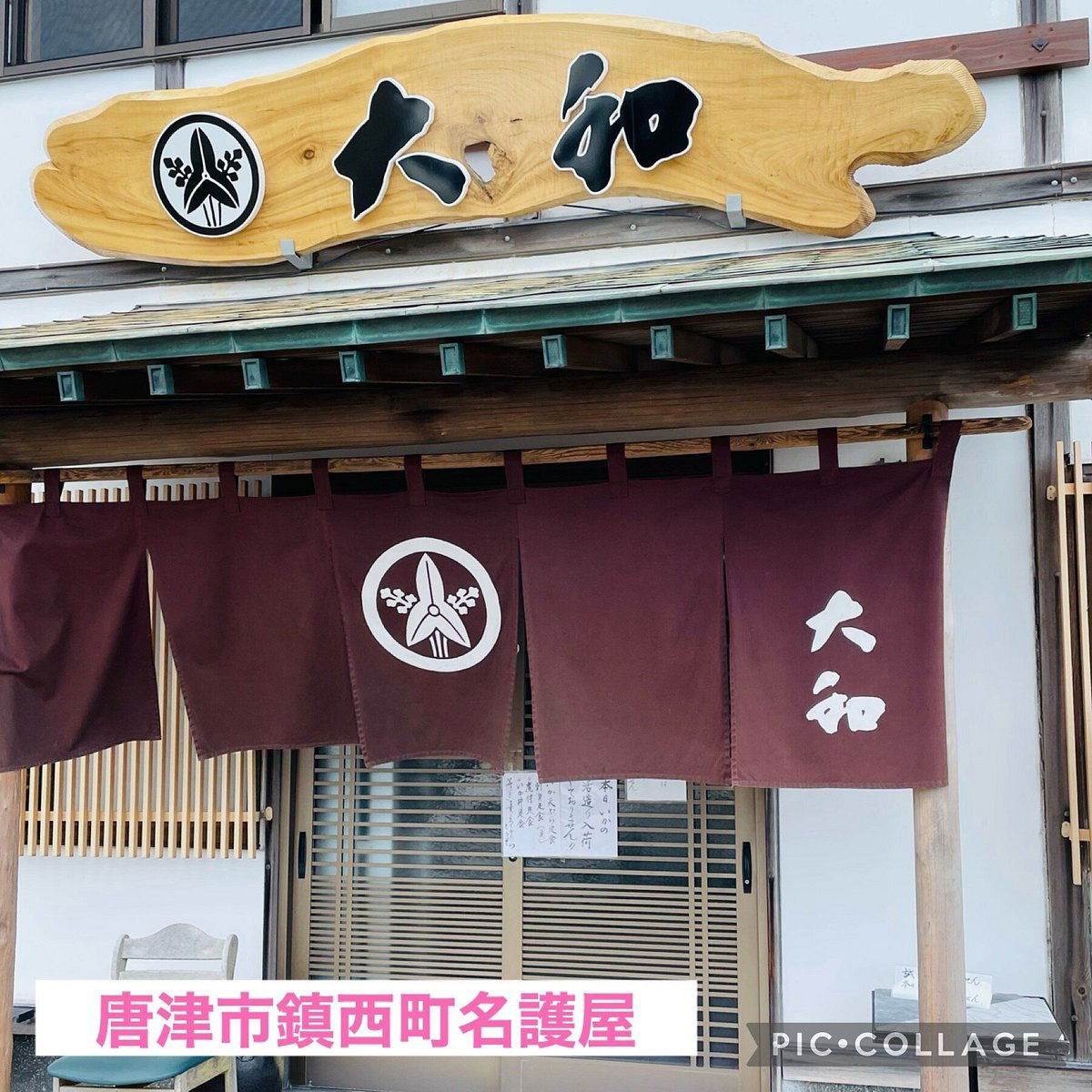
About 飴æº
飴溪 sits in Karatsu's Hamatamamachi district, away from the main tourist circuit — which is the point. Booking is easy and the area's Genkai Sea seafood access gives neighbourhood venues here a sourcing advantage that larger-city restaurants cannot match. A practical choice for explorers building a return visit to Karatsu or layering it into a broader Kyushu itinerary.
Verdict
飴溪 (Amenoki) sits in Hamatamamachi, a coastal stretch of Karatsu that most visitors pass through on their way to the castle or the sand dunes. If you have been to Karatsu before and skipped the local dining scene in favour of Fukuoka day-trips, this is the kind of address worth building a return visit around. Booking is currently easy, which makes it a low-friction addition to any itinerary, but that accessibility window may not stay open indefinitely as Karatsu grows as a destination.
What to Know Before You Go
Karatsu's food identity is built on proximity: to Genkai Sea seafood, to Saga prefecture's agricultural output, and to a ceramic tradition that shapes how the region thinks about presentation. Venues in this part of Kyushu often source ingredients with a directness that restaurants in larger cities cannot replicate. That geographic specificity is the relevant frame for understanding what a neighbourhood restaurant here can offer, even when full menu and pricing details are not yet published in our database.
For first-timers arriving from Fukuoka (roughly 90 minutes by bus or train), the Hamatamamachi area is less trafficked than the castle-adjacent centre of town, which means you are more likely to find the experience shaped by local regulars than by tourism pressure. That dynamic changes the texture of a meal in ways that are difficult to quantify but easy to notice on a second visit.
Current seasonal timing matters in this region. Late summer and autumn bring peak Genkai seafood quality, and restaurants along this coast typically adjust their offering to reflect what is coming in. If you are planning a visit now, that seasonal rhythm is worth asking about directly when you book.
Booking & Practical Details
Booking difficulty is rated Easy. No phone or website is currently listed in our database, so the leading approach is to contact the venue directly or check local aggregators (Tabelog, Google Maps) for current contact details and hours before finalising plans. Walk-in availability cannot be confirmed without current hours data, but Easy booking difficulty suggests this is not a venue where you will be turned away for lack of advance planning.
Address: 1058-2 Hamatamamachi Gotanda, Karatsu, Saga 849-5102. From Karatsu Station, the Hamatamamachi area is accessible by local bus or taxi.
How It Compares
Compared against the broader Karatsu dining set, Aru Tokoro is the clearest peer benchmark for seafood-forward Japanese dining in the JPY 10,000–14,999 range. Chuka Ooshige covers a different register entirely (Chinese, similar price tier) and is not a substitute. For ramen, Tanokyu is the local go-to at a significantly lower price point. Caravan and Kazu round out the scene but with limited published data available.
For the explorer planning a broader Kyushu or Japan itinerary, Goh in Fukuoka represents the regional high-end benchmark roughly 90 minutes away. Further afield, HAJIME in Osaka and Gion Sasaki in Kyoto set the national standard for serious omakase investment. Karatsu's appeal is not in competing with those rooms — it is in offering a different, more grounded kind of meal in a location that has not yet been fully absorbed into the fine-dining tourism circuit.
See our full Karatsu restaurants guide for the complete picture, and our Karatsu hotels guide if you are planning an overnight stay.
Pearl Picks Nearby
- Aru Tokoro — Leading current data-backed option for Japanese seafood in Karatsu
- Tanokyu , Ramen; lower price point, easier for a quick lunch stop
- Goh in Fukuoka , If you want to escalate to a serious tasting menu nearby
- Our full Karatsu experiences guide , For context on how to build a full day here
FAQs
Can I eat at the bar at 飴溪?
Bar seating availability at 飴溪 is not confirmed in our current data. Given the venue's Hamatamamachi location and the local character of Karatsu's dining scene, smaller neighbourhood restaurants in this area often have limited counter options , but this is not confirmed. Contact the venue directly before arrival if bar seating is a priority for you.
What should a first-timer know about 飴溪?
The venue is in Hamatamamachi Gotanda, away from the main tourist cluster around Karatsu Castle. That is a feature, not a drawback: you are more likely to get a meal shaped by local demand than by visitor expectations. Booking is Easy, so you do not need to plan weeks ahead. Pricing and cuisine specifics are not yet fully published in our database, so check Tabelog or Google Maps for current details before you go. If you are coming from Fukuoka, build in 90 minutes of travel time each way.
What should I order at 飴溪?
Specific menu and signature dish data for 飴溪 is not available in our current database. What is reliably true of the broader Karatsu and Saga prefecture context: the region is known for Genkai Sea seafood and local produce with a directness that distinguishes it from city dining. If the current season aligns with your visit, seafood-forward selections are a reasonable starting point. Ask the staff what is coming in fresh , in a neighbourhood venue of this type, that question usually gets a direct answer.
How far ahead should I book 飴溪?
Booking difficulty is currently rated Easy, which means you are unlikely to need more than a few days of lead time. Karatsu is not yet a high-volume tourist destination in the same way as Fukuoka or Kyoto, and venues in the Hamatamamachi area do not carry the booking pressure of, say, Harutaka in Tokyo or Gion Sasaki in Kyoto, where waits can extend to weeks or months. That said, contact details are limited in our current data, so allow time to confirm hours and availability before finalising travel plans.
Location
1058-2 Hamatamamachi Gotanda, Karatsu, Saga 849-5102, Japan
Karatsu, Japan
Compare 飴æº
| Venue | Awards | Price | Value |
|---|---|---|---|
| é£´æº | — | ||
| Aru Tokoro | JPY 10,000 - JPY 14,999 JPY 10,000 - JPY 14,999 View spending breakdown | — | |
| Caravan | — | ||
| Chuka Ooshige | JPY 10,000 - JPY 14,999 View spending breakdown | — | |
| Tanokyu | — | ||
| Kazu | — |
Key differences to consider before you reserve.
Also Consider
- Aru Tokoro — Japanese Cuisine, Regional Cuisine, Seafood, JPY 10,000 - JPY 14,999 JPY 10,000 - JPY 14,999 View spending breakdown
- Caravan — Notable alternative
- Chuka Ooshige — Chinese, JPY 10,000 - JPY 14,999 View spending breakdown
- Tanokyu — Ramen, Ramen
- Kazu — Notable alternative
Among Karatsu's published dining options, Aru Tokoro is the most direct peer for a sit-down Japanese meal with regional seafood at JPY 10,000–14,999 per head. If that price tier is your ceiling and you want the best-documented option in town, Aru Tokoro is the safer starting point — it has more published data behind it. 飴溪 is worth considering if you are specifically after a neighbourhood character that sits outside the more visible dining circuit.
Chuka Ooshige covers Chinese cuisine at a similar price point and is not a substitute for Japanese seafood. Tanokyu is the move if you want ramen at a significantly lower spend — useful for lunch if you are saving budget for a bigger dinner. Caravan and Kazu have limited data available, making them harder to recommend with confidence.
For the explorer who wants to anchor a Karatsu trip around food, the practical call is: book 飴溪 or Aru Tokoro for a primary dinner, use Tanokyu for a low-cost lunch, and consider Goh in Fukuoka if you want to escalate to a high-end tasting menu experience within the same regional trip. See our full Karatsu restaurants guide for the complete local picture.
Explore Karatsu
Save or rate é£´æº on Pearl
Keep this venue in your Pearl passport, rate it after you visit, and track it alongside every other place you collect.