
Restaurant in Kyoto, Japan
Kappo Harada
290ptsPersonal kappo dining, low profile, high reward.

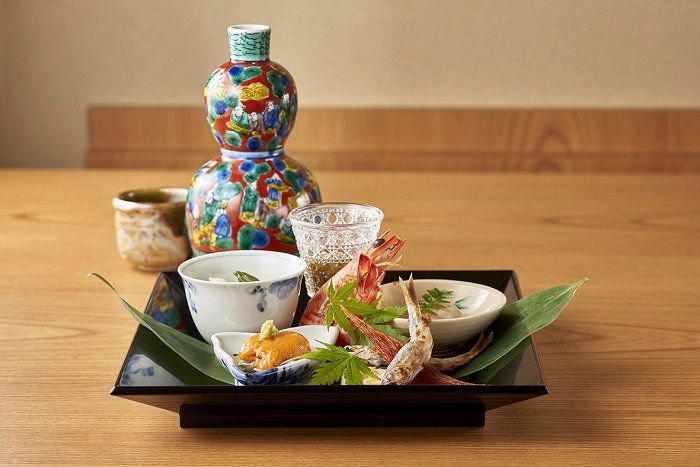
About Kappo Harada
A Michelin Plate kappo in Kyoto's Nakagyo Ward that offers both omakase and à la carte at ¥¥¥ — well below the price of the city's kaiseki rooms. Bookings are easy to secure, the dashi-forward cooking is technically careful, and summer visits offer salt-grilled ayu sourced by the proprietor. A practical choice for a special occasion without the months-long wait.
A 5-star rating from 11 Google reviews tells you something useful about Kappo Harada: the people who find it tend to love it, and not many people find it.
Tucked into a residential pocket of Nakagyo Ward — a neighbourhood more likely to turn up on a locals' dinner rotation than an international travel itinerary — this kappo operates with the low profile of a place that doesn't need to advertise. Two consecutive Michelin Plates (2024 and 2025) confirm it has earned independent recognition, but it remains genuinely easy to book by Kyoto standards. If you want serious Japanese cooking without the months-long wait that shadows Kyoto's higher-profile kaiseki rooms, Kappo Harada is worth knowing about.
What to Expect
Kappo, as a format, sits between the formality of kaiseki and the informality of an izakaya. The kitchen is partially open, the progression is chef-led but responsive, and the evening tends to build rather than follow a rigid script. At Kappo Harada, that responsiveness is literal: the menu accommodates both omakase and à la carte, so you can either hand the evening to the kitchen or direct it yourself. For a special occasion, the omakase path makes more sense , it lets the kitchen show you what it does leading in a given season rather than asking you to navigate a menu in a second language under low lighting.
The opening sequence arrives as a selection of appetisers, which in kappo tradition signal the kitchen's range before the more substantial courses arrive. The drinking snacks here are reportedly a point of pride , a wide variety, shifting with the season , which makes Kappo Harada a reasonable choice if your evening involves sake or shochu rather than a wine pairing. The wanmono course, a clear soup that is a standard marker of technical skill in Japanese cooking, centres on first-draught dashi: the kind that carries fragrance before flavour, and whose lightness is the point rather than an absence of intensity.
One detail worth knowing for summer visits: the proprietor fishes for ayu (sweetfish) personally, and those fish appear on the menu grilled in salt when the season allows. Salt-grilled ayu is a warm-weather fixture across Kyoto's better restaurants, but sourcing them yourself rather than through a wholesaler is less common. It doesn't change the dish category, but it does say something about how the kitchen approaches seasonal ingredients. For a summer dinner , anniversary, business meal, or a first serious Japanese dining experience , this is the kind of detail that makes a meal feel considered rather than transactional.
After-Dinner Hours and Timing
Kappo Harada does not have confirmed late-night hours in the public record, and the venue's operating hours are not listed. What the kappo format does allow, in general, is a more flexible and social rhythm than kaiseki. Because the kitchen responds to the room rather than to a fixed tasting clock, an evening here can extend or compress depending on how the table is eating and drinking. If a late finish matters to you , either because you're arriving from elsewhere in Kyoto or because dinner is only part of the evening , it is worth contacting the restaurant directly to confirm last seating and expected finish times before you book. The address (Hokodencho 290, Nakagyo Ward) places the restaurant within reach of Kyoto's central bar and nightlife corridors, which makes it a workable anchor for an evening that continues elsewhere. For Kyoto bars and late options, see our full Kyoto bars guide.
Who Should Book
Kappo Harada works well for: a date or anniversary where you want the experience to feel personal rather than choreographed; a business dinner where you want to signal taste without the theatre of a full kaiseki room; or a first visit to serious Japanese cooking in Kyoto where you'd rather not feel locked into a rigid progression. It also suits travellers who have already done the kaiseki circuit at places like Kikunoi Roan or Kodaiji Jugyuan and want something less formal on a second or third trip to Kyoto.
If you're comparing Kyoto kappo against Japanese cooking elsewhere in the country, the format has parallels at places like Azabu Kadowaki in Tokyo and Myojaku in Tokyo, both of which operate in a similar register. But Kyoto's seasonal ingredient access , ayu in summer, matsutake in autumn, Kyoto vegetables year-round , gives a Kyoto kappo a geographic argument that Tokyo equivalents can't replicate. For broader context on where Kappo Harada sits in the city's dining picture, see our full Kyoto restaurants guide.
For visitors planning a wider Kyoto trip, related guides: our full Kyoto hotels guide, our full Kyoto wineries guide, and our full Kyoto experiences guide. For high-end Japanese dining beyond Kyoto, see HAJIME in Osaka, Harutaka in Tokyo, Goh in Fukuoka, akordu in Nara, 1000 in Yokohama, and 6 in Okinawa.
Practical Details
Reservations: Easy by Kyoto standards , contact directly, ideally a week or two ahead for weekends. Price tier: ¥¥¥, making it a step below the ¥¥¥¥ kaiseki rooms. Format: Omakase or à la carte , both available. Location: Hokodencho 290, Nakagyo Ward, Kyoto , residential area, not a tourist-facing block. Awards: Michelin Plate 2024 and 2025. Leading for: Special occasions, date nights, first-time kappo diners, summer visits for ayu season. Google rating: 5.0 (11 reviews). Hours: Not publicly listed , confirm directly before booking.
Also Worth Considering in Kyoto
Other Kyoto restaurants worth knowing for different occasions: Isshisoden Nakamura, Gion Matayoshi, and Kyokaiseki Kichisen.
FAQ
- Can I eat at the bar at Kappo Harada? Kappo restaurants are specifically designed around counter dining , the format puts you face-to-face with the kitchen, which is a central part of the experience. It is reasonable to expect counter seating at Kappo Harada, but the specific seat configuration is not confirmed in public data. If counter placement matters to you for a date or solo dinner, mention it when you book.
- How far ahead should I book Kappo Harada? A week to two weeks ahead should be sufficient for most dates, including weekends. Kappo Harada carries a Michelin Plate rather than a star, and its 5-star rating comes from a small review base , both signals suggest it operates below the booking pressure of Kyoto's starred kaiseki rooms. For comparison, a ¥¥¥¥ kaiseki room like Kyokaiseki Kichisen will require considerably more lead time. Summer bookings for ayu season may be slightly more competitive , book a bit earlier if you're visiting July through September.
- What should a first-timer know about Kappo Harada? Three things: it's in a residential neighbourhood rather than a tourist corridor, so plan your route. The kitchen responds to your preferences, so if you have dietary restrictions or want to steer toward à la carte rather than omakase, say so at booking. And the price tier (¥¥¥) means you're getting serious seasonal cooking at a lower cost than most of Kyoto's Michelin-recognised rooms , which are predominantly ¥¥¥¥. It is a good entry point into Kyoto kappo for diners who find full kaiseki too formal.
- What should I order at Kappo Harada? In summer, the salt-grilled ayu is the clearest reason to visit , the fish are sourced by the proprietor directly, which is not standard practice. The wanmono (clear soup with dashi) is a technical marker worth paying attention to: first-draught dashi with a clean, aromatic finish is what distinguishes a careful kitchen from a competent one. The drinking snacks are a noted strength if you're pairing with sake or shochu. Outside those specifics, trusting the omakase in season is the most reliable approach.
Compare Kappo Harada
| Venue | Price | Booking Difficulty | Value |
|---|---|---|---|
| Kappo Harada | ¥¥¥ | Easy | — |
| Gion Sasaki | ¥¥¥¥ | Unknown | — |
| cenci | ¥¥¥ | Unknown | — |
| Ifuki | ¥¥¥¥ | Unknown | — |
| Kyokaiseki Kichisen | ¥¥¥¥ | Unknown | — |
| SEN | ¥¥¥¥ | Unknown | — |
Comparing your options in Kyoto for this tier.
Frequently Asked Questions
Can I eat at the bar at Kappo Harada?
Yes — the kappo format is built around a partially open kitchen and counter seating, so eating at the bar is the intended experience here, not an afterthought. The counter is where you get the most interaction with the kitchen and the best view of how dishes come together. If you prefer a table, the à la carte option gives you some flexibility, but the counter is the format this style of restaurant is designed around.
How far ahead should I book Kappo Harada?
One to two weeks ahead is enough for most nights; weekends in peak Kyoto seasons (spring cherry blossom, autumn foliage) warrant booking earlier. Kappo Harada sits in a residential pocket of Nakagyo Ward and runs at a quieter pace than the heavily trafficked Gion dining strip, which means it's easier to secure a table than comparable ¥¥¥ spots. check the venue's official channels — no booking platform is listed.
What should a first-timer know about Kappo Harada?
Kappo Harada holds a Michelin Plate (2024 and 2025) and operates in a residential district of Nakagyo Ward — finding it is part of the deal, so confirm the address (Hokodencho 290) before you go. The format sits between formal kaiseki and relaxed izakaya: the kitchen is open, pacing is chef-led, and the meal begins with appetisers before moving through seasonal courses. Both omakase and à la carte are available, which is relatively flexible for this price tier — so if you're not ready to commit to a full tasting menu, you have options.
What should I order at Kappo Harada?
The menu rotates seasonally, so specific dishes aren't fixed, but the kitchen's known anchors are the wanmono course — a soup built around first-draught dashi that the venue explicitly prioritises for its fresh, light aroma — and the drinking snacks (sakana), which receive unusually careful attention for a ¥¥¥ venue. In summer, salt-grilled sweetfish sourced from the proprietor's own fishing is served; if you're visiting between June and August, that's the dish to anchor around. Omakase is the format that lets the kitchen show its range, but à la carte is available if you want to build your own progression.
Recognized By

More restaurants in Kyoto
- OgataOgata is a 16-seat kaiseki counter in Shimogyo, Kyoto, holding two Michelin stars and ten years of Tabelog Gold recognition. Dinner runs JPY 60,000–79,999 before drinks and a 10% service charge. Booking is near impossible without months of advance planning, but for serious kaiseki at the counter, it earns its place on any shortlist.
- MizaiMizai holds three Michelin stars and a sustained Tabelog track record across nearly a decade, with dinner running to ¥80,000–¥99,999 per person all-in. Chef Hitoshi Ishihara structures the meal around the spirit of the tea ceremony in a 15-seat room inside Maruyama Park. Book for a serious special occasion; reservations are near-impossible to secure without months of advance planning.
Similar venues by awards
Related editorial
- Best Fine Dining Restaurants in ParisFrom three-Michelin-star icons to the next generation of Parisian chefs pushing boundaries, these are the restaurants that define fine dining in the world's culinary capital.
- Best Luxury Hotels in RomeFrom rooftop terraces overlooking ancient ruins to Michelin-starred hotel dining, these are the luxury hotels that make Rome unforgettable.
- Best Cocktail Bars in KyotoFrom sleek lounges to hidden speakeasies, Kyoto's cocktail scene blends Japanese precision with global influence in ways you won't find anywhere else.
Save or rate Kappo Harada on Pearl
Keep this venue in your Pearl passport, rate it after you visit, and track it alongside every other place you collect.