Restaurant in Kanazawa, Japan
Machiya Counter Tradition
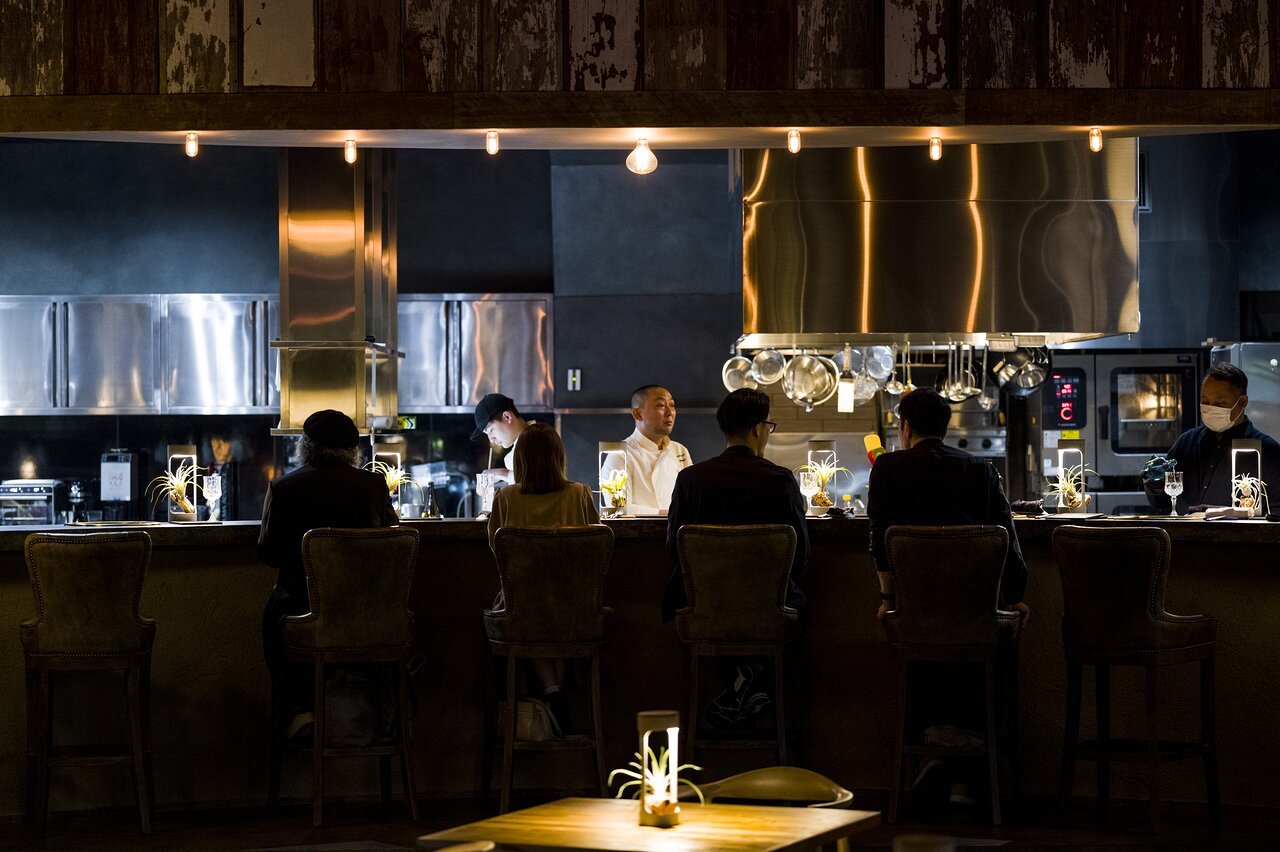
乙女寿司 is a traditional sushi counter on Kiguramachi in Kanazawa's Higashi Chaya geisha district — and one of the easier serious sushi seats to book in the city. The location and format suit a special occasion or a focused solo meal. Confirm hours and booking directly; detailed pricing and menu data are not yet on file with Pearl.
乙女寿司 (Otomezushi) sits at 4-10 Kiguramachi in Kanazawa's Higashi Chaya district, and booking here is easier than most of the city's serious sushi counters — a genuine advantage in a restaurant town where getting a seat often requires more planning than the meal itself. If you want traditional Edo-mae sushi in one of Japan's most celebrated seafood cities, this address is worth your attention. That said, the data on pricing, hours, and awards is sparse, so read this as directional guidance rather than a complete picture.
Kanazawa's proximity to the Sea of Japan gives its sushi counters access to cold-water fish and shellfish that restaurants in Tokyo or Osaka source secondhand. Snow crab, nodoguro (blackthroat seaperch), and white shrimp from the Toyama Bay are the local credentials. A sushi-ya in this city is working with better raw material than most of its peers elsewhere in Japan — the question is always how the kitchen uses it. For context on how Kanazawa's dining scene sits relative to Japan's other second-tier food cities, the comparison with Gion Sasaki in Kyoto or Goh in Fukuoka is instructive: regional pride and local sourcing are non-negotiable, which keeps quality high even outside the flagship names.
Kiguramachi is a narrow lane in the geisha district, which means foot traffic runs late and the neighborhood stays alive well past standard dinner hours. If 乙女寿司 fits your post-theater or post-izakaya window, this address is worth checking against your schedule. Confirm current hours directly before you arrive , we don't have verified closing times on file, and sushi counters in Japan often seat the last guests earlier than you'd expect.
A traditional sushi counter in Kanazawa's Higashi Chaya area carries a ceremonial quality that works for celebrations or a meaningful dinner date. The setting , a historic geisha district lane , does more atmospheric work than any interior design budget could. For a birthday or anniversary meal, this format (intimate counter, chef-paced service, seasonal fish) is more considered than a restaurant with a full à la carte menu. If you're comparing against kaiseki for a special occasion, know that kaiseki at Kataori or Zeniya will run longer and cover more ground; a sushi counter is tighter and more focused, which suits some guests better.
Booking difficulty is rated Easy , meaning you can likely secure a seat without weeks of advance planning, which is not the norm for Kanazawa's most sought-after counters. No phone number or website is on file with Pearl, so your leading route is through a hotel concierge or a third-party reservation platform like Tableall or Omakase. For context on how Kanazawa's better-known counters compare on booking lead time, see our full Kanazawa restaurants guide.
| Venue | Cuisine | Booking Difficulty | Price Range | Notes |
|---|---|---|---|---|
| 乙女寿司 | Sushi | Easy | Not confirmed | Kiguramachi, geisha district |
| Kataori | Kaiseki | Harder | High | Serious kaiseki, book well ahead |
| Zeniya | Kaiseki | Harder | High | Long-established, local institution |
| Hamagurizaka Maekawa | Yakitori | Moderate | Mid-high | Good late-night alternative |
| Respiracion | Innovative Spanish | Moderate | High | Different format; better for adventurous diners |
If 乙女寿司 doesn't fit your schedule or preference, Kanazawa has a deep bench. For French, try Budoonomori Les Tonnelles. For a casual bite, Go! Go! Curry is the city's most famous fast-food export and worth experiencing once. HUNI and Dokkan round out the options if you're spending multiple nights. For the full picture, our Kanazawa restaurants guide, bars guide, and hotels guide cover the city comprehensively. If you're moving on from Kanazawa, Harutaka in Tokyo and HAJIME in Osaka represent the next tier up for counter dining in Japan.
Confirmed menu data isn't available, but in Kanazawa the local call is always seasonal fish from the Sea of Japan: nodoguro, white shrimp (shiro ebi), and Kaga vegetables where they appear. At a traditional counter, the safest and most rewarding approach is to let the chef set the pace rather than ordering à la carte if omakase is offered. For a benchmark on how Kanazawa's seafood compares at the top tier, see how Harutaka in Tokyo handles similar sourcing questions.
No confirmed policy data is on file. Sushi counters in Japan generally have limited flexibility around dietary restrictions , omakase formats are built around the chef's sequence, and substitutions can disrupt the structure of the meal. If you have serious dietary needs, confirm with the restaurant before booking, ideally through your hotel concierge who can communicate requirements in Japanese. Venues like Respiracion may offer more flexibility for guests with restrictions.
Traditional sushi-ya counters in Japan are structured so the counter IS the dining format , most seats are at the bar directly in front of the chef, which is also the leading seat in the house. This is a plus for solo diners and couples. If the venue has table seating as well, counter spots are still preferable for watching the preparation. Confirm the layout directly when booking.
For kaiseki, Kataori and Zeniya are the serious options , both are harder to book and more expensive, but they offer a broader seasonal tasting format. For something completely different, Respiracion delivers innovative Spanish cooking that suits adventurous diners. If you want a casual late-night option, Hamagurizaka Maekawa is a solid yakitori choice. Our full Kanazawa restaurants guide covers the complete field.
Yes, with conditions. A traditional sushi counter in Kanazawa's historic geisha district has the setting and format for a meaningful meal. The counter experience is intimate and chef-driven, which suits celebrations where quality of attention matters more than theatrical presentation. If you want more ceremony and length , multiple courses over two to three hours , kaiseki at Zeniya or Kataori will serve a special occasion differently but perhaps more elaborately.
A sushi counter is one of the leading solo dining formats in Japan. You're seated directly in front of the chef, the pace is set for you, and there's no awkward table-for-one dynamic. Kanazawa is also a city that takes solo travelers seriously , the food culture here rewards attention, and a counter meal lets you focus entirely on the fish. For solo dining across Japan's other leading food cities, Harutaka in Tokyo and akordu in Nara are worth knowing.
No dress code data is on file. At a traditional Japanese sushi counter, smart casual is a safe default , nothing that would look out of place in a quiet, considered setting. Avoid strong perfume or cologne, which is a genuine etiquette point at omakase counters where the food's aroma is part of the experience. If you're coming from sightseeing in the Higashi Chaya district, presentable casual should be fine. When in doubt, dress one level up from what you'd wear to a casual dinner.
| Venue | Awards | Price | Value |
|---|---|---|---|
| ä¹å¥³å¯¿å¸ | — | ||
| Kataori | — | ||
| Respiracion | — | ||
| Zeniya | — | ||
| Sushi Kibatani | — | ||
| Hamagurizaka Maekawa | — |
A quick look at how ä¹å¥³å¯¿å¸ measures up.
Keep this venue in your Pearl passport, rate it after you visit, and track it alongside every other place you collect.
