
Restaurant in Tokyo, Japan
Kabi
775Pearl PointsFermentation Forward



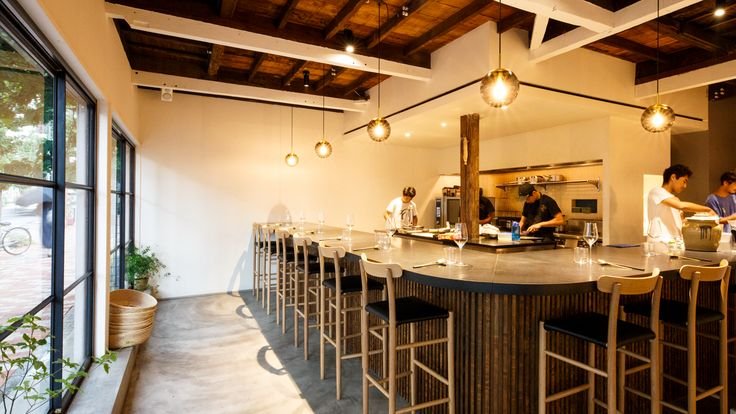
About Kabi
Book Kabi for a serious, fermentation-led Tokyo dinner where the appeal is technique, acidity, and Japanese tradition filtered through an innovative lens. It is a better fit for couples or small special-occasion tables than broad group dining, with a ¥¥¥ price tier and credible recognition including a 2024 Michelin star and 2026 OAD Recommended placement.
For a special-occasion dinner in Tokyo where the point is the cooking rather than a showy room, Kabi is a strong yes if fermentation-led innovative cuisine sounds exciting and the booking window is handled early. Meguro is a calmer choice than the central hotel-dining circuit, and that matters: this is better suited to a focused date, a small celebration, or a serious food-led evening than a big group meal or a loud business dinner.
The clearest reason to book is the kitchen’s point of view. Kabi means mold in Japanese, but the useful decision signal is broader than that: the restaurant works with fermentation as a Japanese tradition, not as a trend label. Shohei Yasuda’s cooking connects Japanese pickling, miso, vinegar-marinated fish, and rice-gruel references with Northern European fermentation logic from his Denmark experience. That makes the meal a better fit for diners who want structure, acidity, and technique than diners looking for luxury ingredients as the main event.
Fermentation is the reason to choose it, not a side detail
The cuisine sits in Tokyo’s innovative dining lane, but the value case is different from a higher-priced, spectacle-heavy meal. Kabi is listed at ¥¥¥ and has external recognition from Michelin and Opinionated About Dining, including a 2024 Michelin star and a 2026 OAD Recommended placement. That combination gives it enough trust signal to justify planning around it, especially if the brief is “creative but grounded” rather than “grand occasion dining.”
Expect the meal to reward attention. The named ideas around the cooking include tsukemono, pickles, vinegar-marinated mackerel with handmade miso, and ojiya drawing from fermented crucian carp sushi. Those references point to a kitchen built around preservation, acidity, and umami rather than easy comfort. For guests who mainly want familiar flavors, this is a weaker pick than a more conventional celebration restaurant. For guests who like Japanese technique pushed through a contemporary lens, it is the reason to come.
The service question: worth it if the table wants focus
The service style is not documented in enough detail to judge pacing or formality, so the safer recommendation is to treat this as a focused dinner booking rather than a flexible drop-in meal. The hard-reservation signal matters. Plan ahead, keep the party small, and avoid using it for guests who need broad menu choice or a relaxed, come-and-go format. If a dining room has to accommodate mixed preferences, allergies, or business conversation first, confirm details before committing.
That does not make it narrow in a bad way. It makes it more useful for the right occasion. A couple that wants a conversation-starting dinner will get more from Kabi than a group looking for a universal crowd-pleaser. The price tier also helps: it is still a serious meal, but it does not sit in the same bracket as MAZ, which is listed at ¥¥¥¥. That makes Kabi the sharper value play for innovative cooking if the table is excited by fermentation and does not need the higher-spend format.
For planning a broader Tokyo food trip, compare this with other creative and high-end options such as AO, Chiune, Hasegawa Minoru, jiü, and l' Equateur. For trip context beyond dinner, use Our full Tokyo restaurants guide, Our full Tokyo hotels guide, Our full Tokyo bars guide, Our full Tokyo wineries guide, and Our full Tokyo experiences guide.
If the trip extends beyond Tokyo, useful contrast points include -Grilled beef Sukiyaki- KAMAKURA TANUKIAN 鎌倉 たぬき庵 in Kamakura.cafe in Osaka.know in Kumamoto, (Shoku) Vietnam in Kawasaki, [Curry Senmon Ten] Maruyama Kyoju. in Sapporo, [ki:] in Kyoto, [àbitat], Innovative in San Fermo della Battaglia, and Å by T.U.N.G, Innovative in Ho Chi Minh City.
Frequently Asked Questions
Does Kabi handle dietary restrictions?
Plan ahead and contact Kabi before you go, because an innovative tasting-style meal can be harder to adapt on the fly. The safest move is to mention restrictions when booking for the Meguro address, 4 Chome-10-8 Meguro, Tokyo. If your group has multiple restrictions, MAZ may be the easier comparison because it is also in the same Tokyo fine-dining lane.
Is Kabi good for a special occasion?
Yes, if the occasion is about the meal itself rather than a big-room celebration. The Michelin 1 Star and the fermentation-led cooking make Kabi a strong choice for a focused dinner in Tokyo, especially at ¥¥¥. For a more expansive, destination-style experience, MAZ is the natural comparator.
Can Kabi accommodate groups?
Keep the group small. Kabi reads as a better fit for 2 to 4 people than for a larger party, because the format and ¥¥¥ pricing point toward a concentrated dining experience in Meguro. If you need room for a bigger group, MAZ is the safer benchmark to check first.
Is Kabi worth the price?
Yes for diners who want fermentation-driven cooking and are comfortable paying ¥¥¥ for a Michelin 1 Star meal. The value case is weaker if you want broad crowd-pleasing dishes or a more casual night out in Tokyo. Compared with MAZ, Kabi is the more focused pick if the goal is a tighter, chef-led dinner.
Is Kabi good for solo dining?
Yes, if you like eating at places where the meal is the main event. A solo booking makes sense at Kabi because the restaurant's innovative style and ¥¥¥ price point reward attention, not a big group dynamic. Solo diners who want a broader social setting may find MAZ easier.
Is lunch or dinner better at Kabi?
Dinner is the safer choice, since Kabi is open Tuesday through Saturday at 7 pm and only adds lunch on Saturday from 12–2 pm. Go for lunch only if you want a shorter, daytime visit in Meguro; otherwise, dinner is the core format. MAZ is the better comparison if you are choosing between more than one Tokyo tasting-menu option.
Location
4 Chome-10-8 Meguro, Meguro City, Tokyo 153-0063, Japan
Tokyo, Japan
Compare Kabi
How Kabi compares in Tokyo
Against MAZ, Kabi is the more price-conscious innovative booking: ¥¥¥ rather than ¥¥¥¥, with a Meguro setting and a cuisine identity built around Japanese fermentation. That makes it easier to justify for a date or special dinner where the food brief is specific rather than broadly luxurious.
MAZ is the better choice when the budget is intentionally higher and the meal needs to feel like a larger-format destination. Kabi is the sharper pick when the table values originality, restraint, and fermentation technique over a higher-spend occasion signal.
If Kabi is not the right fit
Cross-shop MAZ if the group wants innovative dining in Tokyo with a higher price ceiling and a more splurge-oriented feel. Stay with Kabi if the appeal is fermentation, Japanese preservation references, and a ¥¥¥ meal that still carries serious external recognition.
How Kabi compares in Tokyo
Choose Kabi over MAZ if value matters and the table wants innovative cooking without moving into the ¥¥¥¥ bracket. Kabi’s ¥¥¥ positioning makes it the more efficient spend for diners interested in fermentation, Japanese preservation techniques, and a smaller-feeling Meguro dinner.
Choose MAZ instead if the occasion calls for a higher-budget destination format and the group wants a more explicitly splurge-coded meal. Both sit in the innovative category, but MAZ is the bigger commitment on price, while Kabi is the more targeted choice for diners who are specifically excited by fermentation as the central idea.
Hours
- Monday
- Closed
- Tuesday
- 7 pm–12 am
- Wednesday
- 7 pm–12 am
- Thursday
- 7 pm–12 am
- Friday
- 7 pm–12 am
- Saturday
- 12–2 pm, 7 pm–12 am
- Sunday
- Closed
Recognized By


Explore Tokyo
Save or rate Kabi on Pearl
Keep this venue in your Pearl passport, rate it after you visit, and track it alongside every other place you collect.