.png?width=1200&quality=80)
Quatre Vents 3.0
Modern Cuisine · Hostalric
Restaurant in Hostalric, Spain
 Book with Pearl
The Read
Third-Generation Montseny Cooking
Price
$30–50per person
Dress
Smart Casual
Why go
A Michelin Plate-recognised family restaurant in Hostalric with 60 years of history and a third generation now running the kitchen. At the €€ price range, it delivers seasonal modern Catalan cooking with a specific strength in cep mushrooms and llauna rice dishes. Easy to book and well-suited to a midweek lunch or a celebration meal in the Montseny foothills.
About Quatre Vents 3.0
Verdict: A Michelin-Recognised Family Restaurant Worth Booking for a Midweek Lunch
Quatre Vents 3.0 earns its 2025 Michelin Plate in a format that suits a specific kind of visit: a relaxed midweek lunch in the Montseny foothills, working through a seasonal menu that changes with what the land is producing. At the €€ price range, it competes directly with casual regional restaurants across Girona province, and it wins on identity. Sixty years of family history, a third generation now running the kitchen, and a TV-validated reputation for cep mushrooms in the Baix Montseny area give it a credibility that most mid-range restaurants in the area cannot match. Book it for a special lunch rather than a late dinner, and you will get the most from what it offers.
Portrait: Three Generations, One Address
The restaurant was founded in 1964 by the current owners' grandfather, and the name has been kept deliberately intact. The addition of "3.0" is the only concession to generational change, a quiet signal that the third family generation is now in charge without abandoning the legacy that brought diners here in the first place. That continuity matters when you are making a booking decision: this is not a recently opened project still finding its identity. It is a working restaurant with six decades of local roots and a clear sense of what it is doing.
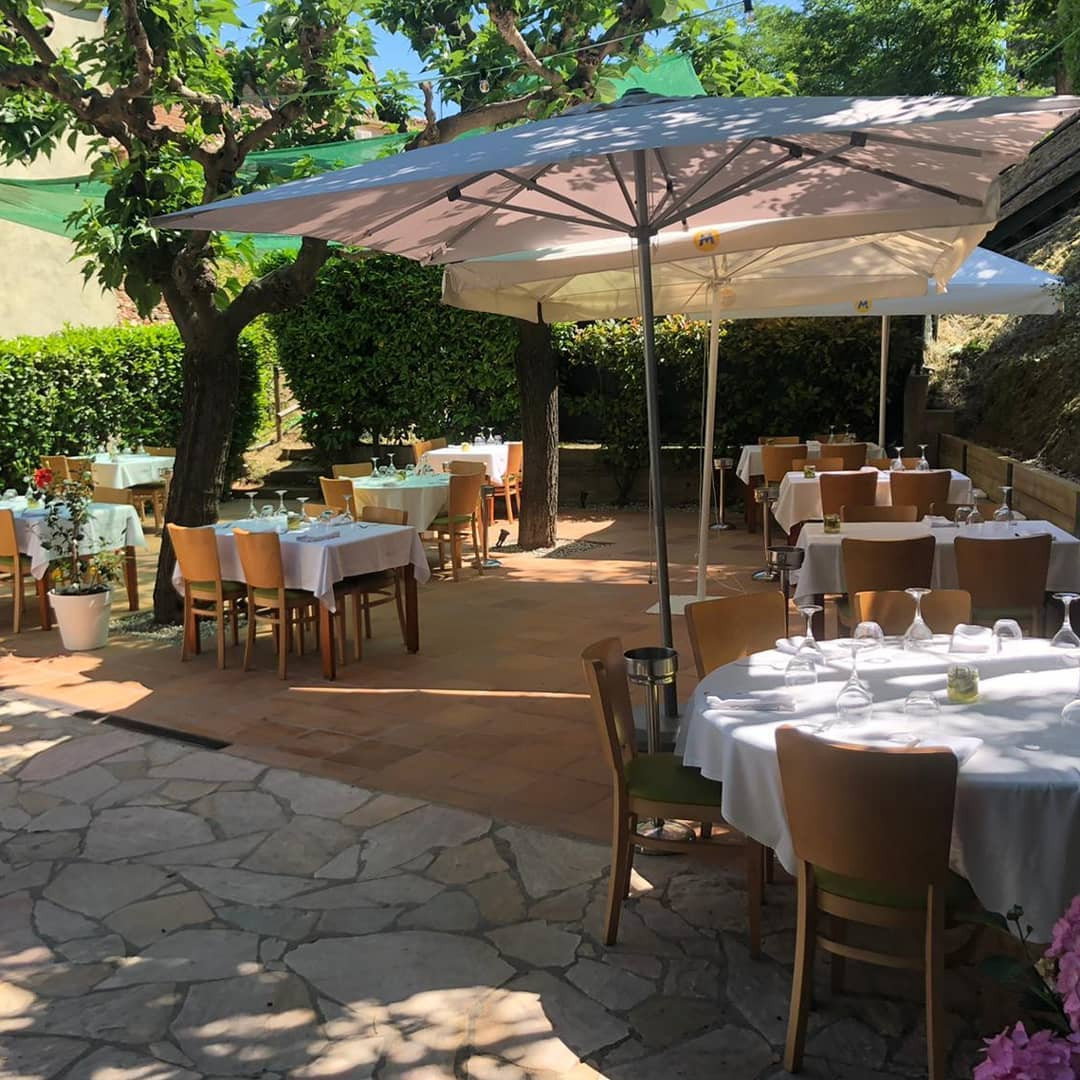
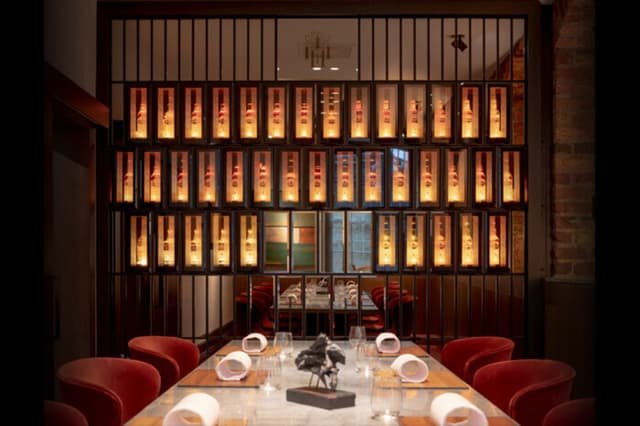
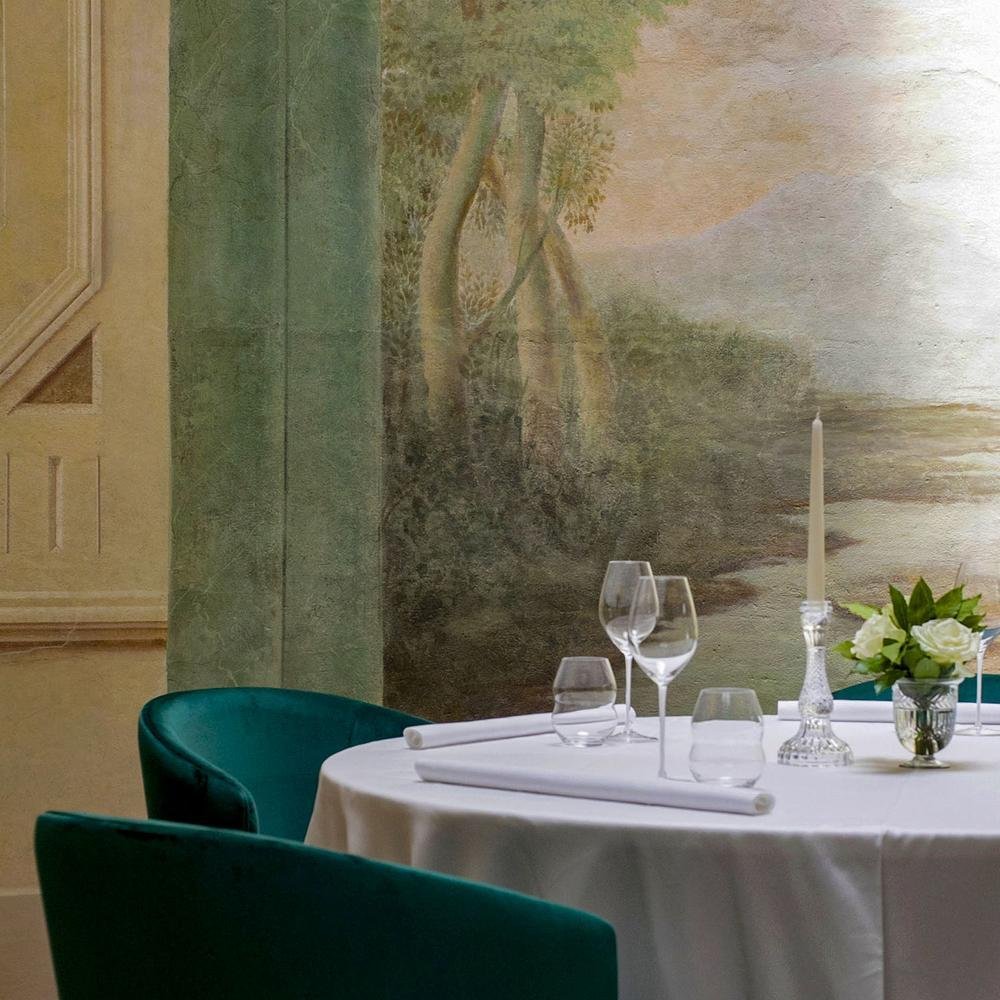
The setting is modern and functional in appearance, with views across to the Montseny mountains. Those expecting a rustic Catalan farmhouse will need to recalibrate: the room is contemporary, not folkloric. What you are booking is the cooking and the seasonal ingredient focus, not an architectural experience. The mountain views add something, particularly at lunch when the light is better, which is one more reason to choose the midday service over the evening.
Menu structure is worth understanding before you arrive. At lunchtimes on weekdays, the Express and Satisfecho set menus are available, and these represent the practical entry point for diners who want a complete, priced meal without working through the full à la carte. The De Tapes menu is available for dinner and works better for groups who want to graze. The Homenaje is the most extensive option and makes sense for a celebration meal or a birthday lunch where you want the full kitchen range on the table. The à la carte runs alongside all of these, and the rice dishes cooked "a la llauna" come specifically recommended: this is an old Catalan technique involving a roasting tin (llauna) that produces a different texture from standard paella-style rice. If you are at the table in autumn, the cep mushroom dishes are the reason Quatre Vents 3.0 won the Joc de Cartes competition on TV3 as the leading restaurant for cep mushrooms in the Baix Montseny area. That is a narrow credential, but it is a meaningful one: it signals real sourcing relationships with the surrounding landscape.
Seasonal ingredient focus means the menu shifts throughout the year, which has a practical implication: what you read about online in summer may not reflect what is on the table in winter. This is a feature, not a flaw, but it does mean the restaurant rewards repeat visits more than a single one-off booking.
On the Question of Takeout and Delivery
Quatre Vents 3.0 is built around in-house dining, and the seasonal, technique-driven cooking is not the format that travels well. The llauna rice dishes depend on timing and heat; the cep mushroom preparations rely on freshness from local sourcing. There is no evidence in the available data that off-premise ordering is a meaningful part of how the restaurant operates, and for this style of cooking at this level of recognition, that is expected. If you are considering Quatre Vents 3.0, plan for a sit-down meal. The experience is anchored to the room, the mountain views, and the service rhythm of a multi-course set menu. Delivery is not the point here, and you would lose the substance of what makes the booking worthwhile.
Booking and Practical Details
Booking difficulty is rated easy, which is one of the more practical advantages over comparable Michelin-recognised restaurants in Catalonia. No phone number or website is listed in the available data, so searching directly for the restaurant by name in Hostalric or checking local booking platforms is the recommended approach. The address is Av. Coronel Estrada, 122, 17450 Hostalric, Girona. The midweek lunch window is the most logistically useful session: it gives you access to the Express and Satisfecho menus, the better natural light for the mountain views, and the quieter room that works for a business lunch or a low-key celebration. For a group dinner, the De Tapes menu in the evening is the more appropriate format. Dress code data is not available, but at the €€ price point with a Michelin Plate and a modern-functional room, smart casual is the reliable default.
How It Compares
See the comparison section below for context against the wider Catalan and Spanish creative dining field.
For Context: The Wider Spain Modern Cuisine Field
If you are building a dining itinerary around Catalonia and want regional context, El Celler de Can Roca in Girona is the obvious reference point at the top of the province: three Michelin stars, one of the most technically ambitious kitchens in Spain, and a booking process that requires months of planning. Quatre Vents 3.0 is the answer to a different question: where do you eat well, at accessible prices, without the advance planning overhead. In Barcelona, Cocina Hermanos Torres is the mid-to-high tier reference for modern Catalan cooking in an urban setting. Further afield, Quique Dacosta in Dénia, Arzak in San Sebastián, Azurmendi in Larrabetzu, Martin Berasategui in Lasarte-Oria, Aponiente in El Puerto de Santa María, DiverXO in Madrid, Mugaritz in Errenteria, Ricard Camarena in València, and Atrio in Cáceres all operate in the €€€€ bracket with multi-star credentials. For international comparisons at the modern cuisine level, Frantzén in Stockholm and Maison Lameloise in Chagny provide useful benchmarks for what the format looks like at higher price tiers. Quatre Vents 3.0 is operating in a different register from all of these: lower price, local focus, seasonal rather than avant-garde. That positioning is a strength if you are looking for an honest, ingredient-led lunch in the Girona hinterland without the ceremony or the cost of a starred destination.
Explore More in Hostalric
- Our full Hostalric restaurants guide
- Our full Hostalric hotels guide
- Our full Hostalric bars guide
- Our full Hostalric wineries guide
- Our full Hostalric experiences guide
FAQ
What are alternatives to Quatre Vents 3.0 in Hostalric?
- Hostalric is a small town with a limited restaurant offer, so your realistic comparison set extends to the broader Girona province. For modern Catalan cooking with higher ambition and price, El Celler de Can Roca is the obvious step up, though it requires months of advance booking and a significantly larger budget. For something closer in price and formality, searching Girona city's mid-range restaurant offer will give you more direct competitors.
Can Quatre Vents 3.0 accommodate groups?
- The multi-menu structure makes it practical for groups. The De Tapes menu for dinner is the most group-friendly format, allowing shared dishes without locking everyone into an identical set progression. The Homenaje menu works for a celebratory group that wants a full kitchen showcase. Seat count data is not available, so for larger parties it is worth contacting the restaurant directly to confirm capacity and whether a private arrangement is possible. Booking difficulty is rated easy, which suggests the restaurant is not operating at the kind of demand pressure that makes group reservations complicated.
Does Quatre Vents 3.0 handle dietary restrictions?
- No specific dietary restriction information is available in the published data. The seasonal and market-driven menu structure means the kitchen is working with fresh, ingredient-led cooking rather than a fixed industrial format, which is generally a positive sign for flexibility. Contact the restaurant directly before booking if you have specific requirements: the modern cuisine format and mid-range positioning suggest a kitchen that is equipped to adapt, but confirmation in advance is the practical step for any serious restriction.
What should I wear to Quatre Vents 3.0?
- No dress code is specified. At the €€ price range with a Michelin Plate recognition and a modern-functional room, smart casual is the safe and appropriate choice. This is not a white-tablecloth destination in the formal sense, but it carries enough recognition to make very casual dress (beachwear, sportswear) feel out of place. For a midweek lunch or a celebration meal, treat it the way you would a well-regarded neighbourhood restaurant with some standing.
Is the tasting menu worth it at Quatre Vents 3.0?
- At the €€ price point, the Homenaje menu is the most extensive option and represents strong value if you want to cover the full range of what the kitchen is doing seasonally. For a special occasion or a birthday meal, it is the right choice. If you are on a shorter visit or a tighter budget, the midweek Express or Satisfecho menus give you a complete experience without the full commitment.
Planning details
- Location
- Av. Coronel Estrada, 122, 17450 Hostalric, Girona, Spain
- Reservations
- Book on CoverManager
- Website
- restaurantquatrevents.com
- Phone
- +34 972 86 56 90
The take
The Take
The Vibe
Quatre Vents 3.0 reads as a contemporary, terroir-driven restaurant anchored by an unmistakable mountain backdrop. Clean lines and contemporary proportions lend a modern aesthetic, while the three-generation family history keeps the cooking rooted in local practice. The dining room’s views to the Montseny massif are central to the story here: foraging, wild herbs and seasonal game inform the menu, and the atmosphere balances serious, considered cuisine with an uncomplicated neighbourhood warmth. The Michelin Plate recognition underscores the quality without pushing it into ostentation — it feels like elevated Catalan cooking that foregrounds place and season.
Best For
This is a restaurant for diners who want modern Catalan cooking that still feels grounded and approachable. Its mid-range pricing and family-run lineage make it suitable for both everyday special meals and more deliberate evenings out; you can come for a noteworthy dinner without treating it as a rare destination splurge. The panoramic mountain views add an experiential draw for date nights or relaxed weekend lunches, while the seasonal, foraging-led menu appeals to guests who appreciate ingredient-led cooking rather than theatrical tasting-menu formality.
Ordering Tips
Focus on seasonality and the local pantry: the kitchen lets the Montseny define the menu, so ask about any foraged mushrooms, wild herbs or game that appear that day. Signature plates to try include the codfish balls with sweet potato, prawn skewers and the a la llauna rice, which reflect the restaurant’s balance of coastal and interior Catalan influences. The Michelin Plate nod signals consistently thoughtful execution, and the mid-range price point means you can sample a few shareable dishes without committing to an extravagant bill.
Venue details
Ambiance
Warm, inviting, and modern atmosphere with cozy seating and panoramic mountain views.
Tags
Vibe
Best For
Experience
Sourcing
View
Accessibility
At the Table
- Dress Code
- Smart Casual
- Noise Level
- Conversational
- Service Style
- Upscale Casual
- Meal Pacing
- Leisurely
- Capacity
- Small
- Kitchen
- Modern
- Menu Format
- A la carte, Set menu, Small plates
- Wine Program
- Curated
- Dietary
- Vegetarian friendly, Vegan options
- Outdoor Seating
- Yes
Signature Dishes
- codfish_balls_with_sweet_potato
- prawn_skewers
- a_la_llauna_rice
Know before you go
Know Before You Go
- Getting there
- Av. Coronel Estrada, 122, 17450 Hostalric, Girona, Spain
Planning details
Location
Av. Coronel Estrada, 122, 17450 Hostalric, Girona, Spain · Directions
Recognition and awards
Also consider
Also Consider
- Quique Dacosta, Creative, €€€€
- El Celler de Can Roca, Progressive Spanish, Creative, €€€€
- Arzak, Modern Basque, Creative, €€€€
- Azurmendi, Progressive, Creative, €€€€
- Aponiente, Progressive - Seafood, Creative, €€€€
Restaurant context
Quatre Vents 3.0 sits in a different tier from the most cited names in Spanish creative dining. El Celler de Can Roca, Quique Dacosta, Arzak, Azurmendi, and Aponiente all operate at €€€€, require advance planning measured in weeks or months, and deliver technically ambitious tasting menus designed around avant-garde concepts. If that is what you are planning, Quatre Vents 3.0 is not the comparison: it is a different answer to a different question. The correct frame is value-for-money regional dining in the Girona hinterland, not competition with the Spanish three-star circuit.
For a diner stopping in the Hostalric or Baix Montseny area who wants something more considered than a standard roadside restaurant, it is the obvious choice. For a diner building a dedicated food trip around Catalonia, it works best as a midweek lunch stop between visits to Girona and Barcelona, rather than as the headline destination of the trip.
If your budget allows €€€€ and you are already planning time in Girona, El Celler de Can Roca is the reference point for the province and worth the booking effort. If you want modern Catalan cooking in an urban setting at a middle tier, Cocina Hermanos Torres in Barcelona covers that ground. Quatre Vents 3.0 is the right booking when your priority is a well-executed seasonal lunch at accessible prices, with genuine local identity, in a part of Girona that does not otherwise have many options at this standard.
Explore Hostalric
Around this place
Discover more on Pearl
Unlock the full Quatre Vents 3.0 guide in Pearl, including awards, comparisons, FAQs, planning details, and nearby places.
Compare Quatre Vents 3.0
| Venue | Price | Awards |
|---|---|---|
| Quatre Vents 3.0 | €€ | 2026 Michelin Plate2025 Michelin Plate2024 Michelin Plate |
| Quique Dacosta | €€€€ | 2026 OAD Top Restaurants in Europe Ranked · #12Guía Repsol Soles 20262026 Michelin 3 Stars2026 La Liste Top Restaurants2026 Falstaff Restaurant Guide2025 OAD Top Restaurants in Europe Ranked · #262025 World's 50 Best Restaurants · #652025 La Liste Top Restaurants2025 The Best Chef Three Knives |
| El Celler de Can Roca | €€€€ | 2026 OAD Top Restaurants in Europe Ranked · #292026 Falstaff Restaurant GuideGuía Repsol Soles 20262026 Michelin 3 Stars2026 La Liste Top Restaurants2025 OAD Top Restaurants in Europe Ranked · #572025 La Liste Top RestaurantsChef's Table Featured Restaurants · 20252025 The Best Chef Three Knives |
| Arzak | €€€€ | 2026 OAD Top Restaurants in Europe Ranked · #102Star Wine Lists 2026Guía Repsol Soles 20262026 La Liste Top Restaurants2026 Michelin 3 Stars2025 OAD Top Restaurants in Europe Ranked · #1252025 The Best Chef Two Knives2025 Michelin 3 Stars2025 La Liste Top Restaurants |
| Azurmendi | €€€€ | 2026 OAD Top Restaurants in Europe Ranked · #25Star Wine Lists 2026Guía Repsol Soles 20262026 La Liste Top Restaurants2026 Michelin 3 Stars2026 Falstaff Restaurant Guide2025 OAD Top Restaurants in Europe Ranked · #19We're Smart World Top Restaurants 20252025 La Liste Top Restaurants |
| Aponiente | €€€€ | 2026 OAD Top Restaurants in Europe Ranked · #62Guía Repsol Soles 20262026 Michelin 3 Stars2026 La Liste Top Restaurants2025 OAD Top Restaurants in Europe Ranked · #632025 World's 50 Best Restaurants · #84Chef's Table Featured Restaurants · 20252025 Michelin 3 Stars2025 The Best Chef Three Knives |












Comparing your options in Hostalric for this tier.
FAQ
Frequently Asked Questions
What are alternatives to Quatre Vents 3.0 in Hostalric?
Quatre Vents 3.0 is the standout Michelin-recognised option in Hostalric itself, so direct local alternatives at the same level are limited. For a comparable family-run, seasonal approach in the broader Girona province, your best move is to look toward the wider Baix Montseny area or make the short drive toward Girona city for more options. At €€ with easy booking, Quatre Vents 3.0 is the practical first choice in this specific area.
Does Quatre Vents 3.0 handle dietary restrictions?
No dietary policy is documented in available venue data. The kitchen works with seasonal, rotating ingredients across multiple menu formats, which generally signals some flexibility, but do not assume. If dietary needs are a factor, raise them when booking — the à la carte option gives more room to work around restrictions than a fixed tasting menu.
What should I wear to Quatre Vents 3.0?
The venue is described as modern and functional in appearance, which points toward a relaxed rather than formal setting. A 2025 Michelin Plate at a €€ price point in a family-run Catalan restaurant suggests that neat, casual clothing is appropriate — this is not a white-tablecloth occasion. No dress code is formally documented, so err on the side of tidy rather than dressed up.
Is the tasting menu worth it at Quatre Vents 3.0?
At €€ pricing, the Homenaje menu is the format to consider if you want the full picture of what the third-generation kitchen is doing with seasonal Montseny produce. The De Tapes menu is available for dinner and works well as a lower-commitment entry point. The llauna rice dishes on the à la carte are specifically recommended in Michelin's own notes, so if tasting menus are not your format, that is the order to anchor your meal around.