

De Kromme Dissel
€€€€ · Modern French · Heelsum
Restaurant in Heelsum, Netherlands
 Book with Pearl
The Read
Saxon Farmhouse Classicism
Price
$200–300per person
Chef
Tonny Berentsen
Dress
Formal
Why go
De Kromme Dissel has held a Michelin star since 1971, the longest continuous run in the Netherlands, and the 17th-century Saxon farmhouse setting in Heelsum earns its reputation on every visit. Chef Tonny Berentsen works Modern French cooking with Asian-influenced sourcing logic, producing dishes where the ingredient choices do real structural work. Book three months out for weekends; Thursday or Friday lunch is more accessible.
About De Kromme Dissel
Book It, But Plan Three Months Out
De Kromme Dissel is one of the most consequential dinner reservations in the Netherlands, and getting a table requires genuine advance planning. The restaurant holds a Michelin star continuously since 1971, making it the longest-running starred restaurant in Dutch history. That credential travels, and the dining room fills accordingly. If you have been once and are thinking about returning, the short answer is yes, go back. The kitchen has evolved without losing its grounding, and the room remains one of the most considered settings in the country for a serious meal.
The Setting Does Real Work Here
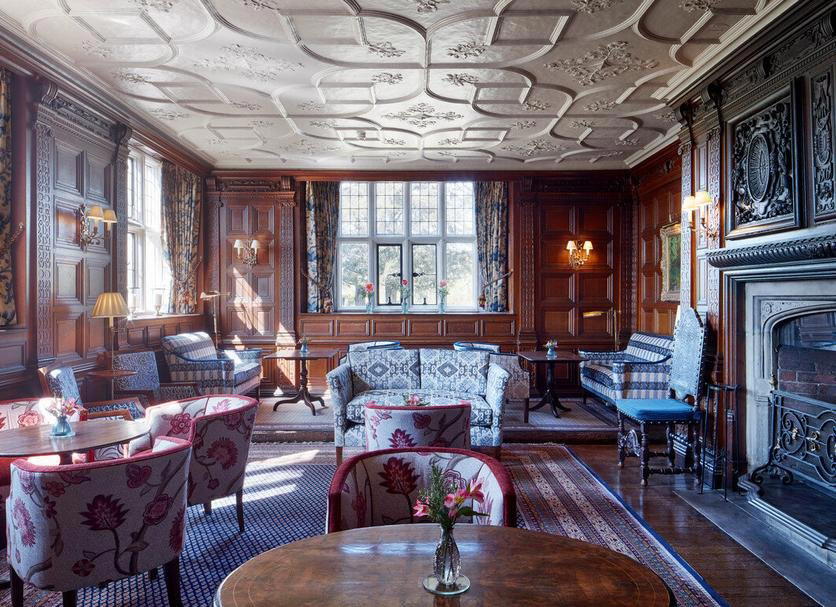
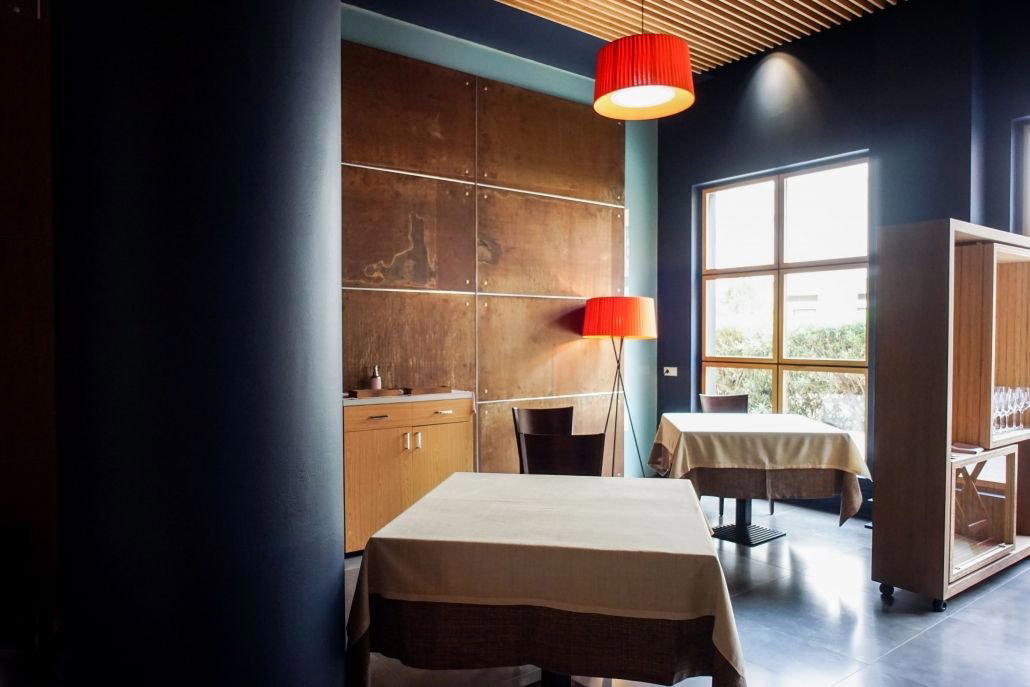
The physical space at De Kromme Dissel earns its own discussion. The restaurant occupies a 17th-century Saxon farmhouse at Klein Zwitserlandlaan 5 in Heelsum, a small village in the Veluwe region. The interior keeps the bones of the building intact: low ceilings, exposed timber, stone floors, and a fireplace that runs through the colder months. The scale is intimate rather than grand. This is not a room designed to impress through volume or spectacle. It works through proportion and warmth, and the two together create a setting that makes a long tasting menu feel like the right pace rather than an endurance exercise. For returning guests, the familiarity of the room is part of the value. It does not change aggressively, and that consistency is deliberate.
What Chef Tonny Berentsen Is Actually Doing
Chef Tonny Berentsen works in a Modern French register but the sourcing logic and the flavour decisions are not conventionally French. The Michelin guide notes that he draws on travel through Asia to sharpen and complicate classic preparations. The result is a kitchen that uses European ingredients with a different set of questions about depth and contrast. A venison saddle, for example, gets its jus worked with five spices, not to make the dish Asian but to pull out nuance that a straight reduction does not reach. Quail breast roulade filled with foie gras comes alongside crispy pan-fried quail legs and a truffle-infused sauce, with salsify adding textural range. These are dishes where the sourcing and the technique reinforce each other. The foie gras filling earns its richness because the rest of the plate has the structure to carry it. The quail legs add a textural counter-argument to the roulade. Berentsen is not decorating classical French cooking; he is pressure-testing it with different ingredient logic, and that discipline is what makes the tasting menu feel worth the price at the €€€€ tier.
Maître d' Ronnie Brouwer runs the floor with the kind of attentiveness that distinguishes a starred room from a merely expensive one. Wine recommendations here are specific rather than formulaic, and for returning guests who already know the format, that service layer is where the experience deepens most noticeably. If you skipped the wine pairing on your first visit, this is the time to take it.
Service Hours and How to Approach Booking
The kitchen runs Tuesday through Saturday evenings from 6 PM to 10 PM. Thursday and Friday also offer a lunch sitting from 12 PM to 2 PM. Sunday and Monday are closed. The lunch service on Thursday and Friday is the better entry point for first returns if you want a slightly less formal atmosphere without sacrificing the full kitchen output. Dinner across all five nights is the main event, but the midweek lunch sits carry the same menu standards at a pace that suits a long working afternoon in the Veluwe. A table here on a Saturday evening requires booking several months out, particularly for parties of more than two. Thursday or Friday lunch is more available but still not walkable. Plan accordingly and book directly via the restaurant's reservations channel as early as possible.
Who This Is For
De Kromme Dissel rewards diners who are returning to a known quantity rather than sampling something new. The room, the format, and the kitchen's vocabulary are consistent enough that a second or third visit operates differently from the first. You are no longer orienting yourself to the space or the pace; you are engaging with what Berentsen has changed or refined since you were last in. That is a different and in some ways more interesting dining experience. For the right guest, this is the kind of restaurant that goes on a short rotation list for the Veluwe, not a once-only event. A room that earns that score over time is not trading on novelty.
For broader context on where De Kromme Dissel sits within Dutch fine dining, see our full Heelsum restaurants guide. If you are building a full visit around a stay in the area, our Heelsum hotels guide covers nearby accommodation options including Hotel Klein Zwitserland, which sits adjacent to the restaurant. You can also explore Heelsum bars, local wineries, and experiences in the area to round out a longer trip.
How It Compares
Within the Dutch starred tier at the €€€€ price point, the comparisons that matter most depend on what you are prioritising. De Librije in Zwolle operates at a different ambition level: three Michelin stars versus one, and the booking difficulty is proportionally higher. If you want a three-star experience in the Netherlands, De Librije is the answer, but the investment in time and money is significantly greater. For a single-star room with similar French-influenced cooking and comparable commitment to ingredient quality, Au Coin des Bons Enfants in Maastricht and Tout à Fait in Maastricht offer urban alternatives if you are travelling to the south rather than the Veluwe.
For vegetable-forward cooking at the €€€€ tier, De Nieuwe Winkel in Nijmegen is the more focused choice. It prioritises organic sourcing as the organising principle of the entire menu in a way De Kromme Dissel does not. If sourcing provenance on the plate is your primary interest, De Nieuwe Winkel is the stronger argument. De Kromme Dissel is the better choice when you want the full classical French framework with sourcing used to deepen flavour rather than make a philosophical point.
Among other starred rooms in the broader region, Aan de Poel in Amstelveen, Ciel Bleu in Amsterdam, and De Bokkedoorns in Overveen are all worth knowing. None of them, however, can match the specific combination De Kromme Dissel offers: a 1971 Michelin pedigree, a farmhouse setting that genuinely enhances the meal, and a chef who is using that heritage as a platform rather than a constraint. For returning guests who already know the room and want to decide whether another visit is warranted, the answer is direct: yes, if you are in the Veluwe or willing to travel to it.
Nearby Alternatives Worth Knowing
- 't Nonnetje in Harderwijk, Creative, €€€€
- De Lindehof in Nuenen, Contemporary Dutch, Creative, €€€€
- Brut172 in Reijmerstok
- De Groene Lantaarn in Staphorst
- De Treeswijkhoeve in Waalre
- De Lindenhof in Giethoorn
Planning details
- Hours
- Monday: closed · Tuesday: 6 PM-10 PM
- Location
- Klein Zwitserlandlaan 5, 6866 DS Heelsum, Netherlands
- Reservations
- Book on TheFork
- Website
- krommedissel.nl
- Phone
- +31 317 313 118
The take
The Take
The Vibe
De Kromme Dissel occupies a 17th-century Saxon farmhouse whose timber framing and low ceilings give the dining room a palpable sense of history. The interior reads as deliberately rustic yet maintained with care, and arriving in the evening the fireplace visibly warms the room, softening any austerity. That physical weight (aged wood, intimate proportions and a restrained palette) pairs with a long, Michelin-starred pedigree to produce an atmosphere that feels both rooted and refined. The result is a quietly assured country house dining room where craft and continuity outweigh flash, and the setting is as notable as the food.
Best For
This is quintessential dinner territory: De Kromme Dissel’s long-held Michelin star and evening-focused service make it ideal for milestone meals, business dinners and date nights. The small-village Veluwezoom setting reinforces the sense of a destination outing rather than a casual stop; guests arrive for an experience that rewards time and attention. The comfortable, historically weighted room and the fireplace’s presence favor intimate tables and conversations, so it’s best suited to guests seeking a deliberate, composed evening rather than a boisterous group gathering or quick meal.
Ordering Tips
The kitchen operates in a modern French idiom with a clear interest in land and provenance, so let signature preparations guide you. Standouts listed include a venison saddle with five-spice jus and a quail breast roulade with foie gras and truffle sauce; these dishes showcase the restaurant’s focus on game, richness and classical technique. Plan on dinner service, arriving in the evening also lets you enjoy the fireplace, and choose dishes that emphasize the region’s produce and the chef’s careful execution rather than purely novelty plates.
Venue details
Ambiance
Charming rustic interior with crackling fireplace exuding timeless warmth; recently renovated lighting creates a pleasantly quiet, intimate atmosphere conducive to conversation.
Tags
Vibe
Best For
Experience
Sourcing
Accessibility
At the Table
- Dress Code
- Formal
- Noise Level
- Quiet
- Service Style
- Formal
- Meal Pacing
- Extended Experience
- Capacity
- Small
- Kitchen
- Modern
- Menu Format
- Tasting menu, Prix fixe
- Wine Program
- Deep wine list
- Drinks Focus
- Wine pairing, Curated wine selection
- Dietary
- Vegetarian friendly, Vegan options, Gluten-free options, Allergy accommodating
- Private Dining
- Available
- Outdoor Seating
- Yes
Signature Dishes
- Venison saddle with five-spice jus
- Quail breast roulade with foie gras and truffle sauce
Know before you go
Know Before You Go
- Getting there
- Klein Zwitserlandlaan 5, 6866 DS Heelsum, Netherlands
Planning details
Hours
- Monday
- closed
- Tuesday
- 6 PM-10 PM
- Wednesday
- 6 PM-10 PM
- Thursday
- 12 PM-2 PM 6 PM-10 PM
- Friday
- 12 PM-2 PM 6 PM-10 PM
- Saturday
- 6 PM-10 PM
- Sunday
- closed
Location
Klein Zwitserlandlaan 5, 6866 DS Heelsum, Netherlands · Directions
Recognition and awards

Also consider
Also Consider
- De Librije: €€€€ · Modern Cuisine, €€€€
- 't Nonnetje: €€€€ · Creative, €€€€
- De Lindehof: Contemporary Dutch, Creative, €€€€
- De Nieuwe Winkel: €€€€ · Organic, €€€€
- Fred: €€€€ · Creative French, €€€€
Restaurant context
Within the Dutch single-star tier, De Kromme Dissel is the strongest choice when setting and historical pedigree are part of what you are paying for. No comparable room in this price category offers a 17th-century farmhouse in the Veluwe alongside a Michelin credential that dates to 1971. Fred and De Lindehof offer Creative French and Contemporary Dutch respectively at the same €€€€ price point, and both are serious kitchens, but neither carries the same combination of room and institutional track record. If the physical setting and the longevity of the star matter to you, De Kromme Dissel wins that comparison without much contest.
For a different sourcing philosophy at the same price tier, De Nieuwe Winkel in Nijmegen makes organic provenance the explicit organising principle of the entire menu. If you want sourcing front and centre as a dining proposition rather than as kitchen discipline, De Nieuwe Winkel is the more coherent choice. De Kromme Dissel uses sourcing to deepen flavour within a French framework; De Nieuwe Winkel uses it to make an argument about how a kitchen should operate. Both are worth booking, but they are answering different questions.
At the top of the Dutch market, De Librije and 't Nonnetje operate at a different ambition and booking difficulty level. If you are deciding between De Kromme Dissel and a three-star commitment, the honest answer is that they serve different occasions. De Kromme Dissel is the more accessible booking, the more intimate room, and the more manageable investment for a return visit. For diners who already know the Veluwe region and want a reliably strong single-star dinner without the logistical weight of a major destination booking, De Kromme Dissel is the practical and satisfying choice.
Explore Heelsum
Around this place
Discover more on Pearl
Unlock the full De Kromme Dissel guide in Pearl, including awards, comparisons, FAQs, planning details, and nearby places.
Compare De Kromme Dissel
| Venue | Price | Booking Difficulty | Awards |
|---|---|---|---|
| De Kromme Dissel | €€€€ | Hard | Star Wine Lists 2026Michelin Guide Netherlands 20262025 Michelin 1 Star2024 Michelin 1 Star |
| De Librije | €€€€ | Unknown | Star Wine Lists 2026 · #12026 OAD Top Restaurants in Europe Ranked · #162026 La Liste Top Restaurants2026 Les Grandes Tables du Monde Members2026 Falstaff Restaurant GuideMichelin Guide Netherlands 20262025 OAD Top Restaurants in Europe Ranked · #202025 Michelin 3 StarsWe're Smart World Top Restaurants 2025 |
| 't Nonnetje | €€€€ | Unknown | Star Wine Lists 20262026 La Liste Top Restaurants2026 Falstaff Restaurant GuideMichelin Guide Netherlands 20262025 OAD Classical in Europe Ranked · #294We're Smart World Top Restaurants 20252025 Michelin 2 Stars2025 La Liste Top Restaurants2024 OAD Classical in Europe Ranked · #341 |
| De Lindehof | €€€€ | Unknown | 2025 OAD Classical in Europe Ranked · #3392025 La Liste Top Restaurants2024 OAD Classical in Europe Ranked · #3312024 Michelin 2 Stars2023 OAD Classical in Europe Recommended |
| De Nieuwe Winkel | €€€€ | Unknown | Star Wine Lists 2026 · #12026 OAD Top Restaurants in Europe Recommended2026 La Liste Top Restaurants2026 Falstaff Restaurant GuideMichelin Guide Netherlands 20262025 OAD Top Restaurants in Europe Ranked · #426We're Smart World Top Restaurants 20252025 La Liste Top Restaurants2025 The Best Chef One Knife |
| Fred | €€€€ | Unknown | 2026 Les Grandes Tables du Monde Members2026 La Liste Top Restaurants2026 Falstaff Restaurant GuideMichelin Guide Netherlands 20262025 La Liste Top Restaurants2025 Michelin 2 Stars2024 OAD Classical in Europe Ranked · #2632024 Michelin 2 Stars2023 OAD Classical in Europe Recommended |









A quick look at how De Kromme Dissel measures up.
FAQ
Frequently Asked Questions
What should I order at De Kromme Dissel?
The Michelin guide highlights two specific dishes worth knowing about: a venison saddle with five-spice-accented jus, and a quail breast roulade filled with foie gras, served with crispy quail legs, salsify textures, and a truffle-infused quail sauce. Both reflect Chef Berentsen's approach of using Asian-sourced ideas to add nuance to classic French-register cooking. At €€€€ pricing, ordering the full tasting format is the sensible way to experience what the kitchen is doing.
Can De Kromme Dissel accommodate groups?
The restaurant sits inside a 17th-century Saxon farmhouse, which limits capacity by design. Groups are possible but should book well in advance given the difficulty of securing any table here. For larger parties of six or more, call ahead to confirm seating arrangements rather than assuming availability from an online booking system.
Is lunch or dinner better at De Kromme Dissel?
Lunch runs Thursday and Friday only, from 12 PM to 2 PM. Dinner runs Tuesday through Saturday, 6 PM to 10 PM. If your schedule allows Thursday or Friday lunch, that sitting is worth considering: the farmhouse setting and fireplace atmosphere work well in daylight, and lunch sittings at starred restaurants often carry slightly less booking pressure than prime dinner slots.
Is the tasting menu worth it at De Kromme Dissel?
Yes, if Modern French is a format you actively want. De Kromme Dissel has held a Michelin Star continuously since 1971, the longest run in the Netherlands, and the kitchen under Tonny Berentsen uses that heritage as a base rather than a constraint. At €€€€ pricing, you are paying for accumulated kitchen craft and a setting that matches it. If you prefer a la carte flexibility, a different venue will suit you better.
What are alternatives to De Kromme Dissel in Heelsum?
Heelsum itself has no direct alternative at this level. The nearest meaningful comparisons are in the broader Dutch starred tier: De Librije in Zwolle operates at a more experimental register, while 't Nonnetje in Harderwijk and De Lindehof in Swalmen offer comparable €€€€ commitments with different culinary personalities. Fred in Amsterdam and De Nieuwe Winkel in Nijmegen are worth considering if you want something closer to urban dining.
Is De Kromme Dissel good for a special occasion?
It is one of the stronger cases in the Netherlands for a milestone dinner. The combination of a 17th-century Saxon farmhouse, a fireplace, attentive service under Maître d' Ronnie Brouwer, and a kitchen with an unbroken Michelin Star since 1971 creates a setting where the occasion and the meal reinforce each other. Book at least three months out for weekend dinners.