.png?width=1200&quality=80)
Ốc Di Tú
Seafood · Ba Dinh, Hanoi
Restaurant in Hanoi, Vietnam
 Book with Pearl
The Read
Northern Shellfish Ritual
Dress
Casual
Why go
Ốc Di Tú holds back-to-back Michelin Plates (2024 and 2025), making it one of Hanoi's most credentialled seafood venues at the ₫₫ price tier. The format is casual and walk-in friendly — shellfish, snails, and honest Vietnamese cooking in Ba Đình. Book it as your affordable local anchor on a Hanoi dining itinerary.
About Ốc Di Tú
Verdict
Ốc Di Tú earns two consecutive Michelin Plates (2024 and 2025) for doing one thing with real consistency: serving Hanoi's seafood street-food tradition at a price point that makes the recognition feel almost surprising. Book here if you want Michelin-recognised quality without the ₫₫₫₫ bill that comes with venues like Gia or Hibana by Koki. Skip it if you need a polished, full-service dining room — this is a casual seafood operation, and the experience reflects that.
Portrait
On Quán Thánh street in Ba Đình, the morning rhythm around Ốc Di Tú is set by the produce coming in rather than by a reservation sheet. This is a neighbourhood that operates on its own schedule, and the restaurant fits into it without ceremony. The address — 144C P. Quán Thánh, sits in one of Hanoi's older residential districts, away from the tourist density of the Old Quarter. For a food-focused visitor willing to travel a short distance from central Hanoi, that separation is part of the point: the clientele here skews local, and the format is shaped accordingly.
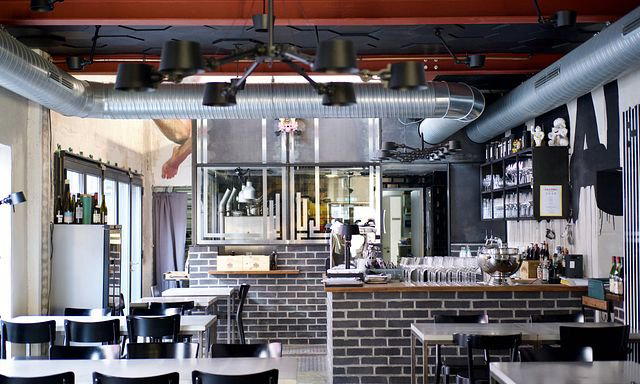
The physical space is consistent with the ốc (snail and shellfish) genre in Vietnam: counter-style seating, shared tables, and a layout that prioritises throughput over comfort. Do not arrive expecting a formal dining room. The spatial experience is communal and close, the kind of room where you are aware of what the table next to you ordered, which, in a venue like this, functions as useful menu research. If you are coming from a hotel in the city centre and comparing the journey against something like Tanh Tách, factor in that the Ba Đình location means a short taxi or motorbike ride, but not a difficult one.
The cuisine is rooted in the ốc tradition, snails, clams, crabs, and other shellfish prepared with the layered seasoning that defines southern-influenced seafood cooking as it has spread through Hanoi. This is not a fusion interpretation or a modernised take; the Michelin recognition here is for execution within a well-established format, not for reinvention. That matters for setting expectations: if you want Vietnamese contemporary with technique-forward plating, Gia is the better call. If you want shellfish done with care and consistency in an unaffected setting, Ốc Di Tú is worth the trip.
Morning and early afternoon window is when this kind of venue is at its finest. Ốc di Tú fits naturally into a late-morning or lunch format, the Vietnamese habit of eating shellfish through the day, rather than reserving it for evening, means the kitchen is in full operation earlier than a Western dining rhythm might assume. If your travel schedule allows flexibility, arriving before the midday peak gives you a calmer room and, typically, fresher produce. The editorial angle of brunch or daytime dining applies here not as a Western brunch concept but as a practical advantage: the earlier you visit, the better the experience tends to be, based on how this style of restaurant operates in Hanoi generally.
For context on where Ốc Di Tú sits within the wider Vietnamese seafood picture: the ốc format is well-represented across the country, with the southern style (popularised in Ho Chi Minh City) being the dominant reference point. Venues like Ốc Vi Saigon in Hanoi offer another point of comparison within the same genre. Outside Hanoi, the seafood tradition shifts significantly, CieL in Ho Chi Minh City operates in an entirely different register, and coastal venues like Alici Restaurant on the Amalfi Coast or Gambero Rosso in Marina di Gioiosa Ionica represent how differently the seafood category plays out globally. Within Vietnam, La Maison 1888 in Da Nang and Saffron in Hue City are worth adding to a longer itinerary if you are moving through the country.
The back-to-back Michelin Plates are the clearest available signal that the kitchen is doing something right. Michelin Plate recognition in Vietnam, a relatively recent addition to the Michelin map, reflects consistency and technique rather than luxury. It is a useful credential for a venue at this price level because it tells you the quality is not accidental. Two years running suggests it is also not a fluke. For anyone building a Hanoi dining itinerary that includes both a high-end anchor (a ₫₫₫₫ spot like Tầm Vị or Hibana by Koki) and a lower-cost local meal worth making an effort for, Ốc Di Tú fills the second slot well.
Pearl's broader Hanoi guides, covering restaurants, hotels, bars, wineries, and experiences, are worth checking before you finalise your itinerary. If you are also travelling to Hoi An, Cargo Club Cafe & Restaurant is a practical stop with a very different format and clientele. Further south, Bau Troi Do in Son Tra and Mi Quang Ba Vi in Thanh Khe round out a regionally diverse picture of Vietnamese dining.
Quick reference: Quán Thánh, Ba Đình, Hanoi | Seafood / ốc format | Walk-in likely; booking difficulty rated Easy.
Ratings & Recognition
- Michelin Plate, 2025
- Michelin Plate, 2024
Booking & Access
Booking difficulty is rated Easy. No website or phone number is listed in available data, which suggests walk-in is the primary access method, consistent with how most Hanoi ốc venues operate. Arriving early in the day reduces wait times and gives you the freshest produce. The Ba Đình address is a short ride from the Old Quarter by taxi or motorbike; plan for 10 to 15 minutes from central Hanoi depending on traffic.
Planning details
- Location
- 144C P. Quán Thánh, Quán Thánh, Ba Đình, Hà Nội, Vietnam
- Phone
- +84 904 364 488
The take
The Take
The Vibe
Ốc Di Tú presents a street-level, neighbourhood experience that foregrounds Hanoi’s shellfish tradition. It reads as a low-key, communal spot where tactile plates, cracked shells and dipping sauces define the rhythm of a meal. The restaurant sits on Quán Thánh near Trúc Bạch Lake, anchored among locals rather than tourist routes, and that residential context tempers any sense of spectacle. Despite its modest format, the kitchen’s consistency has earned consecutive Michelin Plate recognition in 2024 and 2025, which underscores the quality beneath the informal surface. The overall impression is unpretentious, focused and locally rooted.
Best For
Ốc Di Tú is best enjoyed as a shared, convivial outing—particularly for groups and families who appreciate hands-on, casual seafood dining. The menu’s combinatory logic rewards repeat custom, and the venue’s Ba Đình address places it within a quieter residential pocket rather than the Old Quarter’s tourist flow. The restaurant operates at a moderate (₫₫) price tier and is geared toward diners who are comfortable navigating a species-by-preparation menu and who value reliably executed shellfish over performative, high-format dining. It is a strong choice for casual hangouts and communal meals among locals.
Ordering Tips
Approach the menu as a matrix: pick a shell species and pair it with a preparation—this is the logic the kitchen uses. Lean into the tactile, shared nature of the meal: expect cracked shells, dipping sauces and cold beer alongside plates meant for passing and sampling. Signature items called out include the grilled melo melo snail and steamed Venus clams with lemongrass, chili and pineapple; these are good anchors if you want reliable examples of the house approach. Service moves quickly and the format favors repeat custom, so ordering a few different preparations to share is the clearest way to experience the kitchen.
Venue details
Ambiance
Unfussy, warmly lit, and convivial with clatter of shells and aromas of lemongrass, evoking classic Vietnamese street vibe.
Tags
Vibe
Best For
Experience
Sourcing
At the Table
- Dress Code
- Casual
- Noise Level
- Lively
- Service Style
- Casual
- Meal Pacing
- Standard
- Capacity
- Small
- Kitchen
- Traditional
- Menu Format
- A la carte, Small plates
Signature Dishes
- grilled melo melo snail
- steamed Venus clams with lemongrass chili pineapple
Know before you go
Know Before You Go
- Getting there
- 144C P. Quán Thánh, Quán Thánh, Ba Đình, Hà Nội, Vietnam
Planning details
Location
144C P. Quán Thánh, Quán Thánh, Ba Đình, Hà Nội, Vietnam · Directions
Recognition and awards
Also consider
Also Consider
- Hibana by Koki, Teppanyaki, ₫₫₫₫
- Gia, Vietnamese Contemporary, ₫₫₫₫
- Tầm Vị, Vietnamese, ₫₫
- Chào Bạn, Vietnamese, ₫
- T.U.N.G dining, Innovative, ₫₫₫₫
Restaurant context
Ốc Di Tú sits at the most accessible end of Hanoi's Michelin-recognised dining options. At ₫₫, it costs a fraction of what you will pay at Gia or T.U.N.G dining (both ₫₫₫₫), and the consecutive Michelin Plates give it a credential that straightforwardly justifies the visit. If your priority is value, Michelin quality at street-food pricing, Ốc Di Tú is the clearest choice in this peer group. Tầm Vị also sits at ₫₫ and covers Vietnamese cuisine more broadly, so if you want to compare within the same price band, those two make a logical pairing across two meals.
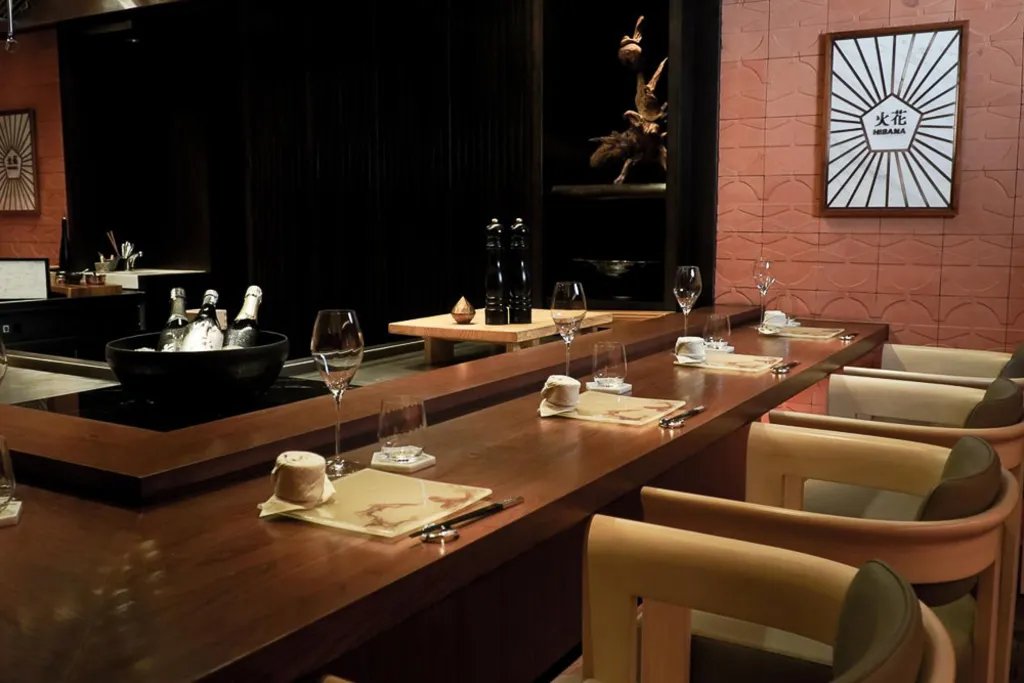
For a special-occasion dinner or a group that wants tablecloths and a wine list, the ₫₫₫₫ tier is where you should be looking. Gia delivers Vietnamese contemporary with plating and technique that Ốc Di Tú does not attempt to match, different aims, different audience. Hibana by Koki is the choice if teppanyaki theatre and a bookable private counter matter to you. Neither offers the same walk-in accessibility or price point as Ốc Di Tú. At the other extreme, Chào Bạn (₫) undercuts Ốc Di Tú on price, but without the Michelin recognition, a reasonable trade-off if budget is the primary filter.
The practical verdict: use Ốc Di Tú as the casual, local-facing meal on your Hanoi itinerary and pair it with one ₫₫₫₫ booking, either Gia for Vietnamese modernism or T.U.N.G dining for something more experimental, to cover the full range. Ốc Di Tú is the easiest to access (walk-in, low cost, no advance planning required) and the most straightforward to recommend for a food-focused traveller who wants credentialled local cooking without a formal reservation process.
Explore Hanoi
Around this place
Discover more on Pearl
Unlock the full Ốc Di Tú guide in Pearl, including awards, comparisons, FAQs, planning details, and nearby places.
Compare Ốc Di Tú
| Venue | Price | Booking Difficulty | Awards |
|---|---|---|---|
| Ốc Di Tú | ₫₫ | Easy | 2025 Michelin Plate2024 Michelin Plate |
| Hibana by Koki | ₫₫₫₫ | Unknown | 2025 La Liste Top Restaurants2025 Michelin 1 Star2025 The Best Chef One Knife2024 Michelin 1 Star |
| Gia | ₫₫₫₫ | Unknown | Star Wine Lists 20262026 OAD Top Restaurants in Asia Recommended2025 Michelin 1 Star2025 La Liste Top Restaurants2025 The Best Chef One Knife2024 Michelin 1 Star |
| Tầm Vị | ₫₫ | Unknown | 2025 Michelin 1 Star2024 Michelin 1 Star |
| Chào Bạn | ₫ | Unknown | 2025 Michelin Bib Gourmand2024 Michelin Bib Gourmand |
| T.U.N.G dining | ₫₫₫₫ | Unknown | 2025 The Best Chef One Knife2025 Michelin Plate2024 Michelin Plate |






Comparing your options in Hanoi for this tier.
FAQ
Frequently Asked Questions
How far ahead should I book Ốc Di Tú?
Walk-in is the primary access method — no website or phone number is publicly listed, so advance booking in the conventional sense does not apply here. Arrive early, particularly given the morning-focused rhythm typical of Hanoi seafood spots. A Michelin Plate two years running at ₫₫ pricing means demand is real, so off-peak timing is your best tool.
Is Ốc Di Tú good for solo dining?
Yes. Street-food-format seafood venues on Quán Thánh are well-suited to solo diners — counter or shared-table seating is the norm, and ordering a small selection of dishes is straightforward at this price point. The ₫₫ pricing keeps a solo meal affordable, and there is no reservation pressure to manage.
What should I order at Ốc Di Tú?
Ốc — Vietnamese snail and shellfish dishes — is the house focus, consistent with the name and the Michelin Plate recognition for seafood street-food tradition. Specific menu items are not documented in available data, but the Michelin recognition for 2024 and 2025 centres on the venue's consistency in this format rather than on a rotating or chef-driven menu.
Can Ốc Di Tú accommodate groups?
Small groups are a reasonable fit given the street-food format and shared-table setup typical of this style of venue in Hanoi. Large or private-event groups are unlikely to be well-served — no private dining or advance booking infrastructure is documented, and the neighbourhood setting on Quán Thánh is built for casual, communal eating rather than structured group reservations.