.png?width=1200&quality=80)
Maison 1929
Vietnamese · Hoan Kiem, Hanoi
Restaurant in Hanoi, Vietnam
 Book with Pearl
The Read
Heritage-Frame Modern Vietnamese
Price
$10–20per person
Chef
Vincent Cao Minh Page
Dress
Casual
Why go
A Michelin Selected Vietnamese restaurant in a genuine 1929 building in Hanoi's Old Quarter, Maison 1929 delivers modern Vietnamese cooking at ₫₫ pricing with more technical precision than most mid-range peers. Book it when you want craft and character without the commitment of a ₫₫₫₫ tasting menu. Easy to book, strong on spring rolls and lolot leaf beef.
About Maison 1929
Verdict
Maison 1929 earns its 2024 Michelin Plate and is worth booking if you want modern Vietnamese cooking in a setting with genuine architectural character. At ₫₫ pricing, it sits at a comfortable mid-range for Hanoi's Old Quarter, delivering a polished meal without the commitment of a high-end tasting menu. The kitchen's focus on technique over novelty makes it a reliable choice for food-focused visitors who want more than street food but aren't ready to spend ₫₫₫₫ at Gia. Book it for dinner when you want context, craft, and a room that rewards lingering.
The Restaurant
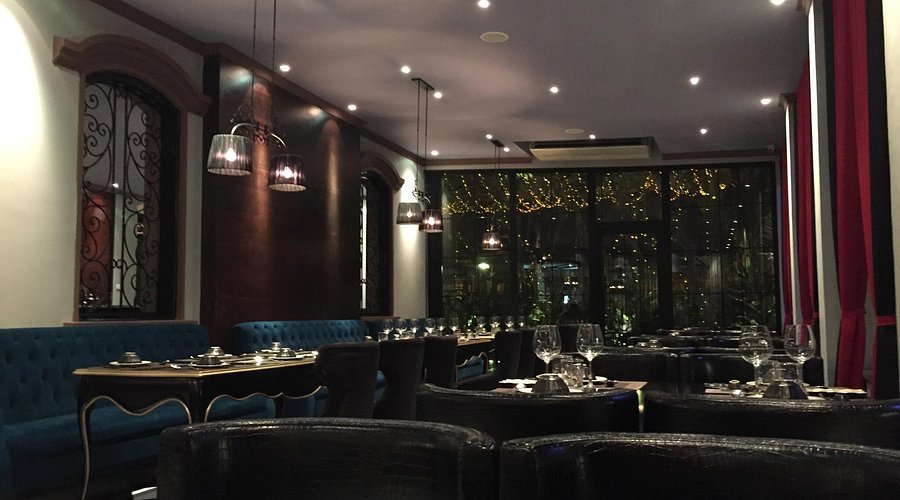
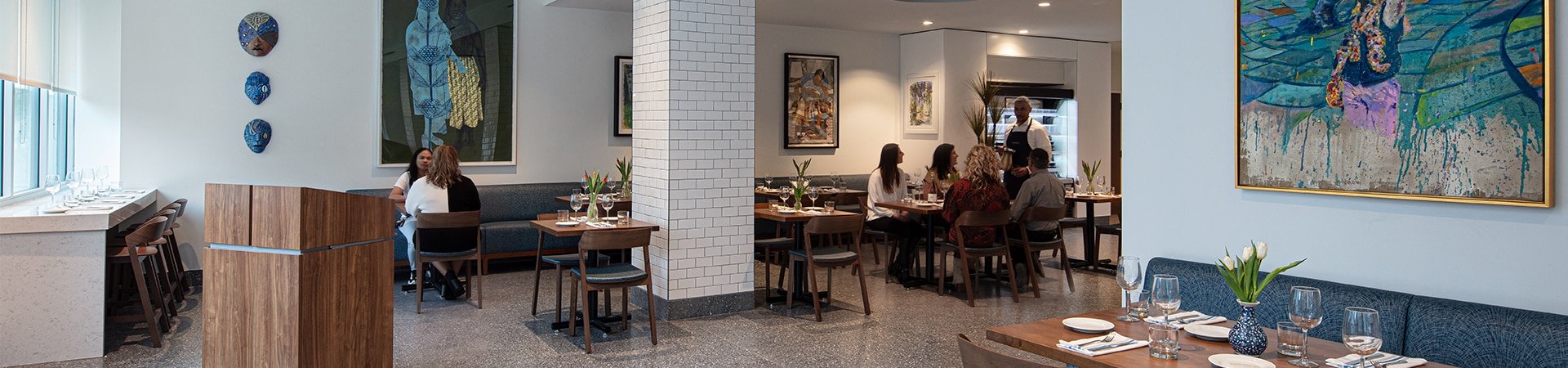
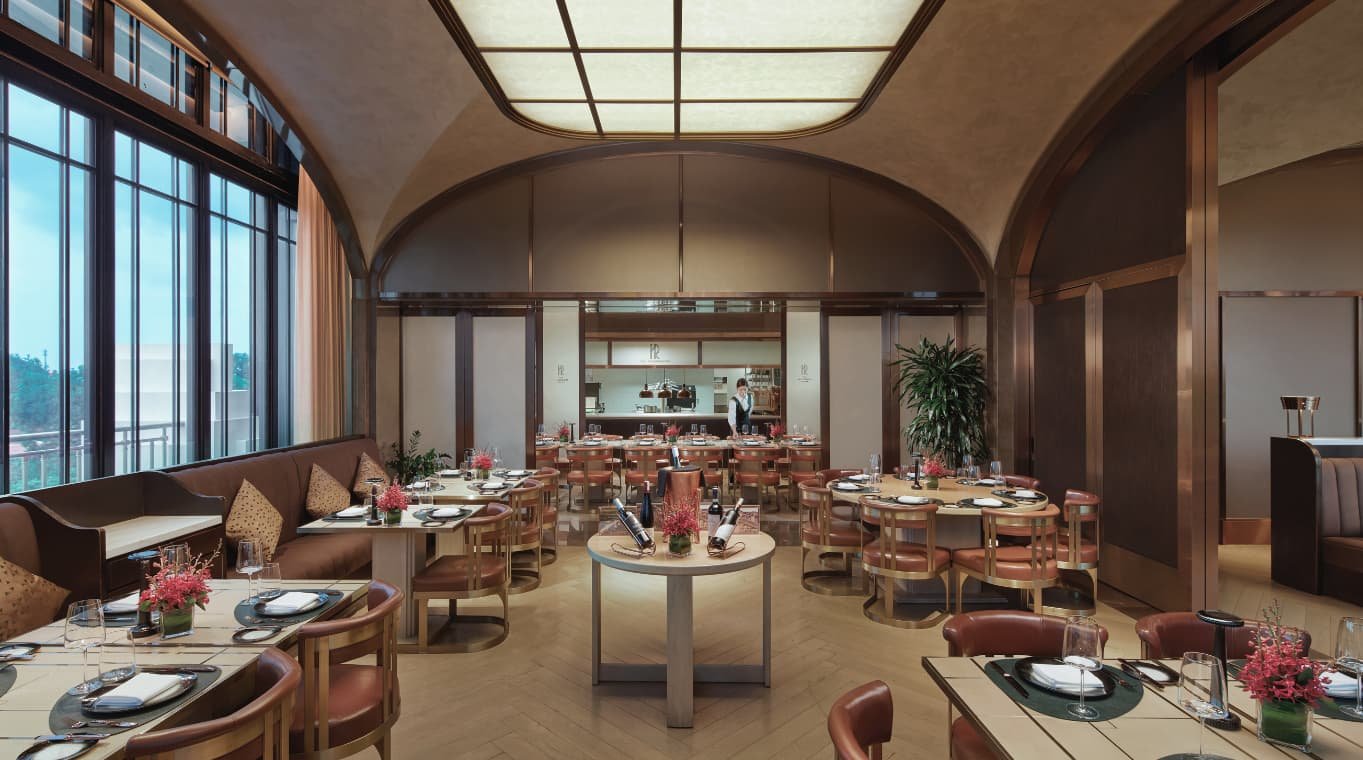
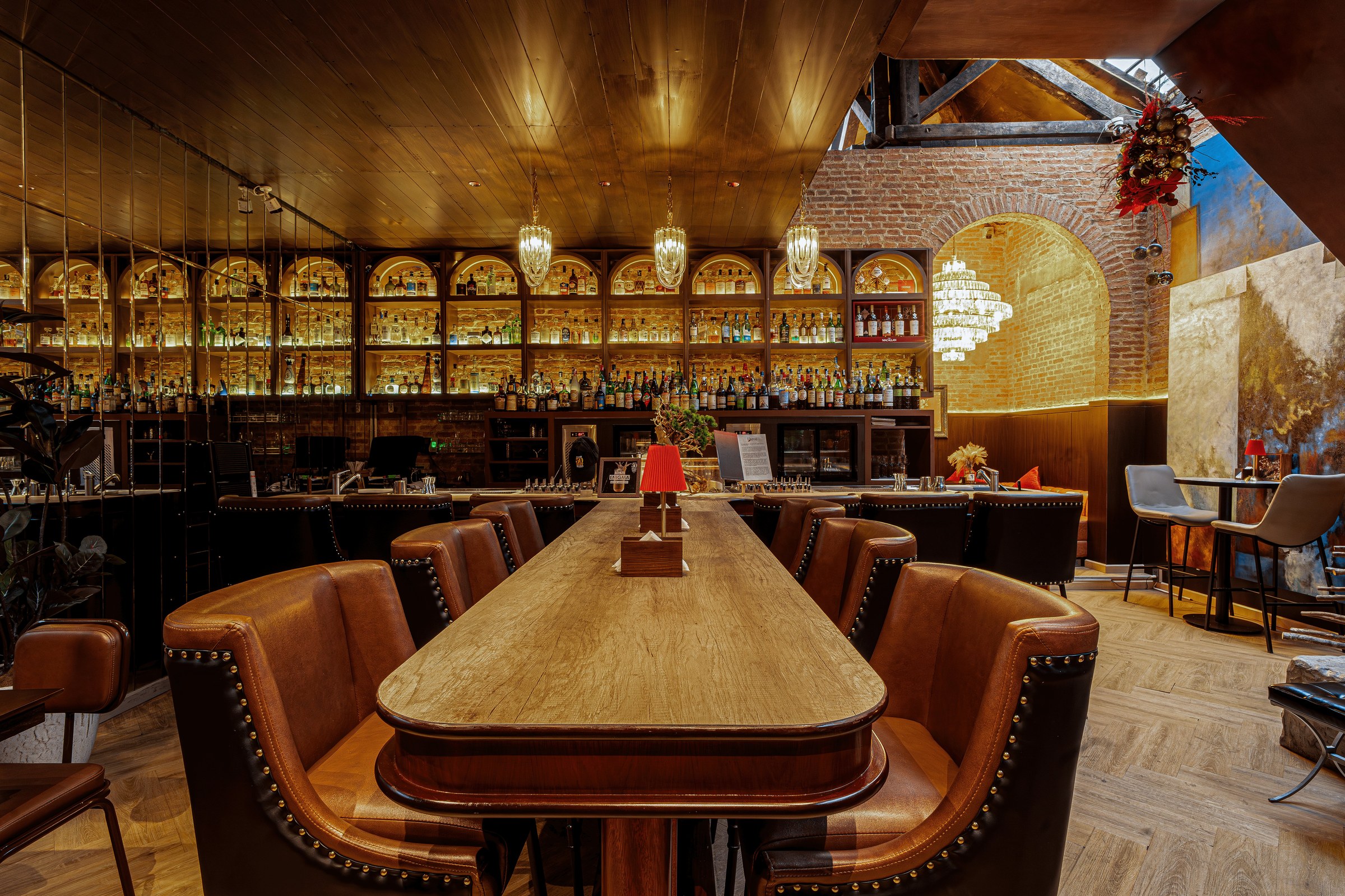
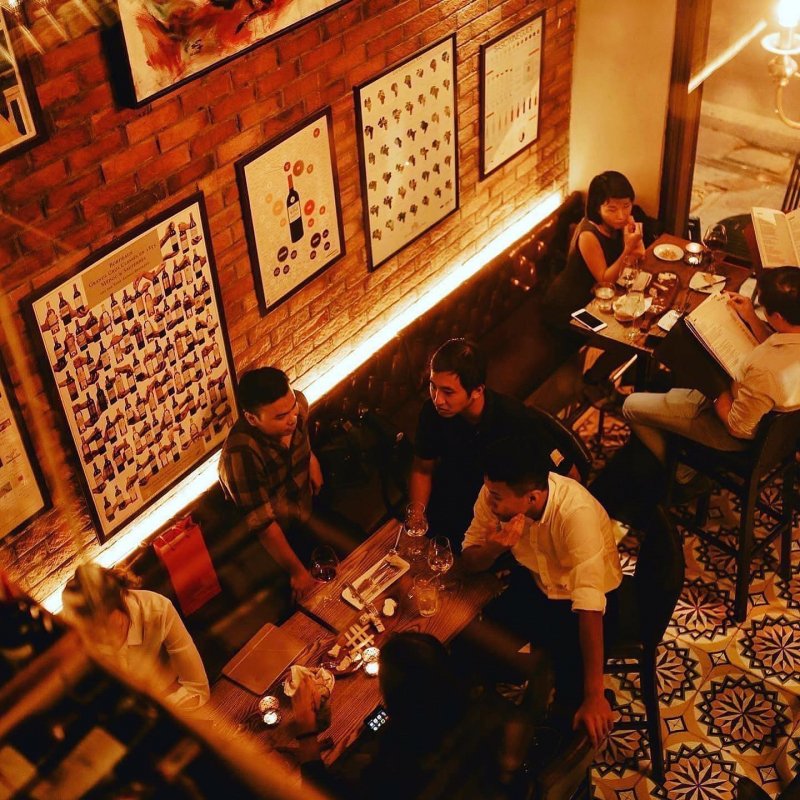
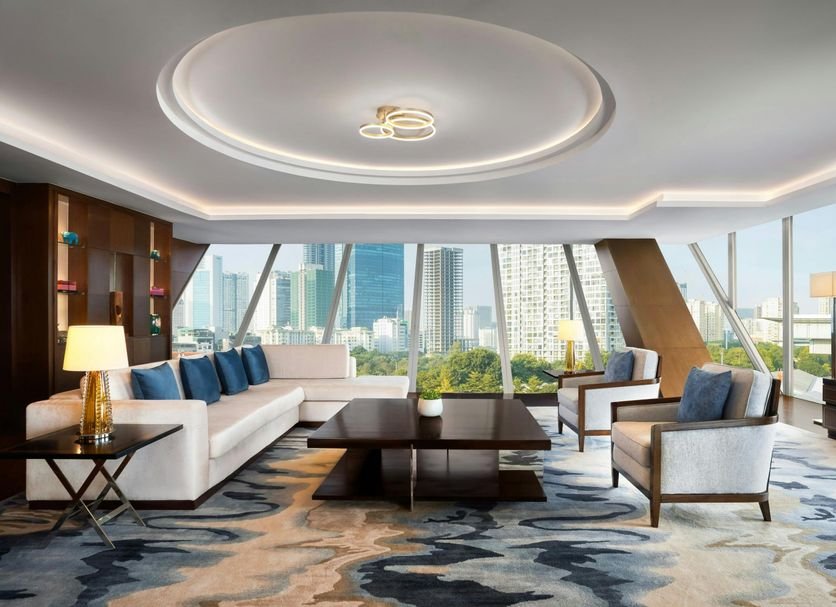
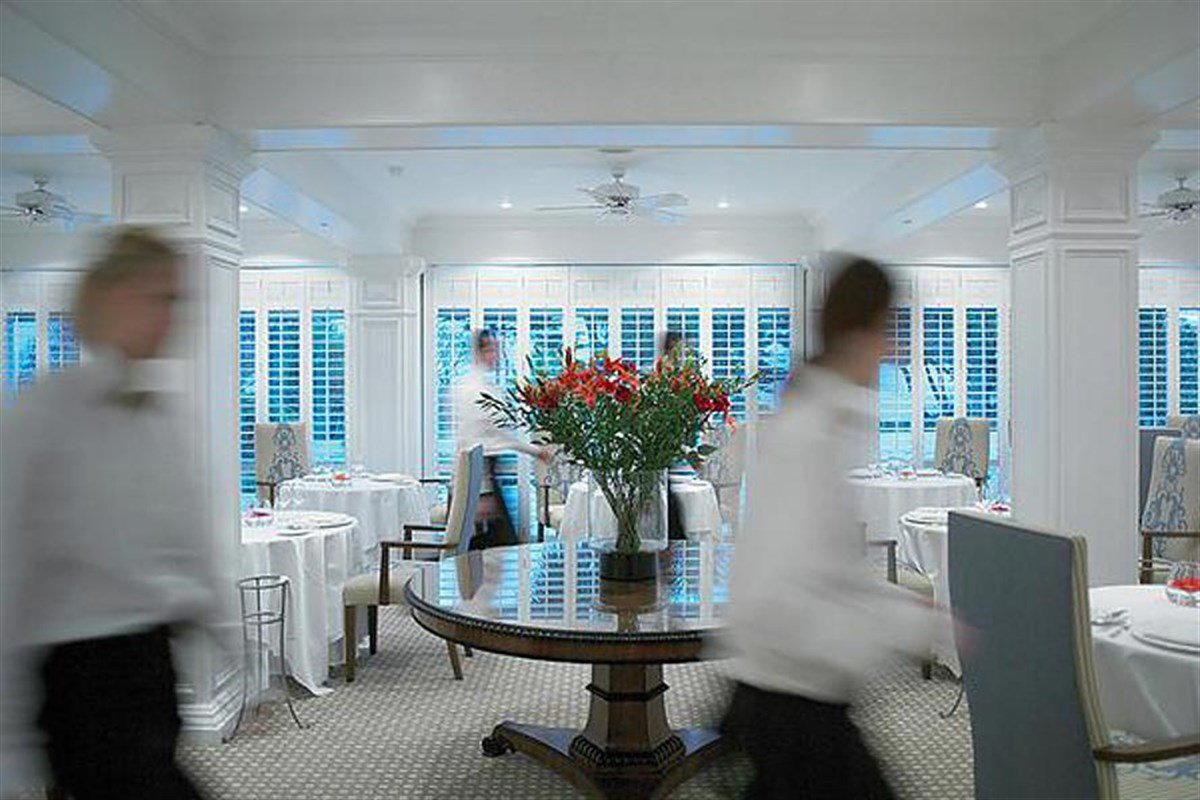
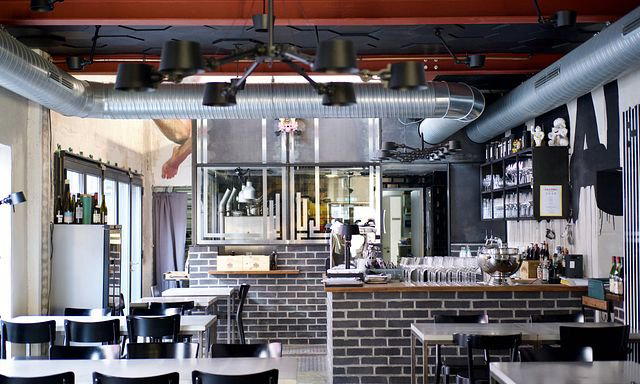
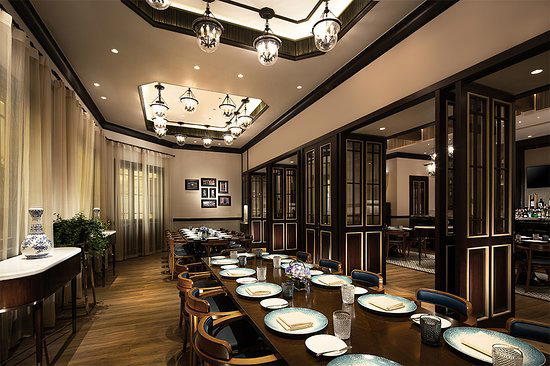
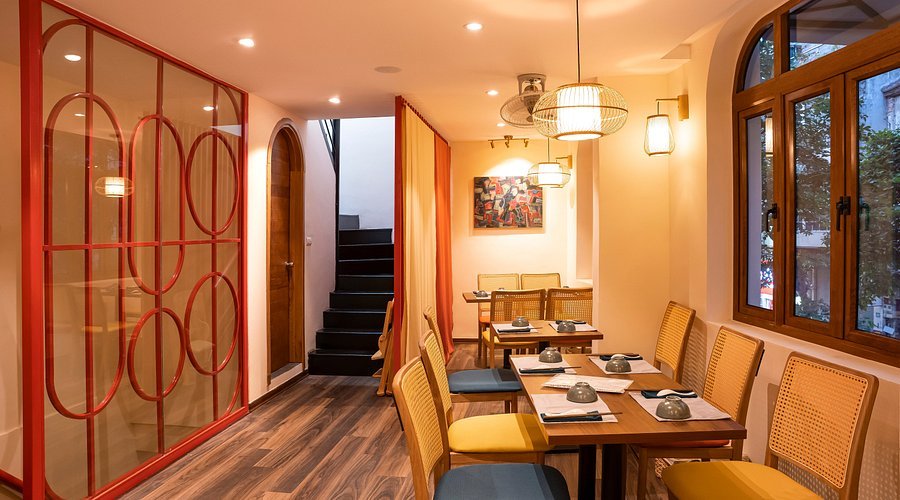
The 1929 building at 2 Cửa Đông in Hoàn Kiếm gives the restaurant a frame that most Hanoi dining rooms can't replicate. The space spreads across two floors and a balcony, with a colour scheme described as vivid rather than restrained. For the food-focused traveller, that physical setting matters: it situates the meal in Hanoi's colonial-era fabric without making the architecture the whole point. This is still, primarily, a kitchen worth visiting. You can explore more of what Hanoi's restaurant scene offers through our full Hanoi restaurants guide.
Maison 1929 operates as a sister venue to Chào Bạn, sharing roughly 80 percent of the same menu. That overlap isn't a weakness — it means the kitchen has refined these dishes across two locations, and the consistency shows. The approach is modern Vietnamese: familiar reference points, cleaner execution, more attention to sourcing and plating than you'd find at a casual neighbourhood place. Where the menu distinguishes itself is in its handling of traditional formats. The spring roll selection, available both hot and cold, demonstrates range in texture and preparation rather than just variety for its own sake. The minced beef wrapped in lolot leaves carries the herb's distinctive aromatic intensity and the meat stays juicy — a result of temperature control and timing that is easy to get wrong.
For the explorer visiting Vietnam's dining cities, Maison 1929 provides useful comparison points. It sits in a different register from Anan Saigon in Ho Chi Minh City, which pushes harder into fusion territory, and from La Maison 1888 in Da Nang, which operates at a significantly higher price point under a French-trained chef. Maison 1929's value is in demonstrating what Vietnamese cooking looks like when the technique is tightened without abandoning the cuisine's essential character. If you've also been through central Vietnam and visited places like Rice Bowl in Hue City or eaten at Bánh Mì Phượng in Hoi An, the Maison 1929 meal slots naturally into a broader picture of how regional Vietnamese traditions vary in technique and emphasis.
The lolot leaf dish is worth returning to on the subject of aroma, since it's the kitchen's clearest technical statement. Lolot (Piper lolot) has a peppery, herbaceous scent that dissipates quickly with overcooking. Getting it right requires confidence with heat. The result on the plate, juicy, tender beef with the leaf's aroma intact, is a signal of kitchen discipline rather than a happy accident. For a dining room operating at ₫₫ price levels, that level of attention to a single component is notable.
The Michelin Plate recognition (2024) confirms the kitchen is operating at a level worth the detour, though it should be read correctly: a Plate signals a good meal, not the ceiling of Vietnamese fine dining in Hanoi. For that ceiling, Gia at ₫₫₫₫ is the reference. Maison 1929 is the answer when you want quality and craft without the full commitment of a contemporary tasting format. Visitors spending time in northern Vietnam and ranging into Thanh Khe or Phu Vang might also want to note Mi Quang Ba Vi and Duyên Anh Restaurant for regional context, though neither competes directly with Maison 1929's setting or format.
For Vietnamese food enthusiasts based elsewhere, it's worth knowing that kitchens like Berlu in Portland and Camille in Orlando are working in a broadly comparable modern Vietnamese register, but Maison 1929's historic building and proximity to Hanoi's Old Quarter give it a physical specificity those restaurants can't match. Other strong options nearby in Hanoi's mid-range Vietnamese category include Cau Go and A Bản Mountain Dew, both worth considering if your schedule allows multiple meals.
Ratings & Recognition
- Michelin Plate, 2024
Booking & Practical Details
Booking difficulty: Easy, walk-ins are likely manageable, though reservations are sensible for dinner, particularly for groups. Budget: ₫₫, mid-range by Hanoi standards, accessible for most visitors. Address: 2 P. Cửa Đông, Hàng Bồ, Hoàn Kiếm, Hanoi. Cuisine: Modern Vietnamese. Dress: No published dress code; smart-casual is appropriate given the setting. Dietary needs: The menu's Vietnamese focus means vegetable-forward dishes are available, though specific dietary restriction handling is unconfirmed, contact the restaurant directly. Good for: Solo diners, couples, small groups, food-focused travellers building a Vietnam itinerary.
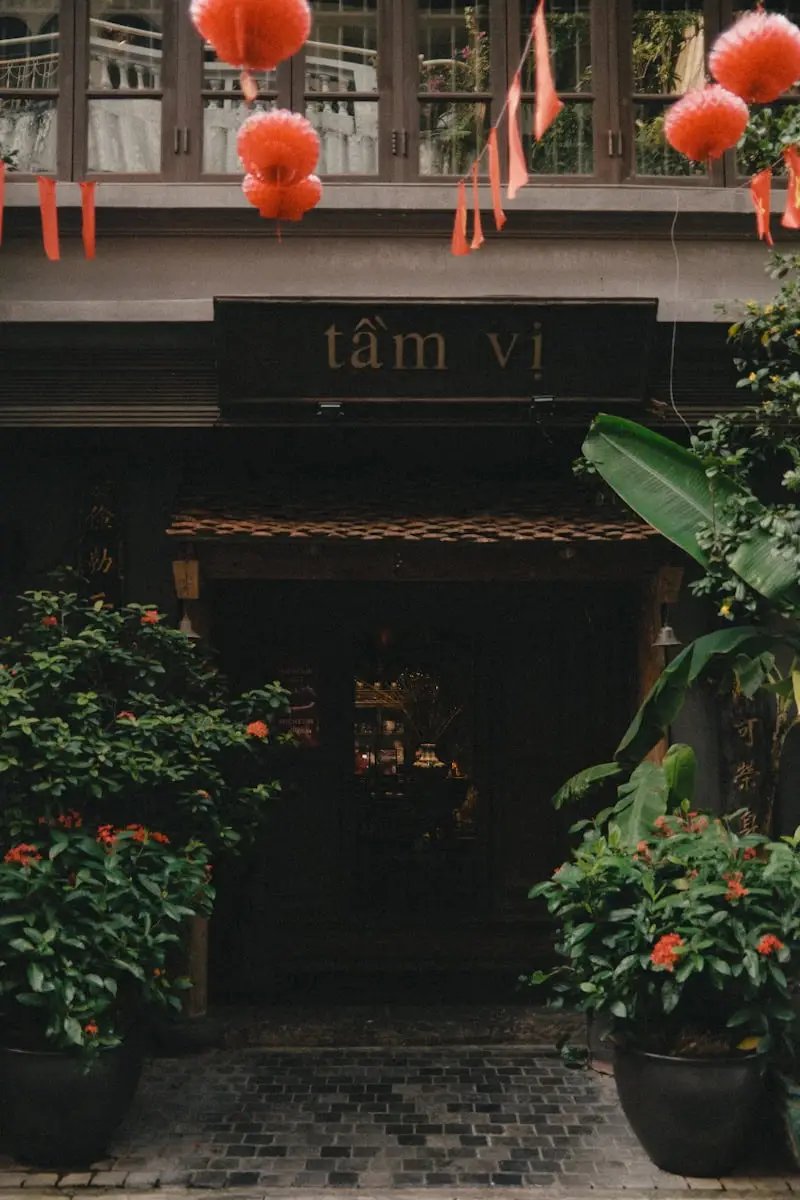
For broader trip planning around Hanoi, see our full Hanoi hotels guide, our full Hanoi bars guide, our full Hanoi wineries guide, and our full Hanoi experiences guide. If you want a tighter budget option nearby, 1946 Cua Bac and Bếp Prime are worth checking. For a same-price-tier Vietnamese alternative with a different menu focus, Tầm Vị is a direct peer.
Planning details
- Location
- 2 P. Cửa Đông, Hàng Bồ, Hoàn Kiếm, Hà Nội 100000, Vietnam
- Website
- maison1929hanoi.com
- Phone
- +84 24 3325 5005
The take
The Take
The Vibe
Maison 1929 occupies a 1929 colonial-era building that reads as much like a participant in the meal as the kitchen. The interior favors a deliberately warm palette across two floors and a balcony, producing a classic, quietly sophisticated dining room. Service and presentation lean thoughtful rather than theatrical: the menu and setting work together to root the experience in place without leaning on heritage pastiche. Overall the room feels composed and cultured, a modern Vietnamese table set inside a building whose age and proportions quietly shape the meal.
Best For
Maison 1929 suits diners who want a measured, sit-down experience that balances tradition and refinement. It sits at the approachable ₫₫ tier but carries Michelin Plate recognition, which makes it a good pick for date nights, small group dinners and anyone seeking contemporary Hanoi cooking without formal tasting-menu constraints. The two-floor layout and balcony make it comfortable for conversational meals; the kitchen’s focus on technique and considered presentation fits diners who appreciate thoughtful, well-executed Vietnamese dishes rather than street-food informality.
Ordering Tips
The kitchen favors Vietnamese dishes that honour origins while updating technique and plating. Rely on the kitchen’s signatures: spring rolls and crab rolls for starters, and the minced beef in lolot leaves for a focused, flavorful course. Pork ribs also appear among the house specialties and are suited to sharing. Because the menu is presented as modern interpretations of classic dishes, order a selection to share so you can sample contrasting approaches—lighter rolls alongside richer meat dishes—and let the dining room’s communal rhythm guide the pace.
Venue details
Ambiance
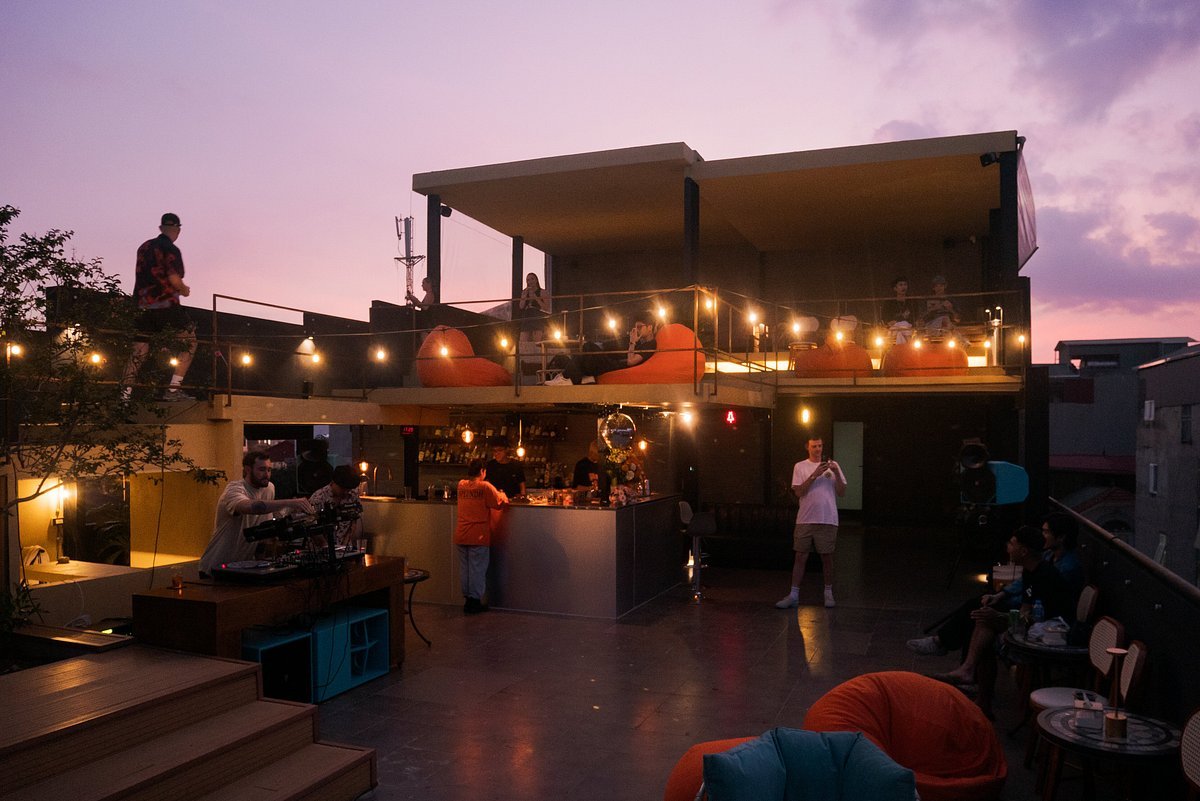
Warm, inviting, and cozy with vibrant color scheme spread across two floors and a balcony; described as chic, historical, and intimate with good natural lighting from street-facing windows
Tags
Vibe
Best For
Experience
View
At the Table
- Dress Code
- Casual
- Noise Level
- Conversational
- Service Style
- Upscale Casual
- Meal Pacing
- Standard
- Capacity
- Medium
- Kitchen
- Modern
- Menu Format
- A la carte, Family style
- Wine Program
- Standard
- Drinks Focus
- Beer, Cocktails, Wine
- Dietary
- Vegetarian friendly
- Private Dining
- Available
- Outdoor Seating
- Yes
Signature Dishes
- spring rolls
- minced beef in lolot leaves
- pork ribs
- crab rolls
Know before you go
Know Before You Go
- Getting there
- 2 P. Cửa Đông, Hàng Bồ, Hoàn Kiếm, Hà Nội 100000, Vietnam
Planning details
Location
2 P. Cửa Đông, Hàng Bồ, Hoàn Kiếm, Hà Nội 100000, Vietnam · Directions
Recognition and awards
Also consider
Also Consider
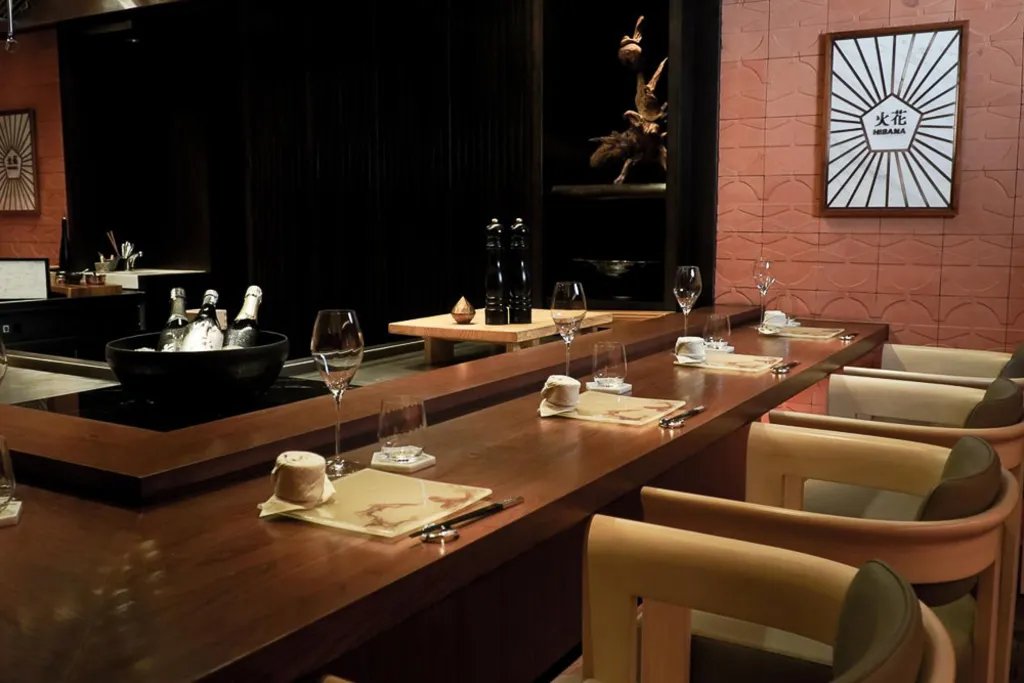
- Hibana by Koki, Teppanyaki, ₫₫₫₫
- Tầm Vị, Vietnamese, ₫₫
- Gia, Vietnamese Contemporary, ₫₫₫₫
- 1946 Cua Bac, Vietnamese, ₫
- Bun Cha Ta (Nguyen Huu Huan Street), Noodles, ₫
Restaurant context
How Maison 1929 Compares
At ₫₫, Maison 1929 sits in a clear sweet spot in Hanoi's Vietnamese dining options. Gia at ₫₫₫₫ is the reference for contemporary Vietnamese at the highest level in the city, but the investment in a full tasting menu isn't always what a given night calls for. Maison 1929 gives you a Michelin Plate kitchen, a heritage setting, and a menu with genuine technique at a fraction of the cost. Tầm Vị is the most direct peer at the same ₫₫ price tier, also Vietnamese, also competent, but Maison 1929's building and its Michelin recognition give it an edge for visitors who want the meal to feel like an occasion rather than a functional dinner.
If budget is the main driver, 1946 Cua Bac and Bun Cha Ta on Nguyen Huu Huan Street both operate at ₫ and deliver satisfying Vietnamese food with no pretension. They're the right call for a casual lunch or a budget-first evening. But they're not competing with Maison 1929 on technique, setting, or the kind of meal that justifies a longer sit. Hibana by Koki at ₫₫₫₫ is a different category entirely, Japanese teppanyaki rather than Vietnamese, and should be evaluated as a special-occasion splurge rather than a comparison to Maison 1929.
The practical recommendation: if you're eating one modern Vietnamese dinner in Hanoi and want Michelin-level recognition without a ₫₫₫₫ outlay, Maison 1929 is the straightforward answer. If the tasting menu format appeals and budget allows, Gia is worth the upgrade. For everything else, the ₫ options deliver on value but not on the kind of technical cooking that makes Maison 1929 worth seeking out.
Explore Hanoi
Around this place
Discover more on Pearl
Unlock the full Maison 1929 guide in Pearl, including awards, comparisons, FAQs, planning details, and nearby places.
Compare Maison 1929
| Venue | Price | Booking Difficulty | Awards |
|---|---|---|---|
| Maison 1929 | ₫₫ | Easy | 2025 Michelin Plate2024 Michelin Plate |
| Hibana by Koki | ₫₫₫₫ | Unknown | 2025 La Liste Top Restaurants2025 Michelin 1 Star2025 The Best Chef One Knife2024 Michelin 1 Star |
| Tầm Vị | ₫₫ | Unknown | 2025 Michelin 1 Star2024 Michelin 1 Star |
| Gia | ₫₫₫₫ | Unknown | Star Wine Lists 20262026 OAD Top Restaurants in Asia Recommended2025 Michelin 1 Star2025 La Liste Top Restaurants2025 The Best Chef One Knife2024 Michelin 1 Star |
| 1946 Cua Bac | ₫ | Unknown | 2025 Michelin Bib Gourmand2024 Michelin Bib Gourmand |
| Bun Cha Ta (Nguyen Huu Huan Street) | ₫ | Unknown | 2025 Michelin Bib Gourmand2024 Michelin Bib Gourmand |






Side-by-side comparison to help you decide where to book.
FAQ
Frequently Asked Questions
Can I eat at the bar at Maison 1929?
The venue database doesn't confirm a dedicated bar counter for dining. The space spreads across two floors and a balcony, so seating options are varied. For solo diners or couples wanting flexibility, arriving at off-peak hours gives you the best chance of choosing your preferred spot. Call ahead or visit in person to confirm bar seating availability.
Does Maison 1929 handle dietary restrictions?
The menu leans heavily into Vietnamese staples — spring rolls, minced beef in lolot leaves, and similar dishes — so meat and seafood are central to the offering. The 80% overlap with sister restaurant Chào Bạn suggests the kitchen follows a set format rather than broad customisation. If you have serious dietary restrictions, contacting the restaurant directly before booking is advisable.
What should a first-timer know about Maison 1929?
This is a Michelin Plate-recognised (2024) modern Vietnamese restaurant at mid-range (₫₫) pricing inside a genuine 1929 building in Hoàn Kiếm. The menu shares about 80% of its dishes with sister restaurant Chào Bạn, so if you've eaten there, expect familiar ground. First-timers should try the spring rolls — both hot and cold versions are a specific highlight of the kitchen's output.
What should I wear to Maison 1929?
At ₫₫ pricing with a Michelin Plate rather than a Michelin star, the dress expectation sits at smart casual — clean, presentable clothes rather than formal attire. The historic building and two-floor dining room suggest a slightly more considered setting than a street-food spot, but there's no indication of a strict dress code. Neat everyday wear works fine.
Is Maison 1929 good for solo dining?
Yes — the ₫₫ price point and accessible modern Vietnamese format make it a low-risk solo booking. The multi-floor layout, including a balcony, means there's likely seating that suits a single diner without the awkwardness of a large communal table. Walk-ins appear manageable at lunch, which removes the need to plan ahead if you're travelling alone.