


Hibana by Koki
Teppanyaki · Hoan Kiem, Hanoi
Restaurant in Hanoi, Vietnam
 Book with Pearl
The Read
French Quarter Teppanyaki Precision
Price
$200–300per person
Chef
Hiroshi Yamaguchi
Dress
Smart Casual
Why go
Hibana by Koki holds back-to-back Michelin stars (2024 and 2025) and 75 La Liste points, making it the most credentialled teppanyaki counter in Hanoi. At ₫₫₫₫ pricing in the French Quarter, it delivers a structured, counter-seated experience that rewards full commitment. Book well in advance: this is a Hard booking, and the format does not work as takeout.
About Hibana by Koki
The Verdict
If you are choosing between Hibana by Koki and Gia for a high-end dinner in Hanoi's French Quarter, the decision comes down to format: Gia offers Vietnamese contemporary cuisine at the same ₫₫₫₫ price tier with a more flexible ordering structure, while Hibana by Koki commits you to the teppanyaki counter and the performance that comes with it. For a food-forward traveller who wants to watch chef Hiroshi Yamaguchi work a flat iron grill, Hibana is the right call. It holds a Michelin star for both 2024 and 2025, plus 75 points in the 2025 La Liste ranking, which puts it in credible company regionally. Book it, but book it early.
The Experience
Hibana by Koki sits at 11 Lê Phụng Hiểu, in the French Quarter of Hoàn Kiếm, one of the most walkable and historically dense pockets of Hanoi. The address alone signals intention: this is not a casual neighbourhood teppanyaki spot. The French Quarter carries a century of architectural gravity, and a Michelin-starred Japanese teppanyaki counter positioned here is making a deliberate statement about where fine dining in the city is heading.
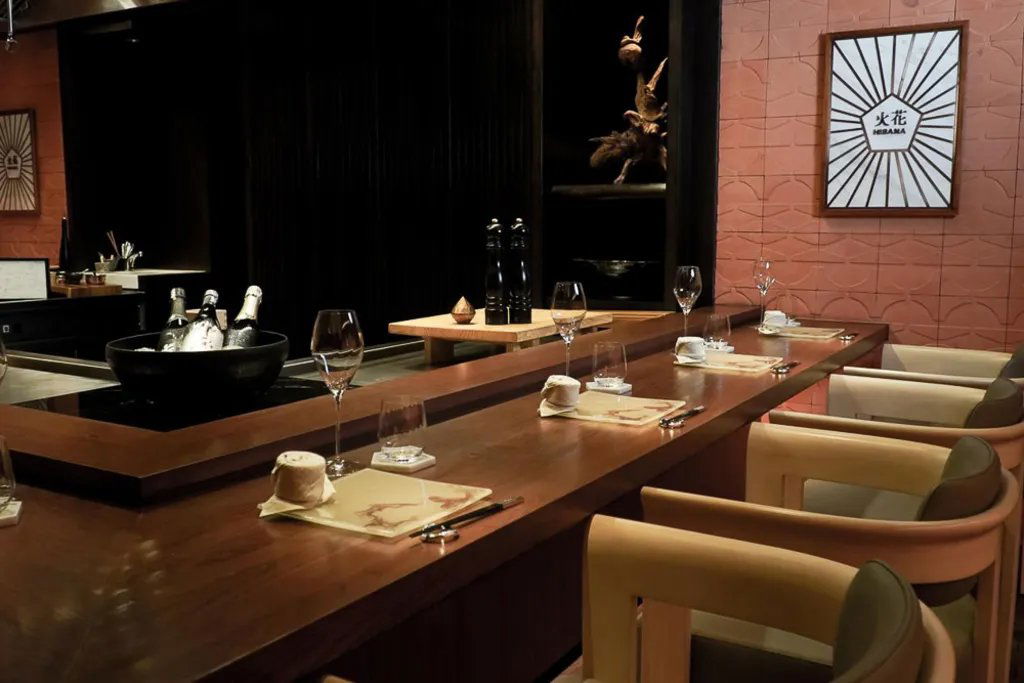
Teppanyaki as a format is inherently spatial. The counter, the grill, the chef's hands in front of you: this is theatre with a fixed seating arrangement, and the room's intimacy is the whole point. At a teppanyaki venue of this calibre, you are not choosing between a window table and a booth; you are choosing to sit close to the heat and the action. That proximity shapes everything: the pacing, the conversation, the way each course arrives. Compared with peers like Azabu in Hanoi or teppanyaki institutions such as Ishigaki Yoshida in Tokyo or Oribe in Osaka, Hibana's French Quarter setting suggests a more contained, focused room: the kind where you notice if someone at the counter is not engaged.
Chef Hiroshi Yamaguchi leads the kitchen. The back-to-back Michelin stars suggest consistency rather than a one-year breakthrough, and a La Liste score of 75 points in 2025 adds an independent data point from a ranking system that evaluates across a broader global set than Michelin alone. For the food-focused traveller who tracks these credentials seriously, this is a venue that has shown up in two major international assessments in the same year, that matters when you are calibrating a dining itinerary across Hanoi, Ho Chi Minh City, or a wider Vietnam trip that might also include Anan Saigon or La Maison 1888 in Da Nang.
On the question of teppanyaki and takeout: this is a format that does not translate off-premise. The precision of teppanyaki cooking, proteins finished to temperature on a flat iron, sauces reduced to order, sequencing tied to the theatre of the counter, collapses in a delivery container. If you are considering whether to order in rather than dine at the table, the answer is no. The value here is inseparable from being present. Venues like Koji in Paris or Kazumi in Angers operate in the same format logic: the food is built for the room. Hibana is worth your time only if you are actually sitting at the counter.
That gap does not appear to exist here.
For travellers building a Hanoi dining itinerary, Hibana is the right choice on the night you want structure, ceremony, and a meal that requires full attention. Balance it with something lower-key from our full Hanoi restaurants guide, a bowl at Phở Bò Ấu Triệu or a lunch at 1946 Cua Bac, to avoid tipping the trip too far into formality. See also our guides to Hanoi hotels, Hanoi bars, Hanoi experiences, and Hanoi wineries to round out your stay.
Ratings & Recognition
- Michelin 1 Star, 2024 and 2025 (back-to-back, indicating consistency)
- La Liste Leading Restaurants 2025, 75 points
- Price tier: ₫₫₫₫ (top tier for Hanoi)
Booking & Logistics
Booking difficulty is rated Hard. At ₫₫₫₫ pricing with Michelin recognition and a format that, by design, limits cover count, availability at Hibana moves fast. Book as far in advance as your plans allow; this is not a walk-in venue. If you are visiting Hanoi during the cooler season between October and March, when tourist density in the French Quarter peaks, lead times will be longer. Contact the venue directly at 11 Lê Phụng Hiểu, Hoàn Kiếm, for current reservation details.
Practical Details
| Detail | Hibana by Koki | Gia | Tầm Vị |
|---|---|---|---|
| Cuisine | Teppanyaki (Japanese) | Vietnamese Contemporary | Vietnamese |
| Price tier | ₫₫₫₫ | ₫₫₫₫ | ₫₫ |
| Michelin recognition | 1 Star (2024, 2025) | Check Pearl | |
| Booking difficulty | Hard | Moderate | Easier |
| Format | Counter / teppanyaki | À la carte / tasting | À la carte |
| Leading for | Special occasion, solo, couple | Group dining, local cuisine | Casual, value |
FAQ
Is Hibana by Koki good for solo dining?
- Yes, the teppanyaki counter format is one of the better solo dining setups in Hanoi's fine dining tier. You are seated facing the grill and the chef, so the experience does not depend on having a companion to talk to. At ₫₫₫₫ pricing, solo diners should expect the full tasting progression regardless of party size. Compare this to Gia, where an à la carte format can feel slightly underdirected when dining alone.
What should I order at Hibana by Koki?
- At a Michelin-starred teppanyaki venue led by chef Hiroshi Yamaguchi, the structured tasting sequence is the intended format, not à la carte selection. Let the kitchen direct the meal. See how this compares to teppanyaki formats at JIBUNDOKI in Osaka or A Bản Mountain Dew for a very different Hanoi food experience.
Is the tasting menu worth it at Hibana by Koki?
- At ₫₫₫₫ pricing with back-to-back Michelin stars and a 75-point La Liste score, the structured format here has third-party validation. Whether a tasting menu is worth it depends on your tolerance for the counter format and the time commitment, teppanyaki at this level runs long. If you want a comparably priced tasting experience with more menu flexibility, Gia is the alternative to weigh. If teppanyaki is specifically what you are after, Hibana is the credentialled option in Hanoi.
Is Hibana by Koki worth the price?
- For what it delivers, a Michelin-starred, La Liste-ranked teppanyaki counter in the French Quarter, yes, the ₫₫₫₫ tier is justified relative to Hanoi's dining market. The comparison to make is not against street food like Bun Cha Ta or Phở Bò Ấu Triệu, those are different occasions entirely, but against Gia at the same price point. Hibana wins if Japanese precision and the teppanyaki format matter to you. Gia wins if you want Vietnamese cuisine at the same spend.
What should I wear to Hibana by Koki?
- At ₫₫₫₫ pricing with Michelin recognition in a French Quarter address, smart casual is the safe baseline, collared shirts, clean footwear, nothing beachwear-adjacent. Vietnamese fine dining venues at this tier do not typically enforce a formal dress code, but the counter setting and the calibre of the room mean your outfit will be visible. When in doubt, dress up rather than down.
Planning details
- Hours
- Monday: Closed · Tuesday: 11:30 AM–1:30 PM, 6–10 PM
- Location
- 11 P. Lê Phụng Hiểu, French Quarter, Hoàn Kiếm, Hà Nội 100000, Vietnam
- Reservations
- Book on the venue's website
- Website
- capellahotels.com/en/capella-hanoi/dining/koki
- Phone
- +84 24 3987 8888
The take
The Take
The Vibe
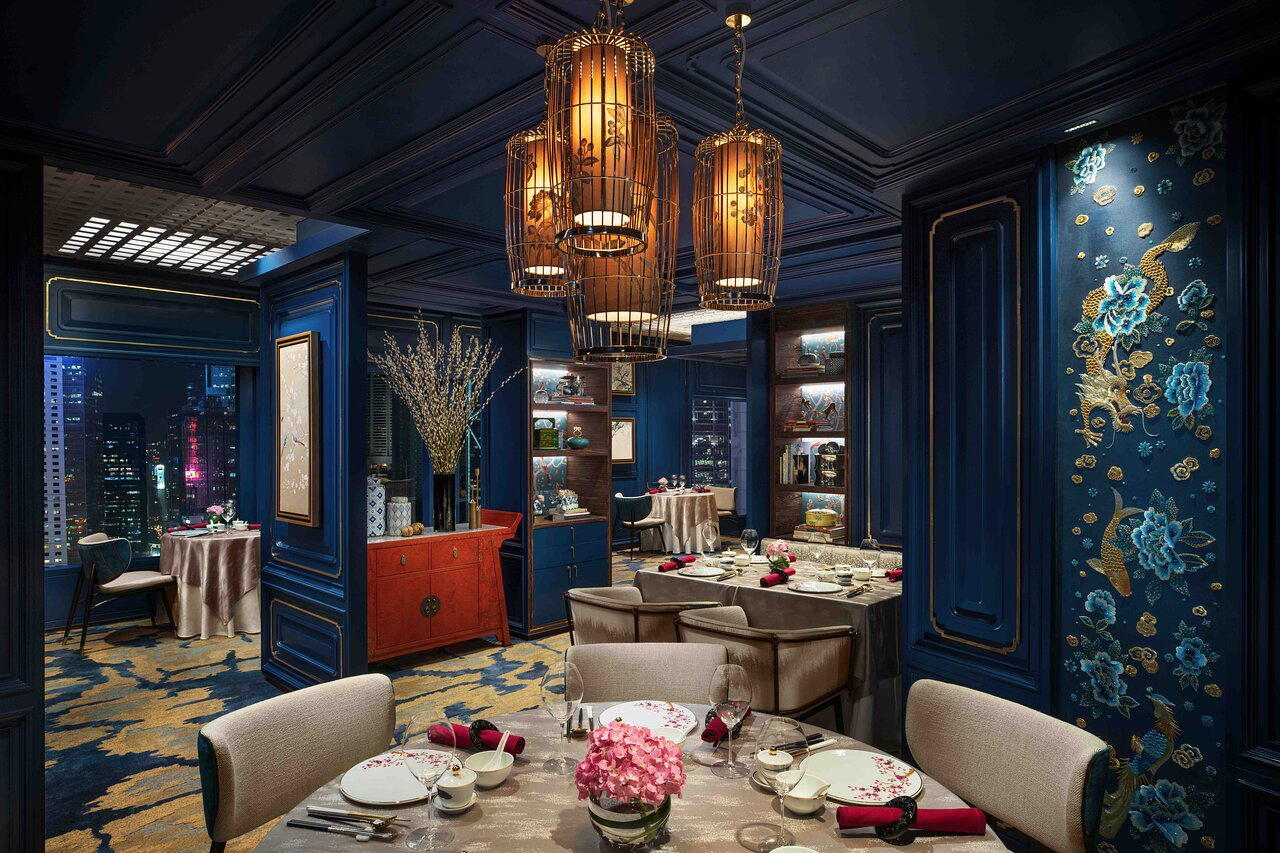
Hibana by Koki reads as a quietly refined teppanyaki room tucked into the French Quarter. The colonial streets outside set a composed tone; once inside the teppanyaki counter immediately becomes the visual and acoustic focus. Service and technique are restrained rather than theatrical: heat management, sequencing and knife work are the primary vocabulary, and they shape how conversation and attention move across the table. The result is an intimate, elegant atmosphere that leans sophisticated and quietly intense: a room where culinary craft dictates the rhythm of the evening.
Best For
This is a counter-driven teppanyaki experience best appreciated at dinner, where table-side technique and sequencing take centre stage. Anchored by chef Hiroshi Yamaguchi and recognised with consecutive Michelin Stars, the format rewards focused dining: think attentive conversation punctuated by moments of silence as food is prepared on the iron griddle. The setting suits date nights, special-occasion meals and business dinners that value precision, provenance and the theatre of live cooking at a chef’s counter.
Ordering Tips
Prioritise the kitchen’s signature items: Yaeyama Kyori Wagyu, spiny lobster and black abalone are highlighted specialties and are likely focal points of the counter service. Expect the meal to be organised around the teppanyaki surface, with sequencing and heat management shaping how dishes arrive; lean into the table-side cooking and watch the technique. Because the counter is the dining room’s centre of gravity, choose dishes that showcase the grill-driven technique and the kitchen’s technical strengths.
Venue details
Ambiance
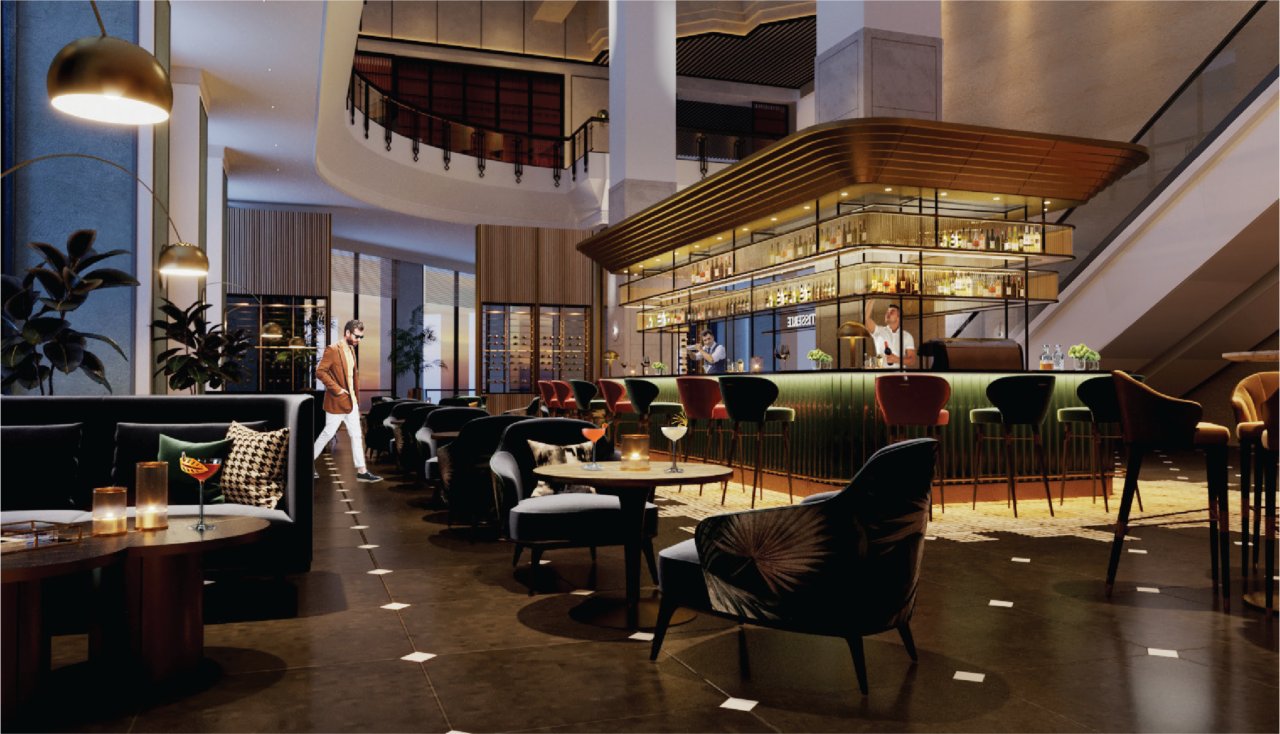
Intimate and cozy 14-seat counter in a hotel basement with open kitchen, elegant atmosphere, and a sense of privacy and tranquility.
Tags
Vibe
Best For
Experience
At the Table
- Dress Code
- Smart Casual
- Noise Level
- Quiet
- Service Style
- Formal
- Meal Pacing
- Leisurely
- Capacity
- Intimate
- Kitchen
- Modern
- Menu Format
- Counter dining
- Drinks Focus
- Sake
- Private Dining
- Available
Signature Dishes
- Yaeyama Kyori Wagyu
- spiny lobster
- black abalone
Know before you go
Know Before You Go
- Getting there
- 11 P. Lê Phụng Hiểu, French Quarter, Hoàn Kiếm, Hà Nội 100000, Vietnam
Planning details
Hours
- Monday
- Closed
- Tuesday
- 11:30 AM–1:30 PM, 6–10 PM
- Wednesday
- 11:30 AM–1:30 PM, 6–10 PM
- Thursday
- 11:30 AM–1:30 PM, 6–10 PM
- Friday
- 11:30 AM–1:30 PM, 6–10 PM
- Saturday
- 11:30 AM–1:30 PM, 6–10 PM
- Sunday
- Closed
Location
11 P. Lê Phụng Hiểu, French Quarter, Hoàn Kiếm, Hà Nội 100000, Vietnam · Directions
Recognition and awards


Also consider
Also Consider
- Tầm Vị: Vietnamese, ₫₫
- Gia: Vietnamese Contemporary, ₫₫₫₫
- 1946 Cua Bac: Vietnamese, ₫
- Bun Cha Ta (Nguyen Huu Huan Street): Noodles, ₫
- Phở Bò Ấu Triệu: Street Food, ₫
Restaurant context
At the ₫₫₫₫ tier, the main comparison for Hibana by Koki is Gia, which operates in Vietnamese contemporary cuisine at the same price level. Gia gives you more format flexibility and a stronger connection to local ingredients and cooking traditions. Hibana gives you Michelin-starred Japanese precision and the teppanyaki counter as the central experience. If you are visiting Hanoi for the first time and have one splurge dinner, Gia is arguably the more contextually relevant choice. If you are a returning visitor or a teppanyaki-specific enthusiast, Hibana is the clear pick: and it has the credentials to back up the spend.
Tầm Vị at ₫₫ is a completely different proposition: Vietnamese cooking at a fraction of the price, easier to book, and better suited to casual or repeat visits. It does not compete with Hibana on ambition or occasion, but it is the right call if you want a lower-stakes meal with genuine quality. 1946 Cua Bac at ₫ and Bun Cha Ta at ₫ sit in an entirely different category: street-level Vietnamese staples that belong on any Hanoi itinerary for different reasons entirely, not as substitutes for Hibana.
For the explorer-minded diner building a Hanoi dining week: open with a bowl at Phở Bò Ấu Triệu, spend a lunch at 1946 Cua Bac, save one evening for Gia if Vietnamese contemporary is your focus, and reserve Hibana for the night you want ceremony and structure. The two ₫₫₫₫ venues serve different moods: running both on the same trip is not overkill if you are seriously engaged with Hanoi's dining range.
Explore Hanoi
Around this place
Discover more on Pearl
Unlock the full Hibana by Koki guide in Pearl, including awards, comparisons, FAQs, planning details, and nearby places.
Compare Hibana by Koki
| Venue | Cuisine | Price | Booking Difficulty | Awards |
|---|---|---|---|---|
| Hibana by Koki | Teppanyaki | ₫₫₫₫ | Hard | 2025 La Liste Top Restaurants2025 Michelin 1 Star2025 The Best Chef One Knife2024 Michelin 1 Star |
| Tầm Vị | Vietnamese | ₫₫ | Unknown | 2025 Michelin 1 Star2024 Michelin 1 Star |
| Gia | Vietnamese Contemporary | ₫₫₫₫ | Unknown | Star Wine Lists 20262026 OAD Top Restaurants in Asia Recommended2025 Michelin 1 Star2025 La Liste Top Restaurants2025 The Best Chef One Knife2024 Michelin 1 Star |
| 1946 Cua Bac | Vietnamese | ₫ | Unknown | 2025 Michelin Bib Gourmand2024 Michelin Bib Gourmand |
| Bun Cha Ta (Nguyen Huu Huan Street) | Noodles | ₫ | Unknown | 2025 Michelin Bib Gourmand2024 Michelin Bib Gourmand |
| Phở Bò Ấu Triệu | Street Food | ₫ | Unknown | 2025 Michelin Bib Gourmand2024 Michelin Bib Gourmand |



Side-by-side comparison to help you decide where to book.
FAQ
Frequently Asked Questions
Is Hibana by Koki good for solo dining?
Yes: teppanyaki counter formats are one of the few fine-dining setups that genuinely work solo. Sitting at the pass at a Michelin-starred teppanyaki counter like Hibana by Koki gives you a direct sightline to chef Hiroshi Yamaguchi and no awkward table dynamics. At ₫₫₫₫ pricing, solo diners pay the same per-head rate, so decide whether the experience itself justifies the spend without splitting a bottle.
What should I order at Hibana by Koki?
Specific menu items are not published in available sources, which is common for Michelin-starred teppanyaki where the menu rotates and the chef's selection is the point. At ₫₫₫₫ pricing with a 2025 Michelin star, Hibana by Koki is structured around a chef-led format rather than à la carte choices: go in expecting to follow the kitchen's lead rather than ordering off a fixed menu.
Is the tasting menu worth it at Hibana by Koki?
For teppanyaki specifically, yes: the format only makes sense as a chef-led progression, and Hibana by Koki's consecutive Michelin stars in 2024 and 2025 plus a La Liste ranking of 75 points confirm the kitchen is operating at a consistent level. If you want more editorial control over what you eat, Gia in the same neighbourhood offers a different format at comparable prestige. Hibana rewards diners who want to watch the craft and let the kitchen decide.
Is Hibana by Koki worth the price?
At ₫₫₫₫ with back-to-back Michelin stars and a La Liste Top Restaurants placement (75pts, 2025), Hibana by Koki prices in line with what the recognition warrants in a Hanoi context: where ₫₫₫₫ still sits below comparable starred teppanyaki in Tokyo or Singapore. The question is format fit: if teppanyaki theatre and a chef-driven counter are what you want, the value holds. If you're after Vietnamese cooking at a similar tier, Gia or Tầm Vị make a stronger case.
What should I wear to Hibana by Koki?
A Michelin-starred teppanyaki counter in Hanoi's French Quarter at ₫₫₫₫ pricing calls for smart dress at minimum: collared shirts for men, equivalent for women. Hibana by Koki has not published a formal dress code, but the setting and price point make casual attire a poor fit. Avoid anything you would not wear to a business dinner.