Hanoi Cooking Centre
Ba Dinh, Hanoi
Restaurant in Hanoi, Vietnam
 Book with Pearl
The Read
Dress
Casual
Why go
Hanoi Cooking Centre is the right choice if you want to understand Vietnamese food rather than just eat it. Based in the calm Trúc Bạch area of Ba Đình, the structured class format moves from market to kitchen to table — making it one of the most practical ways to spend a morning on a return visit to Hanoi. Booking is easy; morning weekday slots offer the smallest groups.
About Hanoi Cooking Centre
Quick Verdict
Hanoi Cooking Centre is one of the few places in the city where you can move through a structured sequence of Vietnamese dishes with proper instruction — not just eat them. If you have been to Hanoi once and want to go deeper than pho and bun cha on your next visit, a hands-on cooking class here is a practical, well-organised way to do it. Booking is easy, and the format suits solo travellers and small groups equally well.
What to Expect
The centre sits on Châu Long in the Ba Đình district, close to the Trúc Bạch lake area — a quieter part of the city compared to the Old Quarter, which makes the setting noticeably calmer than you might expect from a Hanoi cooking school. The physical space is set up for demonstration and participation rather than passive watching: workstations, shared prep areas, and a flow that mirrors a tasting menu in structure, moving from market orientation through technique to a final meal. That progression, sourcing, cooking, eating, is what separates a class here from a restaurant visit. You leave understanding what you ate, not just that you ate it.
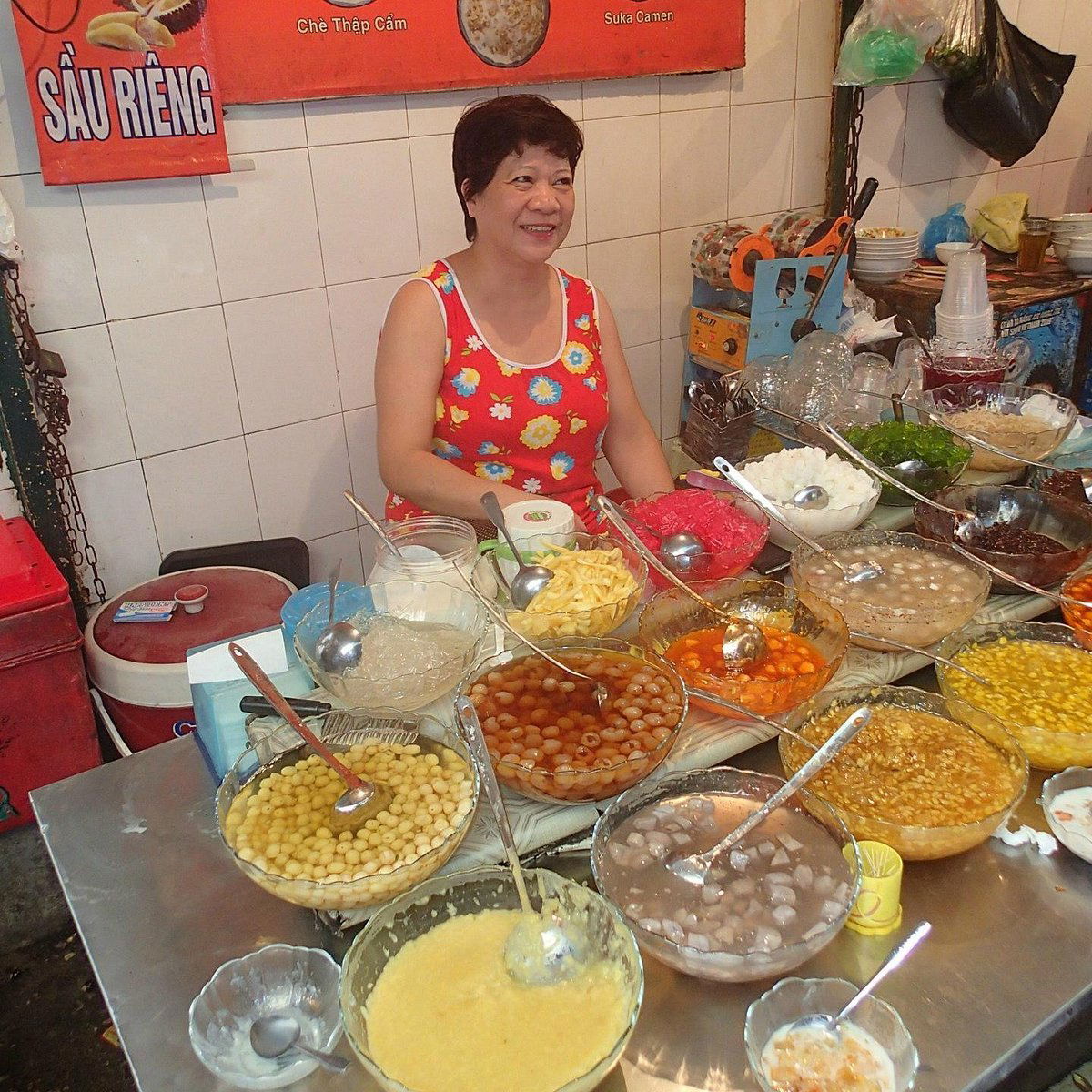
Timing matters here more than at a standard restaurant. Morning sessions that begin with a market visit to the Châu Long wet market give you the fullest arc of the experience. Later slots can skip the market component depending on scheduling, so if the market walk is your reason for coming, confirm it is included when you book. Weekday mornings tend to be smaller groups, which means more one-on-one attention during the cooking portion.
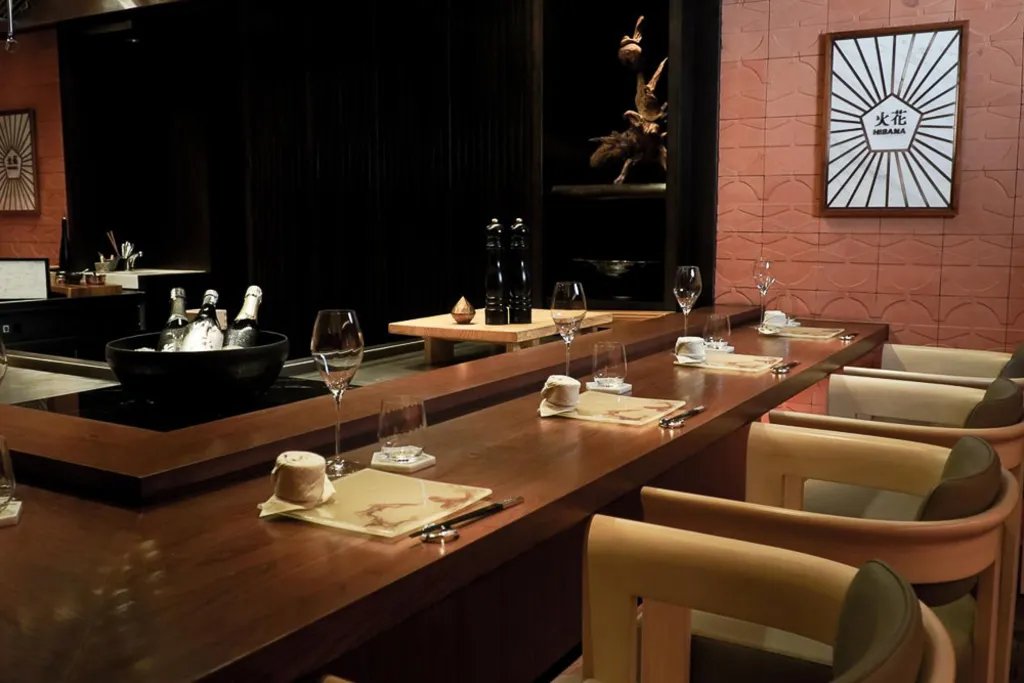
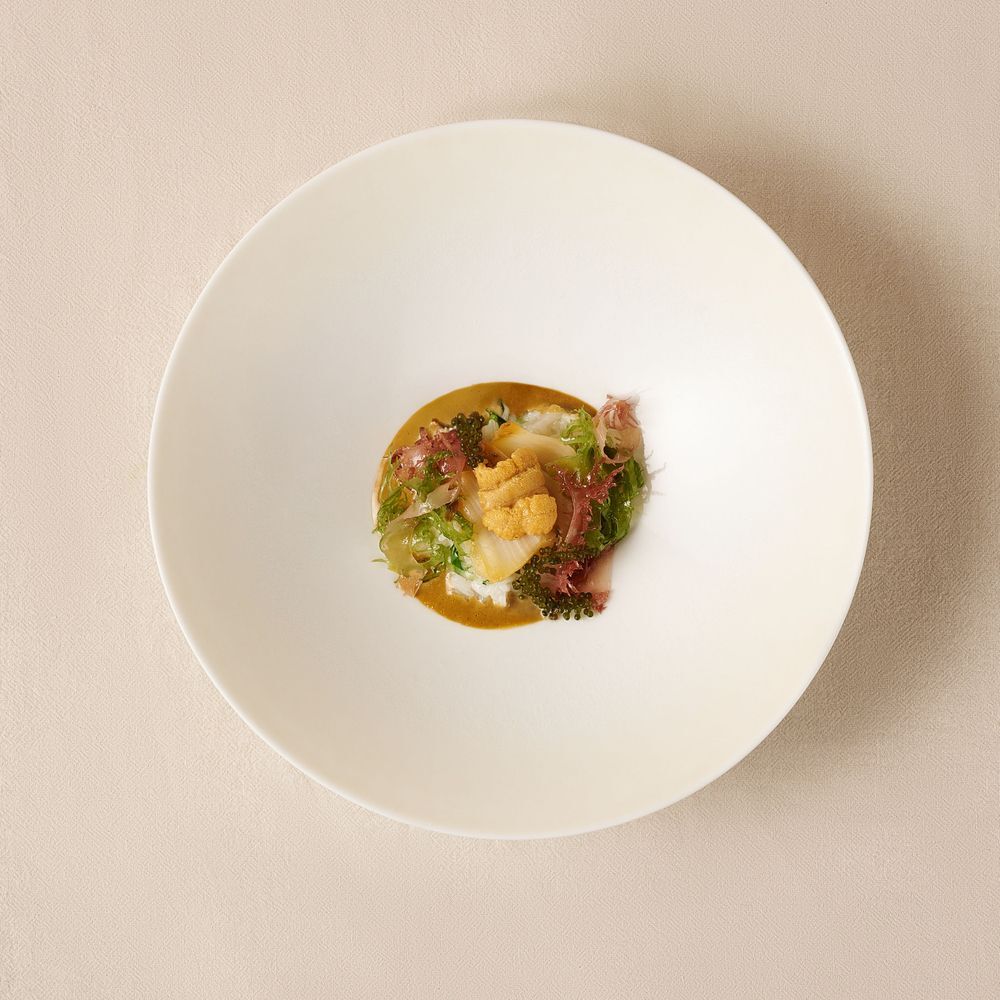
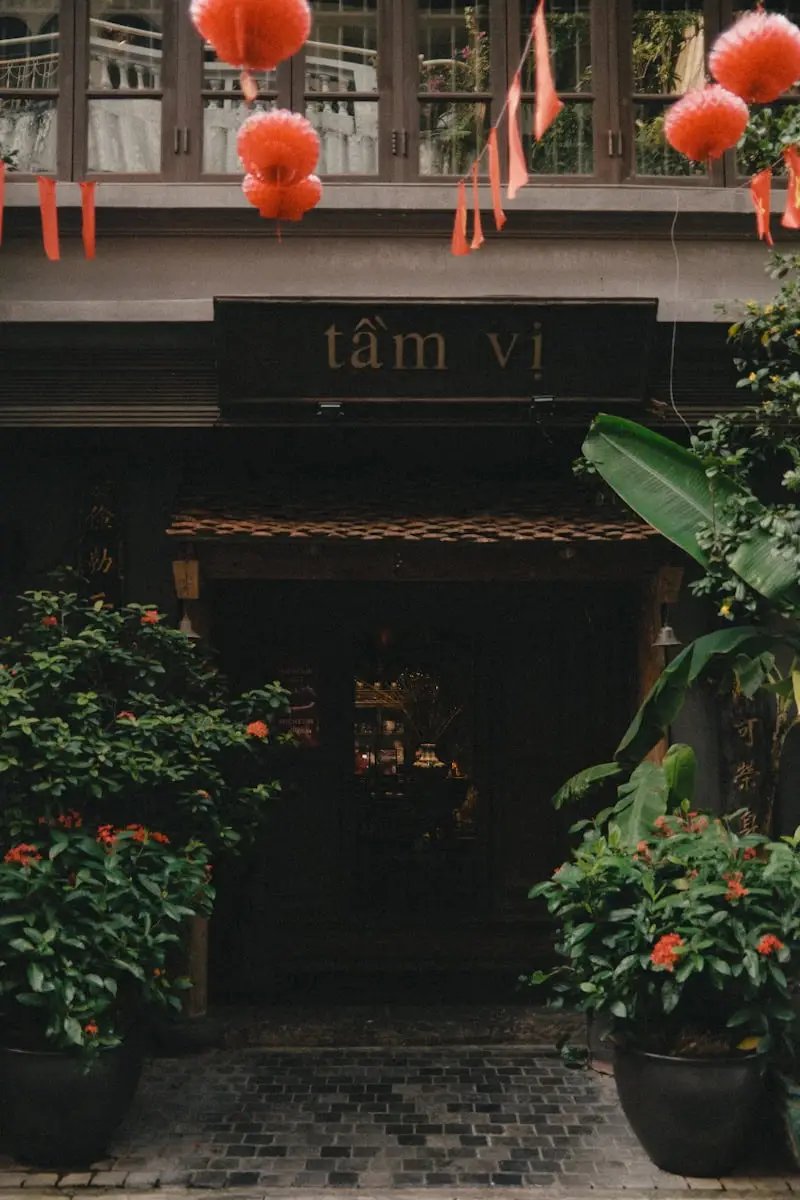
For context on where this sits in Hanoi's food scene: this is not a fine-dining destination in the way that Gia (Vietnamese Contemporary) or Hibana by Koki (Teppanyaki) are. It is an educational experience that ends with a meal, and it should be booked on those terms. If you want to eat Vietnamese food at a high level rather than learn to cook it, Tầm Vị (Vietnamese) or 1946 Cua Bac (Vietnamese) are better fits. But for a second visit to Hanoi where you want something more than a meal, Hanoi Cooking Centre earns its place on the itinerary.
For more on where to eat and drink across the city, see our full Hanoi restaurants guide, our full Hanoi bars guide, and our full Hanoi experiences guide. If you are building a broader Vietnam itinerary, consider La Maison 1888 in Da Nang, Saffron in Hue City, or Cargo Club Cafe & Restaurant in Hoi An for strong regional food experiences beyond Hanoi.
Booking
Booking difficulty is low. Classes fill up during peak tourist periods (October to April), so book a few days ahead if your dates are fixed. Walk-in availability exists outside high season but is not guaranteed.
Planning details
- Location
- 44 Châu Long, Ngũ Xã, Hà Nội, 46 P. Châu Long, Trúc Bạch, Ba Đình, Hà Nội 100000, Vietnam
- Website
- hanoicookingcentre.com
- Phone
- +84 24 3715 0088
The take
The Take
The Vibe
Hanoi Cooking Centre reads as an intimate, instruction-first kitchen anchored in Hanoi's heritage quarter. Classes run in small groups that prioritise technique over spectacle, and the programme is explicitly tied to the rhythms of the local market. The setting feels less like a tourist demonstration and more like a vocational classroom: focused, hands-on and quietly rooted in the neighbourhood's foodways. Rather than theatrical plating or contemporary restaurant theatrics, the Centre presents a pragmatic, historically informed approach to Vietnamese home cooking that suits visitors who want to learn ingredients and methods from source to stove.
Best For
This venue is best for visitors who want an immersive, small-group culinary experience rather than a conventional meal. It suits travelers and food-focused groups who appreciate market engagement and technique-led instruction — people who prefer learning how to select ingredients and how those choices feed into classic dishes like pho, bun cha and nem ran. The format fits well for group outings, culinary tourists and anyone seeking a deeper, hands-on introduction to Hanoi's ingredient culture and cooking practices.
Ordering Tips
When booking, look for sessions that include the market visit: the Centre's distinctive offering is the market-to-kitchen sequencing where sourcing is part of the lesson. Choose smaller-capacity classes if you want detailed technique work rather than assembly-line formats common to hotel-adjacent operations. Expect hands-on participation and an emphasis on ingredient selection; compare class descriptions to confirm the level of instruction and the inclusion of market time before you commit.
Venue details
Ambiance
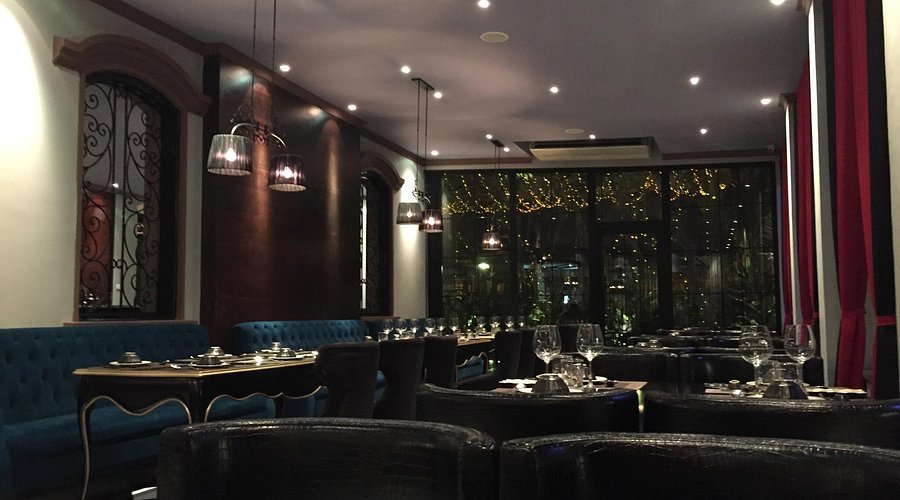
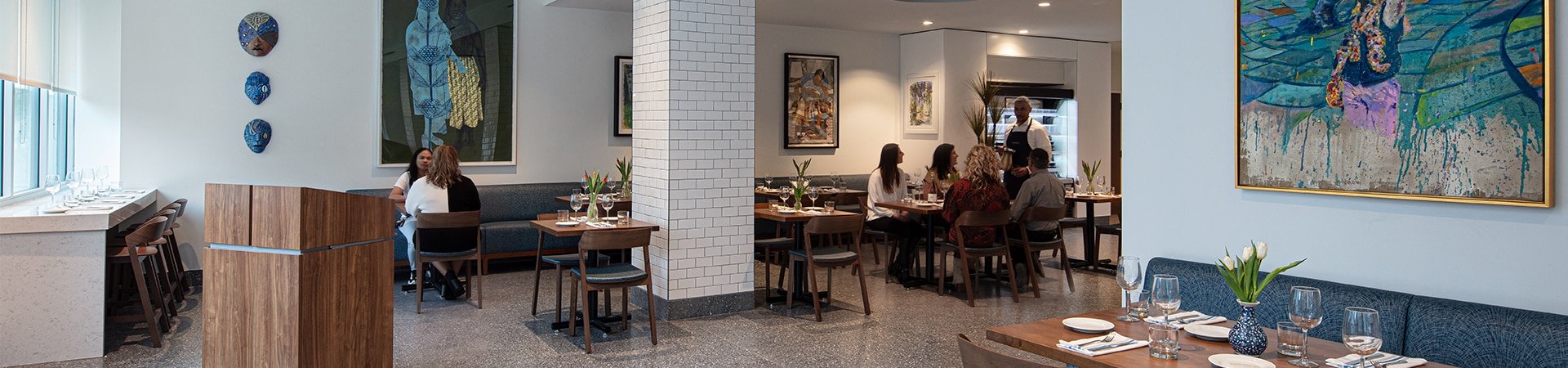
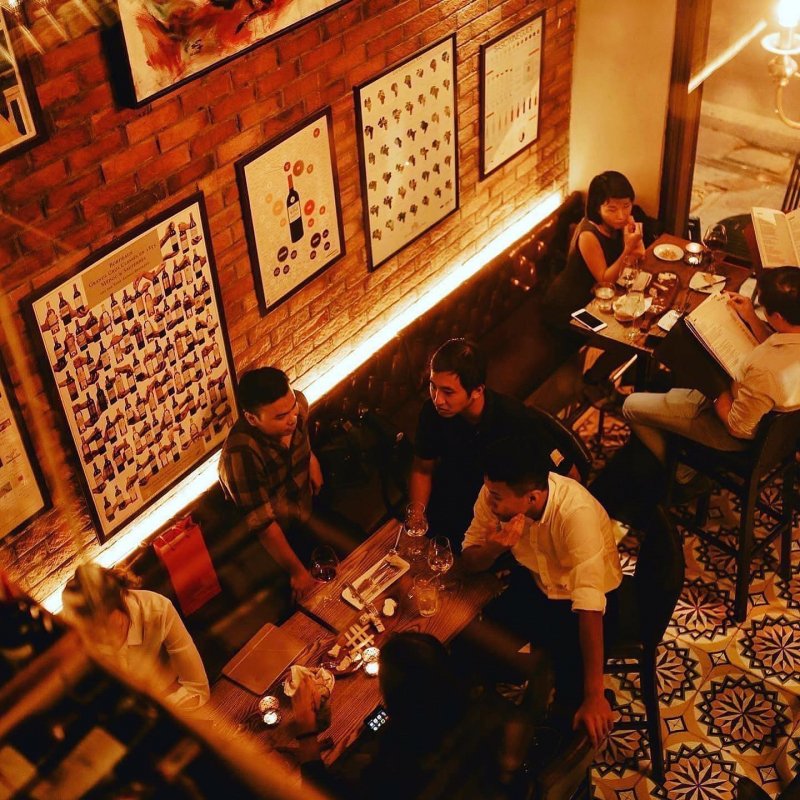
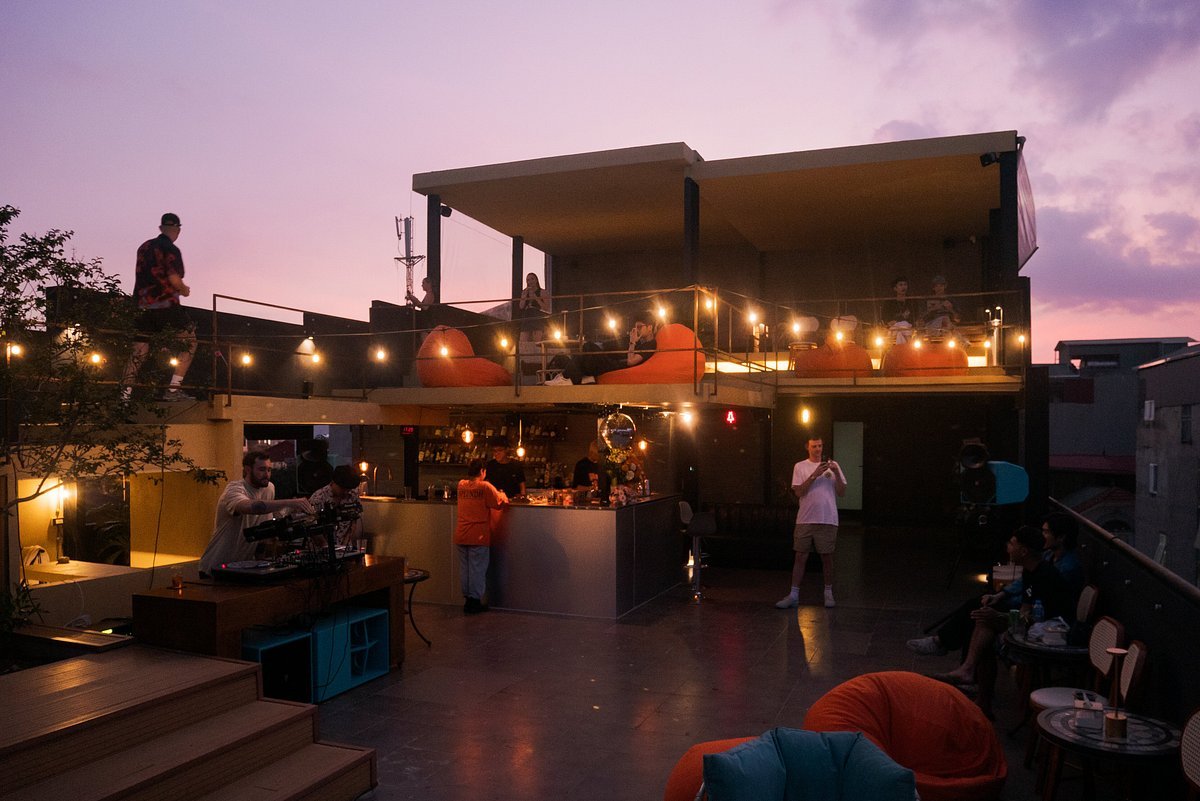
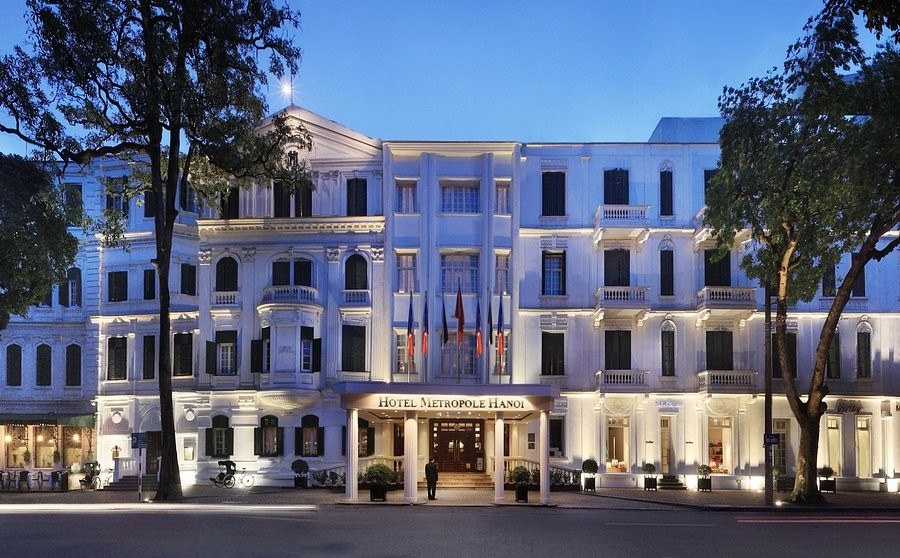
Relaxed atmosphere in a colonial-style historic building with cozy patio courtyard and air-conditioned restaurant
Tags
Vibe
Best For
Experience
Sourcing
At the Table
- Dress Code
- Casual
- Noise Level
- Conversational
- Service Style
- Casual
- Meal Pacing
- Leisurely
- Capacity
- Small
- Kitchen
- Traditional
- Menu Format
- A la carte
- Drinks Focus
- Rice vodka
- Dietary
- Vegetarian friendly
- Outdoor Seating
- Yes
Signature Dishes
- Pho bo
- Bun Cha
- Nem ran
Know before you go
Know Before You Go
- Getting there
- 44 Châu Long, Ngũ Xã, Hà Nội, 46 P. Châu Long, Trúc Bạch, Ba Đình, Hà Nội 100000, Vietnam
Planning details
Location
44 Châu Long, Ngũ Xã, Hà Nội, 46 P. Châu Long, Trúc Bạch, Ba Đình, Hà Nội 100000, Vietnam · Directions
Also consider
Also Consider
- Gia, Vietnamese Contemporary, ₫₫₫₫
- Hibana by Koki, Teppanyaki, ₫₫₫₫
- Tầm Vị, Vietnamese, ₫₫
- 1946 Cua Bac, Vietnamese, ₫
- Bun Cha Ta (Nguyen Huu Huan Street), Noodles, ₫
Restaurant context
Hanoi Cooking Centre occupies a different category from most of its Hanoi peers, it is an experience venue rather than a restaurant, so direct price comparisons are less useful than understanding what each option actually delivers. If you want to eat Vietnamese food at a high level without cooking it yourself, Gia (₫₫₫₫) is the most ambitious option in the city right now, with a contemporary Vietnamese tasting format that rewards adventurous eaters. Hibana by Koki (₫₫₫₫) matches Gia on price but pivots to teppanyaki, worth considering if your group wants theatrical cooking rather than Vietnamese cuisine.
At the more accessible end, Tầm Vị (₫₫) gives you well-executed Vietnamese cooking in a sit-down setting without the class commitment, and 1946 Cua Bac (₫) and Bun Cha Ta (₫) are among the best-value meals you can have in the city. If your goal is simply to eat well and cheaply, those two beat any cooking school on cost and immediacy.
The case for Hanoi Cooking Centre over all of them is specific: it suits travellers who have already eaten around Hanoi and want to leave with skills and context, not just a meal. If that describes your second or third visit, book it. If this is your first time in the city, eat at 1946 Cua Bac or Tầm Vị first and save the class for when you know what questions you want to ask.
Explore Hanoi
Around this place
Discover more on Pearl
Unlock the full Hanoi Cooking Centre guide in Pearl, including awards, comparisons, FAQs, planning details, and nearby places.
Compare Hanoi Cooking Centre
| Venue | Cuisine | Price | Booking Difficulty | Awards |
|---|---|---|---|---|
| Hanoi Cooking Centre | , | , | Easy | No published awards |
| Gia | Vietnamese Contemporary | ₫₫₫₫ | Unknown | Star Wine Lists 20262026 OAD Top Restaurants in Asia Recommended2025 Michelin 1 Star2025 La Liste Top Restaurants2025 The Best Chef One Knife2024 Michelin 1 Star |
| Hibana by Koki | Teppanyaki | ₫₫₫₫ | Unknown | 2025 La Liste Top Restaurants2025 Michelin 1 Star2025 The Best Chef One Knife2024 Michelin 1 Star |
| Tầm Vị | Vietnamese | ₫₫ | Unknown | 2025 Michelin 1 Star2024 Michelin 1 Star |
| 1946 Cua Bac | Vietnamese | ₫ | Unknown | 2025 Michelin Bib Gourmand2024 Michelin Bib Gourmand |
| Bun Cha Ta (Nguyen Huu Huan Street) | Noodles | ₫ | Unknown | 2025 Michelin Bib Gourmand2024 Michelin Bib Gourmand |






What to weigh when choosing between Hanoi Cooking Centre and alternatives.
FAQ
Frequently Asked Questions
Is Hanoi Cooking Centre good for solo dining?
Yes, and it suits solo travellers well. Cooking classes are a social format by nature, so you share bench space and meals with other participants rather than eating alone. If you are in Hanoi by yourself and want a structured way to engage with Vietnamese food beyond restaurant dining, Châu Long is a practical choice. The class setting removes the awkwardness of solo dining entirely.
Is Hanoi Cooking Centre good for a special occasion?
It depends on what you mean by special. A birthday or anniversary works if both people genuinely want to cook together rather than be waited on. For a celebratory dinner with atmosphere and service, look at restaurants in the Trúc Bạch or Old Quarter area instead. Hanoi Cooking Centre is a learning experience first, a meal second.
What should I order at Hanoi Cooking Centre?
There is no ordering in the traditional sense. Classes are structured around a set sequence of Vietnamese dishes, which is the point. You cook what the session covers. Check which class format is running on your date before booking, since the dishes vary by programme.
Does Hanoi Cooking Centre handle dietary restrictions?
Contact the centre directly before booking to confirm. Classes based on set menus can be harder to adapt than restaurant dining, particularly for vegetarians or those avoiding shellfish, which appear frequently in Vietnamese cooking. Flagging requirements at the time of booking gives the best chance of accommodation.
What are alternatives to Hanoi Cooking Centre in Hanoi?
For Vietnamese food in a restaurant setting rather than a class, Bun Cha Ta on Nguyen Huu Huan Street is a straightforward option for classic northern dishes, and 1946 Cua Bac covers traditional Hanoi cooking with a more formal dining format. Tầm Vị is worth considering if you want refined Vietnamese technique on a plate rather than learning it yourself. The cooking centre is the only format of its kind in this comparison set.
Can I eat at the bar at Hanoi Cooking Centre?
No. Hanoi Cooking Centre is a cooking school, not a restaurant or bar. There is no bar service or walk-in dining. You eat what you prepare in the class at the end of the session.
Can Hanoi Cooking Centre accommodate groups?
Yes, group bookings work well here given the class format is already communal. Larger groups should book ahead rather than relying on walk-in availability, particularly between October and April when tourist volumes are highest. A group cooking class is also a more practical private-event option than trying to seat a large party at smaller Hanoi restaurants.