.png?width=1200&quality=80)
Cồ Đàm
Vegetarian · Hoan Kiem, Hanoi
Restaurant in Hanoi, Vietnam
 Book with Pearl
The Read
Buddhist-Inspired Plant Tasting
Price
$20–30per person
Dress
Smart Casual
Why go
Cồ Đàm is Hanoi's only Michelin Plate-recognised vegetarian restaurant (2025), offering a modern Vietnamese tasting menu inside a striking building rooted in Buddhist and Champa architecture. At the ₫₫ price point, it is the strongest value in its category in Hanoi. Book the ground floor for the terracotta pond and request a table in the November-to-February window for the most composed seasonal menu.
About Cồ Đàm
The Verdict
If you are weighing up Hanoi's vegetarian dining options, Cồ Đàm is the one to book. Earning a Michelin Plate in 2025, it is the only vegetarian restaurant in Hanoi operating at this recognition tier, and it earns that status not by simply removing meat but by building an entirely separate culinary logic around Vietnamese flavour combinations. For context: Gia and Hibana by Koki are both compelling Hanoi dining experiences, but neither addresses the vegetarian brief at this level of intention or presentation. If a special occasion or a celebration dinner is on the agenda and you want something that does not feel like a compromise, Cồ Đàm is the clear answer in its category.
The Restaurant
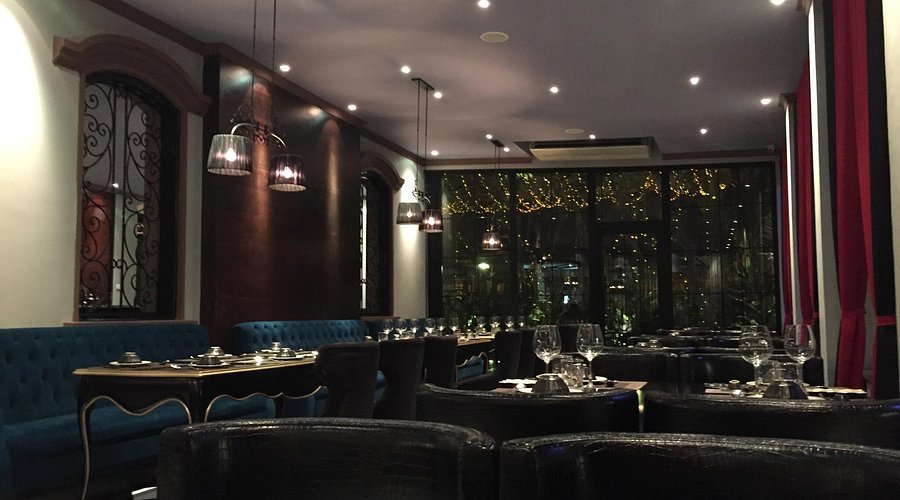
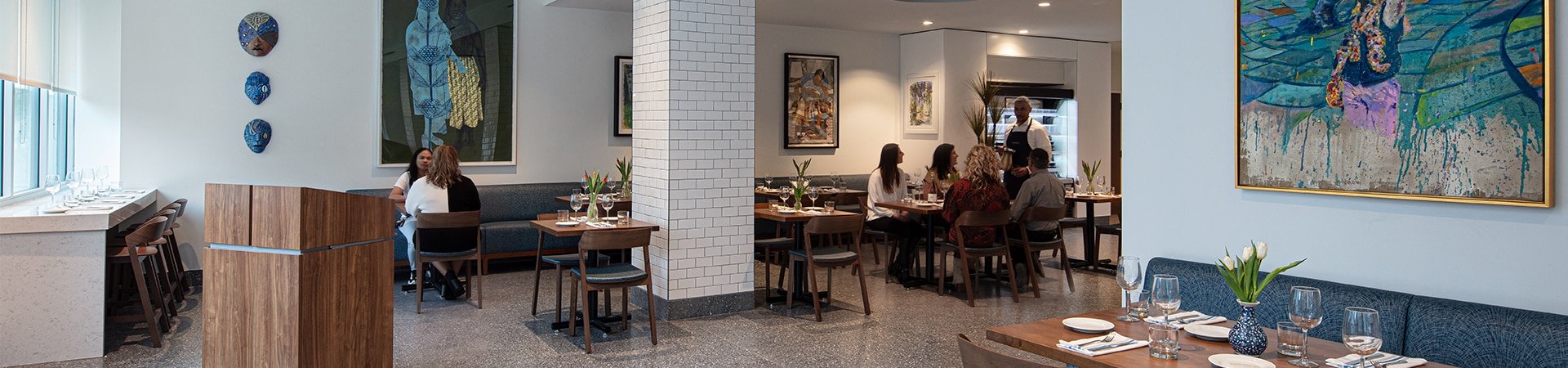
The building at 68a Trần Hưng Đạo, Hoàn Kiếm does serious work before you sit down. The arched entrance of terracotta bricks, the ornate facade drawing from Buddhist and Champa architectural traditions, and a ground-floor pond anchored by a terracotta Buddha create an atmosphere that is genuinely considered rather than decorative. It is the kind of space where the physical setting contributes to the occasion rather than competing with it. Four floors are available for dining, but the ground floor is where the architectural gesture is fullest: the pond, the quiet, and the quality of light give it a composure that the upper floors, however comfortable, cannot quite replicate. If you are booking for a date or an anniversary dinner, request the ground floor when you make your reservation.
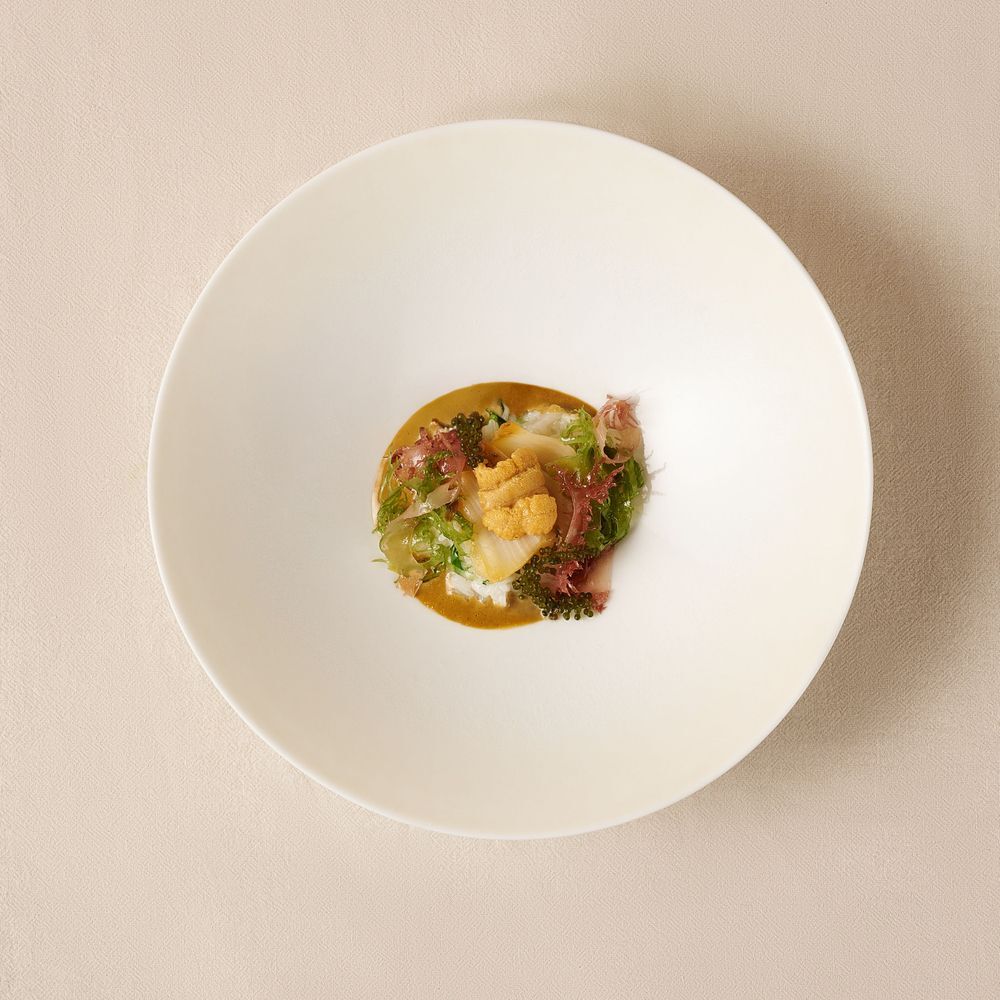
The restaurant takes its name from the Sanskrit name of the Buddha, and that reference extends beyond signage into the cooking philosophy. The tasting menu is vegetarian throughout, structured around modern reinterpretations of Vietnamese classics. The kitchen works with flavour combinations that are complex rather than safe: the approach is creative without performing creativity for its own sake. At the ₫₫ price point, this is also one of the better-value tasting menus you will find in Hanoi's Michelin-recognised tier, sitting meaningfully below the ₫₫₫₫ pricing at venues like Tầm Vị comparators and the top-end tasting room experiences. For vegetarian dining at this presentation level, the pricing makes the decision easier.
Seasonality matters here. Vietnamese vegetarian cooking at the restaurant level draws heavily on what is locally available, and the tasting menu at Cồ Đàm reflects those shifts. Hanoi's cooler months between November and February tend to bring richer, denser preparations; the warmer season from April onward shifts toward lighter, more aromatic profiles. The practical implication: if you are planning a visit specifically to eat well, the November-to-February window offers the most composed version of what the kitchen does. That said, the restaurant operates year-round, and the Michelin Plate recognition covers the full programme rather than a specific seasonal iteration.
Booking is direct. Cồ Đàm does not require the weeks-out lead time that Hanoi's most congested reservations demand. It is worth calling or visiting in person to reserve, particularly for ground-floor seating or for groups of four or more. If you are travelling with non-vegetarian companions who need persuading, the architecture and the presentation level of the food are both strong arguments. For comparison, Ưu Đàm is another vegetarian reference point in Hanoi worth considering, though Cồ Đàm's 2025 Michelin Plate gives it a verifiable quality signal that is harder to find in this category locally.
It is not a place that polarises, which matters when you are booking for a group with mixed expectations.
For those building a broader Vietnam itinerary, it is worth noting the vegetarian and fine-dining tier across the country: CieL in Ho Chi Minh City and La Maison 1888 in Da Nang represent comparable ambition in different cities, while Saffron in Hue City and Cargo Club in Hoi An offer strong regional alternatives for travellers moving through central Vietnam. If the vegetarian tasting menu format appeals to you and you are curious how it benchmarks internationally, Fu He Hui in Shanghai and Lamdre in Beijing are the closest regional comparators at a higher price tier.
The practical address is 68a Trần Hưng Đạo in Hoàn Kiếm, Hanoi's central district, which makes it accessible from most of the city's main hotel clusters. See our full Hanoi restaurants guide for broader context, or explore our Hanoi hotels guide, bars guide, wineries guide, and experiences guide to plan around it.
Ratings at a Glance
- Michelin recognition: Michelin Plate (2025)
- Price tier: ₫₫ — mid-range, strong value for the Michelin-recognised tier
- Booking difficulty: Easy
Practical Details
- Address: 68a Trần Hưng Đạo, Hoàn Kiếm, Hà Nội, Vietnam
- Cuisine: Vegetarian — modern Vietnamese tasting menu
- Leading floor: Ground floor for the pond and terracotta Buddha; request when booking
- Leading season: November to February for the most composed seasonal menu
- Group suitability: Works for 2 to 4; confirm availability for larger groups when reserving
Planning details
- Location
- 68a Trần Hưng Đạo, Hoàn Kiếm, Hà Nội, Vietnam
- Phone
- +84 908 333 696
The take
The Take
The Vibe
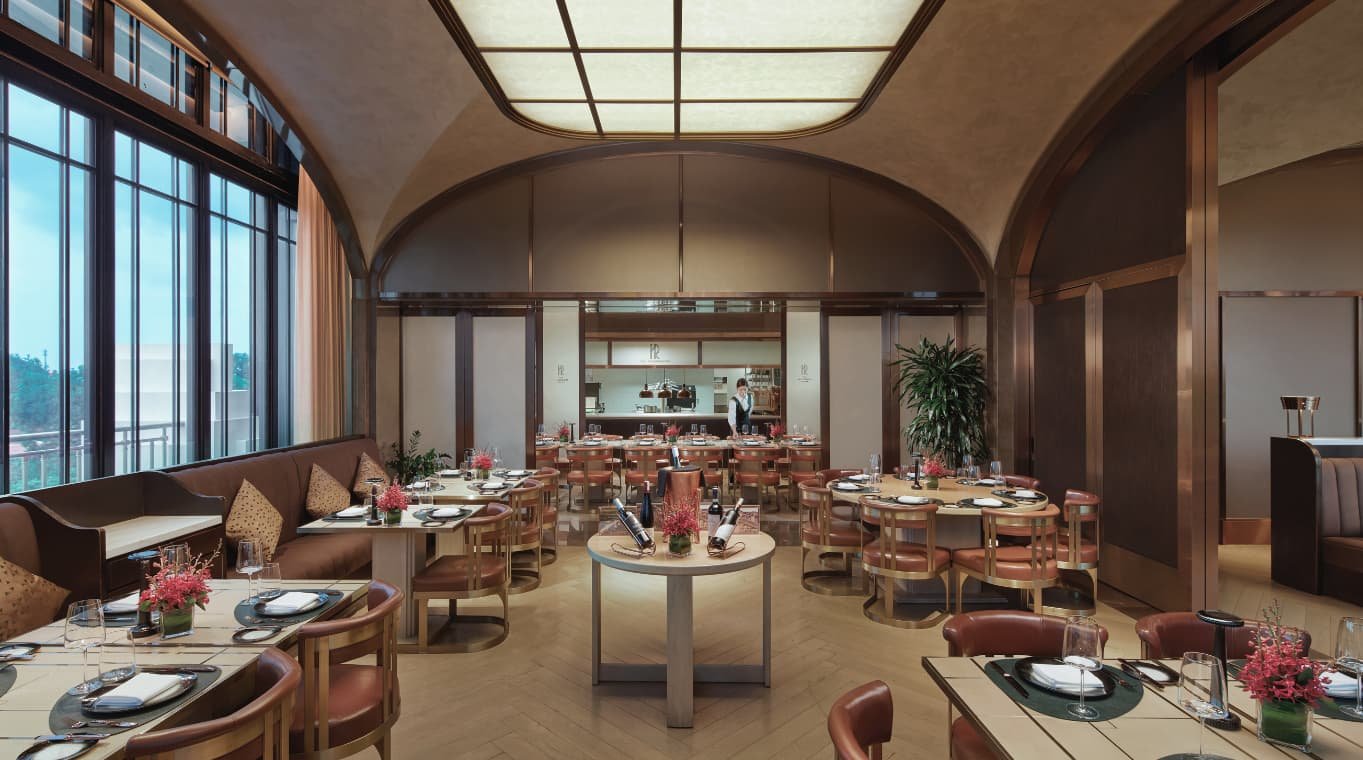
Cồ Đàm presents itself as an architectural essay as much as a restaurant. Terracotta brickwork, Champa and Buddhist ornamentation, and a ground-floor pond establish a contemplative tone that carries through four floors of dining. The kitchen pairs that material and cultural coherence with modern technique, translating Vietnamese classics into plant-based tasting sequences. The 2025 Michelin Plate underlines the kitchen’s consistency and craft, positioning the room as measured and refined rather than austere. Overall, the experience reads as thoughtfully composed: an elevated, serene setting where design and culinary intent are tightly interwoven.
Best For
This is a venue for occasions where presentation and atmosphere matter. The tasting-counter format and the restaurant’s careful architectural framing make it especially well suited to date nights and special occasions, and to diners seeking an elevated vegetarian tasting experience rooted in Vietnamese culinary tradition. The Michelin Plate recognition signals a kitchen operating at a consistent, craft-focused level, so the room also appeals to diners curious about contemporary plant-based cooking that respects heritage while working with modern technique.
Ordering Tips
Prioritize the tasting-counter experience—its title and coverage highlight the counter as the principal way to engage with the kitchen’s technique and pacing. Let the meal unfold deliberately: the ground-floor pond and quiet architectural gestures are part of the experience, and the menu is described as rooted in Vietnamese classics reworked with modern technique. Because the kitchen is noted for consistency (Michelin Plate), expect a composed progression rather than ad-hoc plates; approach the meal as a curated tasting rather than à la carte casual dining.
Venue details
Ambiance
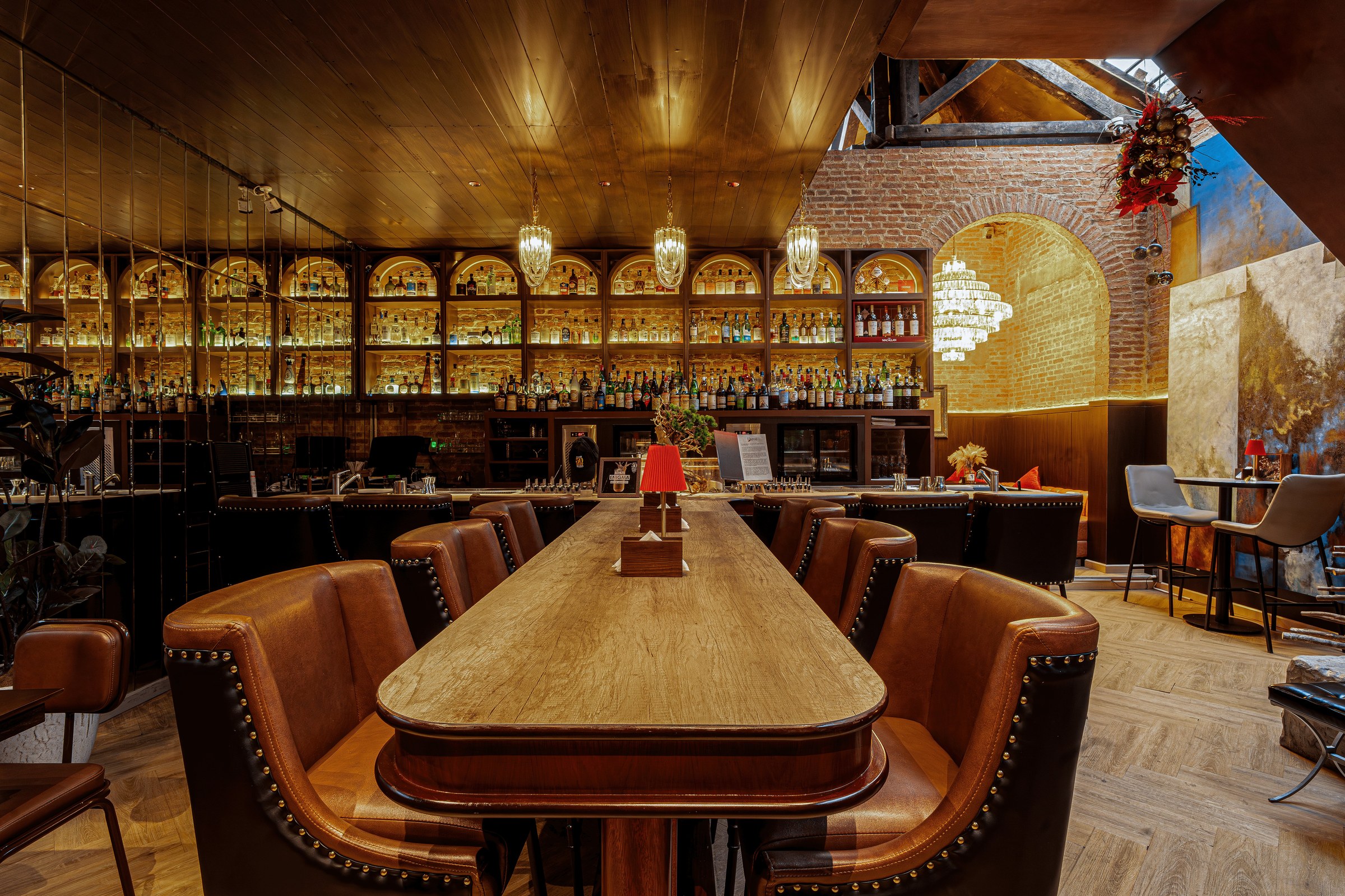
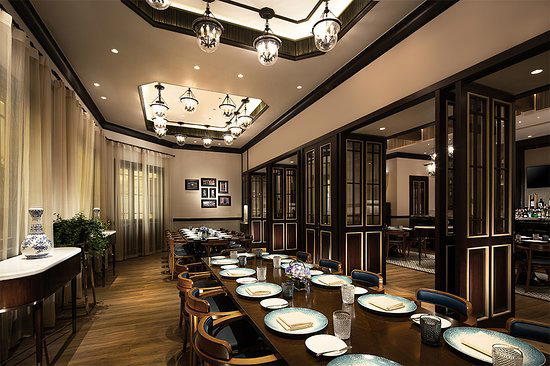
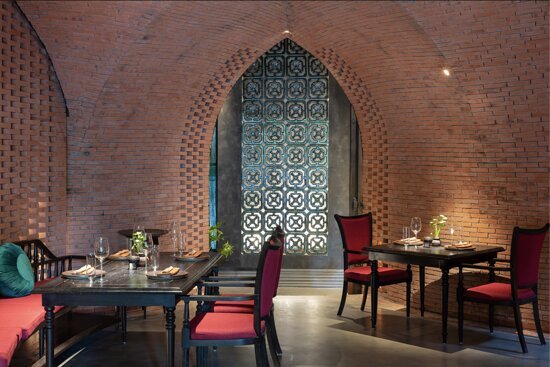
Serene and tranquil atmosphere with ornate terracotta brick design, functioning as both a gallery and sanctuary with beautiful lighting and depth from darker furniture.
Tags
Vibe
Best For
Experience
View
At the Table
- Dress Code
- Smart Casual
- Noise Level
- Quiet
- Service Style
- Upscale Casual
- Meal Pacing
- Leisurely
- Capacity
- Small
- Kitchen
- Modern
- Menu Format
- Tasting menu
- Wine Program
- Curated
- Dietary
- Vegetarian friendly, Vegan options, Allergy accommodating
- Private Dining
- Available
Know before you go
Know Before You Go
- Getting there
- 68a Trần Hưng Đạo, Hoàn Kiếm, Hà Nội, Vietnam
Planning details
Location
68a Trần Hưng Đạo, Hoàn Kiếm, Hà Nội, Vietnam · Directions
Recognition and awards
Also consider
Also Consider
- Hibana by Koki, Teppanyaki, ₫₫₫₫
- Gia, Vietnamese Contemporary, ₫₫₫₫
- Tầm Vị, Vietnamese, ₫₫
- Chào Bạn, Vietnamese, ₫
- T.U.N.G dining, Innovative, ₫₫₫₫
Restaurant context
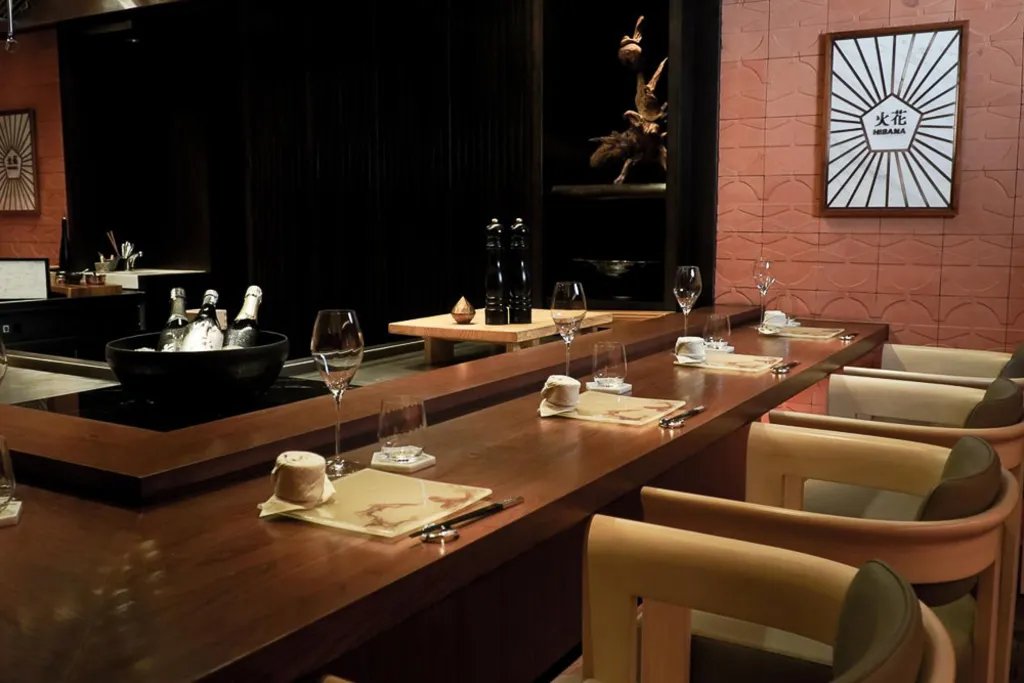
Cồ Đàm sits at ₫₫ with a Michelin Plate, which makes it the most credentialled option in Hanoi's vegetarian space and one of the better-value positions across the city's recognised dining tier. If your priority is a structured, occasion-worthy meal without paying ₫₫₫₫ prices, Cồ Đàm is the clearest answer in the current Hanoi market. Gia at ₫₫₫₫ and T.U.N.G dining at ₫₫₫₫ both operate at a higher price tier and offer strong Vietnamese contemporary and innovative menus respectively, but neither addresses the vegetarian brief, and both require more planning to book. Hibana by Koki at ₫₫₫₫ is a very different format, teppanyaki, theatre-forward, and non-vegetarian, and should not be in the same consideration set unless the guest profile specifically wants Japanese-style cooking.
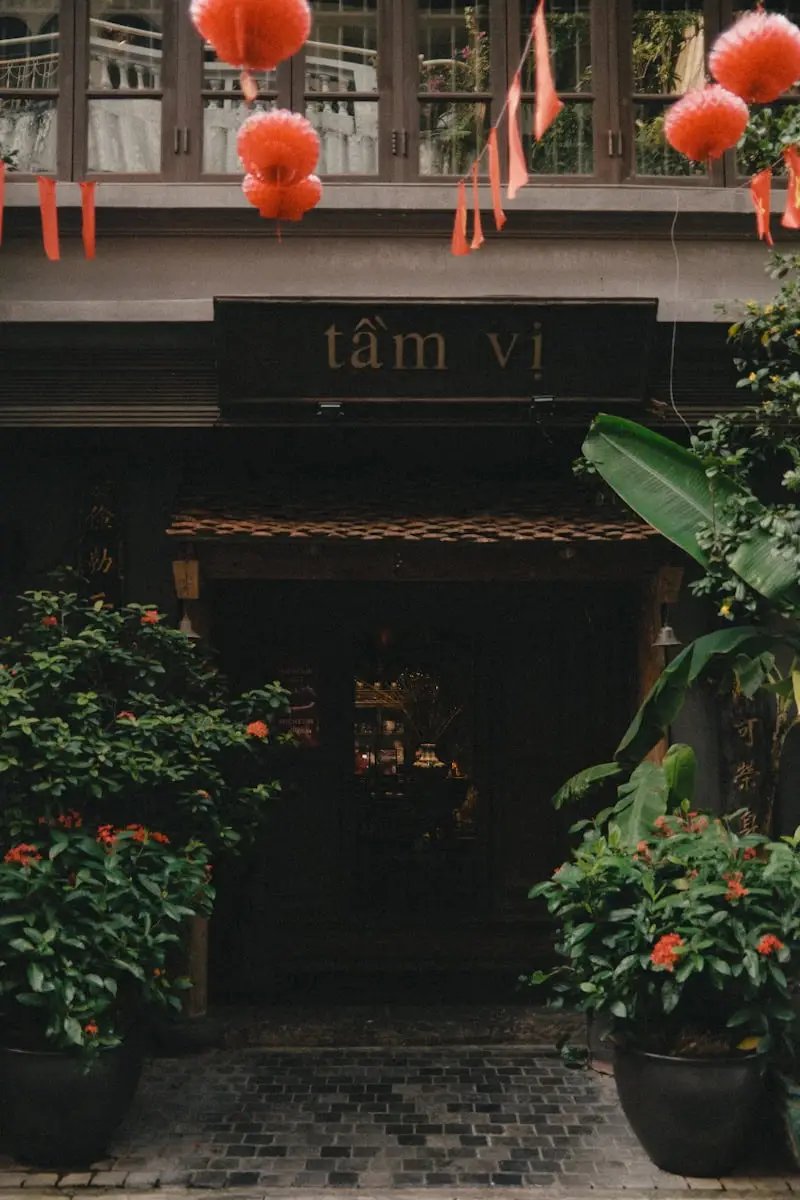
For diners comparing on price alone, Tầm Vị at ₫₫ offers Vietnamese cooking at a comparable spend, while Chào Bạn at ₫ is the budget floor for Vietnamese dining in Hanoi. Neither operates a vegetarian tasting menu format, and neither carries Michelin recognition. The gap in quality signal between Cồ Đàm and these options is meaningful if you are planning around a special meal rather than a casual dinner.
The practical recommendation: if the occasion is a celebration, a date, or any meal where the setting and structure of the evening matter, Cồ Đàm is the booking to make at the ₫₫ tier. If budget is not the constraint and you want to experience Hanoi's most ambitious cooking regardless of vegetarian focus, T.U.N.G dining or Gia are the alternatives to consider. Cồ Đàm is the only venue where the vegetarian format is the main event rather than an accommodation.
Explore Hanoi
Around this place
Discover more on Pearl
Unlock the full Cồ Đàm guide in Pearl, including awards, comparisons, FAQs, planning details, and nearby places.
Compare Cồ Đàm
| Venue | Price | Awards |
|---|---|---|
| Cồ Đàm | ₫₫ | 2025 Michelin Plate2024 Michelin Plate |
| Hibana by Koki | ₫₫₫₫ | 2025 La Liste Top Restaurants2025 Michelin 1 Star2025 The Best Chef One Knife2024 Michelin 1 Star |
| Gia | ₫₫₫₫ | Star Wine Lists 20262026 OAD Top Restaurants in Asia Recommended2025 Michelin 1 Star2025 La Liste Top Restaurants2025 The Best Chef One Knife2024 Michelin 1 Star |
| Tầm Vị | ₫₫ | 2025 Michelin 1 Star2024 Michelin 1 Star |
| Chào Bạn | ₫ | 2025 Michelin Bib Gourmand2024 Michelin Bib Gourmand |
| T.U.N.G dining | ₫₫₫₫ | 2025 The Best Chef One Knife2025 Michelin Plate2024 Michelin Plate |






Side-by-side comparison to help you decide where to book.
FAQ
Frequently Asked Questions
What should a first-timer know about Cồ Đàm?
Go straight for the tasting menu — it is the format the kitchen is built around and the reason this place earned a Michelin Plate in 2025. The building at 68a Trần Hưng Đạo, Hoàn Kiếm operates across four floors; book early enough to request the ground floor, where a terracotta Buddha and tranquil pond set the tone for the meal. At ₫₫ pricing, it is accessible by Hanoi standards for this level of recognition.
What should I order at Cồ Đàm?
The vegetarian tasting menu is the only answer here — it showcases creative, modern takes on Vietnamese classics and is what the Michelin recognition is tied to. Ordering à la carte, if available, would miss the point of what the kitchen does well. Come prepared to let the kitchen lead.
Is Cồ Đàm worth the price?
At ₫₫ pricing, yes — this is one of the more affordable entry points to Michelin-recognised dining anywhere in Southeast Asia. The 2025 Michelin Plate reflects genuine kitchen ambition, not just setting. If you are comparing against Hanoi's other tasting menu venues, Cồ Đàm offers a more focused, lower-cost case for the format than T.U.N.G dining, which pitches at a higher price tier.
What are alternatives to Cồ Đàm in Hanoi?
For omnivore tasting menus with comparable ambition, T.U.N.G dining is the reference point in Hanoi's fine dining tier. Gia offers modern Vietnamese cooking in a more casual format. Chào Bạn works well for everyday vegetable-forward eating without the tasting menu structure. None of these replicate Cồ Đàm's specific vegetarian focus backed by Michelin recognition.
Is Cồ Đàm good for a special occasion?
Yes, and the ground floor is the seat to request — the terracotta Buddha, ornate facade, and pond create an atmosphere that reads as occasion-appropriate without feeling staged. The ₫₫ price range means you are not paying premium-room prices for the setting. For a milestone dinner in Hanoi where dietary preferences skew vegetarian, this is the clearest choice in the city.
Is the tasting menu worth it at Cồ Đàm?
Yes, especially at ₫₫ pricing. The Michelin Plate in 2025 validates the kitchen's approach to Vietnamese vegetarian cooking as something beyond simple plant substitution — the menu is described as creative and modern, not temple-canteen simple. If you are accustomed to tasting menus elsewhere in Asia, the price-to-ambition ratio here is one of the stronger cases you will find.