.png?width=1200&quality=80)
A Bản Mountain Dew
Vietnamese · Ba Dinh, Hanoi
Restaurant in Hanoi, Vietnam
 Book with Pearl
The Read
Northern Vietnamese Fresh-First
Price
$20–30per person
Dress
Casual
Why go
A Bản Mountain Dew holds two consecutive Michelin Plates (2024–2025) for its northern and highland Vietnamese cooking in Ba Đình, and does so at a ₫₫ price point that makes it one of the most accessible Michelin-acknowledged meals in Hanoi. With easy booking, this is a clear yes for anyone who wants credentialed Vietnamese food without the fine-dining price tag.
About A Bản Mountain Dew
Verdict
A Bản Mountain Dew is not a tourist-facing Vietnamese restaurant dressed up for foreign visitors. It is a Michelin Plate-recognised address in Ba Đình that takes the cooking of Vietnam's highland and northern regions seriously, priced at a level (₫₫) that makes it one of the most accessible Michelin-acknowledged meals you can have in Hanoi. If you have already eaten here once and defaulted to familiar dishes, this is the visit to go further. The recommendation is clear: book it, especially if you want credentialed Vietnamese cooking without the ₫₫₫₫ commitment of somewhere like Gia.
About A Bản Mountain Dew
The most common assumption about a restaurant with two consecutive Michelin Plates (2024 and 2025) is that it must be expensive, formal, or built primarily for international diners. A Bản Mountain Dew corrects all three. Located at 76 Trần Phú in the Điện Biên ward of Ba Đình, it sits in a part of Hanoi that feels residential and local rather than tourism-facing, which shapes the whole character of the experience. This is a neighbourhood address that earned its Michelin recognition by cooking Vietnamese food with discipline and regional specificity, not by translating Vietnamese flavours into something more globally legible.
The name itself signals intent. "A Bản" references the village or hamlet in the highland communities of northern Vietnam, and "Mountain Dew" points toward the cooking traditions of those upland regions. That framing matters when you are deciding what to order and what to expect. The cuisine here draws from a repertoire that is less familiar than Hanoi staples, which is precisely what makes a return visit more rewarding than the first. If your first time was spent on safer choices, the second visit is where the restaurant earns its Michelin Plate twice over.
Lunch vs. Dinner at A Bản Mountain Dew
This is the question worth resolving before you book. At the ₫₫ price point, the gap in spend between lunch and dinner at a restaurant like this is unlikely to be dramatic, but the experience differs in ways that matter. Lunch at Vietnamese restaurants in this tier tends to attract a local crowd, shorter sittings, and a kitchen operating at pace rather than ceremony. If you want a more considered meal with time to work through the menu, an evening visit is the better call. Lunch is the right choice if you are fitting A Bản into a day of neighbourhood exploration around Ba Đình, where you might also stop at 1946 Cua Bac or Cau Go across the broader Old Quarter area.
For a special occasion or a meal where the food is the point rather than the backdrop, dinner is the stronger recommendation. Evening service at a Michelin Plate restaurant in Hanoi at this price level represents genuinely good value compared to what the same recognition costs elsewhere in Southeast Asia. For context, a Michelin Plate dinner in Bangkok or Singapore at a comparable local-cuisine address would almost certainly cost more per head. The ₫₫ pricing here is not a compromise; it reflects the local market and makes A Bản one of the more compelling value propositions in the city.
What the Michelin Plate Tells You
Two consecutive Michelin Plates (2024 and 2025) confirm consistency, not just a single strong year. The Michelin Plate designation, distinct from a Star, signals that inspectors found cooking worth recommending: technically sound, with clear identity. For a Vietnamese restaurant at the ₫₫ level in Hanoi, this is meaningful because the Michelin Guide to Vietnam has been selective. The recognition places A Bản in a competitive set that includes much higher-priced addresses, which makes the value argument more concrete. You are getting Michelin-acknowledged quality at a price point well below what the credential usually implies.
For returning visitors specifically, the Michelin Plate is a prompt to trust the kitchen's less obvious choices on the menu. The dishes that earned inspector attention are unlikely to be the ones that look safest on paper. This is a kitchen with a point of view about highland Vietnamese cooking, and the Plate is evidence that the point of view holds up.
Practical Details
Address: 76 P. Trần Phú, Điện Biên, Ba Đình, Hà Nội, Vietnam. Cuisine: Vietnamese, with a focus on northern and highland regional traditions. Price range: ₫₫ — accessible by any standard, and particularly so given the Michelin recognition. Reservations: Booking difficulty is rated easy, which is useful to know but should not lead to leaving it entirely to chance, especially for evening sittings. Dress code: No formal dress expectations at this price level and neighbourhood setting. Awards: Michelin Plate 2024 and 2025.
Hanoi has a deep restaurant scene worth mapping around this visit. See our full Hanoi restaurants guide for context, and if you are planning around accommodation or evening plans, our Hanoi hotels guide and bars guide are worth checking too. For broader Hanoi planning, our experiences guide covers the neighbourhood well.
A Bản in the Wider Vietnam Context
If you are eating across Vietnam rather than just in Hanoi, A Bản represents the northern end of a cooking tradition that shifts substantially by region. Anan Saigon in Ho Chi Minh City works in a more contemporary register with southern Vietnamese food. La Maison 1888 in Da Nang sits at a completely different price level and format. For Central Vietnamese cooking, Rice Bowl in Hue City is worth comparing. Closer to street-food tradition, Bánh Mì Phượng in Hoi An anchors the other end of the spectrum. A Bản sits firmly in the credentialed mid-tier: not street food, not fine dining, but a kitchen taking regional Vietnamese cooking seriously with recognition to match. For those curious how Vietnamese cooking translates internationally, Camille in Orlando and Berlu in Portland offer useful reference points.
How It Compares
Planning details
- Location
- 76 P. Trần Phú, Điện Biên, Ba Đình, Hà Nội, Vietnam
- Reservations
- Book on the venue's website
- Website
- aban.com.vn
- Phone
- +84 856 787 678
The take
The Take
The Vibe
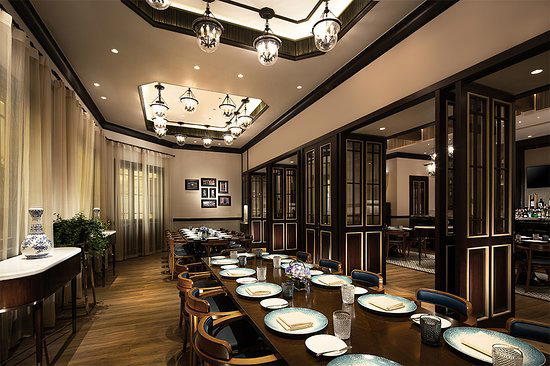
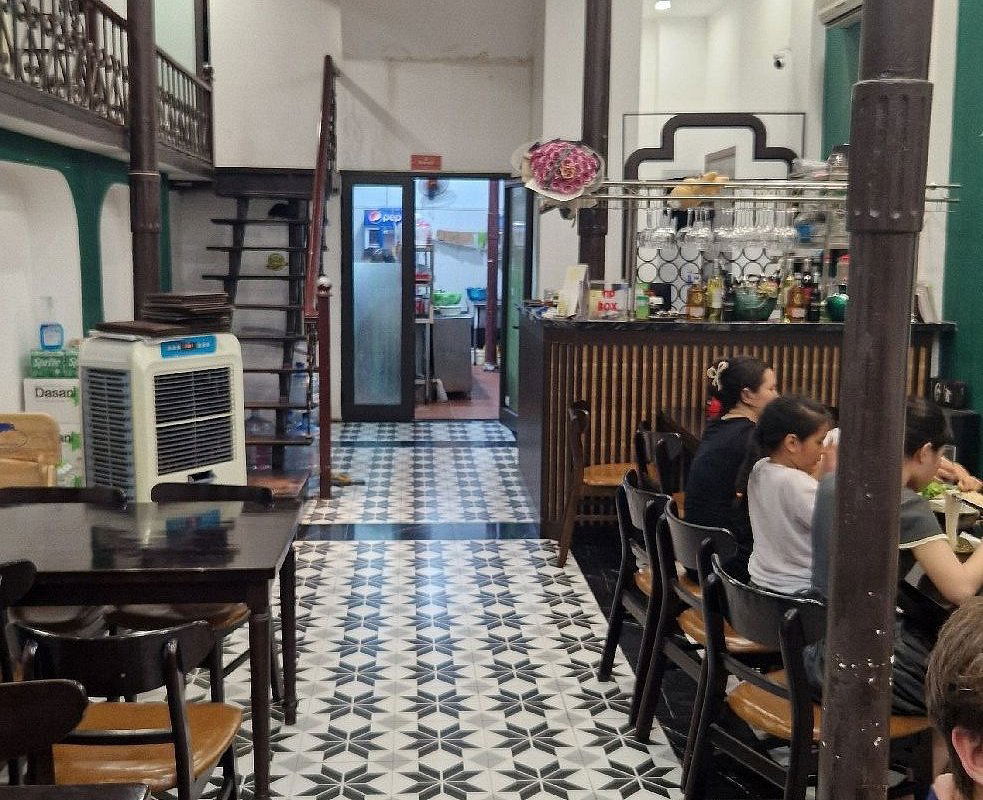
A Bản Mountain Dew sits quietly on Trần Phú, in a section of Hanoi that favors trees, government buildings and a more residential tempo. The room reads as modest and local rather than tourist-facing: the copy positions the restaurant away from the bustle of Hoàn Kiếm and within the quieter register of Ba Đình. The writing leans into northern Vietnamese sensibilities—fresh herbs, fermented condiments and mountain-sourced produce—so the overall feel is unpretentious and rooted in regional tradition. It feels like a calm, classic neighbourhood spot where the food and the setting are equally low-key and considered.
Best For
This is a mid-range, locally minded restaurant that suits casual gatherings and small group meals. The text emphasizes shared, hands-on eating—plates of herbs, rice paper and assemble-at-the-table traditions—which naturally lends itself to group dining or a relaxed evening out. Its location on a quieter street in Ba Đình makes it a good pick for diners seeking a less touristy meal in Hanoi. Expect an informal service style and food built for sharing rather than a formal, multi-course tasting experience.
Ordering Tips
Pay attention to the fresh components: the description highlights plates of herbs, bean sprouts and sheets of rice paper as essential parts of the meal rather than mere garnishes. Order several small plates to share so everyone can tear, wrap and dip in the northern Vietnamese manner the copy describes. Favor vegetable- and herb-forward dishes that reflect the "bản" (highland village) orientation—look for items that showcase fermented condiments and mountain produce. Sharing is central: assembling at the table is part of the experience, so come prepared to participate.
Venue details
Ambiance
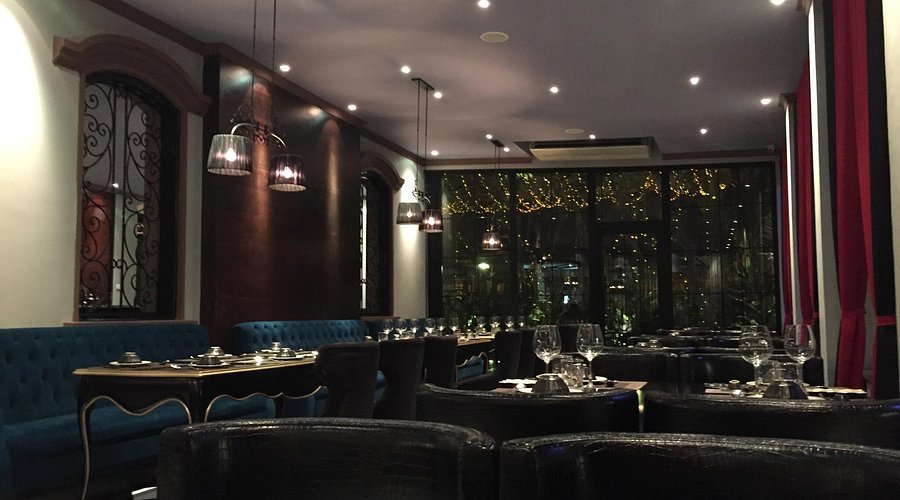
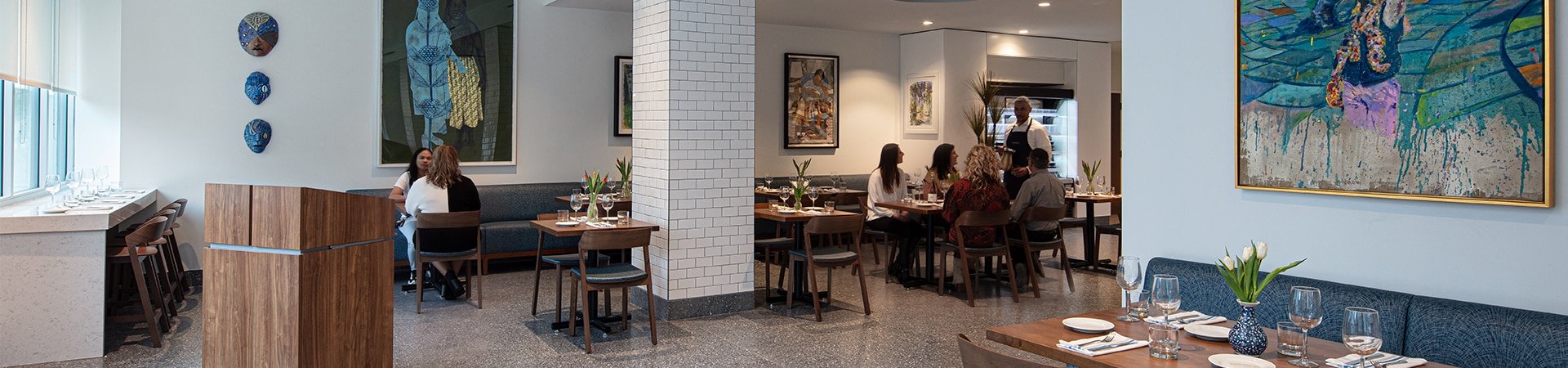
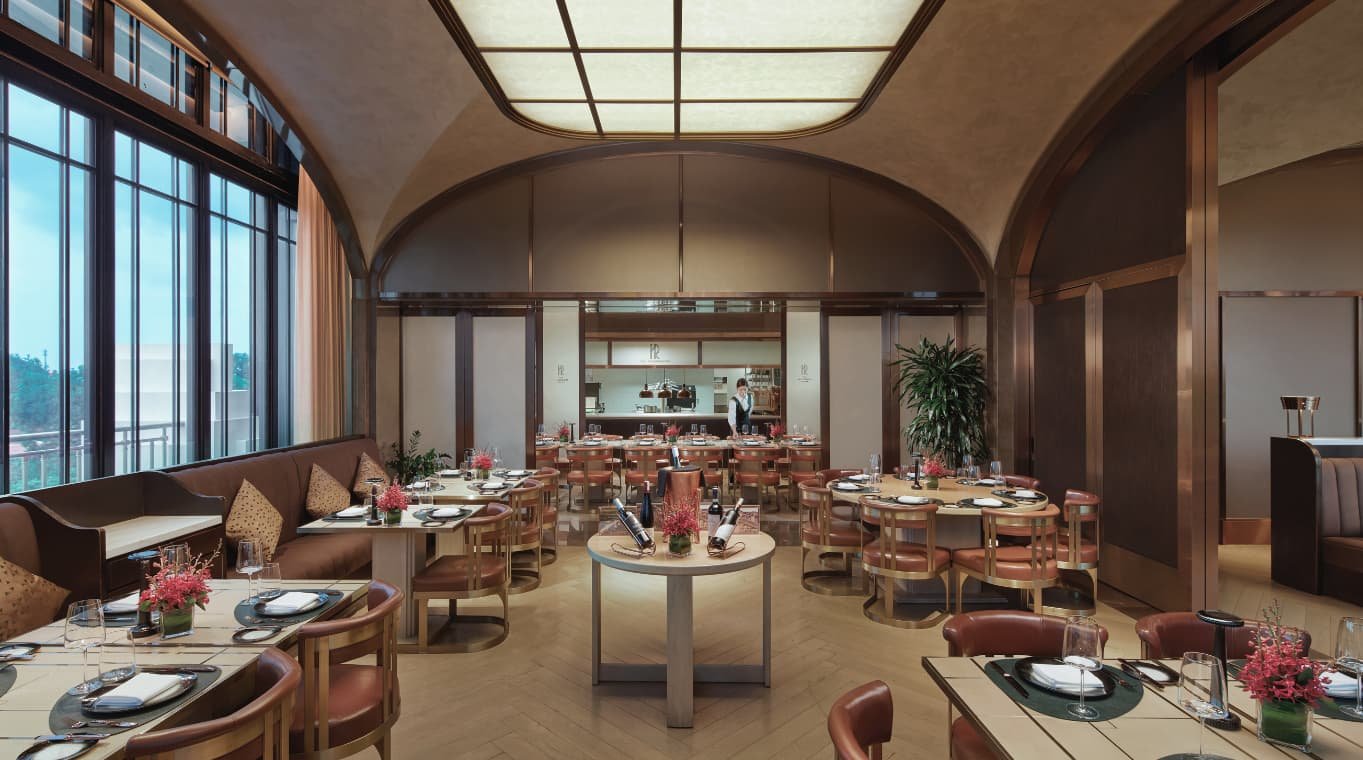
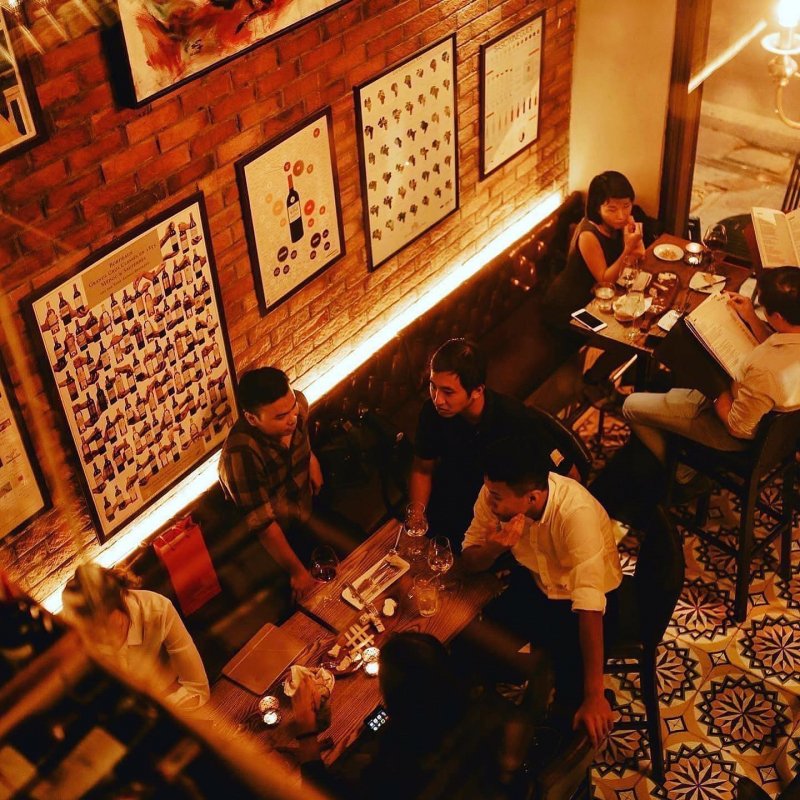
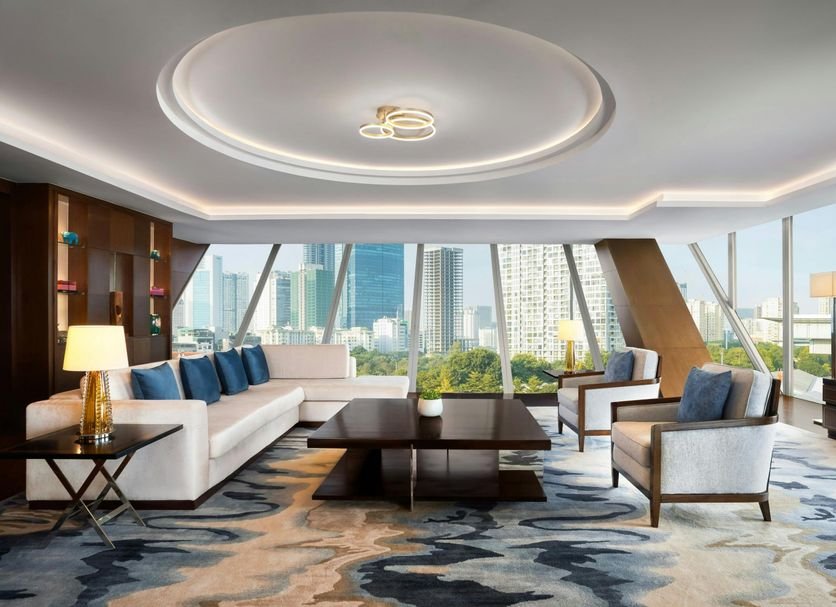
A refined, contemporary dining room with a lush garden feel, colorful decor, and design elements inspired by northwestern Vietnam’s mountains and ethnic heritage.
Tags
Vibe
Best For
Experience
Sourcing
View
At the Table
- Dress Code
- Casual
- Noise Level
- Conversational
- Service Style
- Upscale Casual
- Meal Pacing
- Standard
- Capacity
- Large
- Kitchen
- Fusion
- Menu Format
- Set menu, A la carte
- Wine Program
- Standard
- Drinks Focus
- Wine
- Dietary
- Vegetarian friendly, Gluten-free options
- Opened
- 2024
Signature Dishes
- Nộm bì trâu
- Cơm lam
- Lạp sườn gác bếp
- Khau nhục
- Xôi ngũ sắc
Know before you go
Know Before You Go
- Getting there
- 76 P. Trần Phú, Điện Biên, Ba Đình, Hà Nội, Vietnam
Planning details
Location
76 P. Trần Phú, Điện Biên, Ba Đình, Hà Nội, Vietnam · Directions
Recognition and awards
Also consider
Also Consider
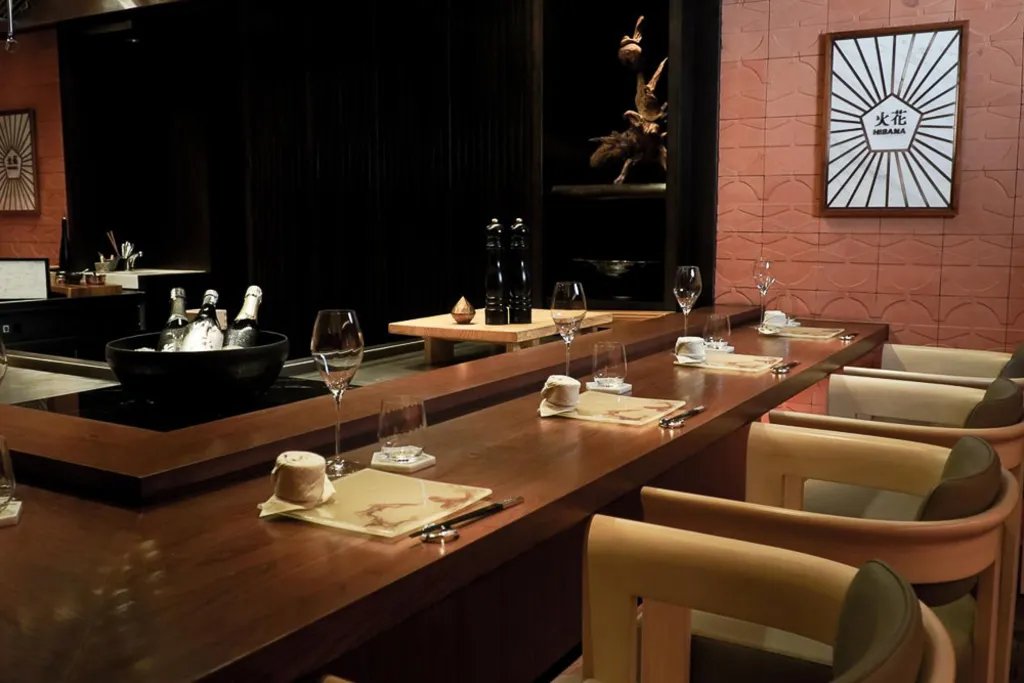
- Hibana by Koki, Teppanyaki, ₫₫₫₫
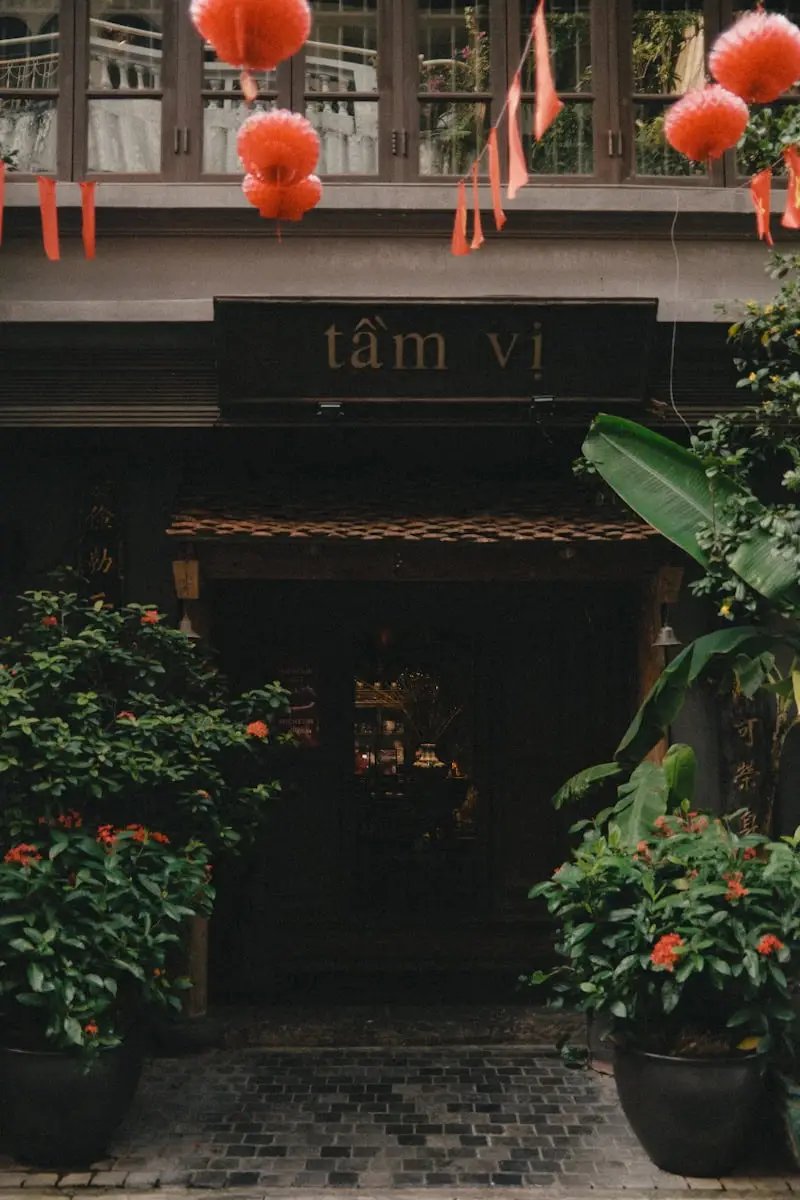
- Tầm Vị, Vietnamese, ₫₫
- Gia, Vietnamese Contemporary, ₫₫₫₫
- 1946 Cua Bac, Vietnamese, ₫
- Bun Cha Ta (Nguyen Huu Huan Street), Noodles, ₫
Restaurant context
A Bản sits in a specific and useful position in Hanoi's restaurant options: Michelin-recognised Vietnamese cooking at mid-range prices. Its closest peer at the same price tier is Tầm Vị (₫₫, Vietnamese), which shares the accessible pricing but not the consecutive Michelin Plate credentials. If your decision is purely about value for recognised quality, A Bản has the stronger case.
At the budget end, 1946 Cua Bac (₫) and Bun Cha Ta on Nguyen Huu Huan Street (₫) deliver honest Vietnamese cooking at street-food prices. Neither offers the depth of a Michelin-acknowledged kitchen, but both are the right call if you want to eat well and spend minimally. For a quick lunch stop rather than a considered meal, either of those is more practical than A Bản.
At the opposite end, Gia (₫₫₫₫, Vietnamese Contemporary) and Hibana by Koki (₫₫₫₫, Teppanyaki) represent the top of the Hanoi spend range. Gia is the direct comparison if you want Vietnamese cooking at a more ambitious and formal level; the jump in price buys a contemporary tasting format and a higher degree of ceremony. A Bản is the better recommendation for most diners: it gives you Michelin-level cooking without requiring a ₫₫₫₫ commitment, and the regional highland focus gives it a distinct identity that neither budget nor fine-dining alternatives replicate.
Explore Hanoi
Around this place
Discover more on Pearl
Unlock the full A Bản Mountain Dew guide in Pearl, including awards, comparisons, FAQs, planning details, and nearby places.
Compare A Bản Mountain Dew
| Venue | Price | Booking Difficulty | Awards |
|---|---|---|---|
| A Bản Mountain Dew | ₫₫ | Easy | 2025 Michelin Plate2024 Michelin Plate |
| Hibana by Koki | ₫₫₫₫ | Unknown | 2025 La Liste Top Restaurants2025 Michelin 1 Star2025 The Best Chef One Knife2024 Michelin 1 Star |
| Tầm Vị | ₫₫ | Unknown | 2025 Michelin 1 Star2024 Michelin 1 Star |
| Gia | ₫₫₫₫ | Unknown | Star Wine Lists 20262026 OAD Top Restaurants in Asia Recommended2025 Michelin 1 Star2025 La Liste Top Restaurants2025 The Best Chef One Knife2024 Michelin 1 Star |
| 1946 Cua Bac | ₫ | Unknown | 2025 Michelin Bib Gourmand2024 Michelin Bib Gourmand |
| Bun Cha Ta (Nguyen Huu Huan Street) | ₫ | Unknown | 2025 Michelin Bib Gourmand2024 Michelin Bib Gourmand |






A quick look at how A Bản Mountain Dew measures up.
FAQ
Frequently Asked Questions
Is the tasting menu worth it at A Bản Mountain Dew?
At the ₫₫ price point, A Bản represents genuinely low financial risk for Michelin Plate-level cooking. Two consecutive Michelin Plates (2024 and 2025) confirm this is not a one-season performance. If you want structured exposure to northern and highland Vietnamese traditions without the cost of Hanoi's higher-end tasting formats, this is the case for booking it.
What should a first-timer know about A Bản Mountain Dew?
This is not a tourist-facing restaurant. It sits at 76 P. Trần Phú in Ba Đình — a quieter residential and governmental district, not the Old Quarter. The cuisine draws on northern and highland Vietnamese traditions, which means the flavour profile will differ from the southern-inflected cooking most visitors encounter first. Come with some familiarity with regional Vietnamese food or an open approach to it.
Is A Bản Mountain Dew worth the price?
At ₫₫, the price-to-credential ratio is strong. Two Michelin Plates in consecutive years (2024, 2025) at this price range is the kind of value that makes A Bản the sensible pick over pricier Hanoi alternatives when budget discipline matters. The question is less about whether it's worth the money and more about whether northern Vietnamese highland cooking is the style you want on a given night.
Is A Bản Mountain Dew good for solo dining?
Nothing in the venue's profile or Ba Đình location rules out solo dining, and at ₫₫ the financial commitment is low. Solo diners comfortable eating alone in a non-tourist neighbourhood setting should find this manageable. It is a more practical solo choice than formal omakase-style venues where single seats can be harder to secure.
Can A Bản Mountain Dew accommodate groups?
No group-seating specifics are documented. For groups of four or more, it's worth confirming capacity when you book — smaller Michelin-recognised restaurants in Hanoi can have limited room configurations. The ₫₫ price point keeps the group spend reasonable either way.
Is A Bản Mountain Dew good for a special occasion?
The Michelin Plate recognition gives it credibility as a special-occasion choice, and the ₫₫ pricing means you are not overpaying for the occasion. It works well if your guest appreciates regional Vietnamese cooking over international fine dining formats. For a celebration where the setting itself needs to impress, confirm the dining room scale before booking — the Ba Đình address suggests a modest footprint.
What are alternatives to A Bản Mountain Dew in Hanoi?
Gia is the comparison if you want a more design-forward, modern Vietnamese experience at a higher price point. Tầm Vị covers similar regional territory if you want a direct style comparison. For casual northern Vietnamese at a lower spend, Bun Cha Ta on Nguyen Huu Huan Street is a practical fallback. 1946 Cua Bac is worth considering if the Ba Đình neighbourhood is already on your route.