.png?width=1200&quality=80)
Zen Tea
Vegetarian · Guangzhoushi, Guangzhou
Restaurant in Guangzhou, China
 Book with Pearl
The Read
Gongfu Cha Vegetarian
Price
¥¥
Dress
Smart Casual
Why go
Zen Tea holds back-to-back Michelin Plates (2024–2025) at the ¥¥ price tier, making it one of Guangzhou's more accessible routes into recognised vegetarian dining. The Baiyun location requires planning, public data is thin, but the award consistency justifies a booking for plant-based-focused travellers building a serious Guangzhou itinerary.
About Zen Tea
Zen Tea, Guangzhou: Verdict
At the ¥¥ price tier, Zen Tea is one of the more accessible entry points into Michelin-recognised vegetarian dining in Guangzhou. Two consecutive Michelin Plates (2024 and 2025) confirm it has held a consistent standard worth taking seriously. If you are looking for plant-based dining that carries independent culinary validation without the ¥¥¥¥ commitment of somewhere like Rêver, this is a credible, low-risk booking. The caveat: limited publicly available data on hours, booking method, seating means you will need to verify logistics on arrival or through local channels before committing to a late evening visit.
Portrait
Zen Tea sits in the Baiyun district of Guangzhou, at a price point that makes it approachable for explorers who want to test the city's vegetarian credentials without a significant financial commitment. The ¥¥ positioning is notable: in a city where serious restaurant ambition tends to drift toward ¥¥¥ and above, a Michelin Plate at this tier is a signal that the kitchen is doing something deliberate and disciplined rather than simply riding the wave of premium plant-based dining.
The atmosphere at Zen Tea is likely to read calm and considered rather than loud or high-energy. Tea-inflected vegetarian concepts in China typically trade on quietude as a selling point; the room tends toward low noise, measured service pacing, a mood that rewards slowing down. For a guest looking to stretch a meal across two or three hours of conversation, this format usually holds up better than a buzzing Cantonese dining room.
From a late-evening perspective, Zen Tea's format is worth considering carefully. Tea-house and vegetarian concepts in Guangzhou tend to be dinner-and-done rather than late-night operations. Hours are not confirmed in the data available, so if you are planning a post-theatre or late dinner at, say, 9 PM or beyond, contact the venue directly before booking. This is not the kind of place to show up at 10 PM without a confirmed reservation. Compare this to the more flexible late-night posture of casual Sichuan spots like Song, which typically operate later and with less formality around timing.
For the food-focused traveller building a Guangzhou itinerary around China's broader vegetarian dining circuit, Zen Tea fits a recognisable pattern. Comparable Michelin-recognised vegetarian venues elsewhere in China include Fu He Hui in Shanghai and Lamdre in Beijing, both of which operate at higher price tiers and carry stronger international name recognition. Zen Tea at ¥¥ occupies a more accessible position in that hierarchy, making it a logical addition to any itinerary that already includes a higher-commitment meal elsewhere in the city. If you are spending a few days in Guangzhou and have already booked a dinner at Chōwa or Imperial Treasure Fine Chinese Cuisine, Zen Tea works well as a lower-key, earlier-evening counterpoint.
The Baiyun location places Zen Tea away from the central tourist and business dining clusters. That is not a deterrent for a committed explorer, but it does mean building in transit time and not treating this as a quick detour from a hotel in Tianhe or Yuexiu. Use the address (Tianmu St, Baiyun) to calculate your journey and confirm whether the kitchen runs a full dinner service before you travel across the city.
Within Guangzhou's vegetarian and plant-forward dining scene, Zen Tea sits alongside venues like Gu Yuan, Jia Yuan, Plant-Based Kitchen, Soodle, and Tian Shui. For a broader read on where to eat in the city, see our full Guangzhou restaurants guide. If you are planning the whole trip, our Guangzhou hotels guide, bars guide, wineries guide, and experiences guide are worth bookmarking alongside this.
For context on what Michelin Plate-level vegetarian dining looks like elsewhere in the region, it is useful to compare notes with Ru Yuan in Hangzhou and Xin Rong Ji in Chengdu, or to look at the broader Chinese fine dining circuit through venues like Xin Rong Ji in Beijing, 102 House in Shanghai, Chef Tam's Seasons in Macau, and Dai Yuet Heen in Nanjing.
Awards & Recognition
- Michelin Plate; 2025
- Michelin Plate, 2024
Practical Details
Reservations: Booking method not confirmed, call ahead or visit in person; walk-ins may be possible given the ¥¥ format, but do not rely on this for a late-evening visit. Budget: ¥¥, one of the more affordable Michelin-recognised vegetarian options in Guangzhou. Location: Tianmu St, Baiyun district, allow extra transit time from central Guangzhou. Hours: Not confirmed; verify before travelling. Dress: No confirmed dress code; smart casual is appropriate for a Michelin Plate venue at this tier. Booking difficulty: Easy, the ¥¥ tier and Baiyun location mean this is unlikely to be heavily contested, but confirm hours first.
Planning details
- Location
- 57F8+JG5, Tianmu St, Baiyun, Guangzhou, Guangdong Province, China, 510422
- Phone
- +862084400079
The take
The Take
The Vibe
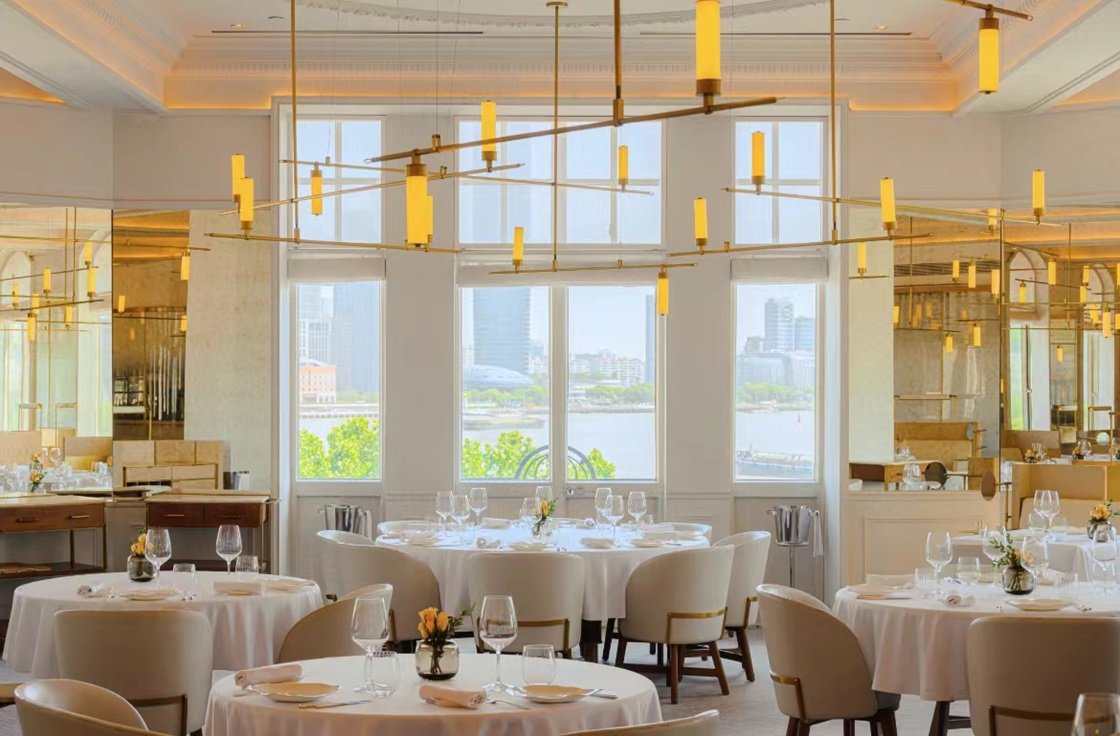
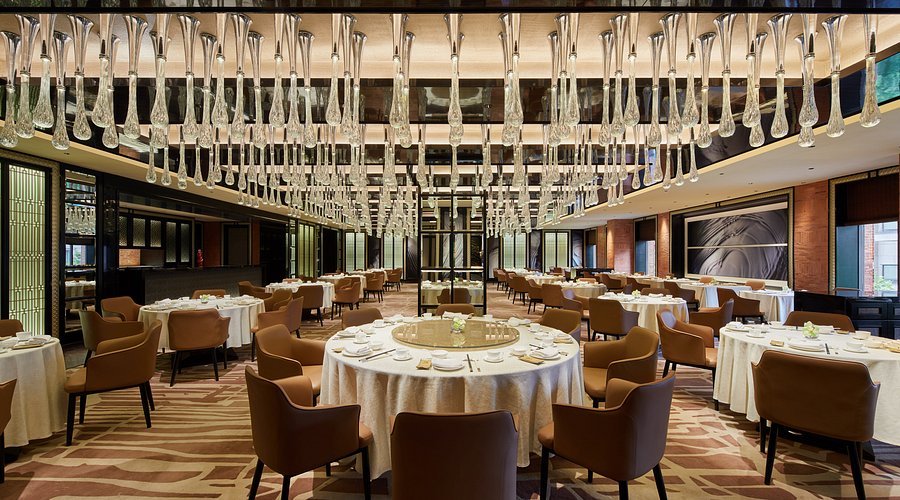
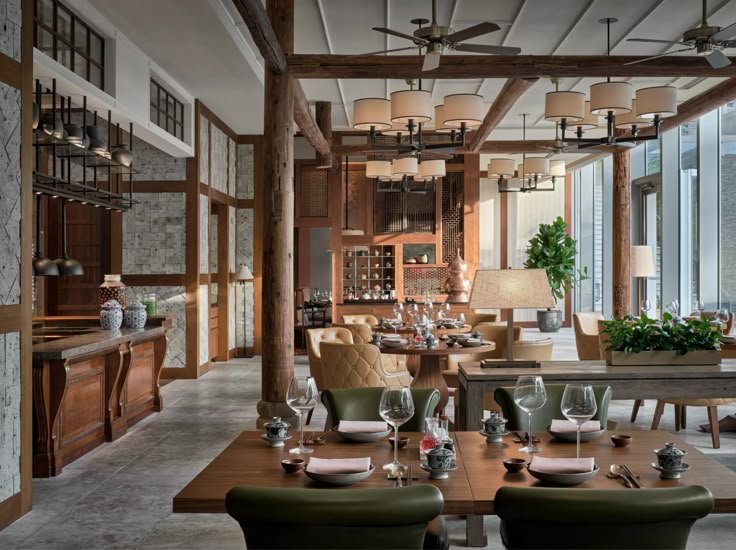
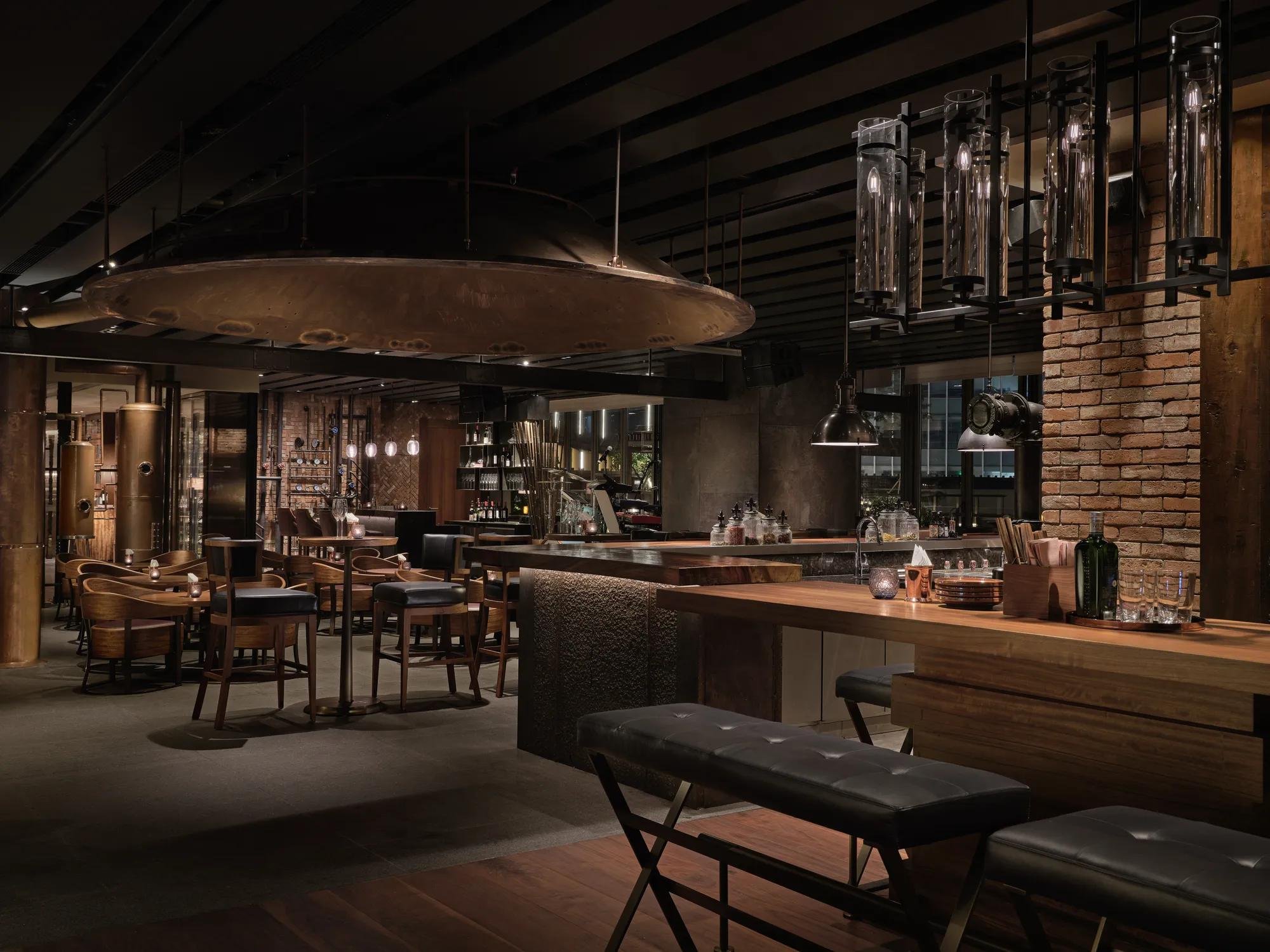
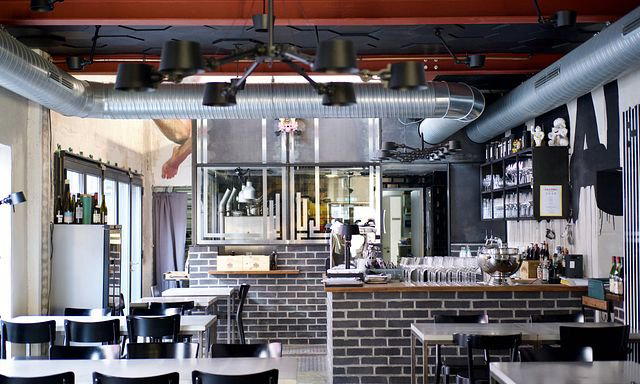
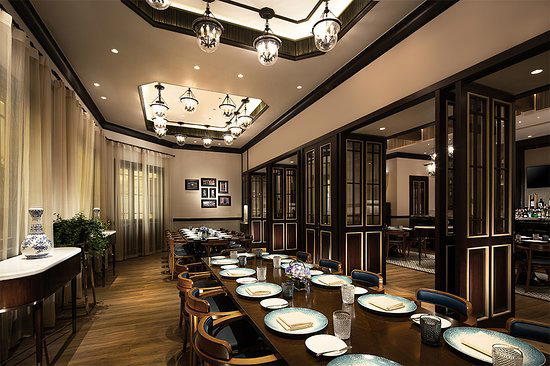
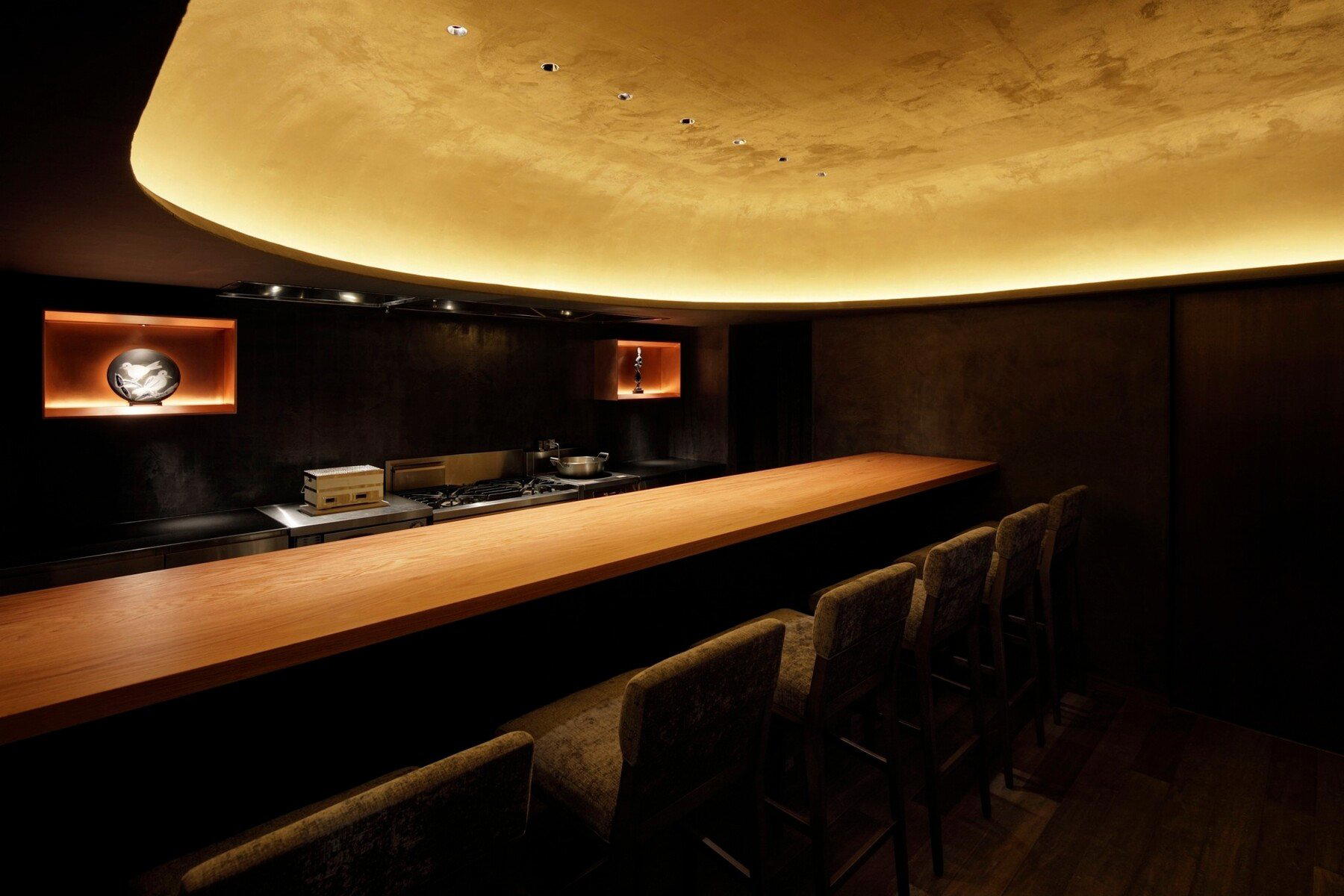
Zen Tea presents vegetarian cooking through the prism of tea-room restraint and Chan Buddhist aesthetics. The dining room sits above street level on Tianmu Street, offering a measured remove from the wok-smoke bustle of Guangzhou below. Interiors borrow garden motifs and the quiet formalities of tea culture, producing a composed, contemplative setting. The kitchen’s Michelin Plate recognition in 2024 and 2025 signals consistent, well-executed cooking rather than overt flash; the overall experience favors subtlety, texture and mindful presentation over loud flavors. It’s an environment that rewards diners seeking calm, refined vegetarian cuisine in the city.
Best For
Zen Tea suits diners seeking a polished, low-key evening: the room’s quiet, tea-oriented approach and refined plating make it well matched to business dinners, celebrations and other special-occasion dinners where calm and composure matter. Its back-to-back Michelin Plate mentions position the kitchen as reliably accomplished within Guangzhou’s competitive dining scene, so it works for guests who want considered vegetarian cooking without the formality of starred tasting menus. The setting is intimate and slightly removed, which helps conversations flow while the food remains the focus.
Ordering Tips
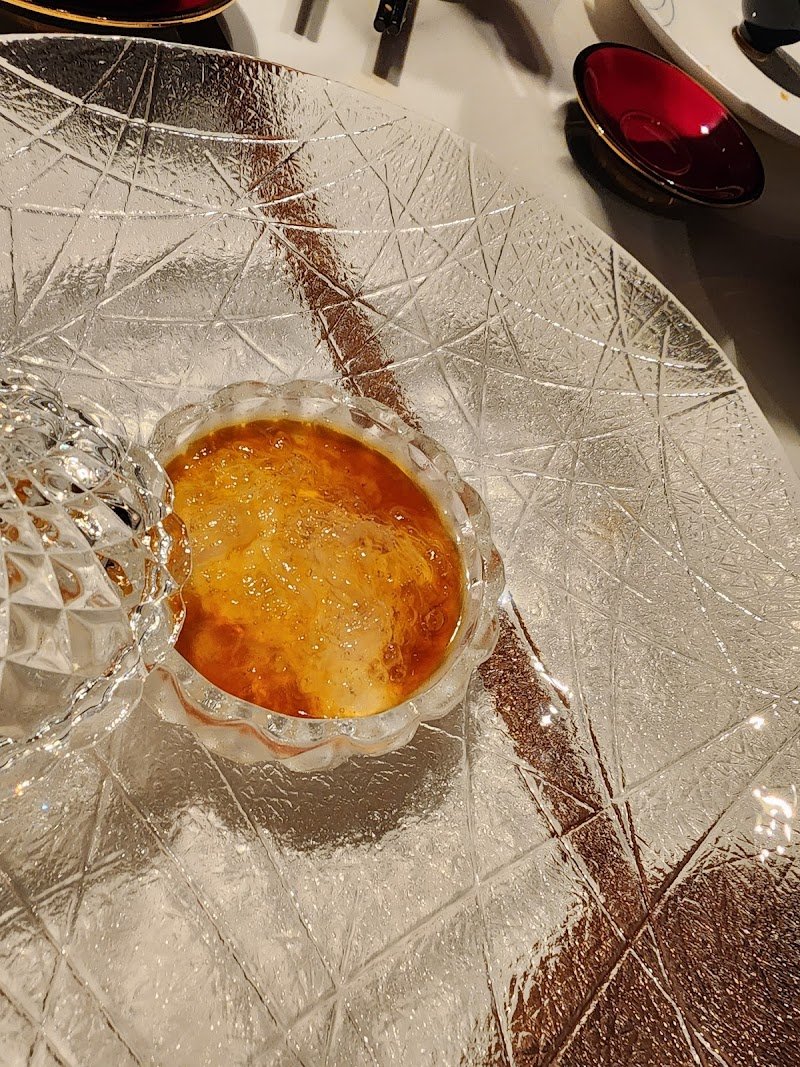
Focus orders on the kitchen’s named specialties to understand its approach to texture and umami in plant-based forms. The signature Faux Sea Cucumber and Stir-Fried Lily Bulbs with Olive Nuts and Egg White showcase the restaurant’s skill at transforming produce into evocative, meat-free statements; soybean-based preparations are also highlighted. Expect subtle, layered flavors rather than heavy sauces; ask front-of-house about tea pairings or recommended combinations so that the tea-room sensibility complements the dishes. Order a few small plates to sample the kitchen’s range.
Venue details
Ambiance
Serene and hushed with tatami-toned calm, natural woods, stone accents, and a ceremonial quiet atmosphere.
Tags
Vibe
Best For
Experience
Sourcing
View
At the Table
- Dress Code
- Smart Casual
- Noise Level
- Quiet
- Service Style
- Formal
- Meal Pacing
- Leisurely
- Capacity
- Intimate
Signature Dishes
- Faux Sea Cucumber
- Stir-Fried Lily Bulbs with Olive Nuts and Egg White
- Soybean products
Planning details
Location
57F8+JG5, Tianmu St, Baiyun, Guangzhou, Guangdong Province, China, 510422 · Directions
Recognition and awards
Also consider
Also Consider
- Imperial Treasure Fine Chinese Cuisine; Cantonese, ¥¥¥
- Taian Table; Modern European, European Contemporary, ¥¥¥¥
- Song; Sichuan, ¥¥
- Chōwa; Innovative, ¥¥¥
- Rêver; French Contemporary, ¥¥¥¥
Restaurant context
At ¥¥, Zen Tea sits in a different bracket from most of Guangzhou's other award-acknowledged restaurants. Imperial Treasure Fine Chinese Cuisine at ¥¥¥ offers a more polished Cantonese experience with stronger booking infrastructure and a broader menu, but you will spend more and the format is entirely different; it is not a vegetarian option. If your priority is the most credible vegetarian meal in the city at the lowest confirmed price, Zen Tea has the edge on paper, though thin review data means Imperial Treasure carries less uncertainty.
Chōwa at ¥¥¥ and Rêver at ¥¥¥¥ are better choices if you want a full modern tasting-menu experience with more documented consistency. Taian Table at ¥¥¥¥ is the highest-commitment option in this peer set, built for diners who want a serious tasting menu with European influence; it is a different kind of meal entirely and not a direct alternative to Zen Tea's vegetarian focus. For a casual, lower-pressure dinner at ¥¥, Song offers Sichuan cooking at a comparable price and tends to operate later into the evening, making it the stronger pick if late-night flexibility is your priority.
The practical decision comes down to what you are optimising for. If award-recognised vegetarian cooking at an accessible price is the goal, Zen Tea is the logical booking. If you want more certainty around hours, booking method, menu before you commit, Imperial Treasure or Chōwa offer more navigable logistics. Zen Tea rewards the diner willing to do a little extra groundwork.
Explore Guangzhou
Around this place
Discover more on Pearl
Unlock the full Zen Tea guide in Pearl, including awards, comparisons, FAQs, planning details, and nearby places.
Compare Zen Tea
| Venue | Price | Booking Difficulty | Awards |
|---|---|---|---|
| Zen Tea | ¥¥ | Easy | 2025 Michelin Plate2024 Michelin Plate |
| Imperial Treasure Fine Chinese Cuisine | ¥¥¥ | Unknown | Michelin Guide Shanghai Jiangsu Zhejiang 20262025 OAD Top Restaurants in Asia Ranked · #2952025 Michelin 2 Stars2025 La Liste Top Restaurants2024 OAD Top Restaurants in Asia Ranked · #2752024 Michelin 2 Stars2023 OAD Top Restaurants in Asia Highly Recommended |
| Taian Table | ¥¥¥¥ | Unknown | 2026 OAD Top Restaurants in Asia Ranked · #62Star Wine Lists 20262026 La Liste Top Restaurants2026 Black Pearl 1 Diamond2026 Les Grandes Tables du Monde Members2025 OAD Top Restaurants in Asia Ranked · #852025 Michelin 2 Stars2025 Michelin 3 Stars2025 La Liste Top Restaurants |
| Song | ¥¥ | Unknown | No published awards |
| Chōwa | ¥¥¥ | Unknown | 2025 Michelin 1 Star2025 The Best Chef Two Knives2024 Michelin Plate |
| Rêver | ¥¥¥¥ | Unknown | 2025 Michelin 1 Star2025 The Best Chef One Knife2024 Michelin 1 Star |











A quick look at how Zen Tea measures up.
FAQ
Frequently Asked Questions
Is Zen Tea worth the price?
At the ¥¥ price tier, yes; Zen Tea is one of the more accessible ways to eat at a Michelin-recognised vegetarian restaurant in Guangzhou. Two consecutive Michelin Plates (2024 and 2025) confirm the kitchen is operating at a consistent standard. If you want credentialed vegetarian dining without committing to a high-end price point, this is a reasonable bet.
What should I order at Zen Tea?
Specific dishes are not documented in available venue data; fabricating recommendations here would not be useful to you. The cuisine type is vegetarian Chinese, two Michelin Plates indicate the kitchen has a reliable signature approach. Ask staff on arrival what is currently performing well.
Does Zen Tea handle dietary restrictions?
As a dedicated vegetarian restaurant, Zen Tea is a stronger starting point than most Guangzhou venues for plant-based diners. Whether the kitchen accommodates vegan, gluten-free, or allergen-specific requests is not confirmed in the venue record; flag requirements when booking or on arrival.
What are alternatives to Zen Tea in Guangzhou?
For higher-end Chinese fine dining in the region, Imperial Treasure Fine Chinese Cuisine and Taian Table represent more formal, elevated price tiers. Song and Rêver offer distinct format alternatives worth comparing if vegetarian focus is not a requirement. Zen Tea's ¥¥ price and Michelin Plate credentials make it the clearest entry-level option for credentialed vegetarian dining specifically.