
Temple Street
Cantonese · Guangzhoushi, Guangzhou
Restaurant in Guangzhou, China
 Book with Pearl
The Read
Dai Pai Dong Clay Pot
Price
$10–20per person
Dress
Casual
Why go
Temple Street has held a Michelin Bib Gourmand since 2022 and has been consistently packed since opening in 2018: both facts worth knowing before you arrive expecting a quiet table. At ¥ pricing, this Hong Kong-style clay pot rice specialist on Beijing Road is the clearest value play for Michelin-recognised Cantonese food in Guangzhou, provided you are comfortable with the communal, dai pai dong format.
About Temple Street
Verdict
Temple Street is not a special-occasion restaurant: and that is precisely why it earns a booking. If you arrive expecting tablecloths and attentive service, you will be disappointed. At ¥ pricing, this is the clearest value play in the city for Cantonese comfort food done with genuine craft.
What Temple Street Actually Is
The common misconception about Temple Street is that the shared tables, the noise, and the communal press of a packed dining room are inconveniences to endure. They are, in fact, the point. This is dai pai dong culture transported indoors: the Hong Kong open-air street stall tradition, named after the owner's home city of Hong Kong and specifically after its famous Temple Street market. You are not booking a private experience. You are booking a seat at one of Guangzhou's most consistent clay pot rice counters, where the format has been the same since 2018 and the kitchen has never tried to be anything other than what it is.
Since opening, the restaurant has drawn a steady crowd, enough that shared tables at peak hours are standard, not exceptional. The Michelin Bib Gourmand recognition it received in 2025 confirms what local diners already knew: the food here delivers quality at a price point well below what the accolade might suggest. Bib Gourmand designation means Michelin inspectors found it worth a visit specifically on value grounds, not despite the price but because of it.
The Food
The menu centres on more than 20 types of clay pot rice, a format where the cooking vessel matters as much as the ingredients. Clay pot rice done properly produces a crust at the base of the pot that carries a smokiness and texture you do not get from steamed or wok-fried rice. The kitchen here focuses on traditional preserved meat combinations: clay pot rice topped with assorted traditional preserved meats is the standard entry point and the dish most frequently cited in the venue's Michelin notes. Two other preparations worth ordering are beef loin with perilla leaves, where the herb cuts through the richness of the meat, and satay beef with onion, which runs sweeter and more aromatic. Alongside the clay pot rice, three kinds of double-boiled soups round out the menu, a Cantonese technique that produces clear, deeply flavoured broths through extended slow cooking with no added starch or seasoning shortcuts.
For visitors from elsewhere in China or arriving from Hong Kong, this cooking sits in a recognisable register: it shares flavour logic with the clay pot traditions you will find at places like Forum in Hong Kong or the broader Cantonese preservation traditions explored at Le Palais in Taipei, though Temple Street operates at a fraction of the price and with none of the formality.
Service Style and What It Means for Your Visit
The service philosophy here is functional, not ceremonial. Tables turn. Staff are task-focused. Do not expect recommendations delivered tableside, pacing conversations, or the kind of attentiveness you would find at Lai Heen or Jiang by Chef Fei. The trade-off is direct: you get Michelin-recognised food at street-food prices, and the room operates accordingly. Whether that trade-off works depends entirely on what you want from the meal. For a weekday lunch or a casual dinner where the food is the whole reason you are there, this service style is not a problem. For a celebratory dinner where the atmosphere and pacing are part of what you are paying for, look elsewhere in Guangzhou's Cantonese tier.
The communal format does create a specific kind of energy that suits certain groups well. Solo diners and pairs who are comfortable sharing a table with strangers will find the room lively and direct. Larger groups who arrive together and can occupy a table as a unit will get the most out of the format, ordering across several clay pot varieties and sharing between the group is the natural way to eat here.
Booking and Timing
Booking difficulty is rated Easy, but that does not mean walk-ins are always seamless. The restaurant has been consistently packed since 2018, and peak hours, particularly weekend lunches and early weekday evenings, mean shared tables are the norm rather than the exception. The practical approach: arrive slightly before or after peak service windows to reduce wait times and improve your chances of getting a table to yourself or your group. There is no complex reservation infrastructure to navigate here. This is a ¥-tier operation at Beijing Road in Yuexiu District, and the booking process matches the format: direct access, no weeks-long waitlist, no private dining booking requirements. Compared to the lead times required at Imperial Treasure Fine Chinese Cuisine or Jade River, Temple Street is among the most accessible Michelin-recognised venues in the city.
Who Should Book
Book Temple Street if you want to eat well in Guangzhou without committing to a formal dining budget. It is the right call for food-focused visitors who understand the dai pai dong format, travellers who want to try Michelin-recognised Cantonese cooking at a price point that does not require planning a night around it, and locals who want a reliable clay pot rice option in Yuexiu. It is the wrong call if you need a private room, attentive plating service, or the kind of environment that holds up for a business meal or anniversary dinner.
If your trip to Guangzhou includes multiple meals, Temple Street works well as a counterpoint to a single higher-investment dinner at somewhere like BingSheng Mansion. The contrast is part of what makes Guangzhou's eating scene worth understanding. For broader context across the city, see our full Guangzhou restaurants guide. If you are also planning accommodation or other activities, our Guangzhou hotels guide, bars guide, and experiences guide cover the rest of the city in the same format.
For comparable clay pot and Cantonese comfort traditions elsewhere in China, Xin Rong Ji in Beijing, 102 House in Shanghai, and Chef Tam's Seasons in Macau offer reference points across different price tiers and cooking styles.
Practical Quick Reference
Location: 168 Beijing Road, 7F, Yuexiu District, Guangzhou. Price range: ¥. Cuisine: Cantonese clay pot rice, dai pai dong style. Shared tables at peak hours should be expected.
How It Compares
Planning details
- Location
- 10 Dongdi Second Road, Yuexiu, Guangzhou, Guangdong Province, CHN
- Website
- guide.michelin.com/en/guangdong-province/guangzhou/restaurant/temple-street
- Phone
- +86 20 8370 5983
The take
The Take
The Vibe
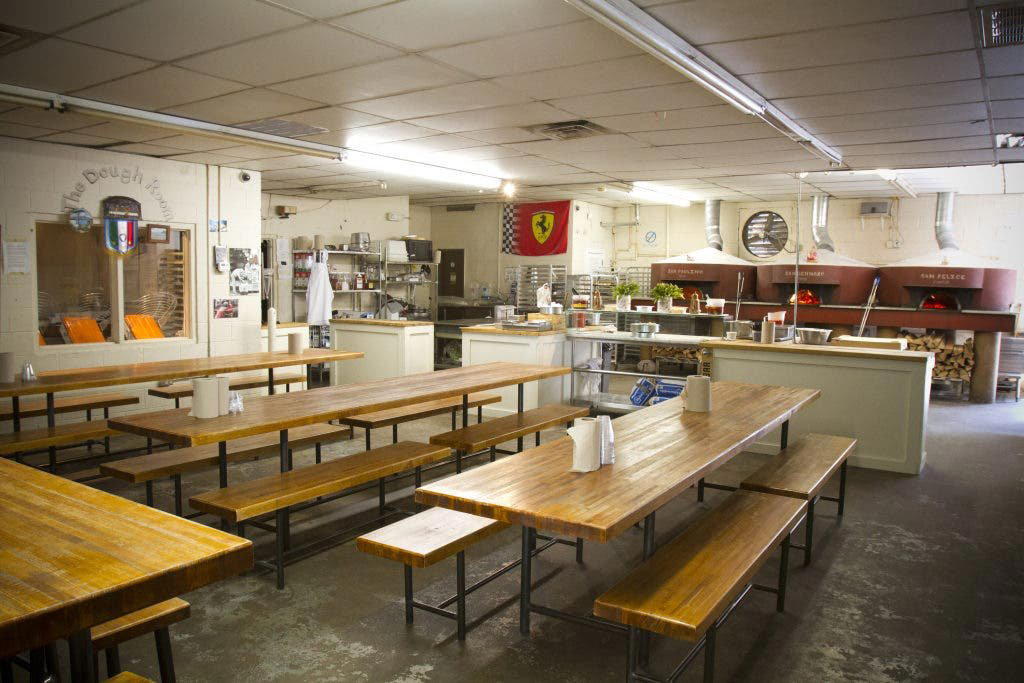
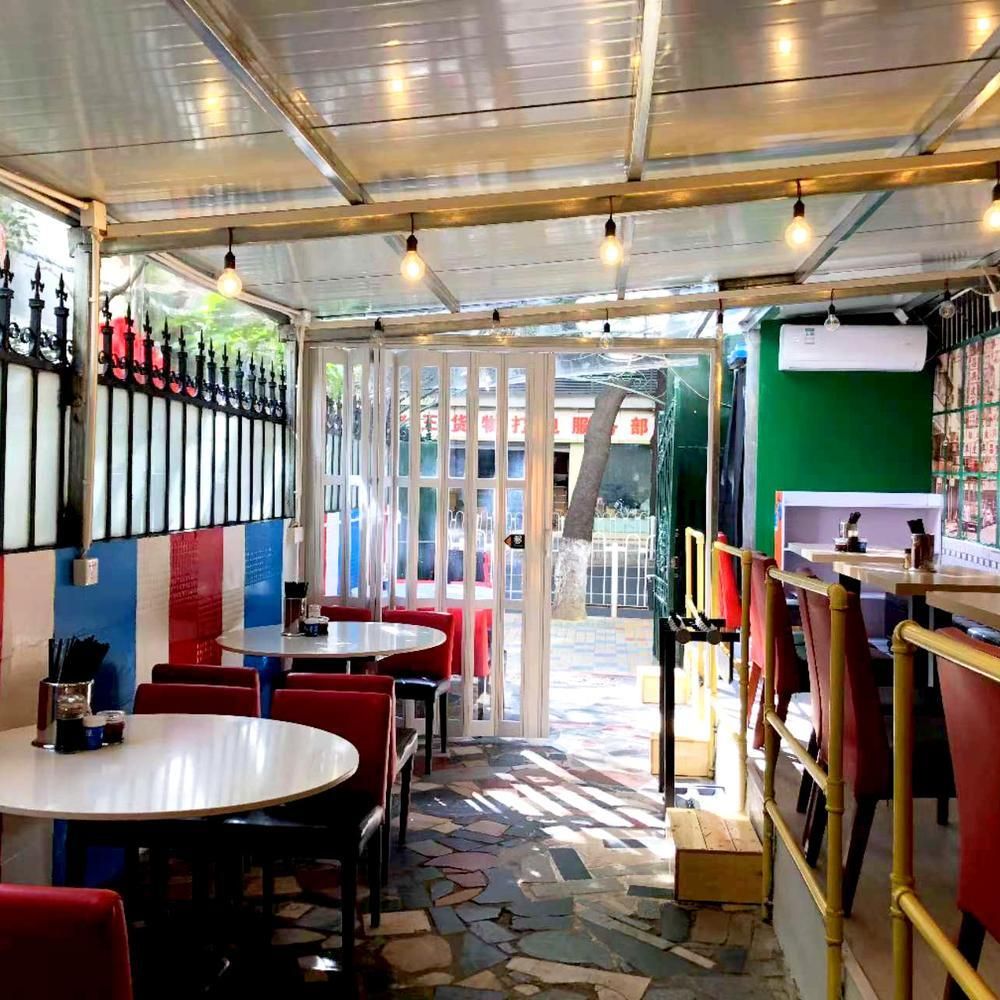
Temple Street is a compact, no-frills counter-style restaurant that channels the dai pai dong ethos. The room is deliberately informal: seating is often shared, there are no private rooms or tableside ceremonies, and the dining area operates more like a working kitchen counter than a staged dining room. The writing emphasizes purposeful directness: the kitchen and the room exist to deliver food without performance. The overall effect is intimate and unpretentious, a focused dining experience that foregrounds the cooking and communal table culture rather than formality or fanfare.
Best For
This is a place for diners who prioritize cooking over ceremony. Temple Street suits casual hangouts and small groups comfortable with communal seating and a bustling, canteen-like atmosphere; it is not set up for private events or the linen-and-trolley formality of hotel Cantonese rooms. Located on the seventh floor of a commercial building in Yuexiu, it attracts those seeking Michelin-recognized cooking in a compact, social setting. If you want direct, high-quality Cantonese clay-pot cooking in an unpretentious room, this is the sort of spot to choose.
Ordering Tips
Lean into what the kitchen does well: clay-pot rice is a highlight: try the Gold Medal Cured Meat Clay Pot Rice and the Preserved Mustard Greens and Beef Clay Pot Rice. Expect straightforward presentations rather than tableside theatre; the venue deliberately removes staging and private-room service. Also note that seating is shared at peak hours, so be prepared for communal tables and a busy dining room when the place is at its most popular.
Venue details
Ambiance
Functional tiny dining room with tiled floors, closely set communal tables, lively social energy reflecting dai pai dong culture, and focus on food.
Tags
Vibe
Best For
Experience
At the Table
- Dress Code
- Casual
- Noise Level
- Lively
- Service Style
- Casual
- Meal Pacing
- Standard
- Capacity
- Intimate
- Kitchen
- Traditional
- Menu Format
- A la carte
Signature Dishes
- Gold Medal Cured Meat Clay Pot Rice
- Preserved Mustard Greens and Beef Clay Pot Rice
Know before you go
Know Before You Go
- Getting there
- 10 Dongdi Second Road, Yuexiu, Guangzhou, Guangdong Province, CHN
Planning details
Location
10 Dongdi Second Road, Yuexiu, Guangzhou, Guangdong Province, CHN · Directions
guide.michelin.com/en/guangdong-province/guangzhou/restaurant/temple-street
Recognition and awards
Also consider
Also Consider
- Imperial Treasure Fine Chinese Cuisine: Cantonese, ¥¥¥
- Taian Table: Modern European, European Contemporary, ¥¥¥¥
- Chōwa: Innovative, ¥¥¥
- Imperial Treasure Fine Teochew Cuisine: Chao Zhou, ¥¥¥
- Rêver: French Contemporary, ¥¥¥¥
Restaurant context
How It Compares
Temple Street sits in a category of its own within Guangzhou's Michelin-recognised dining tier. At ¥ pricing with a Bib Gourmand, it is not competing directly with Imperial Treasure Fine Chinese Cuisine or Imperial Treasure Fine Teochew Cuisine: both operate at ¥¥¥ and deliver a formal Cantonese dining experience with full table service, private rooms, and the kind of service polish you would expect at that price point. If the meal is a business dinner or a celebration where the room and the service are part of the value proposition, Imperial Treasure is the right call. If you want to eat well without that investment, Temple Street delivers more on the plate per yuan than either.
Against Guangzhou's higher-end contemporary options Taian Table at ¥¥¥¥ for Modern European or Rêver at ¥¥¥¥ for French Contemporary: Temple Street is not a direct comparison. Those venues are for a different kind of evening entirely, and the price gap is substantial. Chōwa at ¥¥¥ in the Innovative category sits between the two tiers and is worth considering if you want a more experience without committing to a ¥¥¥¥ outlay.
For pure value within Cantonese cooking in Guangzhou, Temple Street is the most accessible entry point with external validation behind it. Book it alongside a single higher-investment dinner rather than instead of one: the contrast between a ¥ clay pot rice session here and an evening at Lai Heen or BingSheng Mansion is part of how Guangzhou's eating culture actually works.
Explore Guangzhou
Around this place
Discover more on Pearl
Unlock the full Temple Street guide in Pearl, including awards, comparisons, FAQs, planning details, and nearby places.
Compare Temple Street
| Venue | Cuisine | Price | Booking Difficulty | Awards |
|---|---|---|---|---|
| Temple Street | Cantonese | ¥ | Easy | Michelin Guide Guangzhou & Shenzhen 20262025 Michelin Bib Gourmand2024 Michelin Bib Gourmand |
| Imperial Treasure Fine Chinese Cuisine | Cantonese | ¥¥¥ | Unknown | Michelin Guide Shanghai Jiangsu Zhejiang 20262025 OAD Top Restaurants in Asia Ranked · #2952025 Michelin 2 Stars2025 La Liste Top Restaurants2024 OAD Top Restaurants in Asia Ranked · #2752024 Michelin 2 Stars2023 OAD Top Restaurants in Asia Highly Recommended |
| Taian Table | Modern European, European Contemporary | ¥¥¥¥ | Unknown | 2026 OAD Top Restaurants in Asia Ranked · #62Star Wine Lists 20262026 La Liste Top Restaurants2026 Black Pearl 1 Diamond2026 Les Grandes Tables du Monde Members2025 OAD Top Restaurants in Asia Ranked · #852025 Michelin 2 Stars2025 Michelin 3 Stars2025 La Liste Top Restaurants |
| Chōwa | Innovative | ¥¥¥ | Unknown | Michelin Guide Guangzhou & Shenzhen 2026 |
| Imperial Treasure Fine Teochew Cuisine | Chao Zhou | ¥¥¥ | Unknown | 2026 La Liste Top Restaurants2025 OAD Top Restaurants in Asia Ranked · #1472025 Michelin 1 Star2025 Michelin 2 Stars2025 La Liste Top Restaurants2024 OAD Top Restaurants in Asia Ranked · #1382023 OAD Top Restaurants in Asia Ranked · #117 |
| Rêver | French Contemporary | ¥¥¥¥ | Unknown | 2025 Michelin 1 Star2025 The Best Chef One Knife2024 Michelin 1 Star |










A quick look at how Temple Street measures up.
FAQ
Frequently Asked Questions
Can Temple Street accommodate groups?
Groups are manageable but come with conditions. The restaurant operates shared tables at peak hours, so larger parties may not be seated together. For groups of 4 or more, arriving early or at off-peak times gives the best chance of a contiguous table. The ¥ price range makes it a practical choice for groups who want a Michelin-recognised meal without splitting a serious bill.
Is Temple Street good for solo dining?
Yes: solo dining works well here. Shared tables are standard practice, so sitting next to strangers carries no stigma and no awkward solo-table penalty. The focused menu of 20+ clay pot rice options and three double-boiled soups means ordering for one is straightforward. The Michelin Bib Gourmand recognition since 2025 confirms the value holds at any party size.
Does Temple Street handle dietary restrictions?
The menu centres on clay pot rice with preserved meats, beef, and satay-style preparations, plus double-boiled soups: all heavily protein-forward. If dietary restrictions are a firm requirement, confirm directly before visiting; this is not a venue built around flexibility.
What is Temple Street known for?
Temple Street is primarily known for Cantonese in Guangzhou.