
Hunan Cuisine
Hunanese · Guangzhoushi, Guangzhou
Restaurant in Guangzhou, China
 Book with Pearl
The Read
Chilli-Forward Hunanese Precision
Price
$10–20per person
Dress
Casual
Why go
Hunan Cuisine holds back-to-back Michelin Bib Gourmand recognition (2024 and 2025) and delivers Hunanese regional cooking at ¥¥ pricing in central Guangzhou. For food-focused visitors who want a credentialed, affordable alternative to the city's dominant Cantonese tradition, this is the clearest option in its price tier. Easy to book, well-located in Yuexiu District, and consistent enough to earn repeat Michelin attention.
About Hunan Cuisine
Verdict
If you are looking for Hunanese cooking at a price that does not require a special-occasion budget, Hunan Cuisine on Huanshi Middle Road earns its back-to-back Michelin Bib Gourmand recognition (2024 and 2025) and is worth booking on that basis alone. This is the right table for food-focused travelers who want regional Chinese cooking with a credentialed track record, not a Cantonese tasting menu or a Western fine-dining detour. At ¥¥ pricing, it sits two tiers below the splurge options in Guangzhou and delivers Michelin-validated quality at a fraction of the cost.
About Hunan Cuisine
Hunanese food is built around chile heat, fermented and preserved ingredients, and braised preparations that carry deep, layered flavour without the sweetness that defines much Cantonese cooking. For a traveler or local diner who wants to eat outside Guangzhou's dominant Cantonese tradition without leaving the city, this is one of the clearest options on the map. The consecutive Bib Gourmand awards signal consistency: Michelin's inspectors returned, ate again, and reached the same conclusion both years. That kind of repeat recognition at the ¥¥ price point is a stronger signal than a single award, because it means the kitchen is not coasting.
The restaurant sits in Yuexiu District on Huanshi Middle Road, a central Guangzhou artery that connects the area around the train station to the eastern business districts. The location is practical for visitors staying in the city center or near Yuexiu Park, and accessible enough that it should not require significant planning to reach. For context on where it fits within the wider city, see our full Guangzhou restaurants guide.
The editorial angle assigned to this page calls for attention to the wine program, but the honest answer here is that a ¥¥ Hunanese restaurant in Guangzhou is not a destination for wine depth. That is not a criticism: Hunanese cuisine, with its fermented black beans, dried chiles, and smoked pork preparations, pairs better with beer, baijiu, or tea than with a structured wine list. If wine program depth is your primary concern at dinner, Rêver or Taian Table are the Guangzhou options that address that need. Hunan Cuisine's value proposition is entirely on the food and the price-to-quality ratio, and on those terms it is strong.
For explorers interested in how Hunanese cooking translates across Chinese cities, it is worth knowing that the tradition has a credentialed presence beyond Guangzhou. Furong in Beijing and In Love on Gongti East Road, also in Beijing, represent the regional style in the capital. Eating at Hunan Cuisine in Guangzhou gives you a useful reference point for comparing how the cuisine adapts across different city contexts. If your broader China travel itinerary includes other cities, Xin Rong Ji in Beijing, 102 House in Shanghai, and Ru Yuan in Hangzhou are Pearl-listed options worth noting for regional variety.
Within Guangzhou's broader dining calendar, the cooler months from October through March tend to suit the heavier, chile-forward preparations of Hunanese cooking better than the humid summer period. If you are visiting during the Canton Fair season (April–May and October–November), expect higher general demand across the city's mid-range restaurants, so booking ahead rather than walking in is the smarter approach during those windows.
For dining in the same price band with different regional profiles in Guangzhou, Cheers on Kaichuang Avenue, Cicada, and Guo Fan Jia Yan are worth considering depending on what you are after. For Cantonese at a higher price point, Imperial Treasure Fine Chinese Cuisine and Jiang by Chef Fei represent the city's more formal end of the spectrum. If you are planning a full stay, our Guangzhou hotels guide, bars guide, and experiences guide cover the rest of the trip. For wine-focused travel context, our Guangzhou wineries guide is the relevant resource, though Guangzhou is not a wine-production city and the guide reflects that honestly.
The bottom line: two Bib Gourmand awards in a row at ¥¥ pricing means Hunan Cuisine is doing something right consistently. Book it for lunch or an early dinner if you want regional Chinese cooking with a credentialed baseline and no commitment to a big spend. If you are in Macau or Nanjing and want a point of comparison for high-end Chinese dining in the region, Chef Tam's Seasons in Macau and Dai Yuet Heen in Nanjing show what the upper end of the price spectrum looks like.
Know Before You Go
- Address: 315 Huanshi Middle Rd, Yuexiu District, Guangzhou, Guangdong Province, 510091
- Cuisine: Hunanese
- Price range: ¥¥ (mid-range)
- Awards: Michelin Bib Gourmand 2024 and 2025
- Booking difficulty: Easy — walk-ins likely possible outside peak periods, though booking ahead is advisable during Canton Fair season
- Ideal time to visit: October through March, when cooler weather suits the heavier, spiced preparations of Hunanese cooking
- Dress code: No formal dress code confirmed; smart casual is appropriate for a ¥¥ Michelin Bib Gourmand
- Wine program: Not a wine-focused venue; beer, baijiu, or tea are the natural pairings for this cuisine
- Contact/website: Not publicly listed — book directly on arrival or call ahead if contact details become available
Planning details
- Location
- 315 Huanshi Middle Rd, Yuexiu District, Guangzhou, Guangdong Province, China, 510091
- Website
- gztxh.cn
- Phone
- +86 20 8350 5614
The take
The Take
The Vibe
Hunan Cuisine sits quietly confident on Huanshi Middle Road, trading theatrical polish for steady, well-executed food. The restaurant reads as relaxed and classic: it fits the cadence of a working street where locals come for reliable flavours rather than ceremony. That everyday ethos is underlined by its Bib Gourmand recognition in 2024 and 2025 — a marker of quality at moderate prices. The room and service favor straightforward, unfussy hospitality that lets fiery, fermented chillies and charred proteins do the talking. It feels like a dependable neighborhood spot that also earns attention from visitors seeking authentic Hunanese heat in Guangzhou.
Best For
This is a place for people who want bold, communal Chinese cooking without the formality of high-end Cantonese dining. It suits after-work meals, local groups and visitors who appreciate strong flavours and sharing plates. The menu’s preserved chillies, cured meats and smoky elements are made for a table that digs in together rather than for solo tasting flights. Because the kitchen emphasizes consistency and value, meals here are approachable for regular weeknight dinners while still registering as a notable find for those exploring Guangzhou’s regional offerings.
Ordering Tips
Lean into the Hunan classics listed on the menu: the Dongting fish head showcases the region’s love of chopped chilli and intense, savoury heat; wotou cornbread provides a textural counterpoint to saucy, charred dishes; and sweet fried dumplings offer a crisp, comforting finish. Dishes are built for sharing, so order multiple plates to mix spicy, fermented and smoky profiles across the table. Given the restaurant’s Bib Gourmand status and emphasis on traditional Hunanese techniques, expect honest, bold flavours rather than Cantonese restraint—ask for spice levels if you prefer milder preparations.
Venue details
Ambiance
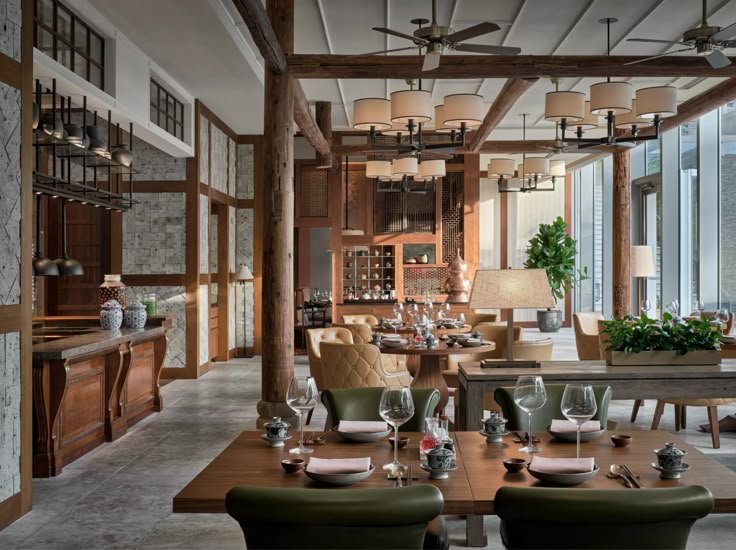
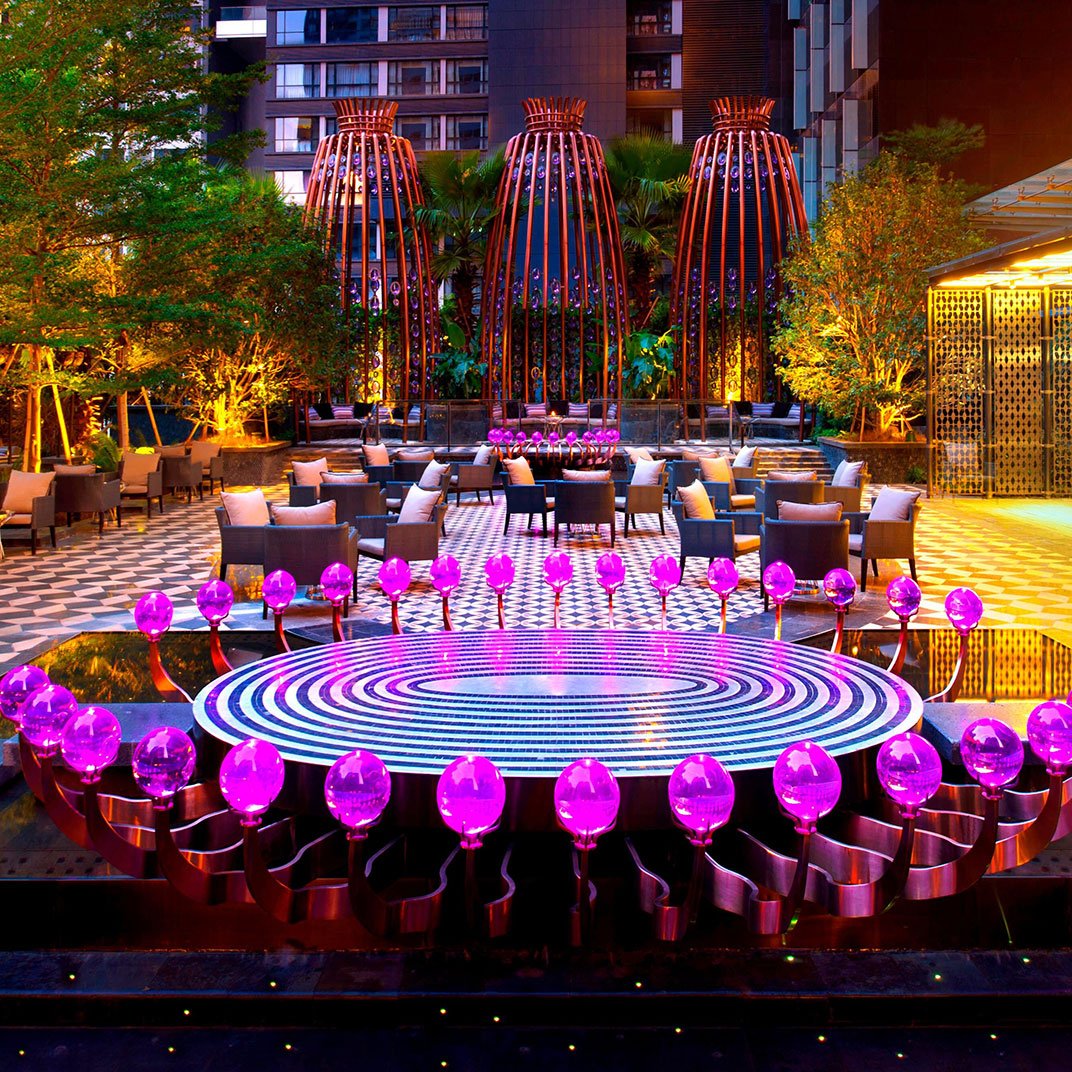
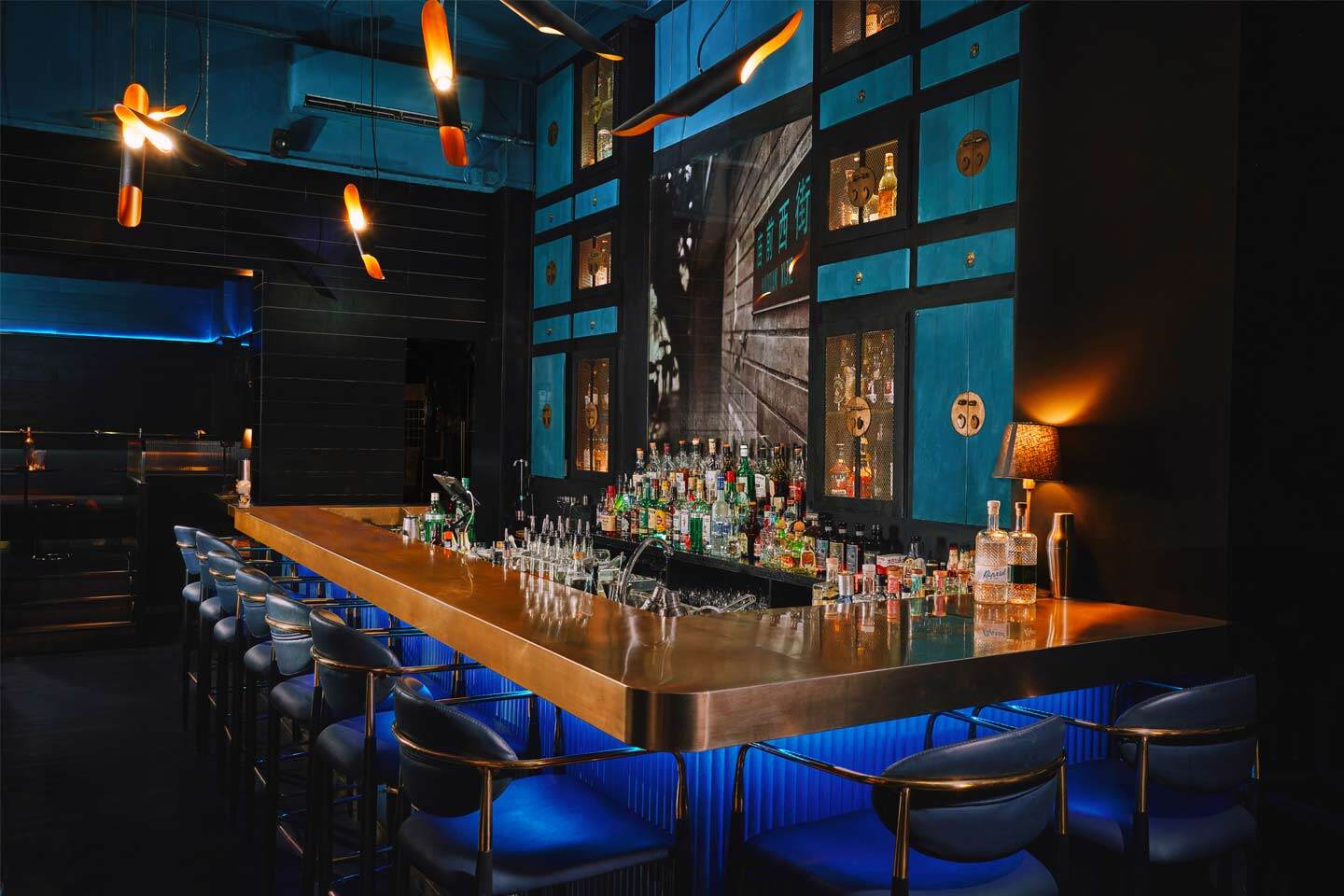
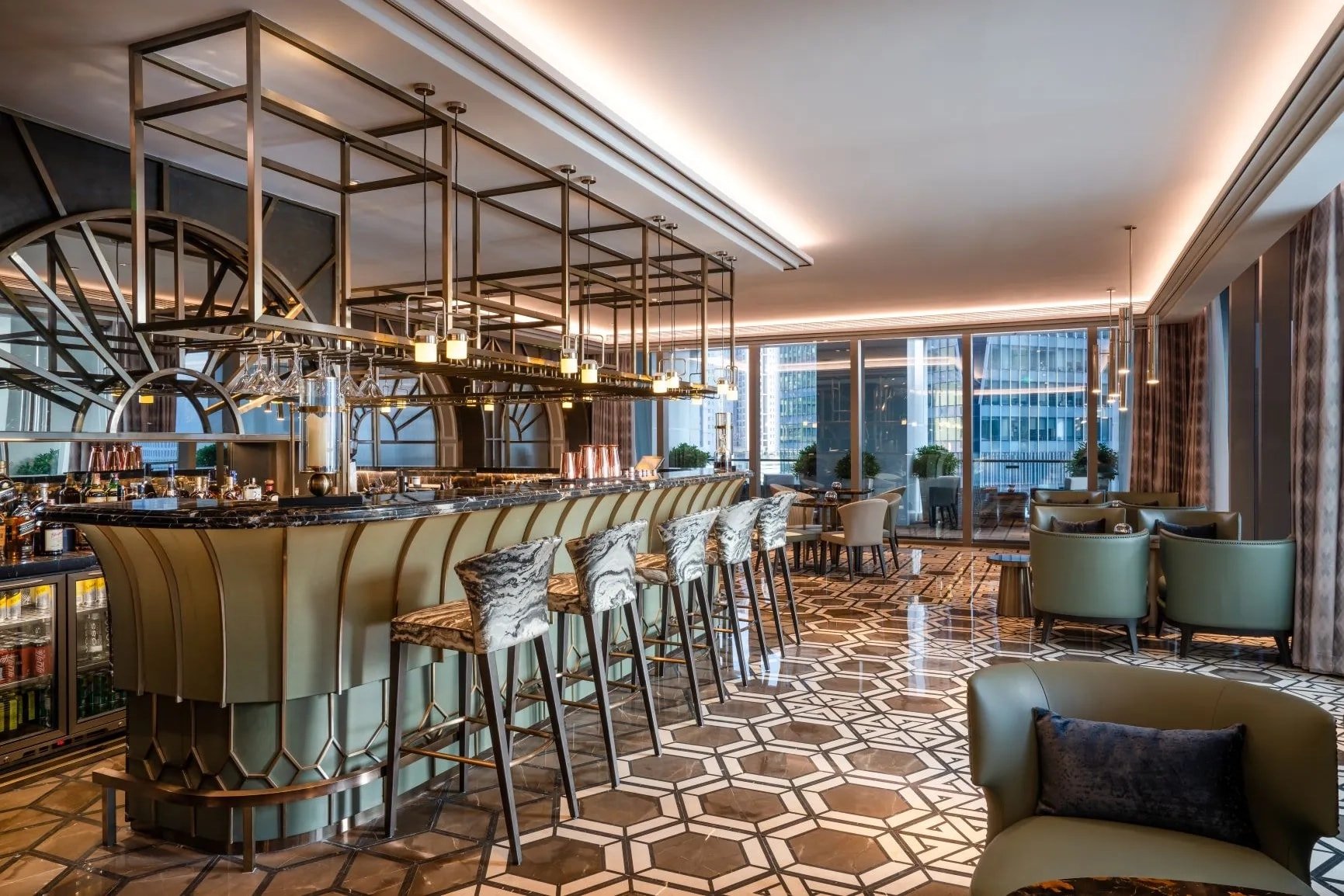
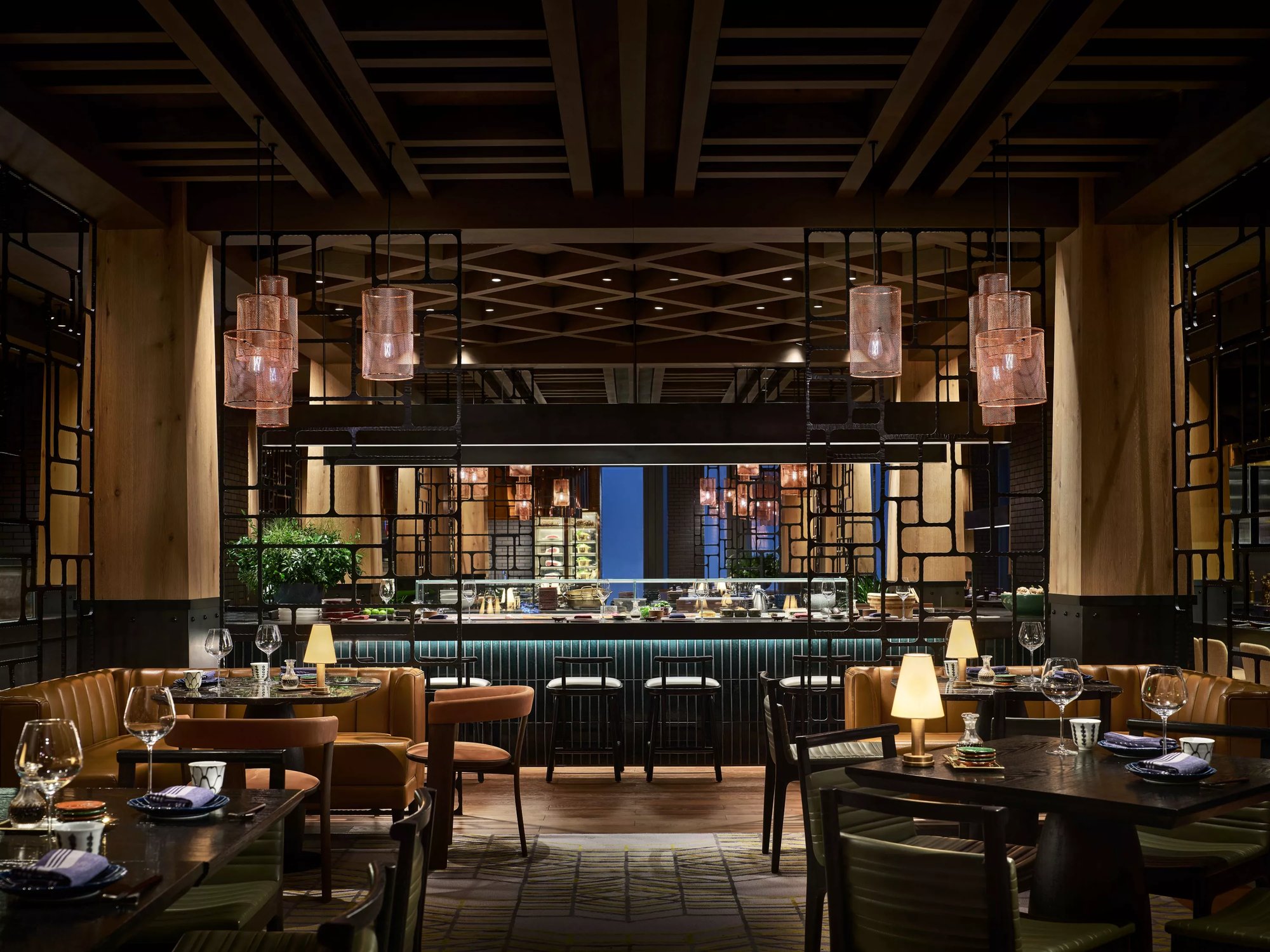
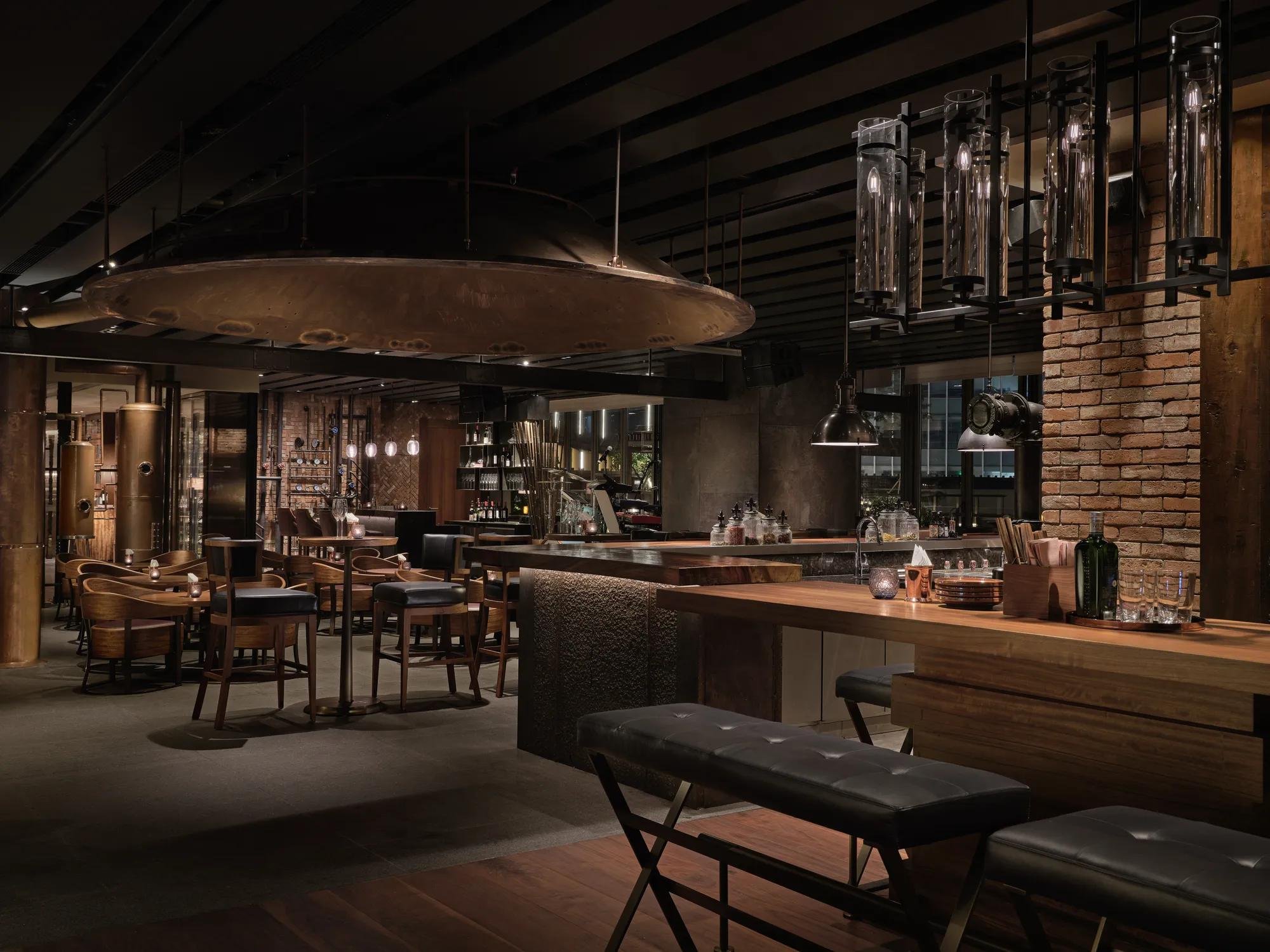
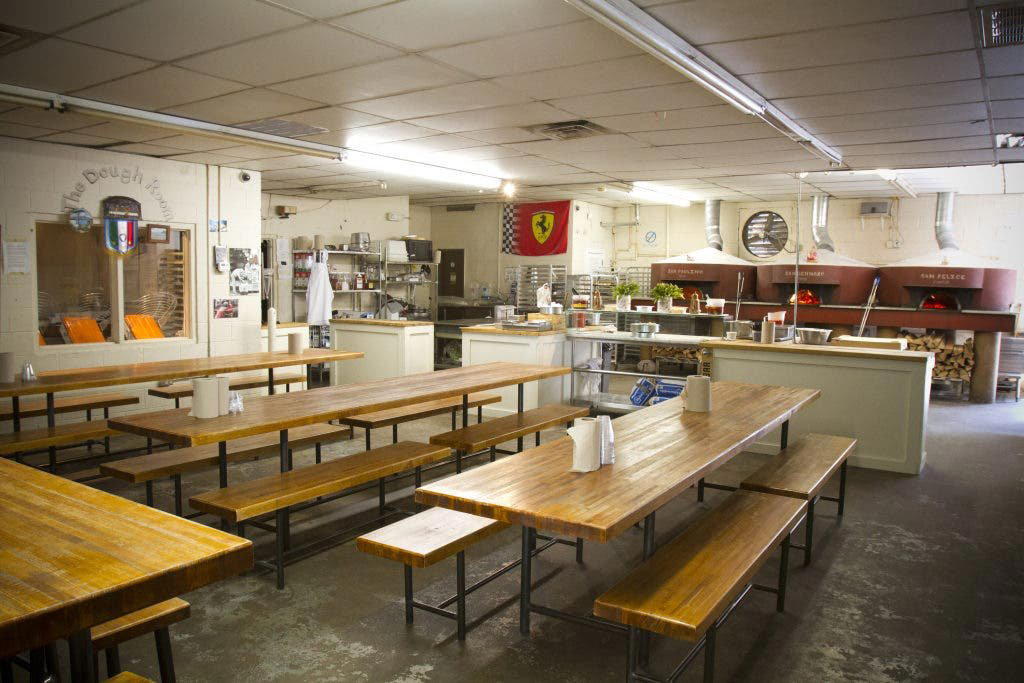
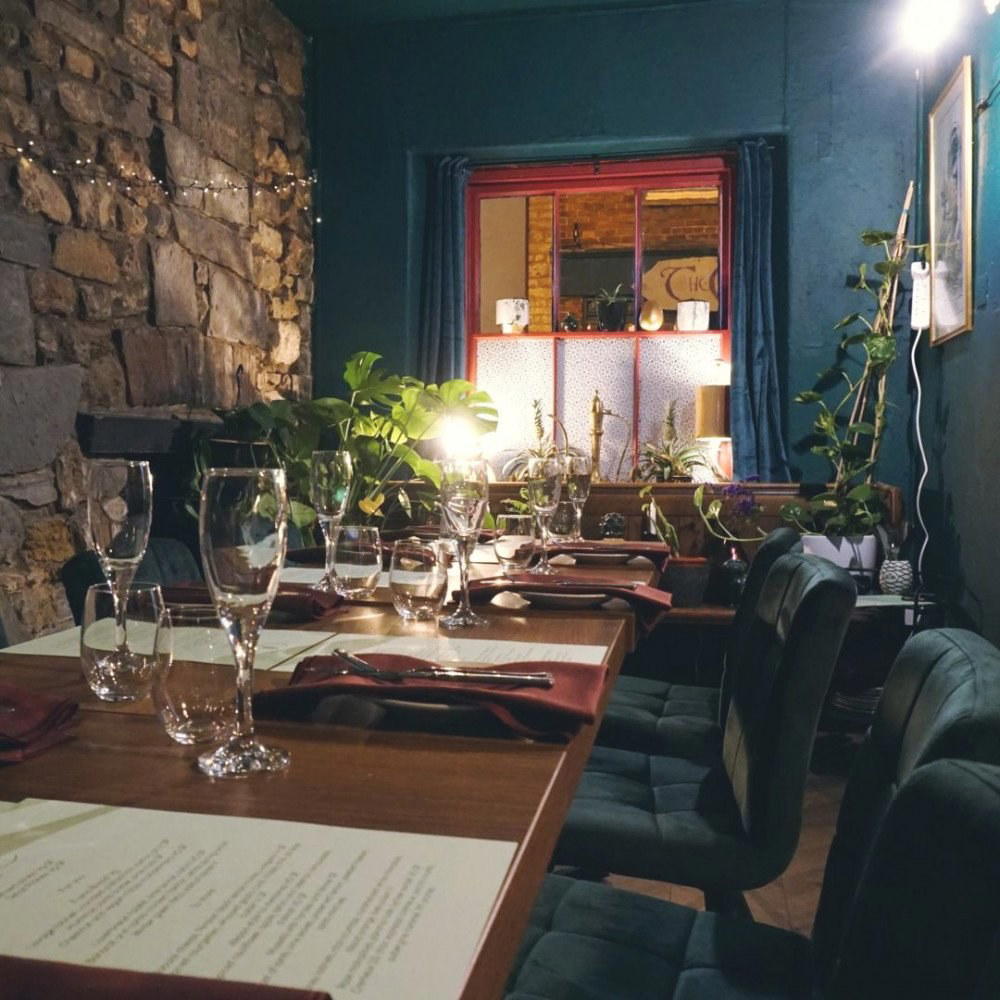
Industrial chic décor with origami art hung from ceiling, located within a remodeled factory building complex, creating a contemporary yet warm atmosphere.
Tags
Vibe
Best For
Experience
At the Table
- Dress Code
- Casual
- Noise Level
- Conversational
- Service Style
- Casual
- Meal Pacing
- Standard
- Capacity
- Medium
- Kitchen
- Traditional
- Menu Format
- A la carte, Family style
Signature Dishes
- Dongting fish head
- wotou cornbread
- sweet fried dumplings
Know before you go
Know Before You Go
- Getting there
- 315 Huanshi Middle Rd, Yuexiu District, Guangzhou, Guangdong Province, China, 510091
Planning details
Location
315 Huanshi Middle Rd, Yuexiu District, Guangzhou, Guangdong Province, China, 510091 · Directions
Recognition and awards
Also consider
Also Consider
- Imperial Treasure Fine Chinese Cuisine, Cantonese, ¥¥¥
- Taian Table, Modern European, European Contemporary, ¥¥¥¥
- Chōwa, Innovative, ¥¥¥
- Imperial Treasure Fine Teochew Cuisine, Chao Zhou, ¥¥¥
- Rêver, French Contemporary, ¥¥¥¥
Restaurant context
Against Guangzhou's credentialed dining options, Hunan Cuisine sits in a different tier by both price and ambition. At ¥¥, it is the most accessible of the Michelin-recognised options listed here, and the only one focused on Hunanese rather than Cantonese or European cooking. If your priority is regional Chinese food without a significant spend, book Hunan Cuisine. If you want the formal Cantonese experience that Guangzhou is historically known for, Imperial Treasure Fine Chinese Cuisine (¥¥¥) and Imperial Treasure Fine Teochew Cuisine (¥¥¥) represent the more polished, service-heavy end of the Chinese dining spectrum in the city. Expect a meaningfully higher bill at both and a more formal room.
Chōwa (¥¥¥) and Rêver (¥¥¥¥) are the options if innovation or French contemporary cooking is what you are after. Rêver in particular is the address for wine program depth in Guangzhou, something Hunan Cuisine does not attempt to offer. Taian Table (¥¥¥¥) is the most expensive option in this set and targets a different diner entirely: someone who wants a European contemporary tasting format with serious wine pairing. None of those three are substitutes for what Hunan Cuisine delivers.
The decision framework is simple: Hunan Cuisine for affordable, Michelin-validated regional Chinese cooking with easy booking; Imperial Treasure Fine Chinese or Teochew for elevated, service-focused Cantonese; Chōwa for creative cooking at a mid-high price; Rêver or Taian Table when the wine list and European format matter as much as the food. Hunan Cuisine is the strongest value proposition in the group for its specific purpose, but it is not competing on the same dimensions as the ¥¥¥¥ options.
Explore Guangzhou
Around this place
Discover more on Pearl
Unlock the full Hunan Cuisine guide in Pearl, including awards, comparisons, FAQs, planning details, and nearby places.
Compare Hunan Cuisine
| Venue | Awards | Price |
|---|---|---|
| Hunan Cuisine | Michelin Guide Guangzhou & Shenzhen 2026 | ¥¥ |
| Imperial Treasure Fine Chinese Cuisine | Michelin Guide Shanghai Jiangsu Zhejiang 20262025 OAD Top Restaurants in Asia Ranked · #2952025 Michelin 2 Stars2025 La Liste Top Restaurants2024 OAD Top Restaurants in Asia Ranked · #2752024 Michelin 2 Stars2023 OAD Top Restaurants in Asia Highly Recommended | ¥¥¥ |
| Taian Table | 2026 OAD Top Restaurants in Asia Ranked · #62Star Wine Lists 20262026 La Liste Top Restaurants2026 Black Pearl 1 Diamond2026 Les Grandes Tables du Monde Members2025 OAD Top Restaurants in Asia Ranked · #852025 Michelin 2 Stars2025 Michelin 3 Stars2025 La Liste Top Restaurants | ¥¥¥¥ |
| Chōwa | 2025 Michelin 1 Star2025 The Best Chef Two Knives2024 Michelin Plate | ¥¥¥ |
| Imperial Treasure Fine Teochew Cuisine | 2026 La Liste Top Restaurants2025 OAD Top Restaurants in Asia Ranked · #1472025 Michelin 1 Star2025 Michelin 2 Stars2025 La Liste Top Restaurants2024 OAD Top Restaurants in Asia Ranked · #1382023 OAD Top Restaurants in Asia Ranked · #117 | ¥¥¥ |
| Rêver | 2025 Michelin 1 Star2025 The Best Chef One Knife2024 Michelin 1 Star | ¥¥¥¥ |










.png?width=1200&quality=80)

What to weigh when choosing between Hunan Cuisine and alternatives.
FAQ
Frequently Asked Questions
What should I order at Hunan Cuisine?
Hunanese cooking centres on chile-forward heat, fermented ingredients, and slow-braised preparations, so focus your order around braised meat dishes and anything built on preserved or pickled components — these are the style's calling cards. The Bib Gourmand recognition in both 2024 and 2025 signals Michelin inspectors found the cooking consistent and worth the price, which narrows the risk on ordering broadly. Avoid loading up on neutral filler dishes; the flavour-intensive preparations are why you're here.
Is Hunan Cuisine good for solo dining?
It works for solo diners at the ¥¥ price point — you can eat a focused, satisfying meal without over-ordering or overspending. Hunanese dishes are typically served family-style, so a solo diner should pick two to three dishes rather than trying to cover the full range. If sharing a wider spread matters to you, Hunan Cuisine is better suited to groups of three or four.
How far ahead should I book Hunan Cuisine?
Booking details are not publicly listed, but Michelin Bib Gourmand recognition — held consecutively in 2024 and 2025 — reliably increases foot traffic at accessible-price venues. Calling ahead or booking a day or two in advance is a reasonable precaution, especially for weekend meals. Walk-ins at off-peak weekday times are more likely to succeed.
Is the tasting menu worth it at Hunan Cuisine?
No tasting menu format is documented for Hunan Cuisine. At ¥¥ pricing, the venue sits firmly in the order-from-the-menu category rather than the set-course format. The Bib Gourmand award is specifically given to restaurants offering good cooking at moderate prices, so the value case here is à la carte, not a structured tasting progression.
Can I eat at the bar at Hunan Cuisine?
No bar seating is documented. Hunan Cuisine is a traditional Chinese restaurant format, which typically means table service rather than counter or bar dining. If bar-seat dining is your preference, this venue is unlikely to accommodate it.
What should I wear to Hunan Cuisine?
Casual clothes are appropriate. At ¥¥ pricing with a Bib Gourmand designation — an award specifically recognising value rather than formality — there is no indication of a dress code. Standard street clothes are fine; you are not walking into a white-tablecloth room.
What should a first-timer know about Hunan Cuisine?
Hunanese cooking is genuinely spicy and built on bold, preserved flavours — this is not a mild introduction to Chinese regional food. The Bib Gourmand award, earned twice consecutively, means the quality-to-price ratio has been independently validated, so the risk here is palate fit, not value. First-timers who are sensitive to chile heat should flag that when ordering; the cuisine's identity is built around it.