.png?width=1200&quality=80)
He Yuan (Tianhe)
Cantonese · Guangzhoushi, Guangzhou
Restaurant in Guangzhou, China
 Book with Pearl
The Read
Siu Mei Street Precision
Price
¥¥
Dress
Smart Casual
Why go
He Yuan (Tianhe) is a Michelin Plate-recognised Cantonese restaurant in Guangzhou's Tianhe district, awarded in both 2024 and 2025. At the ¥¥ price tier, it delivers validated quality without the financial commitment of the city's pricier Cantonese rooms. Easy to book and well-suited to groups, it is a reliable return visit for anyone who wants consistent, traditional Cantonese cooking in Guangzhou.
About He Yuan (Tianhe)
The Verdict
At the ¥¥ price tier, He Yuan (Tianhe) is one of the more direct bets for Cantonese cooking in Guangzhou's Tianhe district. Two consecutive Michelin Plate recognitions (2024 and 2025) confirm it clears a quality threshold worth your attention, and the pricing means you can eat well here without the commitment that comes with a ¥¥¥ room. If you have been once and are thinking about returning, the answer is yes — the consistency Michelin rewards at this level is exactly what you want from a regular.
Portrait
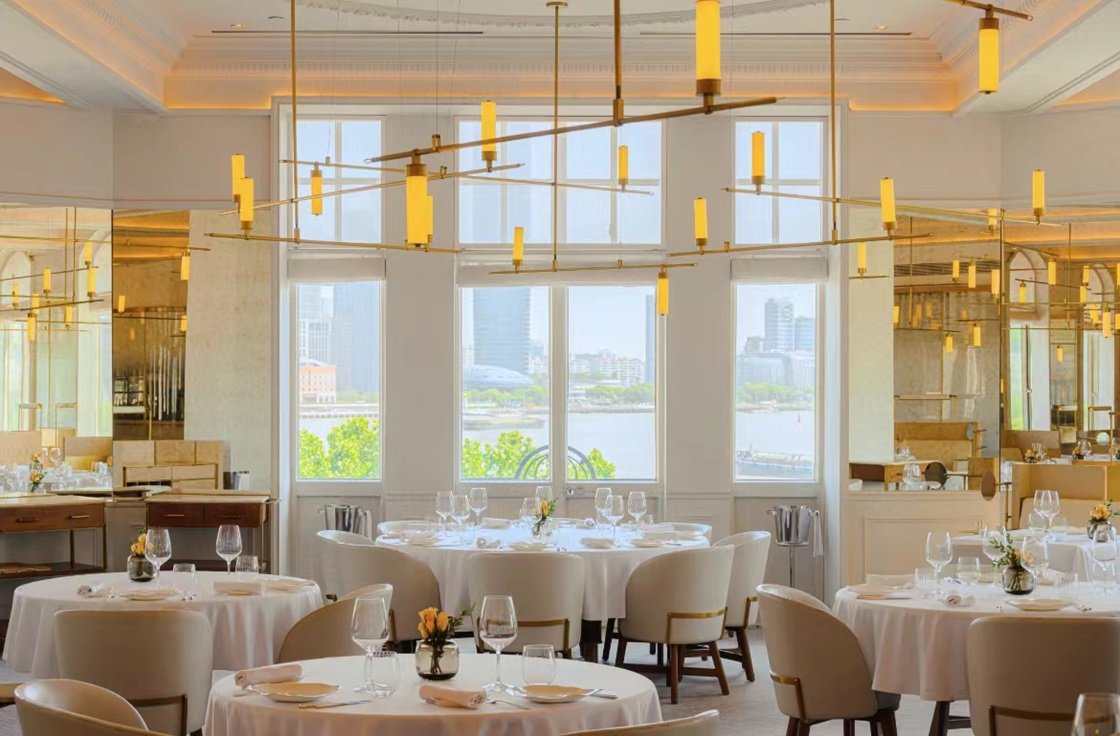
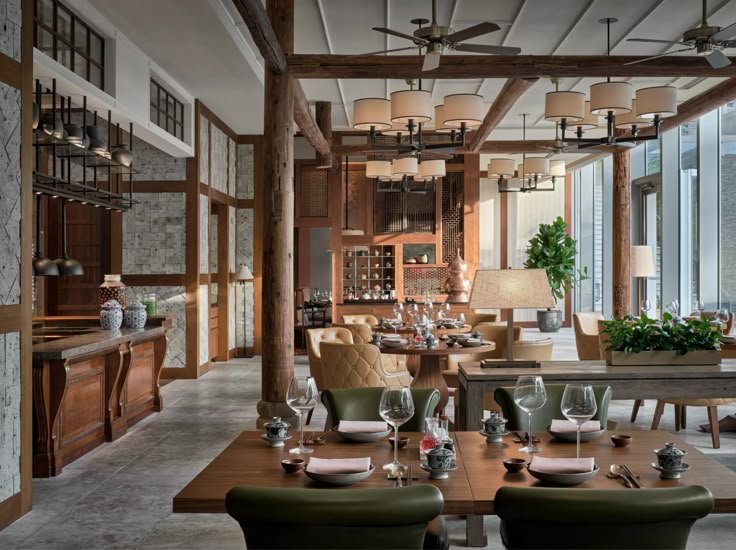
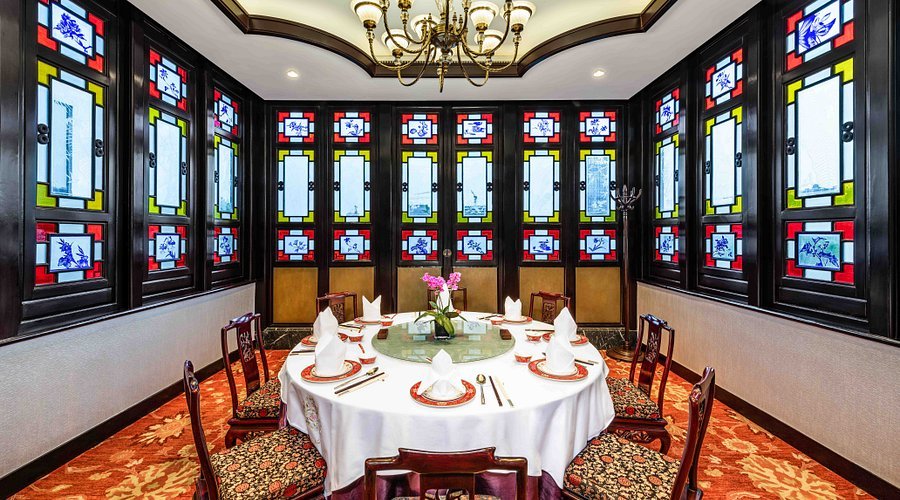
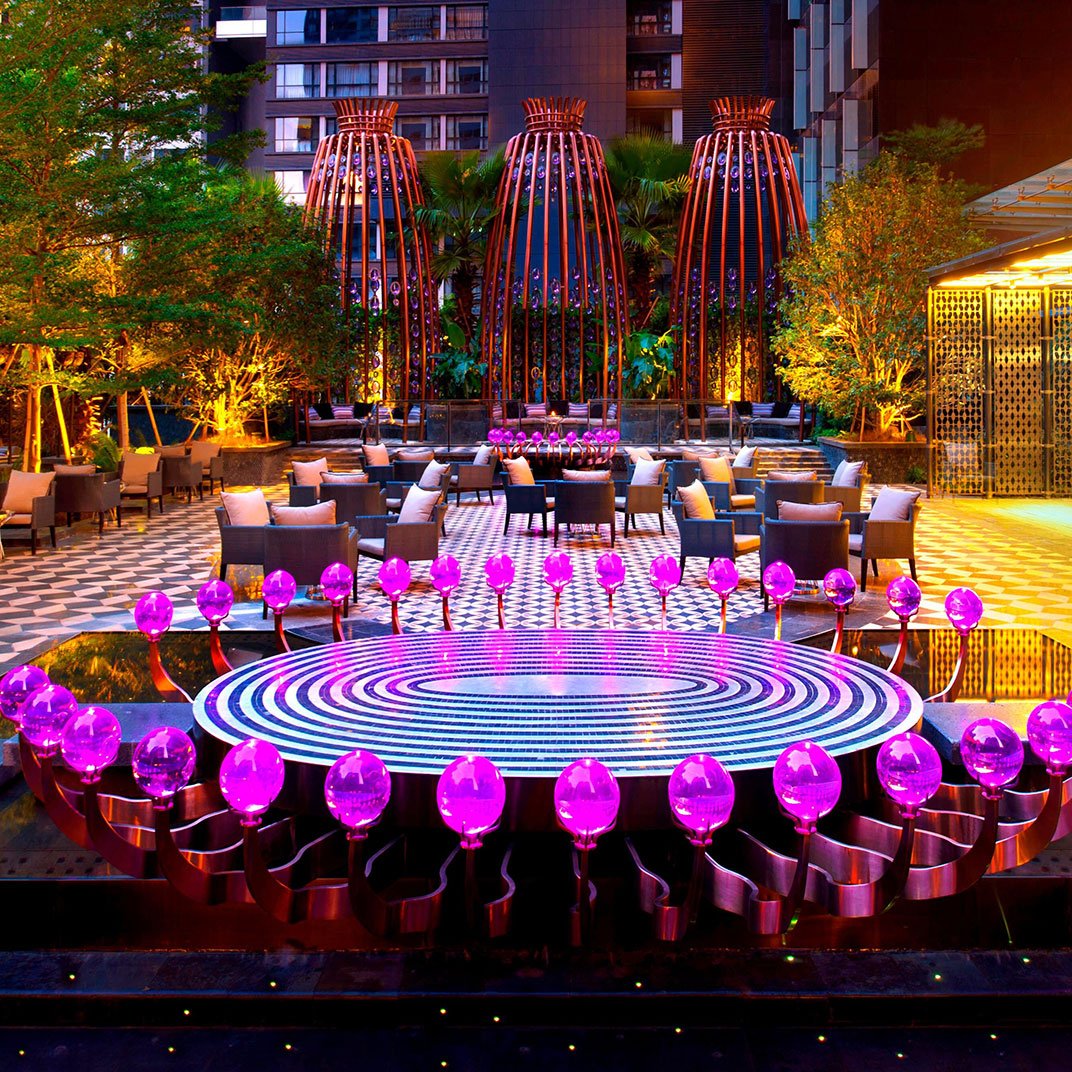
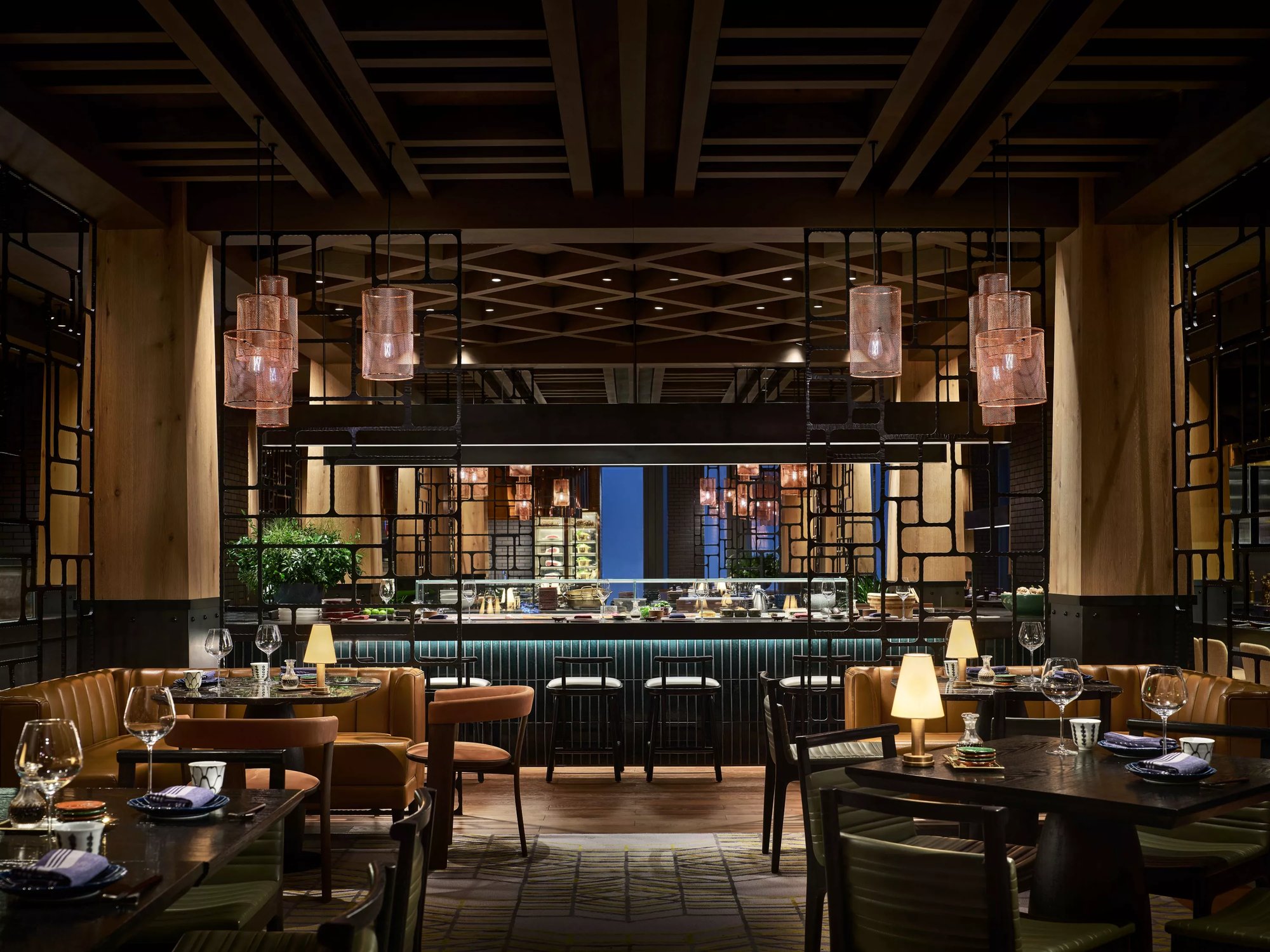
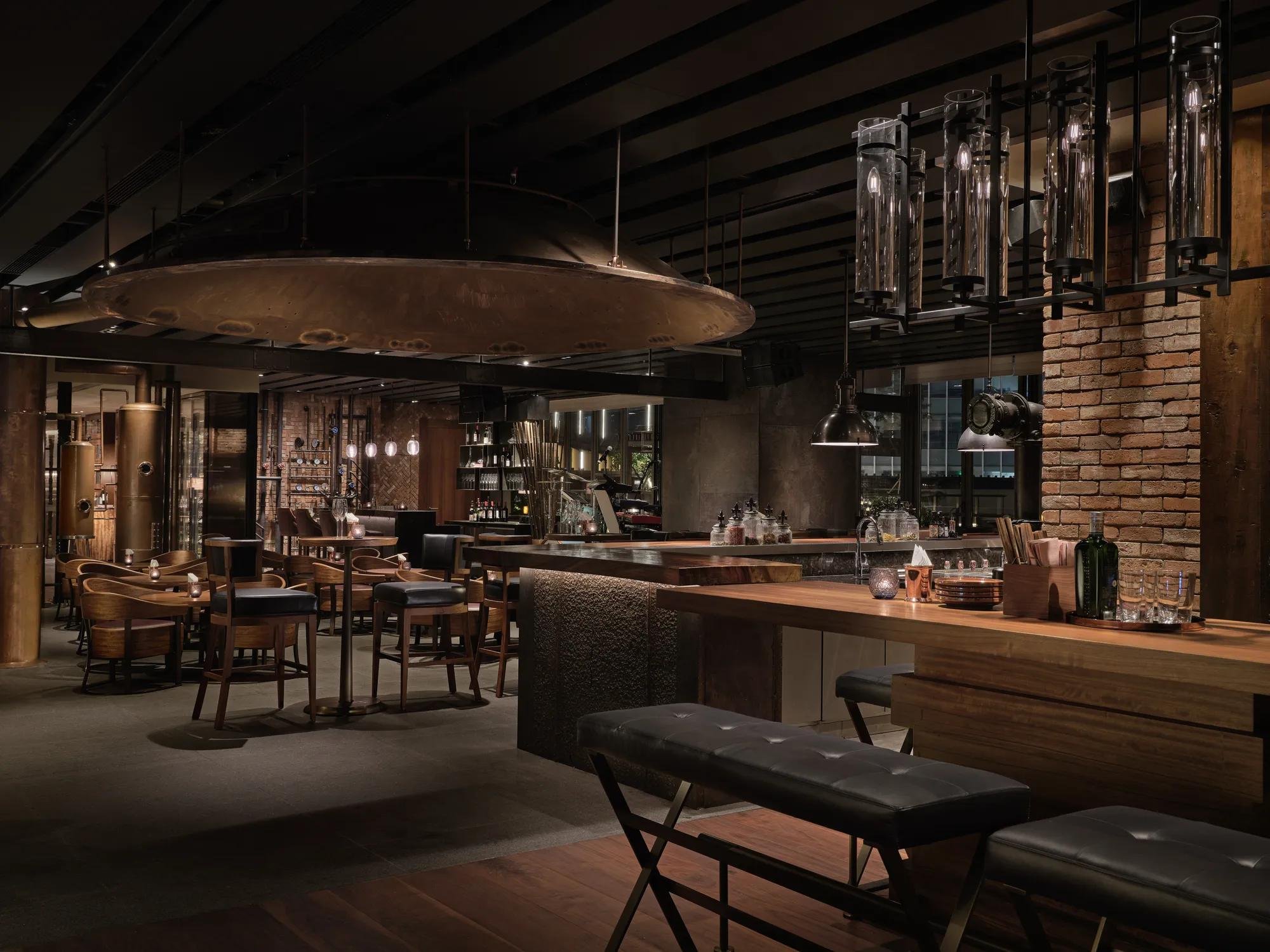
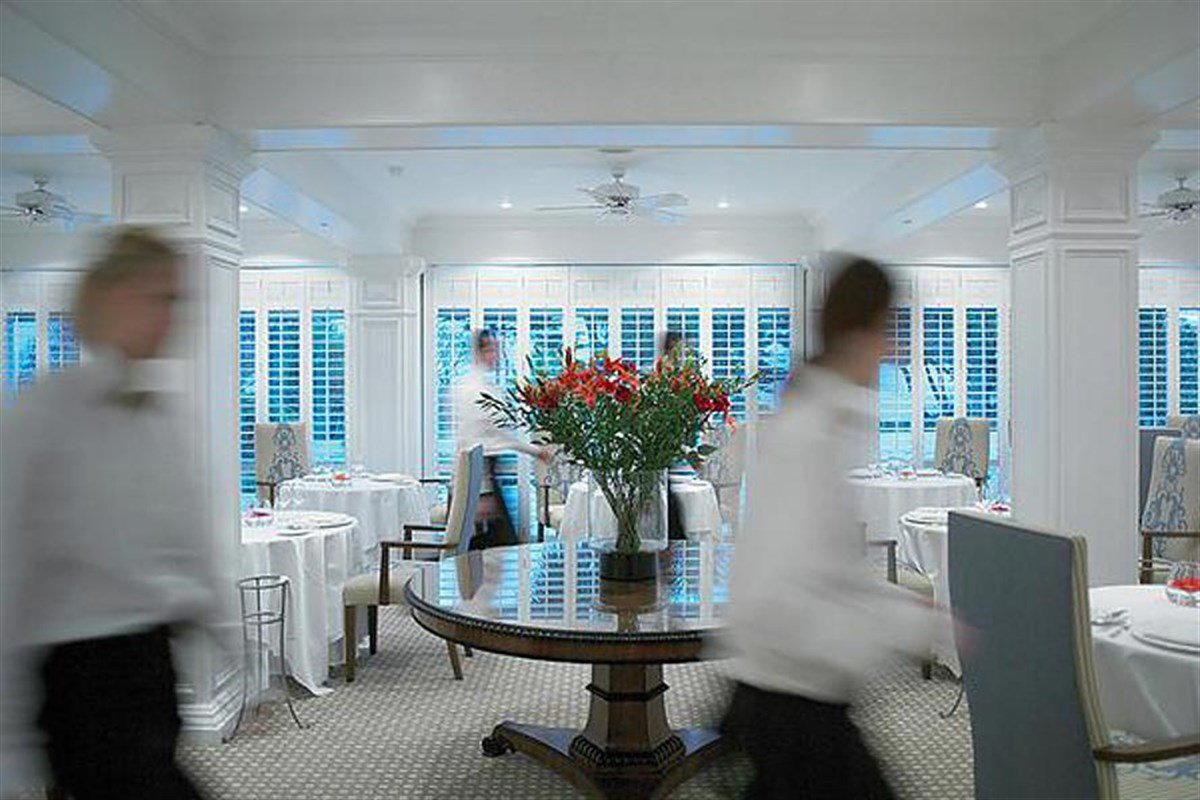
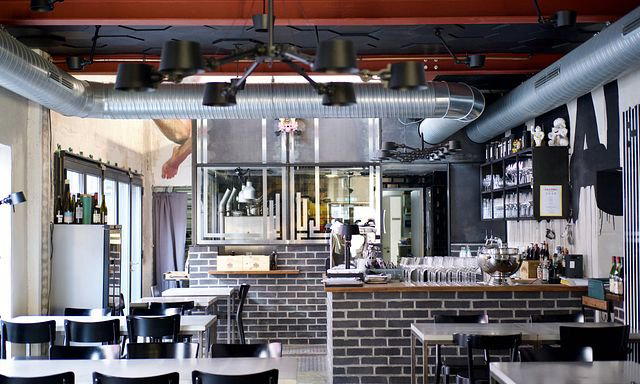
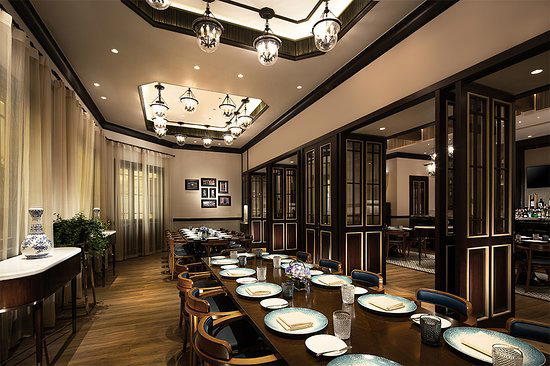
He Yuan (Tianhe) sits on Tianhe East Road, adjacent to Tianhe Park, one of the district's more composed settings for a meal. Walk in and you are in a room that reads as traditional Cantonese dining rather than contemporary: expect the visual language of carved wood detailing, round tables suited to shared family-style eating, and the kind of interior architecture that signals this place takes the formality of its cuisine seriously. For a returning visitor, that consistency of atmosphere is part of what the restaurant delivers — there is no reinvention here, and that is the point.
The cuisine type is Cantonese, which in Guangzhou carries more weight than anywhere else in China. This is the city where the tradition originates and where diners are most exacting about its execution. A Michelin Plate in this context is a meaningful signal: it does not indicate a starred restaurant, but it does mean Michelin's inspectors found the food to be of good quality, a bar that is harder to clear here than in cities where Cantonese cooking is imported rather than native. For a returning diner, the practical implication is that the kitchen is reliable enough to order broadly rather than defensively sticking to what you know worked last time.
On the question of beverage depth: the venue database does not confirm a formal wine program, and at the ¥¥ price point, that is expected. Cantonese restaurants at this tier in Guangzhou typically focus on Chinese spirits (baijiu), Shaoxing rice wine, and tea service rather than a curated wine list. If wine pairing matters to you, He Yuan is not where you come for it. What Cantonese cooking at this level does pair well with is Chinese white tea, specifically, the clean, low-tannin profiles that let delicate seafood and steamed preparations read clearly. That is the beverage logic the kitchen is built around, and it is worth leaning into rather than working against. For a guest who has visited before, requesting the tea service deliberately rather than defaulting to whatever arrives is the better move.
What carries more weight is the Michelin track record: two consecutive Plate awards indicate the kitchen is not coasting. For context, Guangzhou's Michelin-recognised Cantonese field includes significantly more expensive options, Lai Heen and Jade River operate at higher price tiers with corresponding expectations. He Yuan provides Michelin-validated Cantonese cooking at a price point that does not require the same level of planning or financial commitment.
For a returning diner, Tianhe district positioning is worth noting. The neighbourhood is Guangzhou's commercial and financial centre, which means the restaurant draws a mix of business lunch traffic and family dinners. Midweek lunch slots tend to be more relaxed; weekend evenings fill with larger groups. If you are coming as a pair rather than a table of six, book a weekday lunch slot to get the better end of the room's energy and service attention.
Cantonese cooking in its home city rewards diners who understand the format. Shared dishes, ordered across multiple categories (roast meats, steamed seafood, stir-fried vegetables, a claypot), give a more complete picture of a kitchen's range than ordering a single dish. A returning visitor who played it safe on the first visit should use a second visit to push wider across the menu. That is where the Michelin Plate credential starts to matter practically: it signals the kitchen can execute across categories, not just one reliable signature.
For broader context on Cantonese cooking executed at similar price points elsewhere in China, Ru Yuan in Hangzhou and Dai Yuet Heen in Nanjing offer useful regional comparisons. For the tradition at its most formal, Forum in Hong Kong and Le Palais in Taipei represent the ceiling of what the cuisine can be when price is no constraint. Within Guangzhou, see our full Guangzhou restaurants guide for the complete picture.
Practical Details
Reservations: Easy to book; no significant lead time required for weekday visits, though weekend evenings with a larger group benefit from booking a few days ahead. Budget: ¥¥ pricing makes this one of the more accessible Michelin-recognised Cantonese options in Guangzhou. Location: 163 Tianhe East Road, Tianhe District, adjacent to Tianhe Park, accessible by metro. Awards: Michelin Plate 2024 and 2025. Dress: No confirmed dress code; smart casual is consistent with the formality of the room. Groups: Round-table format suits groups of four to eight; ideal for family-style ordering. For more on the neighbourhood, see our Guangzhou hotels guide, bars guide, and experiences guide.
Pearl Picks, If You're Exploring Further
- Imperial Treasure Fine Chinese Cuisine, Cantonese at ¥¥¥, for when you want to step up the formality
- Jiang by Chef Fei, another Guangzhou Cantonese option worth benchmarking against He Yuan
- BingSheng Mansion (Xiancun Road), for roast meats-focused Cantonese in the same city
- Chef Tam's Seasons in Macau, to see what the tradition looks like at the starred level nearby
- Xin Rong Ji (Xinyuan South Road) in Beijing and Xin Rong Ji in Chengdu, for tracking how Cantonese-adjacent fine dining travels across China
- 102 House in Shanghai, a different register entirely, useful as a contrast
- Our Guangzhou wineries guide for beverage context in the region
Planning details
- Location
- 163 Tianhe E Rd, 天河公园 Tianhe District, Guangzhou, Guangdong Province, China, 510620
- Phone
- +86 20 3880 1388
The take
The Take
The Vibe
He Yuan reads as a working, mid‑register Cantonese roast house in Tianhe — approachable rather than theatrical. The writing emphasizes technical seriousness: a kitchen schooled in Guangzhou's long siu mei tradition that values precision over flash. Listed as a Michelin Plate holder for consecutive years, the room balances reliably good technique with an unpretentious, street‑level presence. Expect a comfortable, casually polished environment where the focus is on expertly roasted meats and Cantonese standards instead of elaborate staging. It feels like a neighbourhood spot you can bring colleagues or family to for solid, well‑executed Cantonese cooking.
Best For
He Yuan suits group meals, business lunches, and celebratory dinners where the goal is excellent Cantonese roasting without star‑level formality. The menu highlights roast classics and dim sum, making it a natural pick for daytime gatherings and brunch‑style service as well as evening plates such as Peking Duck and Abalone and Wheat Soup. Its mid‑price positioning (¥¥) and Michelin Plate recognition signal reliable cooking that accommodates both everyday dining and modestly special occasions. The restaurant works well for groups who want technically strong Cantonese fare in a straightforward, welcoming setting.
Ordering Tips
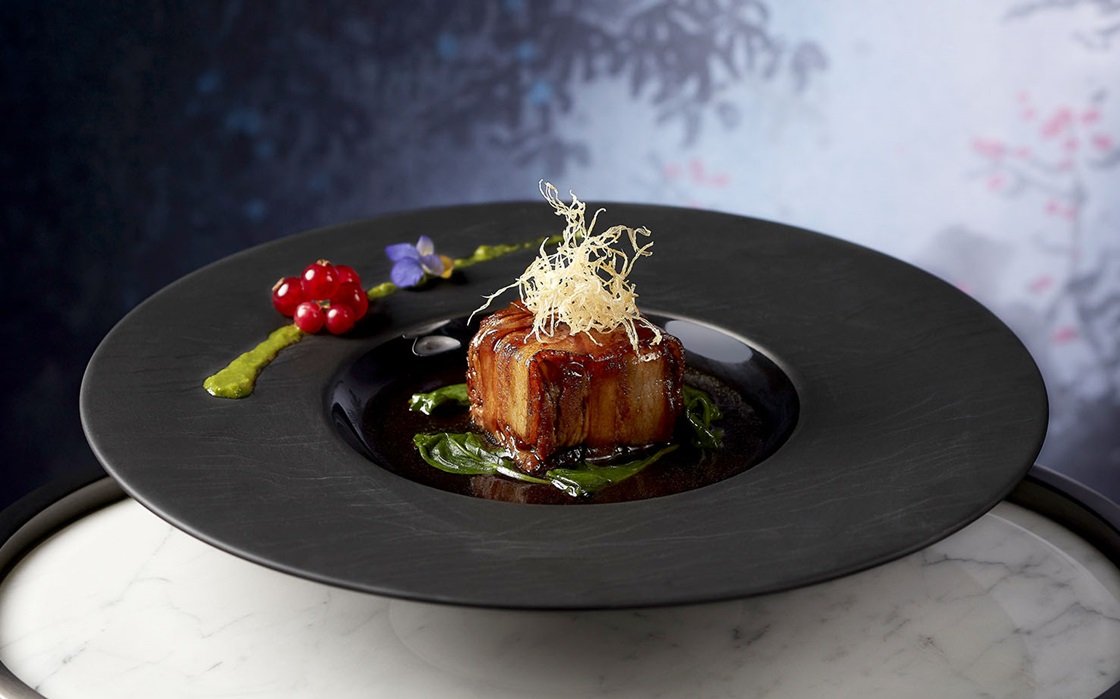
Prioritize the siu mei and other roasted meats — the description frames Cantonese roasting as the kitchen’s benchmark, so char siu, roast goose and crispy pork are the practical tests of quality here. Also order Dim Sum, called out as a signature offering, for a classic daytime or brunch experience. For a fuller meal, the listed signature dishes — Abalone and Wheat Soup and Peking Duck — showcase the kitchen’s range beyond simple roast plates. Note the venue’s ¥¥ pricing and Michelin Plate mention as indicators of consistent technique and good value rather than spectacle.
Venue details
Ambiance
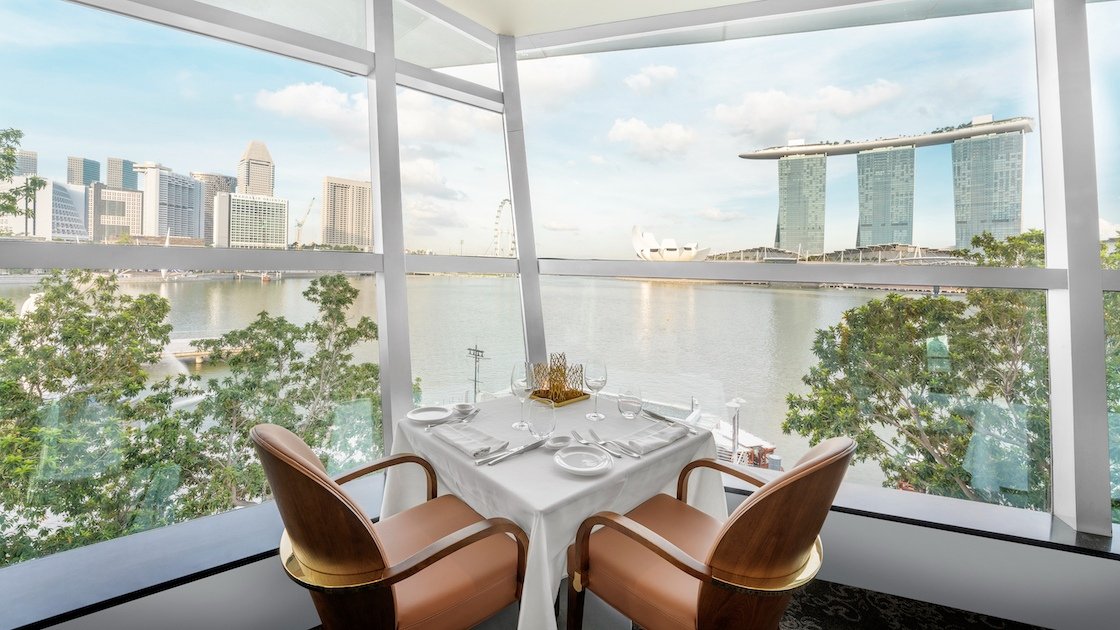
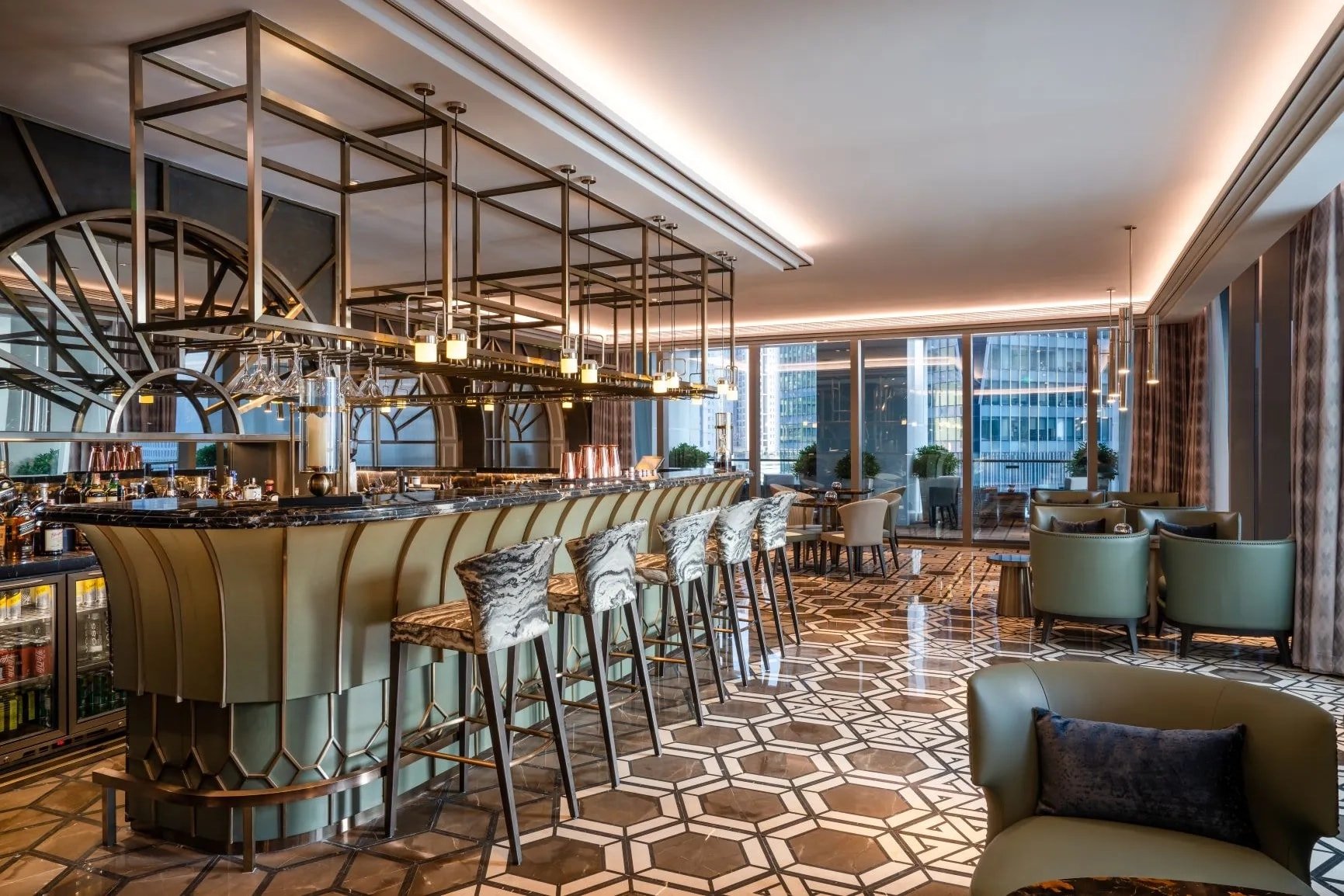
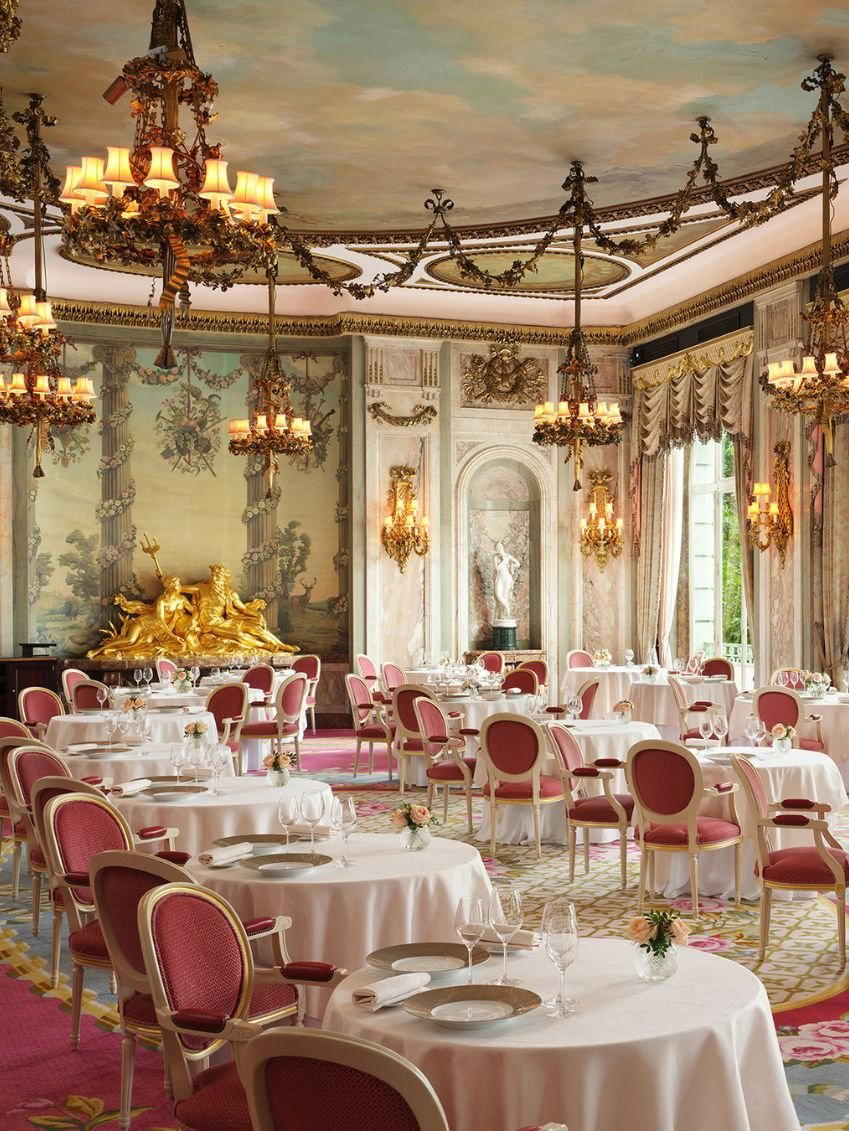
Palatial dining room with nicely decorated private spaces and attached washrooms; refined yet authentic atmosphere suitable for business and formal occasions.
Tags
Vibe
Best For
Experience
Sourcing
Accessibility
At the Table
- Dress Code
- Smart Casual
- Noise Level
- Conversational
- Service Style
- Upscale Casual
- Meal Pacing
- Leisurely
- Capacity
- Large
Signature Dishes
- Abalone and Wheat Soup
- Dim Sum
- Peking Duck
Know before you go
Know Before You Go
- Getting there
- 163 Tianhe E Rd, 天河公园 Tianhe District, Guangzhou, Guangdong Province, China, 510620
Planning details
Location
163 Tianhe E Rd, 天河公园 Tianhe District, Guangzhou, Guangdong Province, China, 510620 · Directions
Recognition and awards
Also consider
Also Consider
- Imperial Treasure Fine Chinese Cuisine, Cantonese, ¥¥¥
- Taian Table, Modern European, European Contemporary, ¥¥¥¥
- Chōwa, Innovative, ¥¥¥
- Imperial Treasure Fine Teochew Cuisine, Chao Zhou, ¥¥¥
- Rêver, French Contemporary, ¥¥¥¥
Restaurant context
He Yuan (Tianhe) sits at ¥¥ with two consecutive Michelin Plates, making it the clearest value option among Guangzhou's recognised Cantonese venues. Imperial Treasure Fine Chinese Cuisine at ¥¥¥ gives you more formal service and a broader banquet-capable menu, but you are paying a meaningful premium for that polish. If the occasion calls for serious Cantonese cooking at a price that does not require justification, He Yuan is the easier yes.
Imperial Treasure Fine Teochew Cuisine at ¥¥¥ is the right alternative if you want to explore Chao Zhou cooking rather than staying in the Cantonese register, the traditions are related but distinct, and the Teochew room rewards diners who want to compare. For something entirely different, Chōwa at ¥¥¥ takes an innovative approach that moves away from tradition altogether; useful if your table has someone who finds classical Cantonese less interesting. Taian Table and Rêver, both at ¥¥¥¥, operate in European registers and are not direct comparisons for a Cantonese meal, but if your group is split on cuisine, either can anchor a very different kind of evening.
The bottom line: He Yuan is the call when you want Michelin-recognised Cantonese cooking at a price that keeps the focus on the food rather than the occasion. For a step up in formality or a larger group dinner with more ceremony, Imperial Treasure Fine Chinese Cuisine is the natural next tier. For cuisine exploration beyond Cantonese, the Chōwa or Imperial Treasure Teochew options give Guangzhou's dining scene more range without leaving the recognised tier.
Explore Guangzhou
Around this place
Discover more on Pearl
Unlock the full He Yuan (Tianhe) guide in Pearl, including awards, comparisons, FAQs, planning details, and nearby places.
Compare He Yuan (Tianhe)
| Venue | Cuisine | Price | Booking Difficulty | Awards |
|---|---|---|---|---|
| He Yuan (Tianhe) | Cantonese | ¥¥ | Easy | 2025 Michelin Plate2024 Michelin Plate |
| Imperial Treasure Fine Chinese Cuisine | Cantonese | ¥¥¥ | Unknown | Michelin Guide Shanghai Jiangsu Zhejiang 20262025 OAD Top Restaurants in Asia Ranked · #2952025 Michelin 2 Stars2025 La Liste Top Restaurants2024 OAD Top Restaurants in Asia Ranked · #2752024 Michelin 2 Stars2023 OAD Top Restaurants in Asia Highly Recommended |
| Taian Table | Modern European, European Contemporary | ¥¥¥¥ | Unknown | 2026 OAD Top Restaurants in Asia Ranked · #62Star Wine Lists 20262026 La Liste Top Restaurants2026 Black Pearl 1 Diamond2026 Les Grandes Tables du Monde Members2025 OAD Top Restaurants in Asia Ranked · #852025 Michelin 2 Stars2025 Michelin 3 Stars2025 La Liste Top Restaurants |
| Chōwa | Innovative | ¥¥¥ | Unknown | 2025 Michelin 1 Star2025 The Best Chef Two Knives2024 Michelin Plate |
| Imperial Treasure Fine Teochew Cuisine | Chao Zhou | ¥¥¥ | Unknown | Michelin Guide Guangzhou & Shenzhen 2026 |
| Rêver | French Contemporary | ¥¥¥¥ | Unknown | 2025 Michelin 1 Star2025 The Best Chef One Knife2024 Michelin 1 Star |











Side-by-side comparison to help you decide where to book.
FAQ
Frequently Asked Questions
Does He Yuan (Tianhe) handle dietary restrictions?
Cantonese kitchens in this category typically work across seafood, poultry, and pork-heavy menus, so vegetarians and those avoiding shellfish should confirm options in advance. At the ¥¥ price tier with Michelin Plate recognition two years running, the kitchen has the range to accommodate requests, but specific dietary policies are not documented. Contact ahead if restrictions are firm.
What should I wear to He Yuan (Tianhe)?
A Michelin Plate at the ¥¥ tier in Guangzhou's Tianhe district points toward tidy casual rather than formal dress. Think clean, presentable clothes — no need for a jacket. This is a neighbourhood Cantonese restaurant done well, not a ceremony-level dining room.
Can He Yuan (Tianhe) accommodate groups?
Groups are well-suited to Cantonese dining formats like this, where shared dishes are the norm. For larger parties on a weekend evening, booking ahead makes sense — weekday visits at the ¥¥ price point require little lead time. Round-table group meals are a natural fit here.
Is He Yuan (Tianhe) good for a special occasion?
It works for a low-key celebration where quality Cantonese cooking matters more than spectacle. Back-to-back Michelin Plates in 2024 and 2025 give it credential at an accessible ¥¥ price, so it over-delivers for the spend. If you need a grander setting, Rêver or Imperial Treasure Fine Chinese Cuisine would be a stronger fit for a milestone dinner.
Is He Yuan (Tianhe) good for solo dining?
Solo dining at a shared-dish Cantonese restaurant has limits — portions and menu breadth are built around groups. That said, the ¥¥ price tier keeps the bill manageable, and a solo meal with two or three dishes at a Michelin Plate venue is a reasonable call. Counter or smaller tables near Tianhe Park make this a more comfortable solo option than a large banquet-style room.