Restaurant in Gose, Japan
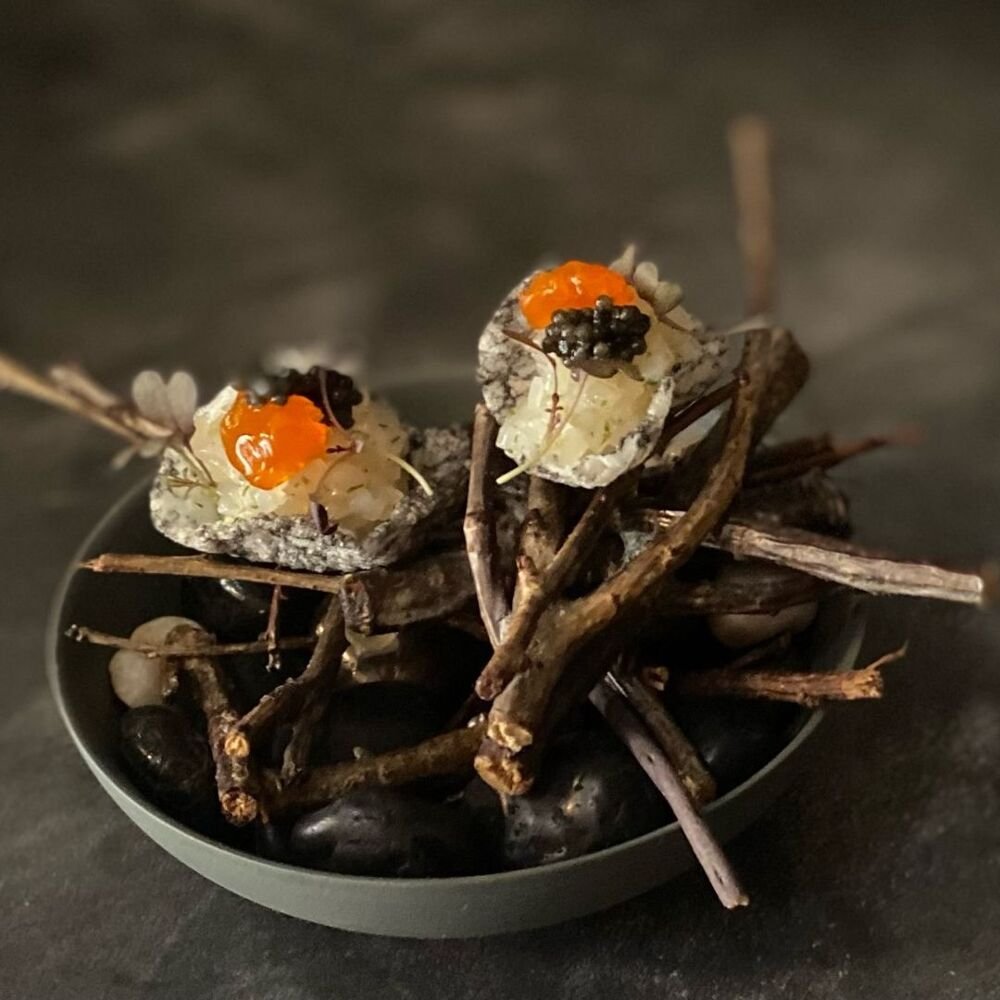
à Plus is a destination-level option in Gose, southern Nara, best suited to travellers willing to do advance groundwork on hours and format. Confirmed practical details are limited, so contact the venue directly before planning a visit. The strongest case for going is a seasonal one: late spring and autumn bring the regional ingredient cycles that make rural Nara kitchens worth the journey.
If you are weighing a drive out to Gose in Nara Prefecture against staying closer to Osaka or Kyoto for a comparable dining experience, the calculation depends on what you are willing to trade. Restaurants like akordu in Nara offer a more established profile and easier booking context. à Plus sits in Gose's quieter orbit, in the foothills of western Nara, and what draws visitors here is the setting's remove from urban dining circuits rather than competitive convenience.
The venue database for à Plus is sparse, which means practical specifics on price, hours, cuisine format, and booking method are not confirmed at this time. What follows is framed around what is verifiable and what you should investigate before committing to the trip.
Gose sits in the southern part of Nara Prefecture, a region defined by its agricultural calendar. Nara's growing seasons shape the ingredient cycles of serious kitchens in the area, and any restaurant operating here at a destination level will feel the pull of that rhythm. If seasonal rotation matters to you — and it is a reasonable reason to make this kind of journey — the strongest windows in this part of Japan are typically late spring, when mountain vegetables come into season, and autumn, when the harvest profile shifts toward root vegetables, mushrooms, and game. Timing your visit around those periods rather than midsummer or deep winter generally yields the most from region-specific kitchens.
Because à Plus operates in a low-density area, booking ahead is advised even when demand appears modest. Small restaurants in rural Nara often run on limited covers and do not maintain the same walk-in tolerance as city venues. Contact the venue directly to confirm current hours, format, and availability before planning your route. Gose is accessible from Osaka by train, typically via the Kintetsu Osaka Line to Takada and onward connections, but factor travel time into your decision , this is not a spontaneous detour.
For broader planning in the region, our full Gose restaurants guide covers the current dining options in the area, and our Gose hotels guide can help if you are considering an overnight stay rather than a day trip from Osaka or Nara city.
Reservations: Contact the venue directly , online booking status unconfirmed. Dress: Not confirmed; smart casual is a safe default for a destination restaurant in rural Japan. Budget: Price range not confirmed , verify directly before booking. Booking difficulty: Easy, based on location and limited urban competition, but small cover counts mean you should not leave it to the last minute.
If you have already visited à Plus and are considering a return, the seasonal angle is your clearest reason to go back at a different time of year. Kitchens rooted in a single rural region tend to show genuine variation across seasons rather than rotating a fixed menu cosmetically. A visit in late October through November will deliver a substantially different plate from one made in April or May. That kind of calendar-driven variation is the main argument for repeat visits to destination restaurants outside major cities , you are not chasing novelty, you are tracking a place through its ingredient year.
For comparison benchmarks on what a high-commitment day trip to a rural Japanese restaurant can look like at its leading, Gion Sasaki in Kyoto and Goh in Fukuoka represent the calibre of regional destination dining that makes these journeys worthwhile when the kitchen delivers. They are useful mental benchmarks for what you should expect from a serious rural table.
Other Pearl restaurant profiles worth considering as part of a Kansai or western Japan itinerary: HAJIME in Osaka, Abon in Ashiya, and 1000 in Yokohama if you are building a broader trip. For reference points further afield, affetto akita in Akita and Aji Arai in Oita show how destination-level dining operates across Japan's rural prefectures. You can also browse Gose bars, Gose wineries, and Gose experiences to build out a full day in the area rather than making the journey solely for one meal.
à Plus is a reasonable prospect for a traveller already committed to exploring southern Nara's quieter dining circuit, particularly in spring or autumn when regional ingredients are at their most compelling. The lack of confirmed data on price, format, and hours means you should not book travel around this venue without first verifying those basics directly. If you need a confirmed, fully profiled destination in Nara Prefecture, akordu is the better-documented choice. à Plus earns consideration once you have done that groundwork.
Keep this venue in your Pearl passport, rate it after you visit, and track it alongside every other place you collect.
