
Wenru No.9
Fujian · Gulou, Fuzhou
Restaurant in Fuzhou, China
 Book with Pearl
The Read
Red Vinasse Fujian Tradition
Price
$50–100per person
Dress
Smart Casual
Why go
A 2024 Michelin-starred Fujian restaurant in Fuzhou's historic Song Dynasty scholar quarter, Wenru No.9 delivers traditional technique at a ¥¥ price point that is hard to beat for the recognition it carries. Book three to four weeks out through a concierge. The sliced conch in red vinasse sauce is the defining order.
About Wenru No.9
The Verdict
If you are planning a meaningful dinner in Fuzhou and want to eat Fujian cuisine at its most considered, Wenru No.9 earns a confident booking. A 2024 Michelin Star at the ¥¥ price tier makes this one of the most accessible starred restaurants in the city, and the setting inside a Song Dynasty-era scholar's quarter adds genuine historical weight to the occasion. Book at least three to four weeks out; this is a hard reservation.
About Wenru No.9
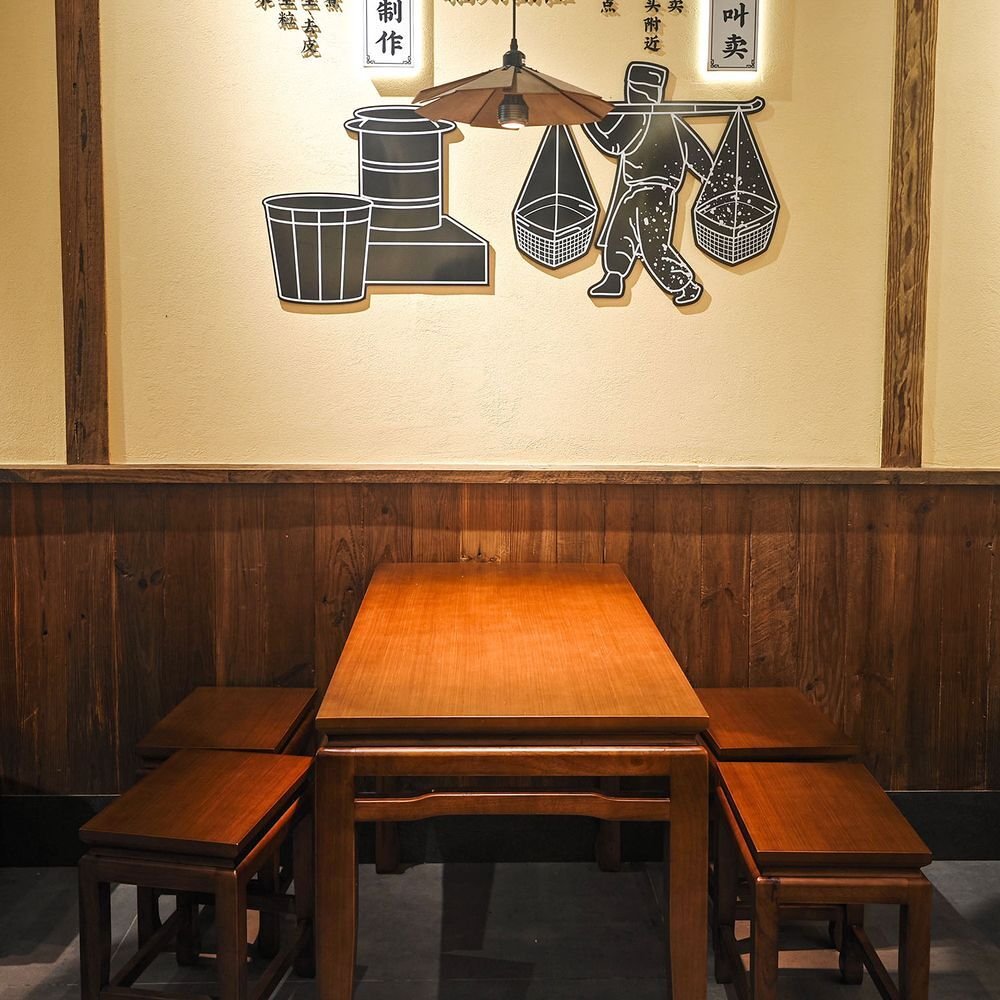
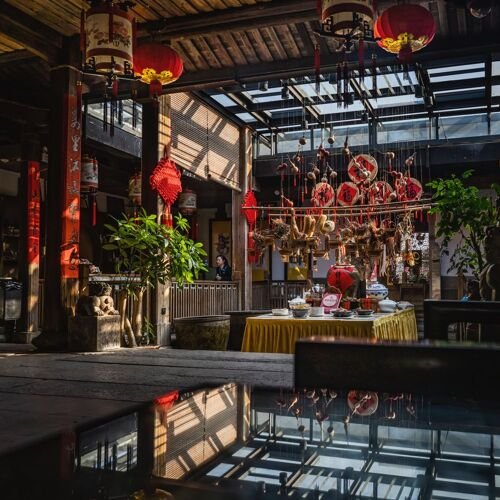
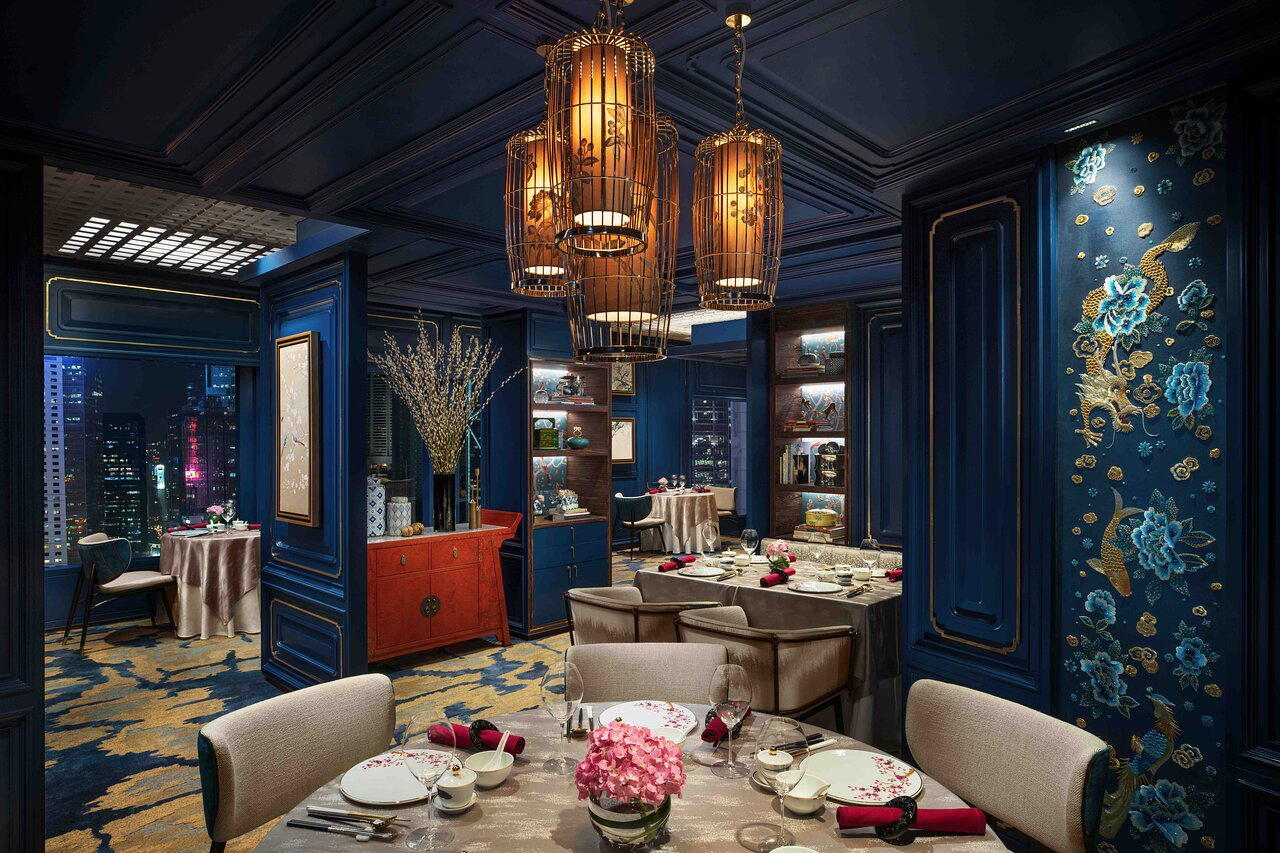
The address alone tells you something: 56 Wenrufang sits in Gulou District's Dongjieku neighbourhood, an area where prominent scholars of the Northern Song Dynasty once lived and worked. Walking into Wenru No.9 means stepping into a building that has preserved original architectural details from that period — exposed timber, stone threshold, the structural logic of a traditional courtyard residence. For a special occasion dinner, that physical context is not incidental. It changes the register of the meal before a dish arrives.
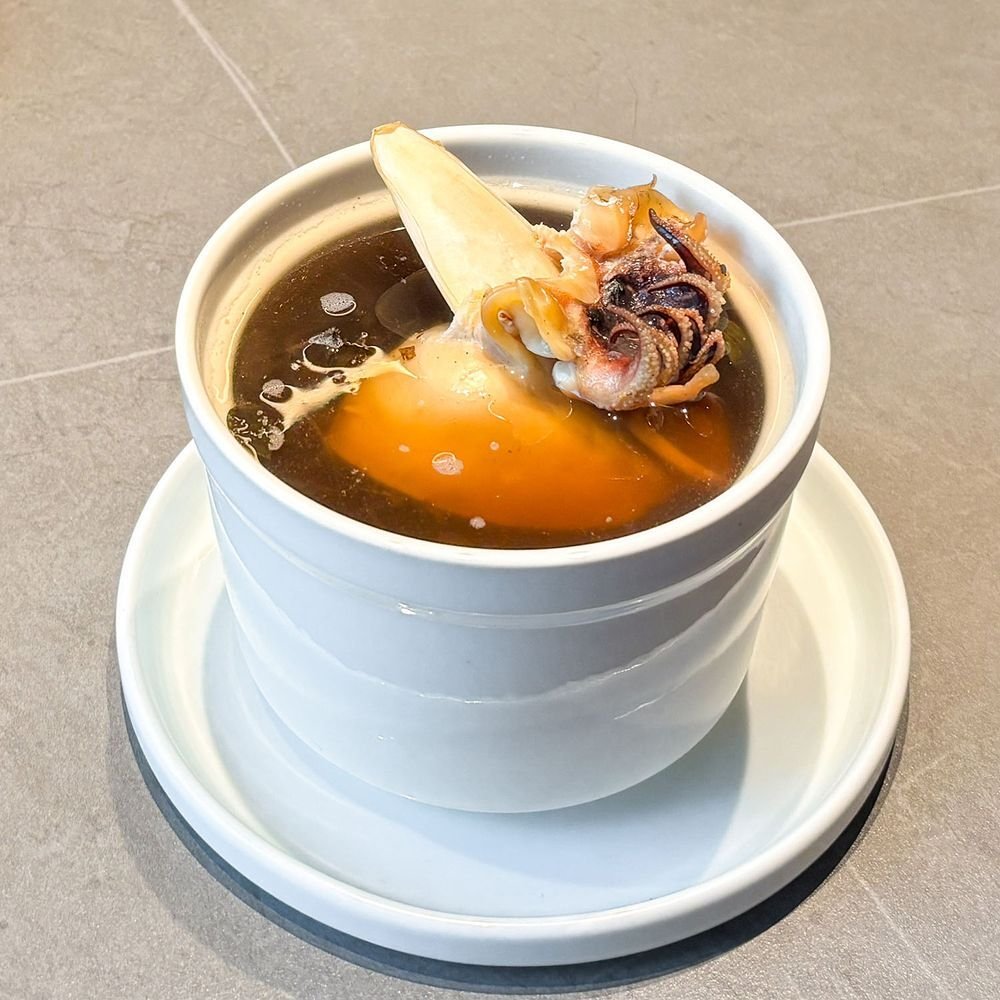
The kitchen has a single clear point of view: traditional Fujian food culture, executed with professional discipline. The head chef brings more than 30 years of cooking experience to the menu, and that depth shows in dishes that do not reach for novelty. Sliced conch in red vinasse sauce is the dish most cited in the venue's recognition materials, and it illustrates what Fujian cooking does well at this level: the briny-sweet quality of the sea snail is sharpened by the fermented tang of red vinasse, a classic pairing that the kitchen treats with precision rather than reinvention. Hand-pounded rice cake, listed as a companion to seafood, signals the same philosophy — labour-intensive traditional technique in service of clean, direct flavour.
Red vinasse, made from the lees of red yeast rice wine, is a distinctly Fujianese ingredient. If you are coming from outside the province, or dining here to understand what separates Minnan cooking from the broader category of Cantonese or Shanghainese seafood, dishes that feature it are the most efficient argument the kitchen can make. Order accordingly.
For anyone considering the timing of their booking within an evening: Wenru No.9's setting in a historic residential lane makes it more suited to earlier dinner sittings than late-night arrivals. The neighbourhood character of Wenrufang winds down as the evening progresses, and the restaurant's traditional interior reads differently at a relaxed 7 PM sitting than it would as a late stop. If your itinerary places dinner later in the evening, factor in that the atmosphere peaks earlier; this is not the venue you arrive at after 9 PM for its own sake. For diners on a special occasion who want the full experience of the space and setting, aim for an early-to-mid evening reservation.
On price: ¥¥ in Fuzhou puts this squarely in the mid-range for the city, but a Michelin Star at that price point means the value equation is meaningfully in the diner's favour. Comparable starred dining in Shanghai or Beijing at venues like Xin Rong Ji (Xinyuan South Road) in Beijing or 102 House in Shanghai tends to sit at a higher price tier. If you are travelling from another Chinese city specifically to explore Fujian cuisine, Wenru No.9 offers a meaningful benchmark. It also holds its own against other regional Fujian specialists: Hokklo in Xiamen and Hokkien Cuisine in Chengdu are worth comparing if your trip extends beyond Fuzhou.
It suggests consistency rather than a venue coasting on a star. That matters for a special occasion booking where you need predictable quality, not a lottery.
Booking logistics: with no listed website or phone number in public directories at the time of writing, the most reliable path is through a hotel concierge or a Fuzhou-based reservation service. Walk-in availability at a Michelin-starred venue in a historic setting with what is likely a limited seat count is not a realistic expectation. Three to four weeks minimum is a sensible planning horizon; if your trip dates are fixed and the dinner is the anchor event, book before you book the flight. For broader planning across the city, see our full Fuzhou restaurants guide, and if accommodation is still open, our full Fuzhou hotels guide covers the options near Gulou District.
Wenru No.9 is the strongest argument in Fuzhou for booking a Fujian tasting experience at a formal level. Peers in the traditional Fujianese register like Min Shi Fu, Fuyuan, and Jing Li are solid alternatives if this reservation does not come through, but none carry the same combination of Michelin recognition, historic setting, and a kitchen with three decades of dedicated craft. If you are weighing a broader regional evening, Harmony Garden (Xierhuan North Road) and Longkushan Eatery offer different angles on Fuzhou dining. For after-dinner options, our full Fuzhou bars guide has current coverage. Regional context from further afield: Ru Yuan in Hangzhou, Chef Tam's Seasons in Macau, and Imperial Treasure Fine Chinese Cuisine in Guangzhou are all useful comparators when calibrating what Michelin recognition looks like across different Chinese dining cities. Xin Rong Ji in Chengdu is another relevant data point if you are benchmarking regional Chinese fine dining more broadly.
Bottom line: book this for a birthday, an anniversary, a business dinner where the setting should do work, or any occasion where Fuzhou's culinary identity is the point. The Michelin Star is deserved and the price makes it easier to justify than most equivalent experiences in China's larger cities. Explore our full Fuzhou experiences guide and our full Fuzhou wineries guide to build the rest of your itinerary around the meal.
Planning details
- Location
- 56 Wenrufang, 东街口商圈 Gulou District, Fuzhou, Fuzhou, Fujian, China, 350005
- Phone
- +86 591 8856 7888
The take
The Take
The Vibe
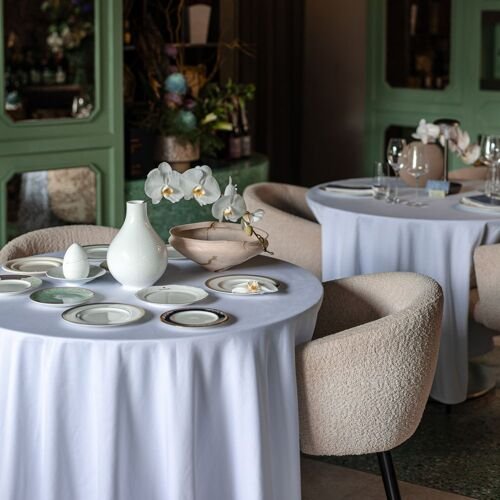
Wenru No.9 leans on place as its personality. Set on a lane that dates to the Northern Song, the building’s carved timber, recessed doorways and worn stone thresholds create an immediate sense of history and restraint. The cooking mirrors that restraint: Min cuisine is presented with close attention to technique and to time-honored fermentation traditions. The result is an elegant, quietly confident room where the architecture and the food trade in subtlety rather than spectacle. The Michelin recognition underlines a polished, sophisticated approach that rewards diners who appreciate provenance and precision.
Best For
This is a destination for an attentive dinner—think special occasions, date nights and celebrations centered on regional Chinese cooking. The Michelin star and the write-up’s focus on technical precision frame Wenru No.9 as a serious culinary address: guests come to experience Fujian’s fermented flavors and coastal seafood prepared with care. It reads as a place for reservations and relaxed pacing rather than a quick meal; the setting and the cuisine are both best appreciated in the evening, when dishes that unfold slowly and quietly take center stage.
Ordering Tips
Center orders around the restaurant’s signatures and the region’s fermentation techniques. The Sliced Conch in Red Vinasse Sauce exemplifies how red yeast rice residue is used as a complex, savory-sweet sauce for seafood; it’s a good lens onto the kitchen’s philosophy. Other highlights listed—Hand-Pounded Rice Cake, Buddha Jumps Over the Wall and Hot and Sour Fish Lip Soup—point to a menu that balances umami-rich, time-aged flavor with coastal ingredients. Look for dishes that showcase red vinasse and fermented elements alongside fresh seafood to understand the restaurant’s defining contrasts.
Venue details
Ambiance
Burnished, soft lighting in a hushed historic space with original timbered beams, weathered stone, and subtle lattices; service flows with discreet fluency, allowing the room's historic cadence to set the pace.
Tags
Vibe
Best For
Experience
Sourcing
At the Table
- Dress Code
- Smart Casual
- Noise Level
- Quiet
- Service Style
- Formal
- Meal Pacing
- Leisurely
- Capacity
- Small
- Kitchen
- Traditional
- Menu Format
- Tasting menu, A la carte
- Wine Program
- Standard
- Drinks Focus
- Jasmine tea
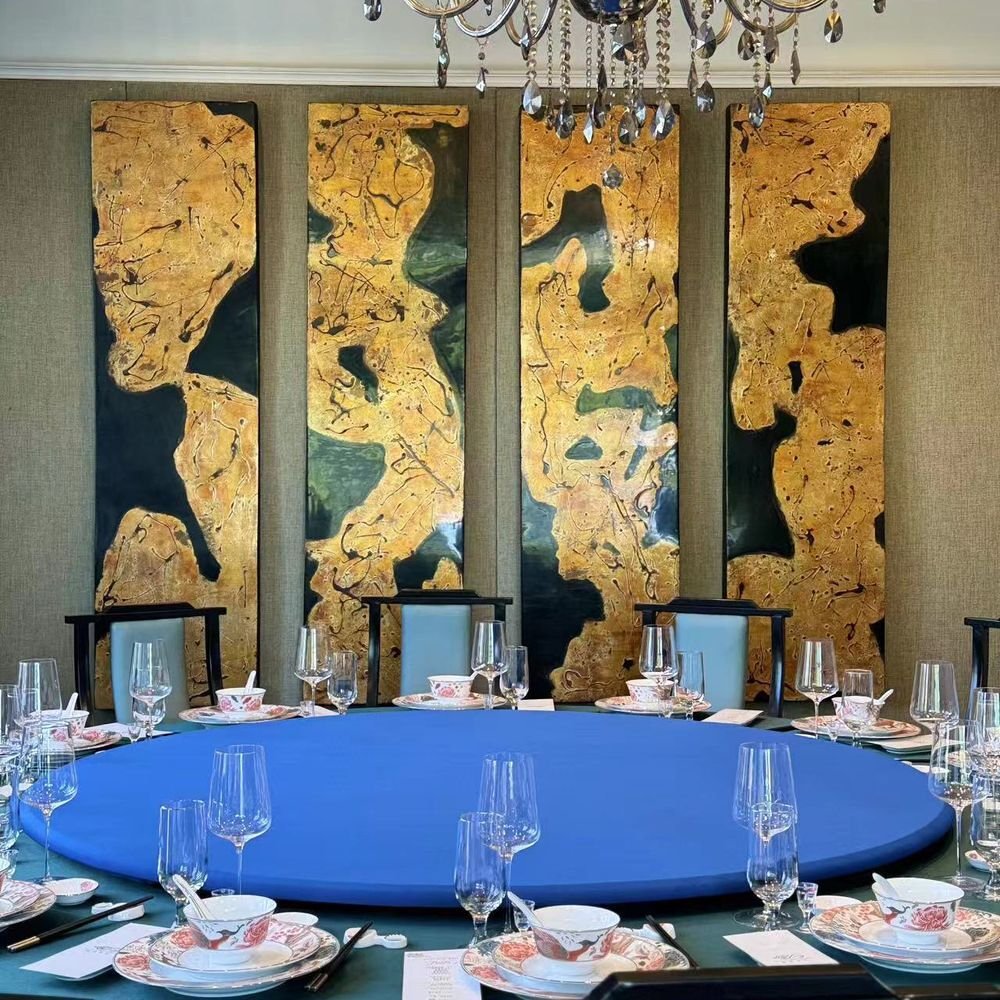
- Private Dining
- Available
Signature Dishes
- Sliced Conch in Red Vinasse Sauce
- Hand-Pounded Rice Cake
- Buddha Jumps Over the Wall
- Hot and Sour Fish Lip Soup
Know before you go
Know Before You Go
- Getting there
- 56 Wenrufang, 东街口商圈 Gulou District, Fuzhou, Fuzhou, Fujian, China, 350005
Planning details
Location
56 Wenrufang, 东街口商圈 Gulou District, Fuzhou, Fuzhou, Fujian, China, 350005 · Directions
Recognition and awards
Also consider
Also Consider
- Hou Jie Lao Hua (Yadao Lane), Noodles, ¥
- Jing Li, Fujian, ¥¥
- Mei Ya Bo Hua Sheng Tang, Small eats, ¥
- Jiangnan Wok‧Rong, Huaiyang, ¥¥¥
- Chosop, Sichuan, ¥¥
Restaurant context
How It Compares
Within Fuzhou's Fujian dining options, Wenru No.9 sits clearly at the top of the formal tier. Its only direct peer at the same ¥¥ price level is Jing Li, which covers similar regional territory without Michelin recognition. If the reservation at Wenru No.9 falls through, Jing Li is the most logical alternative for a Fujian-focused dinner at a comparable spend. The quality gap between a starred and an unstarred kitchen at the same price point is real, so Wenru No.9 is the better booking if you have the lead time to secure it.
For diners who want to eat well in Fuzhou without the booking difficulty, Mei Ya Bo Hua Sheng Tang and Hou Jie Lao Hua (Yadao Lane) both operate at ¥ and offer accessible local eating without the advance planning. Neither is a substitute for what Wenru No.9 does, but if your schedule is uncertain or the occasion is casual, they remove the friction entirely. Hou Jie Lao Hua in particular is worth knowing as a lower-stakes local option for noodles.
At the higher end, Jiangnan Wok·Rong at ¥¥¥ takes the spend above Wenru No.9 for Huaiyang cuisine rather than Fujian. If the occasion calls for maximum formality and price is secondary, Jiangnan Wok·Rong competes on service register, but it does not offer the regional specificity or the historic setting that makes Wenru No.9 the stronger call for anyone in Fuzhou to eat Fujianese food. Chosop at ¥¥ covers Sichuan rather than Fujian, so it is a different occasion entirely. For a special occasion dinner where the cuisine and the setting should both reflect where you are, Wenru No.9 is the booking to make.
Explore Fuzhou
Around this place
Discover more on Pearl
Unlock the full Wenru No.9 guide in Pearl, including awards, comparisons, FAQs, planning details, and nearby places.
Compare Wenru No.9
| Venue | Price | Booking Difficulty | Awards |
|---|---|---|---|
| Wenru No.9 | ¥¥ | Hard | 2026 Michelin 1 Star2025 Michelin 1 Star2024 Michelin 1 Star |
| Hou Jie Lao Hua (Yadao Lane) | ¥ | Unknown | 2024 Michelin Bib Gourmand |
| Jing Li | ¥¥ | Unknown | 2026 Bib Gourmand2025 Michelin Bib Gourmand2024 Michelin Bib Gourmand |
| Mei Ya Bo Hua Sheng Tang | ¥ | Unknown | 2026 Bib Gourmand2025 Michelin Bib Gourmand2024 Michelin Bib Gourmand |
| Jiangnan Wok‧Rong | ¥¥¥ | Unknown | No published awards |
| Chosop | ¥¥ | Unknown | 2026 Michelin Plate2025 Michelin Plate2024 Michelin Plate |

.png?width=1200&quality=80)
.png?width=1200&quality=80)
Side-by-side comparison to help you decide where to book.
FAQ
Frequently Asked Questions
What should I order at Wenru No.9?
The two dishes most anchored in Wenru No.9's identity are the sliced conch in red vinasse sauce and the hand-pounded rice cake. The conch dish draws on classic Fujian fermentation technique, and the rice cake is intended as a pairing with seafood rather than a standalone. Order both on a first visit.
How far ahead should I book Wenru No.9?
Since earning a 2024 Michelin star, demand has increased. Book at least one to two weeks ahead for weekday dinners, and further in advance for weekends or holidays. No phone or website is listed in public records, so plan to book through a Chinese reservation platform or ask your hotel concierge to assist.
Is Wenru No.9 worth the price?
Yes, clearly. Wenru No.9 sits at ¥¥ pricing, which is mid-range by Fuzhou standards, and it carries a 2024 Michelin star. The value proposition is strong: you are getting formally recognised cooking from a chef with over 30 years of professional experience at a price point that does not require a special-occasion budget.
What are alternatives to Wenru No.9 in Fuzhou?
Hou Jie Lao Hua (Yadao Lane) is the closest comparison if you want traditional Fujianese cooking in an informal setting at a lower price. Jing Li skews more contemporary. Mei Ya Bo Hua Sheng Tang is worth considering if your group wants something more banquet-oriented. For a departure from Fujian cuisine entirely, Jiangnan Wok·Rong covers Jiangnan-style cooking.
Is Wenru No.9 good for a special occasion?
Yes, and the setting reinforces it. The restaurant occupies a building in the historic Wenrufang area of Gulou District, where Northern Song Dynasty scholars once lived, and the interior retains original architectural details. That combination of documented history, Michelin recognition, and mid-range pricing makes it a practical choice for a meaningful dinner that does not require a large spend.
Is the tasting menu worth it at Wenru No.9?
No menu format or tasting menu specifics are documented publicly for Wenru No.9. Given the traditional Fujian focus and the ¥¥ price range, ordering a spread of signature dishes is likely the right approach on a first visit rather than assuming a structured tasting format is available. Confirm the current menu structure when booking.