Restaurant in Fukuoka, Japan
Hirao Counter Precision
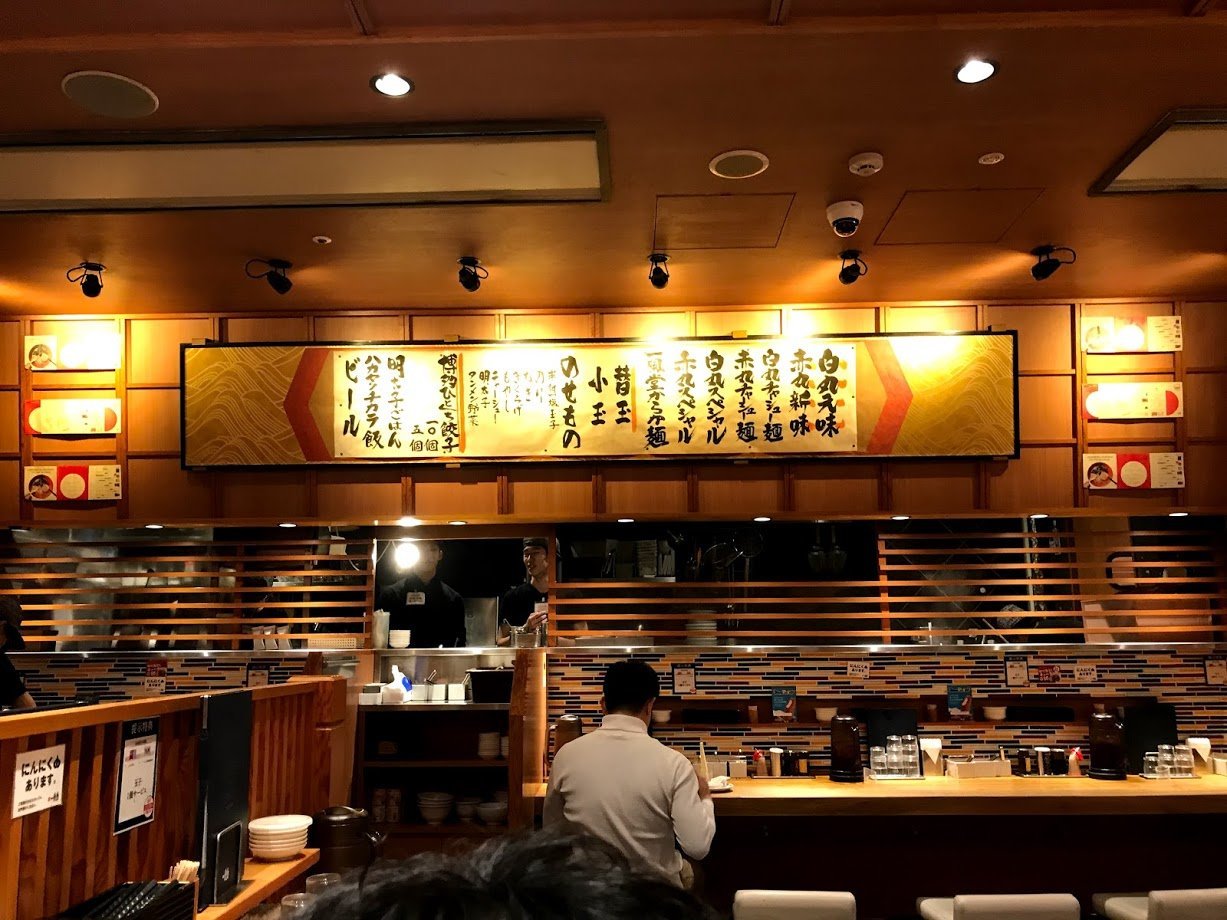
鮨 行天 is a neighbourhood sushi counter in Fukuoka's residential Hirao district, rated Easy to book by local standards. It suits solo diners and pairs who want to eat where locals eat rather than at a high-profile destination. Confirm pricing and availability directly before visiting, as detailed public records are limited.
Getting a table at 鮨 行天 in Fukuoka's Hirao district is direct by the standards of serious sushi restaurants in Japan, which makes it a practical entry point if you want to experience the city's sushi culture without the booking anxiety of Tokyo or Kyoto equivalents. Whether it rewards the visit depends on what you're after: Hirao is a residential neighbourhood, not a dining destination, and this is a local sushi-ya with a neighbourhood anchor role rather than a trophy restaurant built for visiting food tourists.
Hirao sits in Chuo Ward, a quieter pocket of Fukuoka that locals use rather than visitors pass through. That address shapes the experience: expect a room and pace calibrated to regulars, not to a crowd working through a. For a first visit, the lack of a prominent street presence or tourist infrastructure is the point, not a drawback. You are eating where Fukuoka residents eat, and that distinction matters when comparing the city's sushi options.
Because the venue database holds limited detail on 鮨 行天, specific menu formats, pricing tiers, and seating configurations are not confirmed here. What is clear is the address: 1 Chome-2-12 Hirao, Chuo Ward. Visitors coming from central Fukuoka should factor in transit time to this residential location rather than assuming it sits near Hakata or Tenjin-area hubs. For booking, approaching the restaurant directly or through a hotel concierge is the practical route, especially if you do not read Japanese.
Fukuoka's sushi options are genuinely competitive. Chikamatsu and the broader Fukuoka sushi category include counters with clearer public profiles and more documented booking processes. If you are making a single dedicated sushi booking in Fukuoka, research current availability and recent diner reports before committing here, particularly if your schedule is tight. For context on what a high-investment sushi meal looks like elsewhere in Japan, Harutaka in Tokyo and Gion Sasaki in Kyoto set a useful benchmark for the format's ceiling.
Reservations: Booking difficulty is rated Easy, which is a relative advantage in Japan's sushi scene — but confirm availability directly, particularly for weekends. Location: 1 Chome-2-12 Hirao, Chuo Ward, Fukuoka 810-0014. Budget: Not confirmed in available data — budget for a mid-to-upper range sushi counter as a working assumption and verify current pricing before arrival. Dress: Smart casual is appropriate for a neighbourhood sushi-ya of this type in Japan; formal attire is not expected but sloppy dress would be out of place. Group size: Solo diners and pairs are typically leading suited to sushi counter formats; larger groups should confirm seating arrangements in advance.
Fukuoka punches above its weight for serious dining relative to its size. Beyond sushi, the city has a range of worth-your-time options: Goh for French technique applied to local produce, Bekk, and Asago for different angles on the city's food culture. For broader planning, see our full Fukuoka restaurants guide, our Fukuoka hotels guide, and our Fukuoka bars guide. If you're building a wider Japan itinerary around serious dining, HAJIME in Osaka and akordu in Nara are worth including for contrast in style and format. For international comparisons of counter dining and tasting-menu formats, Le Bernardin in New York City and Lazy Bear in San Francisco show how the experience translates across culinary traditions.
Sushi counters in Japan typically seat diners at the bar by default, and that format is the expected experience at a venue like this. Confirm the specific seating arrangement when booking, as counter availability may vary by service. If bar seating at a sushi counter is important to your visit, mention it explicitly when reserving.
Solo dining is one of the stronger use cases for a sushi counter in Japan. The counter format is built for it: you eat at the chef's pace, there is no awkward table-for-one dynamic, and the experience is often more engaging alone than in a large group. For solo diners in Fukuoka who want a more confirmed high-end sushi experience with a documented track record, Chikamatsu is a parallel option worth researching. Pricing for solo visits at mid-to-upper sushi counters in Fukuoka typically runs lower than Tokyo equivalents, making the city a practical place to try the format for the first time.
Three things matter most: the location is residential Hirao, not central Fukuoka, so plan your transit accordingly. The booking difficulty is rated Easy, which means you are unlikely to need months of lead time, but calling or messaging ahead in Japanese (or using a hotel concierge) will smooth the process. And because detailed menu and pricing data is limited in the public record, treat this as a neighbourhood sushi-ya with local regulars rather than a trophy destination, and calibrate expectations accordingly. For broader context on what Fukuoka's dining scene offers, our Fukuoka restaurants guide covers the full range. If you want a reference point for the format at its most ambitious, 1000 in Yokohama and Harutaka in Tokyo show what a higher-investment sushi experience looks like elsewhere in Japan.
| Venue | Price | Value |
|---|---|---|
| 鮨 è¡å¤© | — | |
| Chikamatsu | — | |
| Gahoujin 我逢人 | — | |
| Genkiippai | — | |
| Matsuyama | — | |
| Mihara Tofuten | — |
A quick look at how 鮨 è¡å¤© measures up.
Keep this venue in your Pearl passport, rate it after you visit, and track it alongside every other place you collect.
