
Restaurant in Florence, Italy
Gunè San Frediano
290Pearl PointsSmall-scale, personal, easier to book than most.
.png?width=144&height=144&quality=80)
About Gunè San Frediano
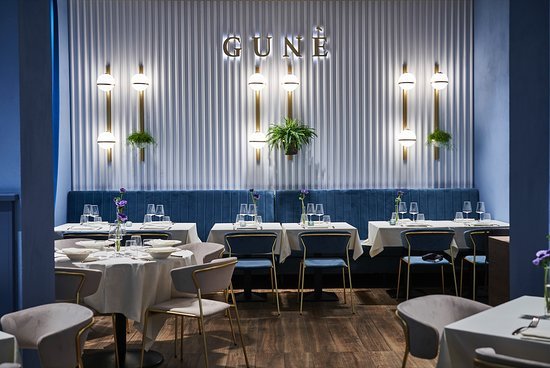
A small gastronomic restaurant in Florence's Oltrarno quarter, Gunè San Frediano holds a 2025 Michelin Plate and a 4.8 Google rating across 432 reviews. The kitchen bridges Basilicata and Tuscany with creative, carefully composed dishes at €€€, a clear step below the €€€€ price points of Florence's most formal contemporary tables. Easy to book and genuinely worth it for food-focused visitors.
A More Personal Alternative to Florence's Grand Tables
If you are weighing Gunè San Frediano against the bigger names on Florence's contemporary dining circuit, the comparison that matters most is scale and intimacy. Enoteca Pinchiorri and Il Palagio offer the full ceremonial experience at €€€€ price points. Gunè San Frediano sits at €€€ and delivers something different: a small gastronomic restaurant where the cooking is a direct expression of the chef's dual roots in Basilicata and Tuscany. This is not a compromise choice. It is a deliberate one, and for the right diner, it is the better booking.
What the Cooking Is Actually About
Gunè San Frediano's Michelin Plate recognition (2025) signals food that is technically accomplished and worth taking seriously, even if a star has not followed. The kitchen's driving idea is a bridge between southern Italy and Tuscany: Basilicata's assertive, ingredient-led cooking grafted onto the more restrained, produce-focused traditions of the region you are sitting in. The result, according to Michelin's own language, is creative, delicate, and carefully presented. That framing matters. This is not a trattoria dressed up with modern plating. The ambition is genuinely gastronomic, and at €€€ in the San Frediano quarter of Florence, the value proposition is clear when you benchmark it against the €€€€ rooms at Santa Elisabetta or Gucci Osteria da Massimo Bottura.
The San Frediano neighbourhood itself adds practical value. Located on the Oltrarno side of the river, it sits away from the tourist density of the centro storico. You can walk from the restaurant into one of Florence's more lived-in quarters before or after dinner, which is something neither Enoteca Pinchiorri nor Santa Elisabetta can offer from their more central or hotel-adjacent positions. If you are building a Florence itinerary that goes beyond the obvious, pairing dinner here with an evening in the Oltrarno makes sense. See our full Florence restaurants guide, our full Florence bars guide, and our full Florence experiences guide for how to structure the broader visit.
Multi-Visit Strategy: How to Approach Gunè Across Trips
The editorial angle for a venue like this, where the menu bridges two distinct regional traditions, is that a single visit is unlikely to show you the full range. On a first visit, the priority is understanding how the kitchen resolves the tension between Basilicata's intensity and Tuscan restraint. Order broadly across the menu rather than anchoring on one course. Pay attention to how the dishes are sequenced — that progression, from south to north or from raw ingredient logic to refined technique, tells you more about the kitchen's intent than any single dish.
On a second visit, the logical move is to commit to whatever tasting format is available. At a small gastronomic restaurant with this kind of Michelin recognition, the set menu is where the chef's argument is made in full. The à la carte, if offered, is useful for sampling, but the tasting sequence is where the Basilicata-Tuscany bridge is most legible as a complete idea. This is also true of comparable Italian contemporary kitchens: Reale in Castel di Sangro and Osteria Francescana in Modena both reward repeat visits because the chef's thinking becomes clearer with each pass. Gunè operates on the same principle, at a lower price point and with a more focused remit.
A third visit, for anyone genuinely engaged with the kitchen's direction, is the moment to focus on wine pairing. The Basilicata-Tuscany axis is rich wine territory: Aglianico from the south, Sangiovese-based wines from the north, and the tension between them mirrors the cooking. Whether the restaurant offers a formal pairing or you build one from the list, this is the layer that a single visit rarely reaches. For broader context on Italy's regional wine depth, the work being done at Uliassi in Senigallia and Dal Pescatore in Runate shows how Italian contemporary kitchens use regional wine to complete the food argument. Gunè's geographical framing invites exactly the same approach.
Ratings and Trust Signals
- Google: 4.8 from 432 reviews — a high score with enough volume to carry weight
- Michelin: Plate recognition (2025) , competent, serious cooking that is tracking toward higher recognition
- Price tier: €€€ in a city where the comparable gastronomic competition sits at €€€€
Booking
Booking difficulty is rated Easy, which at a small gastronomic restaurant in Florence is a genuine advantage. You are unlikely to need months of lead time, but for dinner on a weekend or during high season (April through October), booking at least two to three weeks ahead is sensible. Lunch slots at smaller Florence restaurants of this type often have more flexibility. Check availability and confirm booking method directly with the venue at Via del Drago D'Oro, 1/3r, San Frediano, Florence. See our full Florence hotels guide if you are planning a stay around the booking.
Practical Details
| Detail | Gunè San Frediano | Enoteca Pinchiorri | Gucci Osteria |
|---|---|---|---|
| Price tier | €€€ | €€€€ | €€€€ |
| Booking difficulty | Easy | Hard | Hard |
| Michelin recognition | Plate (2025) | Three Stars | One Star |
| Google rating | 4.8 (432) | N/A | N/A |
| Neighbourhood | Oltrarno / San Frediano | Santa Croce | Piazza della Signoria |
| Format | Small gastronomic | Grand dining room | Casual fine dining |
For more Italian contemporary restaurants worth comparing across the country, see Atto di Vito Mollica in Florence, Konnubio, Degusteria Italiana, Quattro Passi in Marina del Cantone, L'Olivo in Anacapri, Agli Amici Rovinj, and Atelier Moessmer Norbert Niederkofler in Brunico. For the full picture of what Florence's dining scene offers, start with our full Florence wineries guide alongside the restaurant listings.
Frequently Asked Questions
What should a first-timer know about Gunè San Frediano?
Go in knowing this is a small gastronomic restaurant, not a grand dining room. The cooking bridges Basilicata and Tuscany, so expect creative, regionally grounded Italian rather than Florentine classics. At €€€, it sits in the serious-dinner bracket without the booking difficulty or scale of Florence's bigger names. Booking is rated Easy, so you can typically secure a table without months of lead time.
What should I wear to Gunè San Frediano?
The Michelin Plate recognition and gastronomic format suggest a restaurant that takes its food seriously. Neat, presentable clothing is appropriate — think dinner-out rather than business formal. This is not a white-tablecloth palace like Enoteca Pinchiorri, but it is also not a casual trattoria.
Can Gunè San Frediano accommodate groups?
As a small gastronomic restaurant, capacity is limited and group suitability depends on table availability. Parties of 2-4 are the natural fit for a venue of this format. Larger groups should check the venue's official channels before assuming space is available, as small gastronomic rooms rarely have flexible layouts for 6 or more.
What are alternatives to Gunè San Frediano in Florence?
For higher-octane prestige and Michelin stars, Santa Elisabetta and Enoteca Pinchiorri are the natural escalation. For a more famous name at a similar contemporary register, Gucci Osteria da Massimo Bottura trades on brand recognition more than Gunè does. Borgo San Jacopo and Il Palagio offer grander hotel-dining settings if atmosphere and views matter as much as the food.
Is the tasting menu worth it at Gunè San Frediano?
The Michelin Plate (2025) confirms the cooking is technically accomplished and worth taking seriously. At €€€, the price sits below Florence's starred tables, which makes the creative Basilicata-Tuscany menu a reasonable proposition if you want considered Italian cooking without paying star-restaurant prices. If you prefer à la carte flexibility over a set progression, verify the format when booking.
Location
Via del Drago D'Oro, 1/3r, 50124 Firenze FI, Italy
Florence, Italy
Compare Gunè San Frediano
| Venue | Cuisine | Awards | Booking Difficulty |
|---|---|---|---|
| Gunè San Frediano | Italian Contemporary | Easy | |
| Enoteca Pinchiorri | Italian - French, Italian Contemporary | Michelin 3 Star, World's 50 Best | Unknown |
| Santa Elisabetta | Italian, Creative | Michelin 2 Star | Unknown |
| Gucci Osteria da Massimo Bottura | Modern Italian, Italian Contemporary | Michelin 1 Star | Unknown |
| Il Palagio | Italian Contemporary | Michelin 1 Star | Unknown |
| Borgo San Jacopo | Italian, Modern Cuisine | Michelin 1 Star | Unknown |
Comparing your options in Florence for this tier.
Also Consider
- Enoteca Pinchiorri, Italian - French, Italian Contemporary, €€€€
- Santa Elisabetta, Italian, Creative, €€€€
- Gucci Osteria da Massimo Bottura, Modern Italian, Italian Contemporary, €€€€
- Il Palagio, Italian Contemporary, €€€€
- Borgo San Jacopo, Italian, Modern Cuisine, €€€€
Against Florence's €€€€ competition, Gunè San Frediano is the most accessible entry point into the city's serious contemporary dining scene. Enoteca Pinchiorri is in a different category entirely: three Michelin Stars, a wine cellar of historic depth, and a price point and booking difficulty to match. If the full grand-dining experience is what you are after and budget is not the constraint, Enoteca Pinchiorri is the answer. But for a diner who wants genuine gastronomic ambition without the ceremonial weight or the €€€€ bill, Gunè is the more practical and arguably more personal choice.
Gucci Osteria da Massimo Bottura and Santa Elisabetta both sit at €€€€ and carry significant name recognition, one for its brand association, the other for its Michelin Star and cathedral-adjacent setting. Both are harder to book than Gunè and carry higher price expectations. Borgo San Jacopo and Il Palagio add hotel-dining polish at the same €€€€ tier. If you are staying in a five-star property and want the convenience of dining in-house, those two make sense. If you are not, Gunè's San Frediano location, easier booking, and lower price point make it the sharper decision.
The clearest use case for Gunè over its peers: you want a creative, regionally grounded contemporary meal in Florence without paying top-tier prices or fighting for a reservation months out. For that specific brief, it outperforms everything at the €€€€ level on pure value. The trade-off is that Gunè does not have the service depth or dining-room grandeur of Enoteca Pinchiorri. Decide which matters more to you before booking.
Recognized By

Explore Florence
Save or rate Gunè San Frediano on Pearl
Keep this venue in your Pearl passport, rate it after you visit, and track it alongside every other place you collect.