
La Tulipe Noire
Modern Cuisine · Fleury
Restaurant in Fleury, France
 Book with Pearl
The Read
Technique-Veiled Classicism
Price
$50–100per person
Dress
Smart Casual
Why go
A Michelin Plate-recognised Modern Cuisine restaurant in a converted wine barn in Fleury, La Tulipe Noire runs its own kitchen garden to supply the majority of its vegetables — and the seasonal discipline shows on the plate. At the €€ price point, it delivers technically precise cooking that reinterprets French classics without the expense of a formal destination restaurant. Booking is easy; a week or two of lead time is usually enough.
About La Tulipe Noire
La Tulipe Noire, Fleury: Worth Booking?
At the €€ price point, La Tulipe Noire in Fleury represents one of the more compelling arguments for driving out to a village restaurant in the Aude. You are not paying for a grand room or a famous name. You are paying for technique applied to ingredients that many high-budget restaurants truck in from wholesalers — here, a significant share comes from the kitchen garden on-site. For first-timers weighing whether the detour is justified: it is, provided you understand what the restaurant is and is not.
What to Expect
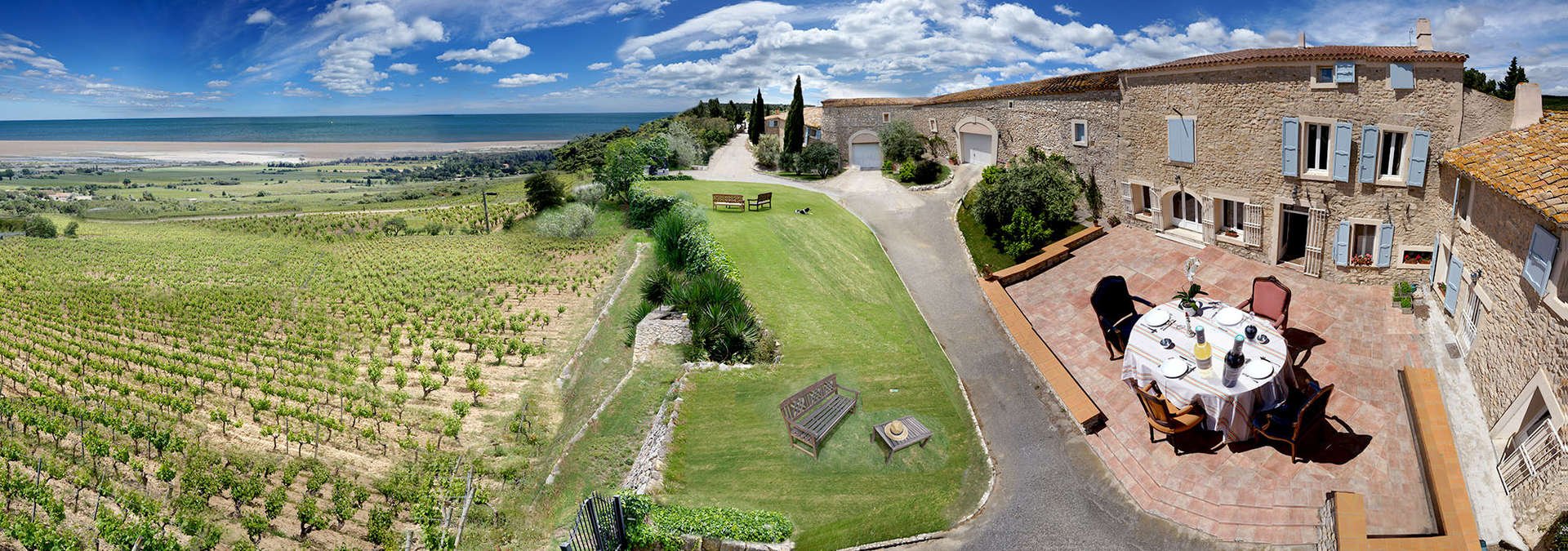
La Tulipe Noire operates from a converted wine barn at 3 Rue du Ramonétage, which means the architecture is functional and historic rather than designed for Instagram. The setting is honest: stone, wood, the quiet of a small Languedoc village. Do not arrive expecting a sleek dining room. Do arrive expecting food that rewards attention.
The kitchen works with a cottage garden that supplies the majority of the vegetables on the menu. That sourcing choice is not decorative — it directly shapes what appears on the plate and when. Dishes rotate with what the garden produces, so the menu you find in early summer will differ meaningfully from what arrives in autumn. The Michelin guide, which awarded the restaurant a Plate in 2024, notes that the chef and his wife work in tune with the seasons specifically because of this garden relationship. That seasonal discipline is the clearest signal of what the kitchen cares about, and it is the reason the menu reads simply while the cooking does not.
The dish names here are deliberately plain, onion soup, tarte tatin, but the Michelin citation is explicit that those names conceal substantial technique. A classic onion soup, properly made, involves patience and precision most restaurants skip. At La Tulipe Noire, the apparent simplicity of the menu is not a lack of ambition; it is a framing choice. First-timers sometimes expect more elaborate descriptions and leave surprised by the depth on the plate. Set expectations accordingly and you will not be disappointed.
For context on how this compares to the broader garden-to-table tradition in French regional cooking, consider what restaurants like Arpège in Paris or Bras in Laguiole do at much higher price points with their own kitchen gardens. La Tulipe Noire is not in that category for scale or ambition, but the sourcing philosophy is genuinely similar, and at €€, the entry cost is a fraction of what those rooms charge. If you want to experience what garden-driven French cooking feels like without a three-figure-per-head commitment, this is a credible option in the south of France.
Restaurants with similar regional credentials and kitchen-garden programmes include Mirazur in Menton and Les Prés d'Eugénie in Eugénie-les-Bains, both operating at significantly higher price tiers. Closer in price and geography, Auberge du Vieux Puits in Fontjoncouse offers a useful peer comparison, that restaurant holds two Michelin stars and operates at a higher price band, so if you are deciding between the two, La Tulipe Noire is the lower-commitment entry point into serious Languedoc cooking. If your budget stretches further and you want more formal recognition, Fontjoncouse is the upgrade.
The Sourcing Argument
The kitchen garden is not a marketing point here, it is the operational centre of the menu. When a restaurant at the €€ tier controls its own vegetable supply, the practical effect is that you get produce at peak condition rather than produce managed for shelf life and transport. The flavour gap between a tomato harvested that morning and one that has spent three days in a distribution chain is not subtle. That gap is part of what you are paying for at La Tulipe Noire, even if you are not paying much by the standards of serious French restaurants.
This sourcing model also explains why the menu reinterprets classics rather than chasing trend-driven dishes. You build a dish around what is ready in the garden, not around what a supplier has available. That discipline tends to produce food that tastes grounded and coherent rather than composed for its own sake. For first-timers, this means: do not expect elaborate architectural plates. Expect food that tastes like it belongs to this place and this season.
For a broader sense of how the Languedoc and southern French kitchen-garden tradition sits within French regional cooking at the serious end, Flocons de Sel in Megève and Maison Lameloise in Chagny offer useful reference points for how regionally-anchored kitchens operate at higher tiers.
Booking and Logistics
Booking difficulty is rated easy. La Tulipe Noire is not a hard table to secure, which puts it in a different bracket from destination restaurants that require months of advance planning. A reasonable lead time of one to two weeks should be sufficient for most dates, though weekend bookings in peak summer months in the Languedoc may warrant earlier contact. No phone number or website is listed in current data, so the most reliable approach is to enquire through local reservation channels or contact the restaurant directly once on the ground in Fleury. Check availability before travelling from a distance.
The restaurant is located at 3 Rue du Ramonétage, 11560 Fleury. Fleury is a small commune in the Aude department. Car access is the practical option; the village is not served by meaningful public transport links. If you are combining this with a broader trip through the Languedoc-Roussillon region, Auberge du Vieux Puits in Fontjoncouse is within reasonable driving distance and worth considering as a second booking on a longer itinerary.
For more on what to do around the area, see our full Fleury restaurants guide, our full Fleury hotels guide, our full Fleury bars guide, our full Fleury wineries guide, and our full Fleury experiences guide.
Quick reference:
How It Compares
Planning details
- Location
- 3 Rue du Ramonétage, 11560 Fleury, France
- Reservations
- Book on the venue's website
- Website
- restaurant-tulipenoire.fr
- Phone
- +33 4 68 46 59 80
The take
The Take
The Vibe
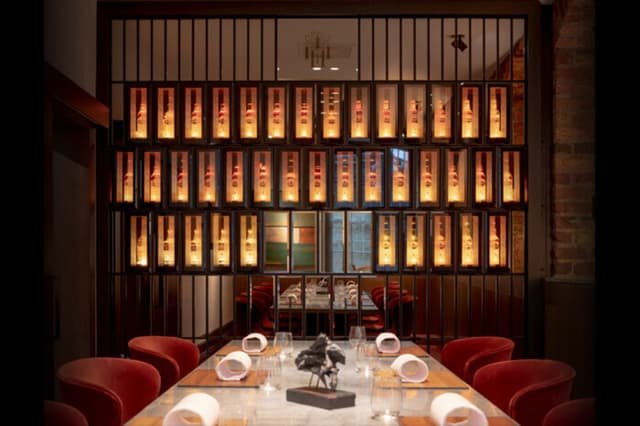
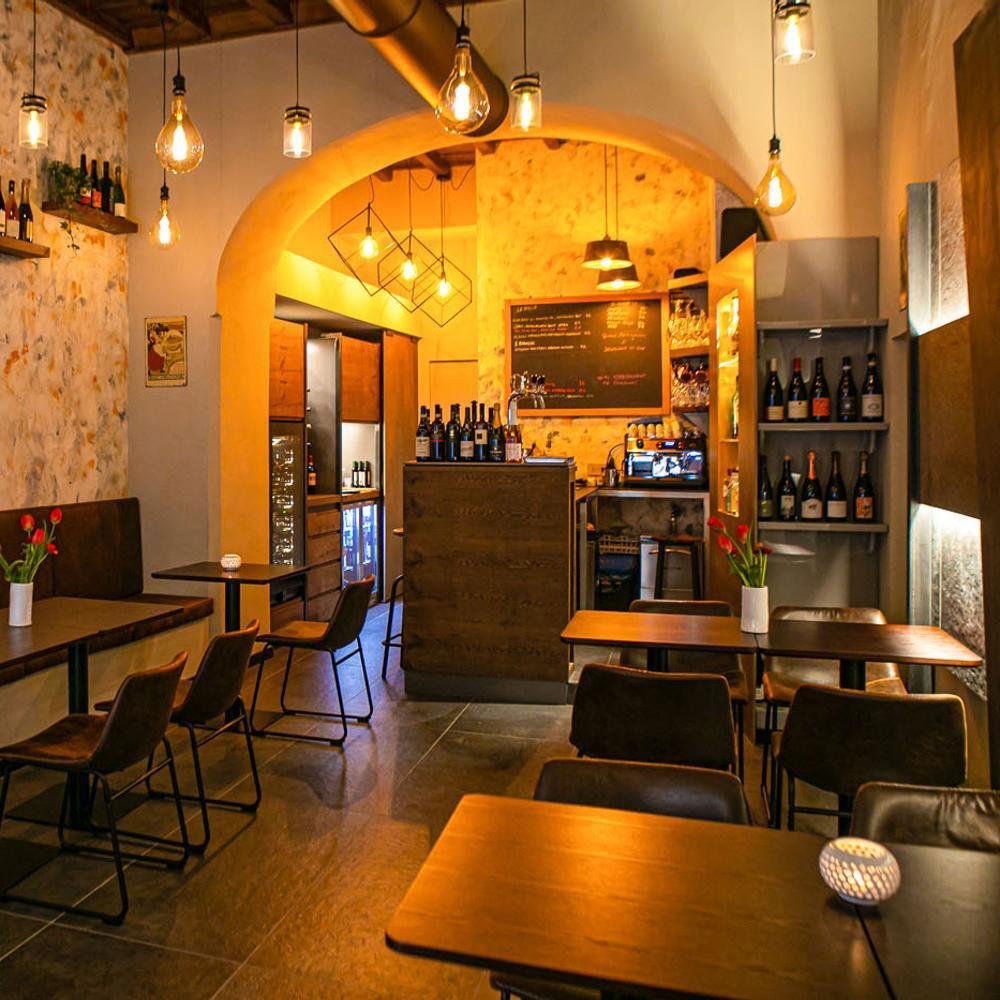
La Tulipe Noire occupies a converted wine barn and leans into a restrained, rural elegance. Thick stone walls and a tangible connection to the land outside give the place a rustic, historic character that feels both cultivated and unassuming. The kitchen’s approach is modest in phrasing but exacting in technique: classics are treated as living documents and quietly reworked. The overall effect is serene and scenic rather than theatrical—an intimate, charming setting where the architecture and the garden-anchored cooking are the evening’s main attractions.
Best For
This is a restaurant that suits thoughtful dinners and small celebrations where the food, rather than spectacle, is the focal point. Michelin recognition and the garden-integrated cooking make it a strong choice for special-occasion meals, date nights, or quiet group dinners that appreciate seasonal, technically assured French cooking. The unhurried atmosphere and converted wine-barn dining room favor evening service and gatherings that value conversation and a measured pace over loud, late-night energy.
Ordering Tips
Look for dishes that highlight the kitchen garden and the restaurant’s classical sensibility: the menu favors plain-language names that belie careful technique. Ask what’s freshly harvested from the garden the day you visit, and consider the signature items such as the Tirabuixo, porc fermier des Pyrénées, filet de loup sauvage, and mousse aux deux chocolats. Classics mentioned in the copy—onion soup and tarte tatin—signal the kitchen’s approach, so order with an eye toward seasonal vegetables and traditionally rooted preparations.
Venue details
Ambiance
Warm and welcoming atmosphere in a restored historic wine cave with intimate interior and exterior spaces that adapt to the season.
Tags
Vibe
Best For
Experience
Sourcing
Accessibility
At the Table
- Dress Code
- Smart Casual
- Noise Level
- Conversational
- Service Style
- Upscale Casual
- Meal Pacing
- Leisurely
- Capacity
- Small
- Kitchen
- Seasonal
- Menu Format
- A la carte, Prix fixe
- Wine Program
- Curated
- Drinks Focus
- Wine, Beer
- Dietary
- Vegetarian friendly, Organic focus
- Private Dining
- Available
- Outdoor Seating
- Yes
Signature Dishes
- Tirabuixo
- porc fermier des Pyrénées
- filet de loup sauvage
- niçoise de légumes
- mousse aux deux chocolats
Know before you go
Know Before You Go
- Getting there
- 3 Rue du Ramonétage, 11560 Fleury, France
Planning details
Location
3 Rue du Ramonétage, 11560 Fleury, France · Directions
Recognition and awards
Also consider
Also Consider
- Plénitude, Contemporary French, €€€€
- Pierre Gagnaire, French, Creative, €€€€
- Alléno Paris au Pavillon Ledoyen, Creative, €€€€
- Kei, Contemporary French, Modern Cuisine, €€€€
- Le Cinq - Four Seasons Hôtel George V, French, Modern Cuisine, €€€€
Restaurant context
Comparing La Tulipe Noire directly against Plénitude, Pierre Gagnaire, Alléno Paris au Pavillon Ledoyen, Kei, and Le Cinq at the Four Seasons George V is instructive mainly as a price and ambition exercise. All five peers sit at €€€€ and operate in Paris with the full infrastructure of major-city destination dining: extensive wine programmes, formal front-of-house teams, and rooms designed to signal occasion. La Tulipe Noire is none of those things. It is a €€ village restaurant in the Aude with a kitchen garden and a Michelin Plate. The comparison is useful because it clarifies what you are choosing between, not because they are direct substitutes.
If your priority is the highest technical ceiling in French Modern Cuisine with a significant budget to match, Plénitude or Alléno Paris are the right calls. If you want the Pierre Gagnaire creative register, that restaurant remains its own category. But if you are travelling through the Languedoc and want serious seasonal cooking without the formality or the €€€€ spend, La Tulipe Noire is the more practical choice. It is also significantly easier to book than any of its Paris-based peers, where lead times of weeks to months are standard. At La Tulipe Noire, easy availability is part of the value.
For diners deciding between La Tulipe Noire and a Paris trip specifically for Modern Cuisine, the honest answer is that the Paris restaurants listed here offer more complete high-end dining experiences, longer menus, deeper wine lists, more formal service. La Tulipe Noire offers something different: a grounded, garden-led, regionally specific meal at a price point that makes it low-risk to try. If you are already in the south of France, it earns its place on the itinerary without hesitation. If you are debating a dedicated trip from Paris to Fleury for this restaurant alone, factor in the journey against what the €€€€ tier offers closer to home.
Explore Fleury
Around this place
Discover more on Pearl
Unlock the full La Tulipe Noire guide in Pearl, including awards, comparisons, FAQs, planning details, and nearby places.
Compare La Tulipe Noire
| Venue | Awards | Price |
|---|---|---|
| La Tulipe Noire | Michelin Guide France & Monaco 20262025 Michelin Plate2024 Michelin Plate | €€ |
| Plénitude | 2026 OAD Classical in Europe Ranked · #1Michelin Guide France & Monaco 20262026 La Liste Top Restaurants2026 Falstaff Restaurant Guide2025 OAD Classical in Europe Ranked · #12025 World's 50 Best Restaurants · #142025 The Best Chef Three Knives2025 La Liste Top Restaurants2025 Gault & Millau Exceptional Restaurant | €€€€ |
| Pierre Gagnaire | 2026 OAD Classical in Europe Ranked · #402026 Relais Chateaux RestaurantsMichelin Guide France & Monaco 20262026 Les Grandes Tables du Monde Members2026 La Liste Top Restaurants2026 Falstaff Restaurant Guide2025 OAD Classical in Europe Ranked · #902025 OAD Top Restaurants in Japan Ranked · #157We're Smart World Top Restaurants 2025 | €€€€ |
| Alléno Paris au Pavillon Ledoyen | 2026 OAD Classical in Europe Ranked · #35Michelin Guide France & Monaco 20262026 La Liste Top Restaurants2025 OAD Classical in Europe Ranked · #342025 The Best Chef Three Knives2025 Gault & Millau Exceptional Restaurant2025 Michelin 3 Stars2024 OAD Classical in Europe Ranked · #342024 World's 50 Best Restaurants · #79 | €€€€ |
| Kei | 2026 OAD Classical in Europe Ranked · #29Michelin Guide France & Monaco 20262026 Les Grandes Tables du Monde Members2026 La Liste Top Restaurants2026 Falstaff Restaurant Guide2025 OAD Classical in Europe Ranked · #262025 Michelin 3 Stars2025 Gault & Millau Prestige Restaurant2025 La Liste Top Restaurants | €€€€ |
| Le Cinq - Four Seasons Hôtel George V | No published awards | €€€€ |
.png?width=1200&quality=80)










Side-by-side comparison to help you decide where to book.
FAQ
Frequently Asked Questions
Can I eat at the bar at La Tulipe Noire?
There is no documented bar seating at La Tulipe Noire. The venue operates from a converted wine barn, which typically prioritises table dining over counter or bar service. Plan for a seated meal rather than a casual drop-in at the bar.
Is La Tulipe Noire worth the price?
At €€, yes — the value case is strong. A Michelin Plate in 2024 at this price tier is uncommon, and the kitchen garden supplying the majority of vegetables points to a level of sourcing control that most restaurants at this price point cannot match. The cooking reinterprets classics with documented technique rather than coasting on a rustic setting.
Is La Tulipe Noire good for a special occasion?
It works well for a low-key special occasion where the focus is on cooking rather than spectacle. The Michelin Plate recognition and the husband-and-wife operation give it a personal, considered feel that suits intimate dinners. If you need formal ceremony or a prestige address, a larger Michelin-starred restaurant in the region will read differently — but for food-first celebrations at €€, La Tulipe Noire is a strong choice.