Restaurant in Dublin, Ireland
Reliable mid-price Nordic cooking, easy to book.
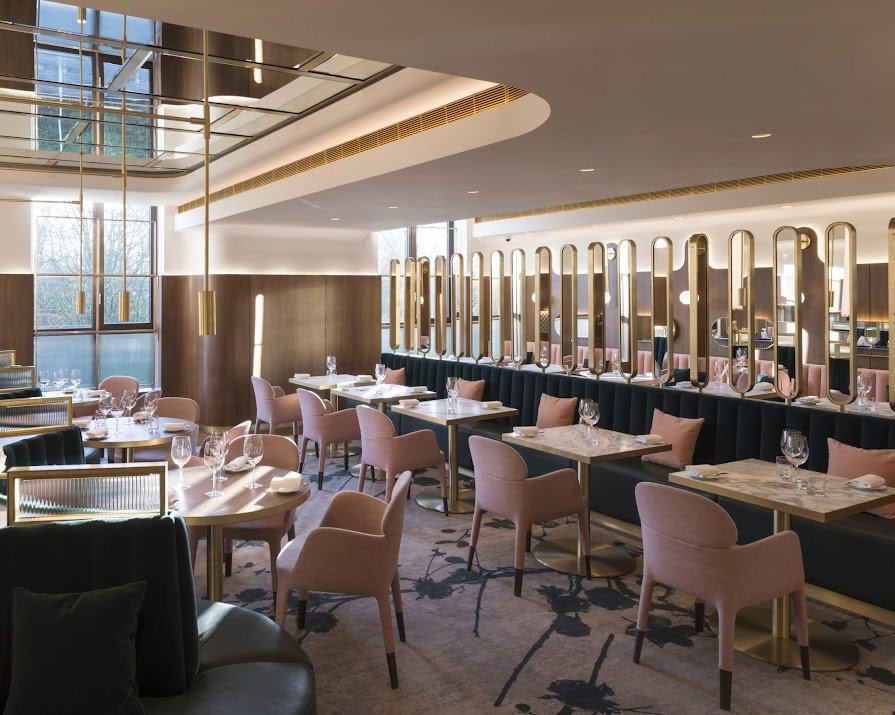
Host in Ranelagh is one of Dublin's most dependable mid-price dinner options: a Michelin Plate holder with consecutive Opinionated About Dining Casual Europe rankings, a daily-changing ingredient-led menu, and a warm, unfussy room. At €€, it over-delivers on quality for the price. Easy to book mid-week; reserve ahead for weekends.
Picture a stripped-back dining room on a quiet Ranelagh street: simple furnishings, a daily menu written around whatever came in that morning, and a room that fills quickly with people who know the neighbourhood well. That is Host. If you have eaten here once and are wondering whether to return, the answer is yes — and on a second visit you will find a different menu, which is the point. Chef Jonas Christensen runs a concise, daily-changing card built on ingredient-led sourcing, and that commitment to what is fresh and available is what separates Host from most of its neighbours at the €€ price tier.
Host is one of the most dependable mid-price dinner options in Dublin's southside. At €€, it sits well below the cost of Bastible or Patrick Guilbaud, yet it holds a Michelin Plate (2024 and 2025) and consecutive Opinionated About Dining Casual Europe rankings — rising from Recommended in 2023 to #636 in 2025. That upward trajectory matters: it reflects a kitchen that is getting sharper, not coasting. For a regular who has been once, the question is not whether to return but when to go and what to focus on.
The editorial angle here is sourcing, and it is where Host earns its credentials most clearly. The kitchen's Nordic-influenced approach under Christensen means restraint and precision in how ingredients are chosen and handled. The menu changes daily, which signals a genuine commitment to seasonal produce rather than a fixed rotation dressed up as flexibility. When a kitchen writes its menu around availability rather than consistency of output, the quality ceiling rises , and so does the variability. On a great sourcing day, Host over-delivers for the price. On a quieter produce week, the concise menu will reflect that honestly.
The OAD Casual Europe ranking , #636 in 2025, up from #686 in 2024 , places Host in credible company across a continent with no shortage of serious casual restaurants. That is not a marketing credential; OAD rankings are crowd-sourced from experienced diners, which means the scores come from people eating seriously and often. For context on how Dublin's Nordic-influenced modern cooking sits in a broader European frame, consider FAGN in Trondheim or ÓX in Reykjavík , both operating in the same flavour tradition at considerably higher price points.
Room itself is deliberately unfussy. Simple furnishings, a format built around sharing, and a team described consistently as super-friendly in the OAD record. The Google rating of 4.7 across 607 reviews confirms that the front-of-house warmth is not a one-off impression. For a regular returning visitor, that friendliness matters: it means you can ask questions about the menu without feeling managed, which is useful when the card changes every day.
Host opens at 5:30 pm every day of the week, including Sundays, and runs through to midnight. The most comfortable time to arrive is on the early side , 5:30 to 6:30 pm , before the room fills and noise levels climb. Mid-week evenings (Tuesday through Thursday) tend to be quieter than Friday and Saturday, and a 6 pm Tuesday sitting gives you the full menu before anything sells out. Sunday is a useful option for those who find weekend dinner crowds less appealing; the full-week opening means Sunday at Host is a genuine neighbourhood dinner rather than a last-resort booking.
If sourcing is the kitchen's engine, then eating here in late spring through autumn likely gives you the widest range of Irish and European seasonal produce to draw from. That said, the daily-changing menu means any visit can turn up something interesting regardless of the calendar.
For anyone building a broader picture of where Host fits, it is worth comparing it against the wider Irish modern dining scene. Liath in Blackrock, Aniar in Galway, and dede in Baltimore all operate in the ingredient-led modern Irish register, but at higher price points and with more formal formats. Bastion in Kinsale and Campagne in Kilkenny offer regional comparisons for those travelling beyond Dublin. Within the city, Chapter One by Mickael Viljanen, Glovers Alley, and D'Olier Street sit at higher price tiers but different occasion profiles. Host is the right call when you want serious cooking without the ceremony or the three-figure bill. See our full Dublin restaurants guide, Dublin hotels guide, Dublin bars guide, Dublin wineries guide, and Dublin experiences guide for further planning.
For occasional dining in the area, consider Terre in Castlemartyr as a longer-trip alternative if you are travelling beyond Dublin.
Booking difficulty at Host is rated Easy, which means you do not need to plan weeks in advance for a mid-week dinner. Weekend slots fill faster given the neighbourhood's density of regulars, so booking a day or two ahead for Friday or Saturday is sensible. The €€ price tier means a dinner for two with drinks stays well south of €100 in most cases. No dress code is noted. The sharing format suits groups of two to four; larger groups should check ahead given the room's scale.
Quick reference: Host, 13 Ranelagh, Dublin. Open daily 5:30 pm–midnight. €€. Easy to book mid-week; book ahead for weekends. Michelin Plate 2024–2025. OAD Casual Europe #636 (2025). Google: 4.7/5 (607 reviews).
The menu changes daily, so there is no fixed dish to target. Focus on the pasta and the prime meat options , both are flagged in the OAD record as kitchen strengths. On a return visit, ask the team what came in that day; given the daily-changing format and the reputation for approachable service, they will tell you directly. The sharing format means ordering two to three dishes for two people and adding more if the room warrants it.
The daily-changing menu and ingredient-led format mean the kitchen works with what is available, which can make strict dietary requirements harder to accommodate. The menu is concise, so flexibility may be limited on any given night. Contact the restaurant directly before booking if you have specific requirements , no phone or website is listed in our records, so reach out via the booking platform you use. Guests with serious allergies should confirm ahead rather than assuming the menu can flex on the night.
No confirmed bar-seating option is recorded for Host. The venue operates a neighbourhood restaurant format in Ranelagh with a room designed around table dining and a sharing menu. If bar-seating flexibility matters to you, check directly when booking , the team is consistently noted as approachable and will give you a straight answer.
Yes, at €€ it over-delivers relative to its award profile. A Michelin Plate and consecutive OAD Casual Europe rankings are not common at this price tier in Dublin. The daily-changing menu and ingredient-led sourcing mean you are paying for a kitchen making considered decisions, not a fixed operation running on autopilot. If you want a comparable quality level with more formal cooking, mae at €€€ is the next step up in Dublin's modern cuisine bracket. For the money, Host is a strong call.
It depends on the occasion. Host works well for a relaxed birthday dinner or an anniversary where the priority is great food in an informal setting , the warm service and sharing format make it feel personal without being stiff. It is not the right venue if you want a formal tasting menu experience or a room that reads as celebratory in a traditional sense. For that, Patrick Guilbaud or Bastible at €€€€ will serve the occasion better. Host is the right choice when the meal itself is the event and the atmosphere should feel relaxed rather than theatrical.
The kitchen runs a concise daily-changing menu, so there is no fixed signature dish to chase. Your best move is to arrive open to whatever the menu offers that evening, with an eye on the pasta dishes and prime meats that anchor the Nordic-influenced approach. Given the sharing format, ordering broadly across the menu tends to work better than anchoring on one or two plates.
The daily-changing menu at Host means the kitchen is already working with flexibility built in. That said, the menu is concise and ingredient-led, so options on any given night may be limited for strict dietary requirements. Call ahead or email before booking if you have specific needs — a small neighbourhood restaurant at this level will typically accommodate with advance notice rather than on the night.
Bar seating is not confirmed in available venue data for Host. For a 13-seat-scale Ranelagh neighbourhood restaurant at €€, counter or bar dining is possible but should be confirmed directly before assuming it is an option. If a spontaneous visit is the plan, arriving at 5:30 pm opening gives you the best chance of a seat without a reservation.
At €€, Host is one of the more accessible ways to eat at a Michelin Plate, OAD-ranked restaurant in Dublin. It sits well below the cost of destinations like Bastible or Patrick Guilbaud while delivering ingredient-led cooking with genuine sourcing credentials. For the price point and the booking ease, the value case is solid — particularly for a mid-week dinner where you want quality without the ceremony.
Host works for a low-key special occasion where the emphasis is on good food and a lively room rather than white-tablecloth formality. The atmosphere is described as buzzing and the team as friendly, which suits a birthday dinner or anniversary where you want warmth over pomp. If the occasion demands more formal surroundings or a longer tasting menu format, Patrick Guilbaud or Liath would be a better fit.
Keep this venue in your Pearl passport, rate it after you visit, and track it alongside every other place you collect.