Restaurant in Dublin, Ireland
Book ahead. Homemade pasta, Michelin-recognised value.
Michelin Plate-recognised Italian in Stoneybatter delivering homemade pasta with genuine Calabrian authority at a €€ price. One of Dublin's strongest value propositions for a special occasion dinner: regionally-sourced ingredients, an all-Italian wine list, and cooking that Michelin has formally flagged as worth seeking out. Book well ahead — tables go fast.
Grano is a Michelin Plate-recognised Italian in Stoneybatter that punches well above its price point. If you want homemade pasta cooked with genuine Calabrian authority at a €€ price, book here without overthinking it. The one caveat: tables are hard to get, so plan ahead.
The most common mistake people make about Grano is assuming it is a casual neighbourhood drop-in. It is not. Demand for tables is intense, the dining room is small, and the kitchen operates with the precision you would expect from a Michelin Plate recipient. Walking up on a Friday evening and expecting a table would be optimistic. Treat it like a destination booking and you will be rewarded.
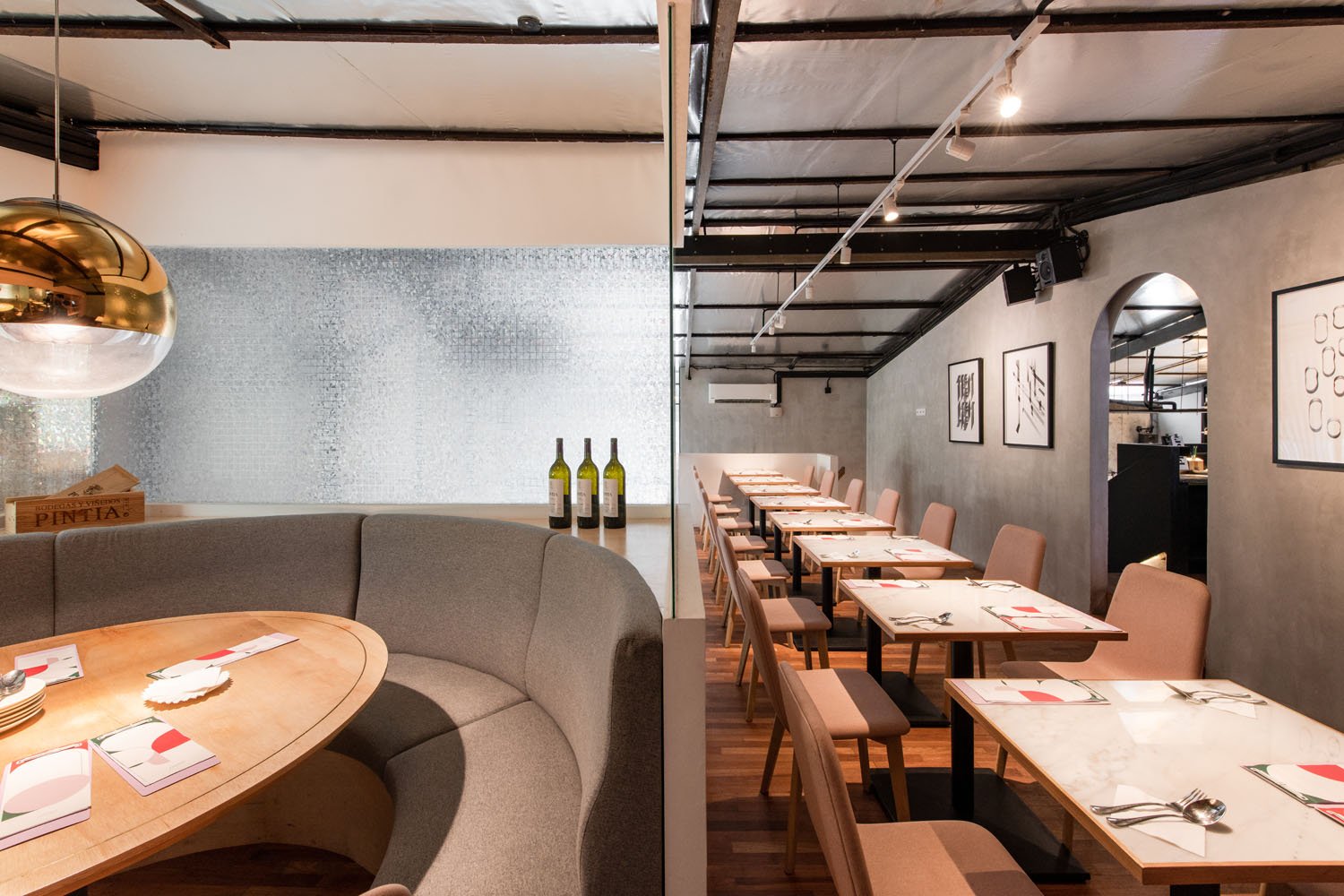
Visually, the room signals neighbourhood intimacy rather than occasion dining: modest scale, no performative design gestures. For a special occasion, this is actually a point in its favour. The focus stays entirely on what is on the plate, and what is on the plate is the real reason people return. Homemade pasta is the spine of the menu, and the kitchen's Calabrian roots are evident in the specificity and confidence of the cooking. The spinach balanzoni and cavatelli with venison ragù, both cited in Michelin's assessment, represent exactly the kind of dish that makes a neighbourhood Italian worth travelling across a city for: technically careful, ingredient-led, and free of the generic crowd-pleasing register that weakens so many Italian restaurants at this price tier in Dublin.
The ownership and kitchen both originate from Calabria, and the team regularly imports produce from their home region. This is not a marketing claim; it is the practical explanation for why the food tastes the way it does. Calabrian Italian cooking relies on specific varieties of chilli, preserved meats, and aged cheeses that are difficult to source authentically outside the region. Bringing those ingredients directly means the kitchen is not working around substitutions. For a special occasion dinner, that level of sourcing commitment matters: you are eating something that would be difficult to replicate elsewhere in Dublin.
The wine list reinforces the positioning. All-Italian, with organic and biodynamic options represented, it reads as a list assembled by people who drink wine rather than by someone filling a required category. For a date or a celebratory dinner, the combination of focused pasta cookery and a considered Italian wine list is more satisfying than the broader menus at many higher-priced Dublin restaurants.
Roberto Mungo, the chef behind Grano, also runs A Fianco, a wine bar connected to the same philosophy. If you cannot get a table at Grano, A Fianco is worth knowing about as an alternative for the same evening, offering a lower-commitment entry point to the same kitchen sensibility.
For group dining, Grano's scale creates a practical consideration. The restaurant is small, and larger groups will need to plan carefully. Private dining arrangements, if available, would suit a celebration dinner better than trying to manage a large party in the main room. If your group runs to six or more, contact the restaurant directly to discuss options before assuming the main room will accommodate you comfortably. The intimacy that makes Grano work so well for two or four people can become a constraint at larger numbers.
On the question of occasion-readiness: Grano works well for a birthday dinner or a considered date where the food is the point, not the spectacle. It is not the right choice if you need a large private room with AV equipment, a formal set menu for twelve, or the kind of service choreography associated with a fine dining room. For those needs, Patrick Guilbaud or Chapter One by Mickael Viljanen are better fits. But for a dinner where two or four people want to eat something genuinely Italian, drink well from an all-Italian list, and pay €€ for the privilege, Grano is one of the strongest options currently operating in Dublin.
The Michelin Plate recognition (2024) places Grano in the company of restaurants that Michelin considers worth a visit but has not yet awarded a star. In Dublin's Italian category, Osteria Lucio offers a different register at a higher price. Grano's value advantage is meaningful: Michelin-acknowledged cooking at a price that makes repeat visits realistic. A Google rating of 4.7 across 983 reviews is consistent with a kitchen that performs reliably rather than occasionally.
For context on where Grano sits within Ireland's broader dining picture, it holds its own against other regionally-rooted restaurants operating at similar ambition levels, including Aniar in Galway and Bastion in Kinsale, even though the cuisine traditions are entirely different. The common thread is kitchens that cook from a specific identity rather than a generalised idea of what a restaurant should serve. Internationally, the commitment to regional Italian cooking at this price point is more common in cities like Kyoto, where cenci operates a similarly ingredient-focused Italian kitchen, or Hong Kong, where 8½ Otto e Mezzo Bombana represents the upper end of Italian ambition in Asia. At Grano's price tier, the Calabrian focus is genuinely distinctive within Dublin.
Book a table, keep the group small, and let the pasta lead the evening. That is the formula that makes this restaurant worth the reservation difficulty.
Quick ref: Michelin Plate (2024) · Google 4.7 / 983 reviews · €€ · Stoneybatter, Dublin · Booking recommended well in advance.
Yes, clearly. Michelin Plate recognition at a €€ price tier is a strong signal of value. You are getting Calabrian-rooted, homemade pasta cooking that Michelin has assessed as worth seeking out, at a price point where most Dublin Italians offer considerably less. For comparison, Osteria Lucio operates at a higher price with a different register. Grano's value proposition is direct: serious cooking at accessible prices.
Bar seating details are not confirmed in current data. Given the restaurant's small scale and high demand, it is worth contacting them directly before assuming walk-in bar seating is an option. If flexibility on the evening matters to you, A Fianco, the adjacent wine bar run by the same team, is a more reliable route to the same kitchen's sensibility without a full reservation.
Specific dietary accommodation details are not available in current data. Contact the restaurant directly before booking if you have restrictions. Worth noting: pasta-focused Italian kitchens built around specific regional traditions can sometimes have limited flexibility on key dishes. Confirming in advance avoids a narrow experience on the night.
At a €€ price point with strong pasta as the draw, solo dining at Grano is a reasonable proposition if you can secure a seat. The intimate scale of the room suits a solo diner better than a large, impersonal restaurant. That said, because tables are in high demand, solo diners may find booking easier at off-peak times. Contact the restaurant directly; a single seat is often easier to place than a table for four.
No confirmed tasting menu is listed in available data. Grano's format appears to be an à la carte menu centred on homemade pasta, which is where the kitchen's strength lies. If a tasting menu format is important to your occasion, Chapter One by Mickael Viljanen or Bastible are more structured choices in Dublin. Grano rewards ordering freely from its menu rather than following a prescribed sequence.
For Italian specifically, Osteria Lucio is the most direct comparison at a higher price tier. For broader modern cooking at €€, Host offers a Nordic-influenced menu at comparable value. If your occasion justifies a higher budget, Bastible (€€€€, Modern Irish) or mae (€€€, Modern Cuisine) both represent strong Dublin options with more elaborate formats. For the specific combination of regional cooking confidence, Michelin recognition, and €€ pricing, Grano has few direct equivalents currently operating in Dublin.
Yes, decisively. Grano holds a Michelin Plate at a €€ price point, which makes it one of the stronger value propositions in Dublin's Italian category. The owner and chef import produce directly from Calabria, and that sourcing rigour shows in the food. For homemade pasta at this price level, it is hard to find a comparable argument in the city.
Grano's sister venue, A Fianco, operates as a wine bar right alongside and has been described as equally good — so if the main dining room is full, A Fianco is worth considering rather than waiting. Demand for tables at Grano itself is intense, so walk-in bar seating in the main restaurant should not be assumed. Book a table if the pasta is the priority.
The menu centres on homemade pasta with a Calabrian focus, so options for those avoiding gluten or egg-based pasta will be limited by the format. Specific dietary accommodation details are not documented in available venue data, so contacting Grano directly before booking is the practical move, particularly for coeliac or vegan requirements.
Grano's neighbourhood Italian format — small, passionately run, with an owner-chef presence — tends to suit solo diners reasonably well. The adjacency of A Fianco, the wine bar, also gives solo visitors a lower-commitment entry point. Demand for tables is high regardless of party size, so booking ahead applies whether you are dining alone or not.
Specific tasting menu details are not confirmed in available venue data, so this is not something Pearl can advise on directly. What is documented is that Grano's pasta dishes are the core strength, with Calabrian-accented cooking at a €€ price point backed by a Michelin Plate. Contact the restaurant to confirm current menu formats before booking.
If you want to stay in the Italian pasta lane at a similar or slightly higher price, Grano has few direct rivals for Calabrian specificity in Dublin. For a broader step up in formality and ambition, Bastible in the Liberties offers serious ingredient-driven cooking at comparable or modestly higher prices. Patrick Guilbaud is the city's fine dining benchmark but operates at a completely different price tier and format.
Keep this venue in your Pearl passport, rate it after you visit, and track it alongside every other place you collect.



