
De Poorterij
Dilsen-Stokkem
Restaurant in Dilsen-Stokkem, Belgium
 Book with Pearl
The Read
Price
$100–150per person
Dress
Smart Casual
Why go
De Poorterij in Dilsen-Stokkem is worth booking if a garden-driven, vegetable-forward tasting menu is what you are after. Chef Rudi Peeters builds his menus directly from an on-site vegetable garden, with preparations recognized for layered flavors and textural precision. Booking is easy relative to comparable Belgian fine-dining addresses, making it accessible without the lead times of major city rivals.
About De Poorterij
De Poorterij, Dilsen-Stokkem: Verdict
If you're arriving at De Poorterij expecting a conventional Belgian fine-dining experience anchored in butter, cream, and classical French technique, reset that expectation now. Chef Rudi Peeters has built his kitchen around a working vegetable garden, and vegetables are not a side note here — they are the entire point. For diners who want depth and intention behind a plant-forward menu, De Poorterij is worth the detour to Dilsen-Stokkem. For those who treat vegetables as supporting cast, it is probably not the right booking.
Portrait
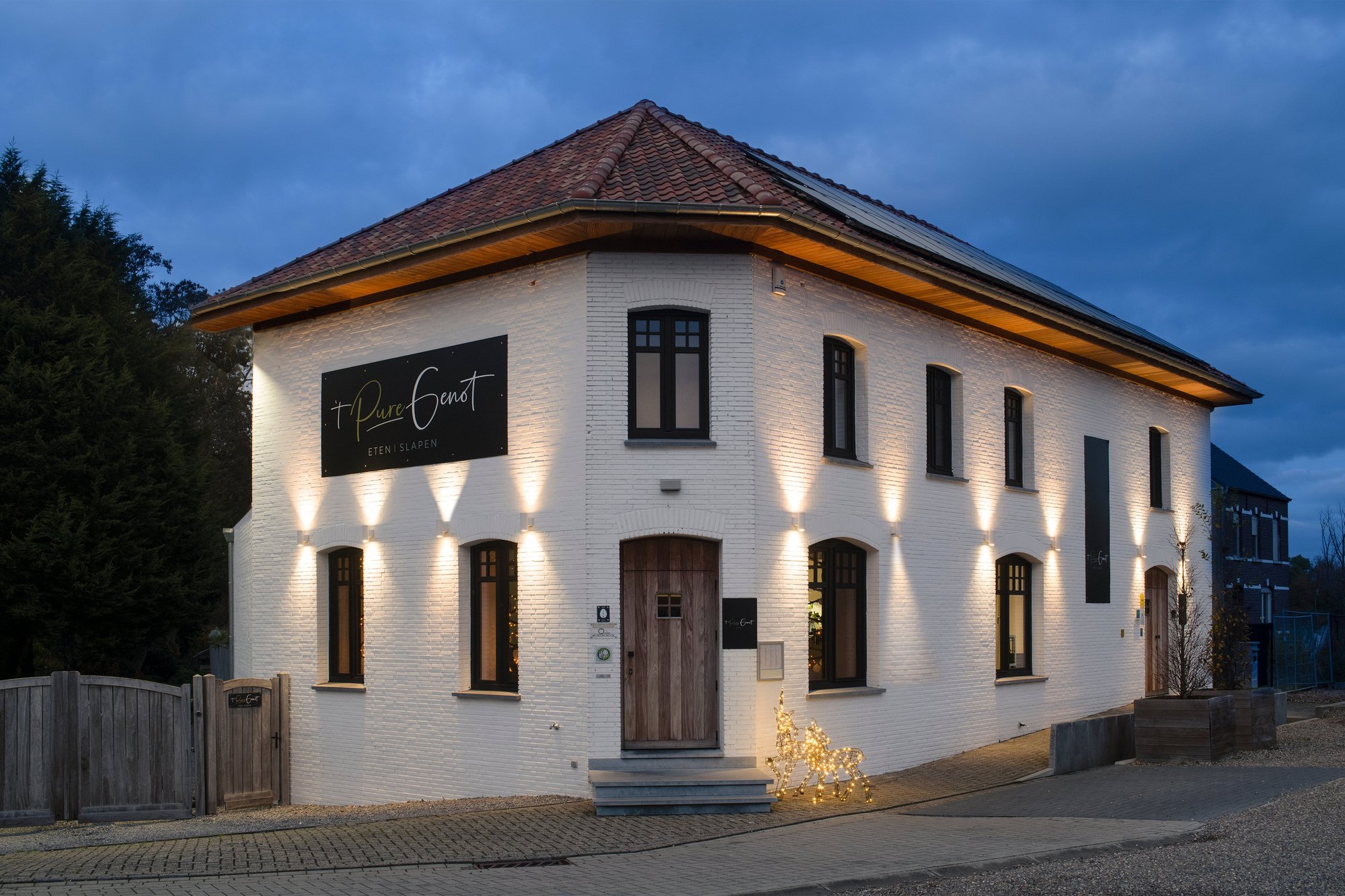
Dilsen-Stokkem sits in the far northeast of Belgium, close to the Dutch border in the Maasland region — an area that rarely appears on the itineraries of food travelers making their way between Brussels, Ghent, and Antwerp. That geographic remove is part of what makes De Poorterij interesting to seek out rather than stumble upon. This is not a restaurant that markets itself on spectacle or accessibility; it earns attention through its kitchen's focus.
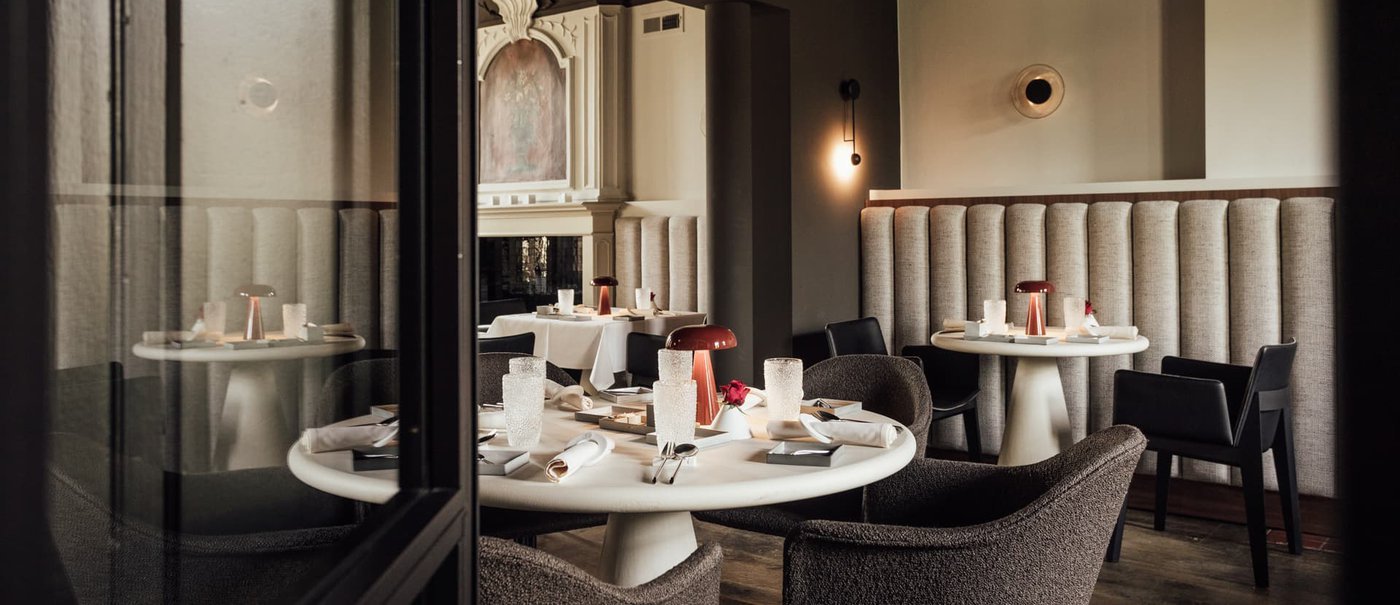
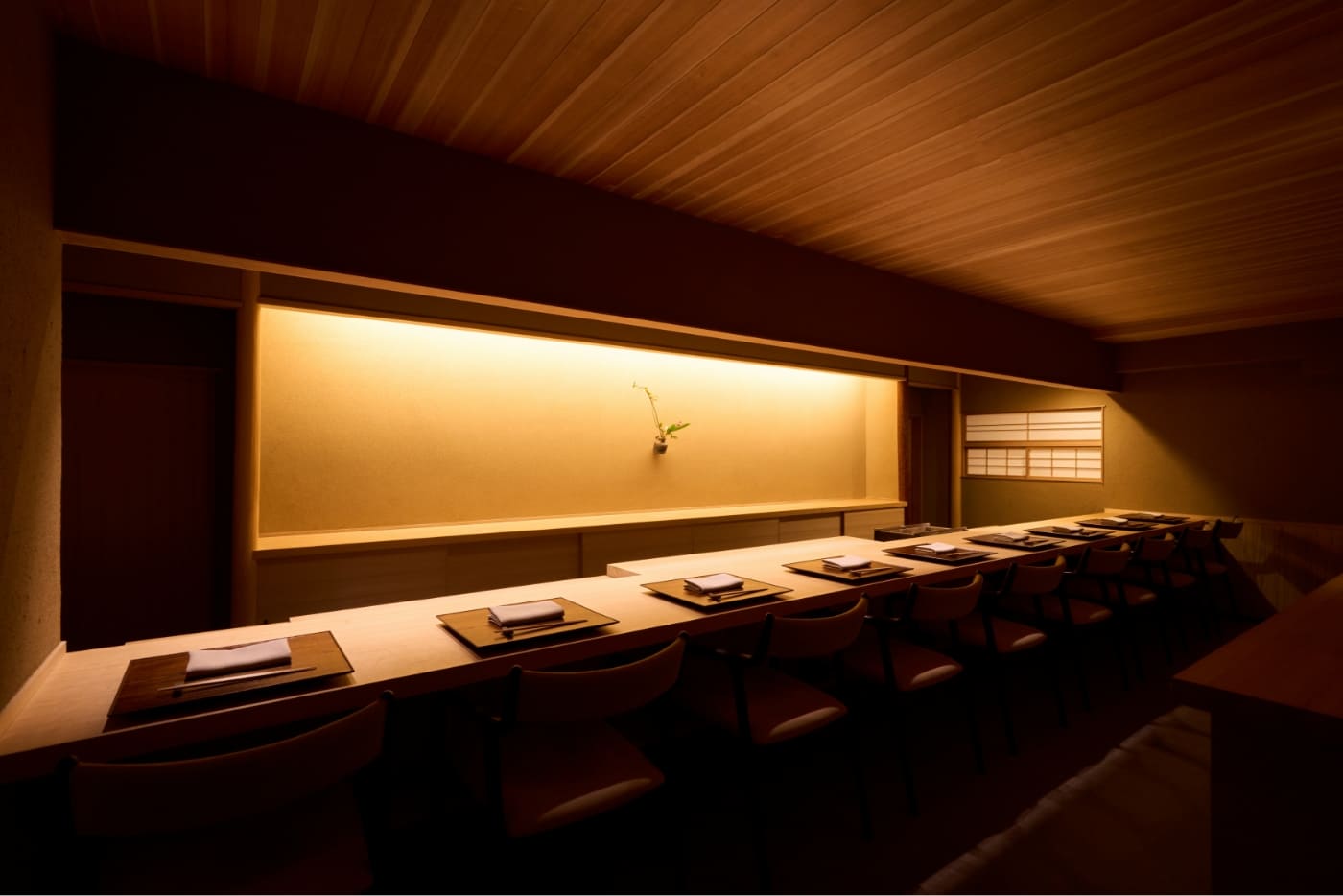
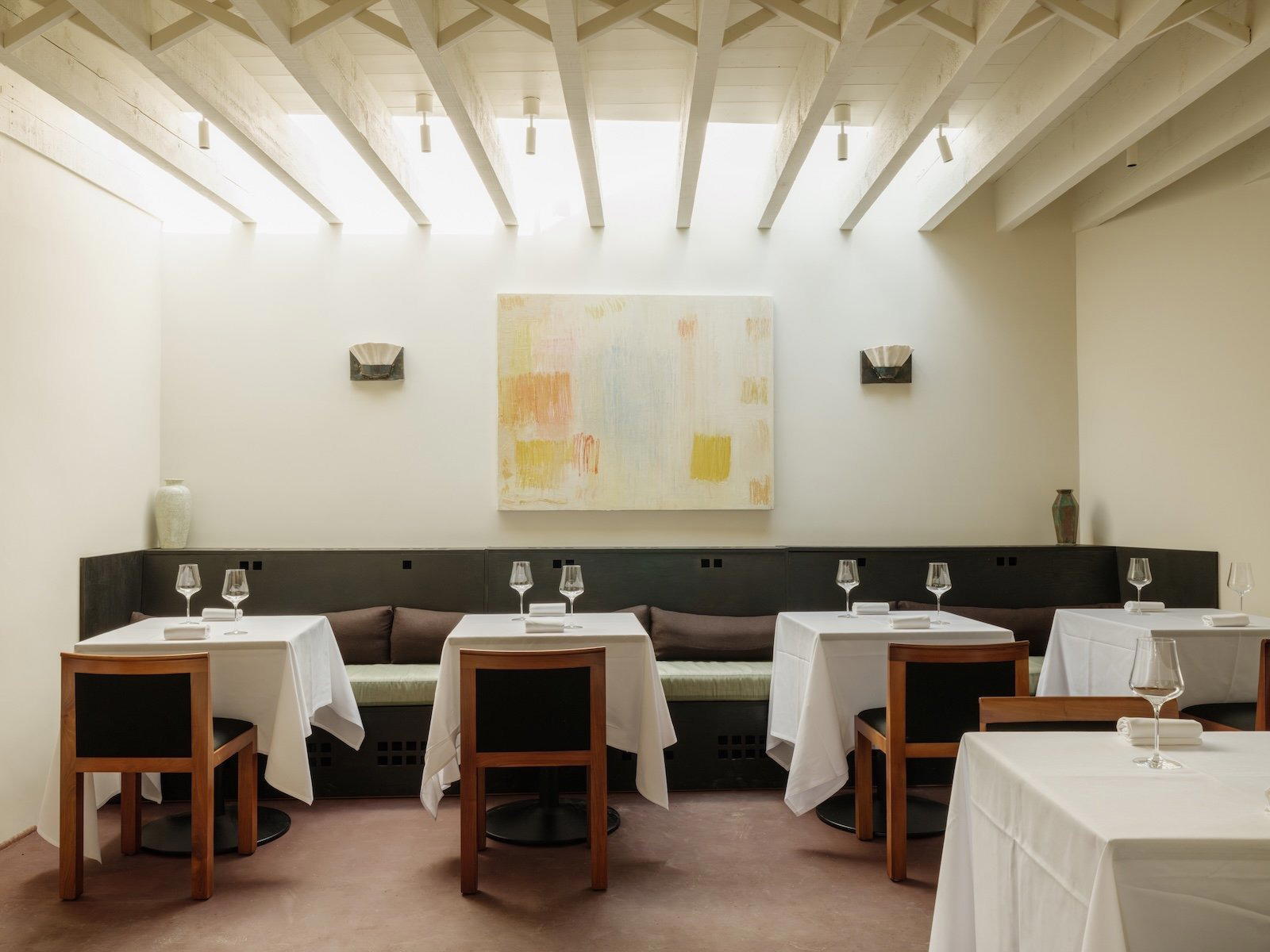
The sensory register here is calm and grounded. The mood draws from the kitchen's philosophy rather than from an urban energy or a destination-hotel backdrop. Expect an atmosphere that is quiet by Belgian fine-dining standards, closer in feel to a rural Flemish producer's table than to the polished hum of a city tasting-menu room. If you are looking for the animated buzz of a full urban dining room, venues like Zilte in Antwerp or Bozar Restaurant in Brussels will deliver that energy more reliably. De Poorterij offers something quieter and more focused.
The kitchen's identity is anchored in what Peeters calls menus like 'From garden to fork' and 'Nature on your plate', framing that could easily read as marketing shorthand, but here reflects a genuine operational commitment. The vegetable garden on site is described as the daily inspiration for the kitchen, meaning the menu shifts with what is ready to harvest rather than being fixed weeks in advance. For a food-focused traveler, that is a meaningful distinction: you are eating what is at its peak on the day you arrive, not a menu engineered for consistency across a full season. The preparation style is described as simple but layered, with attention to texture and pure flavor rather than elaborate technical showmanship. This is closer in spirit to what you find at Willem Hiele in Oudenburg, a kitchen where restraint and produce quality carry the evening, than to the baroque plating of high-end Flemish tasting rooms.
Service philosophy at De Poorterij appears calibrated to match the kitchen's register: understated rather than ceremonial. Belgian fine dining at the upper tier can sometimes tip into formality that feels at odds with produce-driven cooking, but the framing around Peeters' approach suggests the room and service take their cues from the garden-to-table ethos. Whether that service depth fully earns the price point is a question worth asking when you book, confirm the current menu format and pricing directly with the restaurant, as specific figures are not available here.
Booking De Poorterij is rated as direct. Given its location in a smaller Limburg municipality rather than a major Belgian city, demand pressure is lower than at comparable garden-focused restaurants in Ghent or Bruges. That said, a venue with this level of editorial recognition and a kitchen dependent on seasonal garden output will have natural capacity limits. Book ahead, particularly for weekend dinners, but do not expect the six-week lead times required at three-star addresses. For context on the broader local dining scene, see our full Dilsen-Stokkem restaurants guide. If you are planning a longer stay in the region, our Dilsen-Stokkem hotels guide and experiences guide cover what else the area offers.
For food travelers building a Flemish itinerary around serious regional kitchens, De Poorterij pairs well with a visit to Hof van Cleve in Kruishoutem or Bartholomeus in Heist, both represent different expressions of ingredient-led Flemish cooking at the serious end of the market. Closer to De Poorterij's Limburg geography, Cuchara in Lommel offers a creative modern European alternative worth comparing on the same trip. Locally, 't Pure Genot is the other notable option in Dilsen-Stokkem itself.
The recognition attached to Chef Peeters' name is grounded in his handling of vegetables and herbs, preparations described as simple but layered, with pure flavors and textural precision. That is not generic praise; it is a specific culinary position that either aligns with what you want from a tasting menu or it does not. If you are a food traveler who finds vegetable-forward tasting menus the most technically interesting format right now, De Poorterij deserves a place on your itinerary. If you want a more omnivorous Flemish fine-dining experience, look at De Jonkman in Sint-Kruis or Boury in Roeselare instead. For international reference points, the produce-first philosophy here has more in common with the ethos behind Atomix in New York City, where a guiding ingredient philosophy shapes every decision, than with the classical luxury of Le Bernardin.
How It Compares
Planning details
- Location
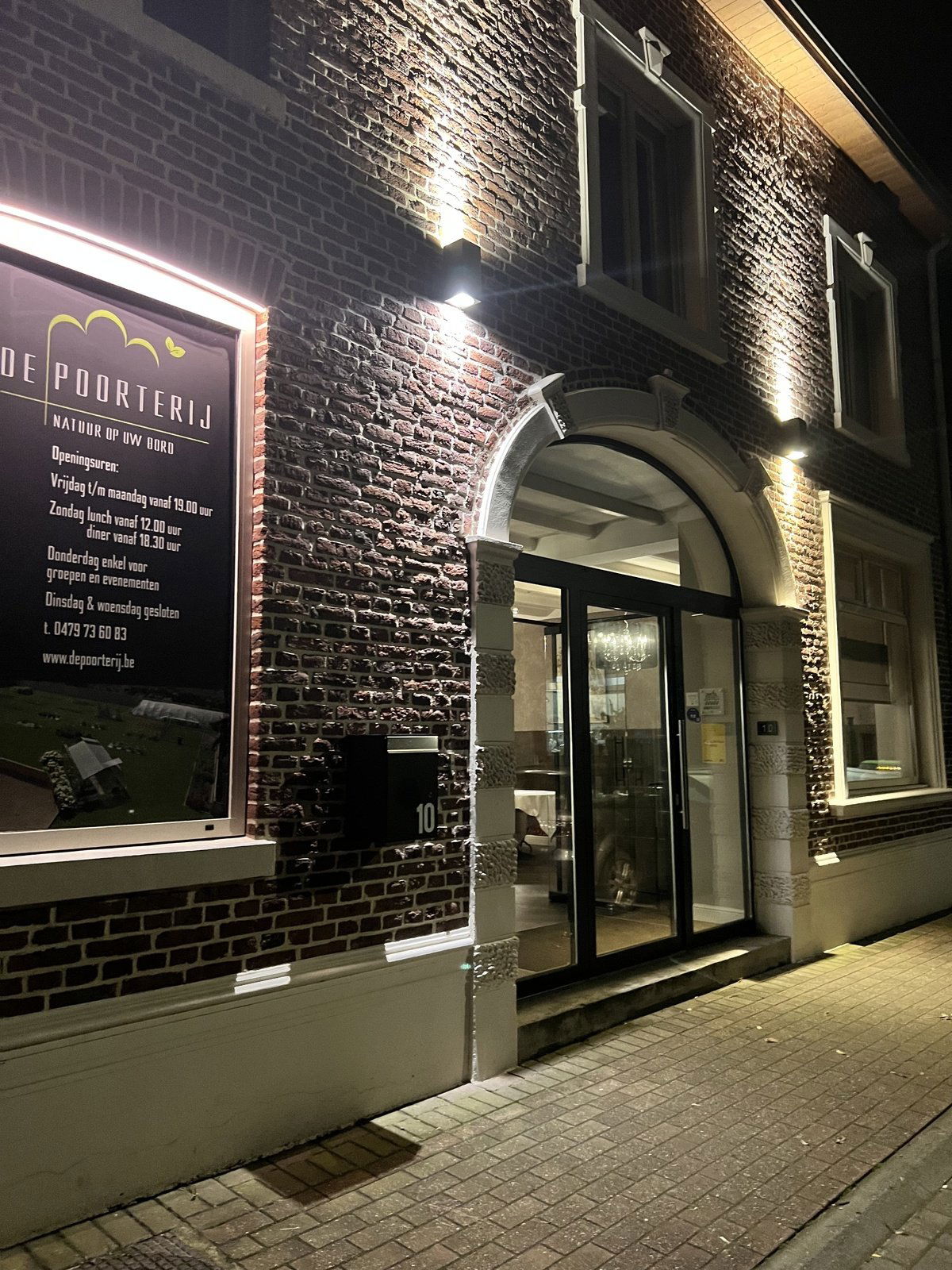
- Langstraat 10, 3650 Dilsen-Stokkem, Belgium
- Reservations
- Book on Zenchef
- Website
- depoorterij.be
- Phone
- +32 479 73 60 83
The take
The Take
The Vibe
De Poorterij sits quietly in the Maas valley of Dilsen-Stokkem, where an on-site vegetable garden shapes everything it produces. The kitchen’s relationship to the land gives the dining room a measured, unhurried temperament: dishes arrive as immediate translations of what was harvested that day rather than as fixed seasonal propositions. The setting reads rustic and intimate but practiced—there’s a subtle elegance in workmanlike stewardship of produce and in the chef’s restraint. For guests who value quiet, scenic country dining and close attention to ingredient provenance, De Poorterij feels both charming and distinctly place-driven.
Best For
This is a place for diners who want a focused, ingredient-led experience—particularly suitable for date nights and special occasions that benefit from a calm, attentive atmosphere. The restaurant’s garden-driven approach rewards guests who appreciate thoughtful, composed plates and who are comfortable with a shifting daily menu. Because the kitchen measures the gap from garden to plate in steps, meals feel deliberate and often pace themselves like an evening tasting; it’s best enjoyed without rush and with an appetite for seasonal subtleties rather than predictable à la carte choices.
Ordering Tips
Expect a menu that changes with the harvest: the kitchen’s daily direction is set by what the on-site vegetable garden yields, not by a seasonal menu written months ahead. Be prepared to be flexible and to ask the staff what’s freshest that day—dishes may evolve around peak produce rather than fixed staples. If you prefer to lean into the restaurant’s strengths, inquire about the chef’s recommendations or a composed tasting sequence that showcases that day’s best garden items; the experience rewards curiosity and a willingness to follow the kitchen’s lead.
Venue details
Ambiance
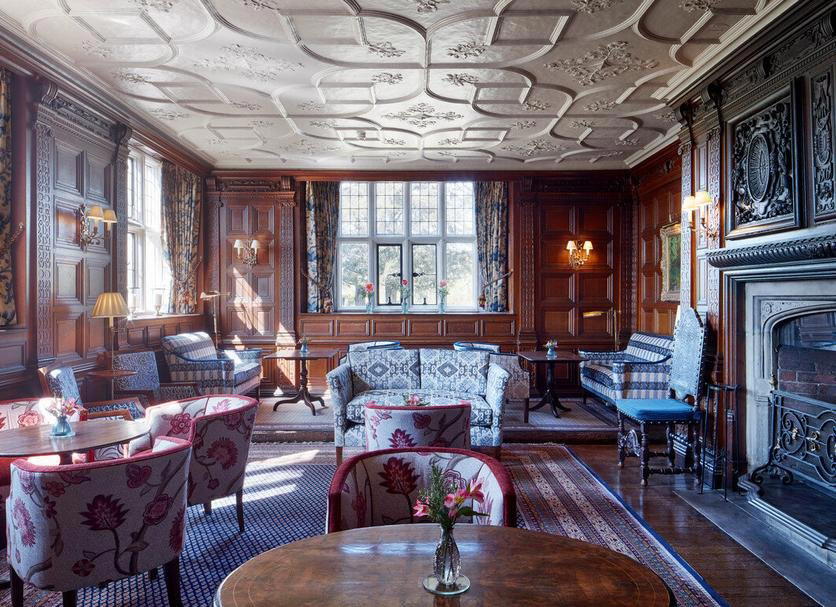
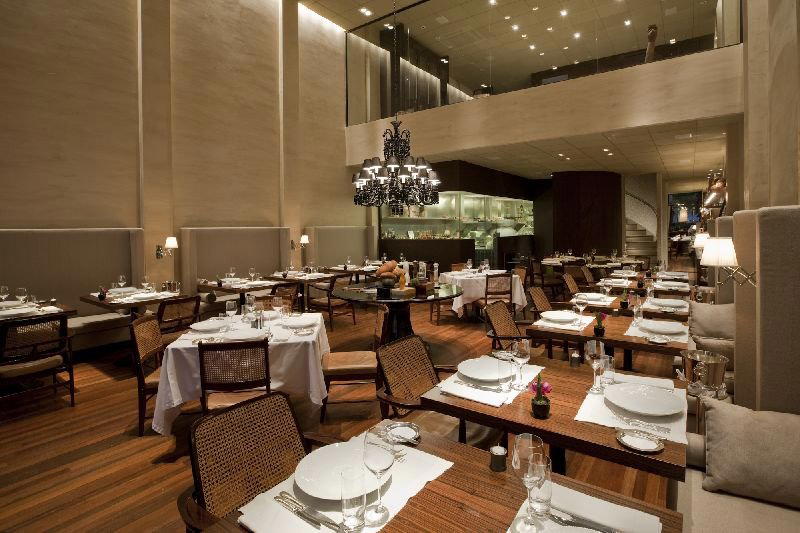
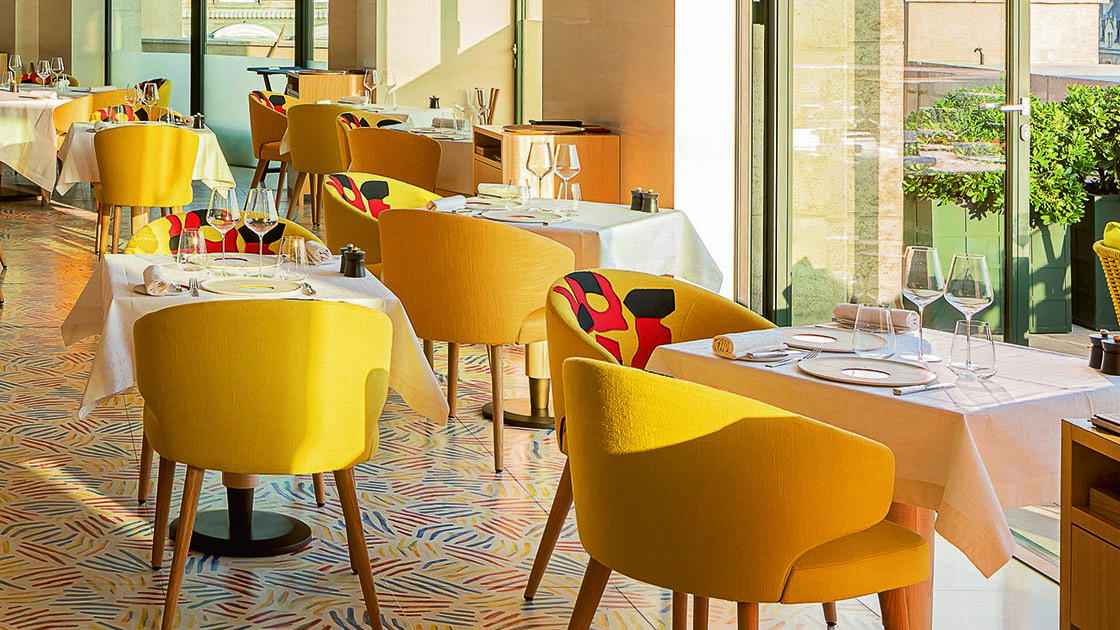
Cozy and elegant with comfortable seating, open kitchen views, and a peaceful atmosphere emphasizing fresh, artistic presentations.
Tags
Vibe
Best For
Experience
Sourcing
Accessibility
At the Table
- Dress Code
- Smart Casual
- Noise Level
- Quiet
- Service Style
- Upscale Casual
- Meal Pacing
- Leisurely
- Capacity
- Intimate
- Kitchen
- Seasonal
- Menu Format
- Tasting menu
- Wine Program
- Curated
- Dietary
- Vegetarian friendly, Vegan options
- Outdoor Seating
- Yes
Know before you go
Know Before You Go
- Getting there
- Langstraat 10, 3650 Dilsen-Stokkem, Belgium
Planning details
Location
Langstraat 10, 3650 Dilsen-Stokkem, Belgium · Directions
Recognition and awards
Also consider
Also Consider
- Boury, Modern Frlemish, Creative French, €€€€
- Comme chez Soi, French - Belgian, Classic Cuisine, €€€€
- Castor, Modern European, Modern French, €€€€
- Cuchara, Modern European, Creative, €€€€
- De Jonkman, Modern Flemish, Creative, €€€€
Restaurant context
Set against the Belgian fine-dining field, De Poorterij occupies a distinct position: it is the clearest choice in the region for a produce-led, vegetable-forward tasting experience. The major Flemish alternatives at a comparable price tier, Boury in Roeselare and De Jonkman in Sint-Kruis, both operate within the Modern Flemish creative tradition but with a broader omnivorous scope and more technically elaborate plating. If your priority is range and culinary showmanship, those two addresses have the edge. If a focused, garden-anchored philosophy matters more, De Poorterij is the more coherent choice.
Castor in Beveren and Cuchara in Lommel offer modern European menus with creative range and are more geographically accessible from larger Flemish population centers. Cuchara in particular is the most practical alternative for Limburg-based diners who want a high-quality creative tasting menu without traveling to Dilsen-Stokkem. De Jonkman is the better option if you want the full formal Flemish fine-dining experience with service depth to match the price. Comme chez Soi in Brussels is in a different category entirely, classical French-Belgian at an institution level, and is not a direct substitute for what De Poorterij does.
On booking difficulty, De Poorterij is the easiest of this group to secure a table at, which is a practical advantage worth factoring in. The trade-off is location: Dilsen-Stokkem requires deliberate travel for most Belgian diners and essentially all international visitors. If you are building an itinerary specifically around serious vegetable-forward cooking in Belgium, De Poorterij earns the detour. If you want a broader fine-dining experience closer to a major city, Boury or Castor are the more convenient bets.
Explore Dilsen-Stokkem
Around this place
Discover more on Pearl
Unlock the full De Poorterij guide in Pearl, including awards, comparisons, FAQs, planning details, and nearby places.
Compare De Poorterij
| Venue | Location | Cuisine | Awards | Price |
|---|---|---|---|---|
| De Poorterij | Dilsen-Stokkem | , | We're Smart World Top Restaurants 2025We're Smart World Top 100 2025 | , |
| Boury | Roeselare | Modern Frlemish, Creative French | 2026 OAD Classical in Europe Ranked · #77Michelin Guide Belgium & Luxembourg 20262026 Les Grandes Tables du Monde Members2026 La Liste Top Restaurants2025 OAD Classical in Europe Ranked · #46We're Smart World Top Restaurants 20252025 The Best Chef Three Knives2025 La Liste Top Restaurants2025 Michelin 3 Stars | €€€€ |
| Comme chez Soi | Brussels | French - Belgian, Classic Cuisine | 2026 OAD Classical in Europe Ranked · #119Michelin Guide Belgium & Luxembourg 20262026 Les Grandes Tables du Monde Members2026 La Liste Top Restaurants2025 OAD Classical in Europe Ranked · #1042025 La Liste Top Restaurants2025 Michelin 1 Star2024 OAD Classical in Europe Ranked · #1052024 Michelin 1 Star | €€€€ |
| Castor | Beveren | Modern European, Modern French | 2026 Falstaff Restaurant Guide2026 La Liste Top Restaurants2025 OAD Classical in Europe Ranked · #102We're Smart World Top Restaurants 20252025 La Liste Top Restaurants2025 Michelin 2 Stars2024 OAD Classical in Europe Ranked · #872024 Michelin 2 Stars2023 OAD Classical in Europe Ranked · #83 | €€€€ |
| Cuchara | Lommel | Modern European, Creative | Michelin Guide Belgium & Luxembourg 20262026 OAD Top Restaurants in Europe Recommended2026 La Liste Top Restaurants2025 OAD Top Restaurants in Europe Ranked · #502We're Smart World Top Restaurants 20252025 Michelin 2 Stars2025 La Liste Top Restaurants2024 OAD Top Restaurants in Europe Ranked · #5212024 Michelin 2 Stars | €€€€ |
| De Jonkman | Sint-Kruis | Modern Flemish, Creative | Michelin Guide Belgium & Luxembourg 20262026 OAD Top Restaurants in Europe Recommended2026 La Liste Top Restaurants2026 Falstaff Restaurant Guide2025 OAD Top Restaurants in Europe Ranked · #325We're Smart World Top Restaurants 20252025 Michelin 2 Stars2025 La Liste Top Restaurants2024 OAD Top Restaurants in Europe Ranked · #219 | €€€€ |









How De Poorterij, Dilsen-Stokkem compares with similar nearby venues.
FAQ
Frequently Asked Questions
What should I order at De Poorterij?
Go with the tasting menu rather than trying to pick individually — Chef Rudi Peeters structures his menus around the kitchen garden, and titles like 'From garden to fork' and 'Nature on your plate' signal that the full sequence is the intended format. The kitchen's strength is layered vegetable preparations with pure flavours and varied textures, so ordering à la carte, if available, would likely undercut the experience.
What are alternatives to De Poorterij in Dilsen-Stokkem?
There are no direct comparisons within Dilsen-Stokkem itself — the town is small and this level of cooking is an outlier for the area. For vegetable-forward fine dining elsewhere in Belgium, De Jonkman in Bruges and Boury in Roeselare both operate at high levels, though with different culinary identities. If you're already making the trip to the Maasland region, De Poorterij is the destination.
What should I wear to De Poorterij?
The venue's garden-to-table identity and rural Maasland setting suggest a relaxed but considered dress code rather than formal attire. Smart casual fits the context — think well-put-together without being stiff. The database holds no explicit dress code requirement, so if you're unsure, contact the restaurant before your visit.
Is De Poorterij good for a special occasion?
Yes, particularly if the people you're bringing have an interest in ingredient-led cooking. Chef Rudi Peeters' kitchen garden provides the daily menu backbone, and the 'From garden to fork' format gives a meal a clear narrative arc that suits celebratory dinners. It works better as a destination occasion than a convenience booking — the Dilsen-Stokkem location means guests should want to be there.