
Temaki Den
Japanese · Curtis Park, Denver
Restaurant in Denver, United States
 Book with Pearl
The Read
Market Hall Handroll Counter
Price
$50–100per person
Dress
Casual
Why go
Temaki Den earns its 2024 Michelin Recommended listing by doing one thing well: handrolls made one at a time, served immediately, with sourcing that justifies the $$$ price tag. Inside The Source Market Hall in Denver's RiNo district, it's the city's most focused Japanese counter — better for solo diners and pairs than groups, and worth visiting at lunch when the room is quieter and the food gets full attention.
About Temaki Den
The Verdict: Denver's Most Focused Sushi Spot
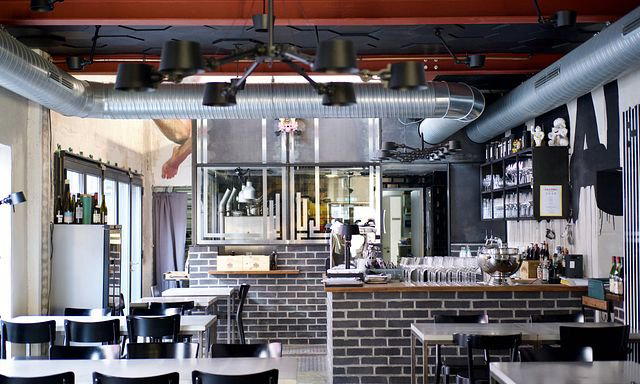
If you're expecting a traditional sushi bar with a long menu and a formal dining room, Temaki Den will reset those expectations immediately. This is a handroll-first operation inside The Source Hotel + Market Hall, open to the market floor, with a dark color palette that reads more cocktail bar than sushi counter. That format — focused, casual, technically precise — is exactly why it earned a Michelin Plate in 2024 and why it's worth booking if you're after Japanese food in Denver without the omakase price tag or ceremony.
Compared to the tasting-menu formality of Beckon or the full-evening commitment of Brutø, Temaki Den operates on a completely different register. It's the place you go when you want something precise and ingredient-driven without surrendering the whole night to it.
The Space
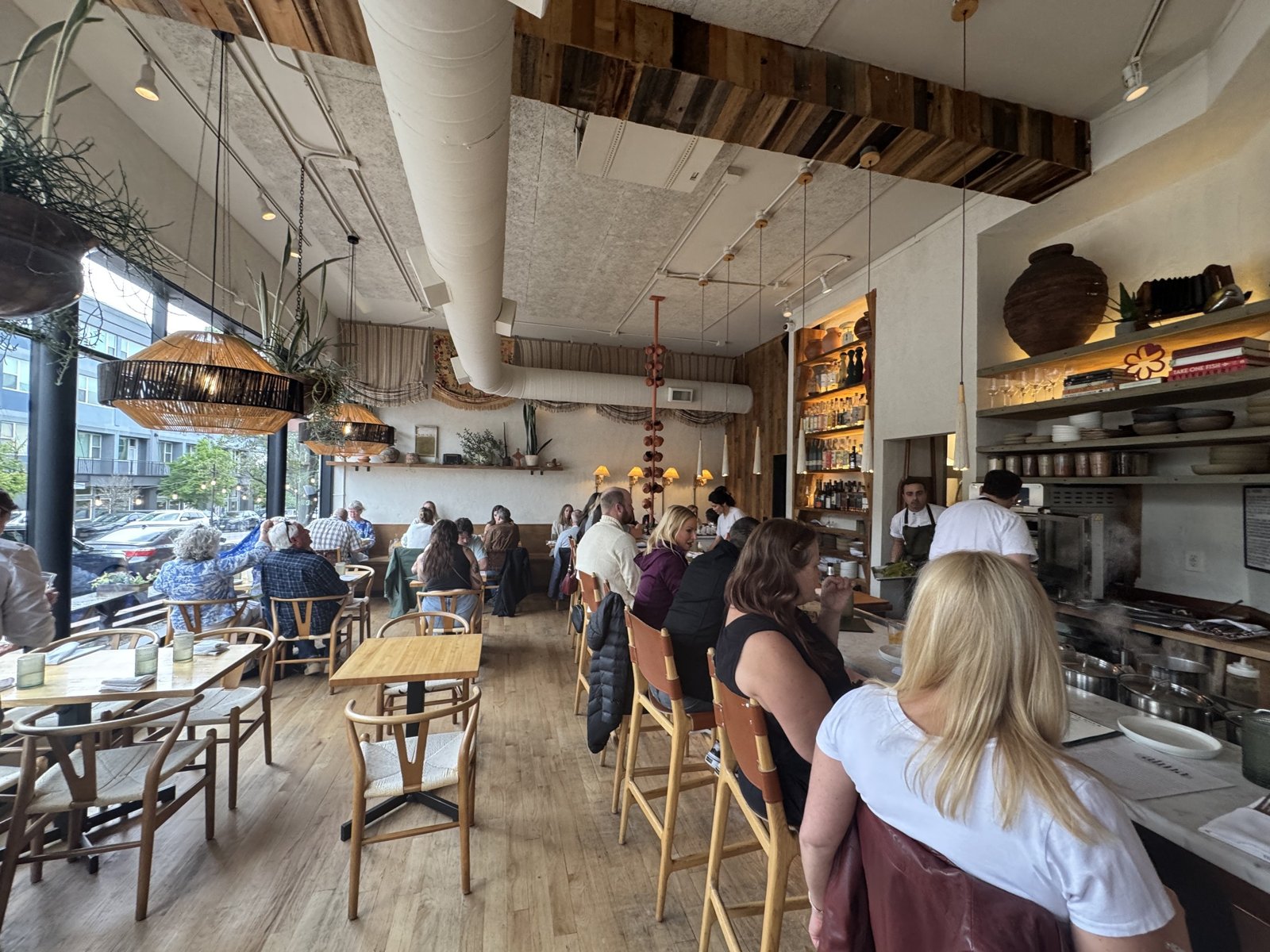
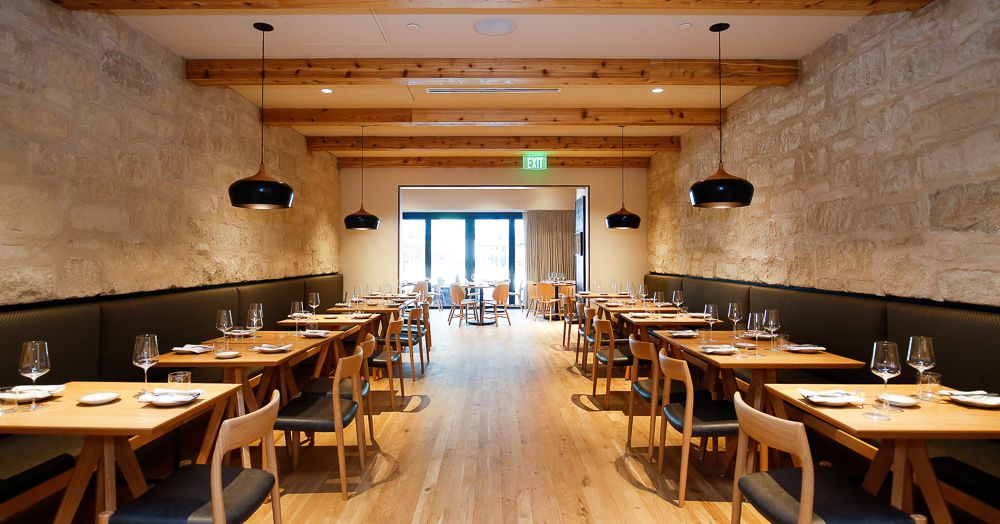
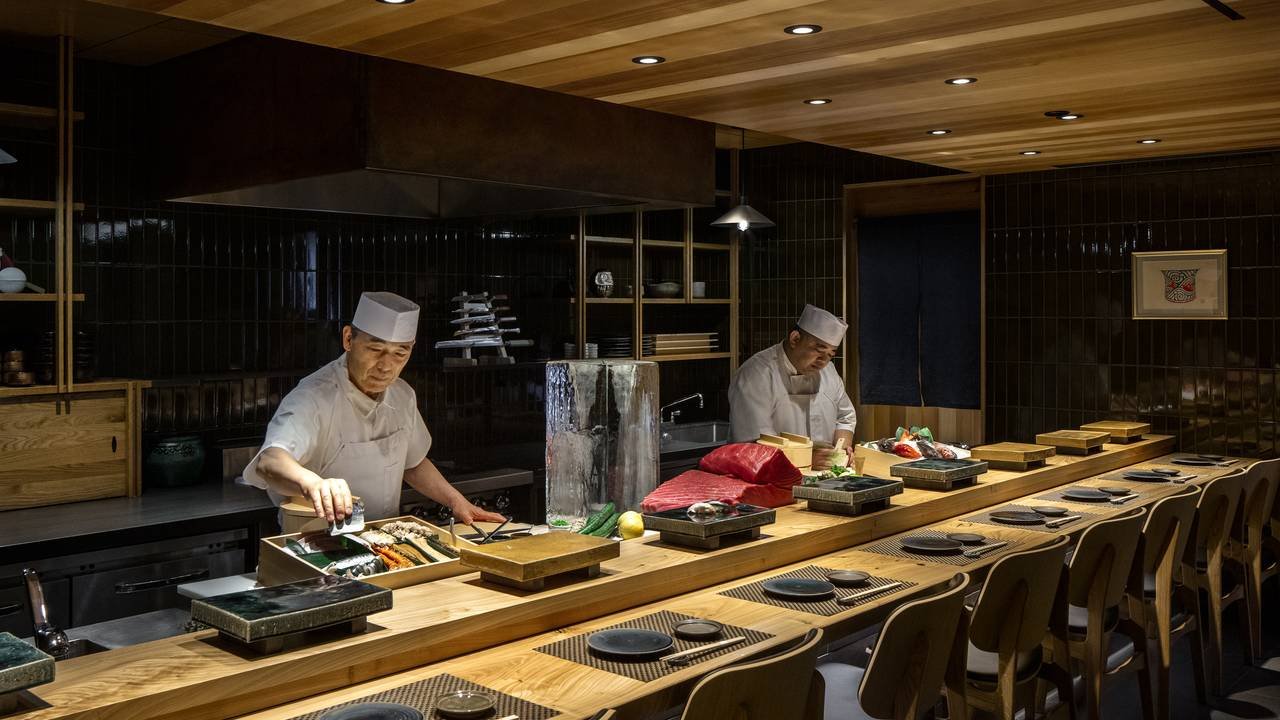
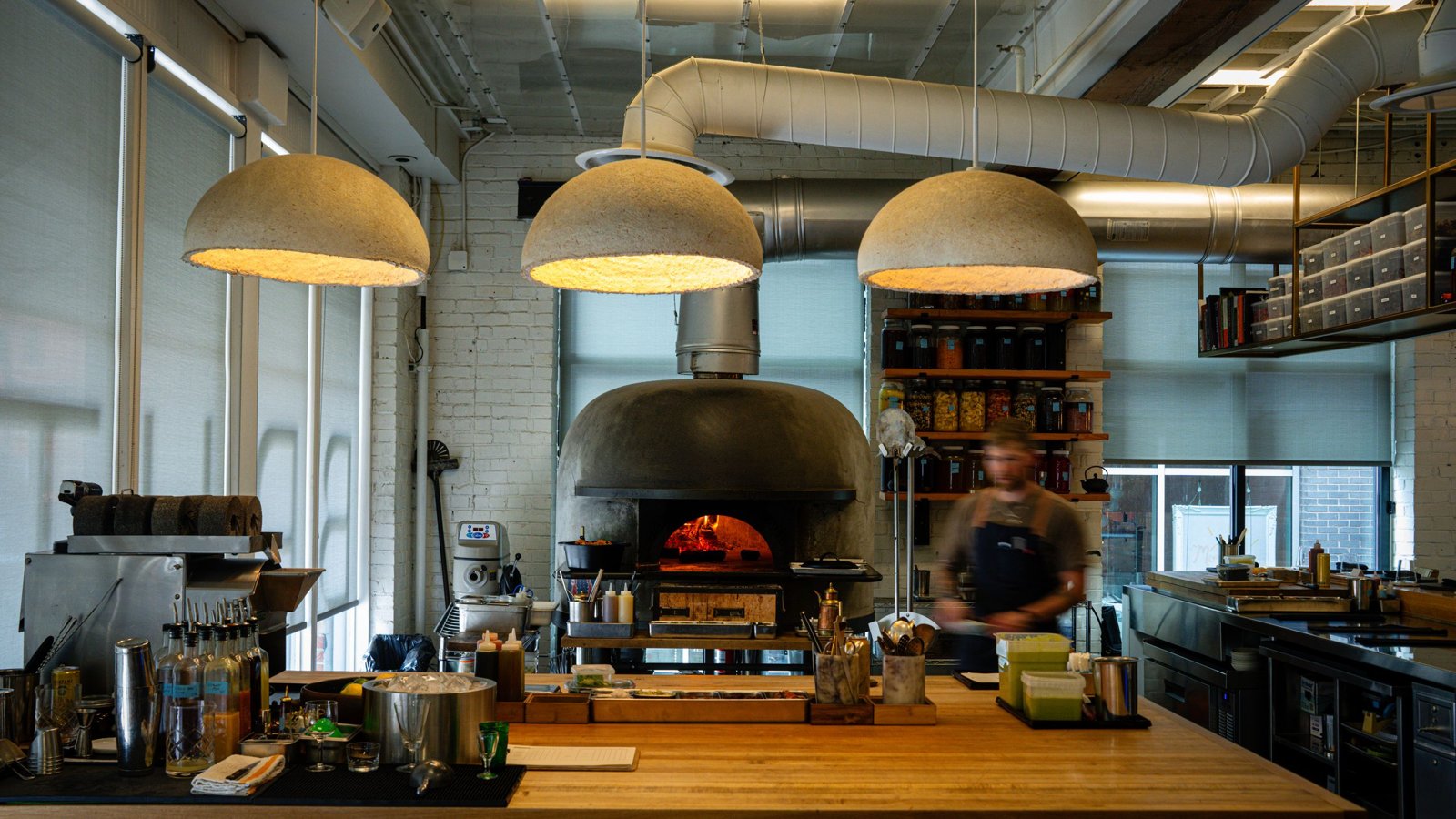
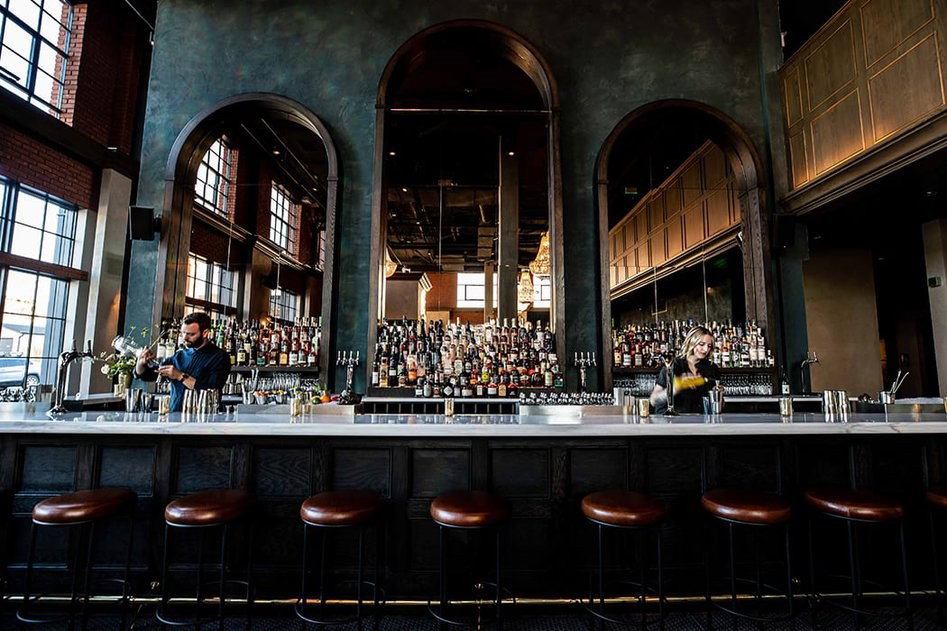
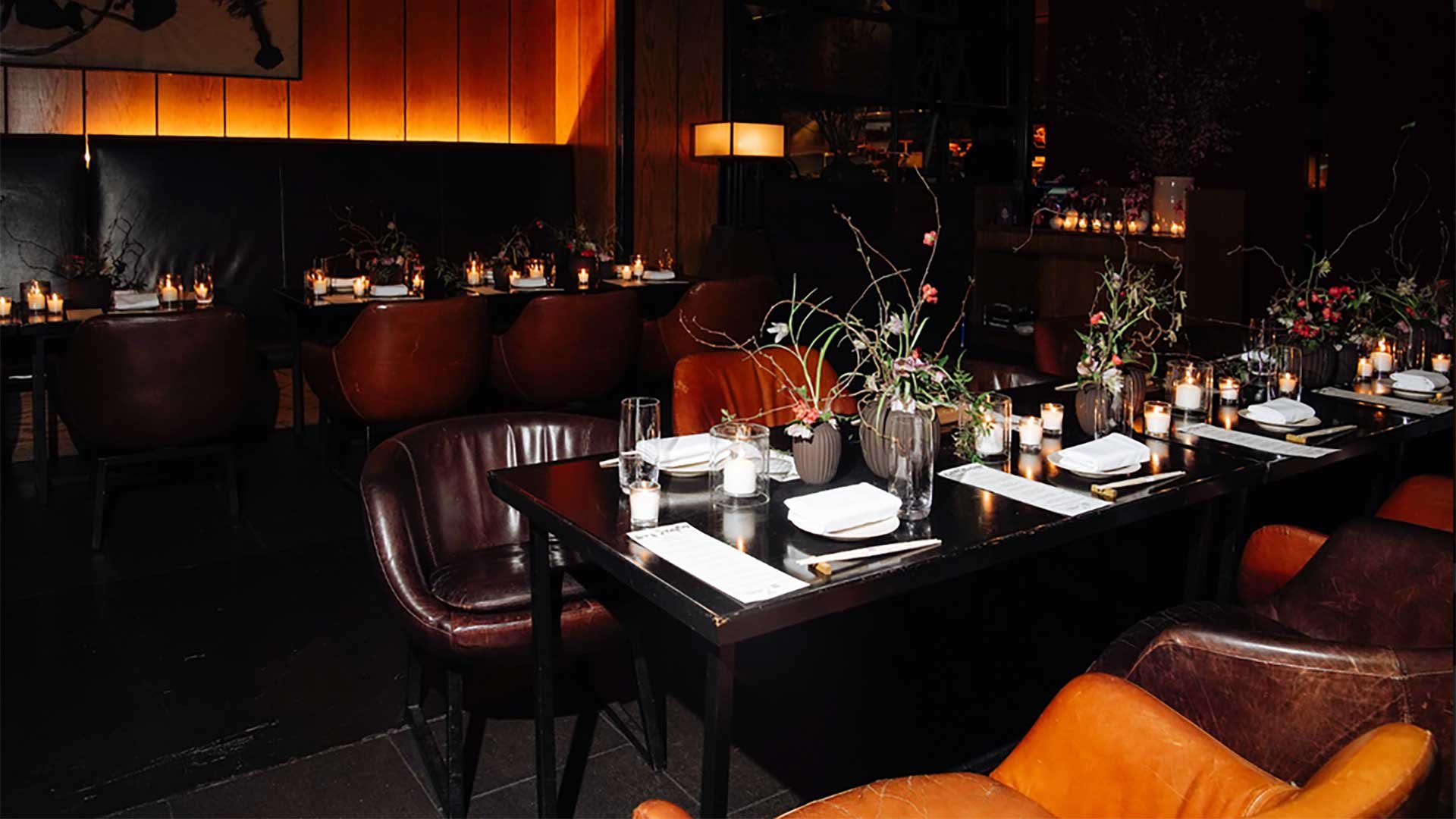
The room matters here. Temaki Den sits within The Source Market Hall at 3350 Brighton Blvd, which means you're eating in an open, shared environment rather than a sealed dining room. The dark palette creates a focal point that feels intentional, moody without being pretentious, but the ambient noise and foot traffic of a market hall are part of the package. If you're coming for a quiet, intimate dinner, this isn't the right room. If you want energy and a counter seat where you can watch the handrolls being assembled one at a time, it works well. For solo diners or pairs, the counter configuration is actually an advantage: you're close to the action, the pace is quick, and there's no pressure to fill a table for a full evening.
The setting also changes how the experience reads at different times of day. At lunch, the market hall has a more relaxed, ambient hum, it's a better choice if you want to eat without rush. In the evening, foot traffic from the hotel and bar scene picks up, and the room gets louder. The food quality doesn't change, but the evening visit tilts toward the social rather than the contemplative. For the leading version of the space, an early dinner or late lunch tends to hit the right balance.
What to Order
Menu is built around temaki, available à la carte or as a set, with aburi (flame-seared) nigiri as a secondary focus. The handrolls are made individually and served as they're rolled, this isn't a roll-everything-at-once operation, which matters for texture. A temaki at the wrong temperature is a different thing entirely, and Temaki Den understands this.
Scottish salmon belly with yuzu kosho and crispy shallots is the standout order by most accounts: the fat in the salmon belly against the citrus heat of the yuzu kosho is a combination that the format rewards. The eggplant nigiri, seared and caramelized with miso, is not the obvious choice, but it's the one that converts skeptics. Start with the broccolini goma-ae before the handrolls; the sesame dressing is a clean, well-balanced opener that doesn't compete with what follows.
If you've visited once and went straight to the salmon, the eggplant nigiri and the full temaki set are the logical next moves. The set format lets the kitchen pace the meal and gives you coverage across the menu without having to build the order yourself.
Lunch vs. Dinner: Which Visit Is Worth More
This is a venue where timing affects value more than most. At $$$ price range, Temaki Den is mid-tier for Denver's Japanese options, sitting above casual sushi chains but well below the full omakase experience. That price-to-quality ratio holds at both meal periods, but the experience is different enough to be worth considering before you book.
Lunch at Temaki Den is the better choice if your priority is the food itself. The room is calmer, the counter pace is less rushed, and you're not competing with the evening hotel and bar crowd for ambient space. It's a practical choice for anyone working in RiNo or the Brighton Boulevard corridor who wants a serious lunch rather than a fast-casual option.
Evening visits have more energy, and the market hall context makes it a natural stopping point on a night out, but the noise level is a real factor. If you're bringing someone who wants to have a conversation over dinner, the evening at Temaki Den is harder work than a quieter room like Kawa Ni. If you're two people who are happy to eat well and move on to somewhere else for drinks, the dinner visit is efficient and satisfying.
Booking and Logistics
Know Before You Go
- Address: 3350 Brighton Blvd, Denver, CO 80216 (inside The Source Hotel + Market Hall)
- Price range: $$$, mid-tier; expect to spend more than a casual sushi spot, less than an omakase counter
- Booking difficulty: Moderate, walk-ins are possible but the counter fills, especially on weekends
- Leading seats: Counter seating for solo diners or pairs; gives the leading view of handroll prep
- Dress code: No formal dress code; the market hall setting is relaxed, smart casual is more than sufficient
- Recognition:
- Good for: Solo dining, couples, quick business lunches, pre-theatre or pre-event dinners
- Less suited for: Large groups, quiet conversation-heavy dinners, anyone wanting a traditional enclosed sushi room
How Temaki Den Fits the Broader Denver Scene
Denver's Japanese restaurant options are thinner than the city's Mexican and Italian categories, which makes Temaki Den's Michelin recognition more meaningful in context. For a full overview of where it fits, see our full Denver restaurants guide. If you're building a broader trip, our Denver hotels guide, bars guide, and experiences guide cover the surrounding neighbourhood well. For reference on what Michelin-level Japanese dining looks like at the top of the format, Myojaku in Tokyo and Azabu Kadowaki give useful context on how far the handroll and nigiri format can travel when the sourcing is at a different level entirely.
Located inside
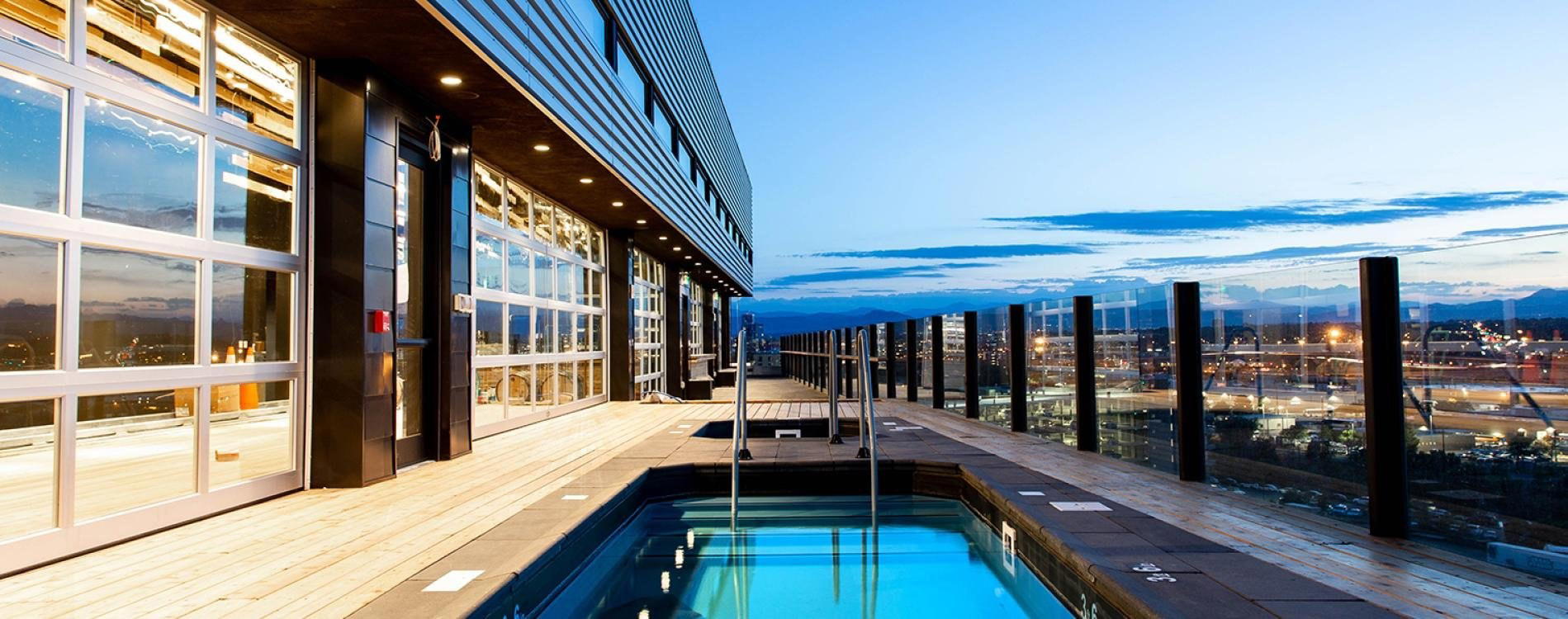 HotelThe Source HotelFull hotel guide
Planning details
- Location
- 3350 Brighton Blvd, Denver, CO 80216
- Reservations
- Book on the venue's website
- Website
- temakiden.com
- Phone
- (303) 200-0530
The take
The Take
The Vibe
Temaki Den carves a moody, focused counter into the bustle of The Source’s market hall, using a dark color palette and low lighting to create visual separation from the surrounding vendors. The theatrical, tableside rolling and tight counter layout concentrate attention on technique and texture rather than decor, producing a polished, design-forward sushi experience. Despite the open market setting, the format feels purposeful and refined: it emphasizes immediacy and showmanship over lingering service, delivering a compact, stylish take on contemporary handroll dining that reads as intentionally curated rather than incidental.
Best For
This is a destination for diners who want a direct, counter-focused sushi experience without the ceremony of an omakase. The compact seating and high-turnover layout suit solo diners or pairs who enjoy watching preparation up close, and the venue’s position inside The Source makes it a convenient stop for lunch or dinner while exploring RiNo. It also works for diners seeking a focused, technique-forward encounter—particularly those interested in flame-seared (aburi) preparations—rather than a long, multi-course tasting.
Ordering Tips
Lean into the aburi items and hand rolls to get the clearest sense of what the counter is doing: flame-seared pieces are a through-line of the menu. The signature Aburi Unagi and Aburi Salmon, Hokkaido Scallop Nigiri, Temaki hand rolls, oshizushi and the Wagyu Sukiyaki hand roll are all highlighted preparations to try. Expect prompt, counter-style pacing and some theatrical tableside finishing, so order a few items to sample variety rather than a single large plate; the format encourages quick, focused tasting rather than a prolonged meal.
Venue details
Ambiance
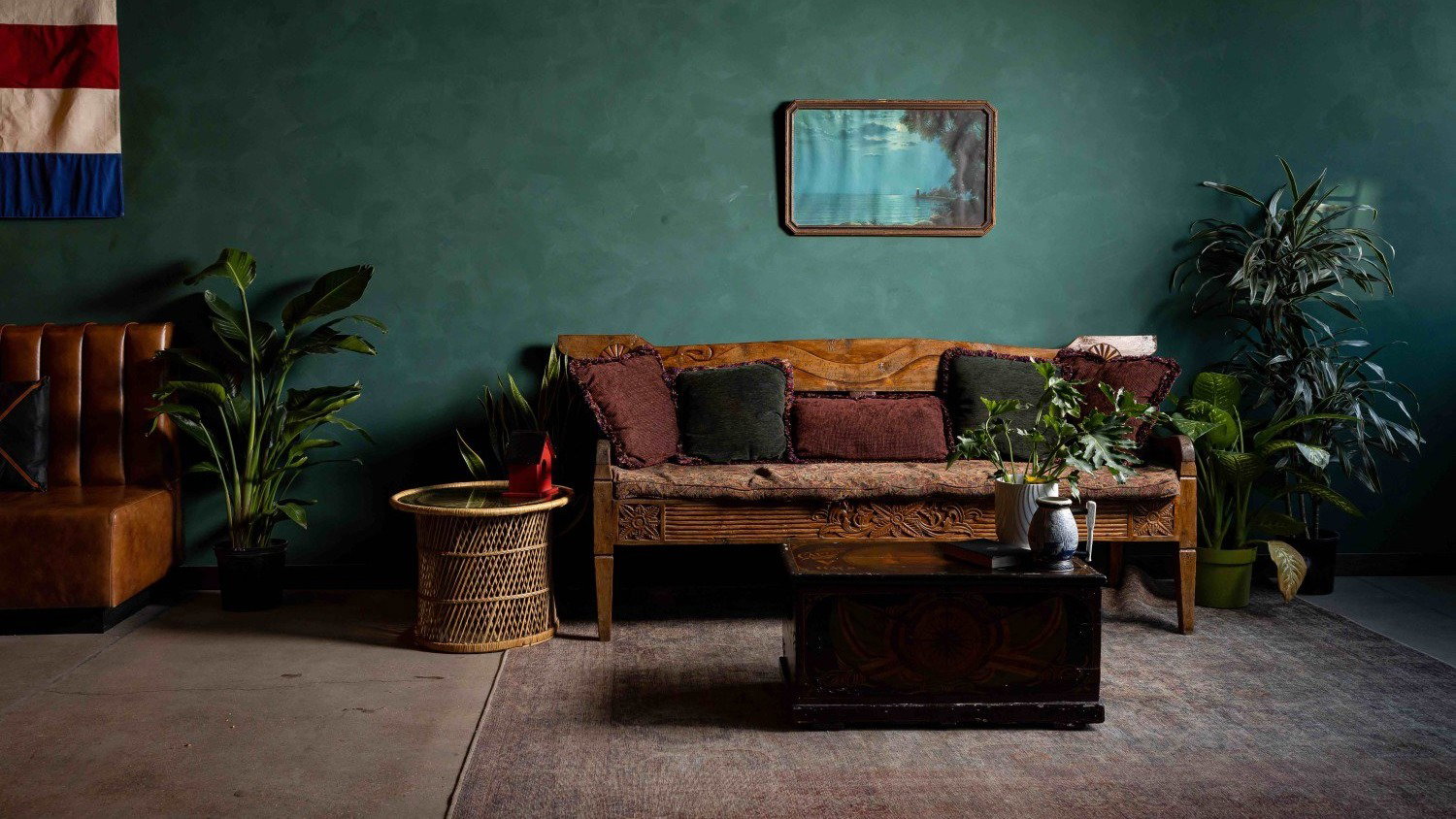
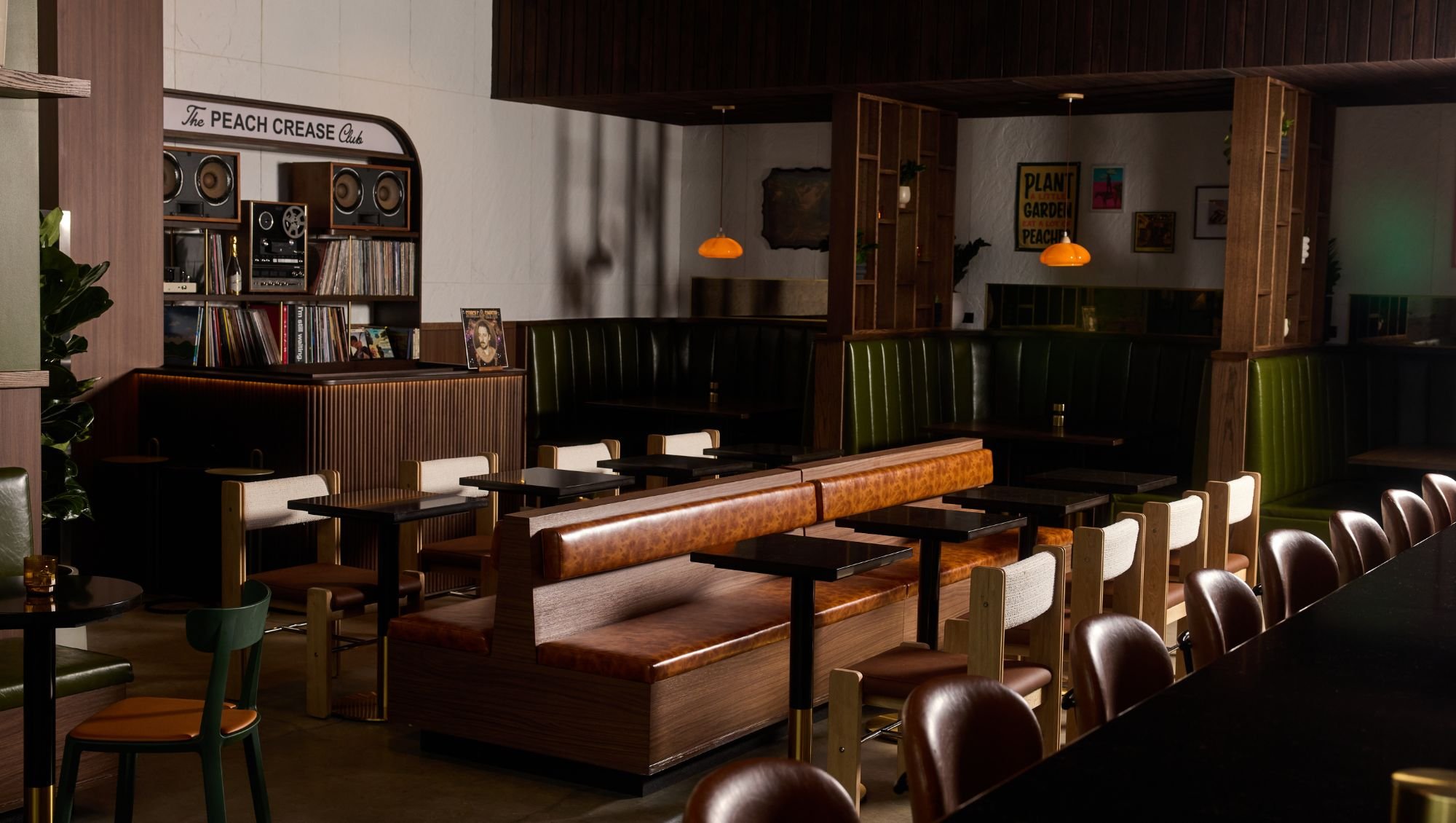
Modern, moody open space with dark color palette tucked within The Source Market Hall; lively yet focused energy from sushi obsessives at the counter.
Tags
Vibe
Best For
Experience
Sourcing
At the Table
- Dress Code
- Casual
- Noise Level
- Conversational
- Service Style
- Omakase Bar
- Meal Pacing
- Leisurely
- Capacity
- Small
- Kitchen
- Traditional
- Menu Format
- Omakase, Counter dining, A la carte
- Wine Program
- Standard
- Drinks Focus
- Sake, Japanese beer
- Dietary
- Gluten-free options, Allergy accommodating
Signature Dishes
- Aburi Unagi
- Aburi Salmon
- Hokkaido Scallop Nigiri
- Temaki Hand Rolls
- Oshizushi
- Wagyu Sukiyaki Hand Roll
Know before you go
Know Before You Go
- Getting there
- 3350 Brighton Blvd, Denver, CO 80216
Planning details
Location
3350 Brighton Blvd, Denver, CO 80216 · Directions
Recognition and awards
Also consider
Also Consider
- The Wolf's Tailor, New American, Contemporary, $$$$
- Tavernetta, Italian, $$
- Brutø, Contemporary, $$$$
- Alma Fonda Fina, Mexican, $$
- Safta, Israeli Cuisine, $$$
Restaurant context
At $$$ per head, Temaki Den occupies a specific gap in Denver's dining options: more technically serious than a casual sushi chain, less expensive and less time-consuming than a full tasting menu. The closest direct comparison for value and occasion is Safta, also $$$ and also Michelin-recognised, which offers a fuller sit-down experience with more menu range. If you want a complete dinner with cocktails and multiple courses, Safta edges ahead. If you want precision in a single format eaten quickly at a counter, Temaki Den wins.
For the $$$$-tier options, The Wolf's Tailor and Brutø are the obvious comparisons, but they're a different commitment in price, time, and formality. Both are harder to book than Temaki Den and require a full evening. If your budget is $$, Alma Fonda Fina delivers strong cooking at lower cost, though in a completely different cuisine category. Tavernetta at $$ is the better call for Italian and a longer, more social dinner format.
The honest comparison for Temaki Den's specific format is with other Japanese options in Denver rather than the city's tasting-menu tier. Kawa Ni offers a quieter, more enclosed room for Japanese-influenced cooking if the market hall noise is a concern. For anyone building a broader Denver itinerary, see our full Denver restaurants guide for current options across all categories.
Around this place
Discover more on Pearl
Unlock the full Temaki Den guide in Pearl, including awards, comparisons, FAQs, planning details, and nearby places.
Compare Temaki Den
| Venue | Location | Cuisine | Awards | Price |
|---|---|---|---|---|
| Temaki Den | Denver | Japanese | 2026 MICHELIN Guide Colorado2025 Michelin Plate2024 Michelin Plate | $$$ |
| The Wolf's Tailor | Denver | New American, Contemporary | Star Wine Lists 20262026 OAD Top Restaurants in North America Highly Recommended2026 James Beard Award Semifinalists2026 La Liste Top Restaurants2026 MICHELIN Guide Colorado2025 OAD Top Restaurants in North America Ranked · #1172025 Wine Spectator Award of Excellence2025 Michelin 2 Stars2024 James Beard Awards · #1 | $$$$ |
| Tavernetta | Denver | Italian | Star Wine Lists 20262026 OAD Casual in North America Recommended2026 Wine Spectator Best of Award of Excellence2026 MICHELIN Guide Colorado2025 OAD Casual in North America Ranked · #4612025 Wine Spectator Best of Award of Excellence2025 Michelin Bib Gourmand2024 OAD Casual in North America Ranked · #4822024 Michelin Bib Gourmand | $$ |
| Brutø | Denver | Contemporary | No published awards | $$$$ |
| Alma Fonda Fina | Denver | Mexican | 2026 Food & Wine Top 10 US Restaurants · #22026 OAD Casual in North America Recommended2026 James Beard Award Nominees2026 James Beard Award Semifinalists2026 MICHELIN Guide Colorado2025 World's 50 North America's Best Restaurants · #452025 James Beard Award Semifinalists2025 Michelin 1 Star2025 OpenTable Top 100 Restaurants | $$ |
| Safta | Denver | Israeli Cuisine | Star Wine Lists 20262026 MICHELIN Guide Colorado2025 Michelin PlatePearl Recommended Restaurants | $$$ |
.png?width=1200&quality=80)













How Temaki Den Denver compares with similar nearby venues.
FAQ
Frequently Asked Questions
What should a first-timer know about Temaki Den?
Come knowing the format: this is a handroll-focused spot inside The Source Market Hall, not a traditional sit-down sushi bar with a 40-item menu. The handrolls are made one at a time for each guest, so pace is part of the experience. At $$$, it sits in mid-tier Denver Japanese pricing, and its Michelin Plate (2024) signals consistent execution rather than a splashy tasting menu. Order à la carte if you want to try selectively; go with the set if you want the full arc.
Can I eat at the bar at Temaki Den?
Temaki Den operates within The Source Market Hall as an open-format venue rather than a conventional restaurant with a dedicated sushi bar, so the counter experience is built into the concept itself. Watching handrolls being made one at a time is the point, not a bonus. It is closer in feel to a counter-service omakase than a traditional bar perch, which suits solo diners or couples more than larger groups.
What should I wear to Temaki Den?
The venue sits inside a market hall with a dark, modern aesthetic, which means the dress expectation skews casual rather than formal. Jeans and a clean top are appropriate; there is no indication from the setting or price point that dressy attire is expected or common. At $$$, this is not a white-tablecloth occasion.
Is Temaki Den good for solo dining?
Yes, and arguably the format favors solo diners. The counter-style, one-at-a-time handroll service is well-suited to a single diner who can move at their own pace without coordinating a shared order. The Market Hall setting at The Source is low-pressure, and the focused menu means decision fatigue is not an issue. For solo Japanese dining in Denver, Temaki Den is a more engaging option than a standard sushi takeout counter.