

Hop Alley
Chinese · Curtis Park, Denver
Restaurant in Denver, United States
 Book with Pearl
The Read
Sichuan-Rooted Modernism
Why go
Hop Alley is the strongest case for Sichuan-leaning Chinese food in Denver, holding a 2024 Michelin Bib Gourmand at a $$ price point. Chef Geoff Cox's shareable plates — grilled gai lan, shrimp toast with mustard gastrique, dan dan mian with real heat — reward both first-timers and regulars. Easy to book, hard to beat on value.
About Hop Alley
Is Hop Alley worth booking in Denver?
Yes — and if you haven't been since your first visit, it's worth going back. For a Sichuan-leaning Chinese restaurant with this level of technical confidence, that combination is hard to find anywhere in the country, let alone in RiNo.
What Hop Alley Is
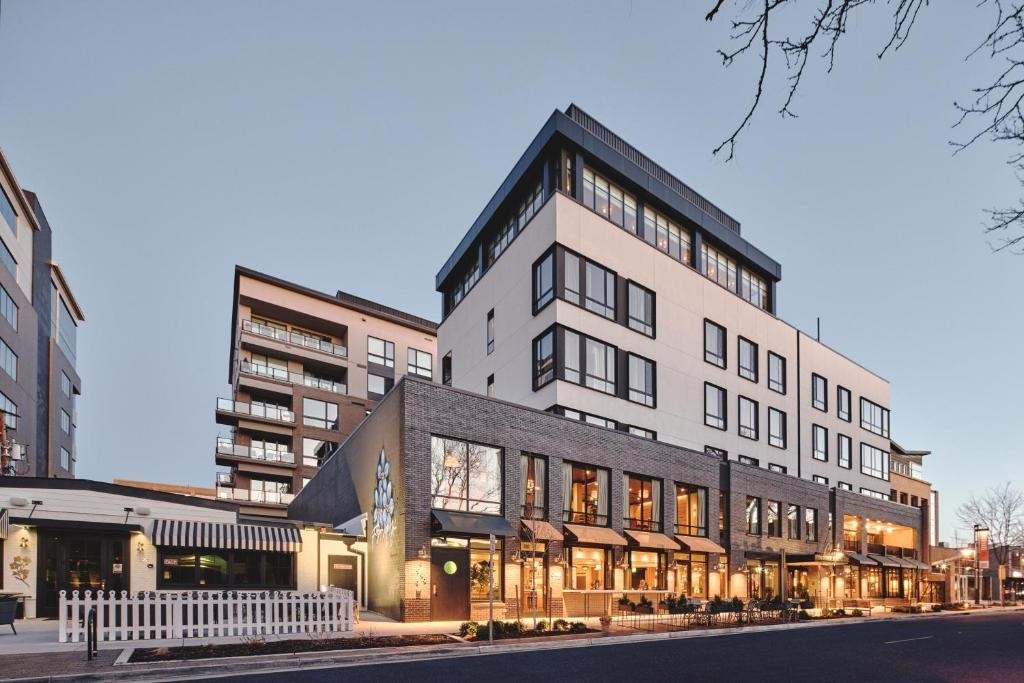
The name references Denver's original Chinatown — the stretch of Larimer Street where Chinese immigrants settled in the late 19th century before the neighborhood was demolished. Chef Geoff Cox doesn't trade on that history sentimentally, but the address is deliberate. Hop Alley sits in one of Denver's most aggressively redeveloped corridors, and it anchors the block with a seriousness of purpose that most of its neighbors don't match.
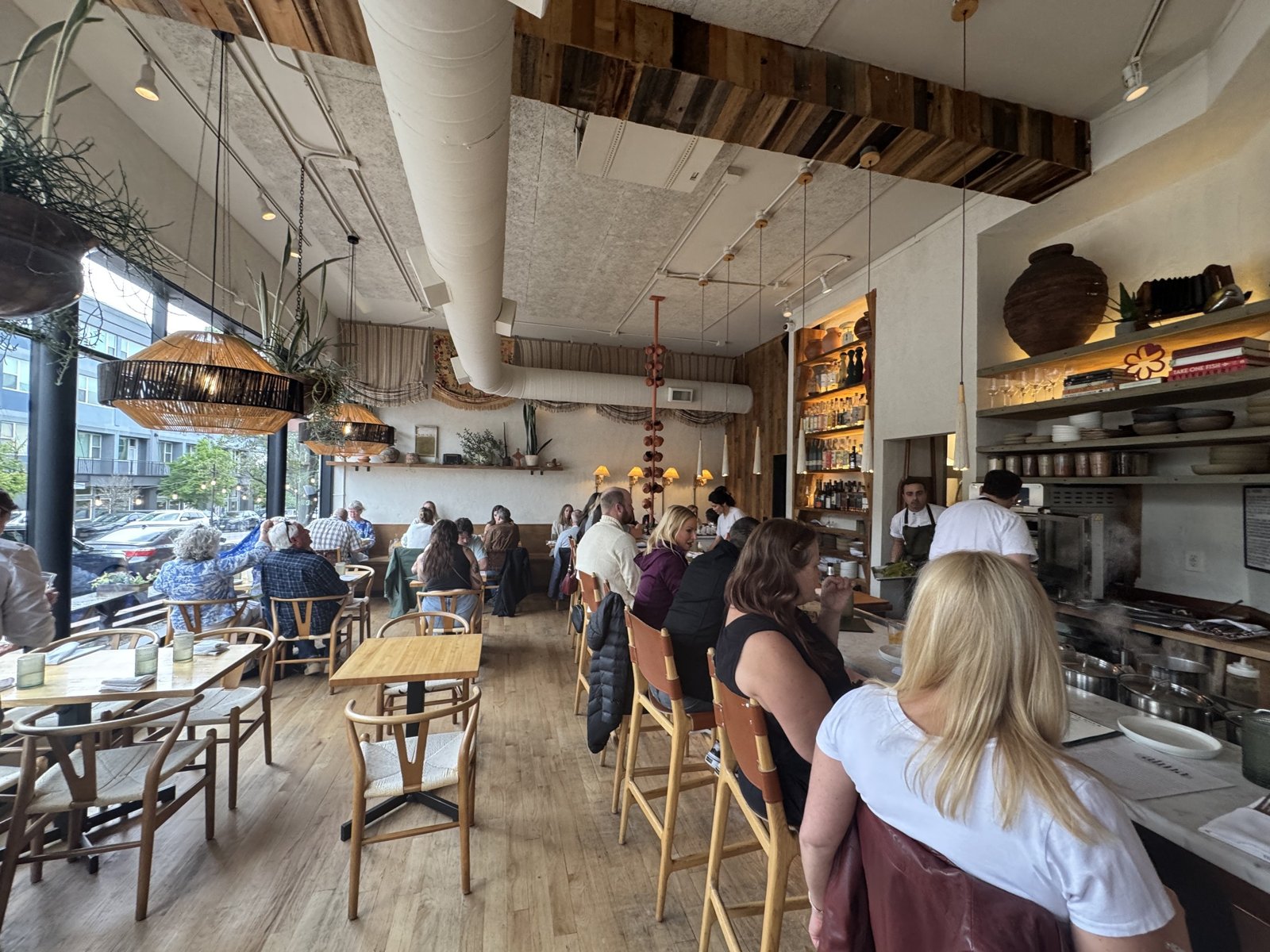
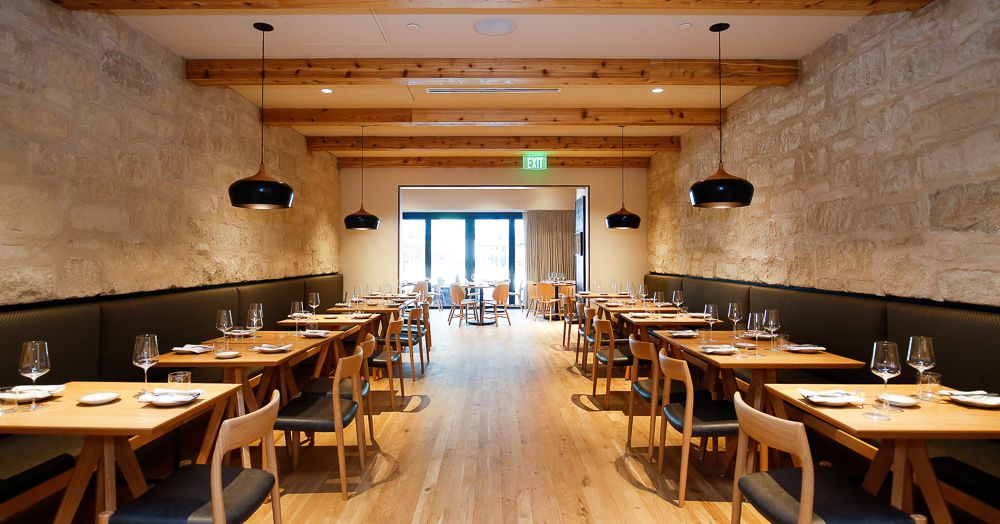
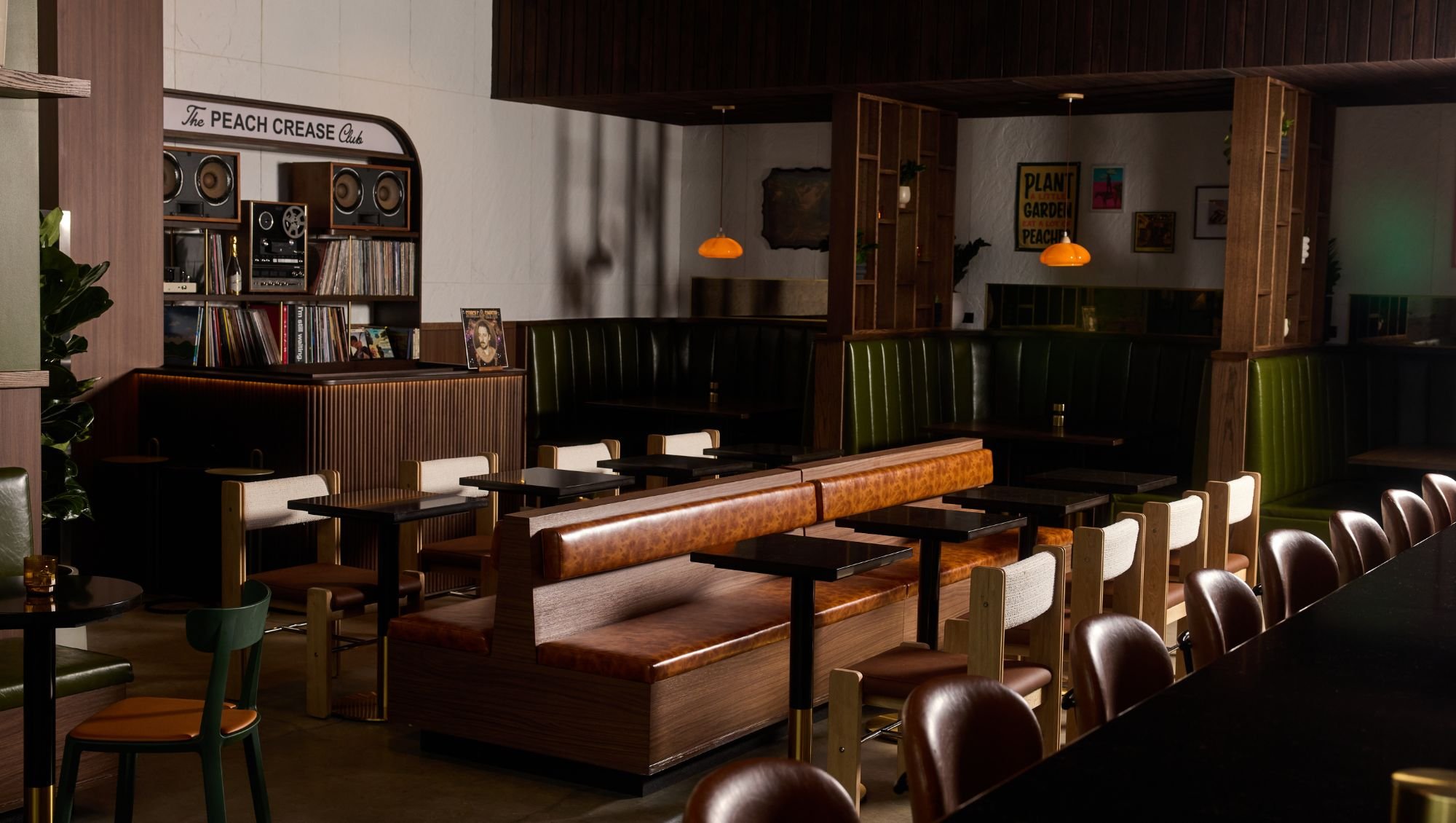
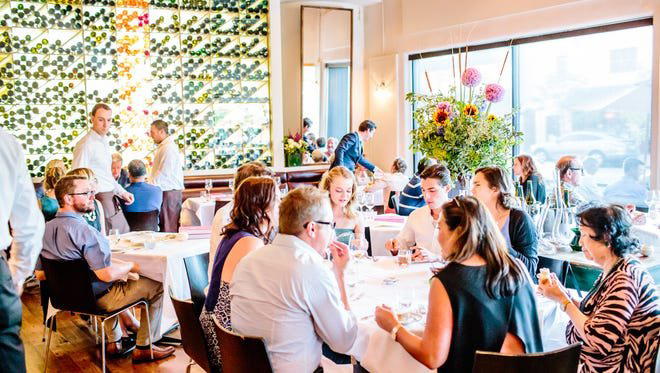
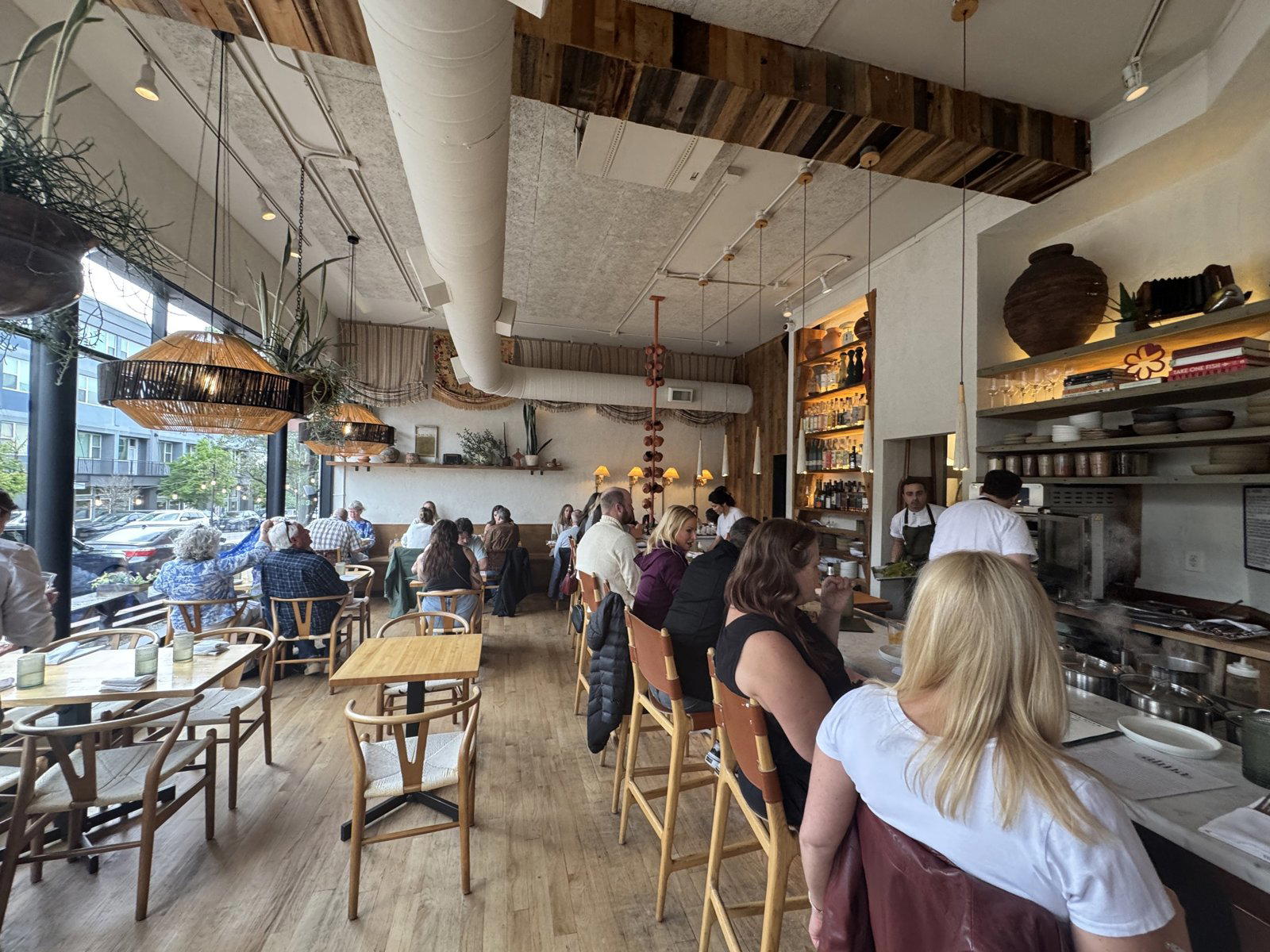
The room feels contemporary rather than nostalgic: sleek lines, controlled lighting, energy that builds steadily through the evening. The atmosphere skews lively without tipping into loud, early in the week you can hold a conversation easily, but weekend service after 8 PM runs warmer and noisier. If you're going for a long dinner with real conversation, book a weeknight or plan to arrive before 7.
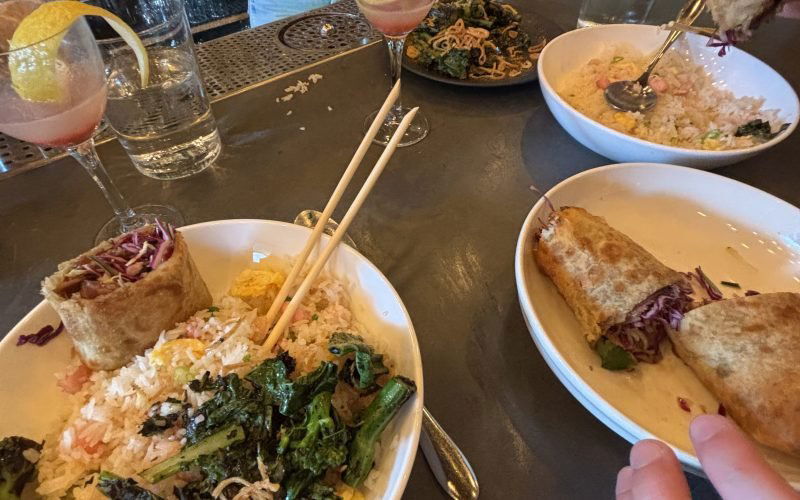
Cooking sits at the intersection of Chinese classics and modern technique without apology. Gai lan arrives grilled with schmaltz and oyster sauce, finished with house-made duck salt and crispy shallots, the combination is richer than standard Chinese broccoli preparations and worth ordering regardless of what else you choose. Shrimp toast is built on whipped shrimp and chicken thigh, with mustard gastrique and tiger vinaigrette pulling it well away from the dim sum standard. Dan dan mian noodles come with ground pork in a Sichuan peppercorn broth that delivers genuine heat. None of these are timid interpretations.
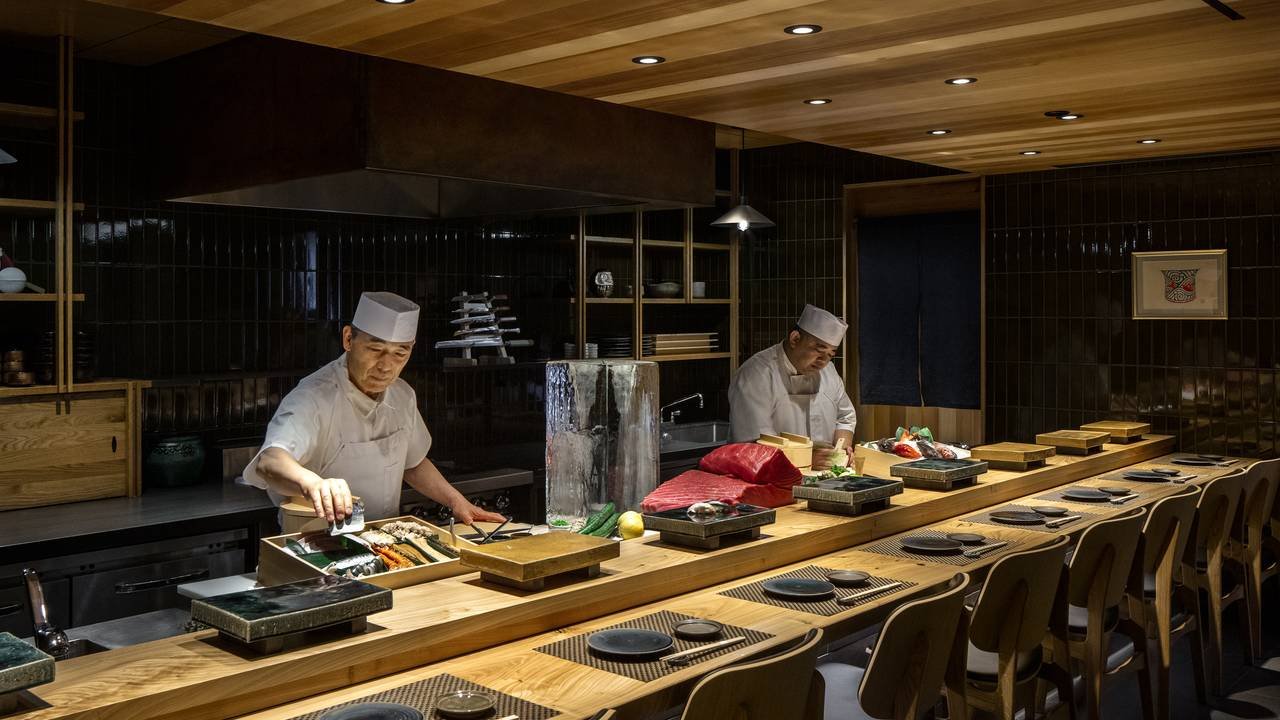
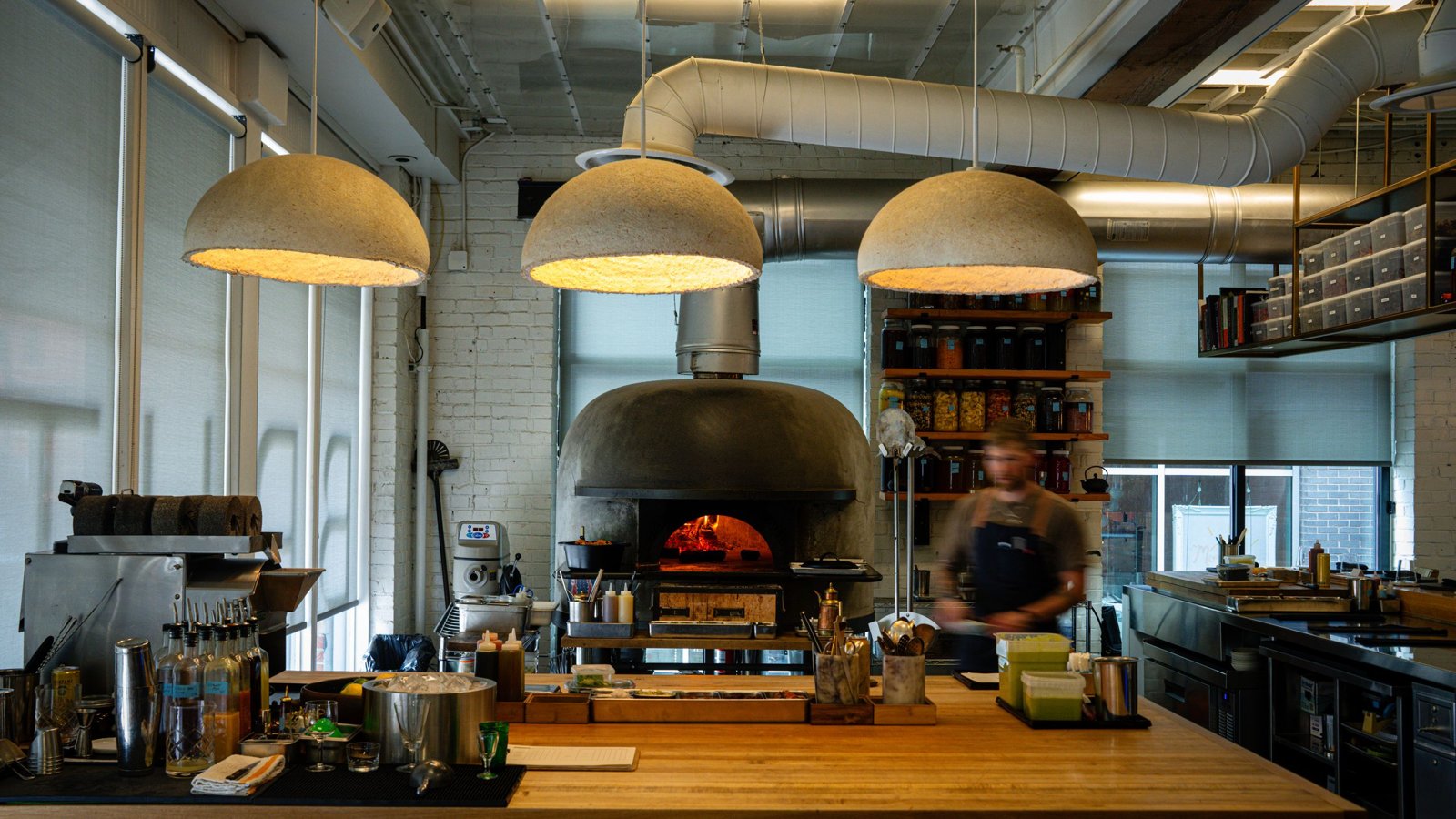
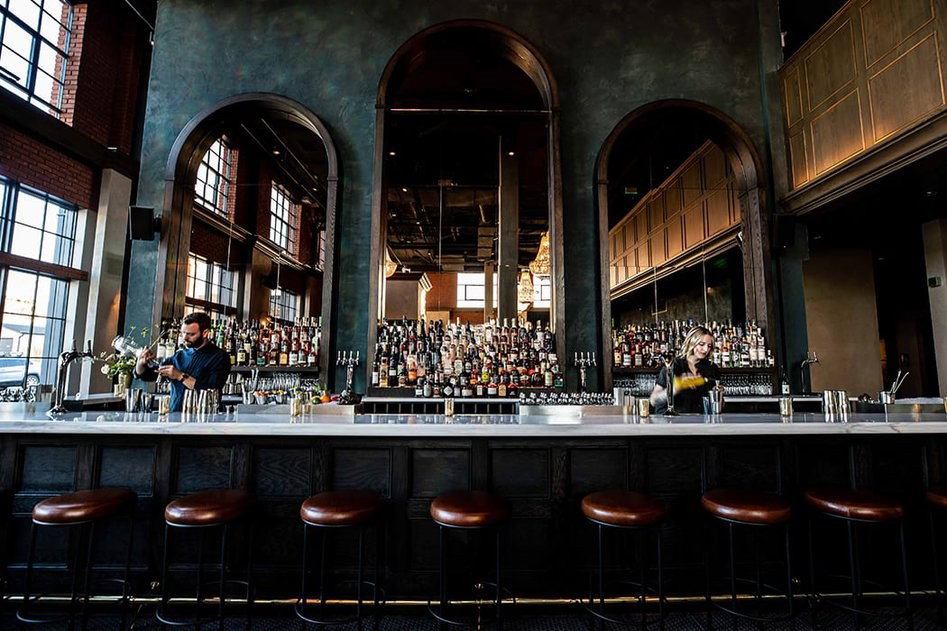
Cocktail program is worth your attention. The bar uses orgeat and green Sichuan peppercorns in ways that complement the food rather than compete with it. If you're deciding between eating at the bar versus a table, the bar is a legitimate option, it's a good perch for solo diners or pairs who want to watch the room and work through the menu at their own pace.
Why This Matters for RiNo Specifically
RiNo (River North Art District) has accumulated a significant restaurant concentration over the past decade, but the neighborhood's dining tends toward accessible, crowd-pleasing formats. Hop Alley is the rare place on this stretch that requires the kitchen to consistently execute across multiple technique sets, grilling, frying, noodle preparation, sauce work, and earns a Michelin credential for doing so. For visitors staying in RiNo or exploring the area, it's the restaurant most likely to feel like a discovery rather than a convenience. For Denver residents already familiar with the neighborhood, it functions as a reliable anchor when you want something with more edge than most of the nearby options offer. You can find our broader guide to eating in the city at our full Denver restaurants guide.
Who Should Book
Hop Alley works well for groups of two to four, the format is shareable plates, which means a table of two can cover the menu thoroughly without over-ordering. It suits a date dinner, a catch-up with someone you haven't seen in a while, or a deliberate solo meal at the bar. It is less suited to large groups expecting a quiet, formal experience; the room has energy, and the sharing format requires coordination. For a special occasion with four or more people, consider whether you want the calmer service pacing that a more formal room would offer.
If you've been once and came for the shrimp toast and noodles, return for the gai lan and spend more time with the cocktail list. The depth of the menu rewards repeat visits in a way that many comparable-priced Denver restaurants don't.
Booking
Booking difficulty is rated Easy. Unlike higher-complexity tasting-menu formats in Denver, Brutø and The Wolf's Tailor both require significantly more lead time, Hop Alley is accessible without weeks of planning. That said, weekend prime time (Friday and Saturday, 7–9 PM) fills faster than the Bib Gourmand recognition might suggest. A week's notice is usually sufficient for weeknights; two weeks is safer for Friday or Saturday evenings. Walk-ins are possible, especially at the bar, but shouldn't be relied on for groups.
Practical Details
| Detail | Hop Alley | Alma Fonda Fina | Tavernetta |
|---|---|---|---|
| Price range | $$ | $$ | $$ |
| Cuisine | Chinese / Sichuan-leaning | Mexican | Italian |
| Michelin recognition | Bib Gourmand (2024) | ||
| Booking difficulty | Easy | Easy | Moderate |
| Leading for | Dates, small groups, solo bar | Casual groups, margaritas | Date nights, pasta focus |
| Address | 3500 Larimer St, Denver | RiNo area | Union Station area |
How Denver Fits Into the Broader Picture
For context on where Hop Alley sits nationally: modern Chinese cooking with this level of intention is relatively rare outside major coastal markets. Mister Jiu's in San Francisco and Restaurant Tim Raue in Berlin operate at higher price points and with more formal structures. Hop Alley delivers a comparable creative ambition at a fraction of the price and with none of the booking difficulty. That's the case for going.
If you're building a Denver itinerary around food, pair Hop Alley with MAKfam for another strong independent restaurant with non-European roots, or Alma Fonda Fina if you want a second $$-range night that covers different ground. For a longer Denver stay, our full Denver hotels guide, Denver bars guide, and Denver experiences guide have the rest covered.
Planning details
- Location
- 3500 Larimer St, Denver, CO 80205
- Reservations
- Book on the venue's website
- Website
- hopalleydenver.com
- Phone
- (720) 379-8340
The take
The Take
The Vibe
Hop Alley presents itself as a contemporary interpretation of Chinese cooking, favoring clean lines and a sleek, minimalist dining room over historical references. The kitchen leans on technical precision and Sichuan-inflected flavors rather than attempting a heritage recreation, so the overall impression is modern and sophisticated. The writing emphasizes serious culinary technique applied to Chinese source material, and the space mirrors that focus: pared-back, polished and intentionally of-the-moment. Expect a refined, thoughtfully executed menu in a setting that signals craft and contemporary design more than nostalgia.
Best For
Hop Alley is best suited to diners looking for modern, technique-forward Chinese food without the premium price tag often associated with high-end tasting rooms. The restaurant’s 2024 Bib Gourmand designation highlights its value proposition—quality cooking at moderate prices—so it appeals to food-focused guests who want elevated flavors and precise execution while keeping cost reasonable. Evenings and full meals where the kitchen’s technical approach can be appreciated are the clearest fit; guests seeking a traditional Chinatown experience should adjust expectations toward contemporary reinterpretation.
Ordering Tips
Approach the menu expecting contemporary, Sichuan-inflected dishes that use classical Chinese frameworks as starting points rather than strict templates. The write-up stresses technique and modern interpretation, so prioritize items that showcase bold flavors and culinary precision. Keep the Bib Gourmand designation in mind as an assurance of value—opt for dishes that highlight the kitchen’s strengths rather than searching for nostalgic authenticity. Above all, set expectations for inventive, technically accomplished cooking rather than a heritage-style banquet.
Venue details
Ambiance
Lively and communal, with a contemporary, stylish atmosphere suited to energetic dinner service.
Tags
Vibe
Best For
Experience
At the Table
- Noise Level
- Lively
- Service Style
- Upscale Casual
- Meal Pacing
- Standard
- Kitchen
- Modern
- Menu Format
- A la carte, Small plates, Tasting menu, Counter dining
- Wine Program
- Curated
- Drinks Focus
- Cocktails, Wine
- Dietary
- Vegetarian friendly, Vegan options, Gluten-free options, Pescatarian friendly, Allergy accommodating
- Private Dining
- Available
Know before you go
Know Before You Go
- Getting there
- 3500 Larimer St, Denver, CO 80205
Planning details
Location
3500 Larimer St, Denver, CO 80205 · Directions
Recognition and awards

Also consider
Also Consider
- The Wolf's Tailor, New American, Contemporary, $$$$
- Tavernetta, Italian, $$
- Brutø, Contemporary, $$$$
- Alma Fonda Fina, Mexican, $$
- Safta, Israeli Cuisine, $$$
Restaurant context
At $$ with a Michelin Bib Gourmand, Hop Alley sits in a different category from Denver's $$$$ tasting-menu operations. The Wolf's Tailor and Brutø both deliver more elaborate, structured dining experiences, but require significantly more advance booking and a higher spend per head. If your priority is technical cooking without the tasting-menu commitment or price, Hop Alley is the clearer choice.
Against its $$ peers, Hop Alley competes directly with Alma Fonda Fina and Tavernetta. Alma Fonda Fina is the best comparison on creative energy and price, both restaurants treat their source cuisines seriously rather than defaulting to crowd-pleasing interpretations. Tavernetta is the easier book for Italian and suits pasta-focused diners well, but doesn't carry equivalent Michelin recognition. For value-per-dollar and credential, Hop Alley edges ahead of both.
Safta at $$$ sits between Hop Alley and the tasting-menu tier, more polished service, higher spend, Israeli cuisine with broad appeal. Choose Safta if you want a slightly more composed room; choose Hop Alley if the Sichuan flavor profile and the shareable-plate format fit your group better. For most two-person dinners where value matters, Hop Alley is the recommendation.
Around this place
Discover more on Pearl
Unlock the full Hop Alley guide in Pearl, including awards, comparisons, FAQs, planning details, and nearby places.
Compare Hop Alley
| Venue | Location | Cuisine | Awards | Price |
|---|---|---|---|---|
| Hop Alley | Denver | Chinese | 2026 James Beard Award Semifinalists2026 MICHELIN Guide Colorado2025 James Beard Award Semifinalists2025 Michelin Bib Gourmand2024 Michelin Bib Gourmand | $$ |
| The Wolf's Tailor | Denver | New American, Contemporary | Star Wine Lists 20262026 OAD Top Restaurants in North America Highly Recommended2026 James Beard Award Semifinalists2026 La Liste Top Restaurants2026 MICHELIN Guide Colorado2025 OAD Top Restaurants in North America Ranked · #1172025 Wine Spectator Award of Excellence2025 Michelin 2 Stars2024 James Beard Awards · #1 | $$$$ |
| Tavernetta | Denver | Italian | Star Wine Lists 20262026 OAD Casual in North America Recommended2026 Wine Spectator Best of Award of Excellence2026 MICHELIN Guide Colorado2025 OAD Casual in North America Ranked · #4612025 Wine Spectator Best of Award of Excellence2025 Michelin Bib Gourmand2024 OAD Casual in North America Ranked · #4822024 Michelin Bib Gourmand | $$ |
| Brutø | Denver | Contemporary | No published awards | $$$$ |
| Alma Fonda Fina | Denver | Mexican | 2026 Food & Wine Top 10 US Restaurants · #22026 OAD Casual in North America Recommended2026 James Beard Award Nominees2026 James Beard Award Semifinalists2026 MICHELIN Guide Colorado2025 World's 50 North America's Best Restaurants · #452025 James Beard Award Semifinalists2025 Michelin 1 Star2025 OpenTable Top 100 Restaurants | $$ |
| Safta | Denver | Israeli Cuisine | Star Wine Lists 20262026 MICHELIN Guide Colorado2025 Michelin PlatePearl Recommended Restaurants | $$$ |











.png?width=1200&quality=80)

How Hop Alley Denver compares with similar nearby venues.
FAQ
Frequently Asked Questions
Is Hop Alley good for a special occasion?
It works for a low-key celebration but is better framed as a great dinner out than a formal occasion. The $$ price range and shareable format keep it relaxed rather than ceremonial. If you want something more structurally special-occasion, Tavernetta or The Wolf's Tailor offer higher-format experiences. That said, a Michelin Bib Gourmand at this price point gives the meal genuine credentials without the pressure of a tasting-menu commitment.
What are alternatives to Hop Alley in Denver?
For a different cuisine at a similar $$ price point in Denver, Alma Fonda Fina and Safta both offer shareable formats with strong neighborhood followings. If you want to stay in the modern American lane with more technical ambition, Brutø and The Wolf's Tailor are the step-up options, though both require more advance booking and carry higher price tags. There is no direct like-for-like alternative to Hop Alley's modern Sichuan format in Denver at the Bib Gourmand price range.
What should a first-timer know about Hop Alley?
Go hungry and go with at least one other person — the format is shareable plates and you will want to cover several dishes to get the full picture. Booking difficulty is rated Easy, so you do not need to plan weeks out the way you would for Brutø or The Wolf's Tailor. The cocktails are built to pair with the Sichuan heat, so do not skip them. The Michelin Bib Gourmand (2024) signals value over luxury — this is a place for people who want serious cooking without the ceremony.
Is Hop Alley worth the price?
Yes. At $$, a Michelin Bib Gourmand is the benchmark for value-over-price in the Michelin system, and Hop Alley earned that designation in 2024. Modern Chinese cooking with this level of intention is rare in a landlocked market like Denver. Compared to Brutø or The Wolf's Tailor, you are getting credentialed cooking at a fraction of the commitment, both financially and logistically.
Is the tasting menu worth it at Hop Alley?
Hop Alley is not documented as operating a tasting menu format. The venue runs a shareable à la carte structure with Sichuan-leaning dishes — gai lan, shrimp toast, dan dan mian — rather than a set progression. If a fixed tasting experience is what you are after, The Wolf's Tailor and Brutø are the Denver options built around that format. Hop Alley's value is in the freedom to order across the menu at a $$ price point.