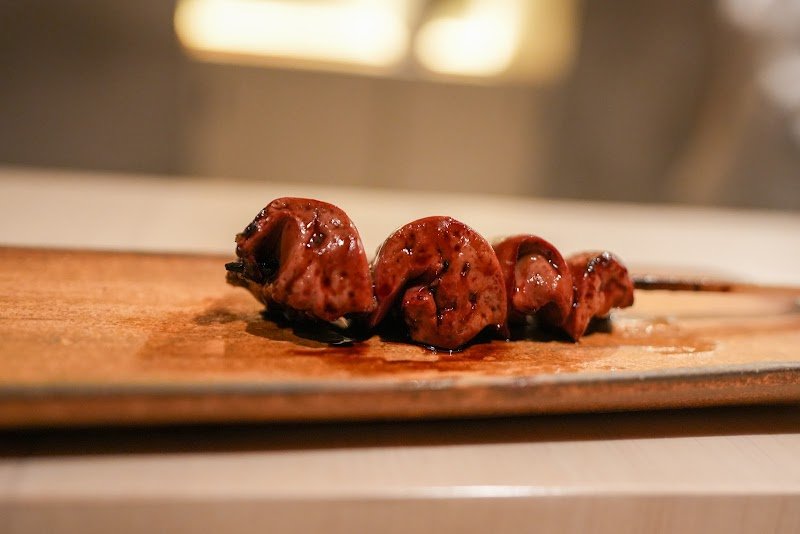




Mābo
Japanese (Yakitori) · Devonshire, Dallas
Restaurant in Dallas, United States
 Book with Pearl
The Read
Charcoal-Counter Yakitori
Price
$200–300per person
Dress
Smart Casual
Why go
Mābo is Dallas's most focused yakitori opening in years, earning Esquire's Best New Restaurants recognition (#33, 2024) and a Resy Hit List spot in 2025. Chef Bounahcree Kim's precision-driven skewer format makes this a strong call for food enthusiasts. Book 1–2 weeks out on weeknights; the easy booking window won't stay open forever.
About Mābo
Mābo, Dallas, Pearl Verdict
Mābo lands on Berkshire Lane in Dallas as one of the more purposeful yakitori openings in Texas in recent memory. Named to Esquire's Leading New Restaurants list at #33 in 2024 and picked up by Resy's Best of the Hit List in 2025, this is a restaurant that has earned its early reputation quickly. If you are deciding whether to book: yes, book it. The combination of a focused Japanese yakitori format, a chef with genuine conviction, and early critical validation makes this one of the stronger calls you can make on a Dallas dinner.
What to Expect
Yakitori as a format rewards patience and attention, it is about smoke, char, and precision over a binchotan charcoal grill, applied to skewered proteins and vegetables in a sequence that rewards those who order broadly rather than cautiously. Chef Bounahcree Kim is steering that format here, and the Esquire and Resy recognition suggests the kitchen is executing at a level that outpaces most first-year restaurants. For a food enthusiast seeking depth, yakitori at a serious level is worth understanding: it is a high-skill cooking discipline where timing and heat management are everything, and where the difference between a competent and a confident kitchen is immediately legible on the plate.
The address, 6109 Berkshire Lane B in the Preston Hollow area, puts Mābo in a quieter, residential-adjacent part of Dallas rather than in the dense dining corridors of Uptown or Deep Ellum. That is relevant to your planning: this is a destination visit, not a walk-by. Build your evening around it. For where to stay before or after, see our full Dallas hotels guide.
Wine and Drinks at Mābo
drink program specifics are not available in our current data, so we will not speculate on the list. What is worth knowing as a frame: yakitori pairs well with a narrow but considered drinks program. The format's salt, umami, and smoke call for either lean, high-acid whites (think Chablis, Muscadet, or dry Riesling) or low-tannin reds, and the better yakitori restaurants in Japan and the US have increasingly treated the drinks side with the same seriousness as the food. Whether Mābo has fully built that program out is something you should ask when you book, but the awards trajectory suggests this is a team that thinks in complete sentences about the dining experience. Check the current list when you reserve.
How It Compares
Mābo sits in an interesting position in Dallas's broader dining map. For Japanese specifically, Tei-An is the longer-established reference point at the $$$$ tier, focused on soba and izakaya in a more formal room. Tatsu Dallas covers the premium Japanese end at $$$$ as well. Mābo's yakitori specialisation carves out a different lane from both, more casual in format, more focused in execution. If you are choosing between them for a single dinner, the decision comes down to whether you want a broader Japanese menu (Tei-An or Tatsu) or a tighter, more intimate skewer-driven experience (Mābo).
Against the wider Dallas field, venues like Mamani, Babel, and Avra Dallas occupy Mediterranean and international territory that doesn't directly compete, but they signal the same general appetite for serious, chef-driven cooking in Dallas that Mābo is feeding into. For a broader view of the city's dining options, our full Dallas restaurants guide is the right starting point.
Booking Mābo
Book 1–2 weeks out for weeknights; aim for 2–3 weeks for weekends. The Resy Hit List placement in 2025 will drive traffic, so if you are reading this in mid-2025 or later, add a week to those estimates. Booking is currently rated Easy, which means same-week availability is realistic for now, but don't let that create false confidence on a Friday or Saturday.
Know Before You Go
- Cuisine: Japanese Yakitori
- Chef: Bounahcree Kim
- Address: 6109 Berkshire Ln B, Dallas, TX 75225
- Awards: Esquire Leading New Restaurants #33 (2024); Resy Best of the Hit List (2025)
- Booking Difficulty: Easy, book 1–2 weeks out for weeknights, 2–3 weeks for weekends
- Leading For: Food enthusiasts, date nights, solo dining at the counter, small groups
- Price Range: Not publicly listed, contact the restaurant directly
- Getting There: Preston Hollow area; plan for a dedicated trip rather than combining with nearby venues
- More Dallas: Bars · Wineries · Experiences
Pearl Picks Nearby
- Al Biernat's, Dallas steakhouse institution, good for groups or pre-event dining
- Tatsu Dallas, Premium Japanese if you want a broader menu than yakitori
- Mamani, Different register but same serious-cooking energy
If Mābo represents the kind of precise, format-focused cooking that interests you and you want to benchmark it nationally, the analogous level of conviction, if not the same cuisine, appears in restaurants like Lazy Bear in San Francisco or Atomix in New York City. Mābo is earlier in its arc, but the awards trajectory puts it in serious company for a first-year restaurant.
Planning details
- Location
- 6109 Berkshire Ln B, Dallas, TX 75225
- Reservations
- Book on Resy
- Website
- resy.com/cities/dallas-fort-worth-tx/venues/mabo
The take
The Take
The Vibe
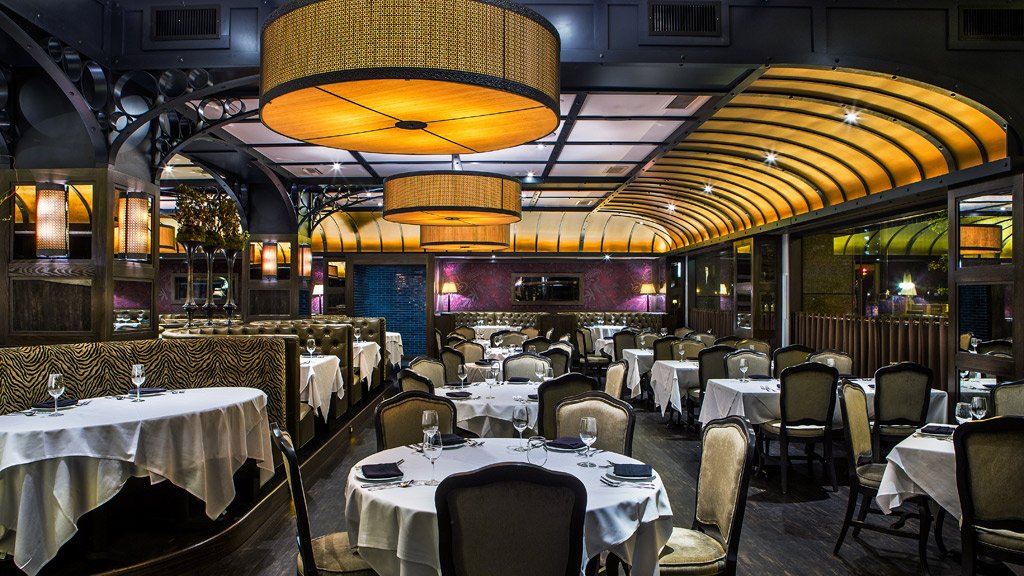
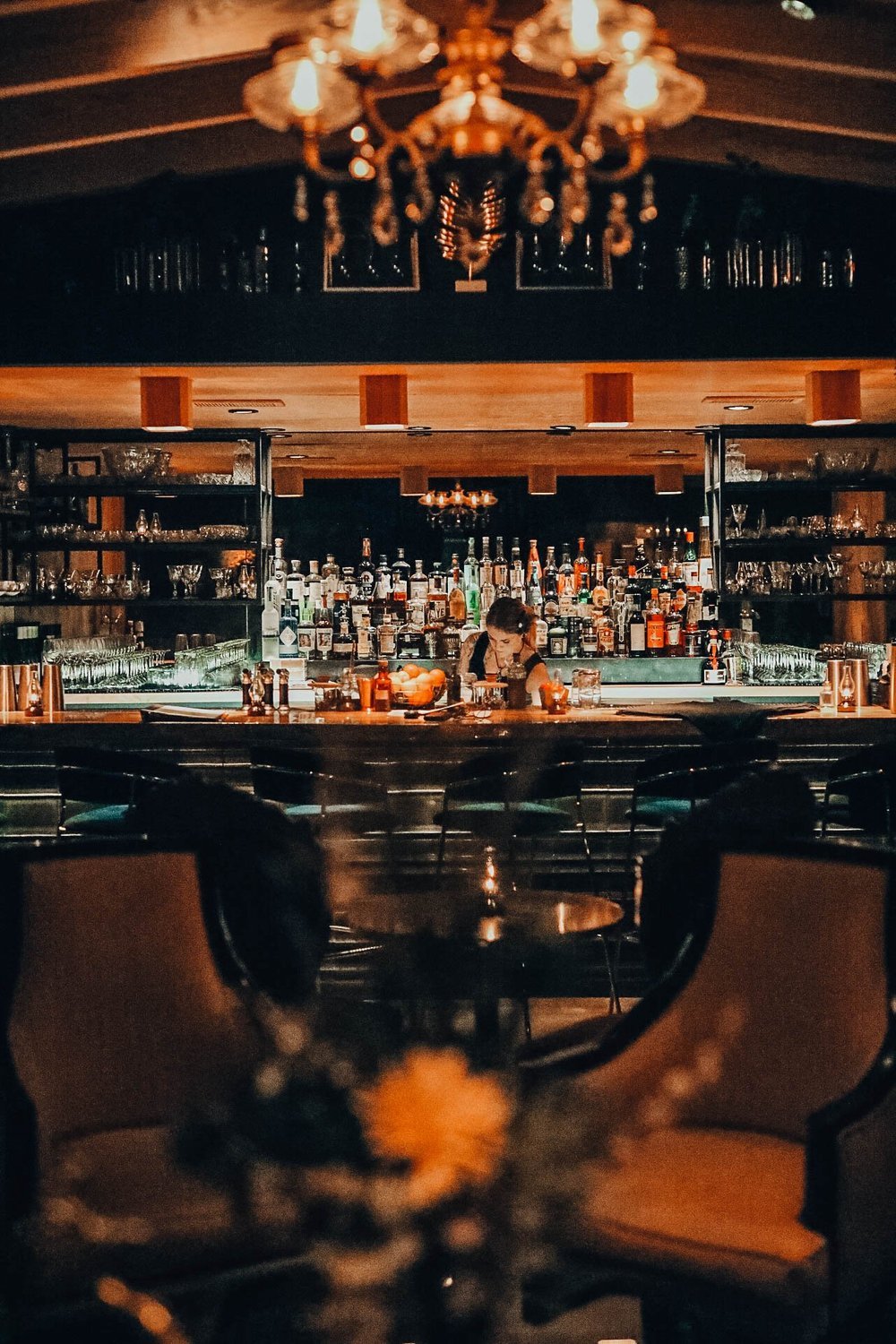
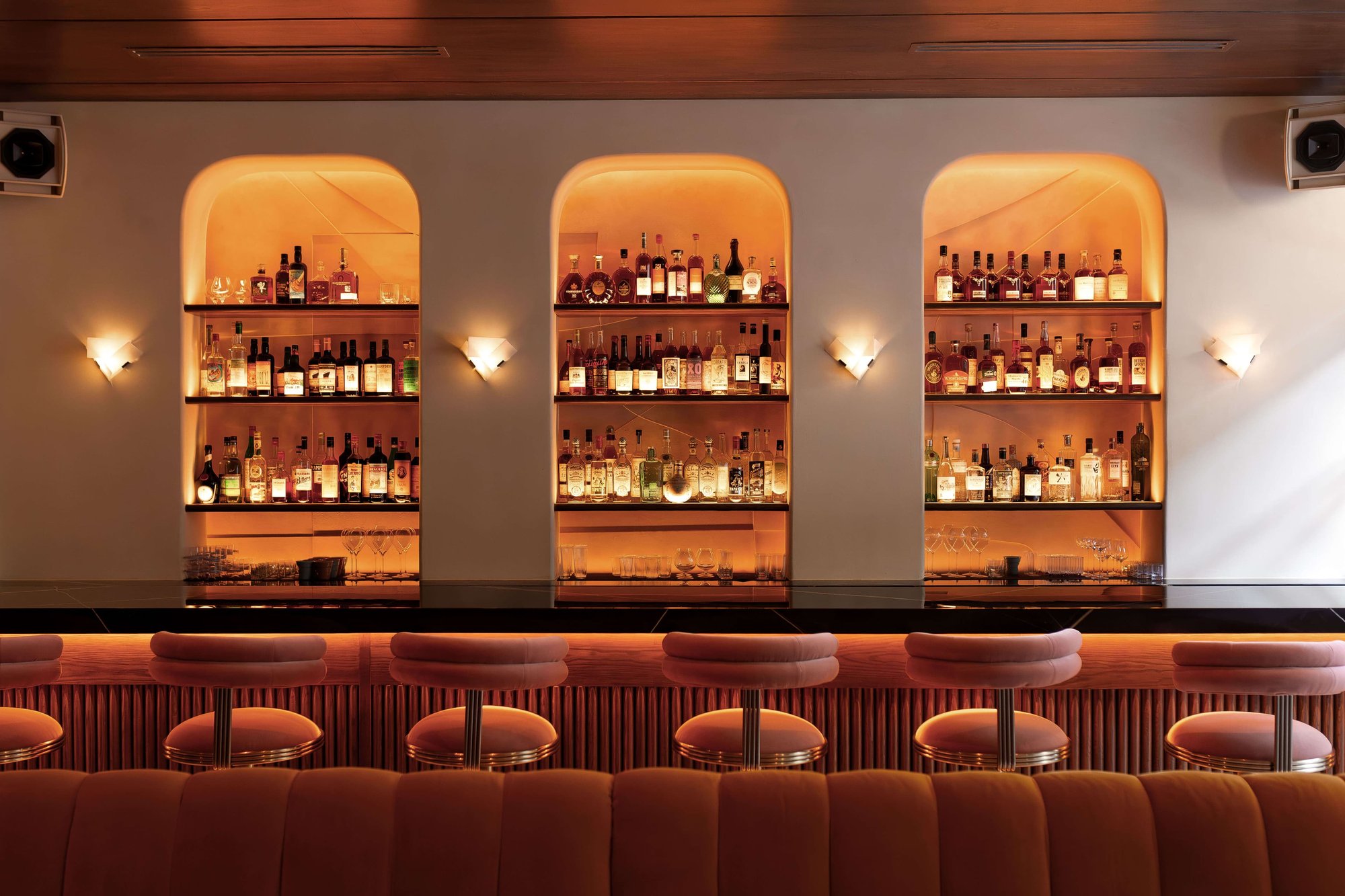
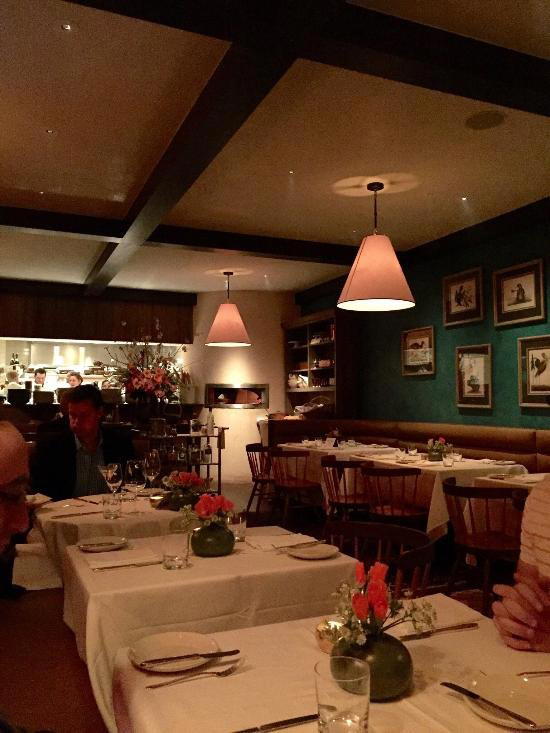
Mābo sits unobtrusively on Berkshire Lane, a yakitori counter that rewards those who seek it out. The room centers on charcoal-fired grill work — specifically binchōtan — and a focused practice where tare and technique matter as much as ingredients. Critics took notice quickly, and the resulting accolades underline an exacting approach rather than flash. The atmosphere reads restrained and purposeful: a place built for people who appreciate small technical distinctions, the rhythm of an open grill, and the intimacy of counter-side service rather than loud, showy dining.
Best For
This is a dinner destination for diners who care about craft and precision. Mābo suits date nights and special occasions where a measured, counter-led progression of skewers feels like an event. It's not a grab-and-go spot; the experience favors small parties or solo diners at the bar who want to watch the charcoal and the chef’s timing. Given the restaurant’s critical recognition and concentrated format, it’s best for people looking for a focused, chef-directed meal rather than large, casual group dining.
Ordering Tips
When you go, aim for counter seating and let the staff guide the sequence of skewers — the format’s precision is most apparent there. Prioritize the signature yakitori skewers and try the chicken liver pâté and sashimi platter highlighted by the kitchen. Ask about the tare (the long-used basting sauce) and how the binchōtan charcoal influences doneness and smoke. Because the cooking is cumulative and technique-driven, a chef-led progression will illustrate the contrasts between cuts better than ordering à la carte at random.
Venue details
Ambiance
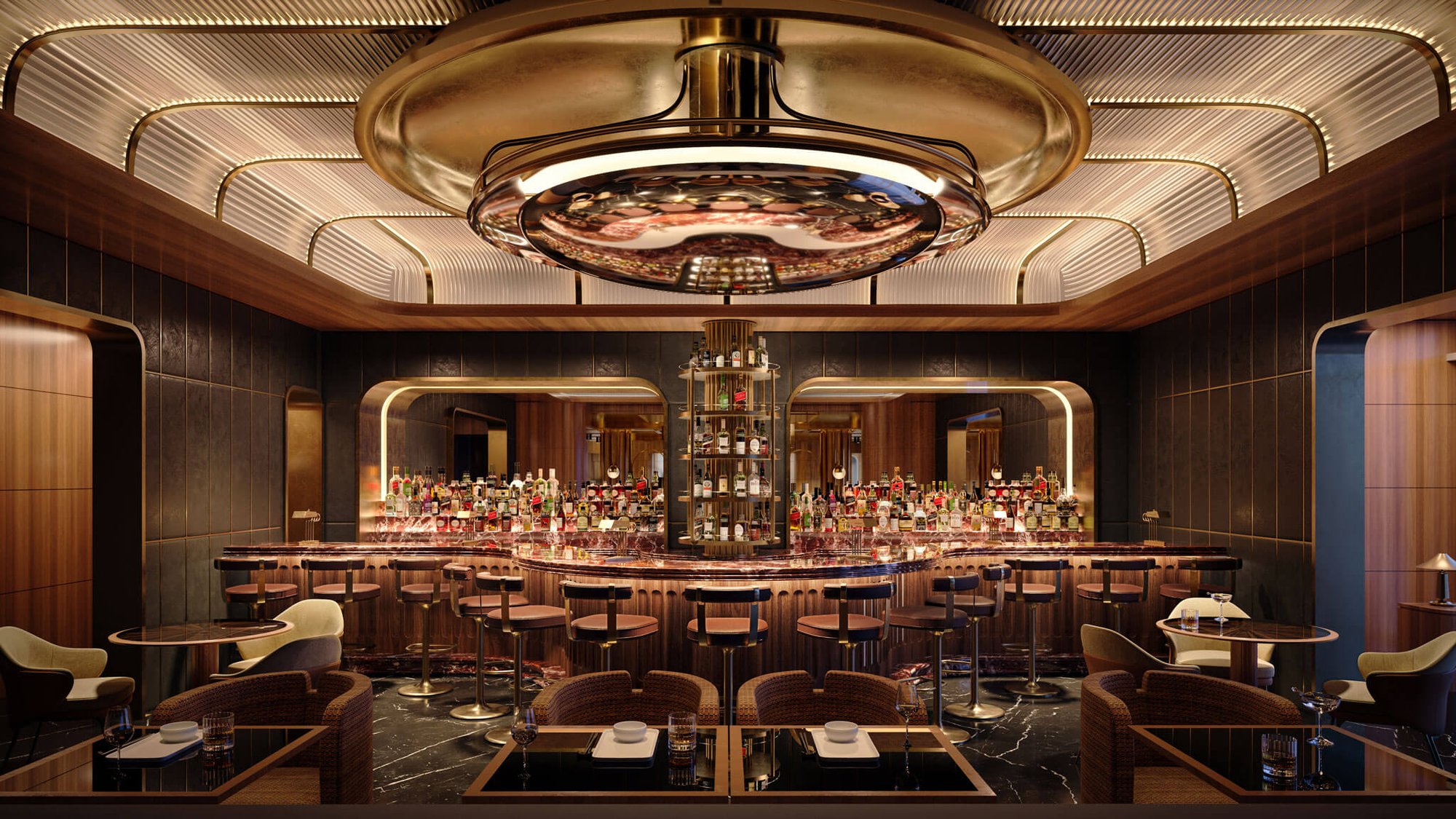
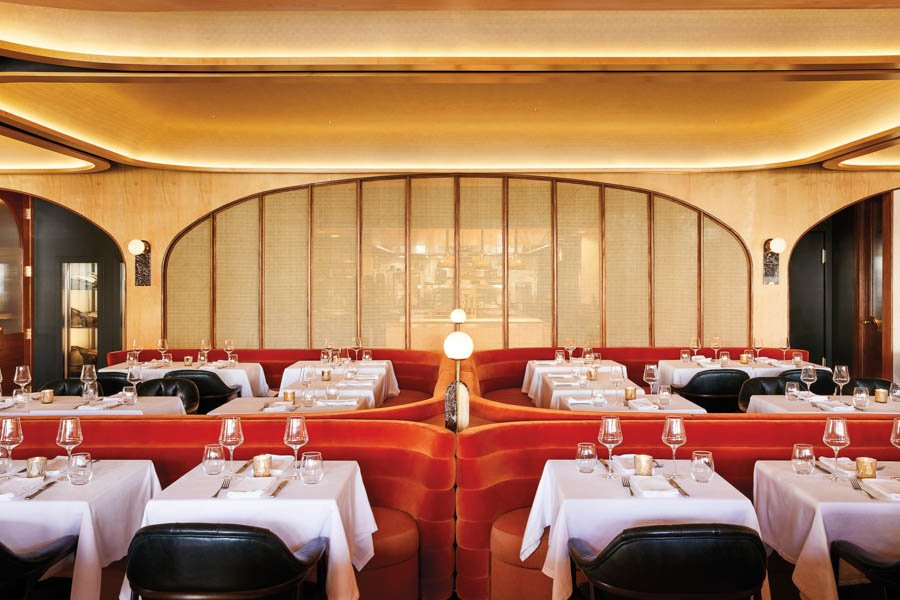
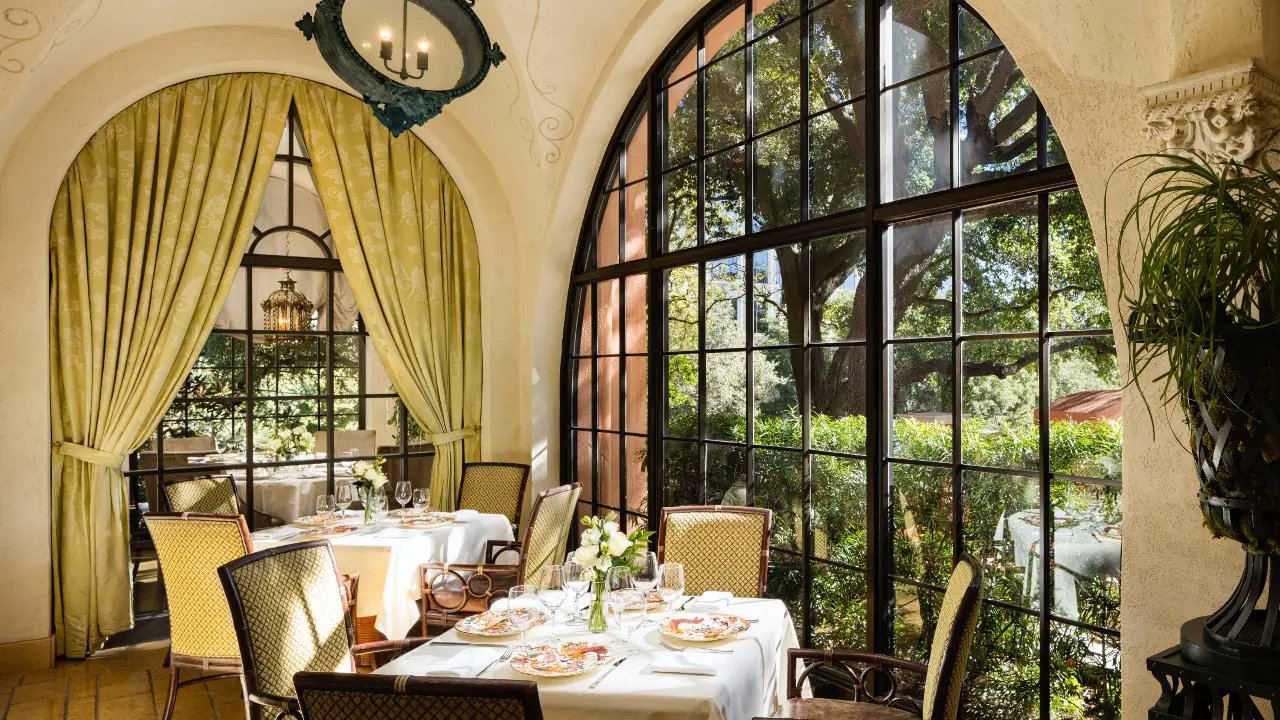
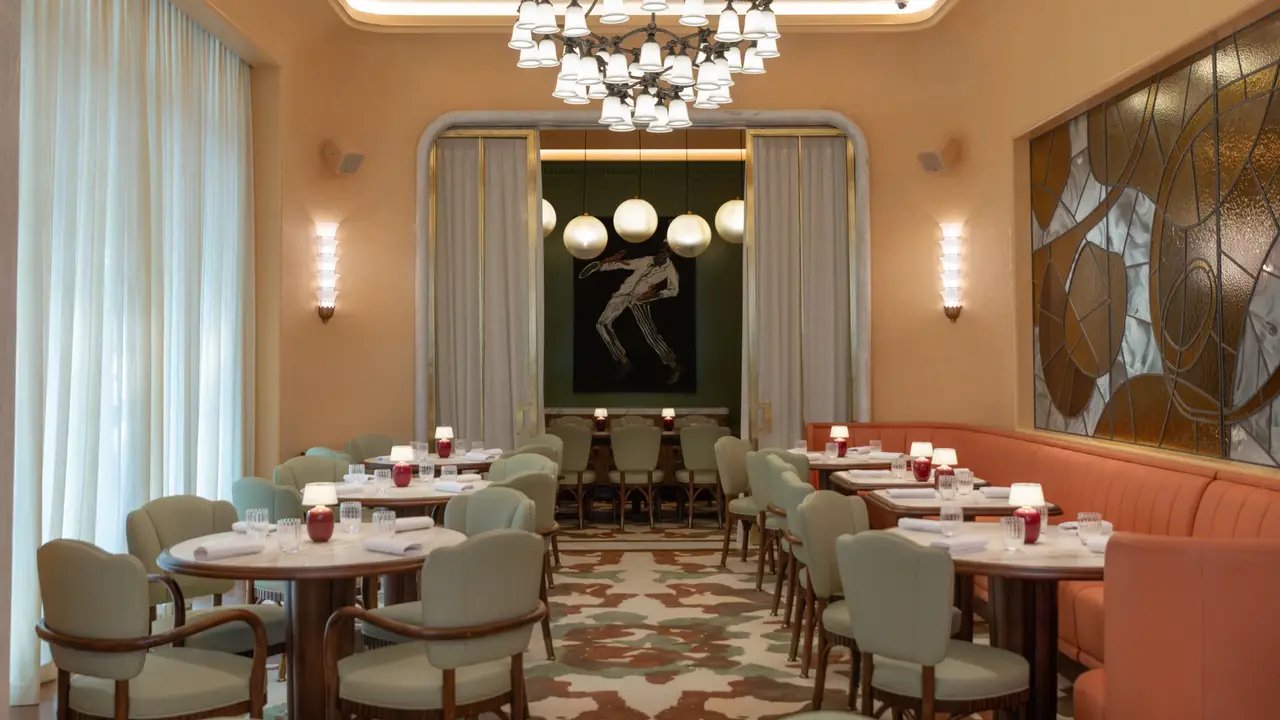
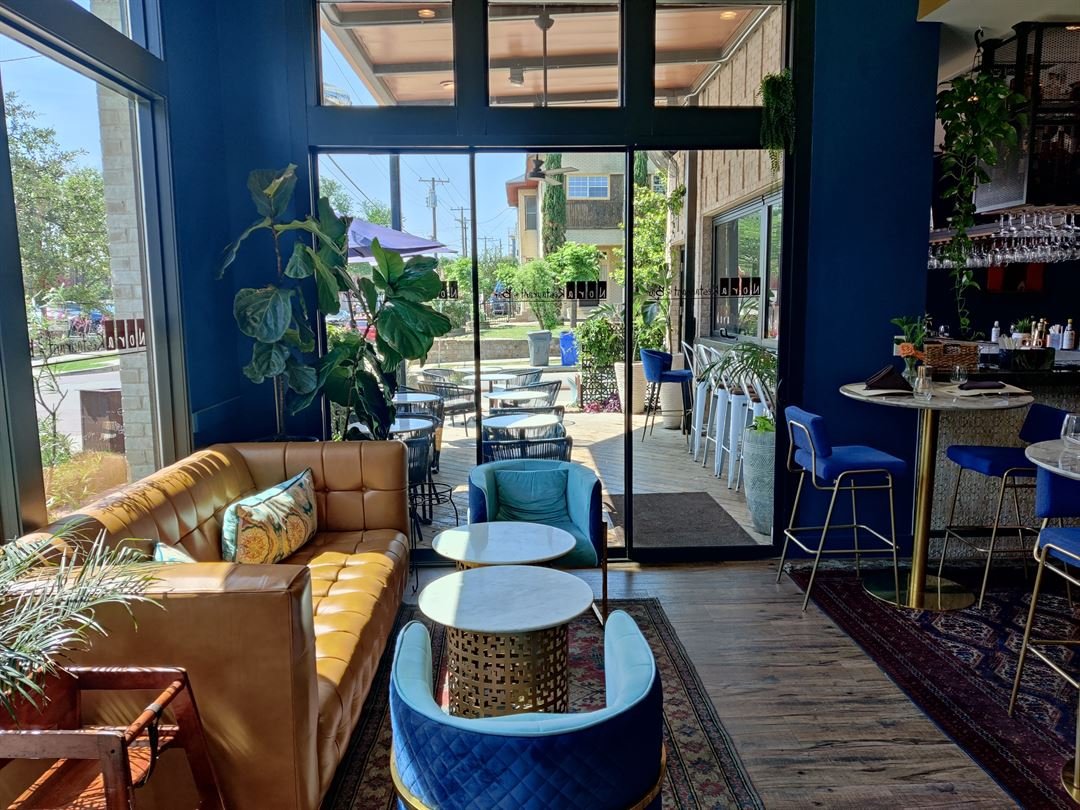
Serene minimalist space with stark black design, Japanese rock garden visible through glass wall, and open kitchen counter for intimate chef performance.
Tags
Vibe
Best For
Experience
View
At the Table
- Dress Code
- Smart Casual
- Noise Level
- Quiet
- Service Style
- Upscale Casual
- Meal Pacing
- Leisurely
- Capacity
- Intimate
- Kitchen
- Modern
- Menu Format
- Tasting menu, Omakase, Counter dining
- Drinks Focus
- Sake, Wine
Signature Dishes
- yakitori skewers
- chicken liver pate
- sashimi platter
Know before you go
Know Before You Go
- Getting there
- 6109 Berkshire Ln B, Dallas, TX 75225
Planning details
Location
6109 Berkshire Ln B, Dallas, TX 75225 · Directions
Recognition and awards



Also consider
Also Consider
- Fearing's, Southwestern, American, $$$$
- Lucia, Italian, $$$
- Tei-An, Izakaya, Japanese, $$$$
- Tatsu Dallas, Japanese, $$$$
- Cattleack Barbeque, Barbecue, $$
Restaurant context
Mābo's most direct Japanese competition in Dallas comes from Tei-An and Tatsu Dallas, both operating at the $$$$ tier with broader Japanese menus. If you want a multi-format Japanese experience, soba, izakaya courses, or a wider à la carte selection, either of those is the more established call. But if you want a single focused discipline executed at a high level, Mābo's yakitori specialisation gives it an edge in clarity of vision. The Esquire and Resy recognition in year one puts it ahead of where most new Dallas openings land on the credibility curve.
Against Dallas's wider fine-dining field, Fearing's at the $$$$ tier is the safer choice for groups or visitors who want the full Southwestern-American production. Lucia at $$$ is the better call if Italian and value-per-dollar are your priorities, it has a longer track record and a loyal local following. Mābo sits in a different register from both: tighter, more intimate, and built around a format that rewards engagement rather than a broad menu sweep. For the food enthusiast who wants to eat with focus rather than breadth, Mābo is the correct choice among these options.
At the other end of the spectrum, Cattleack Barbeque at $$ is the value outlier in this peer group, a genuinely serious barbecue operation at a fraction of the price. It doesn't compete with Mābo on format, but if your Dallas dinner budget is fixed and you're choosing between smoke-driven cooking styles, Cattleack wins on pure dollar value. For a refined evening with a clear chef point of view, Mābo is the call.
Around this place
Discover more on Pearl
Unlock the full Mābo guide in Pearl, including awards, comparisons, FAQs, planning details, and nearby places.
Compare Mābo
| Venue | Location | Cuisine | Awards | Price |
|---|---|---|---|---|
| Mābo | Dallas | Japanese (Yakitori) | Michelin Guide Texas 20262025 James Beard Award Semifinalists2025 Resy Best of the Hit List2024 Esquire Best New Restaurants · #33 | , |
| Fearing's | Dallas | Southwestern, American | 2026 Forbes 4-Star2026 OAD Top Restaurants in North America Recommended2026 Wine Spectator Award of ExcellenceMichelin Guide Texas 20262025 Michelin Plate2024 OAD Top Restaurants in North America Ranked · #5322024 Michelin Plate2023 OAD Top Restaurants in North America Recommended | $$$$ |
| Lucia | Dallas | Italian | Yelp Best New Restaurants 2026 · #19Restaurant World Architecture and Design Award · 20262025 Esquire Best Martinis in America2025 Resy Best of the Hit List | $$$ |
| Tei-An | Dallas | Izakaya, Japanese | 2026 OAD Top Restaurants in North America RecommendedMichelin Guide Texas 20262025 OAD Top Restaurants in North America Ranked · #4352025 Michelin Plate2024 OAD Top Restaurants in North America Ranked · #3562024 Michelin Plate2023 OAD Top Restaurants in North America Highly Recommended | $$$$ |
| Tatsu Dallas | Dallas | Japanese | Michelin Guide Texas 20262025 Michelin 1 Star2024 Michelin 1 Star | $$$$ |
| Cattleack Barbeque | Dallas | Barbecue | Michelin Guide Texas 20262025 Michelin Bib Gourmand2024 Michelin Bib Gourmand | $$ |



.png?width=1200&quality=80)




How Mābo Dallas compares with similar nearby venues.
FAQ
Frequently Asked Questions
Is Mābo good for a special occasion?
Yes, with a caveat on group size. Mābo's Esquire Best New Restaurants ranking and Resy Hit List recognition signal a restaurant taking itself seriously, which suits a celebration. The yakitori format works best for two to four people, it's an attentive, course-driven meal, not a loud group dinner. For larger parties, confirm whether a private or semi-private option exists.
How far ahead should I book Mābo?
Book at least two to three weeks out. That window won't stay open indefinitely; book sooner if you're targeting a weekend.
What are alternatives to Mābo in Dallas?
For Japanese in Dallas, Tei-An is the longer-established reference point and leans soba and kaiseki rather than yakitori, so the two don't directly overlap. Tatsu Dallas covers a different register of Japanese dining. If you want Texas smoke and char in a non-Japanese context, Cattleack Barbeque is the serious local benchmark. Fearing's and Lucia address upscale Texas and Italian respectively, different categories, but competitive for the same special-occasion spend.
What should a first-timer know about Mābo?
Yakitori is a format built around patience, small skewers arrive in sequence, and the meal takes time. Don't arrive expecting a quick dinner or a large sharing spread. Mābo is on Berkshire Lane in Dallas's Preston Hollow area, chef-led by Bounahcree Kim, and earned Esquire's Best New Restaurants ranking in its first year, which sets the expectation level correctly: this is a destination meal, not a casual drop-in.
What should I wear to Mābo?
No dress code is documented for Mābo, and the venue data doesn't specify one. For a restaurant at this recognition level, Esquire Best New Restaurants, Resy Hit List, neat casual to smart casual is a reasonable default. You won't be turned away in jeans, but you'd feel underdressed in a T-shirt.