


Nuri Steakhouse
Uptown, Dallas
Restaurant in Dallas, United States
 Book with Pearl
The Read
Korean-Texan Beef Fusion
Price
$150–200per person
Dress
Business Casual
Why go
Nuri Steakhouse brings Korean culinary technique to a high-end Texan beef program in Uptown Dallas, with sourcing from 44 Farms, Blue Branch Ranch, and HeartBrand Akaushi. The wine list holds a Star Wine List triple ranking for 2026 and a White Star accreditation. Book it for a special occasion when you want a steakhouse with a defined point of view.
About Nuri Steakhouse
Verdict: A Korean-Texan steakhouse worth booking in Uptown Dallas
Nuri Steakhouse sits at the higher end of Uptown Dallas dining, and the price reflects what you are getting: sourced beef from 44 Farms and Blue Branch Ranch, Texas Akaushi HeartBrand Reserve cuts including a 36-ounce tomahawk, and wagyu from Japan, Australia, and the United States. If you are deciding between a conventional Dallas steakhouse and somewhere that brings Korean technique into the picture, Nuri makes a credible case for the latter. Book it for a special occasion or a food-forward dinner where the beef program is the main event.
About Nuri Steakhouse
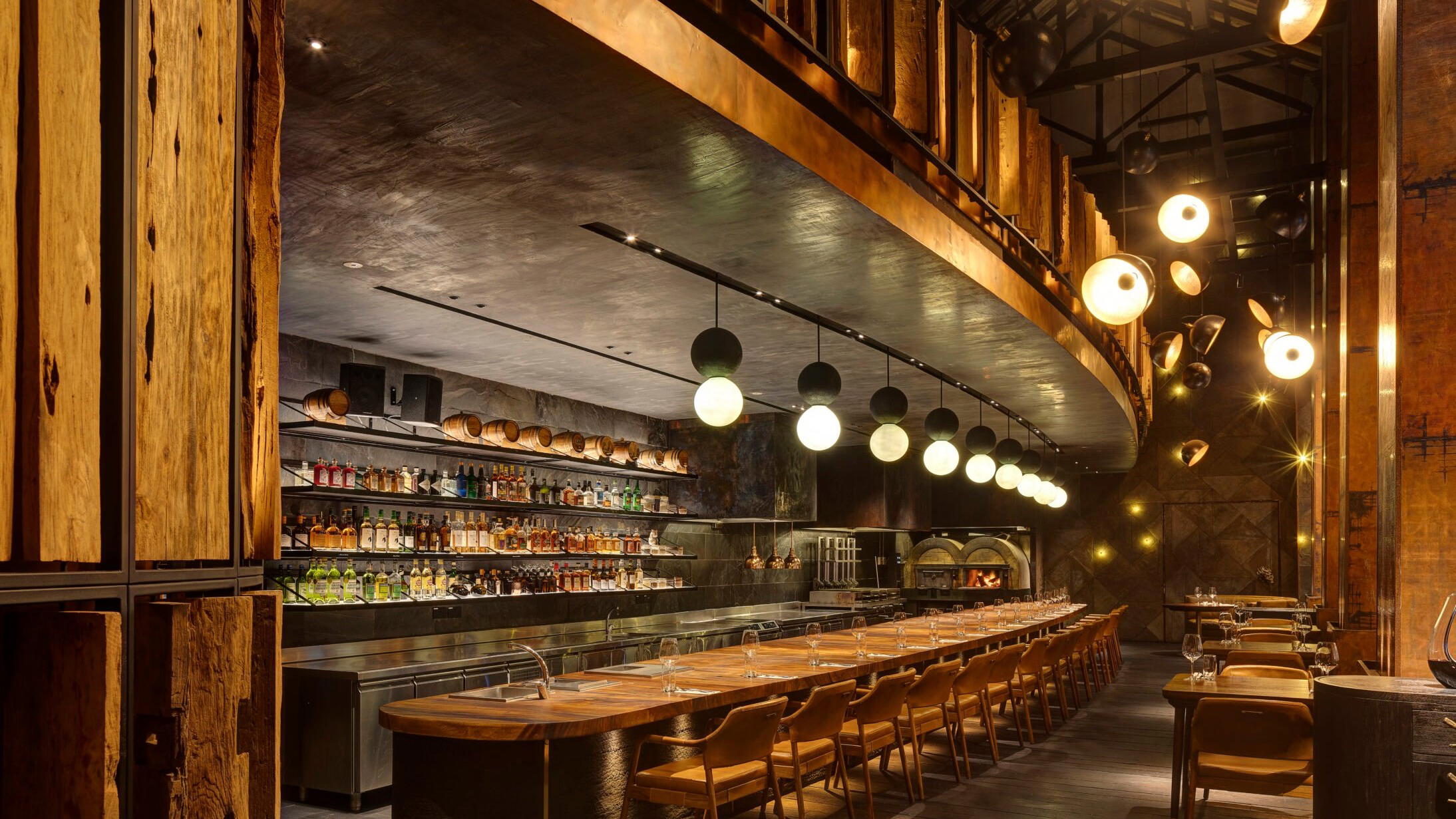
Nuri opened in Uptown Dallas at 2401 Cedar Springs Road with a concept built around the collision of Texan beef culture and Korean culinary tradition. The name means "whole world" in Korean, and the kitchen pursues that idea through sourcing and technique rather than just aesthetics. Executive Chef Mario Hernandez, whose background includes Gordon Ramsay North America, leads the kitchen alongside Culinary Director Minji Kim, a Seoul-trained chef who shapes the Korean side of the menu. The result is a room where a dry-aged American cut sits alongside Korean-marinated short ribs finished on a Jade broiler capable of reaching 1,600 degrees Fahrenheit, a temperature that produces a sear and caramelisation you can see the moment the plate lands in front of you.
Visually, the experience leans into the contrast between the precision of fine dining plating and the bold, lacquered char on the Korean-marinated ribs. The Nuri Tasting Board gives first-timers the clearest window into the kitchen's range: it rotates through cuts including filet mignon and the short ribs, and arrives with traditional Korean condiments and banchan alongside. The rotation of cuts on the board means what you eat in winter will differ from what the kitchen is running in summer, so repeat visits are structured to reward rather than repeat.
On the wine side, the program carries serious credentials. Star Wine List recognised Nuri three times over in its 2026 rankings, placing it at positions one, two, and three within its category, and the venue holds a White Star accreditation. For wine-focused diners, this is one of the stronger lists available at a Dallas steakhouse. If the wine list matters as much as the beef to you, that triple recognition is a concrete signal rather than a marketing claim.
The beef sourcing deserves specific attention if you are deciding when to visit. The combination of wet and dry ageing means the kitchen is working with product at different stages of development throughout the year. Dry-aged cuts tend to intensify over longer periods, and the rotating Tasting Board reflects what is at its peak. If you want to catch a specific cut, it is worth calling ahead to ask what is on the board that week rather than assuming the menu is static. This is the kind of seasonal and rotational awareness that separates a food-forward visit from a routine steakhouse dinner.
For context on where Nuri sits in a wider fine dining picture, the Korean-American fusion steakhouse format has parallels at venues like Atomix in New York City, where Korean fine dining techniques are applied at a similarly high level, or at Single Thread Farm in Healdsburg, where provenance-driven sourcing shapes everything on the plate. Nuri is operating in that territory of ingredient-first thinking, applied to a Texas beef framework.
In Dallas specifically, if you are building a broader food itinerary, Mamani, Tatsu Dallas, and Babel offer compelling alternatives in different cuisine directions. For a full picture of the city's dining scene, see our full Dallas restaurants guide. You can also explore Dallas hotels, Dallas bars, Dallas wineries, and Dallas experiences through Pearl.
Practical Details
Reservations: Booking is rated easy, though for a special occasion or a weekend dinner you should not leave it to the last moment. Address: 2401 Cedar Springs Rd, Suite 120, Dallas, TX 75201 (Uptown). Budget: Price range not confirmed in available data; given the sourcing tier (HeartBrand Akaushi, Japanese wagyu, 44 Farms) and the wine list credentials, plan for a fine dining spend. Dress: No confirmed dress code, but the room and price point suggest smart casual as a floor. Awards: Star Wine List Top 3 (2026, all three positions in category); White Star accreditation; World of Fine Wine three-star accreditation.
How It Compares
Planning details
- Location
- 2401 Cedar Springs Rd suite 120, Dallas, TX 75201
- Reservations
- Book on OpenTable
- Website
- nuristeakhouse.com
- Phone
- (469) 270-1745
The take
The Take
The Vibe
Nuri balances two dining currents — the ceremonial American steakhouse and contemporary Korean technique — to create a distinctive Uptown identity. The kitchen treats Korean culinary grammar as structural rather than decorative, sending banchan to the table alongside classic cuts and letting Korean marinades and broiling techniques shape the proteins. Sourcing from Texas ranches and elevated breeds like Texas Akaushi and imported Wagyu keeps the restaurant grounded in steakhouse tradition even as the tasting progression and cross-cultural touches feel forward-looking. The result is a restaurant that reads polished and modern while still honoring the theatrics and gravitas of classic steakhouses.
Best For
Nuri is best experienced as an evening destination for dinners that call for deliberate, shareable courses. The menu’s theatrical 36-ounce tomahawk and porterhouse are natural choices for groups or celebratory tables, while the interplay of Korean-accented small plates complements split entrées. Existing positioning as a place for date nights and business dinners holds true: the kitchen’s fine-dining framework supports thoughtful, multi-course service and occasions that benefit from an elevated, composed atmosphere. Reservations are implied for peak nights given the restaurant’s Uptown location and dinner-focused program.
Ordering Tips
Start with signature small plates that showcase the menu’s cross-cultural intent — Hamachi Ceviche and Wagyu Dumplings are explicitly listed as standouts — then move into the meat program where Texas-sourced cuts share space with Akaushi and Japanese Wagyu. If you’re with company, plan to order a shareable format such as the 36-ounce tomahawk or a porterhouse to get the full theatrical effect. Expect banchan-style accompaniments alongside steaks; mix small plates with a primary steak to sample both the Korean technique and classic steakhouse expressions.
Venue details
Ambiance
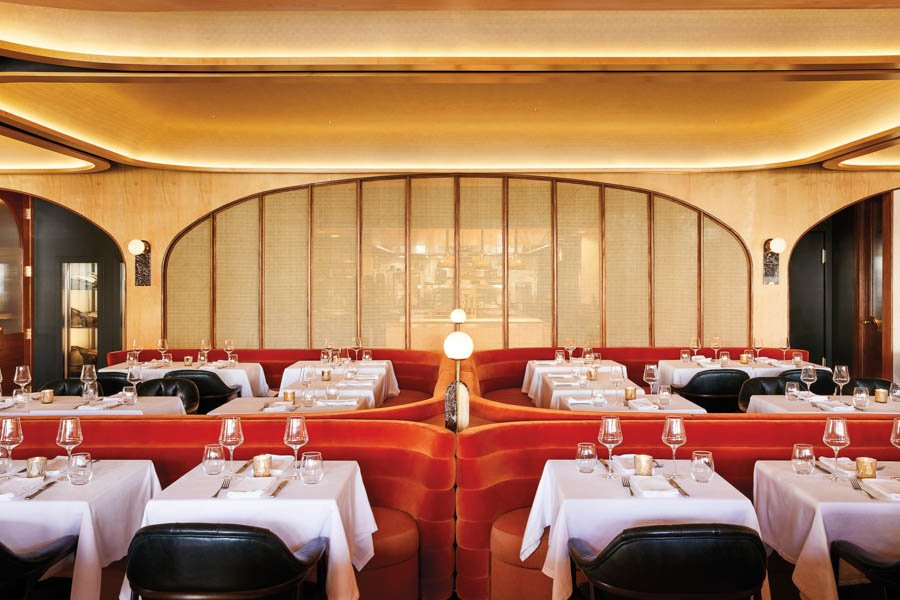
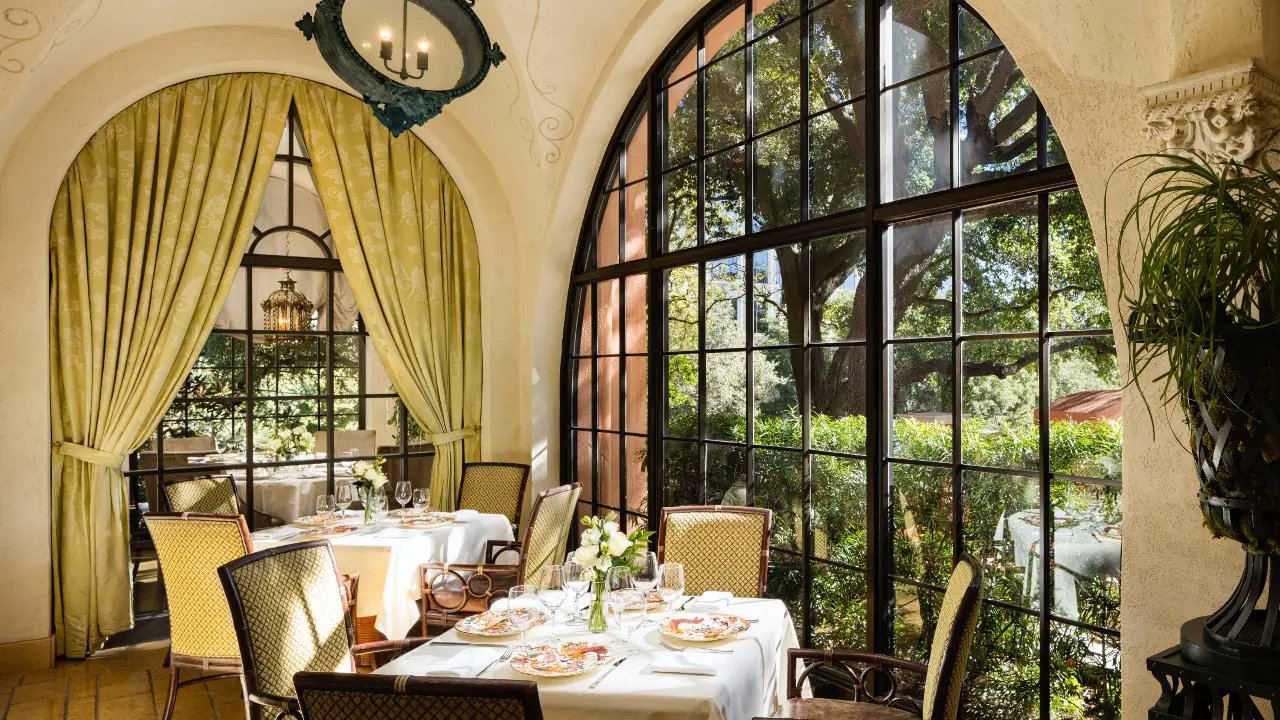
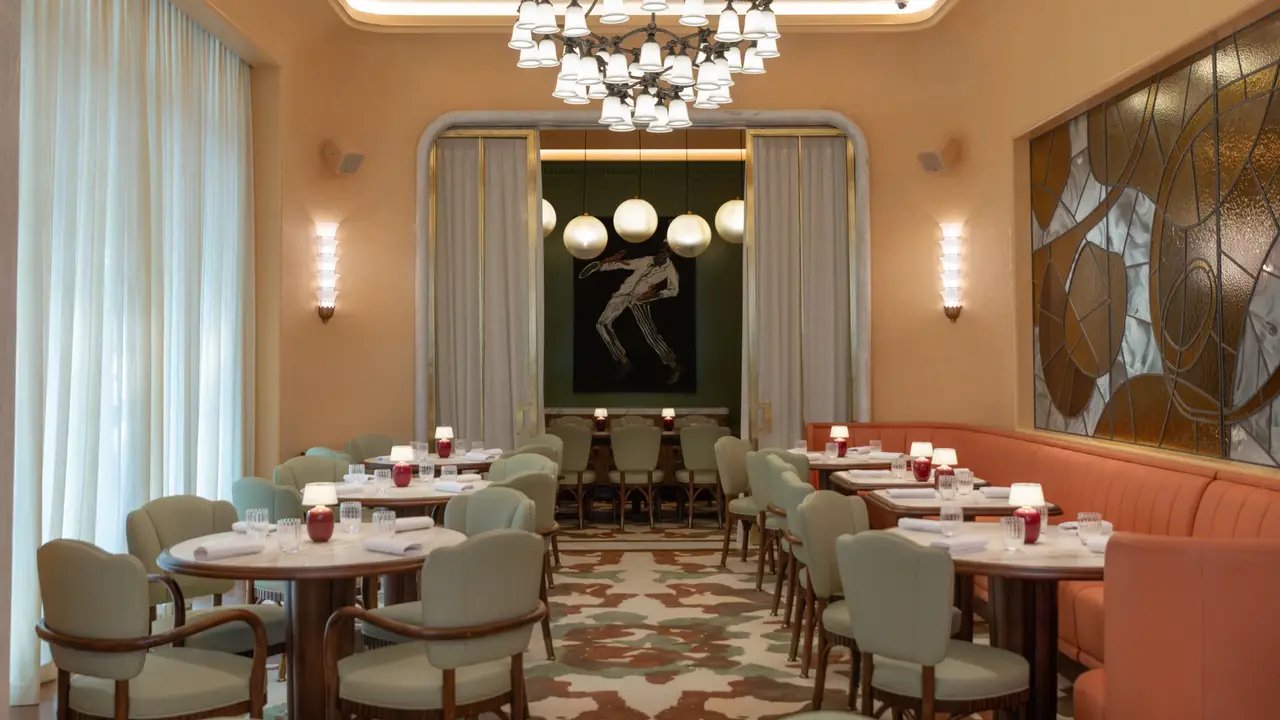
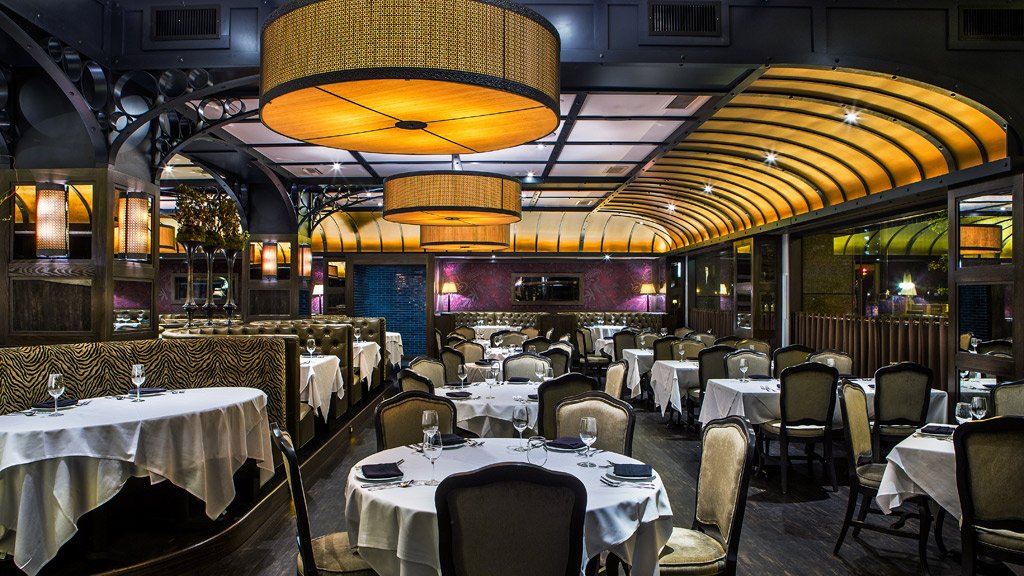
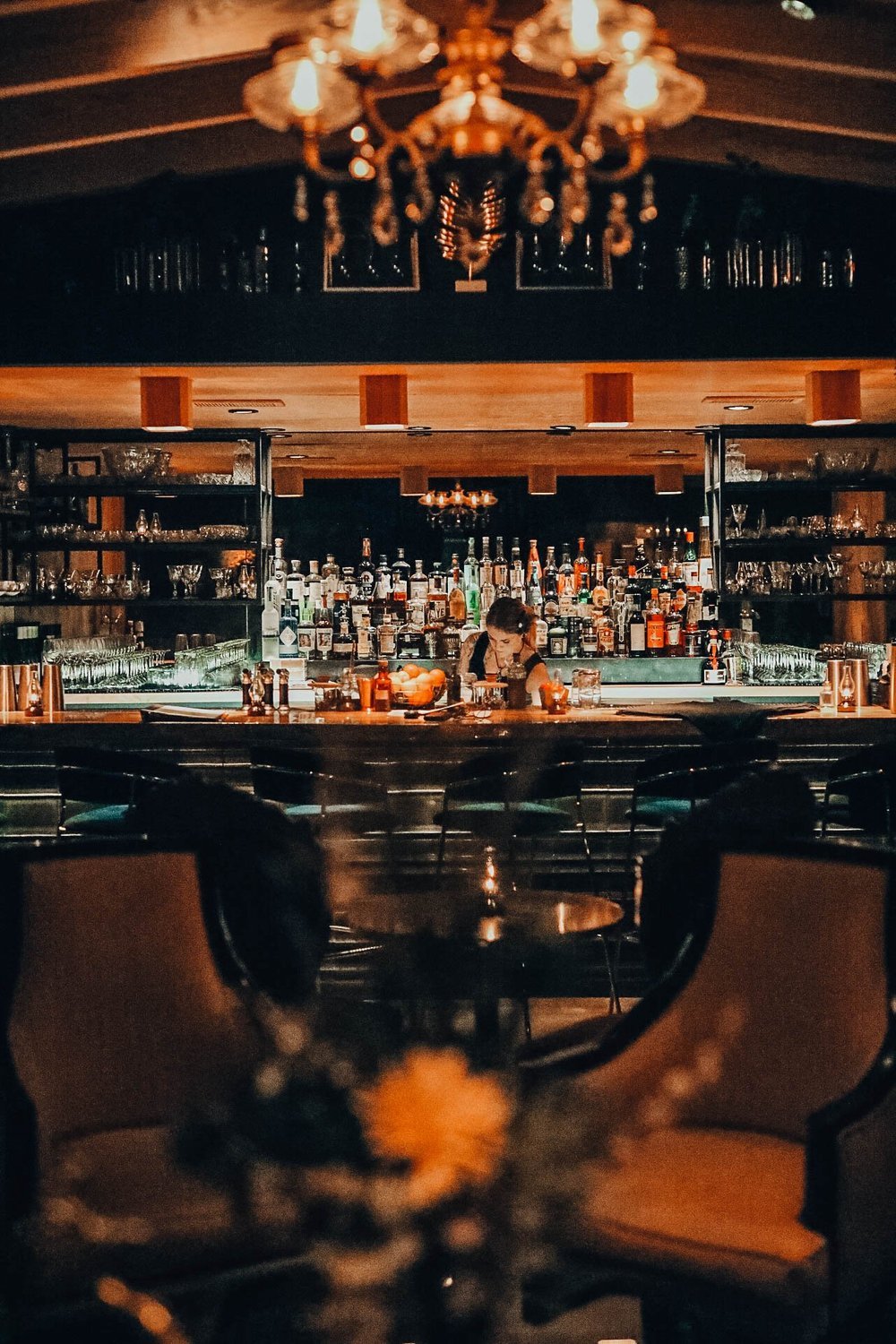
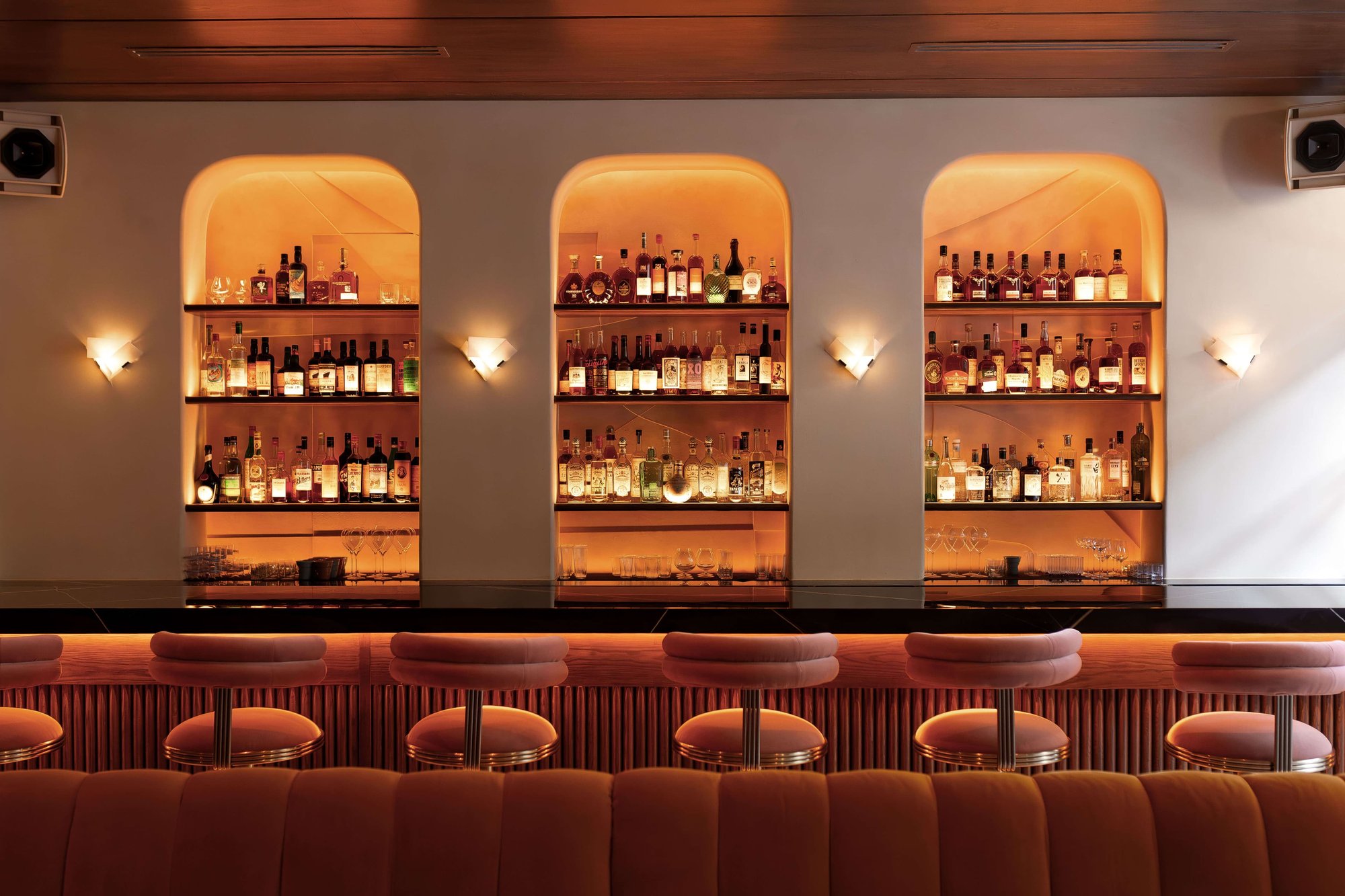
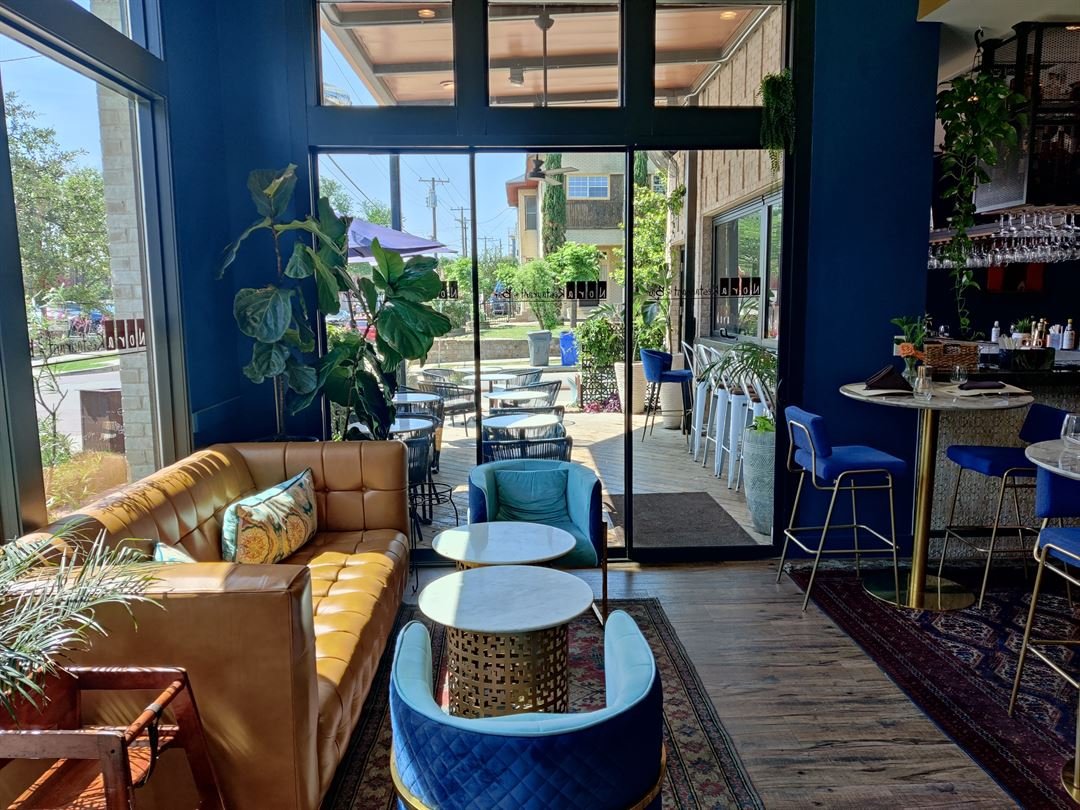
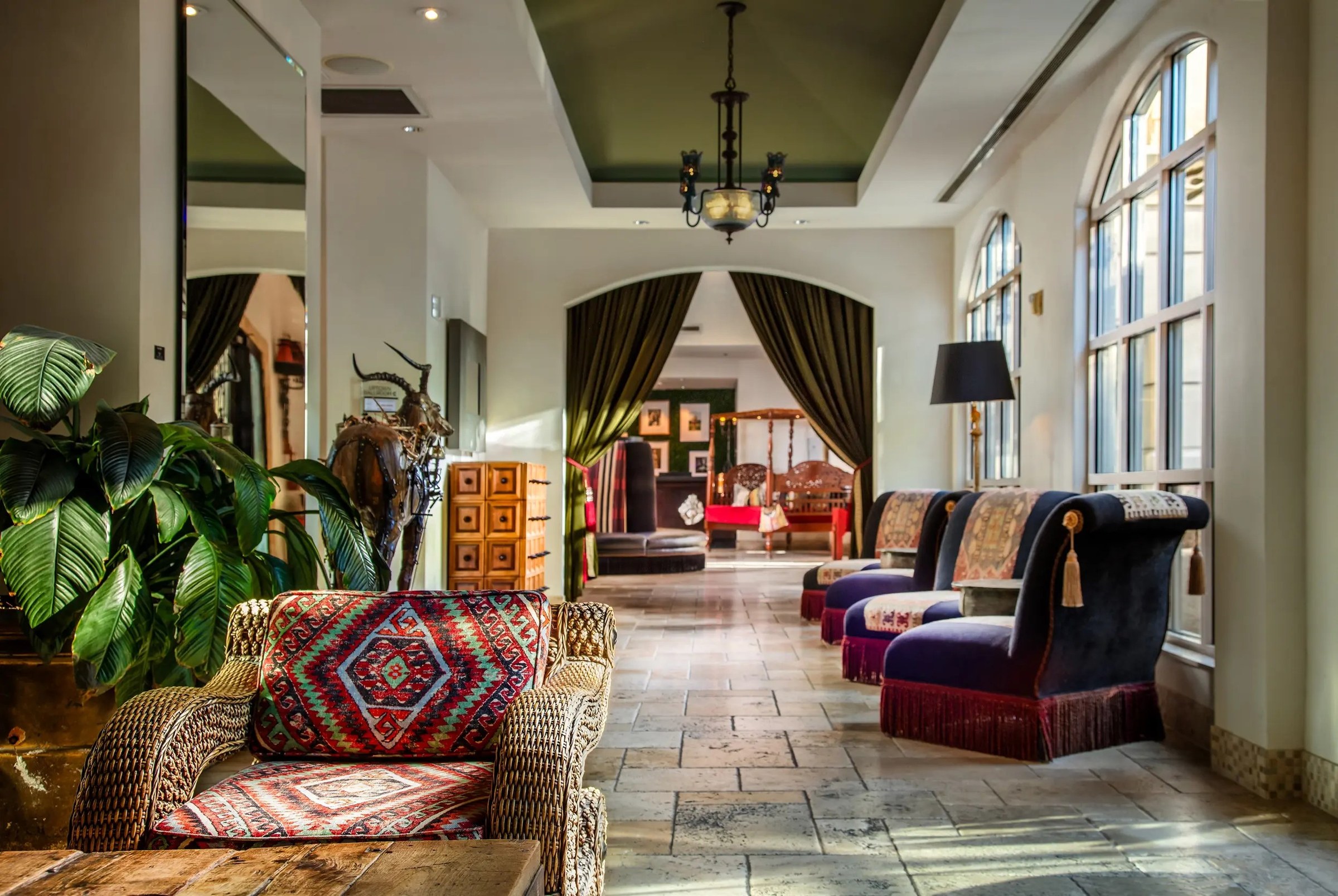
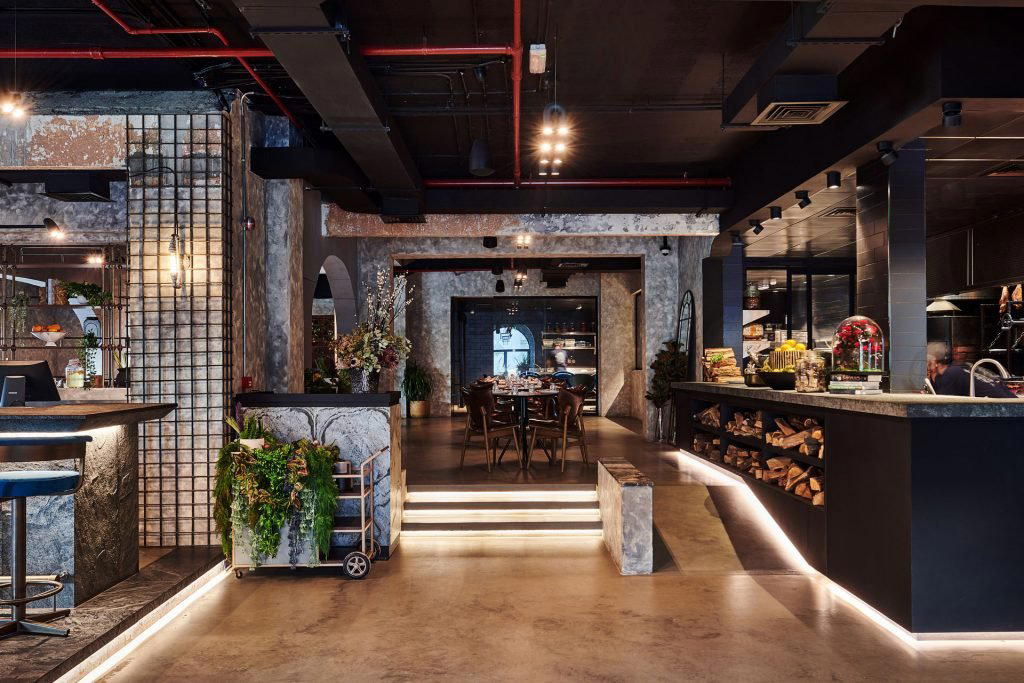
Jazzy art deco with custom illuminations, layered textiles, and a psychic punk twist creating an enchanting, tasteful atmosphere.
Tags
Vibe
Best For
Experience
At the Table
- Dress Code
- Business Casual
- Noise Level
- Conversational
- Service Style
- Formal
- Meal Pacing
- Leisurely
- Capacity
- Large
- Kitchen
- Fusion
- Menu Format
- A la carte
- Wine Program
- Exceptional
- Drinks Focus
- Wine, Japanese whiskey
- Private Dining
- Available
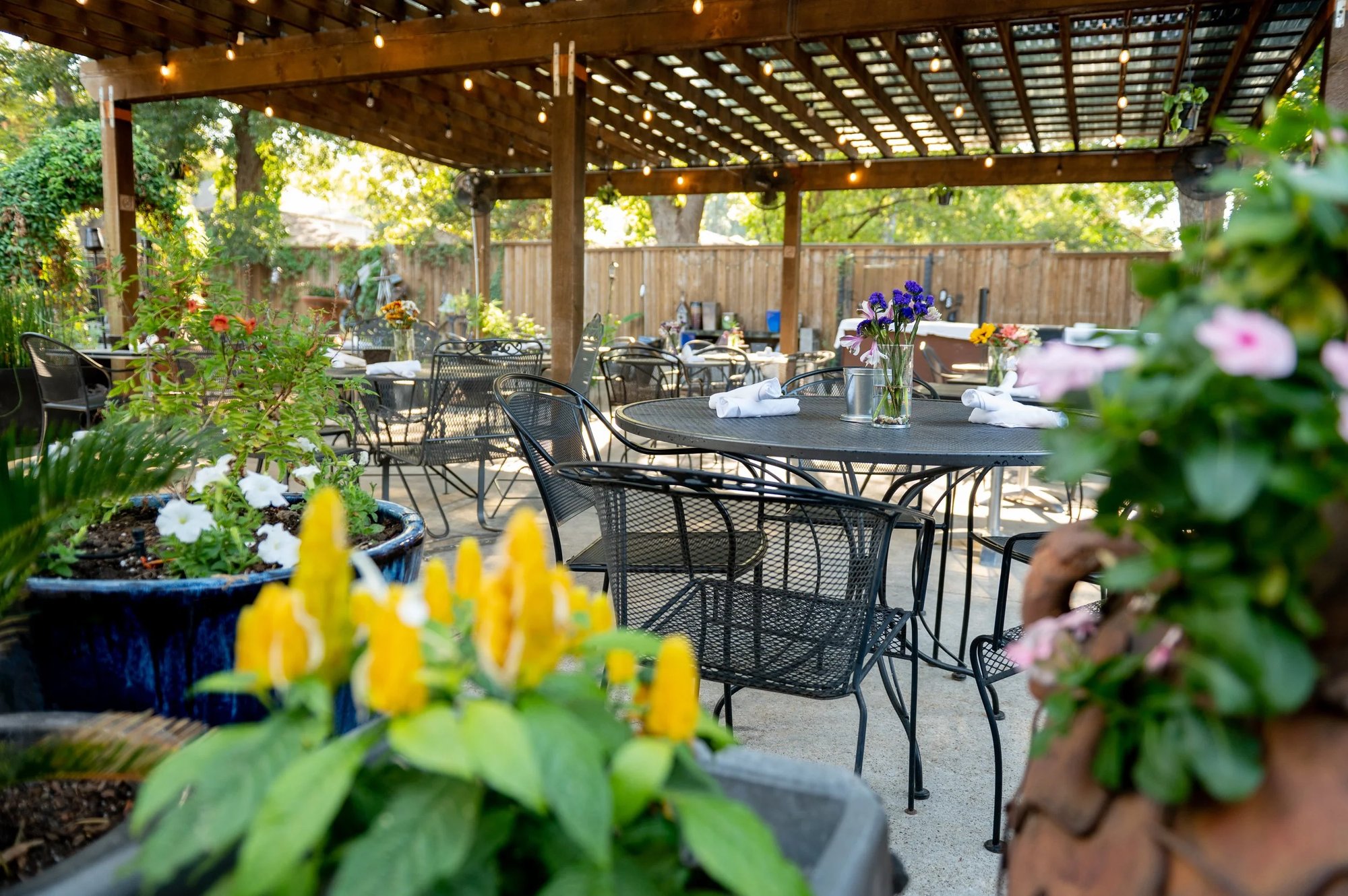
- Outdoor Seating
- Yes
Signature Dishes
- Hamachi Ceviche
- Wagyu Dumplings
- Lamb Chops
- Porterhouse
Know before you go
Know Before You Go
- Getting there
- 2401 Cedar Springs Rd suite 120, Dallas, TX 75201
Planning details
Location
2401 Cedar Springs Rd suite 120, Dallas, TX 75201 · Directions
Recognition and awards


Also consider
Also Consider
- Fearing's, Southwestern, American, $$$$
- Lucia, Italian, $$$
- Tei-An, Izakaya, Japanese, $$$$
- Tatsu Dallas, Japanese, $$$$
- Cattleack Barbeque, Barbecue, $$
Restaurant context
Against Fearing's, Nuri offers a more specific concept. Fearing's delivers Southwestern-inflected American fine dining with a broader menu and the kind of name recognition that still carries weight in Dallas. If you want a safer, more established choice for a corporate dinner or a visitor from out of town, Fearing's is the lower-risk option. But if the beef program and Korean technique are what you are there for, Nuri is the more focused room and arguably the stronger argument for a food-forward diner.
Tatsu Dallas is the closest peer in terms of Japanese culinary influence at a $$$$ price point. The difference is format: Tatsu skews toward an omakase or tasting-menu experience, while Nuri is built around a steakhouse structure with Korean elements woven in. For a diner who wants to eat their way through a tasting progression, Tatsu is the better fit. For someone who wants to anchor the meal around premium beef with Korean technique as the differentiator, Nuri wins. Tei-An offers a Japanese izakaya format at the same price tier and is a better solo dining option, but it does not compete directly on the beef front.
Lucia at $$$ undercuts Nuri on price and offers Italian cooking with strong local credentials, but serves an entirely different purpose. At the opposite end of the spend scale, Cattleack Barbeque at $$ makes a compelling case for Texas beef at a fraction of the cost, with the trade-off being format, setting, and wine. If the wine list and the Korean-Texan concept are not draws for you, Cattleack removes the fine dining premium entirely and still delivers serious beef quality.
Around this place
Discover more on Pearl
Unlock the full Nuri Steakhouse guide in Pearl, including awards, comparisons, FAQs, planning details, and nearby places.
Compare Nuri Steakhouse
| Venue | Location | Cuisine | Awards | Price |
|---|---|---|---|---|
| Nuri Steakhouse | Dallas | , | Star Wine Lists 2026 · #12026 Wine Spectator Best of Award of Excellence2025 World's Best Steaks 50 Best Steakhouses in North America · #392025 World's Best Steaks 101 Best Steak Restaurants · #84World's Best Wine Lists 2025 | , |
| Fearing's | Dallas | Southwestern, American | 2026 Forbes 4-Star2026 OAD Top Restaurants in North America Recommended2026 Wine Spectator Award of ExcellenceMichelin Guide Texas 20262025 Michelin Plate2024 OAD Top Restaurants in North America Ranked · #5322024 Michelin Plate2023 OAD Top Restaurants in North America Recommended | $$$$ |
| Lucia | Dallas | Italian | Yelp Best New Restaurants 2026 · #19Restaurant World Architecture and Design Award · 20262025 Esquire Best Martinis in America2025 Resy Best of the Hit List | $$$ |
| Tei-An | Dallas | Izakaya, Japanese | 2026 OAD Top Restaurants in North America RecommendedMichelin Guide Texas 20262025 OAD Top Restaurants in North America Ranked · #4352025 Michelin Plate2024 OAD Top Restaurants in North America Ranked · #3562024 Michelin Plate2023 OAD Top Restaurants in North America Highly Recommended | $$$$ |
| Tatsu Dallas | Dallas | Japanese | Michelin Guide Texas 20262025 Michelin 1 Star2024 Michelin 1 Star | $$$$ |
| Cattleack Barbeque | Dallas | Barbecue | Michelin Guide Texas 20262025 Michelin Bib Gourmand2024 Michelin Bib Gourmand | $$ |




.png?width=1200&quality=80)






How Nuri Steakhouse Dallas compares with similar nearby venues.
FAQ
Frequently Asked Questions
What should I order at Nuri Steakhouse?
The Nuri Tasting Board is the clearest entry point: it includes Korean-marinated short ribs, filet mignon, and rotating cuts served with banchan and Korean condiments. The Texas Akaushi HeartBrand Reserve tomahawk (36 oz) and Japanese, Australian, or domestic wagyu options are the headline proteins. The Jade broiler runs at up to 1,600°F, so anything that benefits from a hard sear is in good hands here.
Is Nuri Steakhouse good for solo dining?
It works for solo diners who want a proper sit-down steakhouse experience rather than a social table format. The Nuri Tasting Board is portioned for sharing, so solo visitors are better off ordering individual cuts. The Star Wine List accreditation signals a serious wine program, which makes bar or counter seating a reasonable solo option if available.
What are alternatives to Nuri Steakhouse in Dallas?
Fearing's at the Ritz-Carlton is the closer comparison if you want Texas-ingredient-driven fine dining without the Korean influence. Tei-An is the move if you want Japanese precision at a similar tier. Cattleack Barbeque is Dallas's answer for serious beef in a stripped-back format at a fraction of the price. Lucia suits diners who want chef-driven cooking in a smaller, more intimate room.
What should I wear to Nuri Steakhouse?
The venue's position in Uptown Dallas, its fine dining sourcing (44 Farms, Blue Branch Ranch, imported wagyu), and its tasting-board format all point toward dressed-up casual at minimum — think dinner-out clothes rather than business formal. Nothing in the available record mandates a dress code, but showing up in shorts and sneakers would read as out of place.
Is Nuri Steakhouse good for a special occasion?
Yes, and it has a clear hook: the Korean-Texan concept gives a special occasion dinner a specific story rather than a generic steakhouse backdrop. The Star Wine List accreditation (White Star, 2026) means the wine pairing side of a celebration dinner is taken seriously. Book ahead for weekends — the venue is described as easy to reserve, but a special-occasion table deserves more than a last-minute call.
What should a first-timer know about Nuri Steakhouse?
The concept is a Korean-Texan steakhouse, not a Korean BBQ restaurant — you are not grilling at the table. Executive Chef Mario Hernandez trained in Gordon Ramsay kitchens; Culinary Director Minji Kim brings Seoul-side credibility. Start with the Nuri Tasting Board to get the range of the kitchen before committing to a single large-format cut. The Star Wine List recognition means the list is worth consulting rather than defaulting to by-the-glass.