.png?width=1200&quality=80)
Osteria della Chiocciola
Piedmontese · historic district, Cuneo
Restaurant in Cuneo, Italy
 Book with Pearl
The Read
Cuneo Regionalist Table
Price
$30–50per person
Dress
Smart Casual
Why go
A Michelin Plate-recognised Piedmontese restaurant in the heart of Cuneo, Osteria della Chiocciola makes a strong case at €€ pricing. The kitchen sources locally and cooks traditionally, with a fish alternative for non-meat-eaters and a ground-floor wine bar for lighter visits. Book for autumn if you want the regional ingredient calendar at its peak.
About Osteria della Chiocciola
Should You Book Osteria della Chiocciola?
Yes, book it — particularly if you want a genuinely local Piedmontese meal in Cuneo without paying fine-dining prices. The Michelin Plate recognition (2024) signals cooking that meets a credible standard, and at €€ pricing this is one of the more direct value cases in the city. If you have been once and ordered the meat-focused menu, the next visit is worth exploring the fish alternative, which gives the kitchen a different dimension and suits anyone who finds the typical Piedmontese roster of braised meats and cured cuts a little one-note by the second sitting.
A Piedmontese Kitchen Grounded in Local Sourcing
What defines Osteria della Chiocciola's menu is less about chef-driven creativity and more about disciplined sourcing from the Piedmont region. The kitchen's stated commitment is to local ingredients, and in a province that produces some of Italy's most ingredient-driven cooking — think Alba truffles, Fassona beef, Castelmagno cheese, and the vegetable gardens of the Cuneo plain, that commitment carries real weight. This is not a restaurant trying to import luxury produce from elsewhere and charge accordingly. The price point reflects a menu anchored in what the surrounding countryside genuinely offers, and that focus is why the cooking reads as coherent rather than eclectic.
For a return visitor, the distinction between the ground-floor wine bar and the first-floor restaurant is worth thinking about in advance. The wine bar is the livelier, more casual option, a good call for a mid-week evening when you want something lighter. The restaurant upstairs is the right choice if you want to work through a full meal. Both spaces share the same sourcing philosophy, but the upstairs format gives the kitchen more room to sequence dishes in a way that makes the local-produce focus legible across a full sitting.
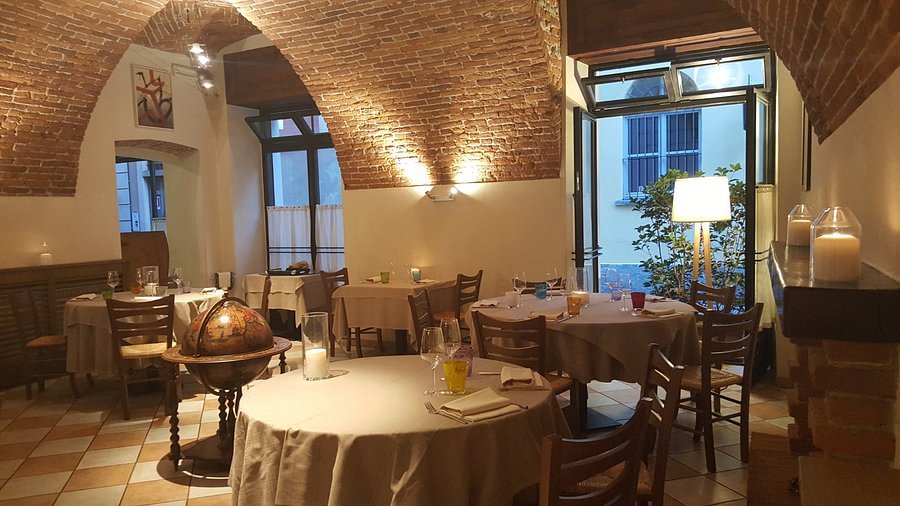
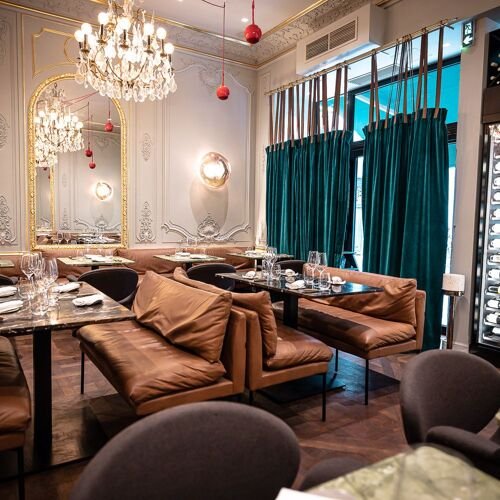
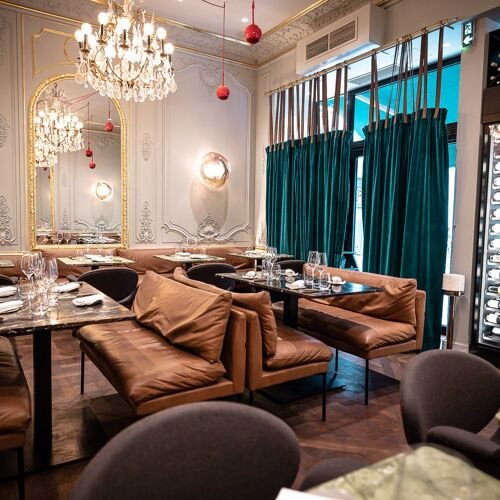
The interior is an additional differentiator: works by Pignatelli, Andy Warhol, and Valerio Berruti hang across the dining room. This is not decorative filler, Valerio Berruti in particular is a Piedmont-born artist with serious institutional recognition, and his presence here alongside Warhol reflects a considered curatorial instinct rather than generic Italian restaurant décor. For a return visitor who may not have looked closely the first time, the room itself rewards attention.
When to Go
Timing matters here more than at many restaurants in this tier. Cuneo's position at the foot of the Alps means the local ingredient calendar shifts meaningfully across the year. Autumn is the strongest season for Piedmontese cooking as a category: white truffle from Alba peaks between October and December, and the broader harvest brings Castelmagno, late-season vegetables, and game into the regional supply. If you are planning a return visit and want the kitchen's sourcing philosophy to deliver at its highest expression, October and November are the months to target.
Day of week also matters. Weekend evenings draw a fuller local crowd, which suits the atmosphere but makes walk-ins less reliable. Midweek, particularly Tuesday through Thursday, gives you a quieter room and an easier booking. Lunch on a weekday is the least pressured option and often the smartest for a longer meal, since the afternoon is unhurried and the kitchen tends to be at full attention.
How It Compares
See the comparison section below for a full breakdown against Cuneo's peer restaurants.
Know Before You Go
- Address: Via Fossano, 1, 12100 Cuneo CN, Italy
- Cuisine: Piedmontese, with a fish alternative available
- Price range: €€ (mid-range)
- Awards: Michelin Plate 2024
- Booking difficulty: Easy, reservations recommended for weekend evenings; weekday lunch is typically walk-in friendly
- Ground floor: Wine bar (casual, drop-in friendly)
- First floor: Full restaurant (sit-down, full menu)
- Dietary options: Fish alternative available for non-meat-eaters
- Dress code: Smart casual is appropriate; this is not a jacket-required room
Explore More in Cuneo and Beyond
Osteria della Chiocciola is a reliable anchor for a Cuneo visit, but the city and province have more to offer. For a broader picture of where to eat, drink, and stay, see our full Cuneo restaurants guide, our full Cuneo bars guide, our full Cuneo hotels guide, our full Cuneo wineries guide, and our full Cuneo experiences guide.
If Piedmontese cooking at a higher price point interests you after eating here, the region has serious options: Antica Corona Reale in Cervere and Locanda Sant'Uffizio Enrico Bartolini in Cioccaro both represent the upper register of Piedmontese cooking and are worth the trip if you want to see what the same regional ingredients can do at a different scale of ambition. For Italy's broader fine-dining reference points, Osteria Francescana in Modena, Dal Pescatore in Runate, Uliassi in Senigallia, Enoteca Pinchiorri in Florence, Reale in Castel di Sangro, Quattro Passi in Marina del Cantone, and Atelier Moessmer Norbert Niederkofler in Brunico all offer useful context for where Chiocciola's sourcing-led approach sits in the national conversation.
Planning details
- Location
- Via Fossano, 1, 12100 Cuneo CN, Italy
- Website
- osteriadellachiocciola.it
- Phone
- +39 0171 66277
The take
The Take
The Vibe
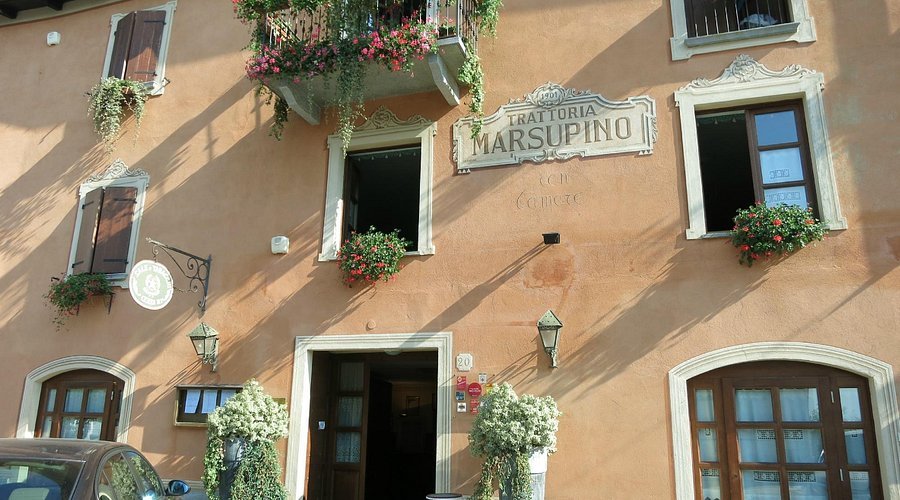
Osteria della Chiocciola presents a two-level personality that reads like a deliberate conversation between wine culture and Piedmontese culinary tradition. The ground floor functions as a colourful, conversational wine bar where lingering over a glass feels natural; upstairs the tone shifts to a composed dining room trimmed with contemporary artworks by Pignatelli, Andy Warhol and Valerio Berruti. That interplay—historic streetscape, lively bar below, art-filled restaurant above—gives the place a sophisticated, intimate charm that feels rooted in its historic-centre setting while remaining quietly modern.
Best For
This is a go-to for evening dining and after-work lingering: the wine bar downstairs invites casual stands or seated glasses, and the restaurant upstairs stages a more formal meal. It fits date nights, special occasions and business dinners within Cuneo's mid-range (€€) scene, especially for guests who appreciate local wines and regional pantry references. The split layout also makes it easy to drop in for a solo glass at the bar or settle in upstairs for a longer dinner that engages both the city's culinary traditions and a contemporary visual sensibility.
Ordering Tips
Start at the ground-floor wine bar with a regional bottle—Dolcetto d'Alba or a Roero Arneis are both mentioned as examples—and allow a moment to linger before moving upstairs for a full meal. In the dining room, look for Piedmontese signatures and the house favourites listed here: panna cotta, vitello tonnato and plin ravioli. The menu positions itself within local supply chains—Barolo, Barbaresco and other provincial specialties inform the kitchen—so pairing by regional provenance is a sensible approach.
Venue details
Ambiance
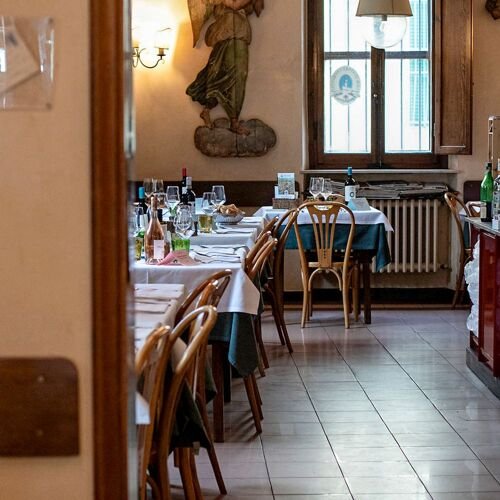
Cozy upstairs dining room with wooden beamed ceilings, white tablecloths, and a welcoming historic atmosphere.
Tags
Vibe
Best For
Experience
Sourcing
At the Table
- Dress Code
- Smart Casual
- Noise Level
- Quiet
- Service Style
- Upscale Casual
- Meal Pacing
- Leisurely
- Capacity
- Medium
- Kitchen
- Traditional
- Menu Format
- A la carte, Tasting menu
- Wine Program
- Exceptional
- Drinks Focus
- Wine
- Dietary
- Vegetarian friendly
Signature Dishes
- panna cotta
- vitello tonnato
- plin ravioli
Know before you go
Know Before You Go
- Getting there
- Via Fossano, 1, 12100 Cuneo CN, Italy
Planning details
Location
Recognition and awards
Also consider
Also Consider
- 4 Ciance, Piedmontese, €€
- Bove's, Meats and Grills, €€
- Osteria Vecchio Borgo, Country cooking, €€
- I 5 Sensi, Contemporary, €€
Restaurant context
At €€, Osteria della Chiocciola sits in the same price band as its main Cuneo competitors, which makes the decision between them a question of what kind of meal you want rather than how much you want to spend. Against 4 Ciance, the closest direct comparison in Piedmontese cooking, Chiocciola has the edge on atmosphere, the artwork and two-floor layout give it more personality than a straightforward trattoria, and the Michelin Plate adds an external quality signal that 4 Ciance does not carry at the same level. If you are choosing between the two for a first visit to Cuneo's Piedmontese cooking scene, Chiocciola is the safer recommendation.
Bove's is a different proposition: its focus on meats and grills makes it the right call if you want something more direct and protein-led, without the full regional-menu framing of Chiocciola. For a group that wants a straightforward, satisfying grill dinner rather than a structured Piedmontese sequence, Bove's wins. Osteria Vecchio Borgo skews toward country cooking with a more rustic register, better suited to diners who want a lower-key, neighbourhood feel than Chiocciola's art-hung dining room. For anyone who wants a more contemporary approach at the same price point, I 5 Sensi is the obvious alternative: its contemporary menu is a meaningful stylistic departure from Chiocciola's traditional sourcing-led format, and it is the better pick if you want modern plating and a menu that moves beyond regional convention.
Overall, Chiocciola is the recommendation for visitors who want the most coherent expression of what Cuneo's local ingredients can do at a mid-range price, the Michelin Plate, the sourcing focus, and the dual-format space give it a margin over the competition for that specific brief. Book I 5 Sensi if you want contemporary; book Bove's if you want grills; book Osteria Vecchio Borgo if you want the most casual room. For a proper Piedmontese meal in a space that takes its setting seriously, Chiocciola is where to go.
Explore Cuneo
Around this place
Discover more on Pearl
Unlock the full Osteria della Chiocciola guide in Pearl, including awards, comparisons, FAQs, planning details, and nearby places.
Compare Osteria della Chiocciola
| Venue | Location | Cuisine | Awards | Price |
|---|---|---|---|---|
| Osteria della Chiocciola | Cuneo | Piedmontese | 2026 Michelin Plate2025 Michelin Plate2024 Michelin Plate | €€ |
| 4 Ciance | Cuneo | Piedmontese | 2026 Michelin Plate2025 Michelin Plate2024 Michelin Plate | €€ |
| Bove's | Cuneo | Meats and Grills | 2025 Michelin Plate2024 Michelin Plate | €€ |
| Osteria Vecchio Borgo | Cuneo | Country cooking | 2026 Michelin Plate2025 Michelin Plate2024 Michelin Plate | €€ |
| I 5 Sensi | Cuneo | Contemporary | 2026 Michelin Plate2025 Michelin Plate2024 Michelin Plate | €€ |
How Osteria della Chiocciola Cuneo compares with similar nearby venues.
FAQ
Frequently Asked Questions
What should I wear to Osteria della Chiocciola?
Relaxed but presentable. This is a Michelin Plate-recognised osteria in Cuneo's historic centre at €€ pricing — not a formal fine-dining room. Neat casual dress fits the room: you will not feel underdressed in a jacket, nor out of place without one.
Does Osteria della Chiocciola handle dietary restrictions?
Fish-eaters are explicitly covered — the kitchen offers a fish alternative to the meat-forward Piedmontese menu. For other restrictions, the traditional, locally-sourced format means the menu is relatively fixed, so calling ahead before your visit is sensible.
What should I order at Osteria della Chiocciola?
Lean into the Piedmontese kitchen's strengths: this is a regionally-sourced, traditional menu where the local meat dishes are the point. If you are not eating meat, the fish alternative is there, but the kitchen's identity is firmly built around Piedmont's larder.
Can Osteria della Chiocciola accommodate groups?
The two-floor layout — wine bar on the ground floor, restaurant above — gives some practical flexibility for groups. For larger parties, contacting the restaurant in advance is advisable given the historic-centre setting and the likelihood of a compact dining room.
Can I eat at the bar at Osteria della Chiocciola?
Yes. The ground floor operates as a wine bar, which makes it a genuine option for a lighter visit or a drink before heading upstairs to the restaurant. For a full Piedmontese meal, the first-floor dining room is the right setting.