
Alpage
Modern Cuisine · Courchevel (Commune Non Irisée), Courchevel
Restaurant in Courchevel, France
 Book with Pearl
The Read
Savoyard Terroir Counter
Chef
Jean-Rémi Caillon
Dress
Smart Casual
Why go
Alpage, inside Courchevel's Hotel Annapurna, holds a Michelin star (2024) under chef Jean-Rémi Caillon, formerly of two-starred Kintessence. The kitchen is deliberately plant-forward, anchored in Savoyard produce, crozets, polenta, Chartreuse, and built for intimate dining. At €€€€, it is the clearest choice in the resort for guests who want terroir-driven cooking with serious technical credentials.
About Alpage
Who Should Book Alpage, and When
If you are planning a serious dinner during a Courchevel ski trip and want a Michelin-starred experience that prioritises produce-led cooking over theatrical luxury, Alpage is the clearest recommendation in the resort. This is a restaurant for food-focused travellers who want more than a prestigious address: the cooking at Alpage, led by chef Jean-Rémi Caillon inside the Hotel Annapurna, is a deliberate shift away from the rich, protein-heavy menus that dominate Alpine fine dining. Book it for a special evening mid-trip, when you want a meal that justifies the €€€€ price range on its own terms.
A Chef and a Kitchen Worth Understanding
Jean-Rémi Caillon comes from Roanne, a town in the Loire with serious culinary pedigree: it is the same region that produced the Troisgros dynasty. Before Alpage, he held the position of chef at Kintessence, the two-Michelin-starred restaurant at Le K2 Palace in Courchevel, a meaningful credential that signals technical discipline rather than resort-circuit compromise. His move to Alpage represents a conscious narrowing of focus: a smaller, more intimate room, an open kitchen, and a cooking philosophy built around plants, herbs, and Savoyard terroir.
That terroir framing is not marketing language. Caillon places vegetables and herbs structurally above animal products on the menu, a positioning more common at destination restaurants like Arpège in Paris or Bras in Laguiole than in a ski resort. The Savoyard anchors, crozets, polenta, Chartreuse, appear not as decorative local colour but as structural elements. His beef consommé with caraway crozets and a medley of carrots is cited as an example of this approach: the dish balances refined technique with honest rusticity rather than using craft to disguise the ingredients.
Ingredient Sourcing as the Defining Argument
At €€€€ in a resort town, the natural question is whether the price reflects the location premium or the actual cooking. At Alpage, the sourcing argument is the main reason the price holds up. The kitchen's emphasis on Savoyard produce, the herbs, the mountain vegetables, the regional specialities that appear in the crozets and polenta, means you are eating a menu that could only exist in this geographical context. That specificity is harder to replicate than technical execution alone, and it is what separates Alpage from fine dining restaurants that simply transplant a metropolitan cooking style into a mountain setting.
Compare this to restaurants at a similar price point that lean on imported luxury ingredients: the value equation there depends almost entirely on whether you rate the technique. At Alpage, the sourcing is doing substantive work. For guests who care about why a dish tastes the way it does, and not just that it tastes polished, this distinction matters. It is the same logic that makes Mirazur in Menton or Flocons de Sel in Megève compelling: the location is an ingredient.
The Dining Room and Format
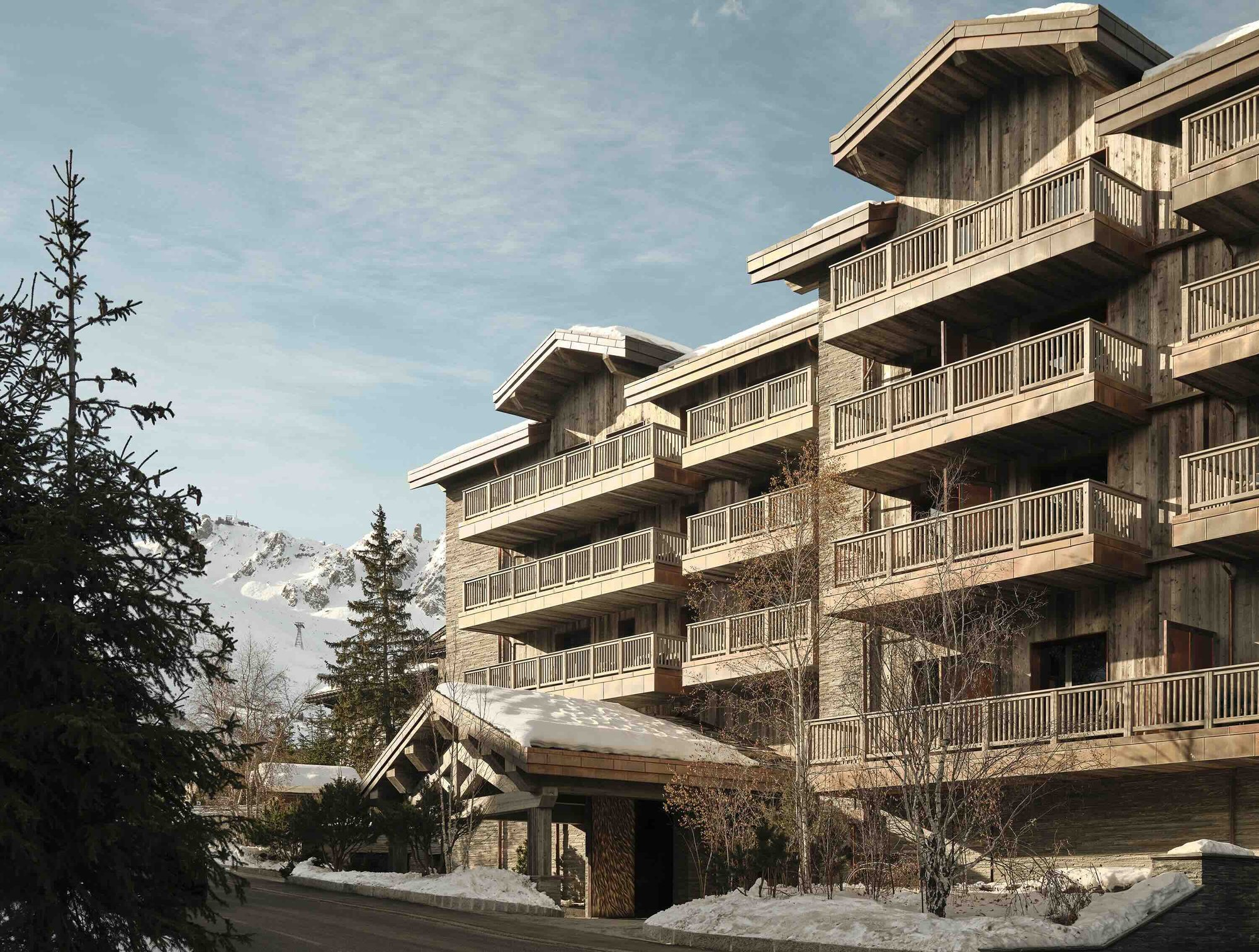
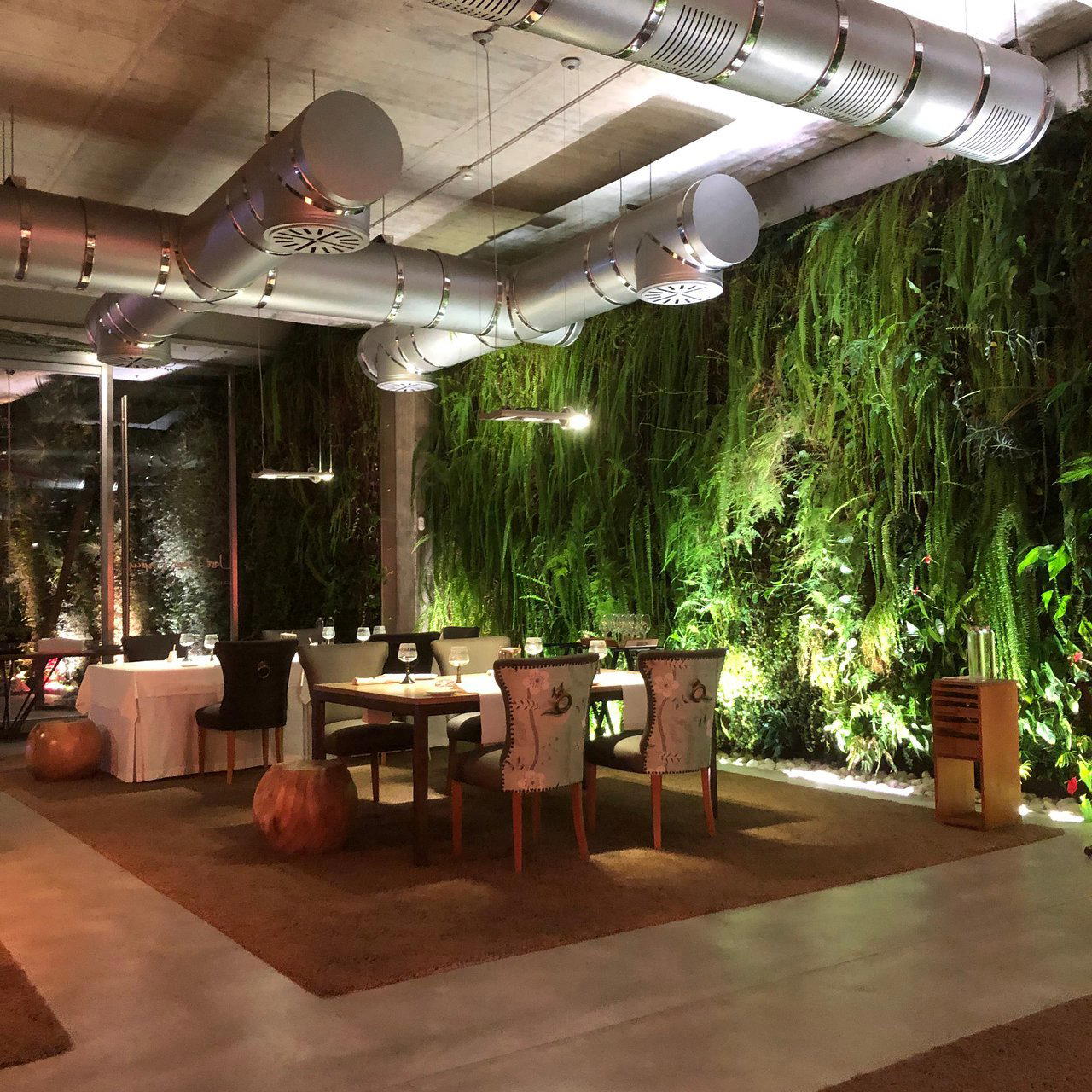
Alpage is set within the Hotel Annapurna, and the kitchen is open, Caillon describes the experience as "immersive moonlight dining" for a handful of guests. The intimate seat count reinforces this: this is not a room designed for large groups cycling through covers. It suits couples and small groups of two to four who want a focused, unhurried evening. The format is worth clarifying before you book: confirm whether a tasting menu or à la carte is the current offering, as the structure of the meal affects both the price expectation and the amount of time you should plan for.
Solo diners travelling for food will find this a more comfortable proposition than many resort restaurants, the open kitchen format and intimate scale make it less awkward to dine alone than a cavernous hotel dining room. For broader dining options in the resort, see our full Courchevel restaurants guide.
Booking and Timing
Courchevel's ski season runs roughly December through April, and the leading restaurants fill well in advance of peak weeks, Christmas, New Year, and the February school holidays are the hardest periods. For Alpage specifically, with its small capacity and a Michelin star earned in 2024, treat it as a hard booking: aim for at least three to four weeks ahead for standard season dates, and further in advance for peak weeks. Do not assume walk-ins are viable.
For guests staying elsewhere in the resort, it is worth noting that Alpage sits at 734 Rue de l'Altiport in Courchevel, check transfer logistics from your accommodation before confirming a dinner reservation, particularly if you are staying in a different altitude level of the resort. See our full Courchevel hotels guide for accommodation context, and our full Courchevel bars guide if you want to extend the evening elsewhere.
Pearl Verdict
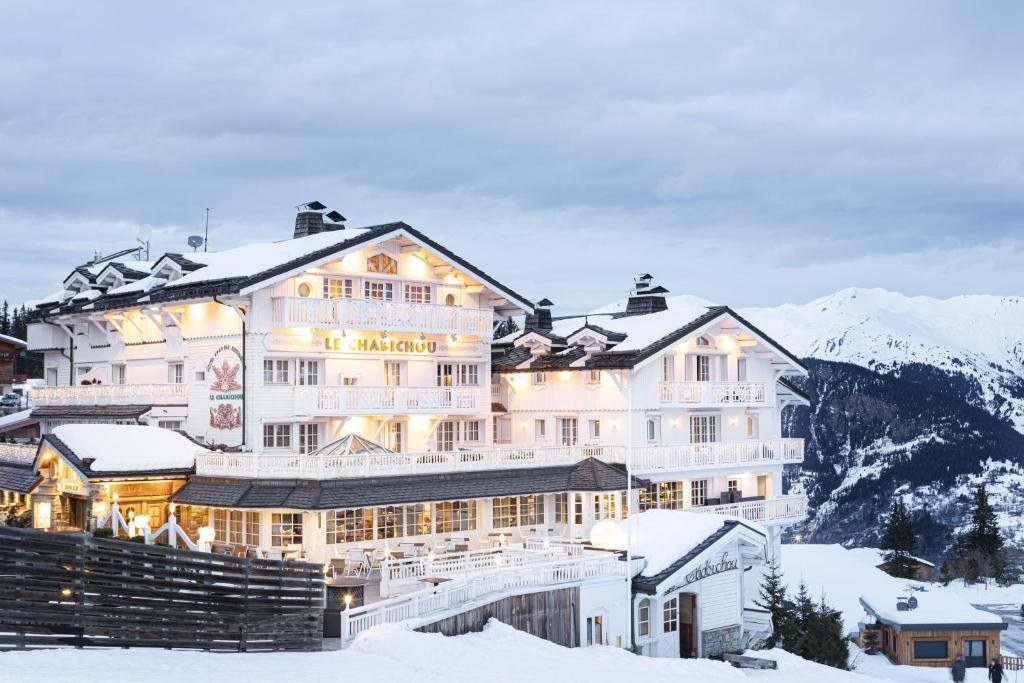
Alpage earned its Michelin star in 2024 under a chef with a two-star track record in the same resort, and the cooking has a distinct point of view: Savoyard produce, plant-led hierarchy, and a format built for focus rather than spectacle. At €€€€, it is not the cheapest option in Courchevel, but it is one of the most coherent arguments for why a mountain restaurant should charge at this level. If you want technical cooking that is genuinely rooted in where it is being cooked, book this. If you want a more celebratory, high-production-value experience with a longer wine list and a grander room, Le Chabichou by Stéphane Buron or the two-star kitchens in Courchevel 1850 may serve that occasion better.
Quick Reference
Address: 734 Rue de l'Altiport, Hotel Annapurna, Courchevel. Price range: €€€€. Award: Michelin 1 Star (2024). Booking difficulty: hard, reserve 3–4 weeks ahead minimum, further for peak season. Leading for: couples, small groups, solo food travellers, special dinners mid-trip.
Further Courchevel Reading
- Le Farçon, Modern Cuisine, €€€€
- Le Bistrot du Praz, Modern Cuisine, €€€
- Le Grill Alpin
- Le Lys
- Our full Courchevel experiences guide
- Our full Courchevel wineries guide
FAQ
Is Alpage worth the price?
- Yes, with a specific caveat: the value argument depends on whether you respond to produce-led, terroir-focused cooking. The Michelin star (2024) and chef Caillon's prior two-star background at Kintessence justify the €€€€ tier if plant-forward Savoyard cuisine is your interest. If you want a more classic luxury-resort experience, the price-to-experience ratio elsewhere in the resort may suit you better.
Is the tasting menu worth it at Alpage?
- The intimate format and open kitchen suggest the experience is designed around a set progression rather than à la carte grazing, which typically means the tasting menu is the intended way to eat here. Confirm the current format when booking, but if a tasting menu is offered, it will give you the fullest version of Caillon's cooking. Comparable menus at Michelin-starred mountain restaurants in the French Alps tend to run between €120–€200 per head before wine.
What should I order at Alpage?
- The kitchen's philosophy centres on Savoyard ingredients: crozets, polenta, Chartreuse, and mountain vegetables. The beef consommé with caraway crozets is documented as a signature dish that reflects Caillon's approach well. Beyond that, trust the menu's structure, this is a kitchen where the set progression will show you more than individual à la carte selections.
Is Alpage good for solo dining?
- Yes. The open kitchen format and small room make solo dining comfortable rather than isolating. It is a better solo choice than larger Alpine hotel dining rooms where a single cover can feel awkward. Book a counter or single seat and confirm availability at the time of reservation.
What are alternatives to Alpage in Courchevel?
- For a different style at the same price tier: Le Farçon offers Modern Cuisine at €€€€ with a different flavour profile. For something slightly more accessible on price: Le Bistrot du Praz at €€€ is the clearest step down in spend without sacrificing quality. For the highest-production-value experience in the resort, Le Chabichou by Stéphane Buron or Le 1947 at Cheval Blanc are the main alternatives.
Does Alpage handle dietary restrictions?
- The kitchen's plant-forward philosophy means vegetable-focused and meat-reduced requests are likely to be accommodated more naturally here than at a classic French restaurant. Contact the Hotel Annapurna directly when booking to clarify your requirements, do not assume a tasting menu can be adjusted without advance notice.
Is Alpage good for a special occasion?
- Yes, provided the occasion suits an intimate, focused dinner rather than a celebratory room with live music or a grand wine spectacle. For an anniversary, a birthday dinner for two, or a serious food-focused celebration, the small room and open kitchen create a genuinely personal experience. For a larger group celebration or a dinner where the room's energy matters as much as the food, consider Le Grill Alpin or Le Lys instead.
How far ahead should I book Alpage?
- Treat this as a hard booking. The small capacity combined with a 2024 Michelin star means availability moves fast during ski season. For standard season weeks, book three to four weeks ahead. For Christmas, New Year, or February school holiday weeks, book as early as possible, ideally at the point you confirm your ski trip. Contact the Hotel Annapurna directly; no online reservation platform is currently listed.
Planning details
- Hours
- Monday: Closed · Tuesday: Closed
- Location
- 734 Rue de l'Altiport, 73120 Courchevel, France
- Reservations
- Book on TheFork
- Website
- annapurna-courchevel.com/fr/restaurant.html
- Phone
- +33 4 79 08 04 60
The take
The Take
The Vibe
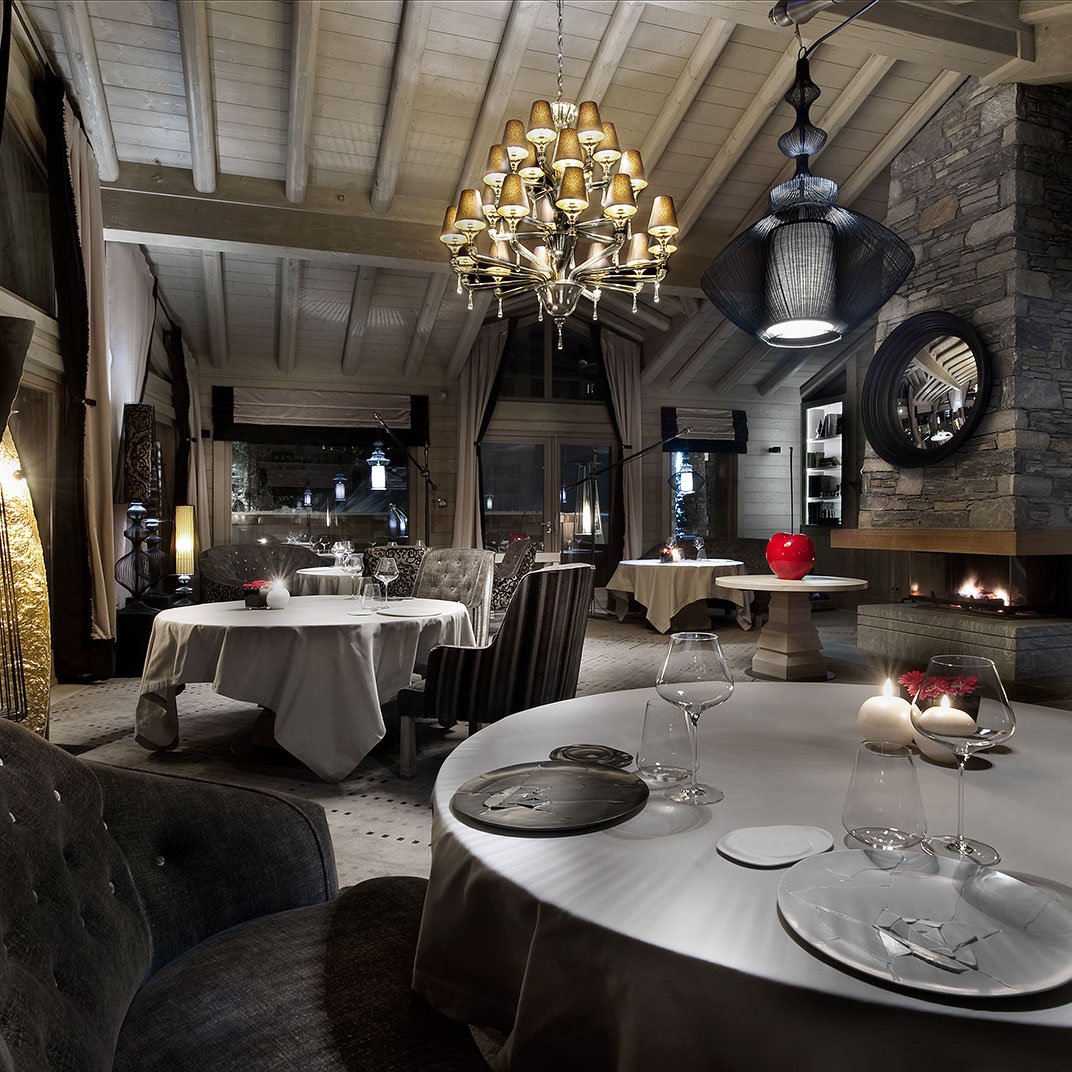
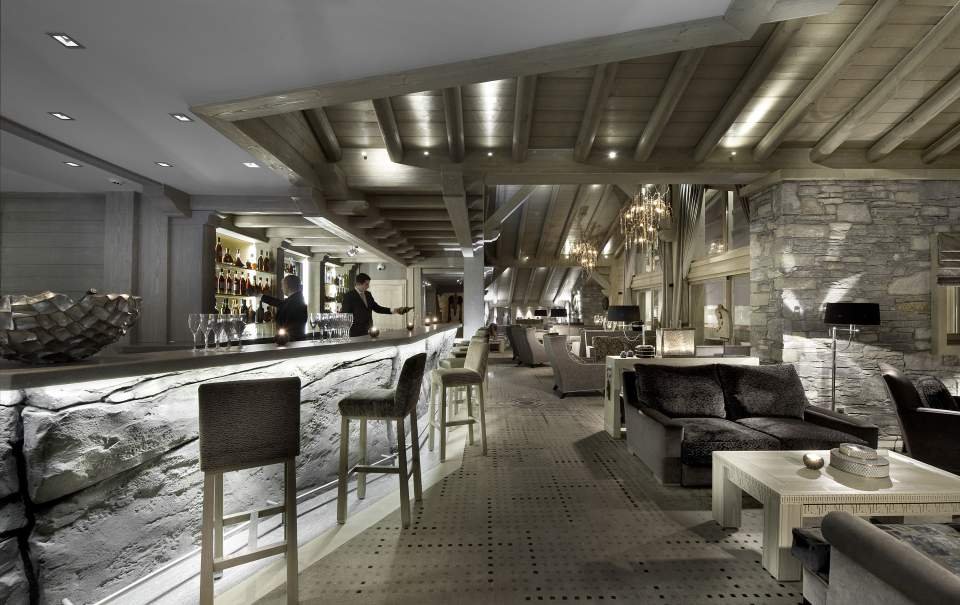
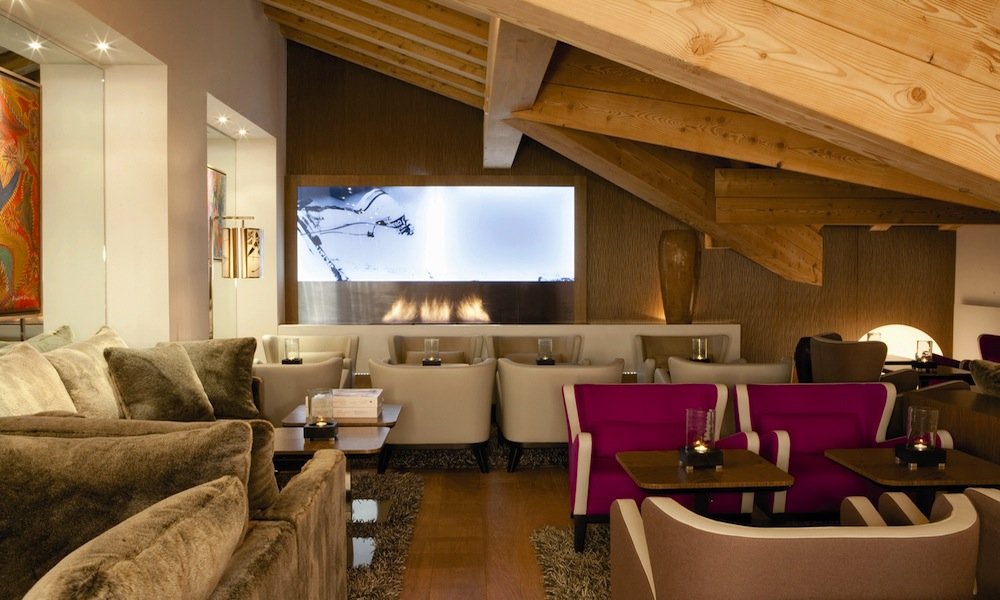
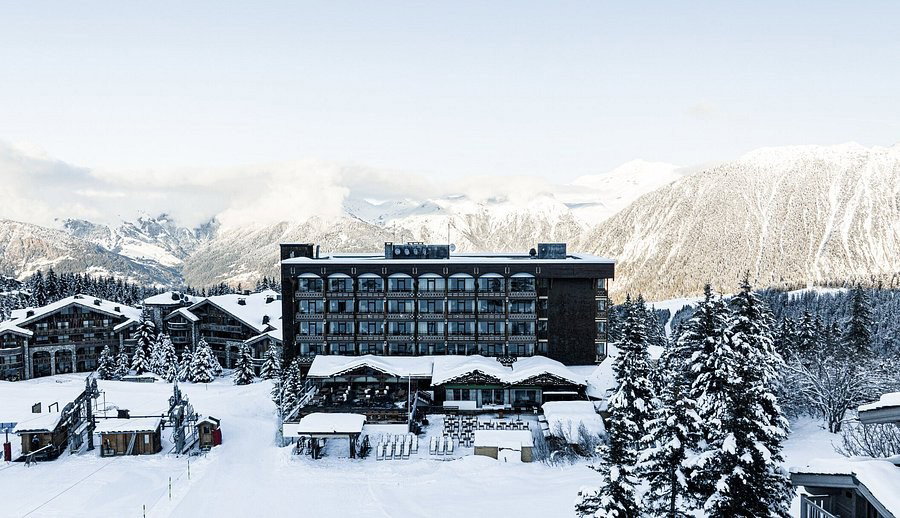
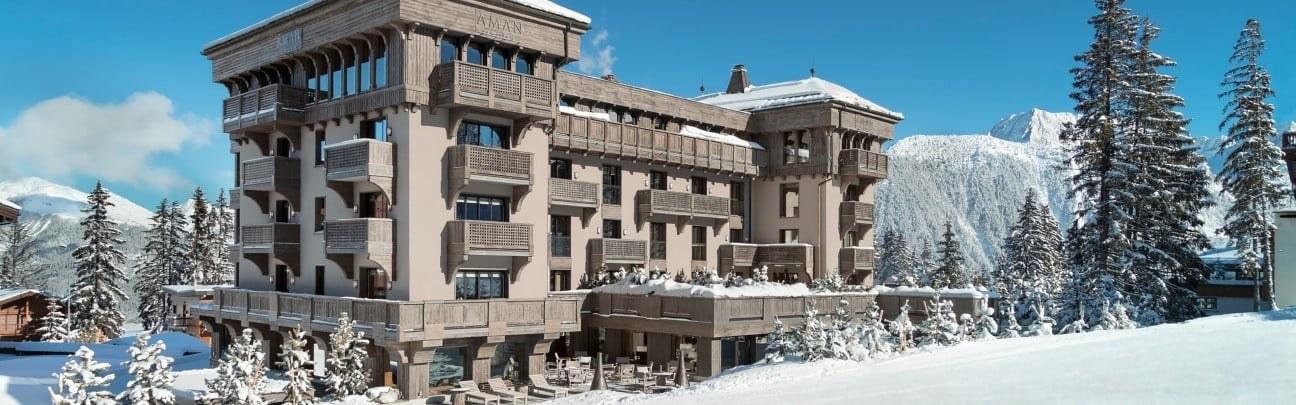
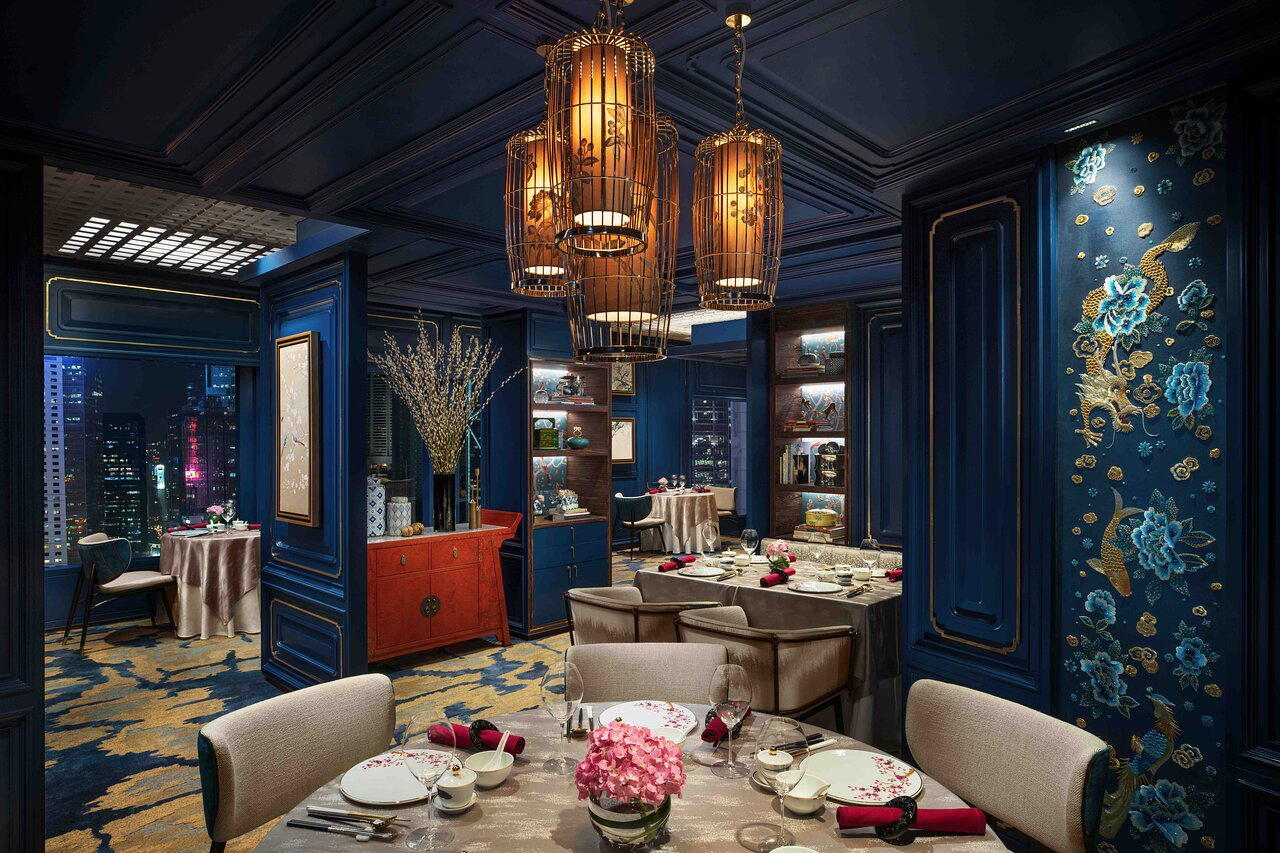
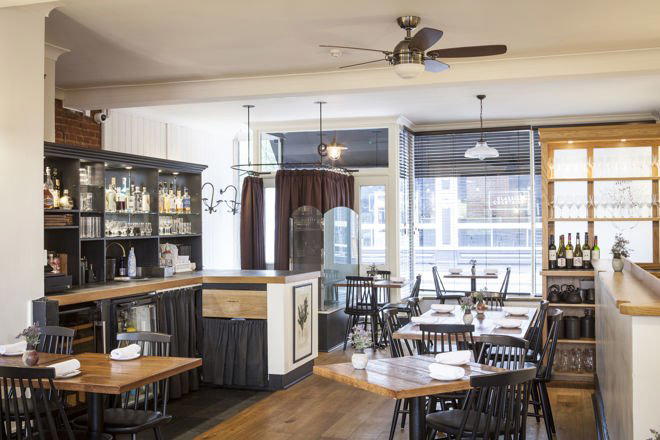
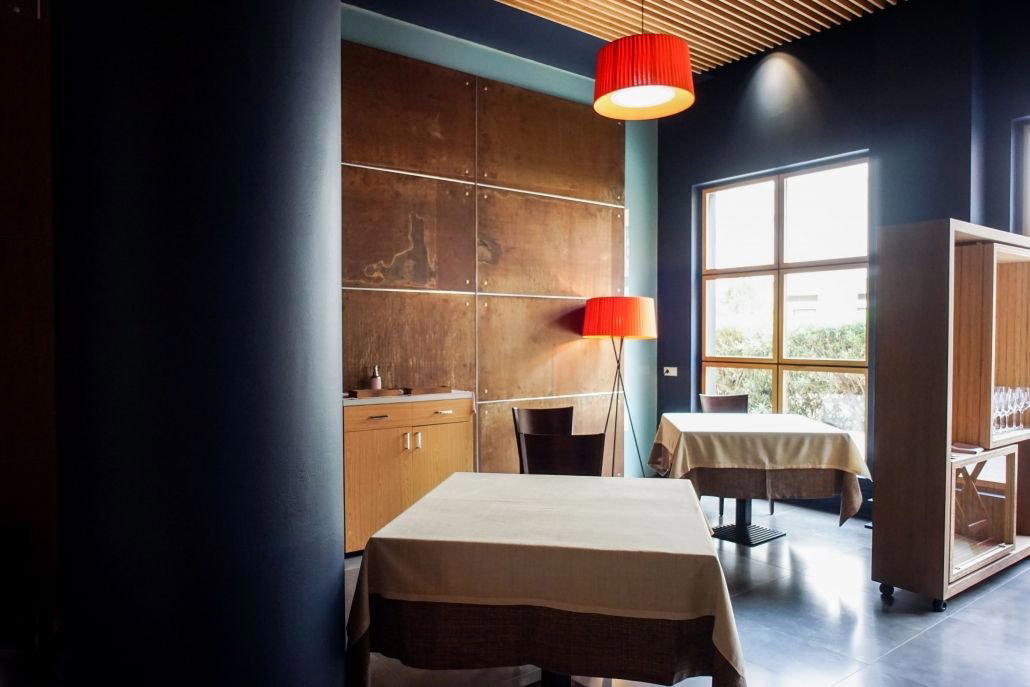
Alpage presents a quietly exacting dining room that privileges proximity and craft over spectacle. Housed within the Hotel Annapurna in Courchevel 1850, the restaurant favors an intimate footprint and an open kitchen so the work of the cooks becomes part of the evening. The setting reads as sophisticated and classically informed, a French fine-dining sensibility applied to alpine terroir, rather than the predictable luxury of wide-spaced hotel dining. The result is a focused, elegant room where technique and product take center stage and the atmosphere feels deliberately personal and refined.
Best For
This is a restaurant built for intentional evenings: think dinner for a date night or a discreet special occasion. The limited-cover, immersive moonlight format and Michelin-star cred make it a destination for diners who want a concentrated, terroir-led experience rather than casual resort fare. Service and pacing align with a formal tasting rhythm, so it’s best suited to guests seeking a measured, multi-course meal in an intimate setting: not for noisy group hangs or quick, informal stops.
Ordering Tips
Reserve well in advance: the format emphasizes a limited number of guests and an immersive experience. Expect an open-kitchen, tasting-style progression that foregrounds alpine ingredients and technique: the menu showcases items such as Alpine Yellow Fairy gentian sorbet, Blond Peas ravioli and the Honey Laitier dessert. Embrace the full sequence rather than à la carte substitutions; the room’s design and the chef’s terroir-led approach are intended to be experienced as a cohesive whole.
Venue details
Ambiance
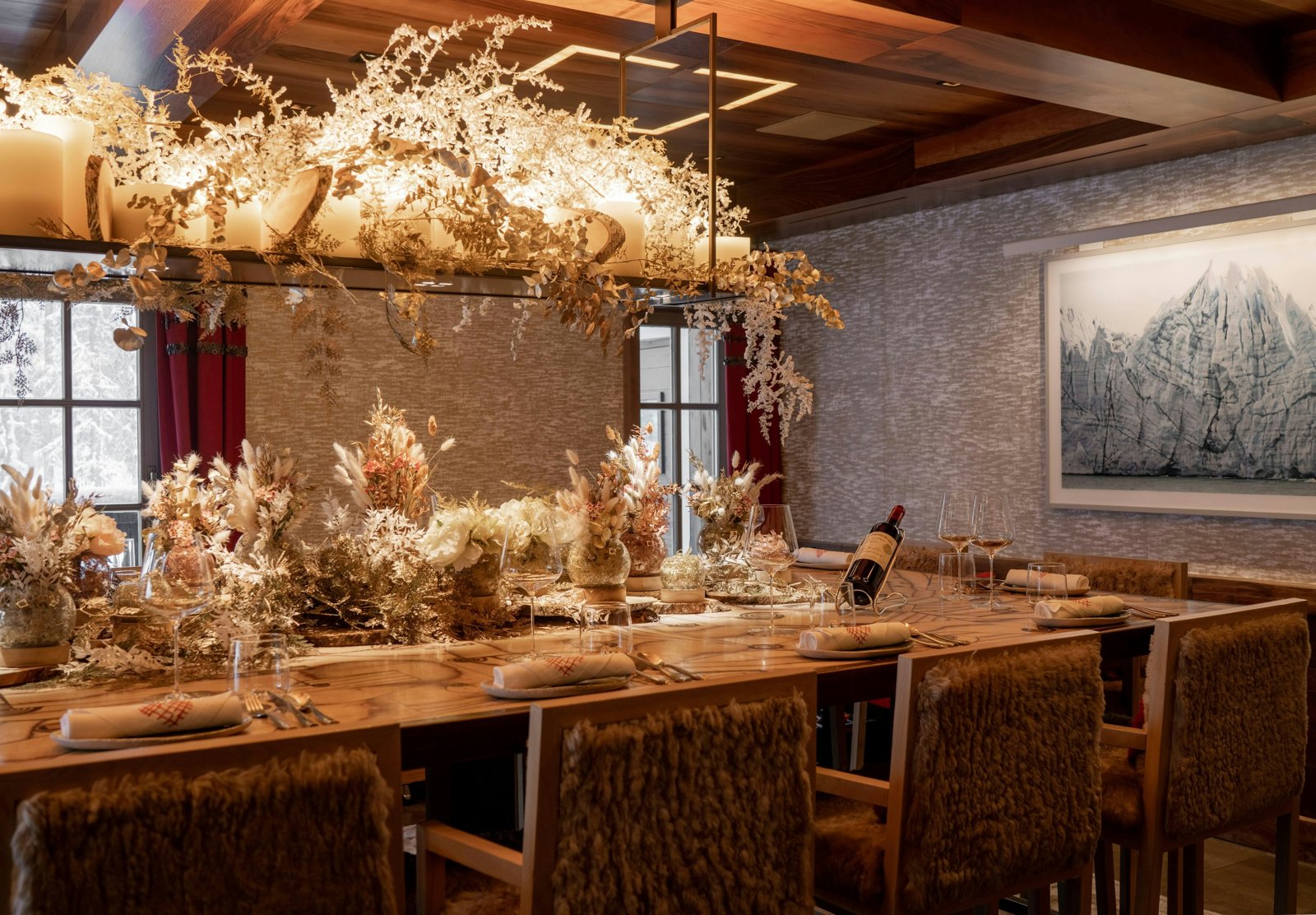
Enchanting and soothing setting with crushed green velvet chairs, floor-to-ceiling windows framing snow-capped mountains, magical lighting, stone and wood elements.
Tags
Vibe
Best For
Experience
Sourcing
View
Accessibility
At the Table
- Dress Code
- Smart Casual
- Noise Level
- Quiet
- Service Style
- Formal
- Meal Pacing
- Leisurely
- Capacity
- Intimate
- Kitchen
- Modern
- Menu Format
- Tasting menu
- Dietary
- Vegetarian friendly
Signature Dishes
- Alpine Yellow Fairy gentian sorbet
- Blond Peas ravioli
- Honey Laitier dessert
Know before you go
Know Before You Go
- Getting there
- 734 Rue de l'Altiport, 73120 Courchevel, France
Planning details
Hours
- Monday
- Closed
- Tuesday
- Closed
- Wednesday
- 7:30–9 PM
- Thursday
- 7:30–9 PM
- Friday
- 7:30–9 PM
- Saturday
- 7:30–9 PM
- Sunday
- 7:30–9 PM
Location
734 Rue de l'Altiport, 73120 Courchevel, France · Directions
Recognition and awards
Also consider
Also Consider
- Le Farçon: Modern Cuisine, €€€€
- Le 1947 à Cheval Blanc: Creative, €€€€
- Base Kamp by Aïnata: Lebanese, €€€€
- La Saulire: Traditional Cuisine, €€€€
- Le Bistrot du Praz: Modern Cuisine, €€€
Restaurant context
How Alpage Compares in Courchevel
At €€€€ across the board, Courchevel's top-tier restaurants are priced similarly: so the decision comes down to what kind of experience you are after. Alpage is the most produce-focused option at this level, with a plant-forward philosophy and Savoyard terroir at the centre of the menu. Le Farçon operates in the same Modern Cuisine category and price tier but with a more classically structured approach to Alpine fine dining. If you want a clear point-of-view kitchen with a smaller room and an open kitchen, Alpage is the stronger pick. If you want a more traditional fine dining room with broader menu coverage, Le Farçon is the alternative to consider first.
Le 1947 à Cheval Blanc is the highest-production-value option in the resort: creative cooking inside one of the most prestigious hotel addresses in Courchevel, and the choice if spectacle and setting matter as much as the food. Base Kamp by Aïnata offers a Lebanese kitchen at the same price tier, which is a genuinely different proposition if you want a break from French and Alpine cooking mid-trip. La Saulire covers Traditional Cuisine at €€€€ and is the right call if you want classic Savoyard cooking rather than a chef's personal interpretation of it.
For guests watching spend without dropping standards, Le Bistrot du Praz at €€€ is the clearest value alternative in the Modern Cuisine category: a meaningful step down in price with a quality level that holds up well. If your priority is the Michelin-credentialled, terroir-specific cooking that Alpage offers, there is no direct like-for-like substitute at a lower price in the resort. The choice is either Alpage at €€€€ or Le Bistrot du Praz at €€€ for a less formal but still considered meal.
Explore Courchevel
Around this place
Discover more on Pearl
Unlock the full Alpage guide in Pearl, including awards, comparisons, FAQs, planning details, and nearby places.
Compare Alpage
| Venue | Cuisine | Price | Booking Difficulty | Awards |
|---|---|---|---|---|
| Alpage | Modern Cuisine | €€€€ | Hard | Michelin Guide France & Monaco 20262025 Michelin 1 Star2024 Michelin 1 Star |
| Le Farçon | Modern Cuisine | €€€€ | Unknown | Michelin Guide France & Monaco 20262025 Gault & Millau Remarkable Restaurant2025 Michelin 1 Star2024 Michelin 1 Star |
| Le 1947 à Cheval Blanc | Creative | €€€€ | Unknown | 2026 OAD Classical in Europe Ranked · #28Michelin Guide France & Monaco 20262026 Les Grandes Tables du Monde Members2026 La Liste Top Restaurants2026 Falstaff Restaurant Guide2025 Gault & Millau Exceptional Restaurant2025 Michelin 3 Stars2025 La Liste Top Restaurants2024 OAD Classical in Europe Ranked · #40 |
| Base Kamp by Aïnata | Lebanese | €€€€ | Unknown | 2025 Michelin Plate2024 Michelin Plate |
| La Saulire | Traditional Cuisine | €€€€ | Unknown | Michelin Guide France & Monaco 20262025 Michelin Plate2024 Michelin Plate |
| Le Bistrot du Praz | Modern Cuisine | €€€ | Unknown | Michelin Guide France & Monaco 20262025 Michelin Plate2024 Michelin Plate |







.png?width=1200&quality=80)
What to weigh when choosing between Alpage and alternatives.
FAQ
Frequently Asked Questions
Is Alpage worth the price?
At €€€€ in Courchevel, yes: provided you are after produce-led cooking with a clear culinary identity rather than a conventional resort splurge. Jean-Rémi Caillon holds a Michelin star earned in 2024 and brings a two-star track record from Kintessence at Le K2 Palace. The price reflects real cooking. If you want a broader, more classic mountain menu, Le Farçon or La Saulire may align better with what you are spending.
Is the tasting menu worth it at Alpage?
Yes, if the format suits you. The kitchen is open and the restaurant is intimate, so the tasting menu here is an immersive, small-group experience rather than a large-table set dinner. Caillon's approach, Savoyard ingredients, vegetables and herbs given equal weight to proteins, gives the menu a distinctive point of view that justifies the format. If you prefer à la carte flexibility, this is not the right room.
What should I order at Alpage?
Specific dishes are not published in advance, and the menu changes with the season and Caillon's direction. What the kitchen is known for is produce-led cooking that draws on Savoyard ingredients, crozets, polenta, Chartreuse, alongside vegetables and herbs that take a lead role alongside animal products. Trust the tasting menu rather than looking for individual dishes to anchor your decision.
Is Alpage good for solo dining?
The intimate format and open kitchen make solo dining workable here: watching Caillon cook is part of the experience. The small number of covers means you are not conspicuous dining alone. For a solo diner who wants counter-style engagement with the kitchen, Alpage is a reasonable choice at the €€€€ price point.
What are alternatives to Alpage in Courchevel?
Le 1947 à Cheval Blanc is the top-end comparison: two Michelin stars and a higher price ceiling, suited to guests for whom nothing short of the resort's most decorated table will do. Le Farçon offers Michelin recognition with a more traditional Savoyard register. Base Kamp by Aïnata is the right call if you want something less formal after a day on the slopes. La Saulire and Le Bistrot du Praz cover mid-range and brasserie territory respectively.
Does Alpage handle dietary restrictions?
Caillon's cooking already gives vegetables and herbs a prominent role, so plant-forward or vegetable-first menus are not an afterthought here. Contact Hotel Annapurna directly at the earliest opportunity, ideally when booking, so the kitchen can plan accordingly.
Is Alpage good for a special occasion?
Yes, specifically for occasions where a considered, intimate setting matters more than a grand dining room. The small number of covers, open kitchen, and Michelin-starred cooking under a chef with a clear creative identity make it well-suited to a dinner where the meal itself is the event. It is not the choice if you want a large group, a celebratory noise level, or a traditional resort atmosphere: for that, Le 1947 à Cheval Blanc or La Saulire are closer fits.