.png?width=1200&quality=80)
SeBE
Rice Dishes · Costa Teguise
Restaurant in Costa Teguise, Spain
 Book with Pearl
The Read
Volcanic-Island Rice Counter
Dress
Smart Casual
Why go
SeBE is the strongest case for eating seriously on Lanzarote. A 2025 Michelin Plate and from over 1,200 visits back up its focus on intense rice dishes and locally sourced Canarian seafood — including the island's own La Santa prawns. At €€€, it is the most credibly grounded dining option in Costa Teguise for food-focused travellers.
About SeBE
Should You Book SeBE?
If you're deciding between a safe resort-strip dinner and a meal that gives you a real reason to remember Lanzarote, SeBE is the clearer choice. Most visitors to Costa Teguise eat well enough along the seafront without eating particularly well. It is not competing with the €€€€ tasting-menu circuit of mainland Spain — it is the leading argument for eating thoughtfully while you're on the island.
The Case for Booking
The Michelin Plate (2025) is the honest benchmark here. It signals cooking that the Guide's inspectors considered worth seeking out, without the full-star complexity and advance-planning that comes, say, Quique Dacosta in Dénia or Aponiente in El Puerto de Santa María. At €€€, SeBE occupies a practical middle ground: serious food at a price that doesn't require a special-occasion justification. For visitors to Lanzarote, that combination is genuinely rare. The island has no shortage of pleasant fish restaurants, but recognised culinary ambition at this price tier is thin on the ground.
The kitchen's identity rests on two pillars: rice dishes and Canarian fish and seafood. The rice dishes are described by Michelin as intense and central to what the kitchen does — not a side offering but a signature. The prawns from La Santa, a fishing village on the island's west coast, come with a specific recommendation to try them. La Santa prawns have a local reputation for quality rooted in the cold Atlantic upwellings around Lanzarote, so that recommendation carries weight beyond marketing. If you are the kind of traveller who wants produce with a traceable provenance and a sense of place on the plate, this is the framing SeBE is built around.
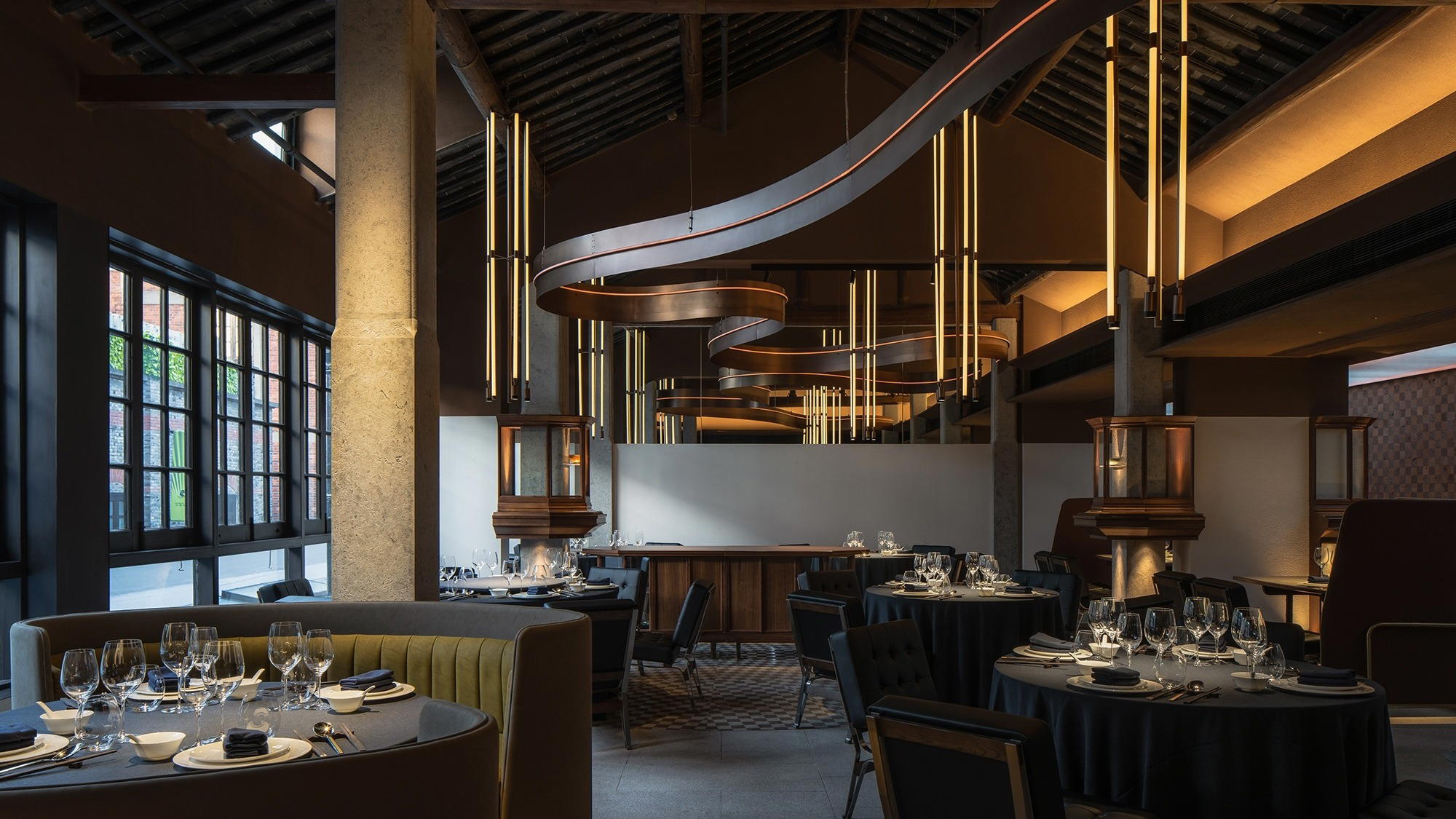
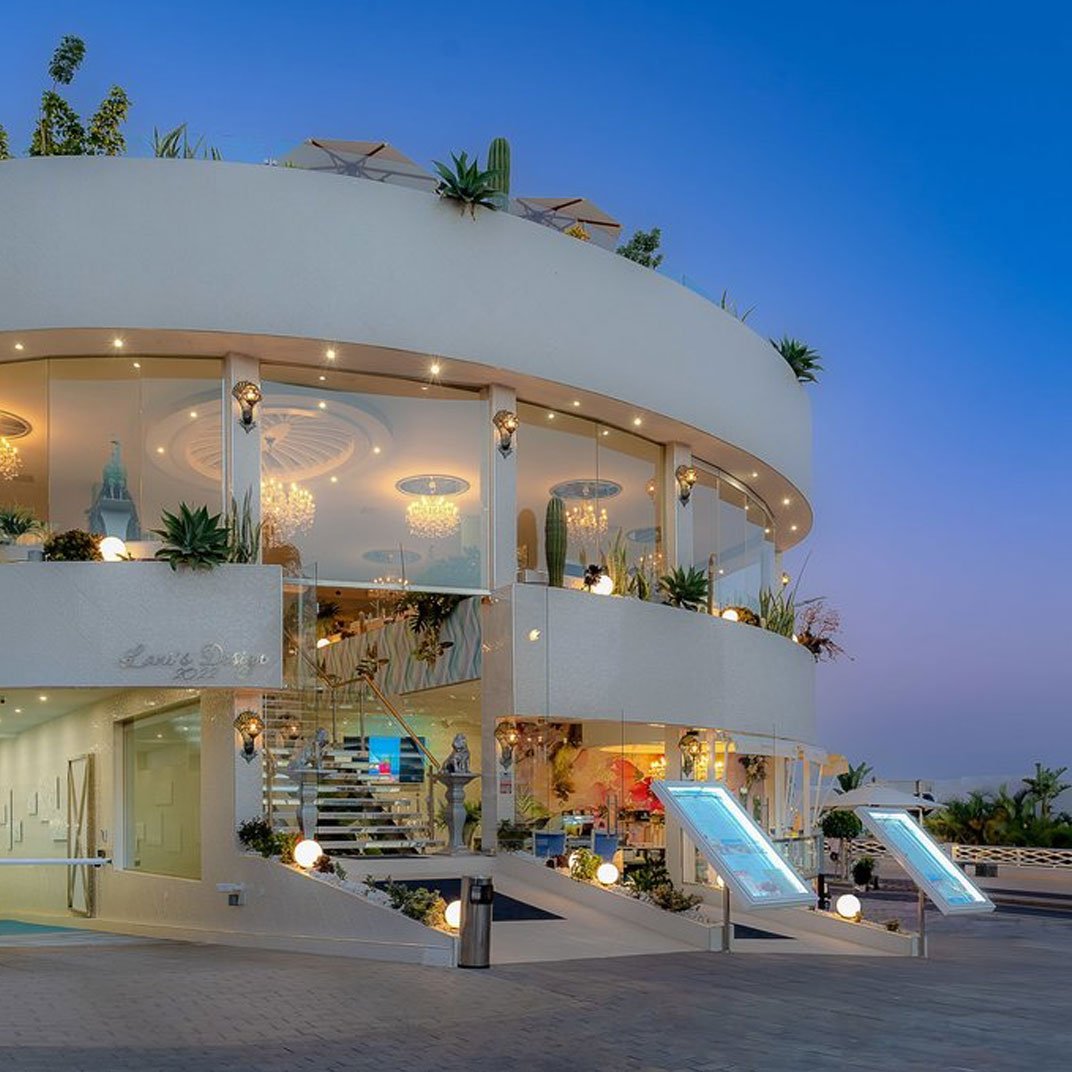
Interior, designed to reflect Lanzarote's colours and architectural language, gives the room a coherent identity without tipping into theme-restaurant territory. César Manrique's influence on the island's visual culture is well-documented, and a dining room that responds to that context is more interesting than a generic Mediterranean white-and-blue set. It adds to the case for booking SeBE over a comparable meal eaten somewhere with less local character.
A Multi-Visit Strategy
Because the menu is organised around two distinct anchors, the rice dishes and the fish and seafood, SeBE is genuinely worth returning to across a stay of several days. On a first visit, the rice dishes are the anchor. This is where the kitchen's identity is sharpest, and where the technical depth of the cooking is most visible. Order one of the rice preparations as your main focus and use the seafood as the frame around it.
On a second visit, shift the emphasis. The La Santa prawns are the clearest single-ingredient test of what the kitchen can do with premium local product. Pair that with whatever the kitchen is doing with the day's fish. Lanzarote's proximity to the Atlantic and to African fishing grounds means the catch changes and the kitchen's response to that is worth exploring on repeat visits rather than trying to cover everything in one sitting.
A third visit, for those with the time, is where you explore the edges: smaller courses, starters that show the kitchen's range beyond its two signature categories. Given the price tier and the booking ease, this is a restaurant where the multi-visit approach is practical rather than aspirational. You are not rearranging a mainland itinerary around a single table; you are choosing where to eat on consecutive evenings during a holiday.
Booking and Logistics
Booking difficulty is rated Easy, which reflects the reality that this is a Costa Teguise restaurant rather than a destination that draws diners from across Europe specifically for the table. That said, the Michelin Plate recognition in 2025 will have raised the venue's profile, and peak Lanzarote season, broadly October through April, when northern Europeans are escaping winter, will tighten availability. Book two to three weeks ahead for peak-season visits; for summer travel, a week's notice is likely sufficient, though booking earlier costs you nothing. The address is Av. de las Islas Canarias, 12, Costa Teguise, which places it accessibly within the resort area. No specific booking method or hours are confirmed in our data, so check current availability directly with the restaurant.
Dress code is not confirmed, but at €€€ with Michelin recognition in a Canarian resort context, smart-casual is a safe read: not beachwear, not a suit. The Spanish dining window applies, expect the room to fill later in the evening by northern European standards, with 9 PM a reasonable dinner time in local rhythm.
Where SeBE Fits in the Broader Picture
For context on what the rice-specialist category looks like elsewhere in Spain, Piripi in Alacant and La Xarxa in Tarragona offer useful reference points. Both operate in the tradition of serious Iberian rice cooking. SeBE's distinction is the Canarian ingredient sourcing and the island-specific context, the La Santa prawns are not something you can replicate on the mainland. If you are travelling Lanzarote specifically and care about eating well, this is where the island's food identity is most coherently expressed at a recognised level of quality.
For the wider Spain trip context, Ricard Camarena in València operates at the far end of what Spanish rice cooking can achieve with full tasting-menu ambition. SeBE is not that, it is a more accessible, more casual expression of similar ingredient priorities. That is not a criticism; for most visitors to Lanzarote, it is exactly the right register.
Explore more options with our full Costa Teguise restaurants guide, and if you're planning the full trip, our guides to Costa Teguise hotels, bars, wineries, and experiences are worth checking before you arrive.
The Verdict
Book SeBE if you are on Lanzarote for more than two nights and want at least one meal that reflects where you actually are. It is not a destination restaurant that justifies a flight on its own, but as the anchor meal of a Lanzarote stay, it earns the booking comfortably.
Planning details
- Location
- Av. de las Islas Canarias, 12, 35508 Costa Teguise, Las Palmas, Spain
- Reservations
- Book on the venue's website
- Website
- seberestaurant.es
- Phone
- +34 928 59 31 55
The take
The Take
The Vibe
SeBE presents a disciplined, ingredient-first interpretation of Canarian seafood cookery that reads as quietly confident rather than flashy. The kitchen treats Lanzarote’s volcanic soils and the cold Atlantic upwelling as the principal sources of flavour, concentrating on small-yield produce and intensely reduced stocks. That regional seriousness is reflected in the rice repertoire — the restaurant positions its arroz and caldoso variations as a core register — and is reinforced by a 2025 Michelin Plate recognition. The overall tone is refined and focused, with the island’s geography and fishing grounds driving the menu’s personality.
Best For
This is a restaurant for diners who want a considered encounter with Lanzarote’s flavours: think Atlantic seafood and meticulously executed rice cookery. The Michelin Plate nod and the kitchen’s restraint in balancing stock, fat and garnish make SeBE suited to elevated evenings and notable occasions when the food itself is the point of the outing. The dining experience rewards attention to provenance and technique rather than loud theatrics, so it aligns well with quiet celebrations, date nights and occasions where the quality of ingredients and cooking take center stage.
Ordering Tips
Focus on the rice register — the kitchen’s signature strength — and let the menu’s Atlantic emphasis guide selections. Highlighted preparations such as Prawns from La Santa, the Iberian pork paella and Octopus in mojo exemplify how local seafood and concentrated stocks are used to build intensity. Prioritise dishes that showcase the Canarian ingredient profile and reduced broths; these will best communicate the restaurant’s approach to texture and flavour. The menu rewards diners who lean into the island-sourced seafood and the house rice specialities.
Venue details
Ambiance
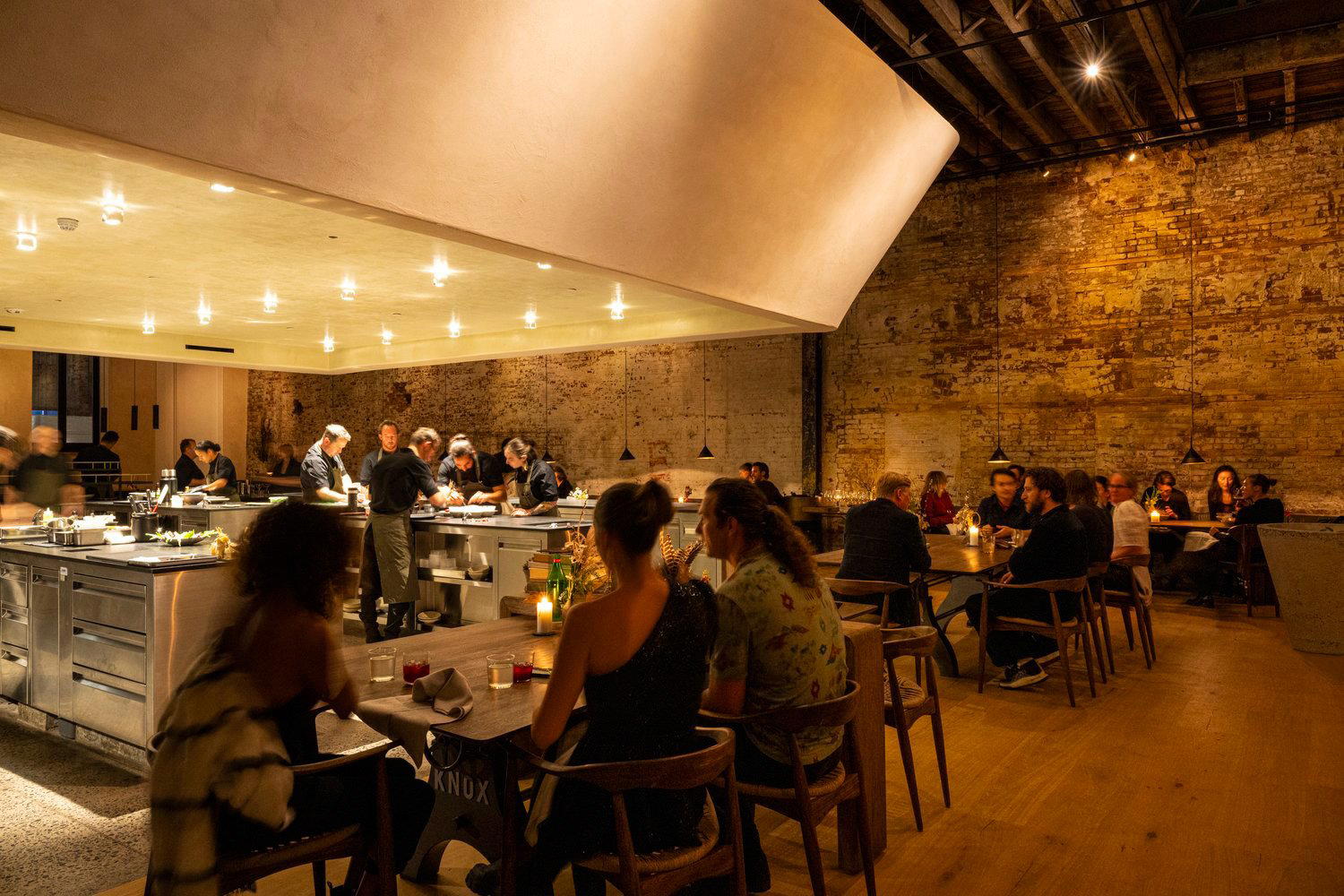
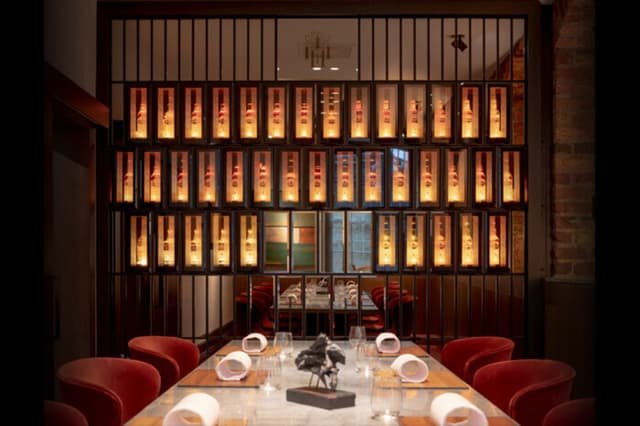
Warm, inviting atmosphere with modern design reflecting island colors and architecture, cozy indoor dining, and terrace with sea views.
Tags
Vibe
Best For
Experience
Sourcing
View
At the Table
- Dress Code
- Smart Casual
- Noise Level
- Conversational
- Service Style
- Upscale Casual
- Meal Pacing
- Leisurely
- Capacity
- Small
- Kitchen
- Modern
- Menu Format
- A la carte, Small plates
- Wine Program
- Curated
- Outdoor Seating
- Yes
Signature Dishes
- Prawns from La Santa
- Iberian pork paella
- Octopus in mojo
Know before you go
Know Before You Go
- Getting there
- Av. de las Islas Canarias, 12, 35508 Costa Teguise, Las Palmas, Spain
Planning details
Location
Av. de las Islas Canarias, 12, 35508 Costa Teguise, Las Palmas, Spain · Directions
Recognition and awards
Also consider
Also Consider
- Quique Dacosta, Creative, €€€€
- El Celler de Can Roca, Progressive Spanish, Creative, €€€€
- Arzak, Modern Basque, Creative, €€€€
- Azurmendi, Progressive, Creative, €€€€
- Aponiente, Progressive - Seafood, Creative, €€€€
Restaurant context
SeBE sits in a different tier and category from the obvious names in Spanish fine dining. Quique Dacosta, El Celler de Can Roca, Arzak, Azurmendi, and Aponiente all operate at €€€€ with multi-Michelin-star recognition and booking windows that require planning months in advance. SeBE at €€€ with a Michelin Plate is not competing with that tier, and for most visitors to Lanzarote, that is precisely the point. You do not need to build a mainland itinerary around a table at SeBE; you book it as the serious meal of your island stay.
If your trip includes time on the mainland and you want to compare the seafood ambition directly, Aponiente in El Puerto de Santa María is the benchmark for creative, produce-driven Spanish seafood cooking, but at €€€€ with far greater booking difficulty and a full tasting-menu commitment. For rice cooking at a higher register, Ricard Camarena in València and Piripi in Alacant are the mainland reference points. SeBE's distinction is not technical ambition relative to those addresses, it is the Canarian ingredient sourcing and the island-specific context that mainland restaurants cannot replicate.
For a Lanzarote trip, the practical comparison is not between SeBE and three-Michelin-star Spain, it is between SeBE and eating without a culinary reason to remember the meal. On that basis, SeBE wins the booking for food-focused travellers. If you want the full fine-dining journey during your Spain trip, pair a mainland stop at Azurmendi or Martin Berasategui with a SeBE booking on Lanzarote, the price tiers and experiences are complementary rather than competing.
Explore Costa Teguise
Around this place
Discover more on Pearl
Unlock the full SeBE guide in Pearl, including awards, comparisons, FAQs, planning details, and nearby places.
Compare SeBE
| Venue | Price | Booking Difficulty | Awards |
|---|---|---|---|
| SeBE | €€€ | Easy | 2026 Michelin Plate2025 Michelin Plate2024 Michelin Plate |
| Quique Dacosta | €€€€ | Unknown | 2026 OAD Top Restaurants in Europe Ranked · #12Guía Repsol Soles 20262026 Michelin 3 Stars2026 La Liste Top Restaurants2026 Falstaff Restaurant Guide2025 OAD Top Restaurants in Europe Ranked · #262025 World's 50 Best Restaurants · #652025 La Liste Top Restaurants2025 The Best Chef Three Knives |
| El Celler de Can Roca | €€€€ | Unknown | 2026 OAD Top Restaurants in Europe Ranked · #292026 Falstaff Restaurant GuideGuía Repsol Soles 20262026 Michelin 3 Stars2026 La Liste Top Restaurants2025 OAD Top Restaurants in Europe Ranked · #572025 La Liste Top RestaurantsChef's Table Featured Restaurants · 20252025 The Best Chef Three Knives |
| Arzak | €€€€ | Unknown | 2026 OAD Top Restaurants in Europe Ranked · #102Star Wine Lists 2026Guía Repsol Soles 20262026 La Liste Top Restaurants2026 Michelin 3 Stars2025 OAD Top Restaurants in Europe Ranked · #1252025 The Best Chef Two Knives2025 Michelin 3 Stars2025 La Liste Top Restaurants |
| Azurmendi | €€€€ | Unknown | 2026 OAD Top Restaurants in Europe Ranked · #25Star Wine Lists 2026Guía Repsol Soles 20262026 La Liste Top Restaurants2026 Michelin 3 Stars2026 Falstaff Restaurant Guide2025 OAD Top Restaurants in Europe Ranked · #19We're Smart World Top Restaurants 20252025 La Liste Top Restaurants |
| Aponiente | €€€€ | Unknown | 2026 OAD Top Restaurants in Europe Ranked · #62Guía Repsol Soles 20262026 Michelin 3 Stars2026 La Liste Top Restaurants2025 OAD Top Restaurants in Europe Ranked · #632025 World's 50 Best Restaurants · #84Chef's Table Featured Restaurants · 20252025 Michelin 3 Stars2025 The Best Chef Three Knives |












What to weigh when choosing between SeBE and alternatives.
FAQ
Frequently Asked Questions
What should I order at SeBE?
Prioritise the rice dishes and the prawns from La Santa — both are specifically flagged by Michelin inspectors as the reasons to visit. SeBE's menu runs two clear anchors: rice-based preparations and fresh fish and seafood, so ordering across both gives you a representative read of the kitchen. If you only have one visit, the rice dishes are the clearest differentiator from other Costa Teguise options.
What should I wear to SeBE?
SeBE sits at the €€€ price point with a Michelin Plate, so the room takes its food seriously, but Costa Teguise is a resort town rather than a formal dining destination. Neat, presentable clothing is appropriate — think beach-adjacent smart rather than jacket-required. No venue data specifies a dress code, so err toward tidy casual and you will be fine.
What are alternatives to SeBE in Costa Teguise?
For rice-specialist cooking elsewhere in Spain, Piripi in Alacant and La Xarxa in Tarragona are the reference-point comparisons — both are serious operations in their own right, though neither is on Lanzarote. Within the island, most resort-strip options don't carry Michelin recognition, which is precisely why SeBE reads as the practical default for anyone wanting a meal with some culinary rigour.
Is SeBE worth the price?
At €€€, SeBE is mid-to-upper range for Costa Teguise, and the Michelin Plate (2025) provides external validation that the cooking justifies the spend. For a resort destination where most competitors are straightforwardly generic, the combination of locally sourced seafood and a kitchen with inspector-level recognition makes the price differential reasonable. If you are visiting Lanzarote for more than two nights, it is the clearest answer to where to spend your one serious dinner.
Is the tasting menu worth it at SeBE?
No tasting menu details are confirmed in the available venue data, so committing to one format over another isn't possible here. What is confirmed is that the kitchen is organised around two distinct strengths — rice dishes and fish and seafood — which makes a meal covering both a practical substitute for a fixed tasting format. Check directly with the restaurant on arrival or when booking for current menu structure.