
Saporium
Tuscan · Chiusdino
Restaurant in Chiusdino, Italy
 Book with Pearl
The Read
Estate-to-Table Precision
Price
$150–200per person
Chef
Ariel Hagen
Dress
Formal
Why go
Saporium earned its 2024 Michelin star through precise, produce-led Tuscan cooking built almost entirely from the 100-hectare Borgo Santo Pietro estate. At €€€€, the combination of candlelit setting, estate wines, and a 1,300-label list makes it worth the remote Chiusdino drive — but book well ahead; hotel guests get priority and outside covers are limited.
About Saporium
The Verdict
If you can secure a table at Saporium, book it. This is one of the most compelling arguments for Tuscan fine dining outside of a city: a Michelin-starred restaurant set within Relais Borgo Santo Pietro, a 13th-century property in the hills of Chiusdino, where the kitchen draws almost entirely from its own 100-hectare estate. The combination of a serious wine list (over 1,300 labels), estate-grown produce, and cooking that reads as modern without feeling performative makes this worth the detour. The catch is logistics: Chiusdino is remote, the restaurant seats within a small property, and demand from both hotel guests and outside diners makes reservations genuinely difficult to secure. Plan well ahead.
About Saporium
Here is the booking intelligence you need first: if you are not staying at Borgo Santo Pietro, your window for a reservation is narrower than you might expect. Hotel guests get natural priority at a property this size, and outside diners are competing for a limited number of covers. Contact the restaurant directly as early as possible, well before your travel dates, and be specific about your preferred seating. The portico table in fine weather — a 13th-century outdoor terrace overlooking the estate garden and Valle Serena — requires advance request rather than assumption. If your dates are flexible, weekday bookings in shoulder season (late spring or early autumn) will give you the leading chance of availability.
The recent evolution worth knowing: Saporium was repositioned as Borgo Santo Pietro's flagship fine-dining restaurant, with executive chef Ariel Hagan shaping the culinary direction and resident chef Luca Ottogalli translating that vision into the daily menu. This is not a hotel restaurant coasting on its setting. The 2024 Michelin star signals that the kitchen has arrived at a level of technical consistency that places it among a small group of destination restaurants in southern Tuscany. The cuisine sits in the register of modern Tuscan: produce-led, precise in execution, seasonal in structure.
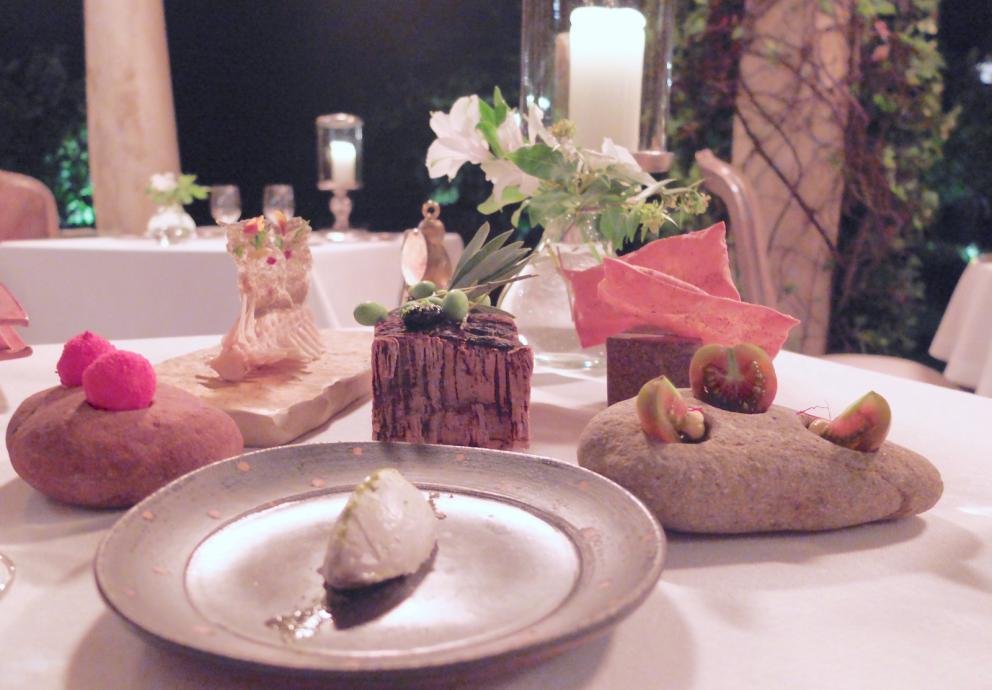
The estate is genuinely central to what you eat here, and that specificity is rare even at this price tier. Olive groves, vineyards, orchards, and a kitchen garden supply the kitchen with ingredients that have a measurable effect on the character of the cooking. Seasonal vegetables and herbs, estate-pressed olive oil, and fruit from the orchard all feed directly into the menu. When the kitchen uses cavolo nero sourced from its own garden alongside game from the surrounding region, the coherence between place and plate is not a marketing claim, it is the structure of the menu. Dishes such as saddle of hare with cavolo nero and pear illustrate how the kitchen builds around what the land produces rather than importing a style from elsewhere.
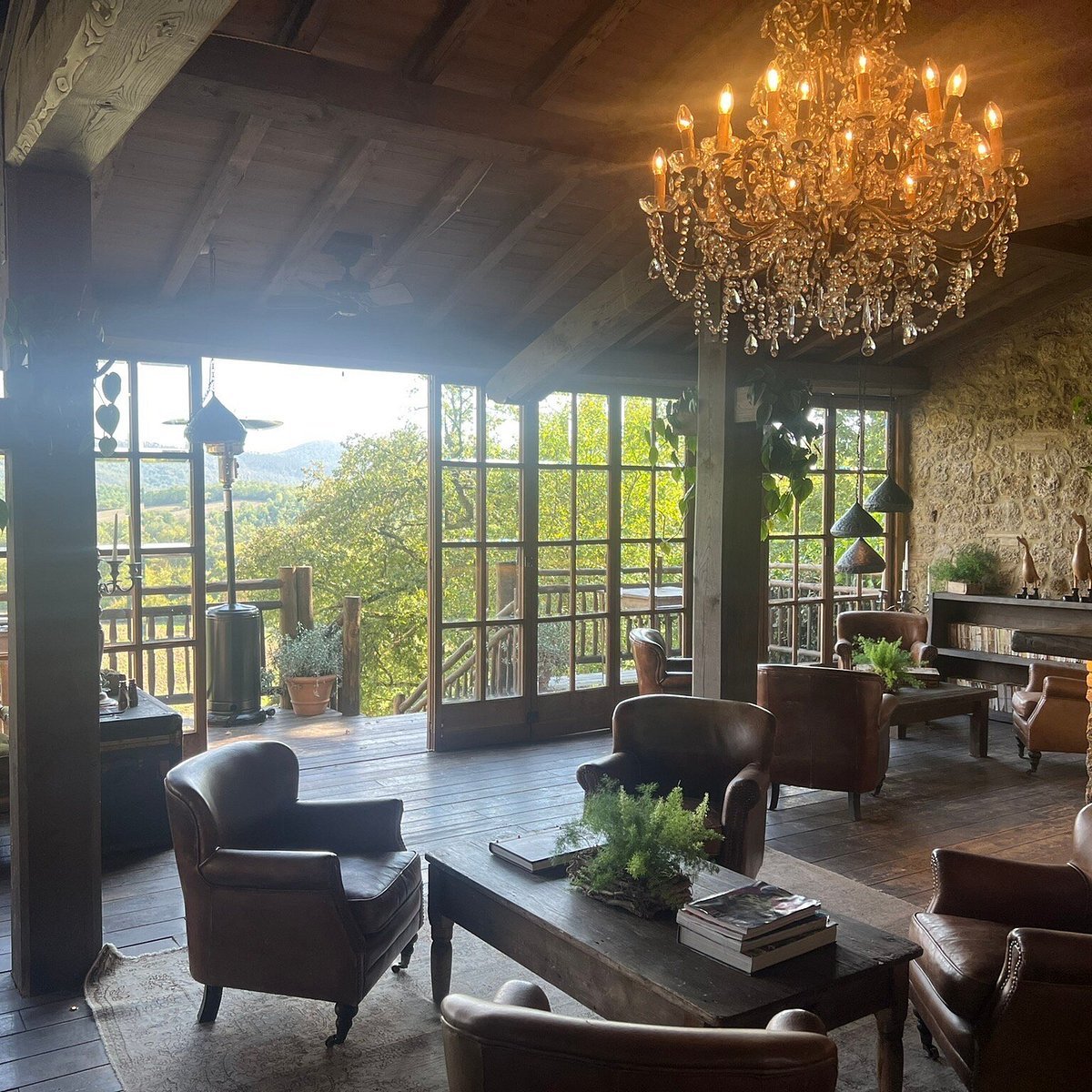
Setting does a great deal of work in establishing the mood before a dish arrives. Dinner in the interior dining room, lit by hundreds of candles, creates a warmth that most city fine-dining rooms cannot replicate by design. The decor is genuinely considered, old stone and refined furnishing rather than the kind of pastoral cliché that often accompanies rural Tuscan restaurants at lower price points. In warmer months, the shift to the open portico changes the register entirely: the garden, the valley beyond it, and the long Tuscan evening light become the backdrop. Both settings serve the same menu, but they are meaningfully different experiences. If your visit falls in summer or early autumn, the outdoor seating should be your priority.
Wine list at 1,300-plus labels is serious enough to reward a pre-dinner conversation with the sommelier rather than an autonomous browse. Among the options, Borgo Santo Pietro produces its own wines from the estate vineyards, including a Pinot Nero that has drawn favourable attention for its balance. Estate wine at a Michelin-starred table on the same property where the grapes are grown is a coherent and satisfying way to approach the pairing. That said, the broader list means that if your preference runs to established Tuscan producers or further afield, the depth is there.
At the €€€€ price point, Saporium is asking you to assess whether the overall package, setting, estate produce, wine depth, and cooking quality, justifies the spend for a single meal. Compared to city fine dining at equivalent prices, what you gain is a completeness of experience that a restaurant-only visit elsewhere cannot offer: the landscape, the estate, the candles, and food rooted in the ground immediately outside. What you trade is convenience and accessibility. For food and travel enthusiasts treating this as a destination in its own right, and ideally combining it with a stay at the property, the value calculation is clear. For a quick dinner stop on a road trip, the logistics may not be worth the effort without an overnight.
Chiusdino itself is a small medieval hill town in the Sienese province of southern Tuscany, and Saporium is the area's most decorated table. For context on what else the region offers, see our full Chiusdino restaurants guide, our full Chiusdino hotels guide, our full Chiusdino bars guide, our full Chiusdino wineries guide, and our full Chiusdino experiences guide. Within Tuscany, the restaurant most directly comparable in terms of regional produce focus and Michelin recognition is Caino in Montemerano. For a different take on Tuscan fine dining in a more accessible location, L'Asinello in Castelnuovo Berardenga is worth consideration.
Booking
Booking difficulty is high. Outside diners compete with hotel guests for limited covers. Reserve as far in advance as possible, weeks ahead is the minimum; months ahead is safer for weekend dates or peak season. If you want the portico table in summer, request it explicitly at the time of booking. A stay at Borgo Santo Pietro is the most reliable way to guarantee access.
Located inside
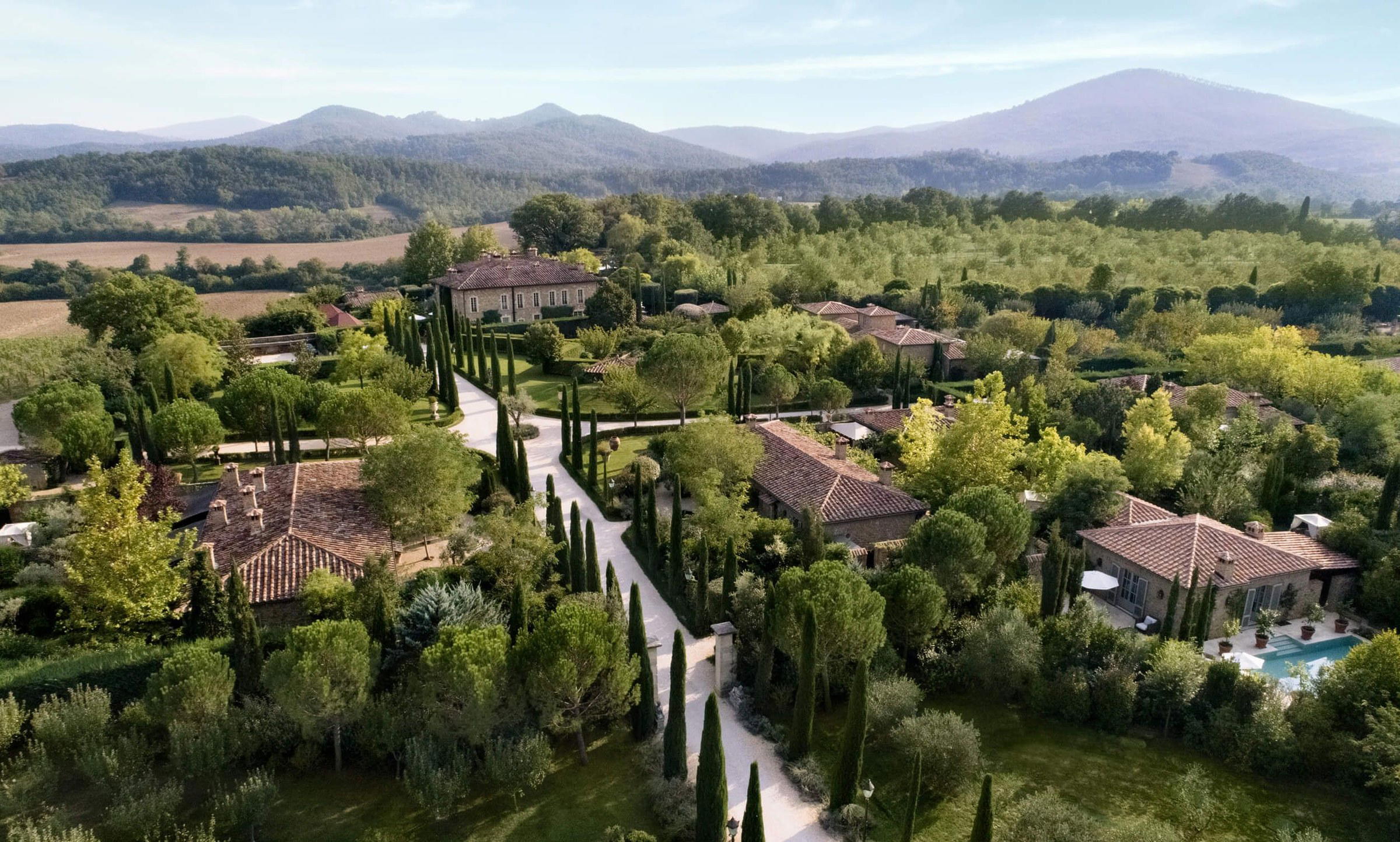 HotelBorgo Santo PietroFull hotel guide
Planning details
- Hours
- Location
- Location
- località Palazzetto 110, Chiusdino, 53012, Italy
- Reservations
- Book on the venue's website
- Website
- saporium.com/borgo-santo-pietro
- Phone
- +39 0577 751222
- Michelin Stars
- 1 Star (2024)1 StarCheck current
- Price Tier
- €€€€€€€€Check current
- Setting
- Estate hotel, remoteVillage, southern MaremmaVillage, Chianti Senese
- Booking Difficulty
- Hard (hotel priority)Moderate-HardModerate
- Leading For
- Destination stay, romanticDestination diningAccessible Tuscan fine dining
- Estate Produce
- Yes, 100ha on-siteRegional focusRegional focus
The take
The Take
The Vibe
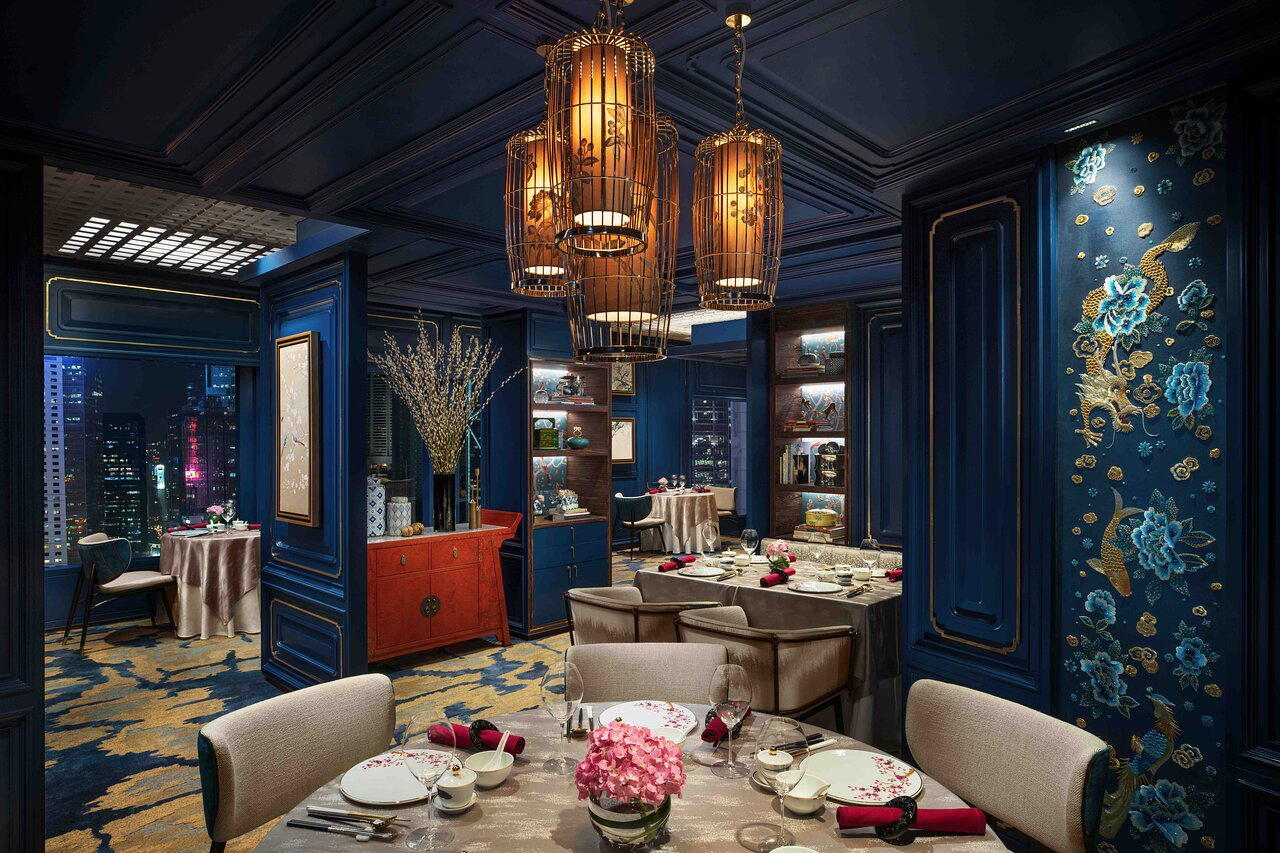
Saporium inhabits a medieval estate where the building and the land frame every plate. The dining room’s stone walls are softened by hundreds of candles in the evening, creating a warm, cozy setting that encourages slow, attentive meals. The kitchen treats the estate itself as an ingredient list — olive groves, vineyards, orchards and kitchen gardens supply produce that shifts the menu with the seasons. The result feels classic and material rather than decorative: a rustic-meets-formal room that’s intimate and quietly charming, built around provenance and the tactile pleasures of well-made Italian food.
Best For
This is primarily an evening destination for guests seeking an unhurried, celebratory meal. The candlelit dining room and medieval setting make it especially suited to date nights, special occasions and quiet celebrations where atmosphere matters as much as the food. Because the restaurant sits on a working estate and is part of Relais Borgo Santo Pietro, it also rewards visitors willing to make the detour through the Sienese hills — the experience reads as a purposeful stop on a Tuscan itinerary rather than a casual drop-in.
Ordering Tips
Menu offerings hinge on what grows on the estate, so ask what’s in season and let the kitchen steer you. Highlight dishes that showcase the estate’s produce: the Red mullet with green asparagus and clams, Rosa marchetti rice with wild garlic, Agnolotti with morello artichoke and baby squid, and the Garden Vegetables with multiple varieties and edible flowers all reflect the property-first approach. Consider a tasting or multiple smaller courses to sample the range of seasonal vegetables and seafood, and reserve space to follow the kitchen’s seasonal suggestions.
Venue details
Ambiance
Rare elegance with hundreds of candles providing soft, romantic lighting in the dining room; outdoor seating under a 13th-century portico with views of the Valle Serena and moonlit citrus trees.
Tags
Vibe
Best For
Experience
Sourcing
View
At the Table
- Dress Code
- Formal
- Noise Level
- Quiet
- Service Style
- Formal
- Meal Pacing
- Extended Experience
- Capacity
- Small
- Kitchen
- Farm-to-table
- Menu Format
- Tasting menu, Prix fixe, A la carte
- Wine Program
- Curated
- Drinks Focus
- Wine pairing
- Dietary
- Vegetarian friendly, Organic focus, Allergy accommodating
- Private Dining
- Available
- Outdoor Seating
- Yes
Signature Dishes
- Red mullet with green asparagus and clams
- Rosa marchetti rice with wild garlic
- Agnolotti with morello artichoke and baby squid
- Garden Vegetables with 20 species of vegetables and edible flowers
Know before you go
Know Before You Go
- Getting there
- località Palazzetto 110, Chiusdino, 53012, Italy
Planning details
Hours
Location
Location
località Palazzetto 110, Chiusdino, 53012, Italy · Directions
Recognition and awards
Also consider
Also Consider
- Atelier Moessmer Norbert Niederkofler, Italian, Creative, €€€€
- Dal Pescatore, Italian, Italian Contemporary, €€€€
- Osteria Francescana, Progressive Italian, Creative, €€€€
- Quattro Passi, Italian, Mediterranean Cuisine, €€€€
- Reale, Progressive Italian, Modern Cuisine, €€€€
Restaurant context
At €€€€, Saporium sits in the same price tier as Italy's most serious fine-dining tables, but its point of difference is specificity of place rather than culinary ambition for its own sake. Compare it to Osteria Francescana in Modena, which operates at a fundamentally different level of global recognition and technical complexity, and Saporium is the quieter, more grounded choice: no waiting list measured in months, no pilgrimage expectation, and a setting that carries as much weight as the cooking. If you are choosing between them for a single Italy trip, Osteria Francescana is the harder booking and the higher-stakes experience; Saporium is the more complete stay when combined with the property.
Reale in Castel di Sangro and Atelier Moessmer Norbert Niederkofler in Brunico are both remote-destination fine-dining restaurants at the same price tier, with stronger sustainability and territory credentials than most city peers. If your interest is in cooking that is philosophically rooted in a specific landscape, all three are worth comparing. Reale leans more experimental; Atelier Moessmer has a stronger environmental focus; Saporium is the most immediately romantic and accessible of the three in terms of setting and register. Dal Pescatore in Runate is a more traditionally structured Italian fine-dining experience with decades of Michelin recognition behind it, worth choosing if classical Italian cuisine and family-run continuity matter more to you than estate-to-table provenance.
Within the broader Italian €€€€ set, Quattro Passi in Marina del Cantone offers a coastal Mediterranean counterpoint to Saporium's inland Tuscan focus; Piazza Duomo in Alba and Le Calandre in Rubano are both more technically ambitious and more difficult to book. Uliassi in Senigallia is the better choice if seafood-forward cooking is the priority. For most food and travel enthusiasts planning a southern Tuscany trip, Saporium is the right choice at this tier: serious enough to justify the price, accessible enough to book with reasonable planning, and embedded in a setting that no city peer can replicate.
Explore Chiusdino
Around this place
Discover more on Pearl
Unlock the full Saporium guide in Pearl, including awards, comparisons, FAQs, planning details, and nearby places.
Compare Saporium
| Venue | Awards | Price |
|---|---|---|
| Saporium | 2026 Michelin 1 Star2025 Michelin 1 Star2024 Michelin 1 Star | €€€€ |
| Atelier Moessmer Norbert Niederkofler | 2026 OAD Top Restaurants in Europe Ranked · #92026 Falstaff Restaurant Guide2026 Les Grandes Tables du Monde Members2026 Michelin 3 Stars2026 La Liste Top Restaurants2025 World's 50 Best Restaurants · #202025 OAD Top Restaurants in Europe Ranked · #362025 The Best Chef Three Knives2025 Michelin 3 Stars | €€€€ |
| Dal Pescatore | 2026 OAD Classical in Europe Ranked · #172026 Relais Chateaux Restaurants2026 Les Grandes Tables du Monde Members2026 La Liste Top Restaurants2026 Michelin 3 Stars2026 Falstaff Restaurant Guide2025 OAD Classical in Europe Ranked · #162025 Michelin 3 Stars2025 Relais Chateaux Award | €€€€ |
| Osteria Francescana | 2026 OAD Top Restaurants in Europe Ranked · #212026 La Liste Top Restaurants2026 Les Grandes Tables du Monde Members2026 Michelin 3 Stars2026 Falstaff Restaurant Guide2025 OAD Top Restaurants in Europe Ranked · #27Chef's Table Featured Restaurants · 20252025 Michelin 3 Stars2025 The Best Chef Three Knives | €€€€ |
| Quattro Passi | 2026 OAD Top Restaurants in Europe Ranked · #972026 Les Grandes Tables du Monde Members2026 La Liste Top Restaurants2026 Michelin 3 Stars2026 Falstaff Restaurant Guide2025 OAD Classical in Europe Ranked · #522025 La Liste Top Restaurants2025 Michelin 3 Stars2024 OAD Classical in Europe Ranked · #116 | €€€€ |
| Reale | 2026 OAD Top Restaurants in Europe Ranked · #222026 Les Grandes Tables du Monde Members2026 La Liste Top Restaurants2026 Michelin 3 Stars2026 Falstaff Restaurant Guide2025 World's 50 Best Restaurants · #182025 OAD Top Restaurants in Europe Ranked · #25We're Smart World Top 100 2025We're Smart World Top Restaurants 2025 | €€€€ |










Side-by-side comparison to help you decide where to book.
FAQ
Frequently Asked Questions
Can Saporium accommodate groups?
Groups are possible but require early coordination, especially for outside diners competing with hotel guests for limited covers. The intimate setting at Borgo Santo Pietro suits smaller parties better — large groups should contact the property well in advance to check availability and whether private dining arrangements can be made. If your group is staying at the Relais, access improves considerably.
Can I eat at the bar at Saporium?
Saporium is a formal Michelin-starred dining room, not a bar-dining concept. The venue is structured around the main dining room and, in good weather, the 13th-century portico overlooking the garden. There is no indication of casual bar seating as an alternative entry point — plan for a full sit-down experience.
What should I wear to Saporium?
The candlelit dining room and historic setting at Borgo Santo Pietro signal a formal register — this is not a casual dinner. Err toward smart-formal: jacket for men is appropriate and fits the room's tone. The portico setting in warmer months is slightly more relaxed, but the Michelin-star context holds either way.
Is lunch or dinner better at Saporium?
Dinner is the stronger experience here. Hundreds of candles light the dining room at night, creating an atmosphere the daytime setting cannot replicate. That said, lunch under the 13th-century portico with views across the Valle Serena and the estate's 100-hectare grounds is a genuinely different proposition — worth considering if you want to see the property in daylight.
Is Saporium good for a special occasion?
Yes, and it's one of the more complete special-occasion setups in Tuscany at this price point. A Michelin star (2024), a candlelit historic dining room, estate-grown produce, and a wine list of over 1,300 labels give you the full package without needing to be in Florence or Siena. The remoteness of Chiusdino actually works in its favour for occasions where you want to feel removed from the ordinary.
Is Saporium worth the price?
At €€€€, Saporium is priced at the top of the Tuscan fine-dining range, but the value case is solid: a Michelin star, produce sourced directly from the estate's own olive groves, vineyards, and vegetable gardens, and a wine list that runs to more than 1,300 labels. Compared to paying similar prices in a city restaurant without the setting or provenance story, Saporium has the stronger argument — provided you are willing to make the drive to Chiusdino.
Is the tasting menu worth it at Saporium?
The tasting menu format aligns well with what Saporium does: seasonal, produce-driven dishes shaped by executive chef Ariel Hagan and executed by resident chef Luca Ottogalli, supported by a wine list of over 1,300 labels with estate wines available for pairing. If you are coming this far into the Sienese countryside at €€€€, committing to the full menu makes more sense than a shorter order — it's the format the kitchen is built around.