Restaurant in Chicago, United States
20-30 courses. Book for a real occasion.
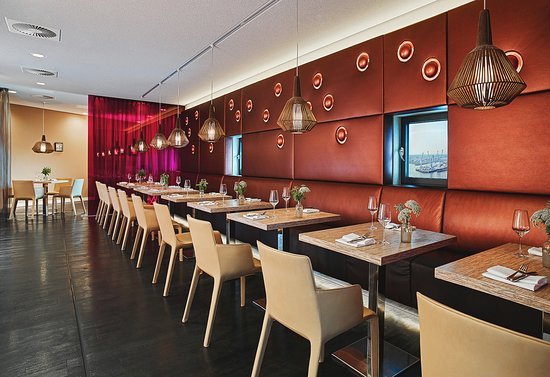
Feld is a Michelin Plate-recognised tasting menu restaurant in Chicago's Ukrainian Village, running 20-30 nightly-changing courses built almost entirely from ingredients sourced within a four-hour radius. At $$$$ per head it's one of the most produce-committed kitchens in the city — book well in advance and commit to the format. Recognised by Bon Appétit as one of America's best new restaurants.
The most common misconception about Feld is that it's a farm-to-table concept in the trendy, buzzword sense: a restaurant that mentions sourcing once on a menu and moves on. It isn't. Feld is built around a nightly changing, 20-to-30-course tasting menu driven almost entirely by what's available within a four-hour radius of Chicago's Ukrainian Village. That level of commitment to the kitchen's sourcing philosophy is evident in the structure of every dish and in how the team operates in full view at the center of the room. If you're looking for a direct à la carte dinner, this is not that restaurant. If you want one of the more considered tasting menu experiences in Chicago at the $$$$ price tier, Feld has a strong case — backed by a Michelin Plate (2025) and recognition from Bon Appétit as one of America's leading new restaurants.
Feld's kitchen, helmed by Chicago native Chef Jacob Potashnick, uses a single ingredient across multiple preparations in the same meal. The verified example from the venue's own record is instructive: asparagus appears raw with cured lemon emulsion, tempura fried, as a juice accompanying fresh cheese, and as an accent in main courses. This isn't novelty for its own sake , it's a coherent way of demonstrating what an ingredient can do across texture, temperature, and technique. For a diner who wants to understand the produce rather than simply eat it, this format is genuinely interesting. For someone who wants variety of ingredient over depth of treatment, it will feel repetitive.
The room itself reinforces the kitchen's transparency. The open kitchen sits at the center, so diners are watching the team work throughout the meal. When the weather allows, the backyard includes a fire pit and sour cherry trees that feed directly into the menu , the kind of detail that makes the sourcing claim feel real rather than performative. For a special occasion, this setting offers something restaurants at comparable price points in Chicago don't always deliver: a sense of place that isn't just about the room's interior design.
At the $$$$ price tier, service philosophy matters as much as the food. Based on verified data, Feld operates with a kitchen-forward model , the team working in the center of the room is part of the experience itself, not just background. That's a deliberate service posture: you're being invited to watch, not just to eat. It creates engagement that more formal, hushed tasting menu rooms don't offer. The Google rating sits at 4.5 across 101 reviews, which for a tasting-menu-only restaurant at this price point is a meaningful signal of consistent execution rather than occasional brilliance.
Where the service model creates risk is for guests who want a more guided, explicatory experience , the kind where every course is narrated in depth, pairings are recommended proactively, and the front-of-house leads the pacing. Feld's kitchen-first posture means the choreography is visible, but it doesn't necessarily translate into the same depth of tableside storytelling you'd get at, say, Alinea, where the front-of-house presentation is as constructed as the food. For a date or celebration where you want to feel looked after rather than invited to observe, that distinction matters. For a diner who finds over-explanation exhausting, Feld's approach will feel refreshingly direct.
For context against other farm-driven tasting menus nationally: Single Thread Farm in Healdsburg and Lazy Bear in San Francisco operate with similarly strong sourcing mandates, and both offer more service infrastructure around the meal. If tableside polish is your priority alongside produce-driven cooking, those are the benchmarks to compare against. Within Chicago, Feld holds its own on the kitchen side; the service trade-off is a matter of preference rather than quality.
A 20-to-30-course tasting menu at $$$$ in Chicago is a significant commitment. The value case for Feld rests on three things: the Michelin Plate recognition in 2025, the nightly-changing menu format (meaning repeat visits are genuinely different experiences), and the sourcing discipline, which keeps the cooking grounded in a way that abstract modernist tasting menus often aren't. Compared to The French Laundry in Napa or Le Bernardin in New York City, which operate at higher price points with more established critical infrastructure, Feld is earlier in its recognition arc , which means you're booking it while it's still relatively accessible, before the waiting list becomes prohibitive. That's a reasonable argument for booking now.
For other produce-forward tasting experiences worth comparing at similar price tiers, North Pond and Moody Tongue in Chicago both operate with strong seasonal awareness, though neither matches Feld's course count or sourcing intensity. If you want to sample the city's broader dining range before committing to a full tasting menu, Pompette and Tied House offer more flexible formats. For the full Chicago picture, see our full Chicago restaurants guide.
Yes, for the right diner. A Michelin Plate, a nightly-changing menu of 20–30 courses, and sourcing from within a four-hour radius of Chicago make a credible case at the $$$$ price tier. The value is strongest if you want a produce-driven kitchen with genuine creative depth , this isn't a fixed menu you can preview online. If you're comparing to other Chicago tasting menus, Feld offers more sourcing integrity than most at this price and is currently easier to book than it may be in 12 months given its recognition trajectory.
It's one of the stronger choices in Chicago for a special occasion dinner, provided both people in your party are comfortable committing to a long, multi-course format with no à la carte option. The Michelin Plate, the backyard fire pit, and the kitchen-in-the-round setup give the evening a sense of occasion that direct restaurant dinners don't. For a celebration dinner where the format itself is the gift, book Feld. If your guest prefers a shorter meal with menu choice, consider Boka instead.
There is no ordering at Feld , the tasting menu is the only format, and it changes nightly based on what's available and in season. Based on verified sourcing data, expect dishes built around a single ingredient in multiple preparations: a vegetable appearing raw, fried, juiced, and as a sauce element in the same meal. Dishes like poached Maine halibut with maitake mushroom purée have been documented in the venue's own record. The menu is driven by what's within a four-hour radius of Chicago, so the season you visit will shape what you eat.
Plausible, but check directly with the restaurant on seating format. The kitchen-in-the-round setup means solo diners are watching the team work, which provides engagement that a solo diner at a conventional table doesn't have. At the $$$$ price tier, solo tasting menu dining in Chicago is a real commitment , for a more flexible solo experience at a high level, Kasama offers counter seating with a strong tasting menu format. Feld makes sense solo if you're there specifically for the food and the kitchen theatre.
Given the nightly-changing, 20-to-30-course format built around what's in season, dietary restrictions are worth communicating well in advance of your reservation , not at the door. The kitchen's sourcing-first approach means substitutions aren't as simple as swapping a protein. Contact Feld directly when booking to discuss any restrictions. Severe restrictions that require extensive substitutions may limit how much of the menu's intent you experience, so be upfront early in the booking process.
For wineries and wine-focused dining, see our Chicago wineries guide. For contemporary tasting menu comparisons beyond Chicago, Providence in Los Angeles, César in New York City, Emeril's in New Orleans, and Jungsik in Seoul represent different takes on the contemporary tasting menu format at comparable price tiers.
| Venue | Cuisine | Awards | Booking Difficulty | Value |
|---|---|---|---|---|
| Feld | Contemporary | Michelin Plate (2025); It may be in the city—Chicago's Ukrainian Village neighborhood, to be specific—but Feld is focused on the farm, sourcing most products from within a four-hour radius. Their passion is clear, and all eyes are trained on the kitchen team as they work in the center of the room. Chicago native Chef Jacob Potashnick highlights in-season products, and the same ingredient may be highlighted in different forms, like raw asparagus with a cured lemon emulsion, tempura fried or as a juice accompanying fresh cheese, or in main dishes like poached Maine halibut with a maitake mushroom purée, maitake mushroom and thyme foam and a piece of grilled maitake mushroom. If the weather cooperates, sit by the fire pit in their backyard and spy their sour cherry trees, which naturally also appear on the menu.; Feld is a highly-acclaimed, relationship-to-table restaurant in Chicago's West Town, known for its elaborate, nightly changing tasting menu. The contemporary, farm-to-table cuisine highlights in-season produce over 20-30 courses. It has been recognized by the Michelin Guide and Bon Appétit as one of America's best new restaurants. | Hard | — |
| Alinea | Progressive American, Creative | Michelin 3 Star, World's 50 Best | Unknown | — |
| Smyth | Progressive American, Contemporary | Michelin 3 Star, World's 50 Best | Unknown | — |
| Kasama | Filipino | Michelin 1 Star | Unknown | — |
| Next Restaurant | American Cuisine | Michelin 1 Star | Unknown | — |
| Boka | New American, Contemporary | Michelin 1 Star | Unknown | — |
Key differences to consider before you reserve.
Contact Feld directly before booking — a 20-to-30-course menu built around nightly changing, hyper-seasonal ingredients requires advance notice for any restriction to be accommodated properly. The kitchen's ingredient-led format, where a single product appears in multiple preparations per meal, means substitutions aren't a simple swap. At $$$$ per head, it's reasonable to expect the team to work with you, but confirm before you commit.
There's no à la carte option — Feld runs a single nightly tasting menu of 20 to 30 courses. The format is the whole point: Chef Jacob Potashnick builds dishes around whatever is in season from farms within a four-hour radius, so what you eat depends entirely on when you visit. If the weather holds, ask to sit by the outdoor fire pit and you'll get the full picture of how seriously they take the farm connection.
Yes — the kitchen sits at the center of the room and the format is observational by design, which makes solo dining genuinely comfortable here rather than awkward. A tasting menu structure removes the social pressure of ordering and pacing a meal. At $$$$ solo, it's a real spend, but the Michelin Plate recognition and Bon Appétit nod give it enough credibility to justify the splurge if you want a serious meal on your own terms.
Yes, with caveats. The nightly changing 20-to-30-course format, Michelin Plate recognition, and open kitchen make it a legitimate special-occasion choice. The outdoor fire pit and sour cherry trees in the backyard add a setting that's distinctive without being theatrical. That said, the experience is ingredient-focused and agricultural in tone — if your group wants a classic celebratory dining room, Smyth or Boka may read as more occasion-ready.
At $$$$ for a 20-to-30-course menu in Ukrainian Village, Feld earns its price if you're the right kind of diner: someone who wants to track a single ingredient across multiple preparations and cares where food comes from. The Michelin Plate and Bon Appétit recognition as one of America's best new restaurants back up the ambition. If you want a more conventional luxury tasting menu experience, Alinea or Smyth are the direct comparisons — Feld is more restrained and farm-obsessed than either.
Keep this venue in your Pearl passport, rate it after you visit, and track it alongside every other place you collect.