Restaurant in Chicago, United States
Seasonal shared plates, easy to book.
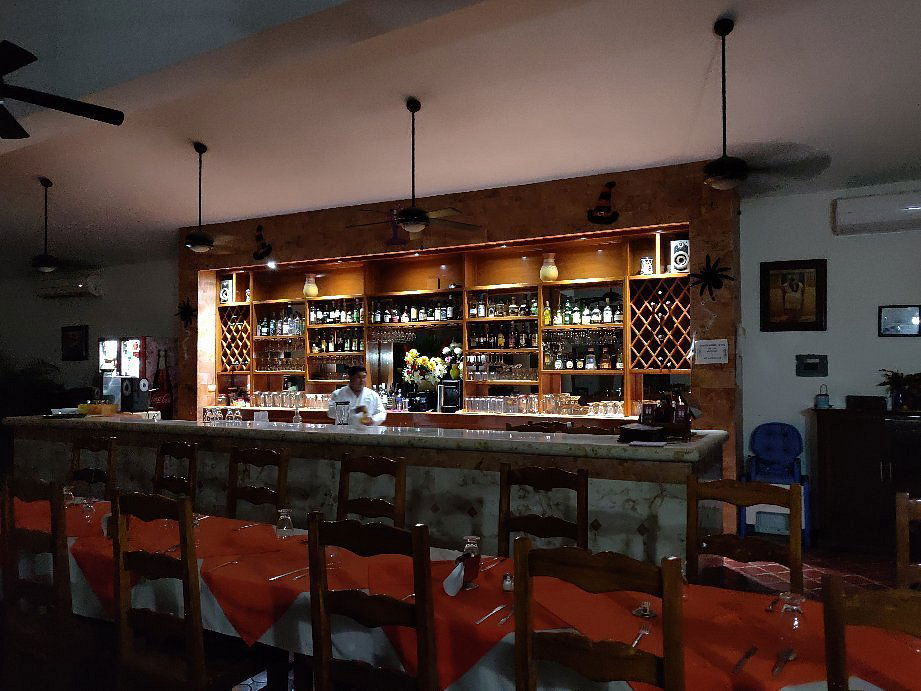
Chilam Balam is a subterranean Lakeview Mexican restaurant running a rotating shared-plates menu under chef Natalie Oswald. At $$, the kitchen delivers technical ambition well above its price tier, with staff who actively help first-timers move through the seasonal format. Book ahead — waits can be long, but the value-to-quality ratio is among the strongest in Chicago's Mexican dining scene.
If you have been to Chilam Balam before, the honest answer to whether a return visit is worth it is yes — but the reason is the same one that makes it worth a first visit: the menu rotates. What you ate last time is unlikely to be what you eat this time, and that is by design. Chef Natalie Oswald runs a shared-plates format built around seasonal Mexican cooking, and the menu shifts with enough regularity that repeat diners find genuine novelty rather than a rehearsed greatest-hits set. For a first-timer at the $$ price point, this is one of the more ambitious Mexican tables in Chicago, and it earns that position without asking you to spend like it is a $$$$ night out.
Chilam Balam sits below street level on North Broadway in Lakeview, and the subterranean setting is the first thing you register when you walk in. The room reads intimate rather than cramped — low ceilings, warm light, the kind of space that fills quickly and stays loud once it does. If you are coming for a quiet dinner, arrive early. The format is shared plates, which means the experience is paced by the table rather than by a rigid tasting sequence, but the kitchen's ambition runs closer to a composed tasting menu than to a casual sharing spread. Dishes arrive with enough intention and layering that you should treat the meal as a progression, not a buffet.
For first-timers, the staff is a genuine asset here. The rotating menu can feel disorienting if you arrive without context, but the team is known for steering guests through it , explaining what is seasonal, what is new, and what to anchor the meal around. Let them. This is not a restaurant where you should ignore the server's guidance and order by instinct alone.
The awards data for Chilam Balam references specific dishes that illustrate the kitchen's approach: roasted plantains over cottage cheese with salsa macha made from sesame seeds and peppery dressed watercress; achiote-marinated beef empanadas with habanero-spiced pineapple tatemada salsa; peanut butter empanadas served with Oaxacan chocolate sauce and dulce de leche for dipping. These dishes are not permanently fixed to the menu, but they reflect the register the kitchen works in , familiar Mexican frameworks pushed into unexpected textural and flavour combinations. The plantain-and-cottage-cheese pairing is the kind of move that sounds wrong and tastes right. The empanada range alone shows both the savoury and sweet ends of what the kitchen can do.
This is not Topolobampo-style formal Mexican fine dining, and it is not the stripped-back taco focus you get at Big Star. Chilam Balam sits between those poles: more technically composed than casual, less ceremony-heavy than a multi-course tasting format at somewhere like Kasama. If you want a benchmark for the shared-plates Mexican format at this price tier, Cariño is the closest Chicago comparison worth knowing about. For a deeper look at the Mexican fine-dining end of the city, Topolobampo is the reference point. For a more casual, birria-focused experience, Birrieria Zaragoza operates in an entirely different register. Nationally, if you are curious how this style of regional Mexican creativity compares to venues working at a higher price tier, Pujol in Mexico City and Alma Fonda Fina in Denver are useful reference points for the ambition ceiling of the format.
Because the menu is built around seasonal ingredients, the time of year you visit shapes the meal in a material way. Visiting now means the kitchen is working with whatever is current in the Midwest produce cycle, which in practice means the shared plates will lean into what is available rather than what is fixed. This is an asset if you are the kind of diner who responds to seasonal cooking; it is a minor complication if you are visiting specifically to eat a dish you saw on social media three months ago. The Google rating of 4.5 across 670 reviews suggests the kitchen delivers consistently across seasons, which is a meaningful signal for a restaurant running this kind of rotating format.
Booking at Chilam Balam is rated Easy, which at this price point in Chicago is genuinely useful information. The venue sits at 3023 N Broadway in Lakeview, accessible by the Red Line. Waits can be long if you arrive without a reservation, so booking ahead is the right move even though walk-ins are technically possible. The $$ pricing means a full shared-plates spread for two lands comfortably below what you would spend at most of the $$$$ tasting-menu venues in the city. For a broader view of what Chicago's dining scene offers across price tiers and neighbourhoods, our full Chicago restaurants guide covers the range. If you are building a full trip itinerary, our Chicago hotels guide, bars guide, and experiences guide are worth a look alongside it.
For context on how this style of ambitious, chef-driven seasonal cooking sits within the broader American restaurant scene, venues like Lazy Bear in San Francisco and Single Thread Farm in Healdsburg operate at a significantly higher price tier but share the same philosophy of letting seasonal produce drive the menu architecture. At the $$ level, Chilam Balam is doing something closer to that ethos than its price tag implies. That is the clearest case for booking it.
Book Chilam Balam if you want a seasonal shared-plates Mexican meal that punches above its price tier, with staff who will help you order well and a room that rewards an early table. Do not book it if you need a fixed menu you can preview in advance, or if a loud room on a busy night will kill the experience for you. At $$, the risk is low and the upside is real.
Yes, at the $$ price point, the rotating shared-plates format delivers a level of technical ambition you would typically pay more for. The kitchen layers flavours with enough intention that the meal functions like a composed progression rather than a casual spread. If you want a fixed tasting menu with printed courses and wine pairings, look at Kasama or Smyth instead. But for value-to-ambition ratio at this tier, Chilam Balam is a strong yes.
At $$, it is one of the better-value ambitious Mexican restaurants in Chicago. The rotating menu means the kitchen is always working with current seasonal produce, and the Google rating of 4.5 across 670 reviews supports consistent delivery. Compare that to the $$$$ venues in the city and the value case is clear. If you are weighing it against more casual options like Dove's Luncheonette, the trade-off is price versus technical complexity.
It works for a celebratory dinner, but manage expectations about the setting. The subterranean room is warm and intimate, but it gets loud on busy nights. If the occasion requires a quieter room with more formal service, Topolobampo or Boka would serve better. For a fun, food-forward special occasion where the meal itself is the event, Chilam Balam delivers.
The shared-plates format is genuinely well-suited to groups, since the menu is designed for the table to eat together. That said, the room is small and the venue fills quickly, so groups of more than four should book as far in advance as possible. Walk-in groups are a significant gamble given the typical wait times noted in the venue's review record.
Bar seating availability is not confirmed in the venue data, so call ahead or check at the door. The shared-plates format works well for solo or duo bar dining in venues of this type, but the specifics of seating configuration here are worth verifying before you show up expecting counter space.
Solo dining is viable here, particularly because the $$ price point keeps a solo shared-plates meal affordable. The rotating menu and helpful staff make it easier to navigate as a solo diner than at venues where you are expected to manage a fixed tasting on your own. The room can be loud, which is worth factoring in if you are eating alone and want a more low-key experience.
No dress code is specified, and the subterranean, neighbourhood-restaurant setting reads casual to smart-casual. You will not feel out of place in jeans. You would be overdressed in formal wear. The vibe is closer to Cariño than to a white-tablecloth room.
For Mexican at a similar price tier with a different format, Big Star is more casual and taco-focused. For formal Mexican fine dining, Topolobampo is the step up. For a different take on ambitious seasonal shared plates, Cariño is the closest peer. If you want to go further afield for Mexican inspiration, Alma Fonda Fina in Denver operates in a comparable register at a higher price point. See our full Chicago restaurants guide for a broader set of options.
| Venue | Price | Value |
|---|---|---|
| Chilam Balam | $$ | — |
| Alinea | $$$$ | — |
| Smyth | $$$$ | — |
| Kasama | $$$$ | — |
| Next Restaurant | $$$$ | — |
| Boka | $$$$ | — |
Side-by-side comparison to help you decide where to book.
The subterranean room on North Broadway is intimate, which works against large groups. The shared-plates format is genuinely well-suited to groups of four to six — ordering across the rotating menu is the point. For parties larger than six, call ahead to check capacity before assuming the space will flex.
Bar seating is not confirmed in the venue record, but the cozy subterranean format suggests limited counter options. Waits are noted as a real factor here, so if bar seating is available, it is worth asking about when you arrive rather than assuming the full dining room is your only option.
Solo dining works fine at the $$ price point, but the rotating shared-plates format is designed for ordering multiple dishes across the table. Coming alone means you will eat fewer of the menu's range — if that is a concern, the staff are noted for actively helping guests order well, so lean on them.
Chilam Balam runs a rotating shared-plates menu rather than a fixed tasting format. At $$, the format is closer to ordering rounds of composed dishes with your table than sitting through a set progression. That is a better deal for most people — you get the kitchen's seasonal range without the commitment or cost of a formal tasting menu.
Yes, with the right expectations. The subterranean room has a festive atmosphere and the menu is adventurous enough to feel occasion-worthy, but this is a casual, shared-plates spot at $$, not a white-tablecloth celebration venue. For a birthday dinner where the food does the work without a formal atmosphere, it is a solid call.
At $$, yes — the kitchen's seasonal Mexican shared plates punch well above what the price tier typically delivers in Chicago. Dishes like achiote-marinated beef empanadas and roasted plantains with salsa macha show real technique for the price. The main cost is patience: waits are a documented reality, not an exception.
Kasama is the closest comparison for creative, chef-driven cooking at an accessible price point, though it leans Filipino rather than Mexican. If you want to stay in the seasonal-menu format but spend more, Boka offers a polished version of that experience in Lincoln Park. For pure value on shared plates, Chilam Balam is harder to beat at $$.
Keep this venue in your Pearl passport, rate it after you visit, and track it alongside every other place you collect.