.png?width=1200&quality=80)
Xiang Shang Xiang
Hunanese · Chengdushi, Chengdu
Restaurant in Chengdu, China
 Book with Pearl
The Read
Hunan Fire in Sichuan Country
Dress
Smart Casual
Why go
Xiang Shang Xiang is a Michelin-selected Hunanese restaurant in Chengdu's Wuhou District, awarded consecutively in 2024 and 2025. At ¥¥ pricing, it is one of the stronger value calls in the city for diners after something other than Sichuan cooking. Easy to book and well-suited to a special occasion dinner where food quality and neighbourhood authenticity matter more than production.
About Xiang Shang Xiang
Verdict
Xiang Shang Xiang earns a confident recommendation for anyone after genuine Hunanese cooking in Chengdu's Wuhou District. Two consecutive Michelin Plates (2024 and 2025) confirm this is not a casual neighbourhood canteen but a kitchen operating with consistent technical intent. At ¥¥ pricing, the value is real: you are getting Michelin-recognised Hunanese food at a fraction of what the city's ¥¥¥¥ rooms charge. For a special occasion dinner where you want substance over spectacle, this is a strong call.
Portrait
Wenshi Road in Wuhou District is not Chengdu's tourist spine. It sits away from the Jinli Old Street crowds and the refined profile of Tianfu New Area, which means the restaurants here tend to serve the neighbourhood rather than perform for visitors. Xiang Shang Xiang holds a particular position on this street: a Michelin-recognised Hunanese kitchen in a district dominated by Sichuan cooking. That alone makes it worth noting for diners who want to eat something other than mapo tofu and dan dan noodles during a Chengdu stay.
Hunanese cuisine and Sichuan cuisine are frequently conflated by visitors but they are distinct traditions. Sichuan cooking is built on the numbing heat of Sichuan peppercorn and the complex layering of doubanjiang. Hunanese food is drier, more directly spicy (chilli-forward without the numbing element), and tends toward cured and smoked ingredients. In Mao Zedong's home province, the flavours are punchy and unfussy. Bringing that tradition to Chengdu, a city already saturated with its own chilli culture, and earning Michelin recognition twice running, signals that the kitchen here knows the material well.
For a special occasion, the setting in Wuhou rewards diners who want an experience that feels local and considered rather than tourist-facing. The address on Wenshi Road places you in a quieter residential and commercial pocket of the district, a contrast to the louder, more performative dining rooms that populate Chengdu's central entertainment zones. If you are planning a celebration dinner or a business meal where you want the food to carry the conversation, the relative calm of the neighbourhood context works in your favour compared to the high-decibel rooms closer to the city's main nightlife corridors.
The Michelin Plate designation, awarded in both 2024 and 2025, is the relevant trust signal here. It sits below Michelin Star level but above the surrounding noise of unrecognised competitors. In Chengdu's dense restaurant field, where standout Sichuan dining institutions command the most critical attention, a Michelin Plate for Hunanese cooking represents a recognisable credential. If you are comparing across cuisines and price tiers, this venue competes with its ¥¥ peers on quality grounds that most of them cannot match with equivalent external validation.
It tells you the venue is not widely reviewed in the international tourist ecosystem, which is consistent with its Wuhou neighbourhood positioning. The Michelin data is the more reliable signal for assessing quality.
For context on how Hunanese cooking fits into the broader Chinese regional dining picture in Chengdu: Xiang Shang Xiang sits in a distinct niche. You can find Sichuan cooking at every price point across the city, but Hunanese restaurants with recognised credentials are rarer. If you have already worked through the major Sichuan stops on your Chengdu itinerary, a dinner here gives you a different regional register without leaving the city. Diners exploring Chinese regional cuisine more broadly might also consider Hokkien Cuisine in Chengdu for Fujian-style cooking, or look at Furong and In Love (Gongti East Road) in Beijing for a sense of how Hunanese restaurants position themselves in China's other major dining cities.
On the special occasion question specifically: the ¥¥ price range means this is accessible enough to book without a major budget conversation, but the Michelin recognition gives it the credibility to carry a celebration or a client dinner. It is the kind of venue that feels like a considered choice rather than a default. If your occasion calls for something with more ceremony and a deeper wine programme, the ¥¥¥¥ rooms elsewhere in Chengdu will suit better. But for a dinner where the food quality and the neighbourhood authenticity matter more than the production, Xiang Shang Xiang is a sensible booking.
For broader planning, see our full Chengdu restaurants guide, our full Chengdu hotels guide, our full Chengdu bars guide, and our full Chengdu experiences guide.
Know Before You Go
- Cuisine: Hunanese
- Price range: ¥¥
- Awards: Michelin Plate 2024, Michelin Plate 2025
- Location: 22 Wenshi Road (附6), Wuhou District, Chengdu, Sichuan 610043
- Booking difficulty: Easy
- Leading for: Special occasions, regional cuisine exploration, value dining with credentials
- Hours: Not available — confirm before visiting
- Phone: Not listed — check locally or visit in person
- Dress code: Not specified, smart casual is a safe default for a Michelin-recognised room
FAQ
Is Xiang Shang Xiang worth the price?
- Yes, clearly. A ¥¥ price point with back-to-back Michelin Plates in 2024 and 2025 is a strong value proposition. You are paying mid-range prices for a kitchen that has been externally validated at Michelin level two years running. For comparison, Yu Zhi Lan and Xin Rong Ji operate at ¥¥¥¥ in Chengdu. Xiang Shang Xiang gives you Michelin recognition at a significantly lower spend.
What should I order at Xiang Shang Xiang?
- Specific dish information is not confirmed in our data. The kitchen specialises in Hunanese cuisine, which typically features cured and smoked meats, dry-spiced preparations, and chilli-forward dishes that differ from Sichuan's numbing heat profile. Ask staff for the kitchen's current strengths when you arrive.
Can I eat at the bar at Xiang Shang Xiang?
- Bar seating details are not confirmed in our data. Given the Wuhou neighbourhood setting and the restaurant's Hunanese positioning, a formal bar counter is unlikely but not ruled out. Contact the venue directly or ask on arrival about seating preferences.
Does Xiang Shang Xiang handle dietary restrictions?
- No dietary restriction policy is available in our data. Hunanese cooking relies heavily on meat, cured ingredients, and chilli-based preparations, which can make it challenging for vegetarians or those avoiding pork. If dietary needs are a factor, call ahead or consider Hokkien Cuisine or Mi Xun Teahouse, which operates a dedicated vegetarian menu at ¥¥.
What are alternatives to Xiang Shang Xiang in Chengdu?
- For Sichuan cooking at a similar price tier, Fang Xiang Jing and Fu Rong Huang are worth considering. For a higher-spend option with more ceremony, Yu Zhi Lan at ¥¥¥¥ is the prestige Sichuan choice. If budget is the priority, Xin Rong Ji offers a different regional angle. See our full Chengdu restaurants guide for a broader view.
Is the tasting menu worth it at Xiang Shang Xiang?
- Tasting menu availability is not confirmed in our data. Given the ¥¥ pricing and neighbourhood positioning, a formal multi-course tasting format is less likely than an à la carte or set-meal structure, but this is not confirmed. Ask when booking or on arrival. If a structured tasting experience is your priority, Yu Zhi Lan at ¥¥¥¥ is built around that format.
Is Xiang Shang Xiang good for a special occasion?
- Yes, with the right expectations. The Michelin Plate credential gives it legitimacy for a celebration dinner, and the ¥¥ pricing means you can spend on the occasion without the bill becoming the story. It is better suited to an intimate dinner where food quality matters than to a large group looking for theatrical service. If you want more ceremony and a deeper production, Xin Rong Ji or the innovative room at Co- at ¥¥¥¥ will fit a grander occasion. For regional Chinese special occasion dining in other cities, Chef Tam's Seasons in Macau and Imperial Treasure Fine Chinese Cuisine in Guangzhou set the benchmark for that register.
Planning details
- Location
- China, CN 四川省 成都市 武侯区 文盛路 22 22号附6 邮政编码: 610043
- Phone
- +86 28 6083 1298
The take
The Take
The Vibe
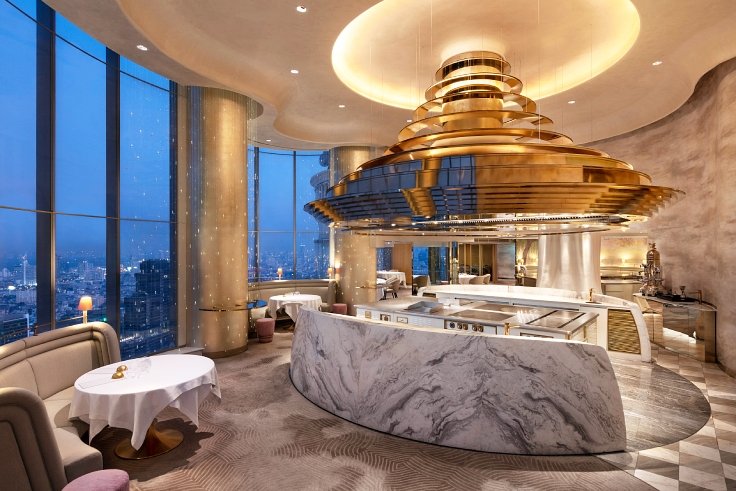
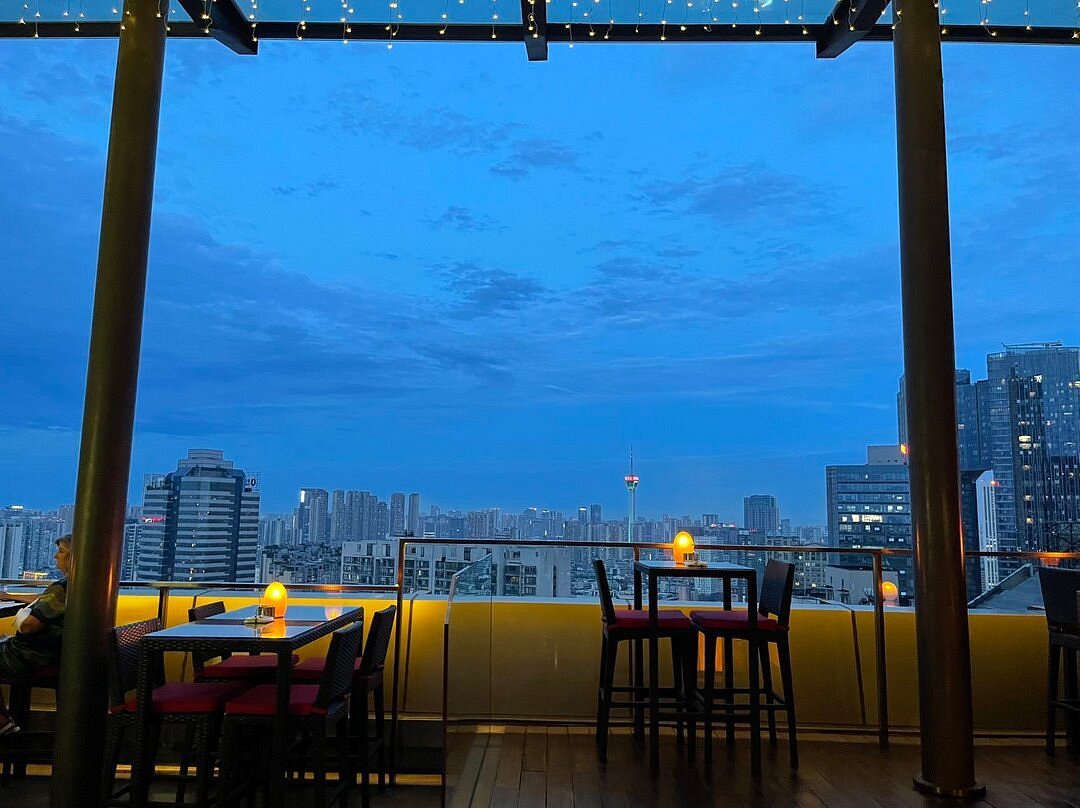
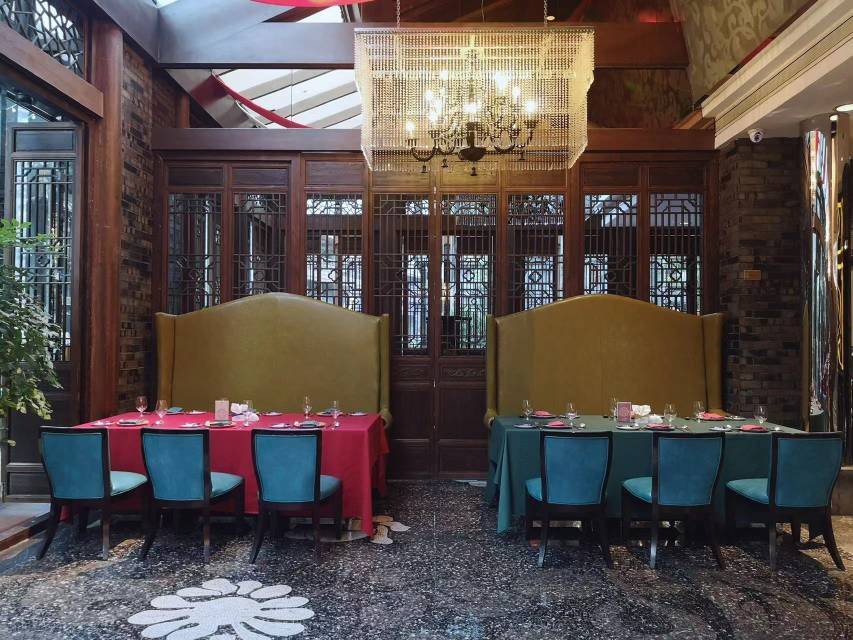
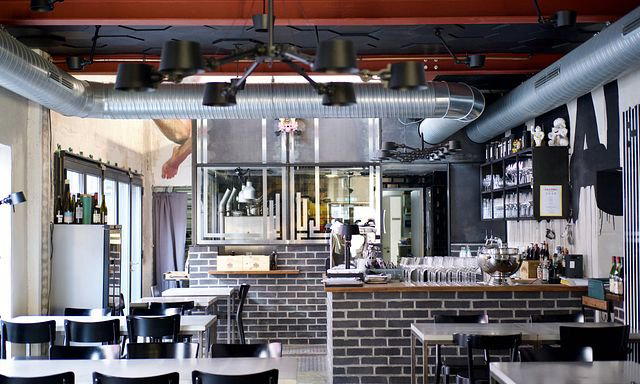
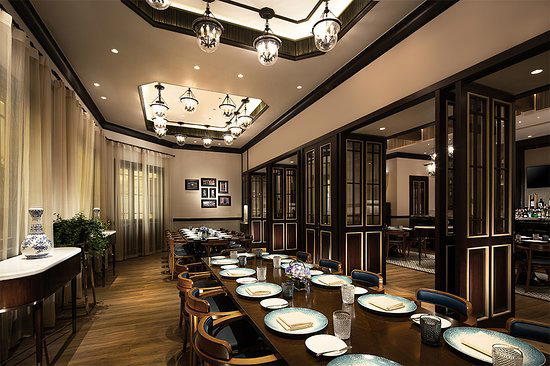
Xiang Shang Xiang feels like a quietly confident neighbourhood restaurant that quietly upends expectations. Set on Wensheng Road in Wuhou, it reads less like a tourist destination and more like a local Hunanese outpost that has steadily earned recognition — consecutive Michelin Plate nods in 2024 and 2025 signal a kitchen doing serious work without theatricality. The dining room tilts toward low-key, earnest service and feels intimate in scale: a place where Chengdu diners come for authentic regional cooking rather than curated spectacle, making it an attractive hidden gem for those exploring the city’s culinary depth.
Best For
This spot is best for diners who want to go beyond Sichuan basics and experience Hunanese heat handled with care. Locals who appreciate regional nuance and visitors seeking an unvarnished portrait of how Chengdu eats will find it rewarding. The restaurant’s neighbourhood setting and steady reputation make it appropriate for business dinners or special-occasion meals that favor substance over show. It particularly suits travelers who value serious regional cuisine in a quieter, more local environment rather than a high‑traffic tourist dining room.
Ordering Tips
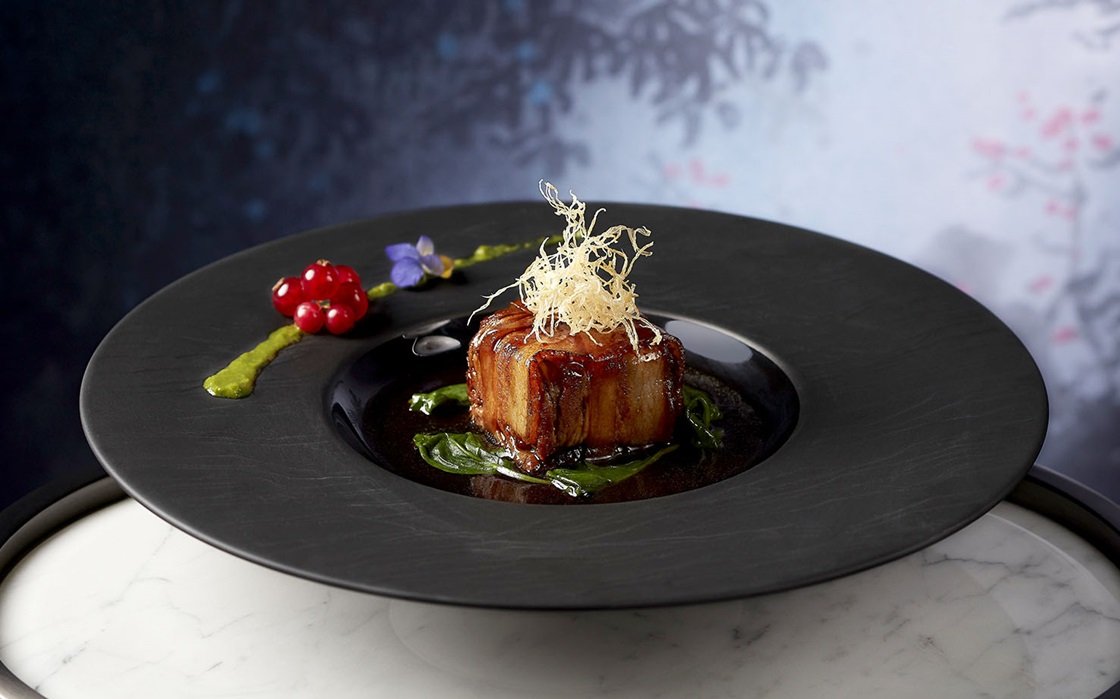
Start by sampling the kitchen’s signature preparations: the steamed fish head with five Hunan chillies and the 18-second Xiangxi yellow beef are both highlighted specialties. Keep in mind the write-up stresses the distinction between Hunan and Sichuan spiciness — Hunan heat is assertive and direct rather than numbing — so choose dishes accordingly. Given the restaurant’s reputation for focused regional cooking, prioritize well‑regarded house specialties to understand the kitchen’s approach to balance, texture, and chilli-forward flavour.
Venue details
Ambiance
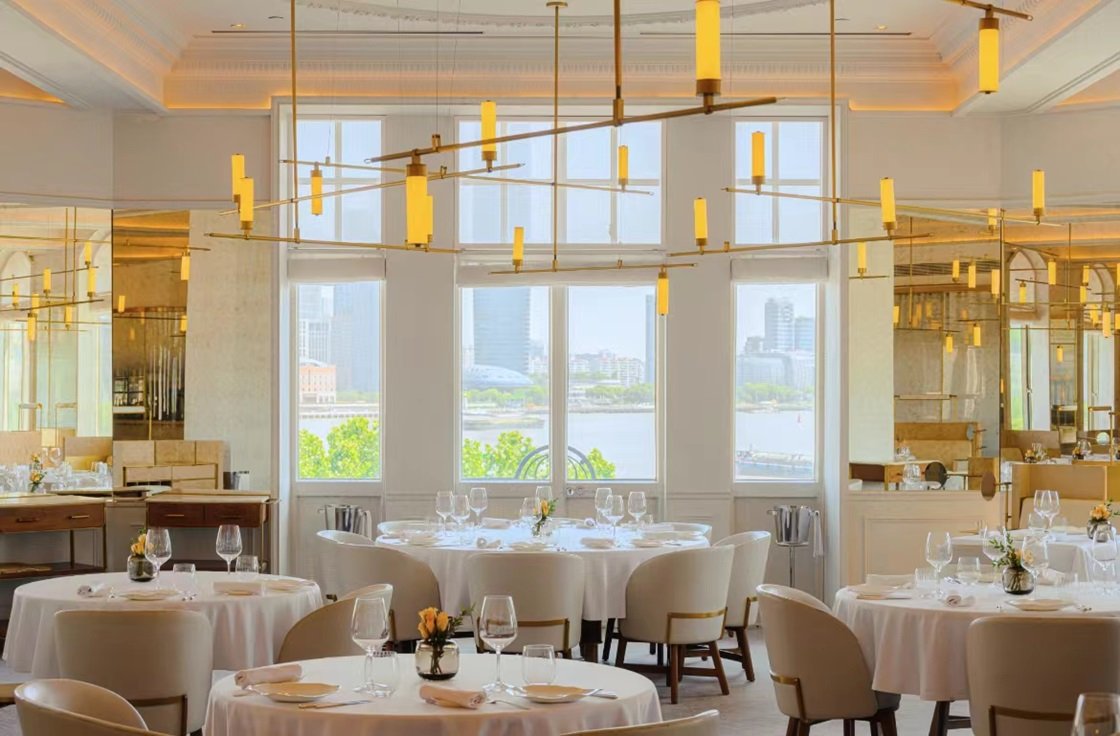
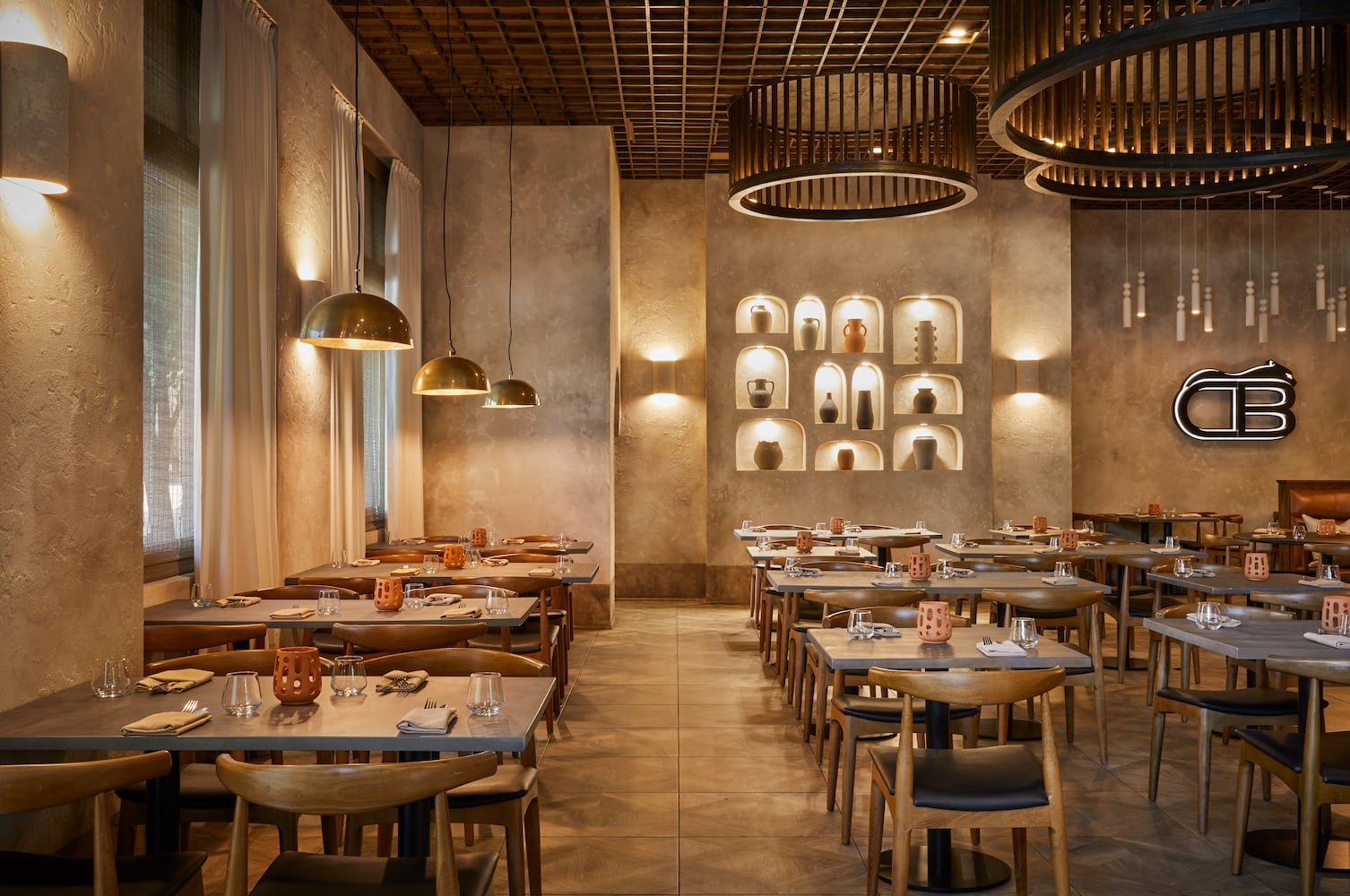
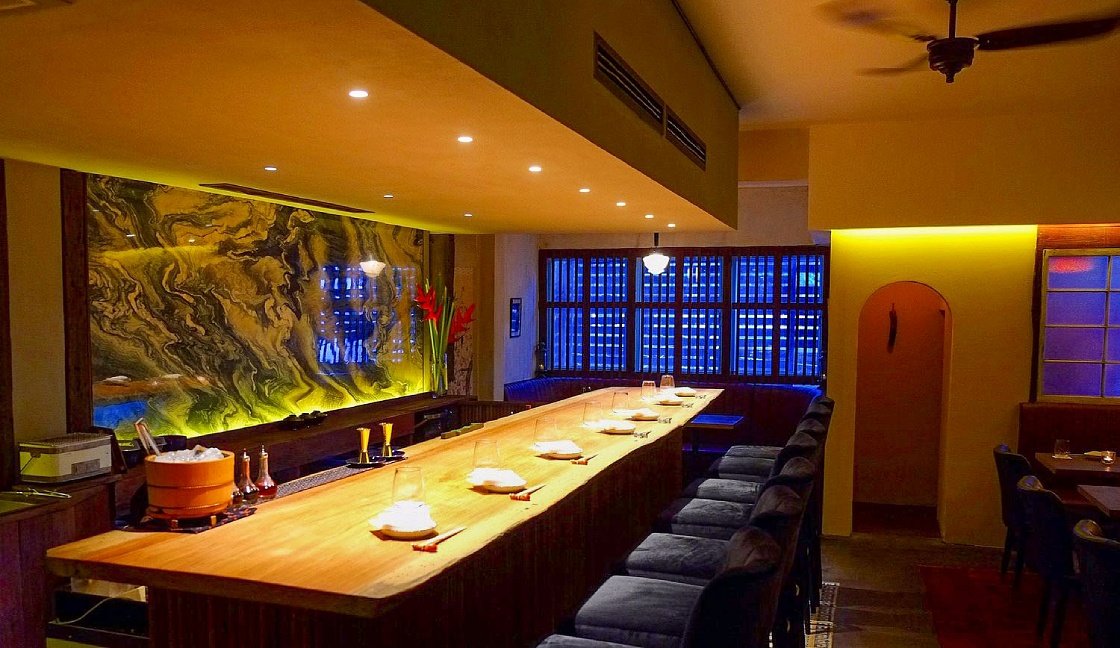
Balances contemporary elegance with grounded comfort, warm and intimate.
Tags
Vibe
Best For
Experience
At the Table
- Dress Code
- Smart Casual
- Noise Level
- Conversational
- Service Style
- Upscale Casual
- Meal Pacing
- Leisurely
- Capacity
- Medium
- Kitchen
- Traditional
- Menu Format
- A la carte
- Wine Program
- Curated
Signature Dishes
- steamed fish head with five Hunan chillies
- 18-second Xiangxi yellow beef
Know before you go
Know Before You Go
- Getting there
- China, CN 四川省 成都市 武侯区 文盛路 22 22号附6 邮政编码: 610043
Planning details
Location
China, CN 四川省 成都市 武侯区 文盛路 22 22号附6 邮政编码: 610043 · Directions
Recognition and awards
Also consider
Also Consider
- Xin Rong Ji, Taizhou, ¥¥¥¥
- Yu Zhi Lan, Sichuan, ¥¥¥¥
- Mi Xun Teahouse, Vegetarian, ¥¥
- Chen Mapo Tofu (Qinghua Road), Sichuan, ¥
- Co-, Innovative, ¥¥¥¥
Restaurant context
At ¥¥, Xiang Shang Xiang sits in a different bracket from Chengdu's prestige rooms. Yu Zhi Lan and Xin Rong Ji both operate at ¥¥¥¥ and offer the kind of ceremony and service depth that suits a formal business dinner or a major celebration. If the occasion demands that level of production, Xiang Shang Xiang will feel too low-key. But if you are after a credential-backed dinner without the ¥¥¥¥ spend, Xiang Shang Xiang's back-to-back Michelin Plates make it the clearer value call in this tier.
On the vegetarian side, Mi Xun Teahouse at ¥¥ is a comparable price point but a completely different offer: a dedicated vegetarian menu in a teahouse format. For Hunanese cooking specifically, there is no direct ¥¥ competitor in Chengdu with equivalent Michelin recognition, which strengthens Xiang Shang Xiang's position for that cuisine profile. For pure Sichuan value at the lowest price tier, Chen Mapo Tofu (Qinghua Road) at ¥ is the obvious choice, but the cuisine and the experience are entirely different.
If you are building a multi-night Chengdu itinerary, the practical recommendation is to use Xiang Shang Xiang for a mid-week special occasion dinner when you want something recognised but not expensive, and reserve one evening for Yu Zhi Lan or Co- if the budget allows for a ¥¥¥¥ experience. Booking difficulty across all these venues is manageable, but the ¥¥¥¥ rooms tend to fill faster for weekend evenings.
Explore Chengdu
Around this place
Discover more on Pearl
Unlock the full Xiang Shang Xiang guide in Pearl, including awards, comparisons, FAQs, planning details, and nearby places.
Compare Xiang Shang Xiang
| Venue | Cuisine | Price | Booking Difficulty | Awards |
|---|---|---|---|---|
| Xiang Shang Xiang | Hunanese | ¥¥ | Easy | 2025 Michelin Plate2024 Michelin Plate |
| Xin Rong Ji | Taizhou | ¥¥¥¥ | Unknown | 2026 OAD Top Restaurants in Asia Ranked · #102025 Asia's 50 Best Restaurants · #562025 Michelin 2 Stars2025 Black Diamond 1 Diamond |
| Yu Zhi Lan | Sichuan | ¥¥¥¥ | Unknown | 2026 OAD Top Restaurants in Asia Highly Recommended2026 La Liste Top Restaurants2025 OAD Top Restaurants in Asia Ranked · #1432025 Michelin 2 Stars2025 La Liste Top Restaurants2024 OAD Top Restaurants in Asia Ranked · #1012024 Michelin 2 Stars2023 OAD Top Restaurants in Asia Ranked · #55 |
| Mi Xun Teahouse | Vegetarian | ¥¥ | Unknown | MICHELIN Guide Chengdu 20272025 Michelin 1 Star2024 Michelin 1 Star |
| Chen Mapo Tofu (Qinghua Road) | Sichuan | ¥ | Unknown | 2025 OAD Casual in Asia Ranked · #942025 Michelin Bib Gourmand2024 OAD Casual in Asia Ranked · #832024 Michelin Bib Gourmand2023 OAD Casual in Asia Ranked · #52 |
| Co- | Innovative | ¥¥¥¥ | Unknown | Star Wine Lists 2026 |









How Xiang Shang Xiang stacks up against the competition.
FAQ
Frequently Asked Questions
Is Xiang Shang Xiang worth the price?
At ¥¥ pricing with two consecutive Michelin Plates (2024 and 2025), the value case is straightforward. This is Michelin-recognised Hunanese cooking at a price point where you can eat well without overthinking the bill. For the quality-to-cost ratio in Chengdu's Wuhou District, very little competes at this level.
What should I order at Xiang Shang Xiang?
Specific dishes are not documented in available records, so arrive expecting a Hunanese menu rather than a Sichuan one — think bold, sour, and smoky flavours rather than the numbing heat of mala. Ask staff for the kitchen's current highlights; at this price range, ordering broadly is low-risk.
Can I eat at the bar at Xiang Shang Xiang?
Seating format details are not on record. Given its Wuhou District neighbourhood profile and ¥¥ positioning, a bar or counter configuration is not typical for this category of Hunanese restaurant in Chengdu. Call ahead or arrive early if solo dining flexibility matters to you.
Does Xiang Shang Xiang handle dietary restrictions?
No dietary accommodation policy is documented. Hunanese cuisine relies heavily on pork, chilli, and fermented ingredients, so vegetarian or allergy-specific requests may be limited. Communicating restrictions in Mandarin before or on arrival will get the most useful response from the kitchen.
What are alternatives to Xiang Shang Xiang in Chengdu?
For Sichuan cooking at the top of the market, Yu Zhi Lan is the reference point. Chen Mapo Tofu on Qinghua Road is the go-to if you want the definitive version of one Sichuan classic at a similar price tier. Xin Rong Ji covers Cantonese if you want something outside the spice-forward tradition entirely. Xiang Shang Xiang holds its own specifically for Hunanese, which none of those directly replicate.
Is Xiang Shang Xiang good for a special occasion?
It works for a low-key celebration where the food is the point, not the ceremony. At ¥¥, do not expect private dining rooms or tableside theatre. If the occasion requires formal atmosphere or a wine programme, Yu Zhi Lan is a better fit. If good Hunanese cooking in a relaxed setting is enough, Xiang Shang Xiang delivers.