
The Woo's
Sichuan · Chengdushi, Chengdu
Restaurant in Chengdu, China
 Book with Pearl
The Read
Tradition-Rooted Sichuan Restraint
Price
$50–100per person
Dress
Smart Casual
Why go
The Woo's holds a 2025 Michelin Bib Gourmand for good reason: traditional Sichuan cooking refined with genuine precision, at a ¥¥ price that makes repeat visits easy to justify. The fried wild-caught yellow croaker and cold appetiser selection are the anchors on a first visit. Book a day or two ahead on weekdays; further out for weekends.
About The Woo's
The Woo's, Chengdu: Should You Book?
Yes, book The Woo's. This Michelin Bib Gourmand-recognised Sichuan restaurant in Chengdu's Gaoxin District earns its reputation by doing something harder than it sounds: taking traditional cooking seriously, then refining it just enough. At a ¥¥ price point, it offers a level of care you'd normally pay significantly more for elsewhere in the city. If you've been once, there's a strong case for returning — the kitchen's range rewards repeat visits in a way that a single meal won't fully reveal.
Portrait
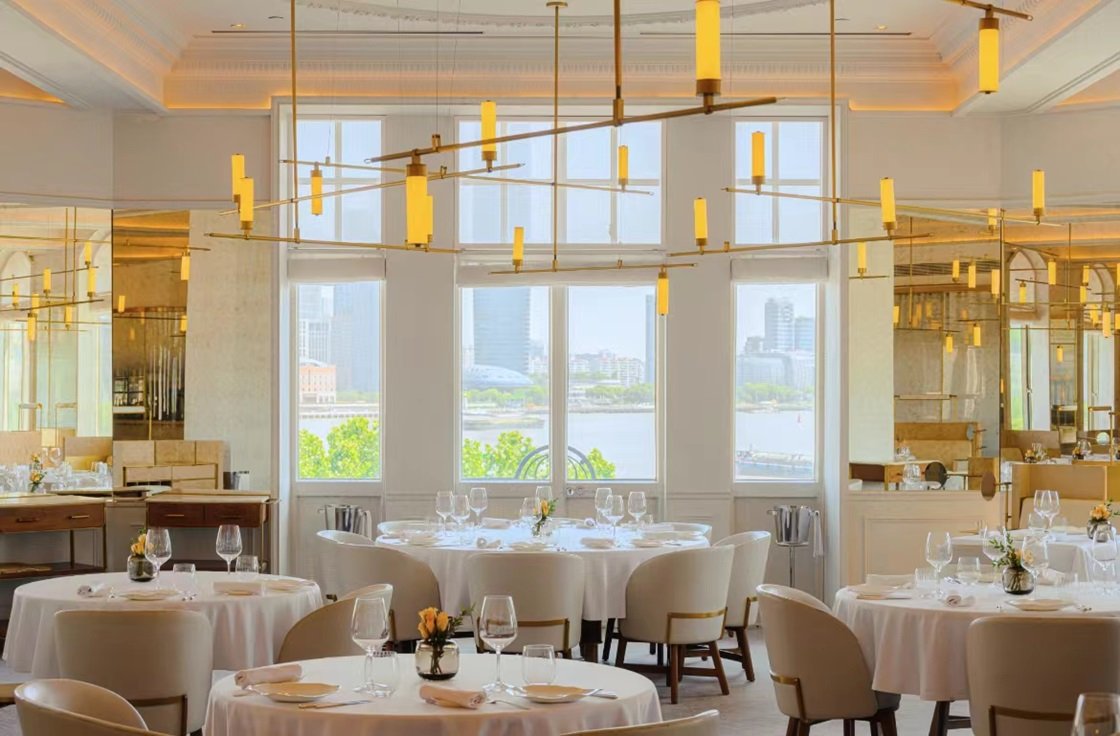
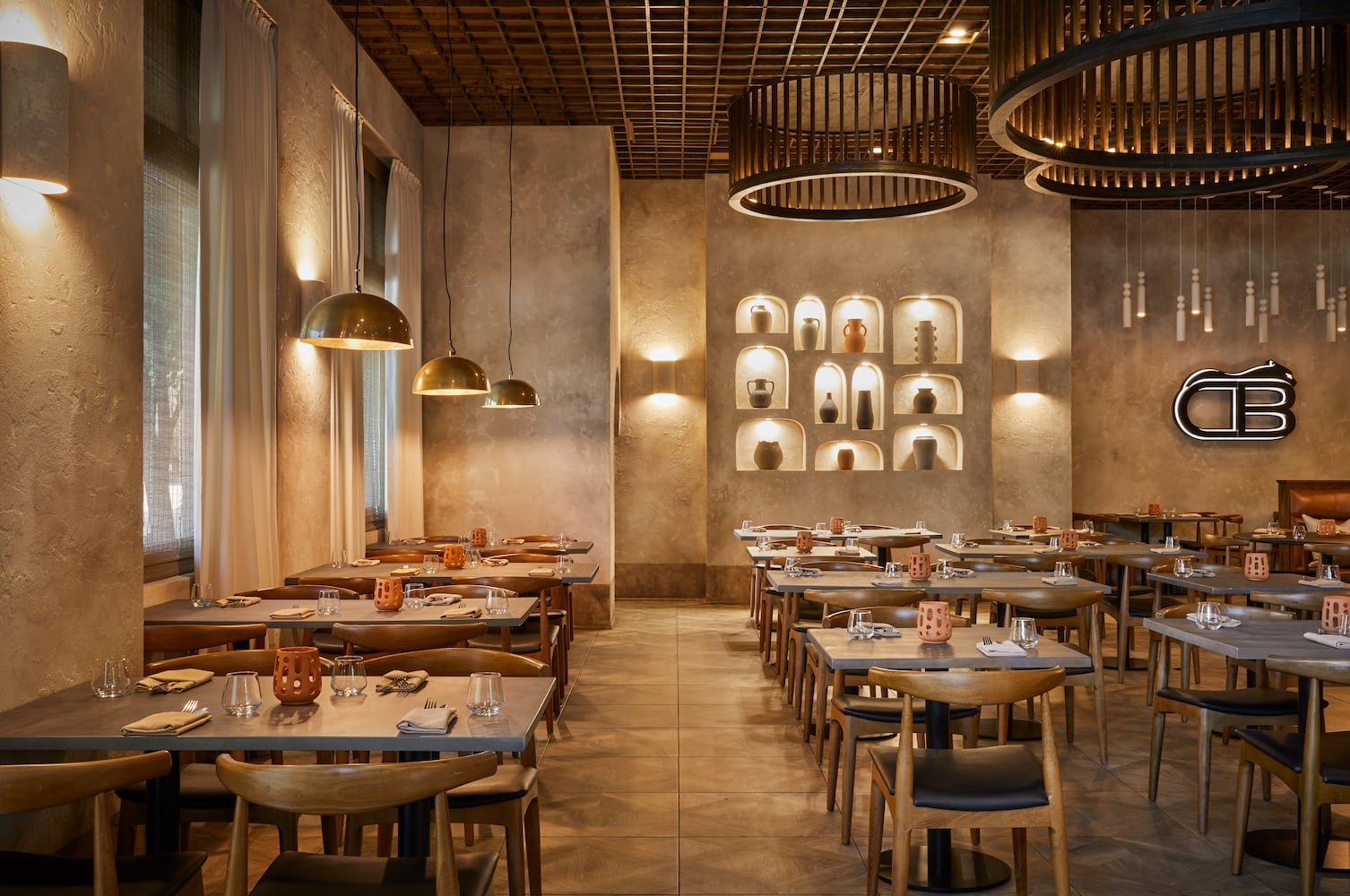
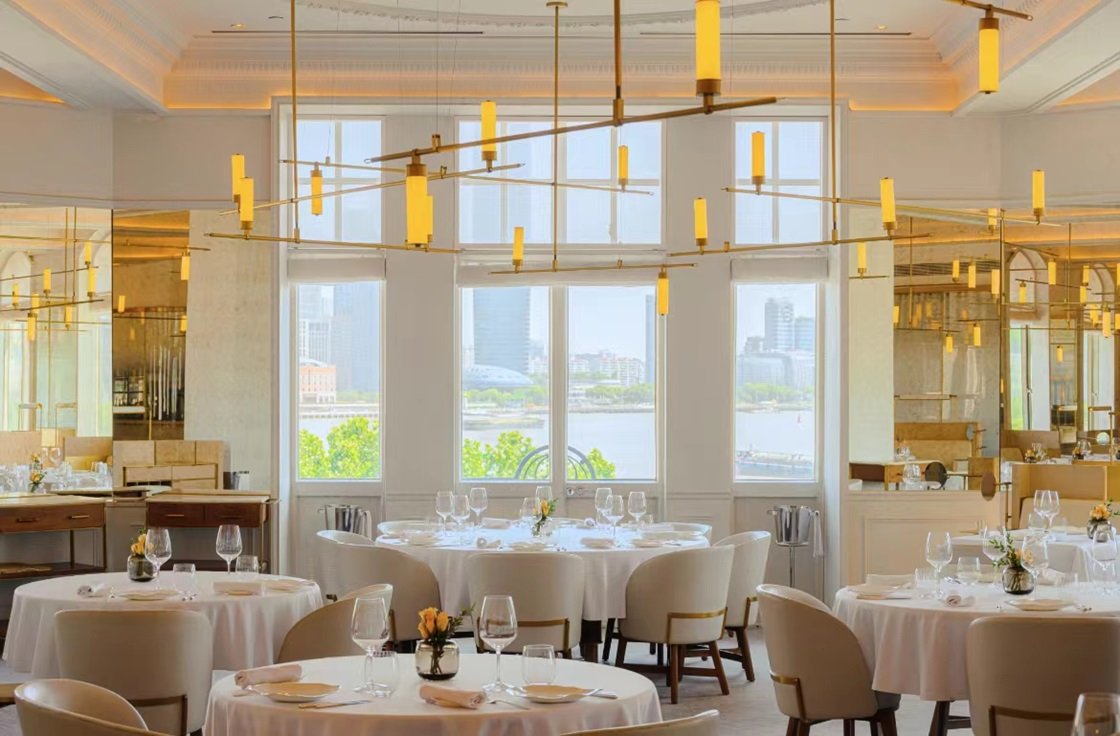
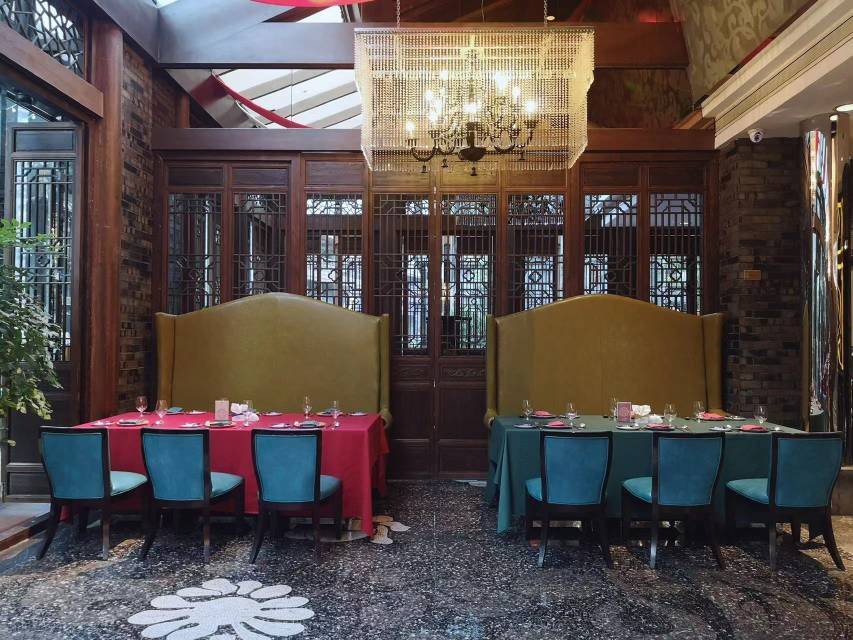
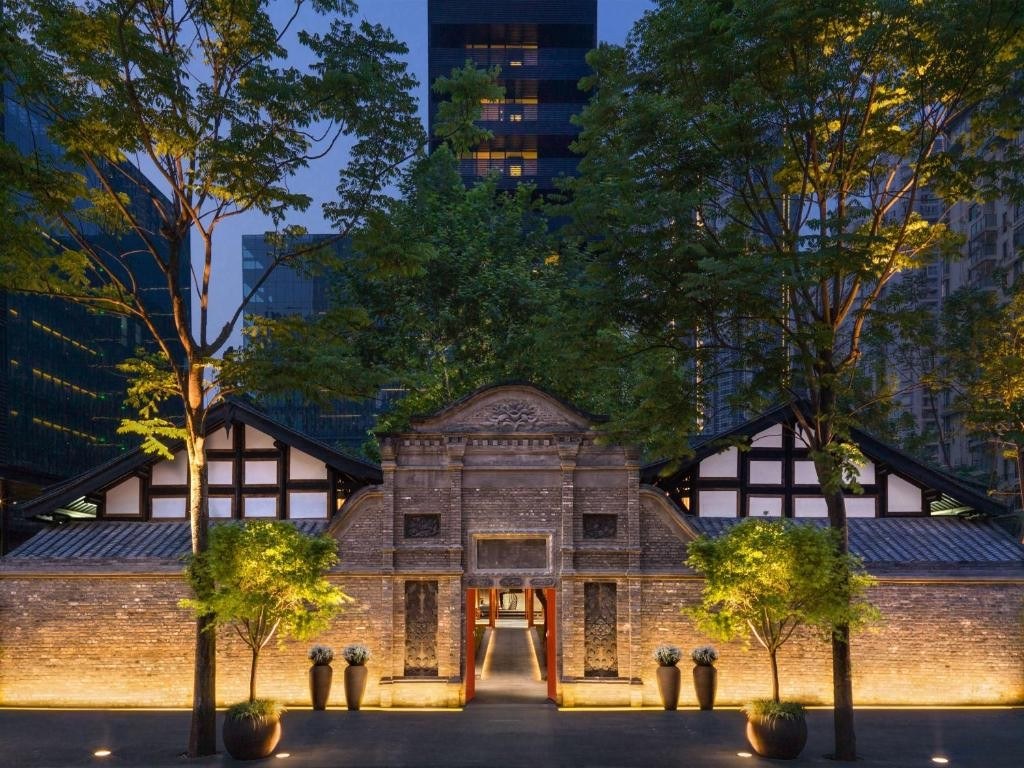
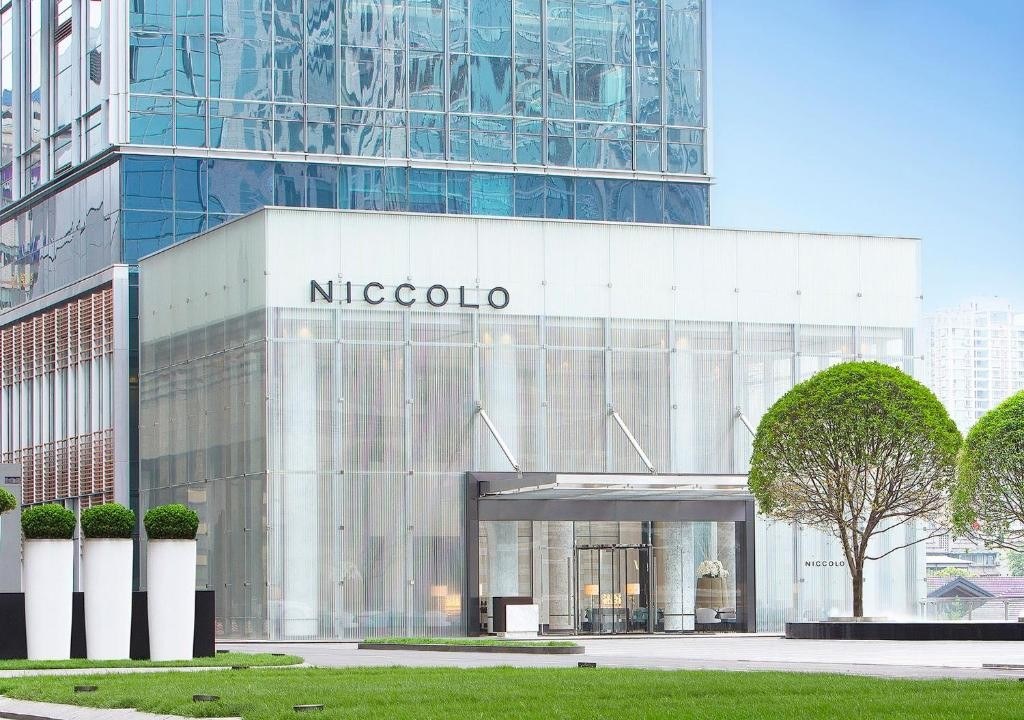
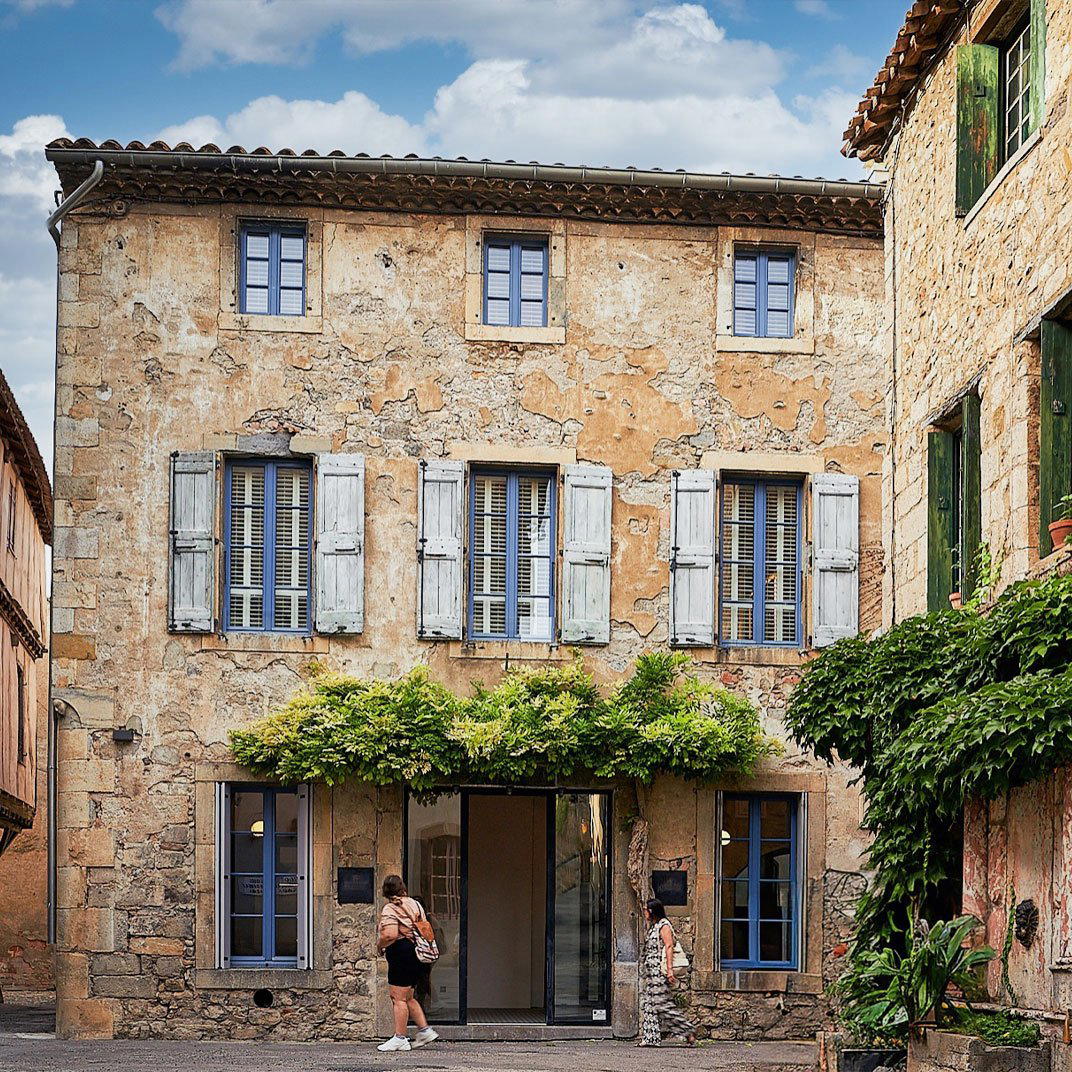
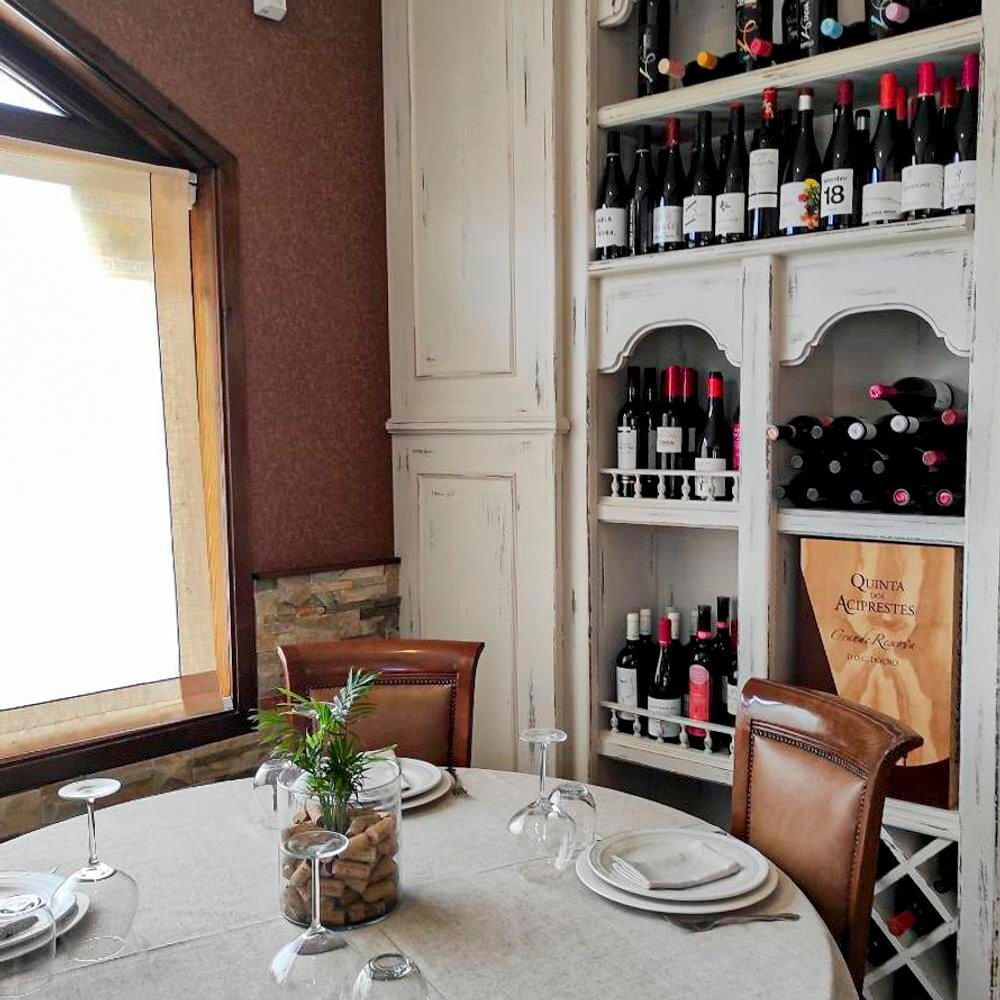
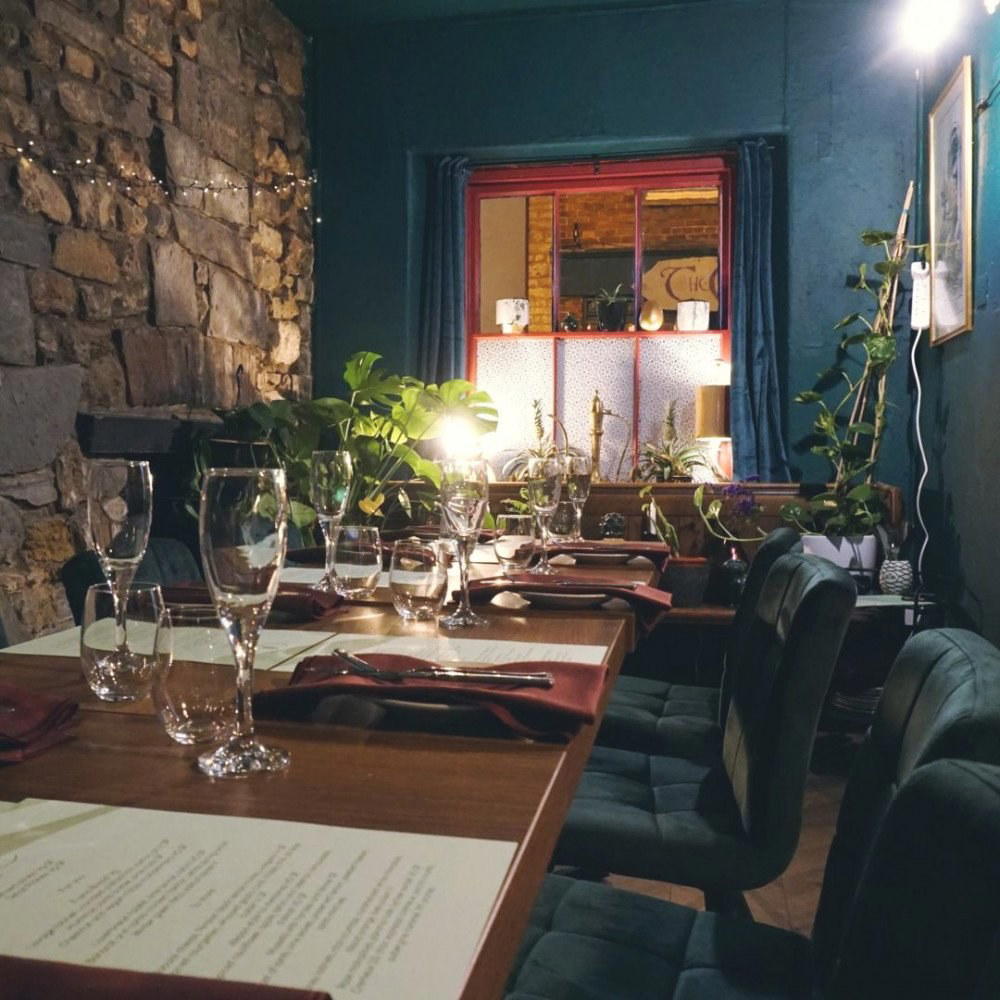
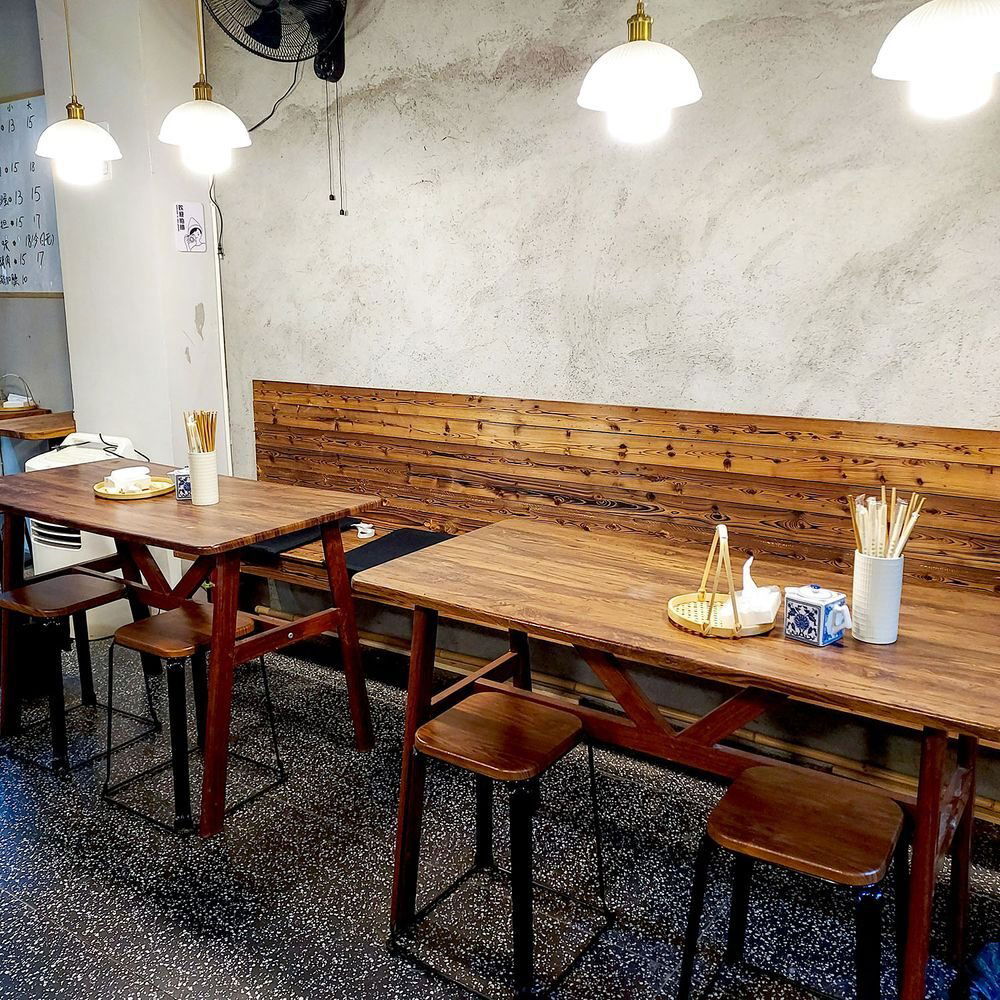
The Woo's occupies a quaint mansion set behind a large tree in Gaoxin District, giving the entrance a slightly secretive quality that sets the tone for what follows inside. The space reads as cosy and nostalgic, the kind of room that encourages you to settle in rather than rush through a meal. The aroma from the kitchen is distinctly Sichuan: the sharp, throat-catching scent of dried chillies hitting hot oil, layered underneath with the deeper, fermented warmth of doubanjiang. If you've spent time in Chengdu's older teahouses or neighbourhood canteens, this will feel familiar — but the execution at The Woo's is considerably more controlled.
The Michelin Bib Gourmand recognition in 2025 reflects exactly this: good food at a moderate price, not theatrical fine dining. That distinction matters when you're deciding where to spend your meal budget in a city as competitive as Chengdu.
First Visit: Cold Appetisers and the Croaker
If this is your first time, your priorities are clear. The cold appetiser selection is where the kitchen signals its intentions: these dishes require the most technique relative to their apparent simplicity, and The Woo's uses them to show restraint and balance in a cuisine that can easily tip into excess heat and numbness. Work through two or three before committing to hot dishes.
The fried wild-caught yellow croaker is the one dish that generates consistent attention. Served in a mound of fried chillies, the fish holds silky, moist flesh, a result that depends entirely on timing and oil temperature, two variables that mediocre kitchens get wrong constantly. The bold flavour profile is a deliberate match for baijiu or cold beer, and ordering it without a drink is, practically speaking, missing the point. For your first visit, anchor your order around these two elements and let the rest of the menu fill in around them.
Second Visit: Hot Mains and the Sticky Rice Dumplings
Return visits to The Woo's are worth planning around the hot mains, which the Michelin citation notes are rooted in tradition but modernised. This is the section of the menu where the kitchen's range becomes clearer. Sichuan cooking at this level operates across a wider spectrum of flavour profiles than most visitors expect: not everything is fiercely spiced, and the contrasts between dishes are part of what makes a longer meal here work.
Save the sweet sticky rice dumplings with runny filling for the end of your meal. They function exactly as a proper dessert should in a context like this: cutting through residual heat and bringing the meal down gently. It is a small detail, but it reflects the kitchen's attention to the full arc of a meal rather than just individual centrepiece dishes. If you skipped dessert on your first visit, make a point of returning specifically to close on this note.
Third Visit: Drink-Focused Ordering
By a third visit, the practical move is to approach the menu as a pairing exercise. The croaker's explicit design as a drinking food is a clue that the kitchen has thought carefully about how its dishes interact with alcohol. A third visit spent working through the bolder, spice-forward hot mains alongside proper drinks, whether baijiu, local beer, or something else, will give you a different read on the restaurant than the food-first approach of earlier visits. The ¥¥ price point makes this kind of exploratory return genuinely low-stakes.
How to Book
Booking at The Woo's is relatively direct by Chengdu standards. No phone or website is listed in current records, so your most practical route is through a third-party reservation platform or by asking your hotel concierge to call ahead. The Bib Gourmand recognition will have increased awareness of the restaurant, so booking a day or two in advance for weekday visits is sensible, and further ahead for weekends. Walk-ins may be possible, but given the mansion's presumably limited capacity and the neighbourhood's dining activity in Gaoxin District, arriving without a reservation on a Friday or Saturday evening is a risk not worth taking.
Practical Details
| Detail | The Woo's | Mi Xun Teahouse | Chen Mapo Tofu |
|---|---|---|---|
| Price tier | ¥¥ | ¥¥ | ¥ |
| Award | Michelin Bib Gourmand 2025 | ||
| Cuisine | Sichuan (traditional, refined) | Vegetarian | Sichuan (specialist) |
| Booking difficulty | Easy | Easy | Easy |
| Leading for | Multi-visit exploration, drinks pairing | Non-meat diners | Single-dish focus |
| Location | Gaoxin District | Central Chengdu | Qinghua Road |
For more options across the city, see our full Chengdu restaurants guide. If you're planning around a broader trip, our Chengdu hotels guide, bars guide, and experiences guide cover the rest of the city.
Where The Woo's Sits in Chengdu
Chengdu has no shortage of places to eat Sichuan food well, but The Woo's occupies a specific and useful position in the city's dining options. At ¥¥ with Bib Gourmand recognition, it sits clearly above the workaday category without crossing into the price territory of Yu Zhi Lan or the Taizhou-focused formality of Xin Rong Ji. For diners working through the city's Sichuan options across multiple nights, it makes sense to use The Woo's as your benchmark for what the tradition looks like when it's handled with care at an accessible price.
Comparable Chengdu options worth considering alongside it include Fang Xiang Jing, Fu Rong Huang, Ma's Kitchen, and Silver Pot, each of which serves a different function depending on your priorities for a given meal. The Woo's is the one you return to, not for novelty, but because it gets better the more familiar you become with its menu logic.
If Sichuan cooking is your focus beyond Chengdu, Five Foot Road in Macau and Song in Guangzhou are the comparisons most worth making. For broader Chinese fine dining context, Chef Tam's Seasons in Macau, Imperial Treasure in Guangzhou, 102 House in Shanghai, Ru Yuan in Hangzhou, and Dai Yuet Heen in Nanjing round out the regional picture.
Ratings at a Glance
- 4.4 / 5 (117 reviews)
- Michelin: Bib Gourmand 2025
Planning details
- Location
- No, 300 交子大道 Gaoxin District, Chengdu, China, 610041
- Phone
- +86 28 8311 9999
The take
The Take
The Vibe
The Woo's settles into a restored mansion in Chengdu's Gaoxin District and favors understatement over spectacle. A large tree partially hides the entrance; inside, worn timber and layered nostalgia create a domestic warmth that makes rooms feel lived-in rather than staged. The dining rooms are intentionally quiet and intimate, the sort of place that signals confidence without fanfare. It sits between street-level Sichuan intensity and technical fine dining: mid-price, disciplined cooking in a historic, charming setting that feels like a private house turned into a restaurant rather than a showroom.
Best For
The Woo's is best for occasions where calm and craft matter: low-key date nights, discreet business dinners, and special occasions that value authenticity over ostentation. Its mid-price positioning and intimate rooms make it well suited to parties that want thoughtful Sichuan cooking without the formality of a ¥¥¥¥ tasting restaurant. The restrained atmosphere — quieter than high-volume Sichuan halls — supports conversation, while the Bib Gourmand recognition signals that quality and value are central to the experience.
Ordering Tips
Start with the cold appetiser ideas that the menu foregrounds: vinegar-bright, sesame-forward, or cooling starters that prepare the palate for spicier courses. From the signatures, the fried wild-caught yellow croaker in fried chilies and the mapo tofu show the kitchen's command of texture and heat, while the vinegar-kissed rabbit terrine and sweet sticky rice dumplings demonstrate the range between piquant and sweet. Sequence dishes deliberately — cool, acidic starters before the hotter plates — and share plates so the table can move through the traditional Sichuan contrasts the kitchen intends.
Venue details
Ambiance
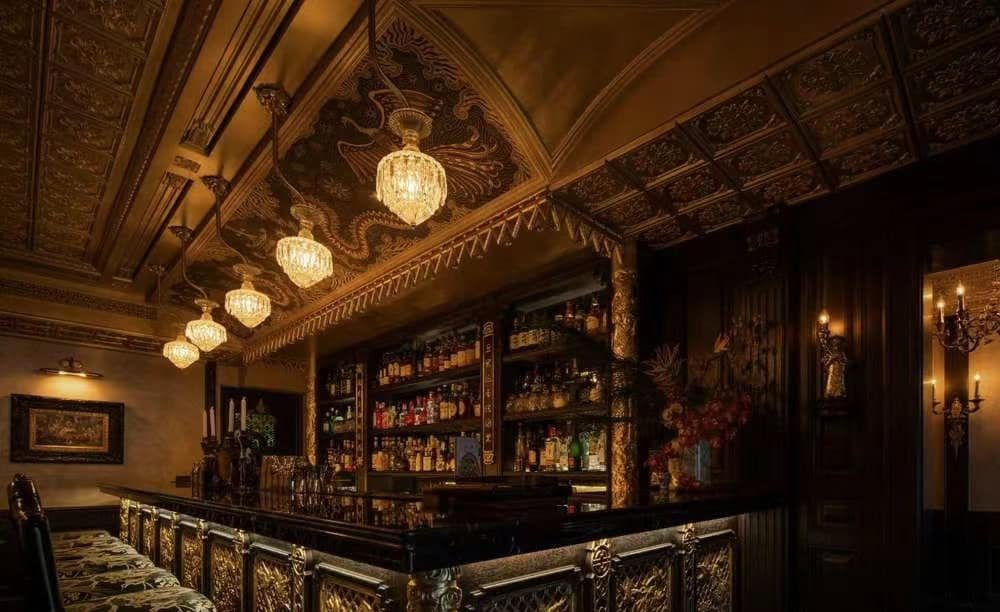
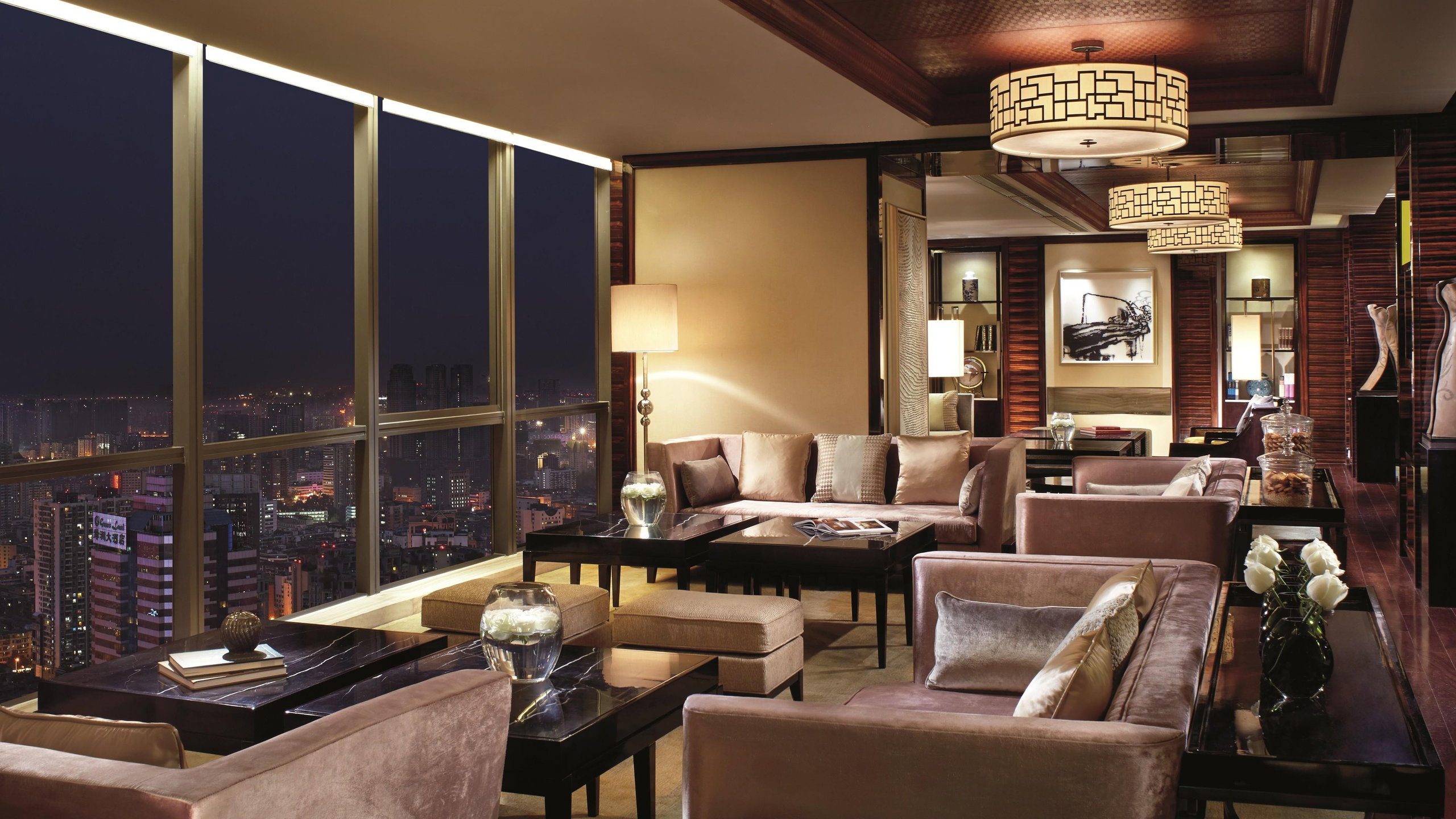
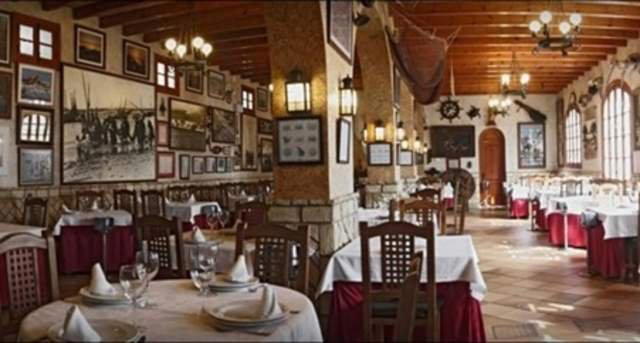
Soft lighting washes over textured plaster and dark wood latticework with curated ceramics; the room's gentle hush suits conversation and contemplation, with a nostalgic salon atmosphere.
Tags
Vibe
Best For
Experience
Sourcing
At the Table
- Dress Code
- Smart Casual
- Noise Level
- Quiet
- Service Style
- Formal
- Meal Pacing
- Leisurely
- Capacity
- Intimate
- Kitchen
- Modern
- Menu Format
- Prix fixe, A la carte, Tasting menu
- Wine Program
- Curated
- Drinks Focus
- Aromatic whites, Elegant reds, Premium tea, Baijiu pairings
- Dietary
- Allergy accommodating
- Private Dining
- Available
Signature Dishes
- Fried wild-caught yellow croaker in fried chilies
- Sweet sticky rice dumplings with molten filling
- Mapo tofu
- Vinegar-kissed rabbit terrine with sesame
Know before you go
Know Before You Go
- Getting there
- No, 300 交子大道 Gaoxin District, Chengdu, China, 610041
Planning details
Location
No, 300 交子大道 Gaoxin District, Chengdu, China, 610041 · Directions
Recognition and awards
Also consider
Also Consider
- Xin Rong Ji, Taizhou, ¥¥¥¥
- Yu Zhi Lan, Sichuan, ¥¥¥¥
- Mi Xun Teahouse, Vegetarian, ¥¥
- Chen Mapo Tofu (Qinghua Road), Sichuan, ¥
- Co-, Innovative, ¥¥¥¥
Restaurant context
At ¥¥ with Bib Gourmand recognition, The Woo's sits in a different category from Chengdu's high-end Sichuan options. Yu Zhi Lan and Co- are both ¥¥¥¥ venues with a significantly more formal register, right choices if you want a destination-meal experience, but a different proposition entirely from the neighbourhood-restaurant warmth The Woo's delivers. Xin Rong Ji is also ¥¥¥¥ and focused on Taizhou cuisine rather than Sichuan, so it doesn't compete directly. For diners working through Chengdu's dining options across several nights, The Woo's and the high-end options serve different nights and different moods.
The more direct comparison is with Mi Xun Teahouse at the same ¥¥ price tier. Mi Xun serves vegetarian food in a teahouse setting, which makes it a different experience rather than a competing one, go to Mi Xun for a quieter, plant-based meal; go to The Woo's for traditional Sichuan technique with fish and chilli-forward dishes. Neither replaces the other. Chen Mapo Tofu on Qinghua Road comes in at ¥ and is the right call if you want to eat Chengdu's most famous dish in its most focused specialist context, but it's a single-dish visit, not a full meal in the same sense.
For value against quality, The Woo's is the strongest argument in the ¥¥ Sichuan bracket in Chengdu. The Bib Gourmand is precisely the credential that signals this: Michelin's marker for good food at a moderate price, not for spectacle or prestige. If your trip includes one proper Sichuan meal at a mid-range price point, this is where to spend it. If you have more nights, use the higher-end options for contrast rather than as replacements.
Explore Chengdu
Around this place
Discover more on Pearl
Unlock the full The Woo's guide in Pearl, including awards, comparisons, FAQs, planning details, and nearby places.
Compare The Woo's
| Venue | Cuisine | Price | Booking Difficulty | Awards |
|---|---|---|---|---|
| The Woo's | Sichuan | ¥¥ | Easy | 2025 Michelin Bib Gourmand2024 Michelin Bib Gourmand |
| Xin Rong Ji | Taizhou | ¥¥¥¥ | Unknown | 2026 OAD Top Restaurants in Asia Ranked · #102025 Asia's 50 Best Restaurants · #562025 Michelin 2 Stars2025 Black Diamond 1 Diamond |
| Yu Zhi Lan | Sichuan | ¥¥¥¥ | Unknown | 2026 OAD Top Restaurants in Asia Highly Recommended2026 La Liste Top Restaurants2025 OAD Top Restaurants in Asia Ranked · #1432025 Michelin 2 Stars2025 La Liste Top Restaurants2024 OAD Top Restaurants in Asia Ranked · #1012024 Michelin 2 Stars2023 OAD Top Restaurants in Asia Ranked · #55 |
| Mi Xun Teahouse | Vegetarian | ¥¥ | Unknown | 2025 Michelin 1 Star2024 Michelin 1 Star |
| Chen Mapo Tofu (Qinghua Road) | Sichuan | ¥ | Unknown | 2025 OAD Casual in Asia Ranked · #942025 Michelin Bib Gourmand2024 OAD Casual in Asia Ranked · #832024 Michelin Bib Gourmand2023 OAD Casual in Asia Ranked · #52 |
| Co- | Innovative | ¥¥¥¥ | Unknown | Star Wine Lists 2026 |







What to weigh when choosing between The Woo's and alternatives.
FAQ
Frequently Asked Questions
How far ahead should I book The Woo's?
Book at least a week in advance, and more on weekends. No phone or website is publicly listed for The Woo's, so your best approach is booking through a third-party platform like Dianping or asking your hotel concierge to call ahead. At ¥¥ pricing with Michelin Bib Gourmand recognition in 2025, the room fills — don't count on walking in.
What should I wear to The Woo's?
The setting is a cosy mansion with a nostalgic feel, not a formal dining room. Clean, comfortable clothes are appropriate — this is a Bib Gourmand venue at ¥¥ pricing, which signals good food over ceremony. Dressing up is not expected, but the space has enough character that you wouldn't want to arrive in workout gear either.
Can I eat at the bar at The Woo's?
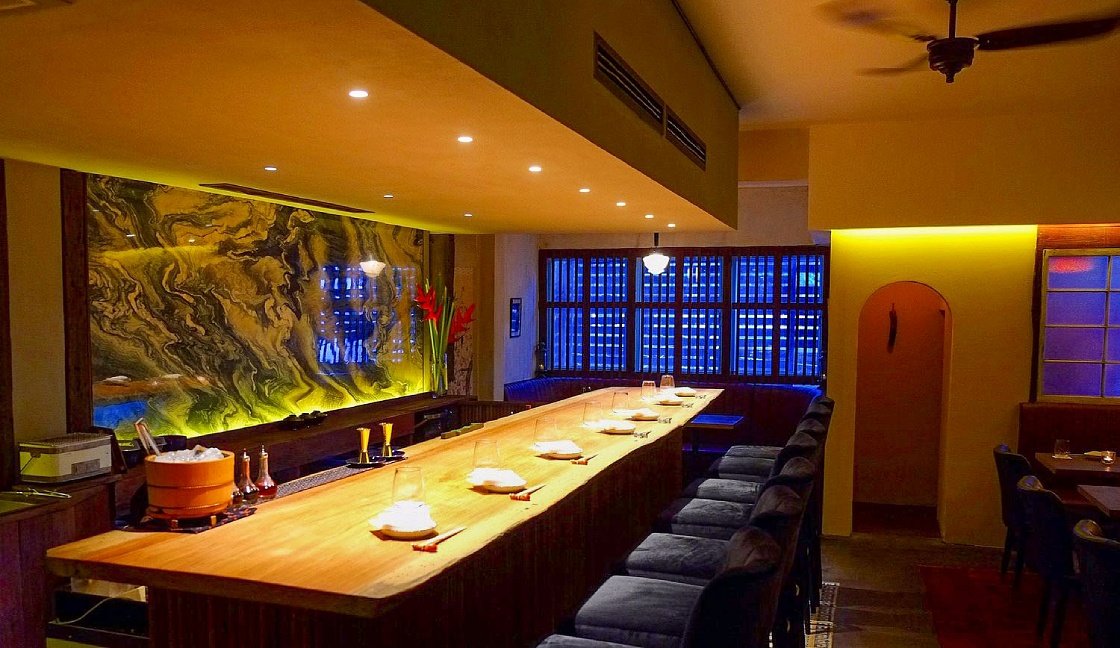
No bar seating is documented for The Woo's. The venue is described as a cosy mansion-style space, suggesting table service is the standard format. If counter or bar dining matters to you, this is not the place to expect it.
What should a first-timer know about The Woo's?
Start with the cold appetisers — the Michelin citation specifically flags these as the kitchen's calling card, refined from tradition. The fried wild-caught yellow croaker in fried chillies is the headline dish and pairs well with alcohol, so ordering a drink alongside it is the move. At ¥¥, this is one of the more accessible Michelin-recognised options in Chengdu, making it a lower-risk introduction to the city's serious Sichuan dining.