
Mi Xun Teahouse
Vegetarian · Chengdushi, Chengdu
Restaurant in Chengdu, China
 Book with Pearl
The Read
Temple-Quarter Vegetarian Precision
Price
$30–50per person
Dress
Smart Casual
Why go
Mi Xun Teahouse is Chengdu's only Michelin-starred vegetarian restaurant: and at ¥¥ pricing, it is also one of the city's best-value fine-dining bookings. The conservation set menu, built around ingredients sourced from farms near panda habitats, is the reason to return after a first visit. Book through your hotel concierge; this is a hard reservation.
About Mi Xun Teahouse
Should You Book Mi Xun Teahouse?
Yes: book Mi Xun Teahouse if you want the most thoughtfully constructed vegetarian meal in Chengdu, backed by a 2024 Michelin star. At ¥¥ pricing, it sits in a category of one: the only fine-dining vegetarian table in the city with that credential, and one of the few anywhere in China that connects its sourcing directly to panda-habitat conservation farming. If you are returning after a first visit and wondering what to explore next, the set menu built around Mianyang porcini and Ya'an radish is the answer. If you are comparing it against Chengdu's broader Michelin scene, nothing else at this price point delivers the same combination of refined technique and environmental intent.
The Experience
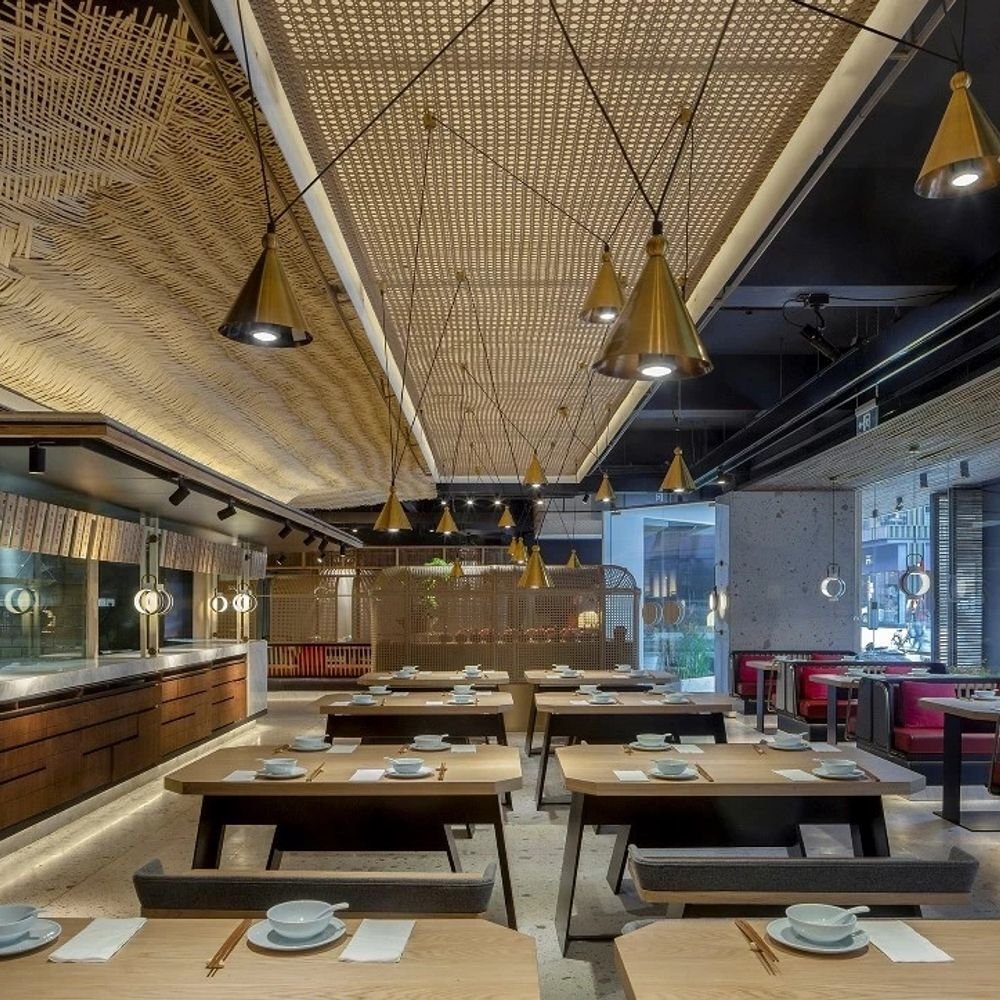
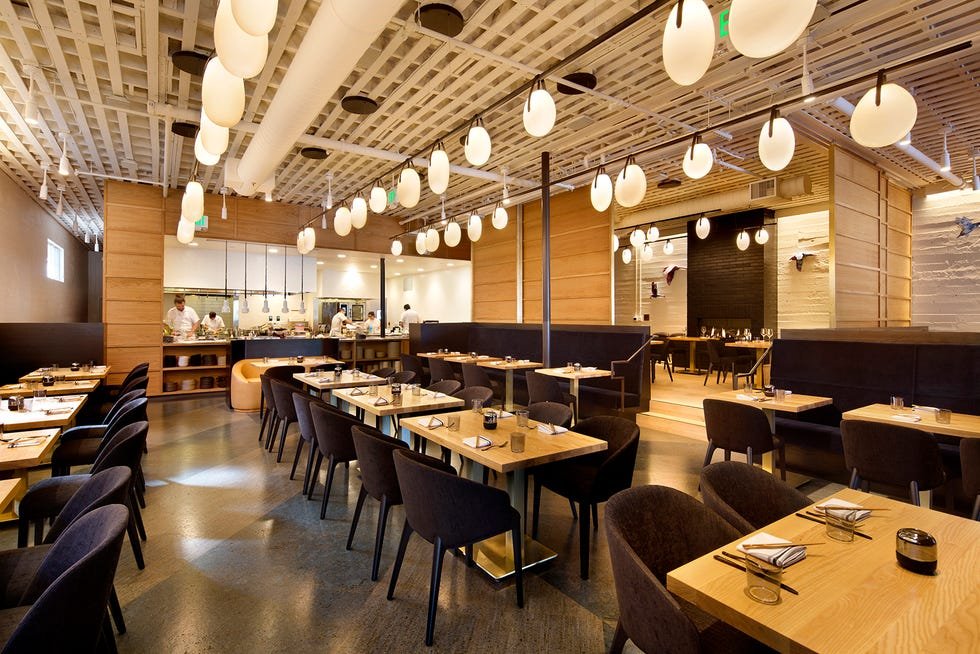
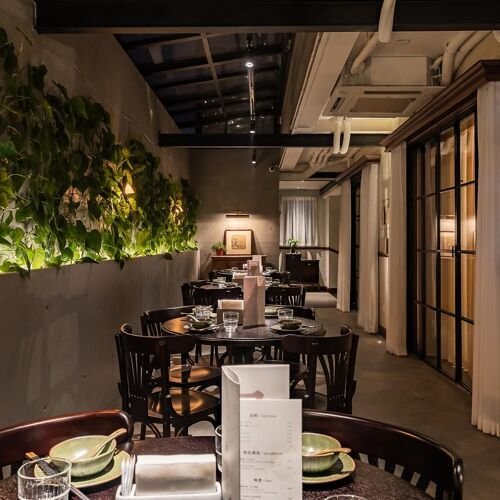
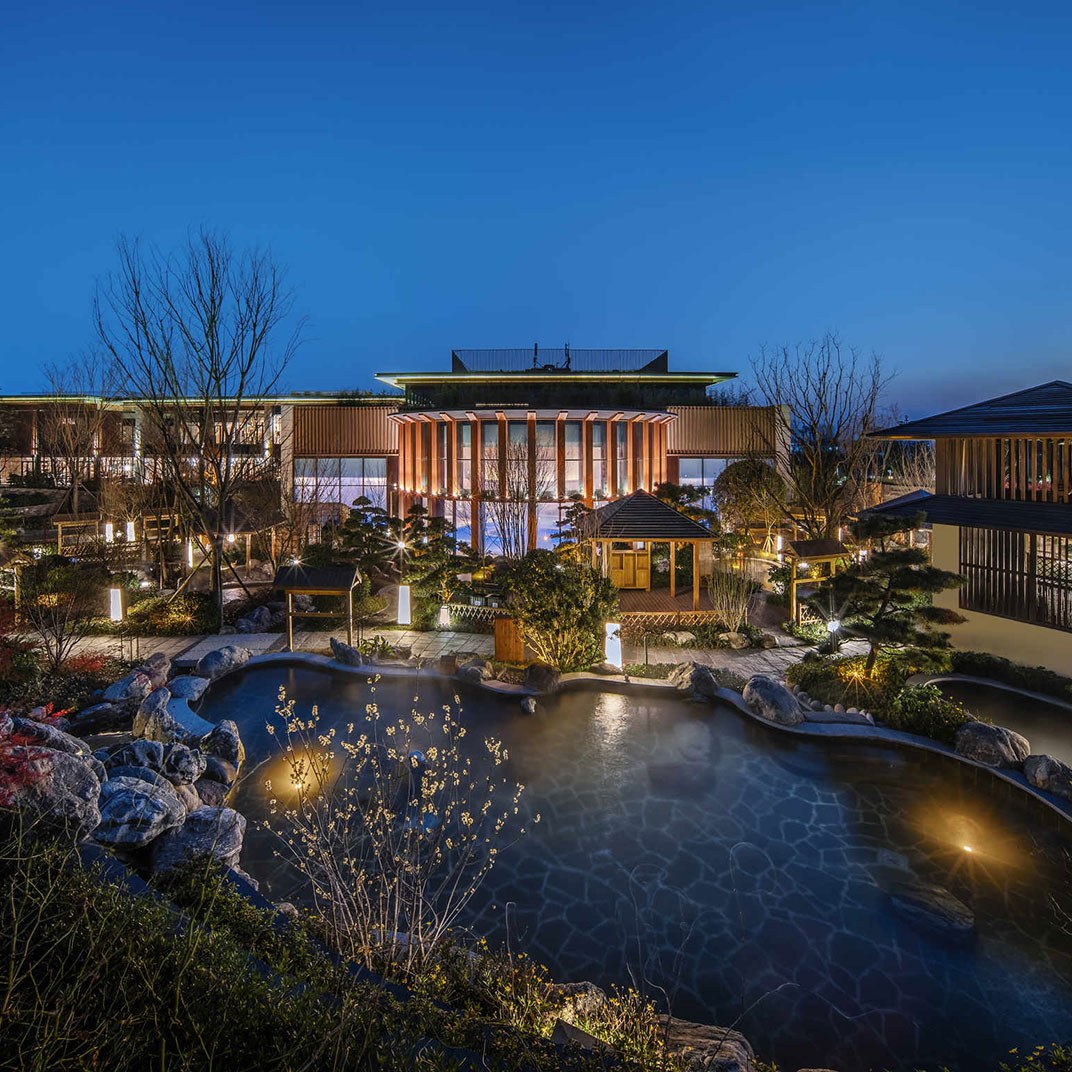
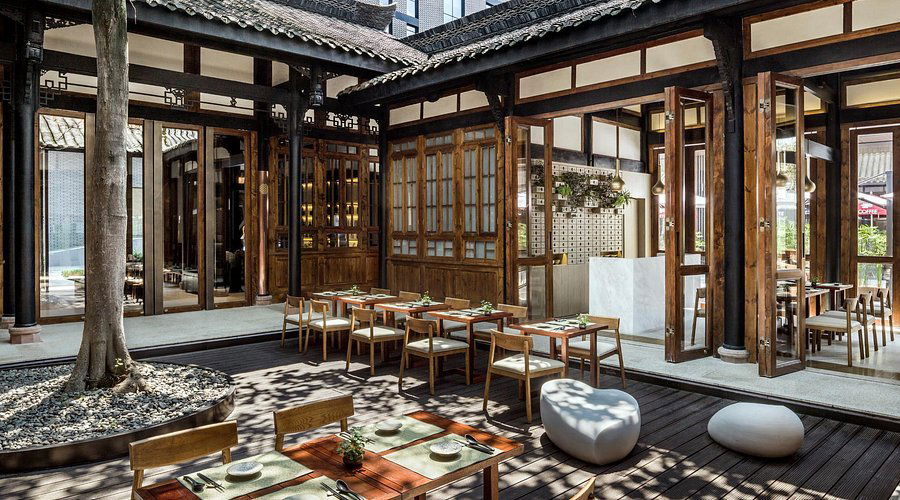
Mi Xun Teahouse sits inside a courtyard house next to Daci Temple in Chengdu's Qingyang District, and the setting is doing real work before a single dish arrives. The kitchen is open, which keeps the room airy and lets the scent of simmering broths and earthy fungi move through the space: the porcini from Mianyang is the dominant aromatic register you will notice on approach, particularly when the kitchen is running the conservation set menu. This is not a venue that masks its ingredients. The smells are clean, ingredient-forward, and calibrated: closer to a high-end Japanese kitchen than to the chile-oil intensity of the broader Sichuan dining scene outside the door.
The courtyard structure gives the room historical texture without leaning on nostalgia as a selling point. You are eating in a space that rewards attention, the architecture is the backdrop, not the pitch. For a returning visitor, this means the room feels more settled on a second visit than it did on the first, when the novelty of the setting competes with the food for your attention.
Lunch vs. Dinner: Which Service to Book
This is the most practical question for a returning visitor, and the answer is dinner if your goal is the full conservation set menu. The set menu, which features ingredients like Mianyang porcini and Ya'an radish sourced from farms near panda habitats, is the kitchen's most considered work and is better suited to an unhurried evening pace. Lunch at a courtyard venue next to Daci Temple in Qingyang also has a specific character, natural light through the open kitchen, a quieter room, and a more contemplative mood, which suits the teahouse format well if you are after a lighter, less structured meal.
At ¥¥ pricing, the cost difference between lunch and dinner is unlikely to be the deciding factor. What should decide it is intent: come at lunch for the setting and a more relaxed pace; come at dinner for the full set menu and the kitchen's most technical output. If this is a special occasion, dinner is the clearer call. If you visited at dinner on your first trip, lunch gives you a genuinely different experience of the same space.
The Menu Logic
The kitchen works with hand-picked local produce and builds its vegetarian dishes around precision rather than substitution. The vegan mapo tofu with chanterelles is the most-cited dish in available records, it reframes one of Sichuan's most recognisable preparations without the lamb fat or beef that define the original, and does so through textural and umami substitution rather than reduction. For a returning visitor, the conservation set menu is the next level: it is designed around ingredients from small farms in the panda habitat zone, which gives the sourcing a specific, verifiable logic rather than a generic farm-to-table framing.
The menu's restraint is deliberate. This is not a kitchen trying to replicate meat-based dishes across the board, it is working with the full flavour architecture of Sichuan vegetable and fungi cookery on its own terms. That distinction matters when you are deciding whether to bring non-vegetarian guests. The food is confident enough to satisfy a mixed table; it is not asking carnivores to make a concession.
Booking and Practical Notes
Booking difficulty is rated hard. With Michelin recognition since 2024 and a small courtyard setting, demand reliably outpaces walk-in availability. No online booking portal or phone number is listed in current records, which means the most reliable route is to ask your hotel concierge to call ahead, particularly if you are staying in central Chengdu. Booking at least two to three weeks out is advisable, and further in advance for weekend dinners or the conservation set menu.
The address is on Citang Street in Qingyang District, next to Daci Temple and close to People's Park, a low-traffic, historically textured part of the city that rewards arriving slightly early to walk the surrounding streets. Dress expectations are not formally stated, but the Michelin-starred setting and courtyard-house character suggest smart casual is appropriate. The venue is not a place to arrive rushed.
Quick reference: ¥¥ pricing, Michelin 1 Star (2024), Qingyang District, hard to book, concierge booking recommended 2–3 weeks in advance.
How It Compares
See the comparison section below.
Pearl Picks, Related Venues
- For vegetarian fine dining elsewhere in Chengdu: Chanyue Vegetarian and Huadao Art Of Life · Yu Shan Ge
- For the broader Chengdu Michelin tier: Yu Zhi Lan and Fang Xiang Jing
- For high-end Chinese elsewhere in China: Fu He Hui, Vegetarian in Shanghai and Lamdre, Vegetarian in Beijing are the closest national comparisons by format and philosophy
- Also worth noting in the broader China fine-dining context: Xin Rong Ji in Beijing, 102 House in Shanghai, Ru Yuan in Hangzhou, Chef Tam's Seasons in Macau, Imperial Treasure Fine Chinese Cuisine in Guangzhou, and Dai Yuet Heen in Nanjing
- Plan the rest of your Chengdu trip: our full Chengdu restaurants guide, hotels, bars, wineries, and experiences
Located inside
 HotelUpper House ChengduFull hotel guide
Planning details
- Hours
- Monday: 10 AM–10 PM · Tuesday: 10 AM–10 PM
- Location
- M345+PCV, Citang St, 人民公园 Qingyang District, Chengdu, Sichuan, China, 610015
- Phone
- +86 28 6297 4193
The take
The Take
The Vibe
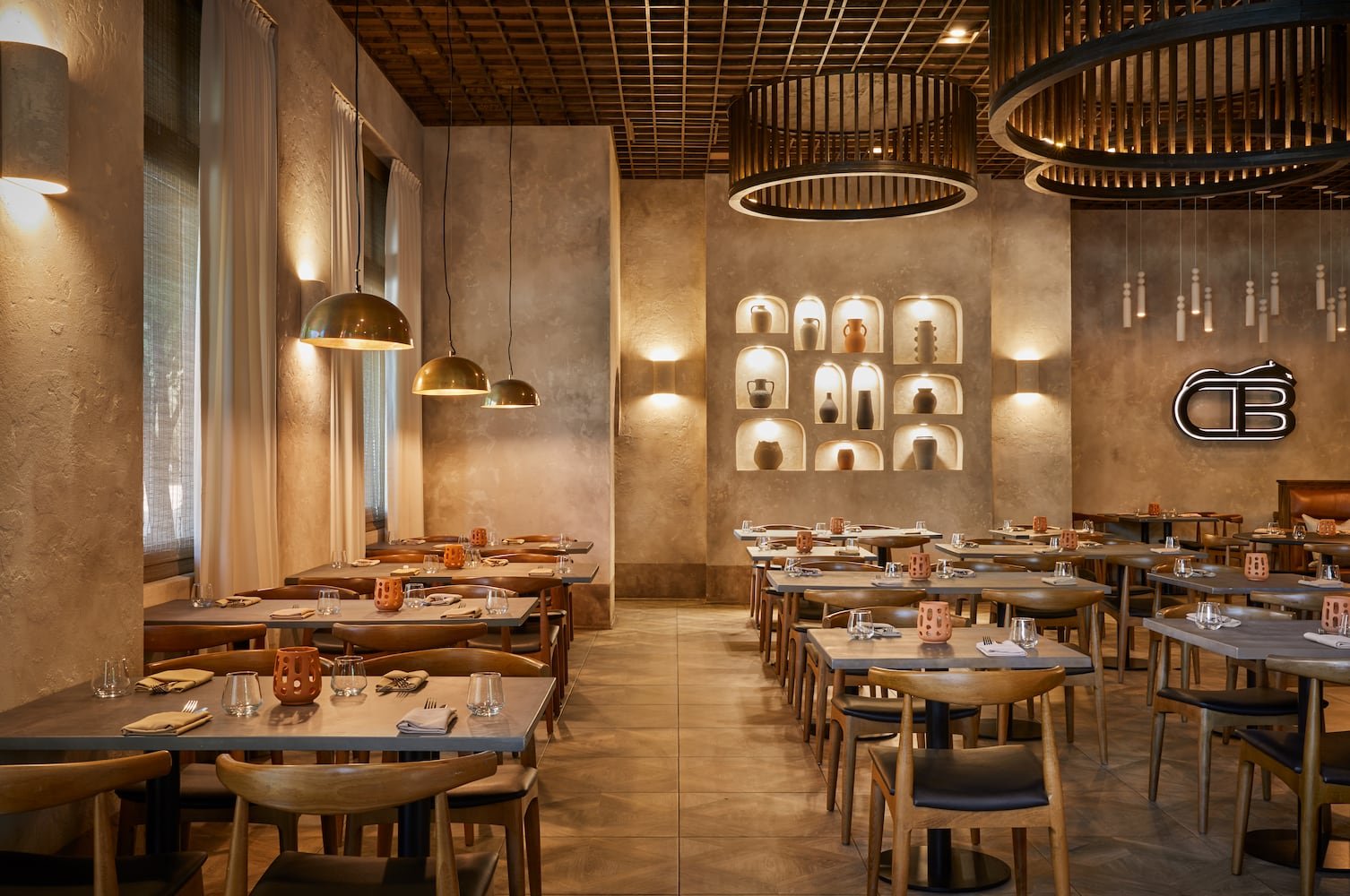
Mi Xun Teahouse unfolds within an old Chengdu courtyard beside Daci Temple, trading the city's commercial bustle for a deliberately calm pocket of the neighbourhood. The space reads like a preservation: proportions that belong to an earlier Chengdu, a courtyard plan and an open kitchen that keeps interiors airy rather than enclosed. Tea culture and Buddhist vegetarian traditions feel present but understated, and the overall effect is quietly refined and historically rooted. The teahouse favors composed restraint over showmanship, making it feel like a charming, serene refuge in a part of the city that has resisted full renovation.
Best For
This is a place for measured, intimate meals where the setting matters as much as the food. Its courtyard house and calm streetscape make it especially well suited to quiet dinners and business conversations that benefit from low volume and a composed atmosphere. The kitchen’s focus on vegetarian fine dining lends itself to special-occasion meals and date nights where guests want to explore thoughtful, texture-driven interpretations of Sichuan classics. Expect a paced, attentive experience rather than loud, late-night energy: this is dining oriented toward focus and conversation.
Ordering Tips
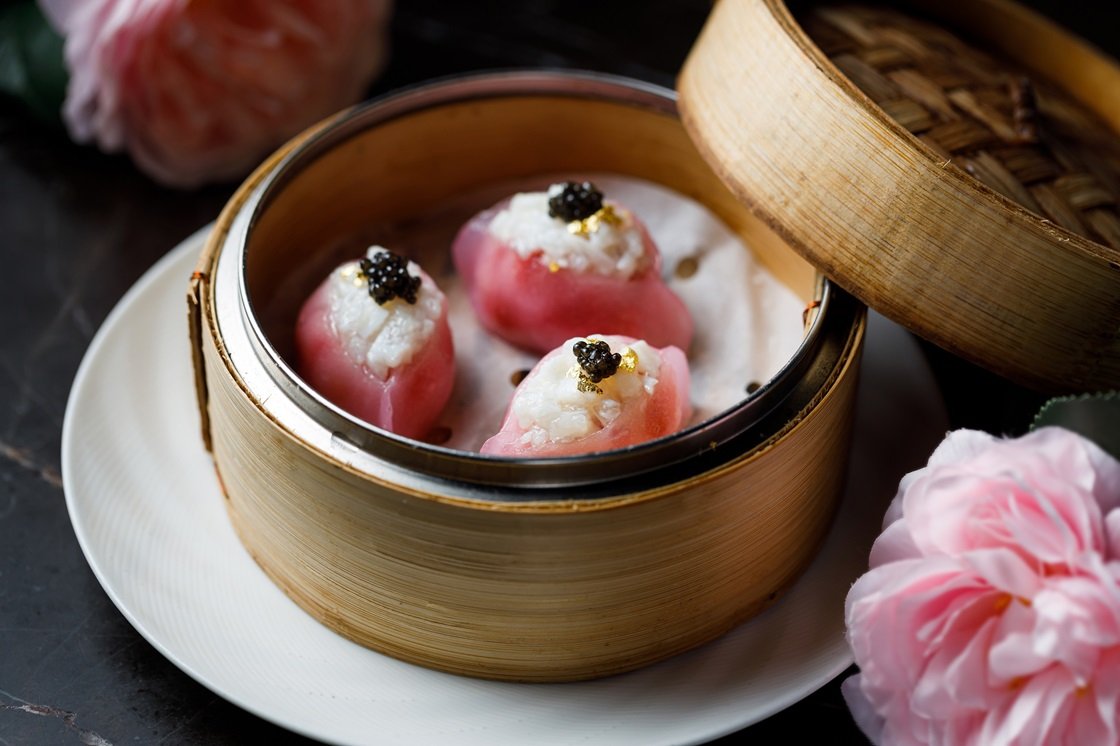
Focus orders on dishes that showcase the kitchen’s method: texture layering, fermentation depth and compositional balance. The vegan mapo tofu with chanterelles illustrates the restaurant’s approach, including how the kitchen replaces the richness that pork normally provides. Also try the signature truffle dumplings and dan dan noodles to sample the teahouse’s take on familiar classics. Given the strong tea culture context, allow time between courses to appreciate the setting and the deliberate pacing of the meal.
Venue details
Ambiance
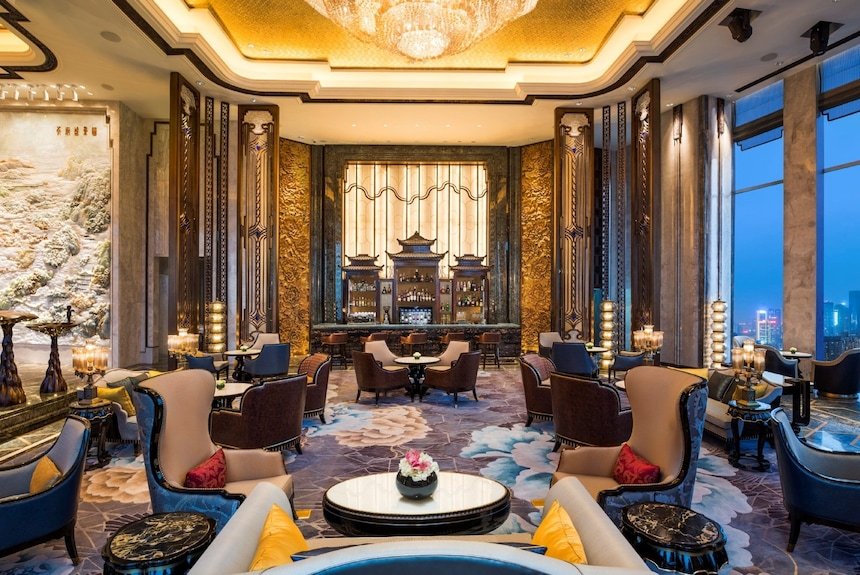
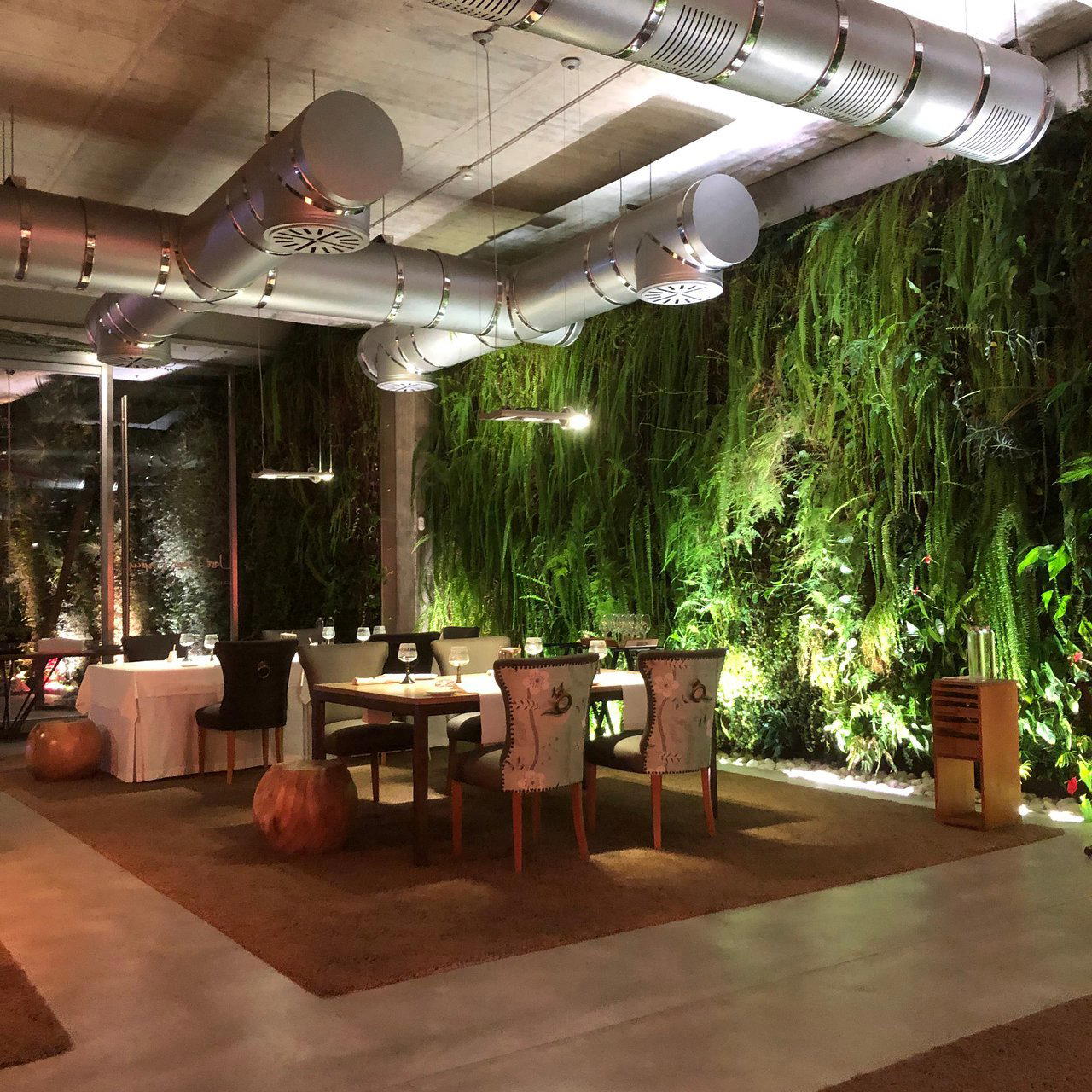
Serene and graceful oasis of calm with historical courtyard charm, bamboo surroundings, soft lighting, good music selection, and an open kitchen for an airy feel.
Tags
Vibe
Best For
Experience
Sourcing
View
At the Table
- Dress Code
- Smart Casual
- Noise Level
- Quiet
- Service Style
- Upscale Casual
- Meal Pacing
- Leisurely
- Capacity
- Intimate
- Kitchen
- Modern
- Menu Format
- A la carte, Tasting menu, Small plates
- Drinks Focus
- Tea program
- Dietary
- Vegetarian friendly
- Outdoor Seating
- Yes
Signature Dishes
- truffle dumplings
- mapo tofu
- dan dan noodles
Know before you go
Know Before You Go
- Getting there
- M345+PCV, Citang St, 人民公园 Qingyang District, Chengdu, Sichuan, China, 610015
Planning details
Hours
- Monday
- 10 AM–10 PM
- Tuesday
- 10 AM–10 PM
- Wednesday
- 10 AM–10 PM
- Thursday
- 10 AM–10 PM
- Friday
- 10 AM–10 PM
- Saturday
- 10 AM–10 PM
- Sunday
- 10 AM–10 PM
Location
M345+PCV, Citang St, 人民公园 Qingyang District, Chengdu, Sichuan, China, 610015 · Directions
Recognition and awards
Also consider
Also Consider
- Xin Rong Ji: Taizhou, ¥¥¥¥
- Yu Zhi Lan: Sichuan, ¥¥¥¥
- Chen Mapo Tofu (Qinghua Road): Sichuan, ¥
- Co-: Innovative, ¥¥¥¥
- Dumpling & Drinks (Lanchao Road): Dumplings, ¥
Restaurant context
Mi Xun Teahouse occupies a category of its own within Chengdu's Michelin tier: the only vegetarian table with star recognition, and priced at ¥¥ against a field of ¥¥¥¥ competitors. If you are choosing between Mi Xun and Yu Zhi Lan or Xin Rong Ji, both ¥¥¥¥, the decision comes down to budget and format. Yu Zhi Lan and Xin Rong Ji deliver more elaborate multi-course productions at a significantly higher price. Mi Xun gives you Michelin-level intention and sourcing rigour at roughly half the spend, which makes it the stronger call for most visitors unless you specifically want the full-theatre tasting format of the city's top tier.
For Sichuan cooking at the other end of the price scale, Chen Mapo Tofu on Qinghua Road (¥) is the reference point for the original dish: cheap, reliable, and worth eating once. But it is a different experience entirely: a canteen, not a considered meal. Fang Xiang Jing sits closer to Mi Xun in ambition and offers a more conventional Sichuan fine-dining format if a guest at your table wants meat on the menu. Co- (¥¥¥¥) skews toward innovative tasting menus and is the right pick if maximising technical novelty matters more than price efficiency.
If you are building a Chengdu itinerary and want to cover both the vegetarian and meat-forward Michelin tables, the pairing of Mi Xun Teahouse with Fang Xiang Jing gives you the broadest read on the city's fine-dining range without duplicating format or price tier. For vegetarian dining comparisons beyond Chengdu, Fu He Hui in Shanghai and Lamdre in Beijing are the national peers by philosophy, both operating at higher price points. See our full Chengdu restaurants guide for the complete picture.
Explore Chengdu
Around this place
Discover more on Pearl
Unlock the full Mi Xun Teahouse guide in Pearl, including awards, comparisons, FAQs, planning details, and nearby places.
Compare Mi Xun Teahouse
| Venue | Location | Cuisine | Awards | Price |
|---|---|---|---|---|
| Mi Xun Teahouse | Chengdu | Vegetarian | MICHELIN Guide Chengdu 20272025 Michelin 1 Star2024 Michelin 1 Star | ¥¥ |
| Xin Rong Ji | Chengdu | Taizhou | 2026 OAD Top Restaurants in Asia Ranked · #102025 Asia's 50 Best Restaurants · #562025 Michelin 2 Stars2025 Black Diamond 1 Diamond | ¥¥¥¥ |
| Yu Zhi Lan | Chengdu | Sichuan | 2026 OAD Top Restaurants in Asia Highly Recommended2026 La Liste Top Restaurants2025 OAD Top Restaurants in Asia Ranked · #1432025 Michelin 2 Stars2025 La Liste Top Restaurants2024 OAD Top Restaurants in Asia Ranked · #1012024 Michelin 2 Stars2023 OAD Top Restaurants in Asia Ranked · #55 | ¥¥¥¥ |
| Chen Mapo Tofu (Qinghua Road) | Chengdu | Sichuan | 2025 OAD Casual in Asia Ranked · #942025 Michelin Bib Gourmand2024 OAD Casual in Asia Ranked · #832024 Michelin Bib Gourmand2023 OAD Casual in Asia Ranked · #52 | ¥ |
| Co- | Chengdu | Innovative | 2026 Asia's 50 Best Restaurants · #692026 OAD Top Restaurants in Asia Recommended2026 Black Pearl 1 DiamondStar Wine Lists 20262025 Michelin 1 Star2025 The Best Chef Two Knives2025 Black Diamond 1 Diamond2024 Michelin Plate | ¥¥¥¥ |
| Dumpling & Drinks (Lanchao Road) | Chengdu | Dumplings | MICHELIN Guide Chengdu 20272025 Michelin Bib Gourmand2024 Michelin Bib Gourmand | ¥ |









.png?width=1200&quality=80)
How Mi Xun Teahouse Chengdu compares with similar nearby venues.
FAQ
Frequently Asked Questions
Is lunch or dinner better at Mi Xun Teahouse?
Dinner is the stronger booking if you want the full conservation set menu, which features produce like Mianyang porcini and Ya'an radish sourced near panda habitats. Lunch is a reasonable option if your priority is the courtyard setting and lighter plates without committing to the full menu format. Given the Michelin 1 Star recognition since 2024, either service requires advance planning.
Is the tasting menu worth it at Mi Xun Teahouse?
Yes, for the right diner. The set menu is built around a specific conservation brief, supporting small local farms near panda habitats, which gives it a coherent logic that standalone à la carte dishes don't replicate. At ¥¥ pricing, it delivers Michelin-level construction at a price point that makes the format accessible by Chengdu fine dining standards.
What are alternatives to Mi Xun Teahouse in Chengdu?
Yu Zhi Lan is the natural comparison for serious tasting-menu dining in Chengdu, though it sits at a higher price point and focuses on Sichuan haute cuisine rather than vegetarian. Chen Mapo Tofu on Qinghua Road is the reference point for the city's most famous dish in its traditional, meat-inclusive form. Mi Xun is the only Michelin-recognised vegetarian option in this peer group.
Is Mi Xun Teahouse good for a special occasion?
Yes, particularly for couples or small groups where vegetarian cooking is a shared preference or requirement. The courtyard house setting next to Daci Temple provides genuine atmosphere without the noise of a larger restaurant. The Michelin 1 Star (2024) gives it the credibility to anchor a special-occasion dinner, and the ¥¥ price range means it won't require the financial commitment of Chengdu's priciest fine dining rooms.
What should a first-timer know about Mi Xun Teahouse?
Booking difficulty is rated hard: the courtyard setting is small and Michelin recognition since 2024 means demand consistently exceeds walk-in capacity. The kitchen's approach is precision vegetarian, not a meat-substitute operation: dishes like vegan mapo tofu with chanterelles show how the menu works. Come expecting refined and restrained cooking, not the chile-forward intensity of a traditional Sichuan meal.
What should I wear to Mi Xun Teahouse?
A Michelin 1 Star (2024), a historic courtyard house setting, and a set menu format suggest that neat, presentable clothing is appropriate. Avoid overly casual attire; treat it as you would any single-star restaurant in the region.
Does Mi Xun Teahouse handle dietary restrictions?
The entire menu is vegetarian, with confirmed vegan options on the menu: the vegan mapo tofu with chanterelles is a documented dish. This makes it one of the few Michelin-recognised restaurants in Chengdu where plant-based diners don't need to negotiate around a predominantly meat-based kitchen.