



El Molin
Italian, Alpine · Cavalese
Restaurant in Cavalese, Italy
 Book with Pearl
The Read
Dolomite Forage Precision
Price
$150–200per person
Chef
Alessandro Gilmozzi
Dress
Business Casual
Why go
A Michelin-starred alpine kitchen in a 17th-century Cavalese mill, El Molin is the strongest argument for routing a Dolomites trip through the Fiemme Valley. Chef Alessandro Gilmozzi's tasting menu, built around smoked game, foraged botanicals, and freshwater fish, is technically precise and deeply local. Ranked #218 on OAD Classical Europe 2025. Book well ahead — availability is tight year-round.
About El Molin
Should You Book El Molin?
If you are planning a trip to the Dolomites this season and want a single meal that captures what alpine Italy actually tastes like, request the shorter tasting menu format when you book. The full menu is the definitive experience, but the shorter version gives you the same technical range at a slightly easier pace, and it is the smarter move if you are combining dinner with a day on the mountain. Either way, book well in advance: this is one of the hardest tables in the Italian Alps to secure, and walk-in availability is effectively zero.
For a restaurant in a small alpine town like Cavalese, that combination of critical recognition and consistent guest approval is significant. This is not a venue coasting on scenery. The food is the reason to come.
What El Molin Does Technically Better Than Its Peers
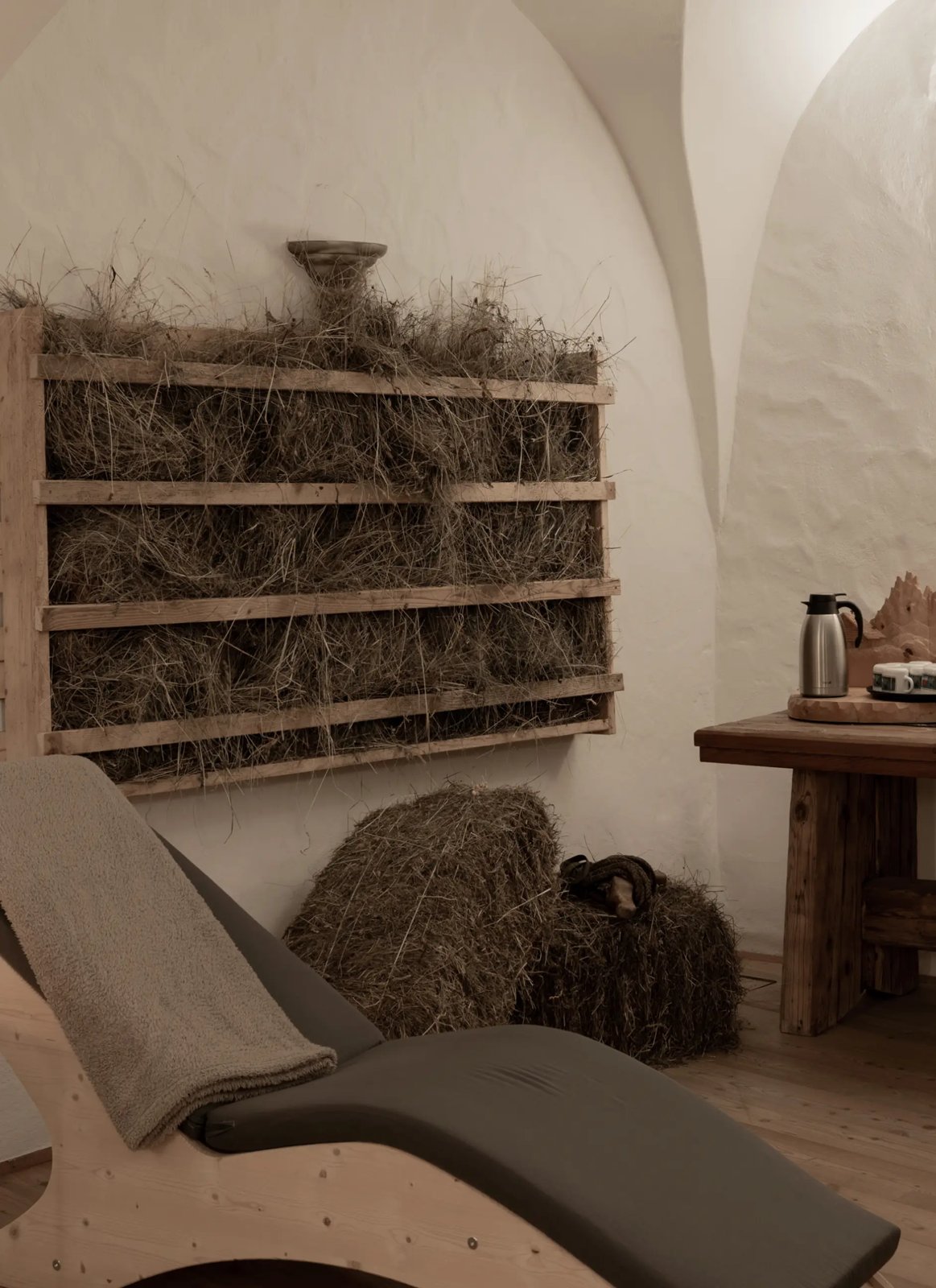
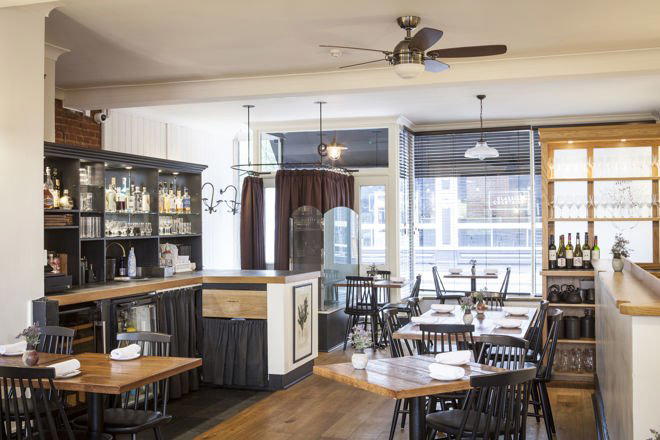
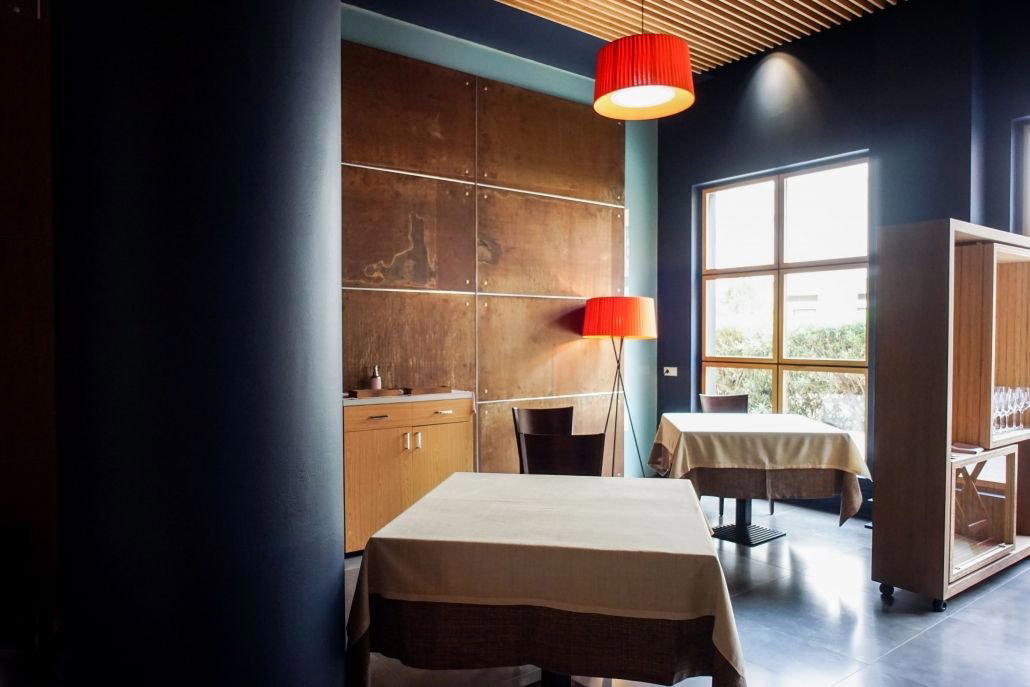
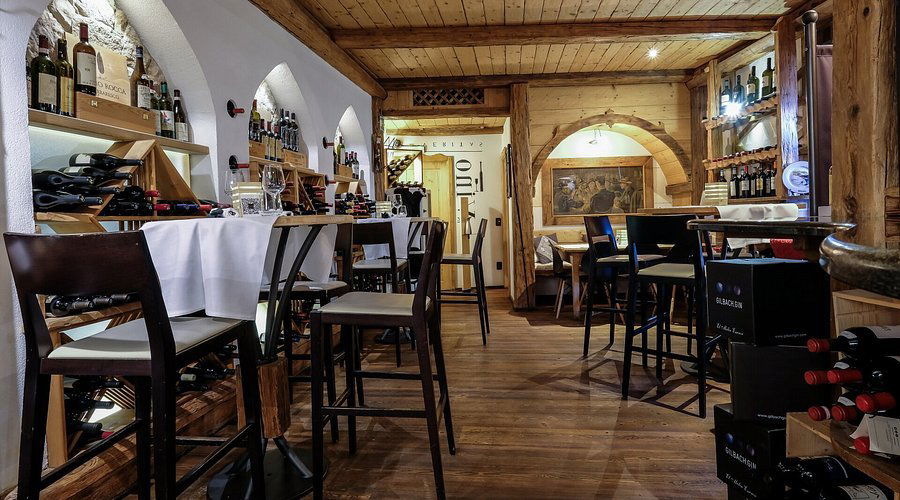
The 17th-century mill building on Via Muratori sets a specific atmospheric register the moment you step inside. The wooden floors have genuine age to them, and the structure carries the kind of smell that old working buildings do: timber, time, and the faint trace of smoke that drifts in from the kitchen. That scent is not incidental. Smoking is one of the defining techniques at El Molin, applied with a precision that separates the kitchen from the broader category of alpine-inflected Italian restaurants.
Chef Alessandro Gilmozzi has spent his career working in a narrow geographic and seasonal frame, and the results show in the specificity of the ingredients. Locally gathered herbs, barks, lichens, and resins appear on the menu in forms that most kitchens would not know how to use. This is not foraging as decoration. These elements carry flavour that reads differently from conventional aromatics, and Gilmozzi's ability to integrate them into dishes alongside rare cheeses, game, and freshwater fish without tipping the plate into eccentricity is the kitchen's clearest technical achievement. The balance between restraint and creativity is the point. Dishes can read as traditional alpine cooking or as something considerably more experimental, sometimes within the same course, but the throughline is always flavour clarity rather than technique for its own sake.
Compared to other Michelin-starred kitchens working in the Italian mountain tradition, El Molin occupies a distinct position. Atelier Moessmer Norbert Niederkofler in Brunico operates at a higher level of conceptual abstraction and carries greater international recognition. El Molin is more intimate and more directly connected to the local landscape, which makes it a better choice if you want the cooking to feel like a genuine expression of place rather than a chef's broader philosophical project. That specificity is what the OAD ranking rewards, and it is what repeat guests come back for.
The wine list is thoughtfully built, with selections available by the glass, which matters if you are pairing through a multi-course menu and want range without committing to full bottles at every stage. Alpine wine programmes at this price tier are often undercooked relative to the food; that does not appear to be the case here, though the full list is not published publicly.
Vegetable-focused dining is possible. The venue explicitly notes that guests who prioritise vegetables should communicate that preference at booking. This is a genuine accommodation rather than a hedged afterthought, which places El Molin ahead of most game-and-cheese-forward alpine kitchens in terms of dietary flexibility.
Winter is the season to prioritise. The ingredients that define the menu, including game, freshwater fish, aged cheeses, and foraged botanicals, are at their most concentrated in the colder months, and Cavalese's position in the Fiemme Valley means the town has actual reason to visit beyond the restaurant. If you are combining a ski trip with serious eating, El Molin is the clearest argument for routing your trip through Cavalese rather than a larger resort. For a broader picture of what the town offers, see our full Cavalese restaurants guide and our full Cavalese hotels guide.
Other Italian fine dining references worth knowing before you book: Uliassi in Senigallia and Piazza Duomo in Alba are operating at a higher Michelin tier if you want to calibrate your expectations. Casa Perbellini 12 Apostoli in Verona is the closest regional alternative in terms of ingredient focus and formality. None of them deliver the same alpine specificity as El Molin. If you are travelling from North America and want a tasting menu benchmark, Lazy Bear in San Francisco shares some of the same foraging-driven logic, though in a very different context.
Know Before You Go
- Address
- Via Muratori, 6, 38033 Cavalese TN, Italy
- Price tier
- €€€€ — expect a significant per-head spend at the top end of Italian fine dining
- Menu format
- Single tasting menu, also available in a shorter version — specify preference at booking
- Booking difficulty
- Hard, advance reservations required; no reliable walk-in availability
- Dietary flexibility
- Vegetable-forward menus available, communicate at time of booking
- Awards
- Leading season
- Winter, game, foraged botanicals, and freshwater fish are at their peak in colder months
- Good to know
- The building dates to the 17th century; the atmosphere is intimate and formal without being stiff
For more on what to do around your visit, see our Cavalese bars guide, our Cavalese wineries guide, and our Cavalese experiences guide.
Planning details
- Hours
- Location
- Location
- Via Muratori, 6, 38033 Cavalese TN, Italy
- Reservations
- Book on the venue's website
- Website
- elmolinwinebar.com
- Phone
- +39 379 185 9555
The take
The Take
The Vibe
El Molin pairs mountain rigor with metropolitan technique inside a 17th-century mill whose wooden floors and domestic proportions keep the room grounded. The kitchen treats the Dolomites as subject matter rather than scenery, translating game, river fish and foraged aromatics into refined, restrained plates. That blend of regional specificity and formal ambition — signaled by a 2024 Michelin star and consistent peer recognition — gives the place a quietly sophisticated, old‑world charm. Dining here feels intimate and deliberately paced, where every detail reinforces the idea that the mountains shape both ingredients and the manner of service.
Best For
This is a dinner destination for focused, special‑occasion evenings and deliberate date nights. The restaurant’s Michelin recognition and its emphasis on restraint and technique make it best experienced at night when the menus and service align with a formal cadence. The compact, domestic dining room rewards small groups or couples who want a concentrated tasting experience rooted in alpine ingredients. It’s not a place for casual quick plates; guests come for considered cooking and the sense that the meal is an encounter with the region’s high‑altitude larder.
Ordering Tips
The house frames itself as a tasting proposition — literally invoking "Where the Dolomites Become a Tasting Menu" — so look to the chef’s composed sequences that emphasize game, river fish and foraged herbs. If available, follow the tasting progression to understand the alpine logic behind each course. Signature dishes to watch for include the Tagliatelle with mountain aromas, Risotto all'Oltre Alpe, and Deer tongue with wild rose and gentian; these highlight the restaurant’s focus on local flavors executed with fine‑dining technique.
Venue details
Ambiance
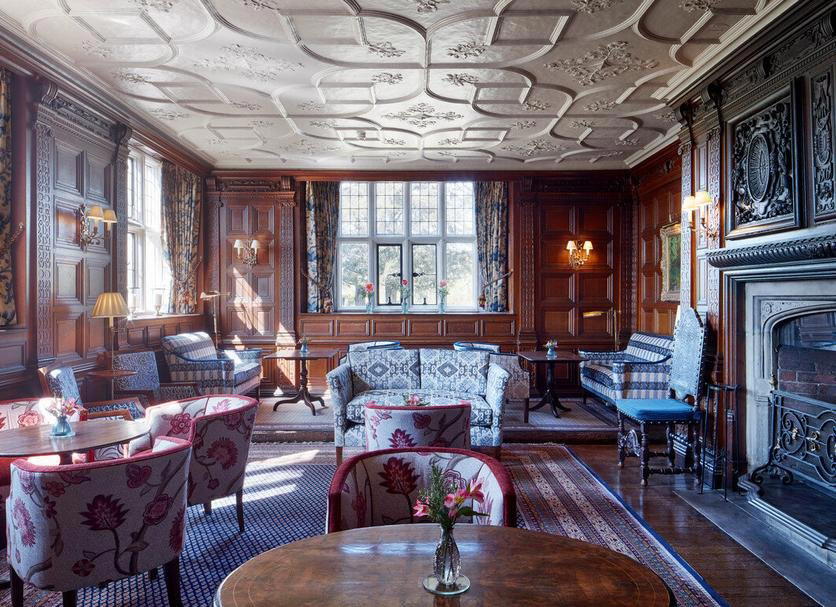
Warm and refined woody interior of Swiss pine in a historic mill with soft lighting, sculptures, and a serene, forest-evoking atmosphere.
Tags
Vibe
Best For
Experience
Sourcing
View
At the Table
- Dress Code
- Business Casual
- Noise Level
- Quiet
- Service Style
- Upscale Casual
- Meal Pacing
- Leisurely
- Capacity
- Small
- Kitchen
- Modern
- Menu Format
- Tasting menu
- Wine Program
- Curated
- Dietary
- Vegetarian friendly
Signature Dishes
- Tagliatelle with mountain aromas
- Risotto all'Oltre Alpe
- Deer tongue with wild rose and gentian
Know before you go
Know Before You Go
- Getting there
- Via Muratori, 6, 38033 Cavalese TN, Italy
Planning details
Hours
Location
Location
Via Muratori, 6, 38033 Cavalese TN, Italy · Directions
Recognition and awards


Also consider
Also Consider
- Atelier Moessmer Norbert Niederkofler, Italian, Creative, €€€€
- Dal Pescatore, Italian, Italian Contemporary, €€€€
- Osteria Francescana, Progressive Italian, Creative, €€€€
- Quattro Passi, Italian, Mediterranean Cuisine, €€€€
- Reale, Progressive Italian, Modern Cuisine, €€€€
Restaurant context
How El Molin Compares
At €€€€ pricing and Michelin one-star level, El Molin sits in a competitive Italian fine dining tier, but its closest peers are not actually in Cavalese. The most direct comparison in the alpine Italian tradition is Atelier Moessmer Norbert Niederkofler in Brunico, which operates with greater conceptual ambition and holds higher Michelin recognition. If you want the most decorated kitchen in the Italian mountain category, that is your table. El Molin is the better choice if you want cooking that feels genuinely rooted in one specific valley rather than a broader chef-driven project. The OAD Classical Europe rankings reflect this: El Molin's rise from #226 (2024) to #218 (2025) indicates a kitchen gaining traction with exactly the audience that values ingredient specificity over high-concept presentation.
Against the broader Italian €€€€ cohort, Osteria Francescana in Modena and Dal Pescatore in Runate both carry more Michelin weight and more international name recognition. Osteria Francescana is the obvious choice if reputation and creative range matter more than a sense of place. Dal Pescatore is the choice if you want long-established Italian classicism over alpine specificity. Reale in Castel di Sangro and Quattro Passi in Marina del Cantone both work in Italian progressive territory but from coastal or inland-lowland ingredient bases, making them poor comparisons for what El Molin is actually doing. If the alpine foraging-and-smoke approach is what interests you, none of those alternatives replicate it.
On booking difficulty, El Molin is hard but not in the same category as Osteria Francescana, where the wait can stretch months in advance. Plan four to six weeks out for a realistic shot at the date you want, and be flexible on menu length, asking for the shorter format may open more availability. If you are building a broader Italian fine dining itinerary, pair El Molin with Piazza Duomo in Alba or Enoteca Pinchiorri in Florence for stylistic contrast rather than doubling down on the mountain register.
Explore Cavalese
Around this place
Discover more on Pearl
Unlock the full El Molin guide in Pearl, including awards, comparisons, FAQs, planning details, and nearby places.
Compare El Molin
| Venue | Price | Awards |
|---|---|---|
| El Molin | €€€€ | 2026 Michelin 1 Star2025 OAD Classical in Europe Ranked · #218We're Smart World Top Restaurants 20252025 The Best Chef One Knife2025 Michelin 1 Star2024 OAD Classical in Europe Ranked · #2262024 Michelin 1 Star2023 OAD Classical in Europe Recommended |
| Atelier Moessmer Norbert Niederkofler | €€€€ | 2026 OAD Top Restaurants in Europe Ranked · #92026 Falstaff Restaurant Guide2026 Les Grandes Tables du Monde Members2026 Michelin 3 Stars2026 La Liste Top Restaurants2025 World's 50 Best Restaurants · #202025 OAD Top Restaurants in Europe Ranked · #362025 The Best Chef Three Knives2025 Michelin 3 Stars |
| Dal Pescatore | €€€€ | 2026 OAD Classical in Europe Ranked · #172026 Relais Chateaux Restaurants2026 Les Grandes Tables du Monde Members2026 La Liste Top Restaurants2026 Michelin 3 Stars2026 Falstaff Restaurant Guide2025 OAD Classical in Europe Ranked · #162025 Michelin 3 Stars2025 Relais Chateaux Award |
| Osteria Francescana | €€€€ | 2026 OAD Top Restaurants in Europe Ranked · #212026 La Liste Top Restaurants2026 Les Grandes Tables du Monde Members2026 Michelin 3 Stars2026 Falstaff Restaurant Guide2025 OAD Top Restaurants in Europe Ranked · #27Chef's Table Featured Restaurants · 20252025 Michelin 3 Stars2025 The Best Chef Three Knives |
| Quattro Passi | €€€€ | 2026 OAD Top Restaurants in Europe Ranked · #972026 Les Grandes Tables du Monde Members2026 La Liste Top Restaurants2026 Michelin 3 Stars2026 Falstaff Restaurant Guide2025 OAD Classical in Europe Ranked · #522025 La Liste Top Restaurants2025 Michelin 3 Stars2024 OAD Classical in Europe Ranked · #116 |
| Reale | €€€€ | 2026 OAD Top Restaurants in Europe Ranked · #222026 Les Grandes Tables du Monde Members2026 La Liste Top Restaurants2026 Michelin 3 Stars2026 Falstaff Restaurant Guide2025 World's 50 Best Restaurants · #182025 OAD Top Restaurants in Europe Ranked · #25We're Smart World Top 100 2025We're Smart World Top Restaurants 2025 |









How El Molin stacks up against the competition.
FAQ
Frequently Asked Questions
Does El Molin handle dietary restrictions?
Vegetable-focused preferences are explicitly acknowledged — the restaurant asks you to flag them in advance. For other restrictions, contact the team before booking; a single tasting menu format has limited ability to pivot without notice. The short menu version gives the kitchen slightly more flexibility to accommodate.
Can I eat at the bar at El Molin?
El Molin is a tasting menu restaurant set in a 17th-century mill, not a casual bar-dining setup. There is no documented bar counter service here. If you want a shorter commitment, the abbreviated tasting menu is the practical alternative to the full format.
What should I wear to El Molin?
A Michelin-starred restaurant at €€€€ pricing in an intimate mill setting calls for neat, considered dress — think smart casual at minimum. The alpine surroundings soften the formality somewhat, but this is not a jeans-and-trainers room. Err toward polished.
Is the tasting menu worth it at El Molin?
Yes, if alpine cooking is what you are after. Gilmozzi's use of local herbs, barks, lichens, game, and freshwater fish is specific enough that you are not getting a generic fine dining meal — OAD ranked it #218 in Classical Europe for 2025 and Michelin awarded a star in 2024. If you want à la carte flexibility, this format will frustrate you; if you want one focused meal that maps directly to the landscape around Cavalese, book it.
Is El Molin good for a special occasion?
Yes. The 17th-century mill setting, single tasting menu format, and Michelin-starred kitchen make it a credible choice for a significant dinner in the Dolomites. The romantic character of the space is noted by regulars as a genuine draw, not just a backdrop. Book well in advance — a restaurant at this level in a small mountain town fills up fast.